









-
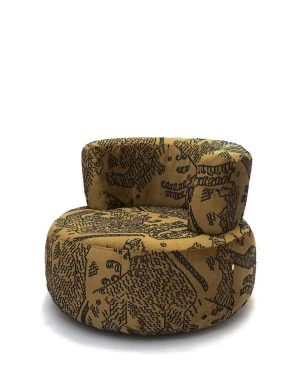
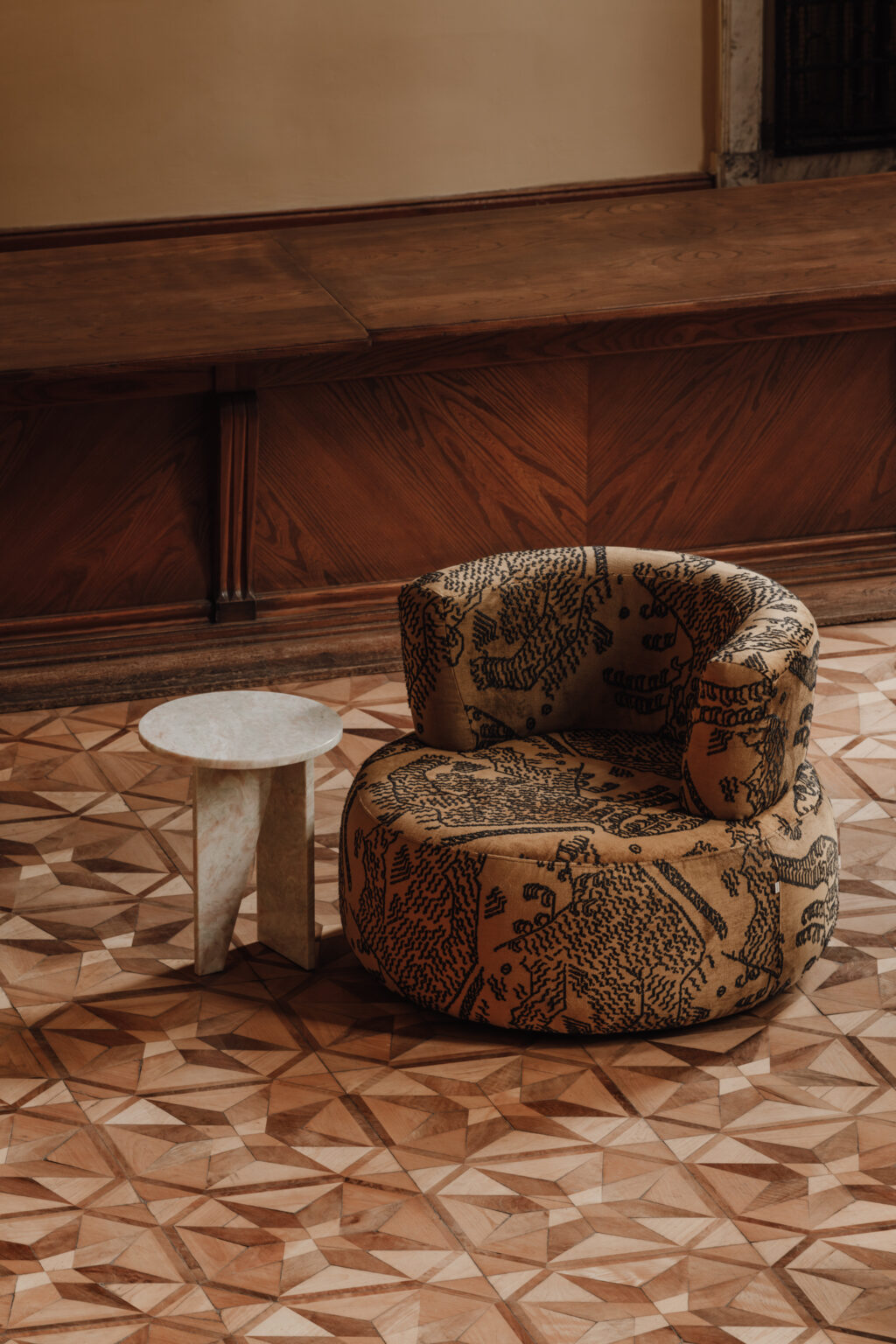
Object051 – Dedar Fabric Armchair
By NG DESIGN
€2.095 -

Blotti Daybed
By Marie-Marie Defour
€7.000 -

1908 – Solid Wood & Leather Lounge Chair
By espina corona
€1.450 -
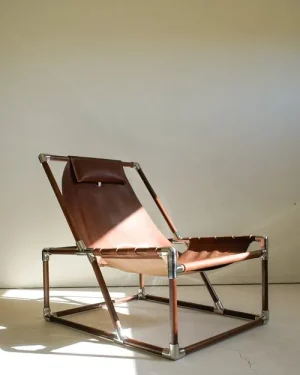
Marina Sling – Lounge Chair
By CHANDLER MCLELLAN
€2.588 -
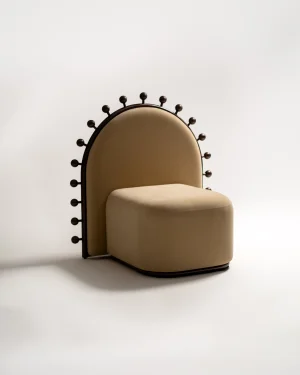
Medaillon Accent Chair
By Boo Design Studio
€3.927 -
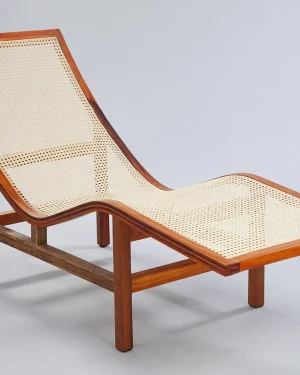
Chaise Sossego
By am.o atelier
€2.956 -
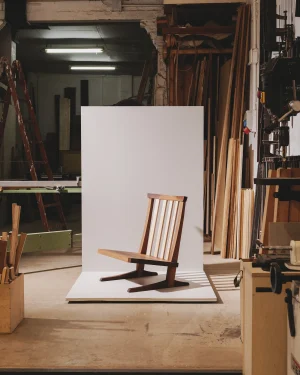
Naka Chair
By Mike Hausmann
€6.280 -

Book Monster
By JLF Design Studio
€10.000 -
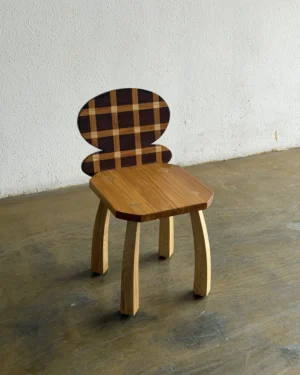
Bend Chair
By STUDIO KALLANG
€2.900 -
 In stock
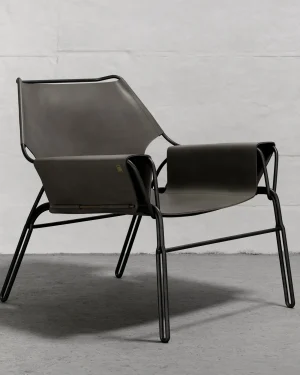
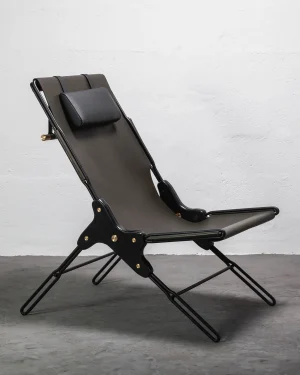
Perfidia_02 – Thick Leather Sling Lounge Chair In Black Steel
By ANDEAN
€4.542 This product has multiple variants. The options may be chosen on the product page -

The Andes Huntsman Chair
By CHANDLER MCLELLAN
€3.695 -
 In stock
Perfidia_01 – Thick Leather Sling Lounge Chair In Black Steel
By ANDEAN
€4.133 This product has multiple variants. The options may be chosen on the product page -
 In stock
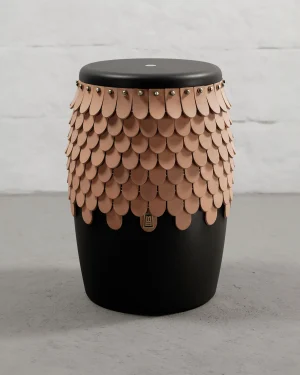
Sitiera_01 Solid Wood Stool, With Thick Leather Accents, Aged Bronze
By ANDEAN
€2.495 - €3.743 This product has multiple variants. The options may be chosen on the product page -
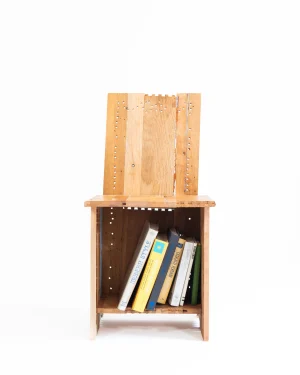
Chair 1 – Deconstructed Wood
By Yuxuan Huang Studio
€2.470 -
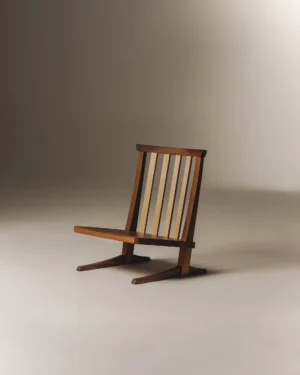
Naka Chair
By Mike Hausmann
€6.280 -
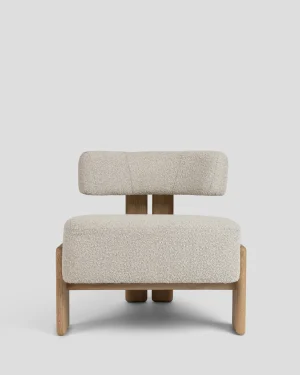
De La Paz Low Chair
By Comité de Proyectos
€2.990 - €3.750 This product has multiple variants. The options may be chosen on the product page -
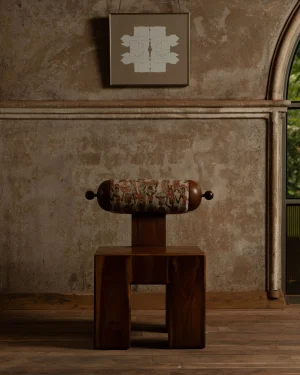
Akeru Chair / Numbered Edition Of 10
By WANNAS
Price Upon Request -
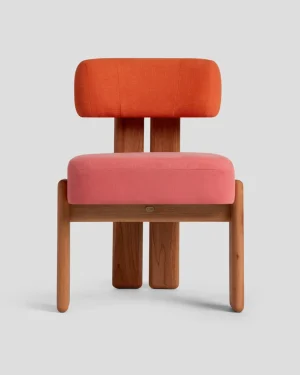
Anni Toronja De La Paz Dining Chair
By Comité de Proyectos
Price Upon Request -
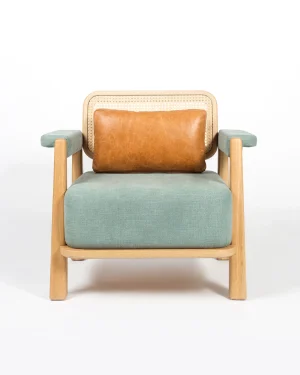
Toledo Armchair
By Comité de Proyectos
€3.000 - €3.600 This product has multiple variants. The options may be chosen on the product page -
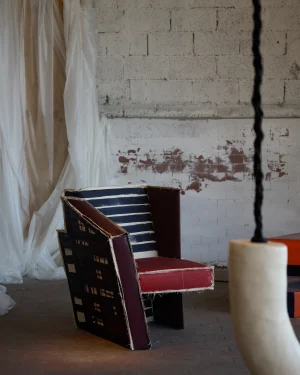
Carte Blanche – Hand Painted Armchair
By Crina Arghirescu Rogard
Price Upon Request
Reading room accent chairs are built for one task: holding a body still and supported through long stretches of reading, often for an hour or more at a stretch. Studios shape them from solid wood, leather, bronze and stainless steel, using joinery, upholstery and metalwork that favor steady support over decoration. The result is a chair that reads as quiet furniture in a room meant for concentration rather than conversation.
What defines a reading room chair
Wood frames, usually walnut, teak or mahogany, carry most of the weight in this group, often joined by hand and left with an oiled or lightly lacquered finish that lets the grain show. Leather upholstery, worked over foam or webbing, adds the give a seated body needs without softening the whole chair into a sofa. Bronze and stainless steel appear less often, mostly as legs, frames or swivel bases paired with upholstered seats.
These pieces differ from a living room accent chair mainly in restraint: fewer sculptural flourishes, more attention to the angle of the back and the height of the arms, since a reading chair has to hold the same position for a long time.
Finishes and colors for a reading corner
Color here tends toward tones that recede rather than announce themselves: brown, cognac, black, and combinations of beige and brown dominate the leather and wood pieces, with bronze showing up in metal frames and hardware. Dark green and olive leather or textile upholstery appear in smaller numbers, giving a reading room accent chair some depth without competing with bookshelves or wall color. Orange is the outlier, used sparingly where a studio wants one chair to carry visual weight in an otherwise muted room.
Styles found across the range
Mid-century modern shapes, with tapered wood legs and gently curved backs, are common, alongside contemporary and modern chairs built on simpler, more geometric frames. Art deco and brutalist pieces trade softness for stronger lines and heavier materials, bronze and dense wood in particular. Minimalist and rustic chairs sit at opposite ends of finish, one stripped back to bare joinery, the other left closer to raw wood grain, while romanticism-influenced designs bring in more curved detailing and softer upholstery.
Work across these styles comes from both open editions, made on an ongoing basis, and limited editions produced in smaller, fixed runs. The techniques involved span wood and cabinetmaking, leatherwork, metalwork, textilework, joinery, upholstery, hand-building and CNC milling, often combined within a single chair.
Choosing a chair for scale, height and placement
Seat height and depth matter more here than in a chair meant for brief sitting. A seat set too low or too deep makes it hard to hold a book at a comfortable distance; arms that sit too high push the shoulders up over time. Measure the corner or alcove where the chair will go, and check that there is enough clearance for a side table or reading lamp within easy reach.
- Wood and leather chairs read warmer and suit rooms already built around natural materials.
- Metal-framed chairs, in bronze or stainless steel, work better in rooms with other hard surfaces, stone or glass.
- Darker colors, black, cognac, dark green, hide wear better in a chair used daily.
Reading room accent chairs placed near a window benefit from upholstery that will not fade quickly, since direct sun breaks down both leather and dye over seasons. Pairing the chair with dedicated reading room lighting reduces strain on the eyes and keeps the chair itself from needing to face a window.
Care for wood, leather and metal
Oiled wood frames need an occasional reapplication of oil to stop the surface drying out and the grain raising; walnut and teak darken gradually with light exposure, which is normal and not a fault. Leather upholstery should be kept away from direct heat sources and wiped down rather than soaked, with a conditioner applied a few times a year to stop it cracking. Bronze develops a patina over time unless sealed, while stainless steel only needs a dry cloth to keep fingerprints from showing.
For the wider range of wood-framed seating, wooden accent chairs cover joinery and finishes beyond this room, and the full set of accent chairs spans every style and material a studio works with. Other pieces built for the same corner, shelving, side tables, small lighting, sit under reading room furniture, and the full spread of seating, lighting and objects placed in this kind of room can be seen under reading room pieces.
How do I choose an accent chair for a reading room?
Look for a seat and back height that support a long sit, a frame narrow enough to angle toward a window or lamp, and a material that feels right against bare skin or a throw blanket.
What materials work best for reading chairs?
Wood frames in oak, walnut or teak pair with leather or upholstered textile seats for comfort, while bronze or stainless steel bases suit a firmer, more architectural seat. Leather softens with use, wood deepens in tone over years.
What size chair fits a reading corner?
Accent chairs sized for reading tend to sit lower and deeper than dining chairs, built for curling up or stretching legs rather than sitting upright at a table.
Can a reading chair work in a small bedroom or living room?
Yes, a single accent chair with a compact frame anchors a corner without crowding it, turning an unused space by a window or shelf into a reading spot.
Does ADORNO ship accent chairs internationally?
Yes, every order ships insured, worldwide.
What is ADORNO's return policy on accent chairs?
Returns are accepted within 14 days of delivery, except on made-to-order pieces. Each chair arrives with a certificate of authenticity, and ADORNO offers a lowest-price guarantee.