









-
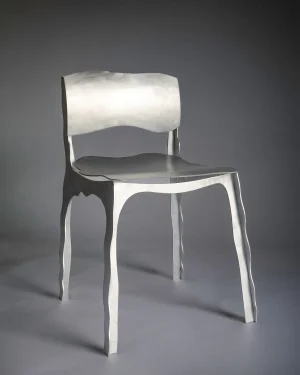
Contemporary Vanity Chair V2
By Six Dots Design
€920 -

Camber – Stainless Steel Chair
By Paul Coenen
€1.121 -
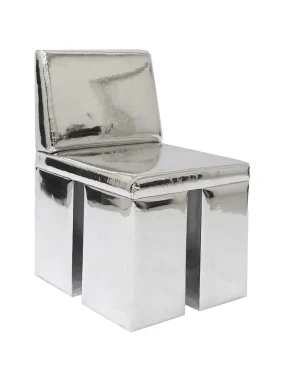
Object106 – Upholstered Chairs
By NG DESIGN
€585 - €1.115 This product has multiple variants. The options may be chosen on the product page -
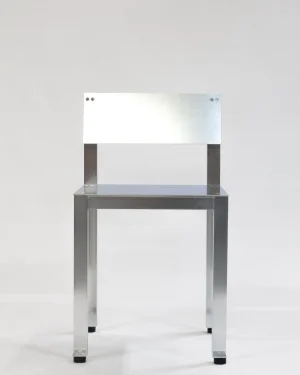
Canto – Aluminum Dining Chair
By Luiz Solano
€840 -
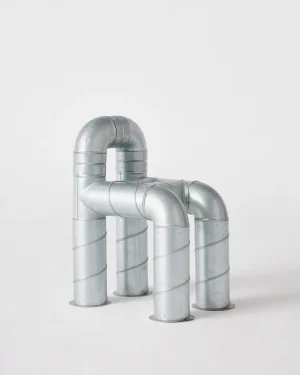
O.F.I.S Series, Steel Chair
By Lucas Muñoz Muñoz
€1.200 -
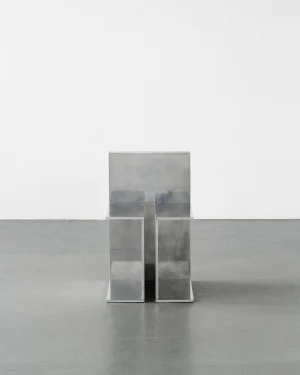
Lille Split Chair
By Thomas Gayet
€2.300 -
 In stock
Pneumatic Chair 2
By Szostak Atelier
€5.990 This product has multiple variants. The options may be chosen on the product page -
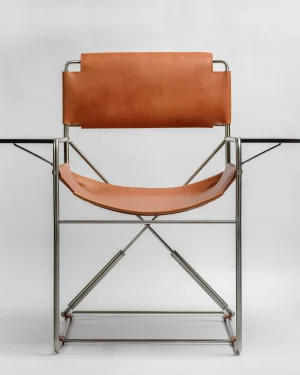
Pneumatic Chair – Unique Piece
By Szostak Atelier
€9.000 -
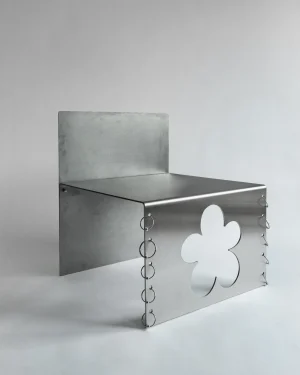
Pierced Cosmic Flower Chair
By LAÔMA ATELIER
€983 -
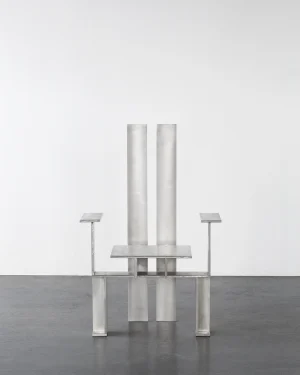
Relatively Comfy Armchair
By Thomas Gayet
€2.900 -
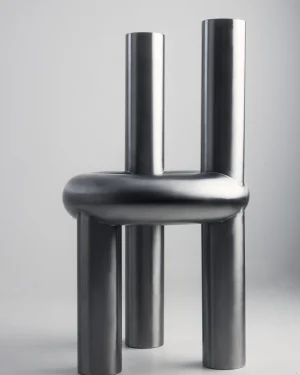
Chunk Chair – Stainless Steel
By Obscure Objects
€6.303 -
 In stock
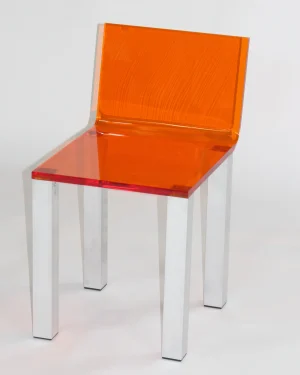
Acrilar – Acrylic Chair I
By Luiz Solano
€840 This product has multiple variants. The options may be chosen on the product page -
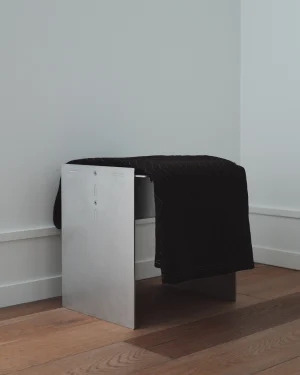
Flat Metals – Seat 01
By Estudio Material
€900 -
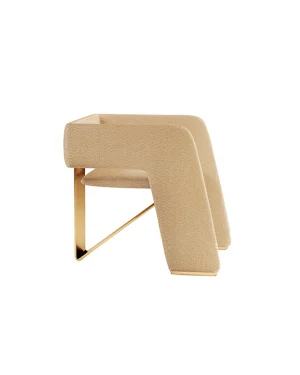
Futura Chair
By Alter Ego Studio
€3.900 This product has multiple variants. The options may be chosen on the product page -
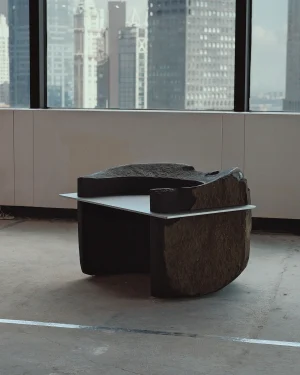
Basalt Seat 01
By Estudio Material
Price Upon Request -
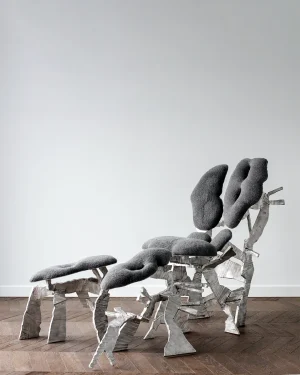
Insect Lounger – Recycled Cast Aluminum
By BY JAMPS
Price Upon Request -
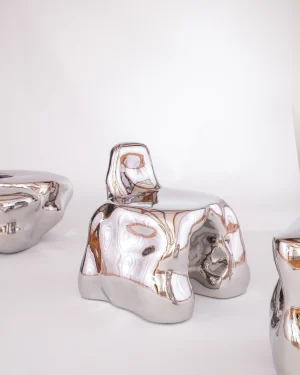
Surface Chair – Mirror Polished Stainless Steel
By studio NAWA
Price Upon Request -
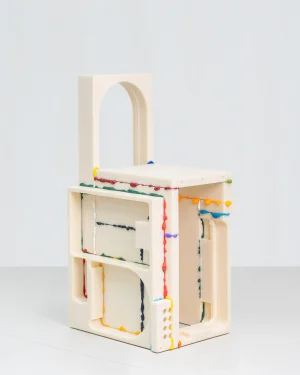
B. S. P Series “the Original”
By Atelier SOHN
Price Upon Request -
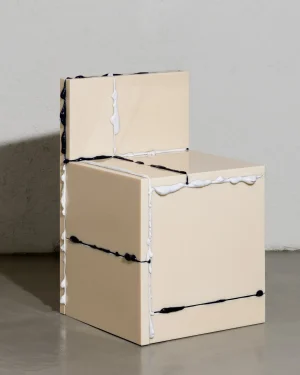
B. S. P Series – Recycled Plastic Chair
By Atelier SOHN
Price Upon Request
Futuristic accent chairs push seating toward forms that look ahead rather than back, built from aluminum, stainless steel, and recycled plastic rather than wood or wicker. Studios working in metalwork, welding, and 3D printing favor smooth shells, molded curves, and reflective or matte finishes over carved details. The result sits closer to sculpture than to tradition, built for rooms that want one object to set the tone.
What makes a chair read as futuristic
The style leans on continuous surfaces and exaggerated geometry: a seat and back formed as one shell, a frame reduced to a single bent line, a silhouette with no visible joinery. Materials like stainless steel and polished aluminum carry this off because they can be bent, welded, or cast into forms that would crack in wood. Color plays a part too, with reflective finishes, off-white lacquers, and cool tones like baby blue standing in for the warm woods and patterns of older seating.
Materials and finishes found on ADORNO
The range runs from raw to refined. Welded steel and aluminum frames show tool marks and seams as part of the design, while stainless steel and reflective coatings polish those same structures into mirror surfaces. Leather and polyester upholstery soften the hard shells where a seat needs padding, applied through upholstery or textilework rather than left exposed. Recycled plastic and other by-product materials appear on chairs built around a lower environmental cost, often molded in one piece rather than assembled from parts.
Editions vary by studio. Some chairs come as open editions, made to a standing design and restocked as ordered. Others are limited editions or unique pieces, produced in small runs or as one-offs where a mold, a hand-finished surface, or a laser-cut pattern limits how many can exist.
Choosing a futuristic accent chair
Scale matters more with sculptural seating than with a plain chair, since an oversized shell can crowd a small room while an undersized one loses its presence. Seat height should still land near standard dining or lounge proportions even when the silhouette is unconventional, so the chair remains comfortable to use rather than purely decorative. Finish affects placement too: reflective and polished metal surfaces catch light and work well near windows, while matte or upholstered versions sit more quietly in a corner.
- Pair a reflective or stainless steel chair with a plain floor so the form stays the focal point.
- Use a single sculptural chair as a counterpoint to an otherwise plain room, rather than grouping several together.
- Choose leather or polyester upholstery where the chair will see daily use, and bare metal or plastic where it is mostly on display.
Where these chairs work
Living rooms are the natural setting, where one striking chair can anchor a seating group without matching the sofa. They also suit entryways and reading corners, standing in for a side table or sculpture as much as for seating. For dining use, pieces built for repeated sitting are better sourced among dining room accent chairs, while softer, more residential forms sit within living room accent chairs.
Care by material
Polished aluminum and stainless steel want a soft cloth and mild soap; abrasive cleaners dull the reflective finish that defines the piece. Welded steel left unlacquered can develop light surface oxidation and benefits from an occasional wipe with a dry cloth to keep moisture from settling in the seams. Leather upholstery should stay out of direct sun and be conditioned periodically, while polyester covers generally need only light vacuuming.
For a broader view of the category, the full range of accent chairs covers softer and more traditional styles, and every futuristic piece on ADORNO extends the look into lighting and objects. Those drawn to the metal construction specifically can also look at metal accent chairs and aluminum accent chairs, both close relatives of the futuristic style built from the same processes of welding and metalwork.
How do I choose a futuristic accent chair?
Look at the silhouette first: molded curves and reflective finishes read as sculpture, while angular metal frames suit a sharper room. Match the frame material to how often the chair will be moved or sat in.
What are futuristic accent chairs made of?
Most are built from aluminum, stainless steel or welded steel, sometimes paired with leather, polyester upholstery or recycled plastic. Reflective or polished finishes are common, giving the frame a hard, light-catching surface.
How do I care for a metal or polished chair?
Wipe metal and reflective surfaces with a soft, dry cloth to avoid scratching the finish. Leather upholstery should stay away from direct heat and be conditioned occasionally to stop it drying out.
What size is a standard accent chair?
Most accent chairs sit between 28 and 32 inches high and 24 to 30 inches wide, close to standard dining chair proportions. For confirmation on a specific piece, chat with the maker on its page.
Which rooms suit a futuristic accent chair?
A single sculptural chair reads well in a living room corner, entryway or reading nook, where it has room to stand apart from other furniture. Avoid crowding one next to heavily patterned or ornate pieces.
How does shipping, returns and authenticity work at ADORNO?
Shipping is insured and worldwide. Returns are accepted within 14 days, except on made-to-order pieces, and every chair arrives with a certificate of authenticity, backed by a lowest-price guarantee.