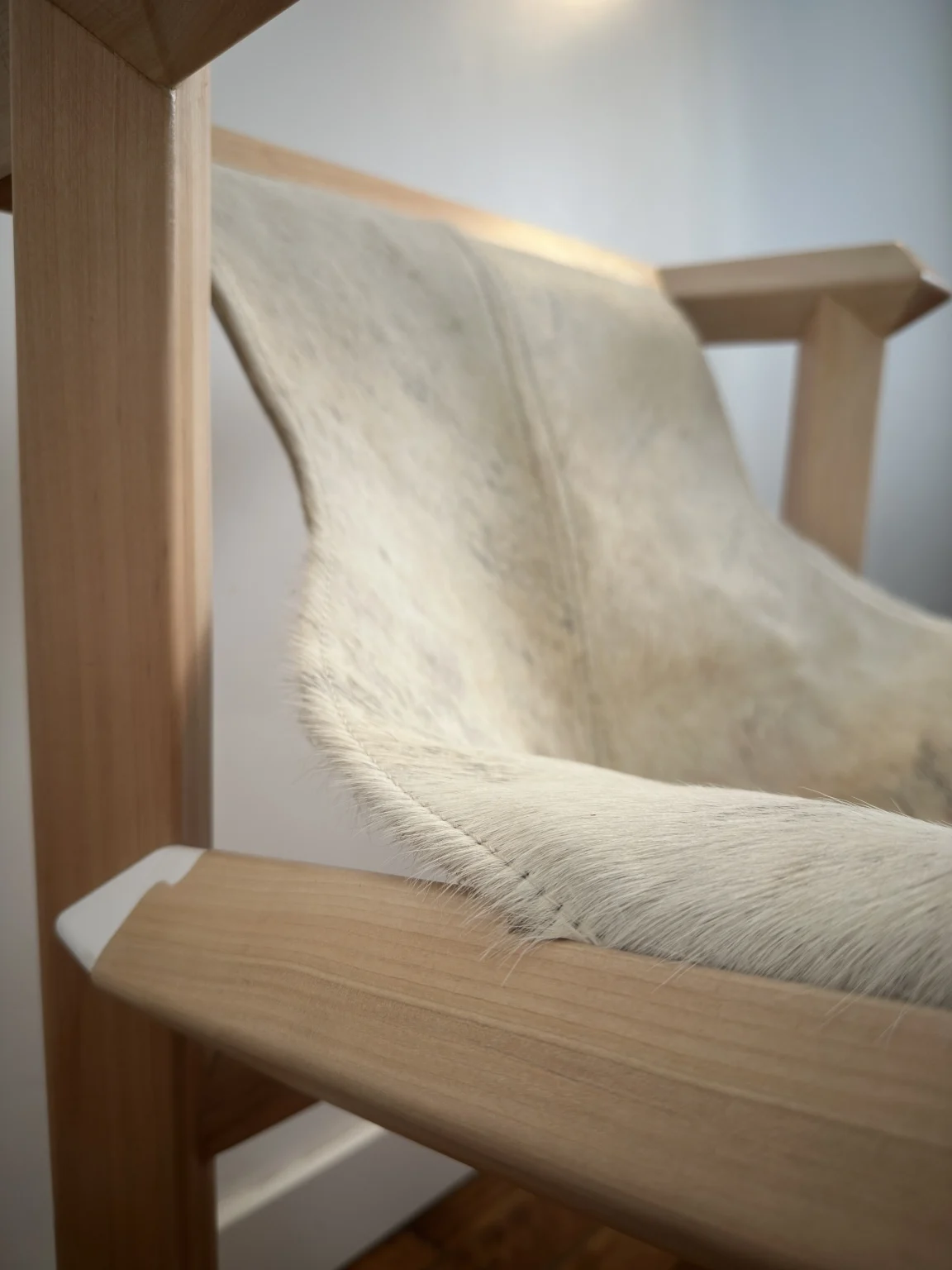
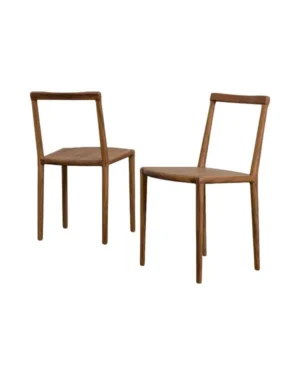
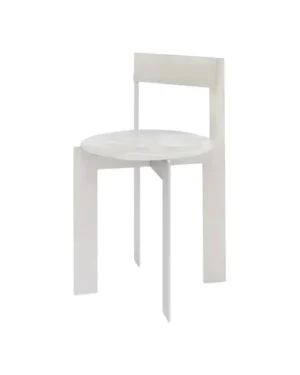
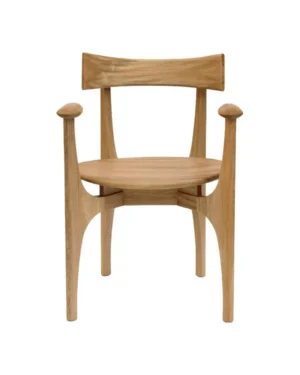
-
 In stock
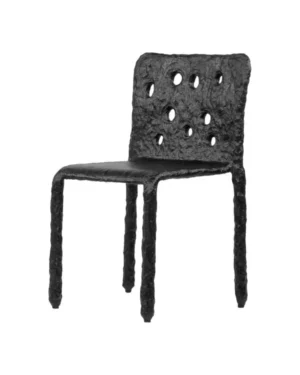
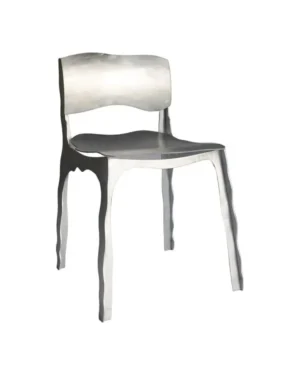
“your Skin” Chair
By Tributo
€2.180 -

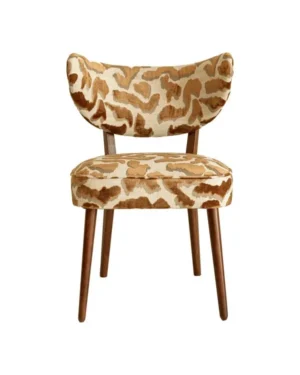
The Andes Huntsman Chair
By CHANDLER MCLELLAN
€3.695 -
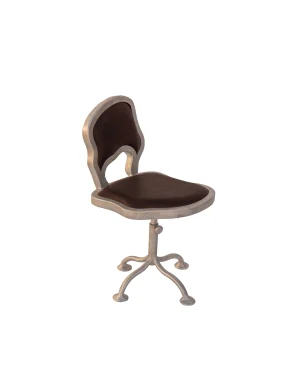
Office Chair
By Six Dots Design
€2.450 -
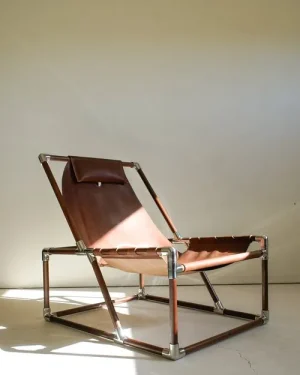
Marina Sling – Lounge Chair
By CHANDLER MCLELLAN
€2.588 -
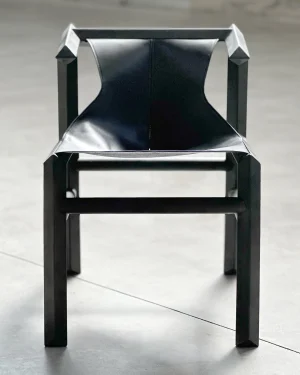
1901 – Black Leather And Wood Dining Chair
By espina corona
€890 -
 In stock
Poltrona 1907
By espina corona
€1.050 -

1908 – Solid Wood & Leather Lounge Chair
By espina corona
€1.450 -
 In stock
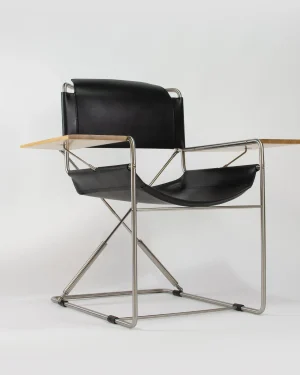
Pneumatic Chair 2
By Szostak Atelier
€5.990 This product has multiple variants. The options may be chosen on the product page -
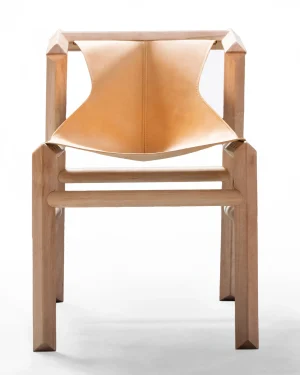
1901 – Cognac Leather And Wood Dining Chair
By espina corona
€890 -

Fly Chair
By Tiago Curioni
€1.920 -
 In stock
Boni Dining Chair
By Heaps & Woods
€2.750 - €2.937 This product has multiple variants. The options may be chosen on the product page -

Black Lounge Chair – 1907
By espina corona
€1.120 -
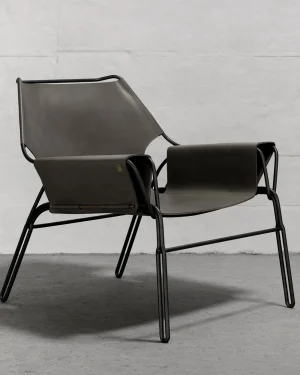 In stock
Perfidia_02 – Thick Leather Sling Lounge Chair In Black Steel
By ANDEAN
€4.542 This product has multiple variants. The options may be chosen on the product page -
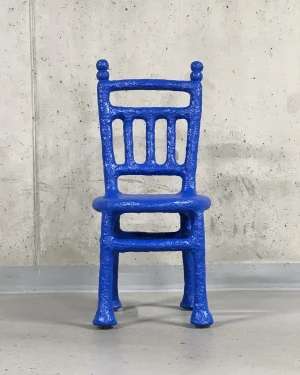 In stock
Chess Chair 2 Blue
By David Čáp
€1.000 -
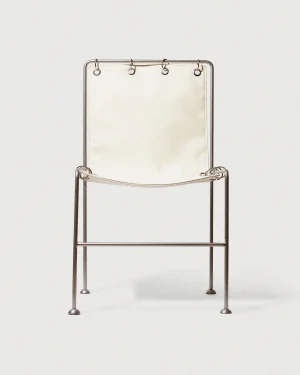
Institution Sculptural Chair, White Lamb Leather
By Panorammma Atelier
€1.990 -
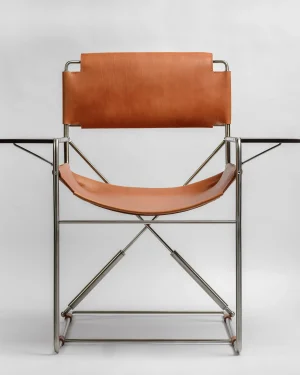 In stock
Pneumatic Chair – Unique Piece
By Szostak Atelier
€9.000 -

Arcy Dining Chair
By Alter Ego Studio
€2.650 This product has multiple variants. The options may be chosen on the product page -
 In stock
Triangle Chair
By Natalie Waldram
€1.400 -

Bo Armchair
By Giácomo Tomazzi Studio
€2.300 -
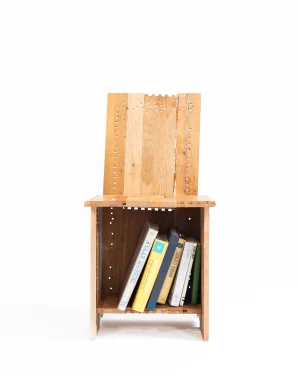
Chair 1 – Deconstructed Wood
By Yuxuan Huang Studio
€6.000 -
 In stock
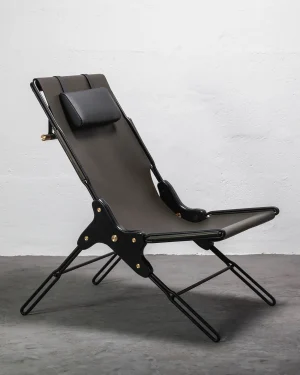
Perfidia_01 – Thick Leather Sling Lounge Chair In Black Steel
By ANDEAN
€4.133 This product has multiple variants. The options may be chosen on the product page -
 In stock
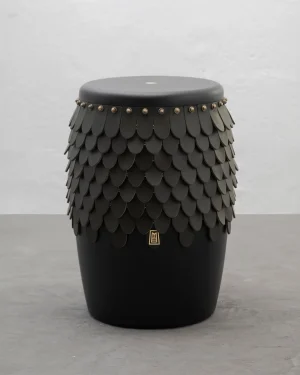
Sitiera_01 Solid Wood Stool, With Olivo Thick Leather Accents, And Aged Bronze
By ANDEAN
€2.495 -

Angulo Burnt Oak Chair
By Toro Manifesto
€1.780 -
 In stock
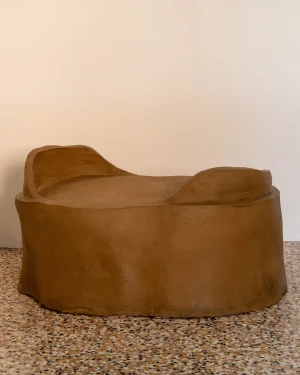
Confidente
By Studio Terre
€3.200 -
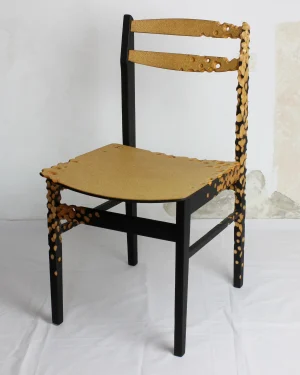
N1 Chair
By Gábor Góbi
€1.990 -
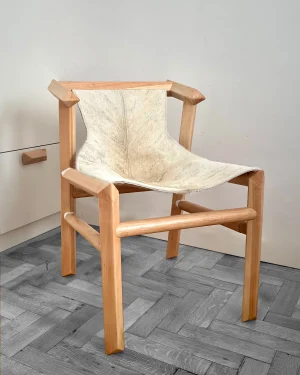 In stock
Hairy Leather Dining Chair
By espina corona
€990 -

Kanguro – Solid Wood And Leather Lounge Chair
By espina corona
€3.500 -
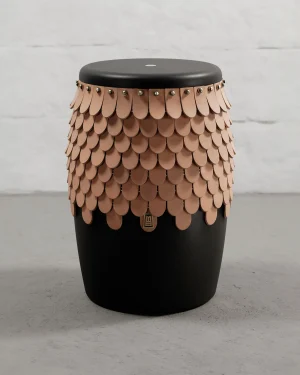 In stock
Sitiera_01 Solid Wood Stool, With Thick Leather Accents, Aged Bronze
By ANDEAN
€2.495 - €3.743 This product has multiple variants. The options may be chosen on the product page -
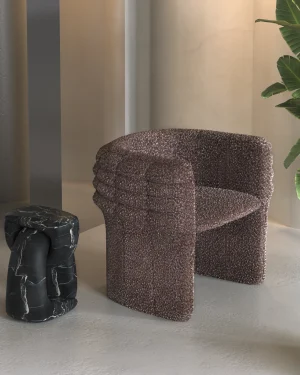
Ruffle Armchair
By Alter Ego Studio
€3.980 - €4.420 This product has multiple variants. The options may be chosen on the product page -

Plush Dining Chair
By Alter Ego Studio
€1.980 This product has multiple variants. The options may be chosen on the product page -
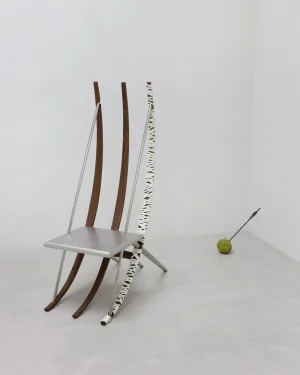 In stock
Bow Chair
By Undress House
Price Upon Request -
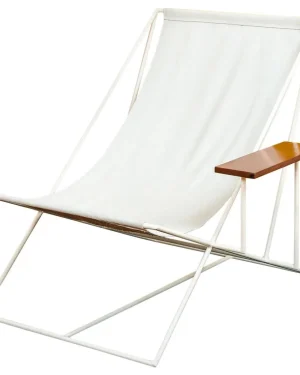 Sold
Transat – Lounge Chair
By Fi
€3.500 -
 Sold
Frog Chair – Orange Matte
By David Čáp
€1.000 -
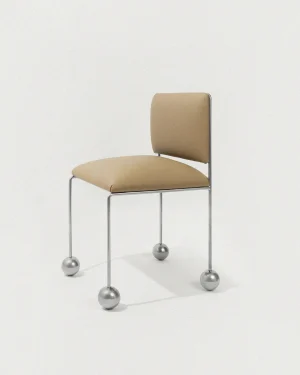
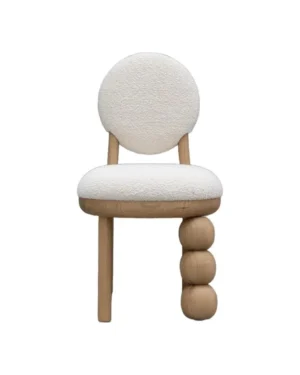
Ball Foot Sculptural Chair, Vegan Leather
By Panorammma Atelier
€2.100 This product has multiple variants. The options may be chosen on the product page -
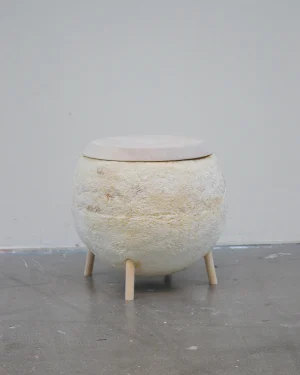 Sold
Spore – Mycelium Stool
By Olle Sahlqvist
€2.214 -
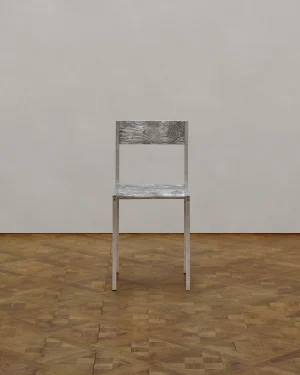 In stock
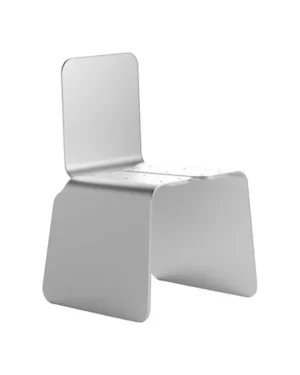
Aluminum Veneer Chair
By Bureau.parso
Price Upon Request -
 In stock
Insect Lounger – Recycled Cast Aluminum
By BY JAMPS
Price Upon Request
Biomaterial accent chairs bring plant fiber, leather, wood, and bio-based composites into a single seat, shaped by studios that work in cabinetmaking, leatherwork, metalwork, and digital fabrication side by side. The frames lean on walnut, steel, or aluminum for structure, while the surfaces turn to cactus leather, textile weaves, or charred wood for texture and color. What ties them together is a working method: material chosen for how it ages and performs, not only for how it looks on delivery.
What defines a biomaterial accent chair
Cactus leather behaves differently from animal hide: it takes color in ivory, cognac, or deep green, flexes without cracking early, and softens with handling over time. Wood frames, often walnut or oak, darken slightly under light and develop a texture; sanded or charred wood, where the shou sugi ban technique is used, keeps water off the surface and leaves a dark, grained finish. Textile upholstery, usually plant-fiber or recycled blends, varies in grip and warmth depending on weave density.
Steel, bronze, or aluminum structural elements rarely compete with the biomaterial surface for attention. Instead, metalwork sets the geometry, leaving the leather, wood, or textile to carry the color and the hand feel. The result is a piece that reads as one material even when it is several.
The range found among biomaterial accent chairs
Across styles, the material shows up differently: a mid-century modern frame in walnut with cactus leather upholstery, a neo-industrial shape in blackened steel and olive textile, a rustic silhouette finished in charred wood, or an art deco curve in bronze and brown leather. Minimalist and coastal takes tend to favor lighter woods and ivory or white textiles, while eclectic and radical pieces mix dark green, cognac, or black with contrasting metal.
- Materials: cactus leather, walnut, steel, bronze, aluminum, plant-based textiles
- Techniques: leatherwork, wood and cabinetmaking, metalwork, upholstery, textilework, charring, 3D printing and digital fabrication
- Editions: open editions alongside unique pieces, where the technique allows for only one result
Open editions repeat a known combination of frame and surface; unique pieces come from processes, hand-applied charring or one-off textile work, that cannot be exactly repeated. Both sit within the wider range of biomaterial seating on ADORNO.
How to choose one
Start with scale: a chair meant to anchor a corner can carry a heavier frame and a deeper seat, while one placed beside a sofa or reading lamp usually works better slim. Seat height for accent chairs generally sits close to standard dining or lounge proportions, so measure the space before the material.
Finish matters as much as form. A charred or oiled wood frame reads darker and more matte than a lacquered one; cactus leather in cognac or brown will warm a room, while ivory or white keeps it light. If the frame is the focal point, choose a studio working in exposed metalwork; if the surface should dominate, look toward heavier leather or textile upholstery, as found among wooden accent chairs and their metal-framed counterparts.
Where these chairs fit
Biomaterial accent chairs suit living rooms built around natural light, where wood grain and leather texture read clearly, and they hold their own in bedrooms as a reading seat near a window. Paired with a console or sideboard, they work as a quiet counterpoint in an entryway. For broader living room pairings, the living room accent chairs range shows how these materials sit alongside sofas and case pieces.
Caring for biomaterial surfaces
Cactus leather and other plant-based surfaces prefer a dry cloth and distance from direct heat, which can dry and crack the material over years. Wood frames benefit from occasional oiling, and charred finishes should avoid abrasive cleaning that strips the blackened layer. Metal elements need only an occasional wipe to prevent fingerprints or moisture spotting from leather and textile surfaces nearby, keeping every biomaterials piece on ADORNO performing as intended well past the first season.
How do I choose a biomaterial accent chair?
Look at what the material is made from, cactus leather, cork or plant-based textiles behave differently under daily use. Match the finish and tone to how much wear and light the spot gets.
How do you care for biomaterial chairs?
Keep them from direct sun and standing moisture, and wipe with a dry or barely damp cloth. Treatments vary by maker, so check specifics with Chat with the maker on the piece's page.
What size and seat height should an accent chair be?
Most accent chairs sit around 17 to 19 inches at the seat, close to standard dining height, with overall width and depth suited to a single person rather than sprawling lounging.
Which rooms suit biomaterial accent chairs?
They work in living rooms, bedrooms and reading corners where a single seat adds presence without crowding the space, and in entryways as a quiet, sculptural landing point.
Do biomaterial accent chairs stay consistent over time?
Biomaterials can shift slightly in tone or texture as they age, much like leather or wood, which is part of their character rather than a flaw.
What are ADORNO's shipping, returns and authenticity policies?
Shipping is insured and worldwide. Returns are accepted within 14 days, except made-to-order pieces. Each purchase includes a certificate of authenticity, backed by a lowest-price guarantee.