










-
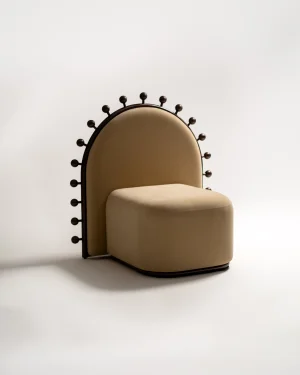
Medaillon Accent Chair
By Boo Design Studio
€3.927 -
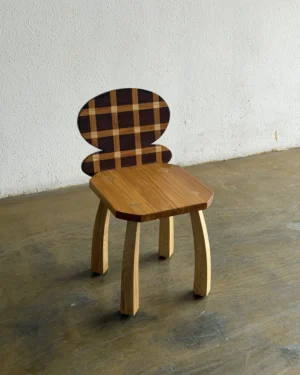
Bend Chair
By STUDIO KALLANG
€2.900 -
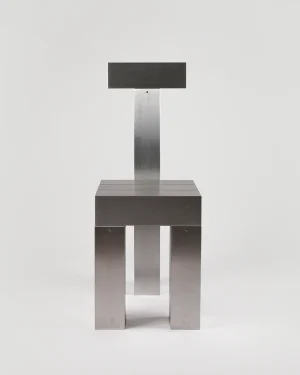
Garriga Chair
By Lucas Cambier
€3.500 -

Rounded Edges Aluminum Chair
By LESORR
€1.273 This product has multiple variants. The options may be chosen on the product page -
 In stock
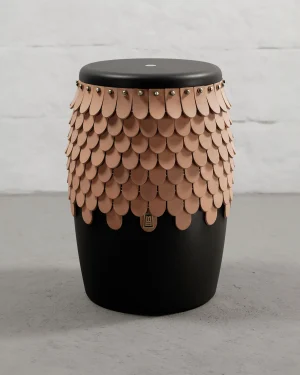
Sitiera_01 Solid Wood Stool, With Thick Leather Accents, Aged Bronze
By ANDEAN
€2.495 - €3.743 This product has multiple variants. The options may be chosen on the product page -
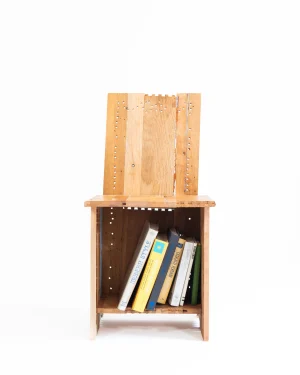
Chair 1 – Deconstructed Wood
By Yuxuan Huang Studio
€2.470 -
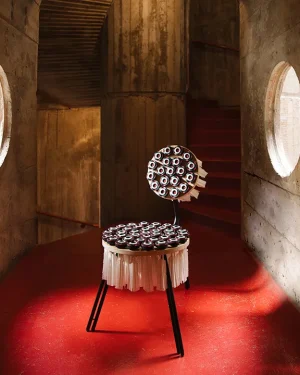
56 Petecas Chair
By Cultivado em Casa
€3.590 -
 In stock
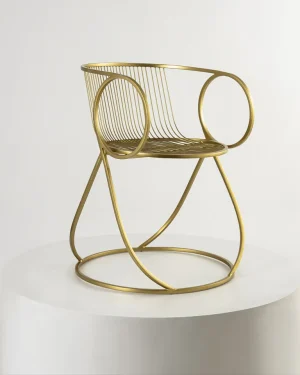
Ohio – Iron Sculptural Chair
By Nama Home
€1.360 - €1.450 This product has multiple variants. The options may be chosen on the product page -
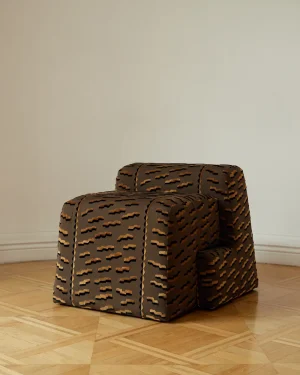
Valun Lounge Chair
By FURN OBJECT
€3.300 -
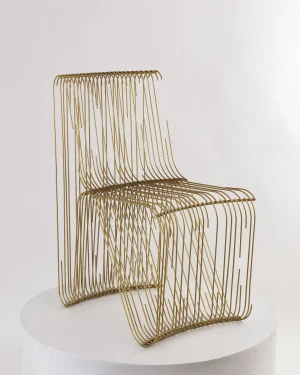
Glitch – Stainless Steel Chair
By Nama Home
€3.630 -
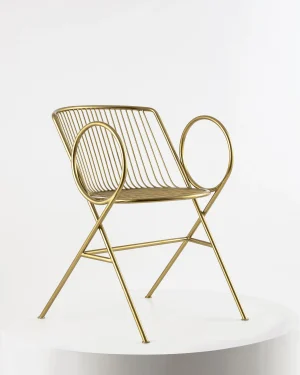 In stock
O2 – Iron Chair
By Nama Home
€1.360 This product has multiple variants. The options may be chosen on the product page -
 In stock
O2 – Padded Iron Chair
By Nama Home
€1.450 This product has multiple variants. The options may be chosen on the product page -
 Sold
SoldLisa – Upholstered Iron Chair
By Nama Home
€1.450 This product has multiple variants. The options may be chosen on the product page -
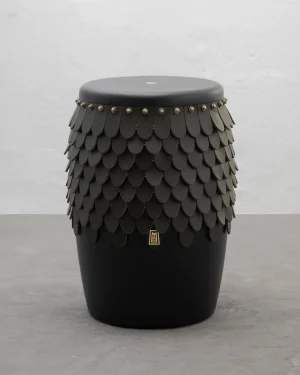
Sitiera_01 Solid Wood Stool, With Olivo Thick Leather Accents, And Aged Bronze
By ANDEAN
€2.495 -

Ribbin Rocker
By Moneo Brock Studio
€4.000 -

“Lost in Transition”, Urban Chair
By T SAKHI Tessa & Tara Sakhi
Price Upon Request -
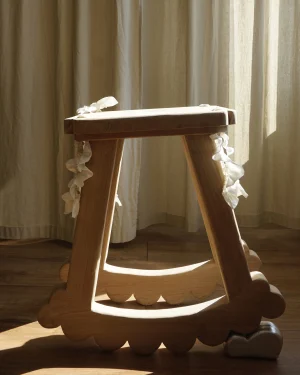
Halinka Stool
By Basia Pruszyńska
Price Upon Request -
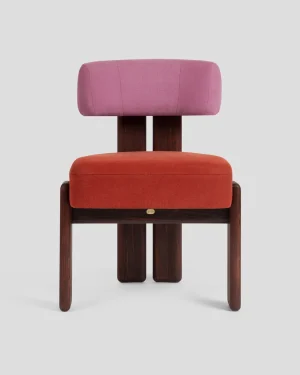
Anni Cocoa De La Paz Dining Chair
By Comité de Proyectos
Price Upon Request -

“Kau” Chair
By Angela Damman
€10.600
Art deco accent chairs carry the geometry of the 1920s and 30s into present-day rooms: stepped silhouettes, sunburst motifs, and curves that close into sharp angles rather than fading out. Studios working in this style favor materials that hold a clean edge and take a high shine, pairing bronze, brass-toned iron, or aluminum frames with leather or velvet upholstery. The result sits apart from a plain lounge chair, built instead as a small architectural statement for a corner, a bedroom, or a dining table.
What marks out the art deco style
Art deco furniture draws on symmetry and repetition: fluted backs, fan shapes, stacked circles, and frames that taper toward the floor. Where Bauhaus pieces strip a chair down to its structure, art deco adds a layer of ornament on top of it, often in metal inlay or a contrasting welt along the upholstery seam. Dark woods, lacquered finishes, and metals polished to a mirror shine recur because they catch light rather than absorb it, a quality the style has leaned on since its first appearance in interwar hotels and liners.
Materials and techniques behind the range
Metalwork and welding shape the frames of many art deco accent chairs, with iron and stainless steel bent into the stepped arms and circular backs the style is known for. Bronze appears both structurally and as plating, giving a chair weight and a warm, aged tone that develops a soft patina over years of handling. Wood and cabinetmaking bring walnut, pine, and other close-grained timbers into play for bodies and legs, usually finished dark to set off a brass or gold trim.
Upholstery and leatherwork cover seats and backs in leather, velvet, or boucle-weight textiles, often in black, cognac, bronze, or dark green, colors that read as formal rather than casual. Some studios work in smaller runs, so a given frame or finish may appear as a limited edition or a one-off rather than an open edition restocked indefinitely. Espadín plant fiber shows up occasionally as a lighter, textured alternative to leather on chairs that lean toward an eclectic or maximalist reading of the period.
How to choose an art deco accent chair
Start with scale: a chair with a high, fan-shaped back reads as a focal point and needs clearance on all sides, while a lower, rounded profile sits more quietly against a wall. Seat height should match how the chair will be used, lower for a reading corner, closer to standard dining height if it will pull up to a table. Check the finish against the room's existing metals, since a cool steel frame can sit oddly beside warm brass hardware, and a bronze or gold-toned piece asks for similarly warm accents nearby.
Placement follows from the chair's presence. A single sculptural piece can anchor a living room seating group the way a pair of simpler chairs cannot, while two matching chairs flanking a console or window suit a more symmetrical, formal layout. For rooms built around straight lines and pale surfaces, an art deco chair's curves and sheen read as the one deliberate departure rather than a clash. Those assembling a dining set might look instead at dining room accent chairs sized and spaced for a table.
Where these chairs work in a room
- Living rooms, as a single chair beside a sofa or as a pair framing a fireplace
- Bedrooms, placed near a window or alongside a dresser for seating that doubles as display
- Entryways and reading nooks, where one chair can carry the weight of the whole space
- Dining and study rooms, where a lower, more compact frame fits under a table
Caring for metal, wood, and leather finishes
Polished metal frames, whether bronze, brass-plated iron, or stainless steel, should be dusted with a dry or barely damp cloth; abrasive cleaners dull the finish and strip away plating over time. Leather upholstery benefits from keeping it out of direct sun, which dries and cracks the surface, and from an occasional conditioning wipe to keep it supple. Wood bodies finished dark should be kept away from direct heat sources and wiped with a cloth suited to the lacquer or oil used, since standard household cleaners can cloud a high-gloss surface.
For a broader view of the period, the full range of art deco pieces on ADORNO spans lighting, decor, and case goods built on the same principles of symmetry and shine. Those furnishing a full room might also look at art deco furniture more broadly, or narrow by material through metal accent chairs and wooden accent chairs, or step back to the wider accent chairs on ADORNO to compare styles side by side.
How do I choose an art deco accent chair?
Look for geometric lines, symmetry and rich materials like bronze, dark wood or leather. Pick a frame that contrasts against the room so the shape reads clearly rather than blending in.
What materials are art deco accent chairs made from?
Common choices include wood, iron, aluminum, bronze and leather, often paired to set a dark frame against a warm seat. Wood needs occasional polishing, leather benefits from conditioning, and metal holds its finish with a wipe down.
What size is a typical accent chair?
Most accent chairs sit around 30 to 34 inches high and 28 to 32 inches wide, close to standard dining chair height. Exact measurements vary by piece, so check the specific listing or chat with the maker for confirmation.
Which rooms suit an art deco accent chair?
Their geometric shapes and bold materials anchor living rooms, entryways and bedroom reading corners alike. A single chair can carry weight in an otherwise plain space without crowding it.
Can I order a custom art deco accent chair?
Some studios take custom requests in different materials, finishes or dimensions. Chat with the maker on the piece's page to confirm what is possible.
What are ADORNO's shipping and return policies?
Shipping is insured and worldwide. Returns are accepted within 14 days, except for made-to-order pieces, and every chair arrives with a certificate of authenticity.