-
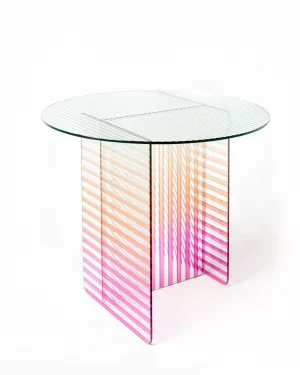
Kaila-I Side Table in Ribbed Glass
By Yugen Lab
€1.050 -
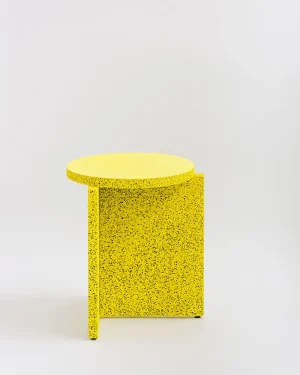
Sponge Side Table in Foamed Aluminum
By Calen Knauf Studio
€898 This product has multiple variants. The options may be chosen on the product page -
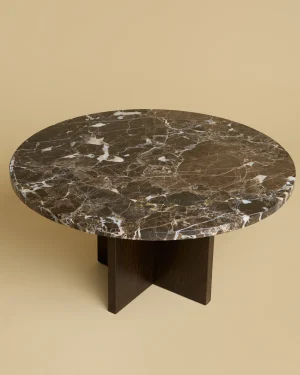
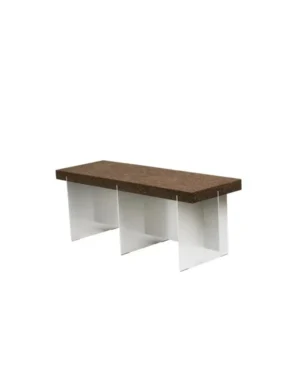
Tinian Coffee Table in Dark Emperador Marble and Oak
By Lebanto
€2.010 -

Kaila-II Side Table in Ribbed Glass
By Yugen Lab
€1.000 -
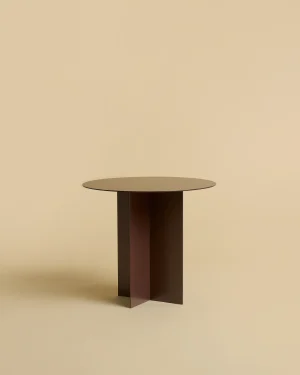
Wake Side Table in Metal
By Lebanto
€902 -
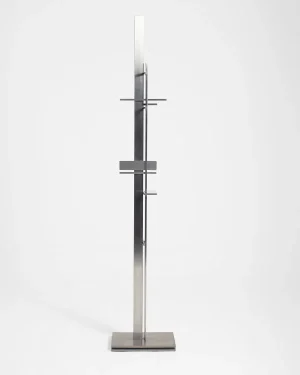
Dash – Handmade Sculptural Coat Rack
By Yet Design Studio
€1.200 - €1.380 This product has multiple variants. The options may be chosen on the product page -
 In stock
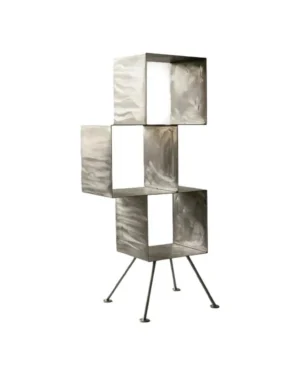
Coral Sequence – Stacked Shelf
By clasik.studio
€2.700 This product has multiple variants. The options may be chosen on the product page -
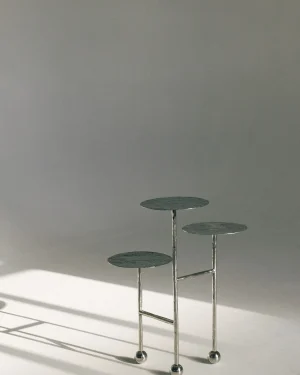
Liquid Side Table in Steel and Brass
By FURN OBJECT
€3.000 -
 In stock
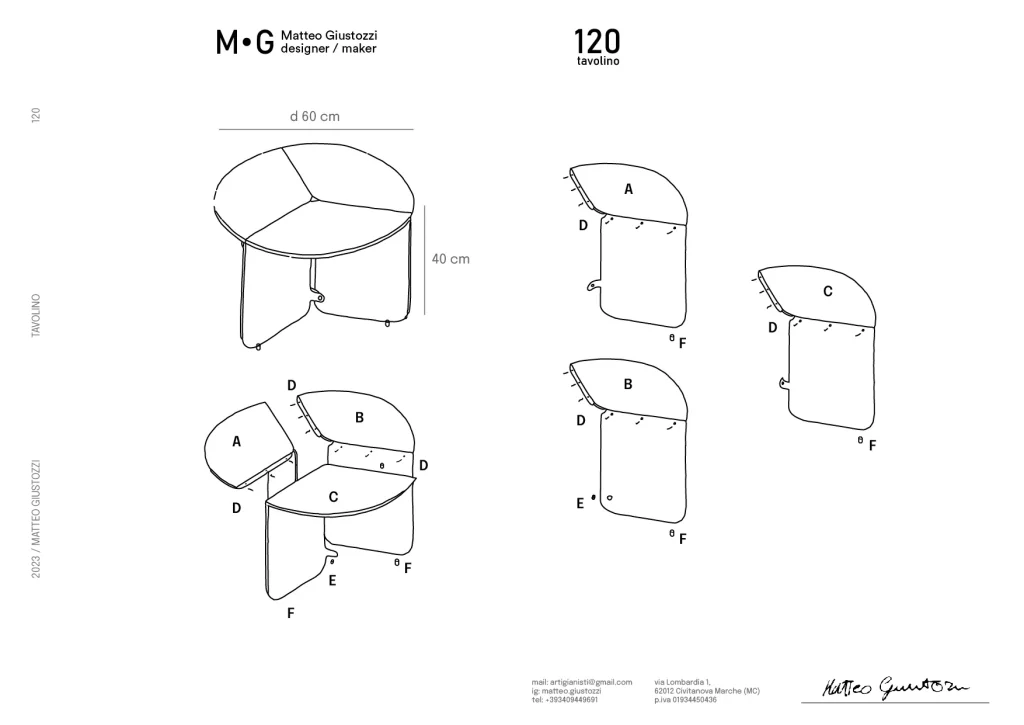
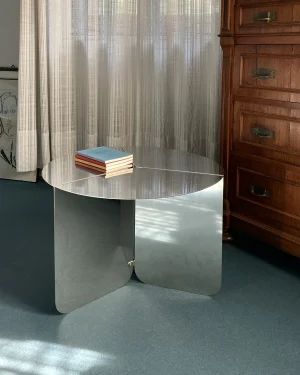
120 Coffee Table in Stainless Steel
By matteo giustozzi
€900 -

Cherry Side Table in Steel and Wood
By SALAK Studio
€590 -
 In stock
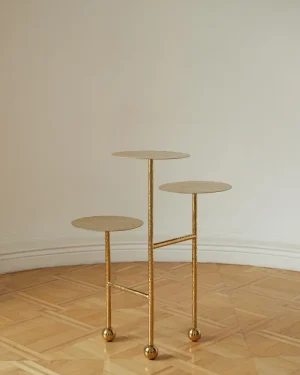
Liquid Pedestal in Tin-Coated Steel
By FURN OBJECT
€3.600 -

Tronco Drinks Entryway Table in Stainless Steel
By Nitush and Aroosh
€900 -
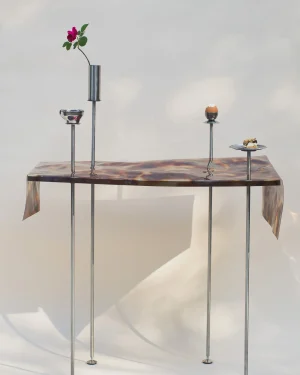
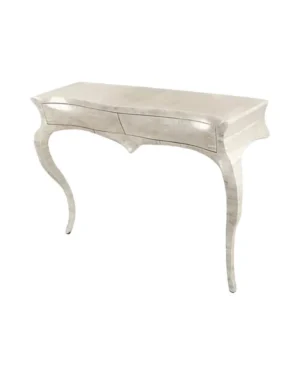
Domenica Console Table in Torched Stainless Steel
By M’ama edizioni
€2.500 -

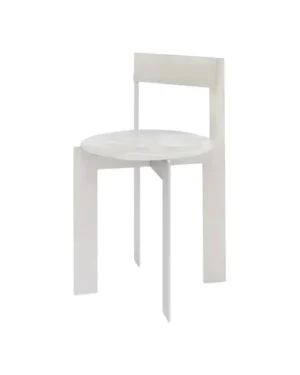
Dessert – Steel Chair
By SALAK Studio
€790 -
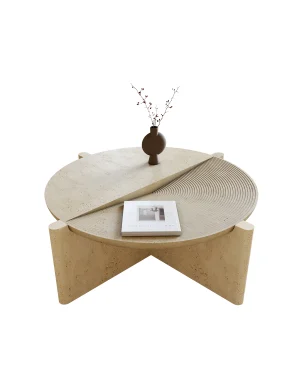
Arkhe No. 1 Round Coffee Table in Travertine
By Studio Kali
€6.170 -
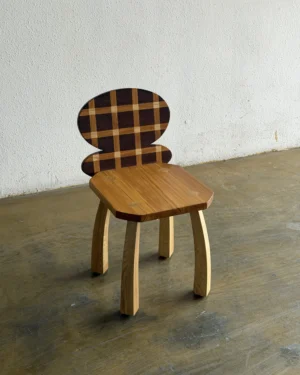
Bend Chair
By STUDIO KALLANG
€2.900 -
 In stock
120+ Raw Metal Coffee Table in Steel and Iron
By matteo giustozzi
€1.400 -
 In stock
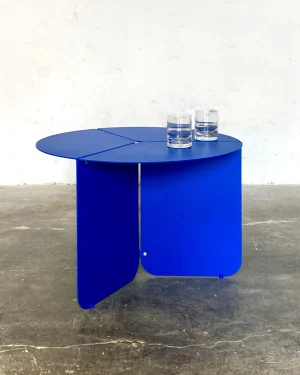
120 Blue Coffee Table in Steel and Iron
By matteo giustozzi
€720 -
 In stock
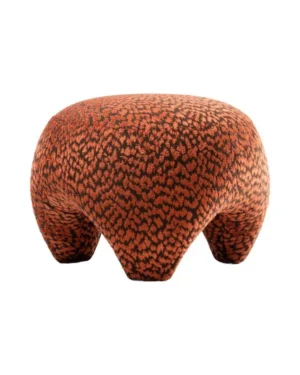
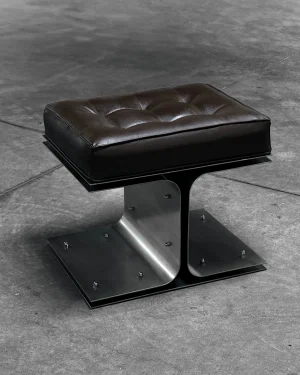
Wrp-001 Stainless Steel And Vegan Leather Ottoman / Stool
By NAVE
€1.990 -
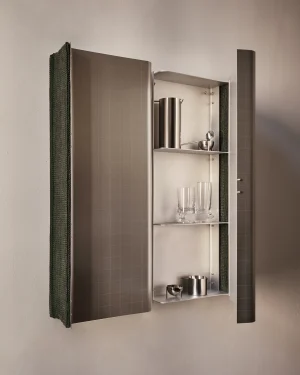 In stock
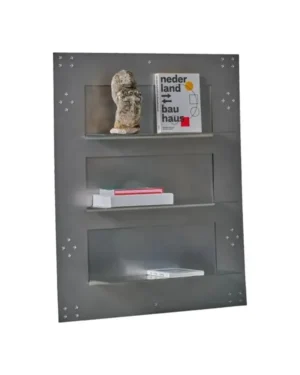
Plĭco – Wall Cabinet
By Atelier Nuanda
€6.250 -
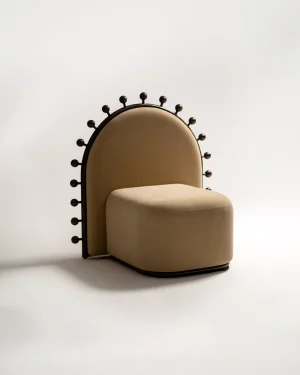
Medaillon Accent Chair
By Boo Design Studio
€3.927 -
 In stock
Lasso Coffee Table in Stainless Steel and Borosilicate Glass
By Nitush and Aroosh
€4.250 -
 In stock
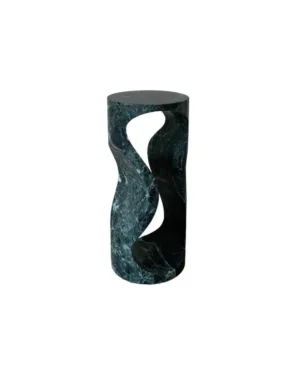
Element Console Table in Green Picasso Marble
By Vincent Mazenauer
€18.500 -
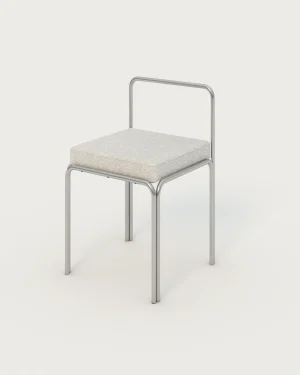
Sali – Upholstered Chair
By SALAK Studio
€620 This product has multiple variants. The options may be chosen on the product page -
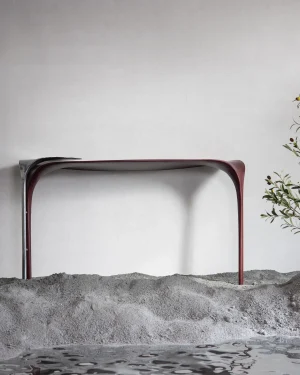
Maris Console Table in Ash Wood and Cast Aluminum
By House of Creatomy
€1.444 -
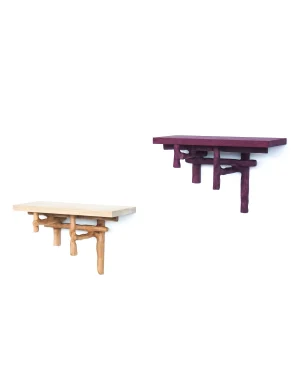
Hedera – Wall Shelf S
By Studio Onno Adriaanse
€636 This product has multiple variants. The options may be chosen on the product page -
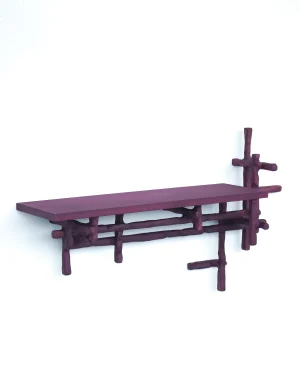
Hedera – Oak Wood Medium Wall Shelf
By Studio Onno Adriaanse
€1.440 -
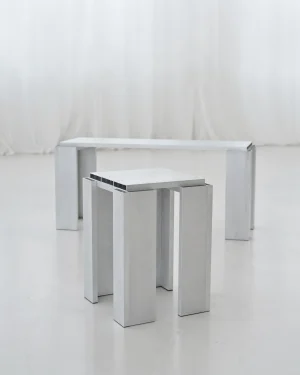
Al01 Aluminum Stool
By NOSTUDIO
€750 -

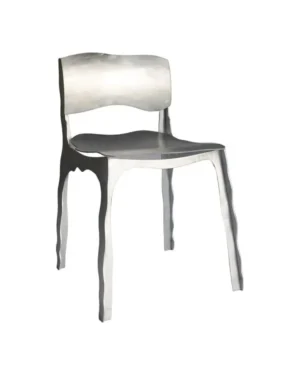
Rounded Edges Aluminum Chair
By LESORR
€1.273 This product has multiple variants. The options may be chosen on the product page -
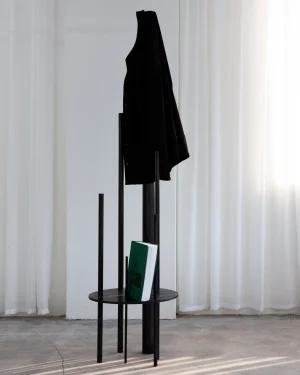
Standing Hanger Entryway Table in Black-Painted Steel
By PRACTICE
€1.135 -
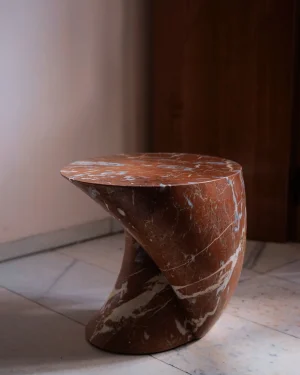 In stock
Departed Side Table in Rosso Francia Marble
By Studio TOOJ
€9.600 -
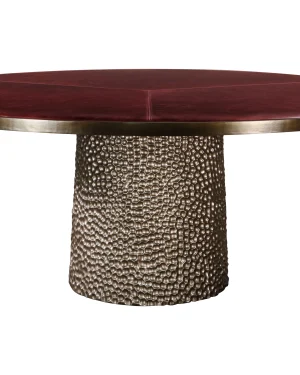
Giada Dining Table in Leather and Carved Wood
By Costantini Design
€13.800 -
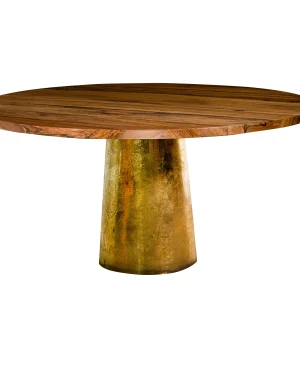
Benino Round Dining Table in Cast Bronze and Rosewood
By Costantini Design
€14.850 -

LXV Console Table in Bleached Cherry
By Aaron Scott
€7.450 -
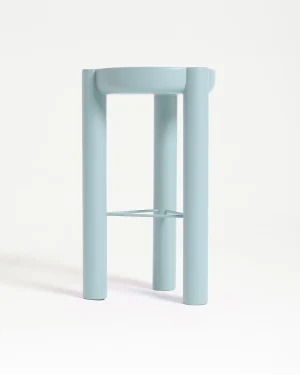
Pillar Bar Stool 3 Legged Wood
By Yet Design Studio
€830 This product has multiple variants. The options may be chosen on the product page -

Lung 2.0 Blue Side Table in Resin
By Szymon Keller
€3.180 This product has multiple variants. The options may be chosen on the product page -
 In stock
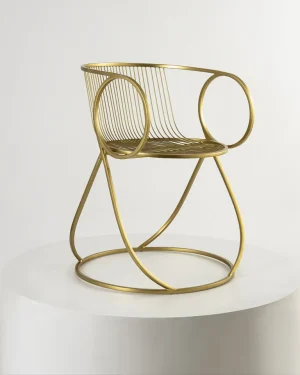
Ohio – Iron Sculptural Chair
By Nama Home
€1.360 - €1.450 This product has multiple variants. The options may be chosen on the product page -
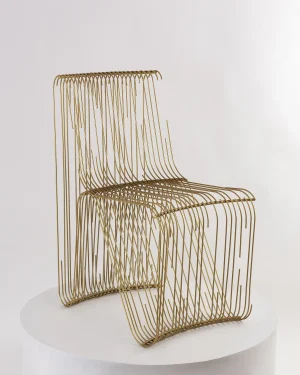
Glitch – Stainless Steel Chair
By Nama Home
€3.630 -
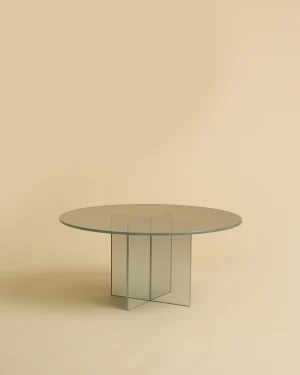
Aka Coffee Table in Transparent Glass
By Lebanto
€895 -
 In stock
Lychorinda Console Table in Cast Bronze and Marble
By Costantini Design
€4.802 -
 In stock
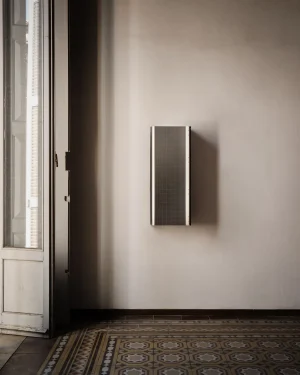
Plĭco – Narrow Wall Cabinet
By Atelier Nuanda
€3.500 -
 In stock
Kilt Side Table in Felt, Textile and MDF
By FARG & BLANCHE
€960 -
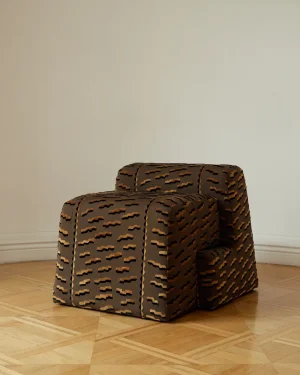 In stock
Valun Lounge Chair
By FURN OBJECT
€3.300 -
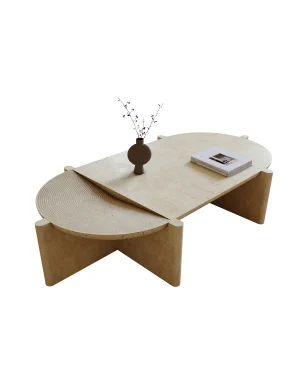
Arkhe No. 1 Oval Coffee Table in Travertine
By Studio Kali
€10.690 -
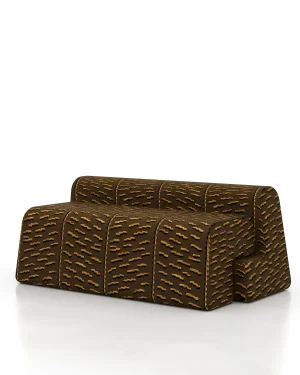
Valun Sofa
By FURN OBJECT
€6.500 -

Case – Armchair With Natural Stone And Stainless Steel
By Alter Ego Studio
€5.920 -
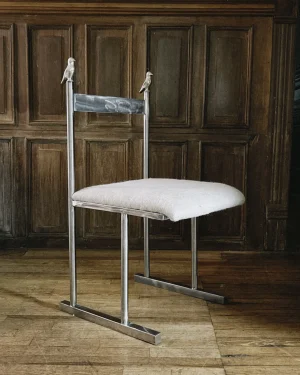
School Chair – Upcycled Materials
By Around the Studio
€1.500 -
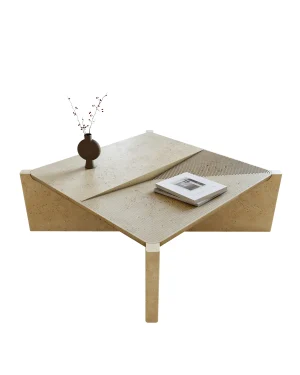
Arkhe No. 1 Square Coffee Table in Travertine
By Studio Kali
€6.760 -

“Tori” Stool
By Ries Studio
€3.200 -
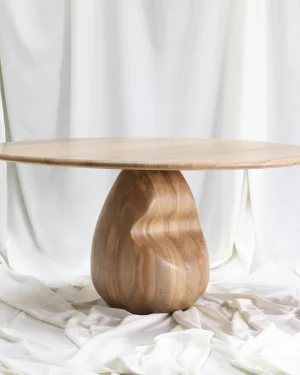 In stock
Droplet Dining Table in Solid Wood
By Laluz Handcraft
€6.960 -
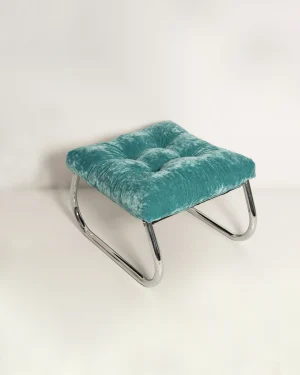 In stock
Bauhaus Low Stool
By Vintola Studio
€1.200 -
 In stock
Yellow Circular Drape Wowtable Side Table in Epoxy Resin
By Calen Knauf Studio
€273 -
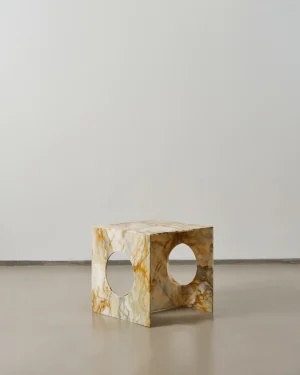
Hera Side Table in Sky Blue Marble
By Studio Mohs
€2.703 -
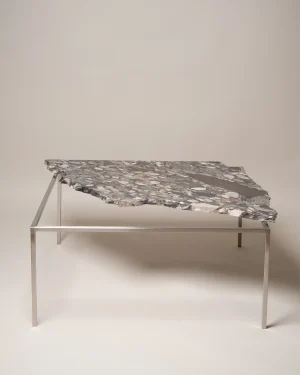
Low Table No1 Coffee Table in Stainless Steel and Stone
By Georgiev Kiril
€1.160
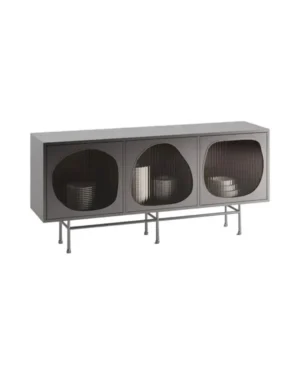
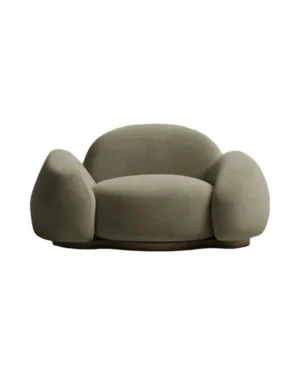
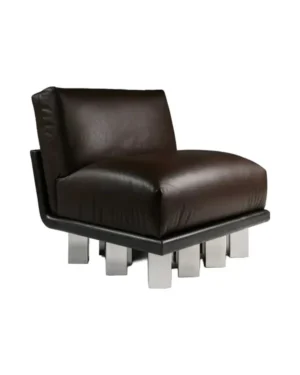
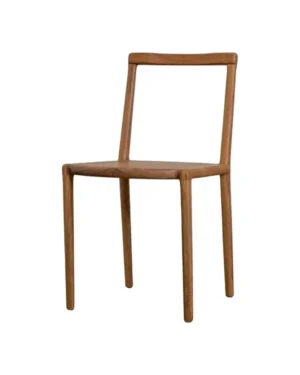
Art deco furniture carries the geometric confidence of the 1920s and 1930s into present-day rooms: stepped silhouettes, sunburst and fan motifs, and a deliberate symmetry built from materials chosen to catch light. Studios working in this style favor polished marble, lacquered or veneered wood, chromed or blackened steel, and cast glass, often setting one material against another for contrast. The effect reads as architecture scaled down to a console, a cabinet, or a chair, rather than as surface pattern.
What Sets the Style Apart
Where other styles soften edges, art deco furniture holds a line. Tiered forms step up or out in measured increments, corners are often chamfered rather than rounded, and ornament tends to repeat in bands rather than scatter. Metal trim, usually brass, steel, or a dark powder coat, frames wood or stone rather than competing with it, so the eye reads structure first and decoration second.
Color stays controlled: black, deep brown, and warm wood tones anchor most pieces, with brighter accents in red, blue, or violet lacquer used sparingly on a drawer front, a base, or an inlay. Symmetry governs most case pieces and seating, which is part of why the style reads as composed rather than busy, even when several materials meet on one surface.
Materials and Techniques Behind These Pieces
The range found under this style spans a consistent set of materials and ways of working, even as particular pieces come and go:
- Marble and stone, often stone-carved or polished, used for tabletops, bases, and plinths
- Wood and cabinetmaking in veneered or solid form, frequently paired with inlay or brass detailing
- Steel, stainless steel, and other metals shaped through metalwork, welding, repoussé, or finished with powder coating
- Glass, worked through glass casting, used for tabletops, panels, or as a counterpoint to solid materials
Editions vary by studio: some pieces are produced as open editions, others as limited editions or unique pieces, and the listing for each piece will state which applies. For a broader view of the style across categories beyond furniture, every art deco piece on ADORNO is gathered in one place.
Choosing a Piece for Scale and Finish
Because art deco furniture leans geometric and often symmetrical, scale matters more than it does with looser styles: a stepped cabinet or a fan-based console reads as intentional at the right proportion and merely large at the wrong one. Measure the wall or floor run before choosing a piece, and favor a silhouette that echoes an existing line in the room, a window frame, a door case, a run of paneling.
Finish is the second decision. Metal trim in brass, chrome, or black steel should match or deliberately contrast with other metal already in the room, including door handles, light fixtures, and existing furniture legs. Standard seat and table heights still apply here, since the style's drama sits in form and surface, not in unusual proportions.
Where These Pieces Anchor a Room
Case pieces, consoles, and bar cabinets in this style suit living rooms and entries, where a single strong silhouette can carry a wall without crowding it. Dining tables and chairs built from marble, steel, or dark wood hold their own in a room meant for gathering, while occasional tables and seating in the same vocabulary work well as a counterpoint to simpler, pared-back furniture nearby. For pieces built around wood grain specifically, the range of wooden furniture on ADORNO includes several worked in this style, and metal-forward pieces sit within metal furniture. For layout ideas beyond a single piece, see living room furniture.
Living with Marble, Wood, and Metal
Marble stains and etches from acid and oil, so wipe spills promptly and use a coaster or tray under glasses and bottles; a sealant reapplied periodically helps, but will not make the stone stain-proof. Veneered and solid wood pieces should stay out of direct sun and away from heat vents, which dry and crack both veneer and solid timber over time; a soft cloth and an occasional wax or oil, suited to the specific wood, keeps the surface even. Steel and brass trim can be dusted with a dry or barely damp cloth; powder-coated surfaces resist marks well, while polished or plated metal benefits from a dry microfiber pass to avoid fingerprints and tarnish.
Across all of these materials, the wider furniture on ADORNO shows how the same geometric discipline that defines art deco furniture plays out differently depending on the material a studio chooses to work in.
How do I choose an art deco furniture piece?
Look for strong geometry, symmetry and rich materials like marble, lacquered wood or polished metal. Decide if the piece should stand out against a plain room or sit within other period details.
What materials are art deco furniture pieces made from, and how do I care for them?
Expect veneered or solid wood, marble, brass, steel and glass, often combined. Dust wood and metal regularly, wipe marble dry after spills, and keep all of it away from direct heat and sun.
What size and height are art deco furniture pieces?
Sizes follow standard room furniture: seat heights around 17 to 19 inches, tables and consoles sized for normal rooms. For exact measurements, chat with the maker on the piece's page.
Which rooms suit art deco furniture?
Living rooms and dining rooms carry the style well, where a console, cabinet or chair can anchor the space. Bedrooms and entryways also suit single statement pieces like a mirror or side table.
Can I order a custom art deco piece through ADORNO?
Some makers accept custom requests; chat with the maker on the piece's page to ask directly. Made-to-order pieces are excluded from the 14-day return policy.
How does shipping, returns and authenticity work on ADORNO?
Shipping is insured and worldwide, with a 14-day return policy except on made-to-order pieces. Every piece includes a certificate of authenticity and ADORNO offers a lowest-price guarantee.