











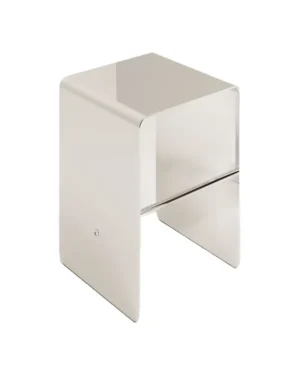


-
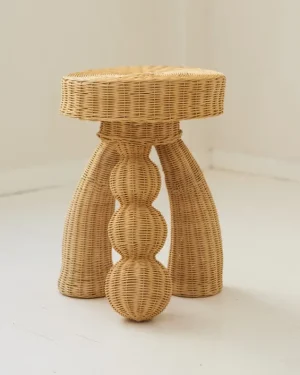 In stock
Pupa Side Table in Woven Rattan and Metal
By LØRDAG & SØNDAG
€845 -
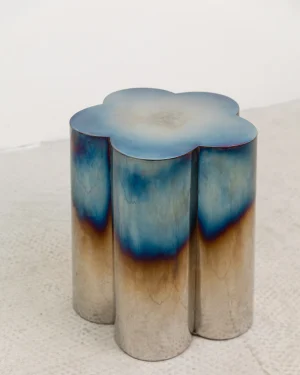
Barvinok Side Table in Heat-Treated Stainless Steel
By FURN OBJECT
€2.700 -
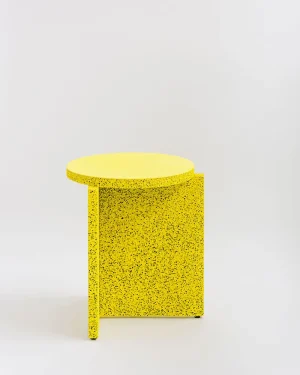
Sponge Side Table in Foamed Aluminum
By Calen Knauf Studio
€898 This product has multiple variants. The options may be chosen on the product page -

Imaginary Object – Steel Stool
By Joana Teixeira
€1.600 -
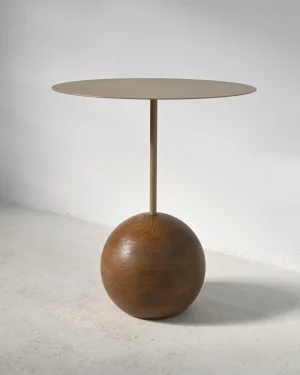
An Su Side Table in Steel and Ash Wood
By SALAK Studio
€690 -
 In stock
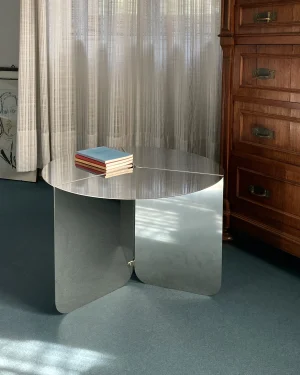
120 Coffee Table in Stainless Steel
By matteo giustozzi
€900 -
 In stock
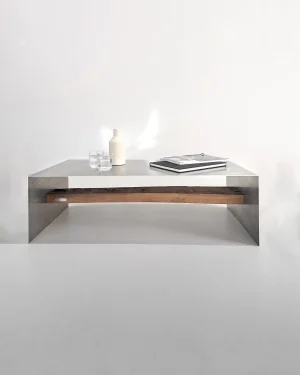
Matted Aluminum Coffee Table in Aluminum and Oak
By case studios
€660 -

The Altar Side Table in Steel
By COSEINCORSO
€910 -
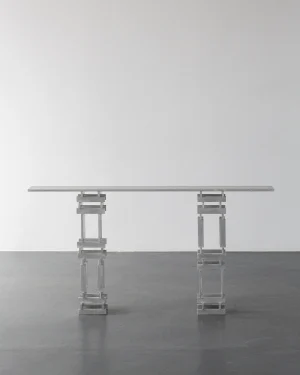
Rainy Sundays Console Table in Brushed Aluminum
By Thomas Gayet
€3.120 -
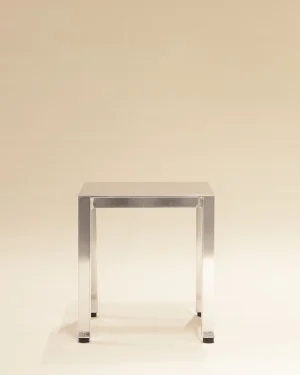
Canto Side Table in Aluminum
By Luiz Solano
€650 -
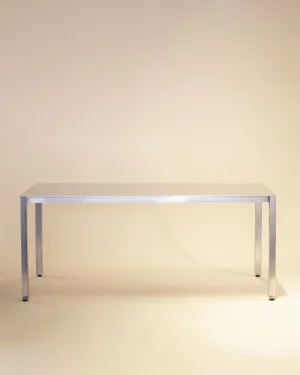
Canto Desk in Anodized Aluminum
By Luiz Solano
€1.180 - €2.000 This product has multiple variants. The options may be chosen on the product page -
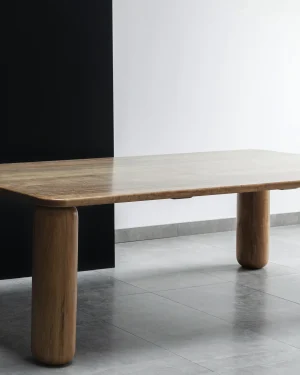
Well Grounded Dining Table in Solid Wood
By Laluz Handcraft
€5.040 -

Mono Side Table in Travertine and Metal
By Yet Design Studio
€1.200 - €1.380 This product has multiple variants. The options may be chosen on the product page -
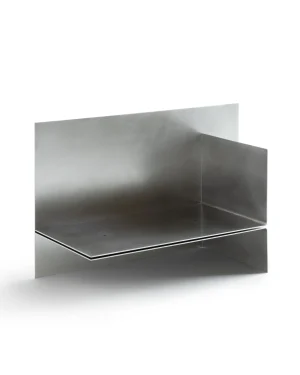
Polysemy Silver Side Table in Stainless Steel
By So Koizumi
€1.200 -
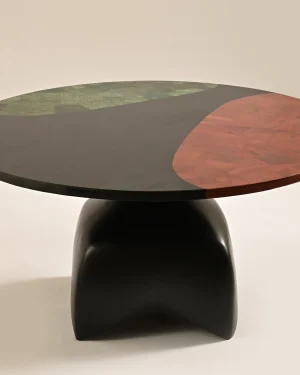
Jasper Coffee Table in Jasper Stone and Cast Aluminum
By LMNOH
€3.800 -
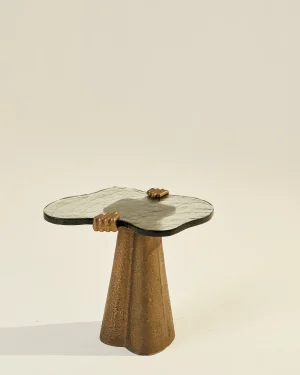
Paws Side Table in Cast Aluminum and Cast Glass
By LMNOH
€1.950 -
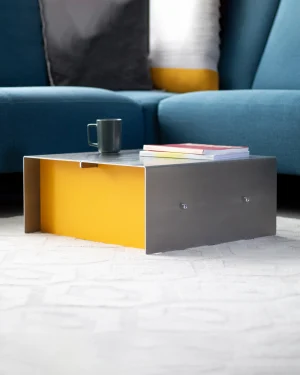
Core Coffee Table in Polished Aluminum and Stainless Steel
By Lisanne Meester
€519 This product has multiple variants. The options may be chosen on the product page -
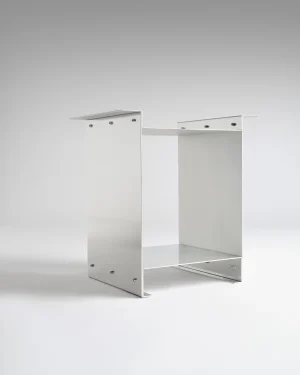
Wing Side Table in Polished Aluminum
By Obscure Objects
€340 -

Cork X 01 Side Table in Cork and Aluminum
By Robert Megel
€599 -

Su Side Table in Steel and Ash Wood
By SALAK Studio
€590 -
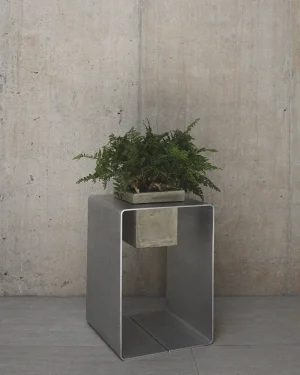
ST001-02 Side Table in Stainless Steel and Concrete
By NAVE
€990 -

Cherry Side Table in Steel and Wood
By SALAK Studio
€590 -
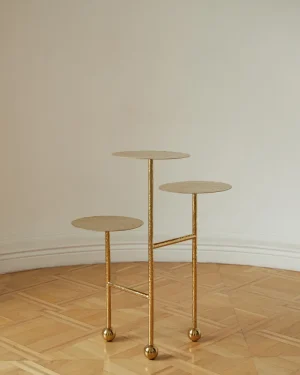 In stock
Liquid Pedestal in Tin-Coated Steel
By FURN OBJECT
€3.600 -
 In stock
Matted Aluminum Coffee Table in Aluminum and Blackwood
By case studios
€719 -

002 Coffee Table in Stainless Steel
By OFAA
€1.500 -
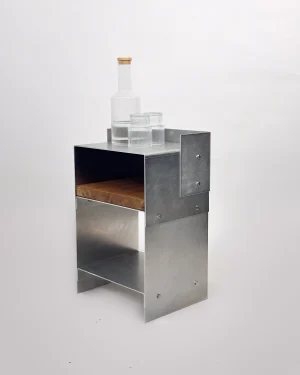 In stock
Matted Aluminium Nightstand in Aluminum and Oak
By case studios
€660 -

Broken Wing Stool
By Obscure Objects
€290 -
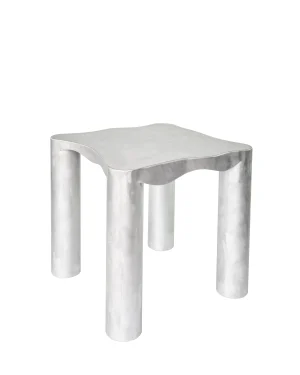
Six Dots Kitchen Dining Table in Aluminum
By Six Dots Design
€2.550 -
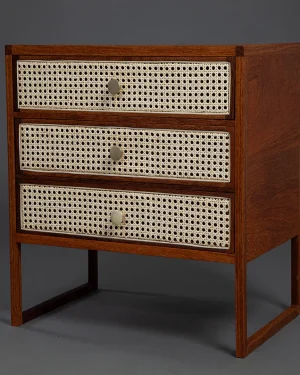
The Square Nightstand in Hardwood and Rattan
By am.o atelier
€1.579 -
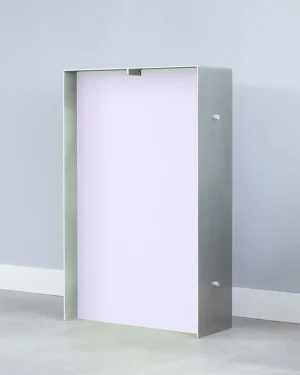
Core Console Table in Polished Aluminum and Steel
By Lisanne Meester
€575 This product has multiple variants. The options may be chosen on the product page -
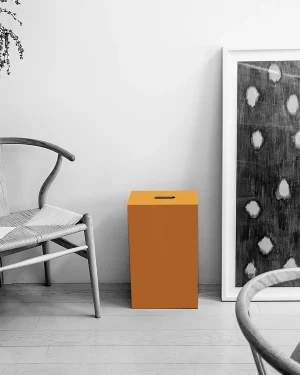
The Apple Box Side Table in Baltic Birch Plywood
By ilan
€450 This product has multiple variants. The options may be chosen on the product page -

S001-10.2 Aluminum Stool
By NAVE
€500 -
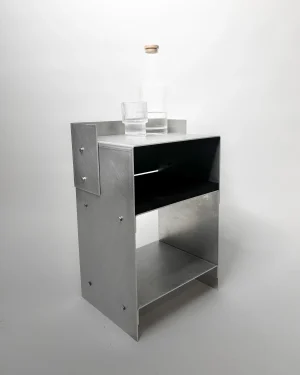 In stock
Matted Aluminium Side Table in Aluminum and Blackwood
By case studios
€530 -
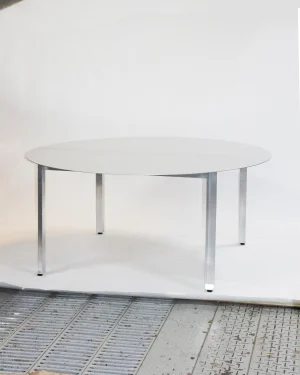
Canto Round Dining Table in Anodized Aluminum
By Luiz Solano
€1.180 - €1.680 This product has multiple variants. The options may be chosen on the product page -
 In stock
Flora Side Table in Carbon Steel
By studiomakuko.com
€600 -

Wing Bench
By Obscure Objects
€1.220 -

Meadows Side Table in Mahogany and Stainless Steel
By BOTHI
€1.820 - €2.315 This product has multiple variants. The options may be chosen on the product page -
 In stock
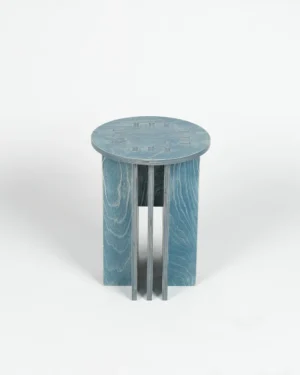
Plus01 Small Side Table in Birch Wood
By 301 Design Studio
€700 This product has multiple variants. The options may be chosen on the product page -
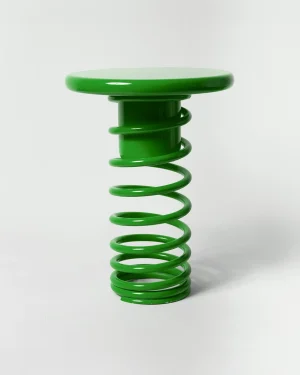
Twist Stool
By Yet Design Studio
€1.200 This product has multiple variants. The options may be chosen on the product page -
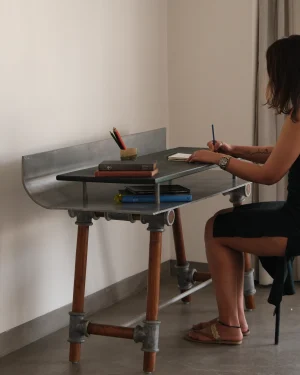
Research Desk in Aluminum and Indigo Teak
By Spero Furniture
€4.859 This product has multiple variants. The options may be chosen on the product page -
 In stock
Lasso Coffee Table in Stainless Steel and Borosilicate Glass
By Nitush and Aroosh
€4.250 -

Benone Indigo Dining Table in Cast Bronze and Rosewood
By Costantini Design
€52.000 -

Finepianta 04 Side Table in Stainless Steel and Walnut
By FINEPIANTA
€2.877 -

Somnia Coffee Table in Sand-Cast Aluminum
By Giselle Vanessa Johnson
€4.200 -
 In stock
Yakisugi Coffee Table in Burnt Oak and Aluminum
By case studios
€2.190 -
 In stock
Pebble Coffee Table in Stainless Steel
By Nitush and Aroosh
€5.250 -
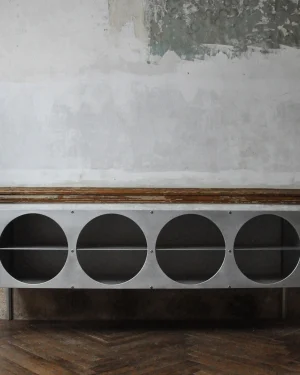
D400 Console Table in Matte Aluminum
By MLK Furniture
€4.700 -
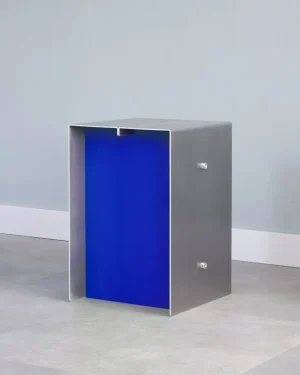
Core Aluminum Side Table / Stool
By Lisanne Meester
€399 This product has multiple variants. The options may be chosen on the product page -
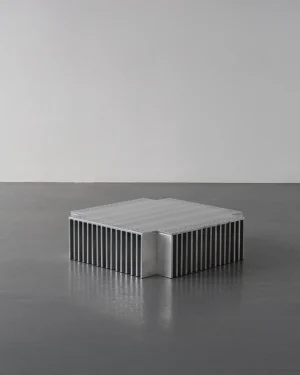 In stock
CPU Low Coffee Table in Brushed Aluminum
By Thomas Gayet
€3.300 -
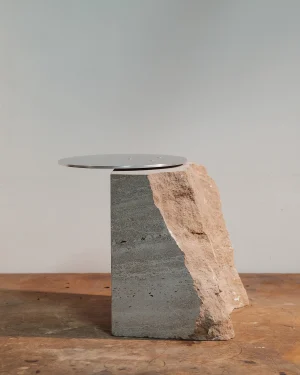
Fragments Side Table in Limestone and Aluminum
By Estudio Material
€3.300 -

Binario I Coffee Table in Stainless Steel and Wood Veneer
By SABAN FURKAN
€3.800 -

012 Side Table in Aluminum
By OFAA
€1.350 -
 In stock
120+ Raw Metal Coffee Table in Steel and Iron
By matteo giustozzi
€1.400 -

Bells And Whistles Cabinet
By Toro Manifesto
€18.260
Metal tables carry weight without excess, steel, aluminum and chrome worked into frames and tops that hold a room's structure. Studios working in welded steel, spun aluminum and anodized finishes build each piece to take knocks, stains and daily use. The material sets the tone: cool to the touch, exact in its lines, and ready to sit alongside wood, stone or glass.
What defines a metal table
Steel and aluminum both start as sheet or bar stock, cut, bent and welded into a frame that rarely flexes under load. Stainless steel resists rust on its own; plain steel needs a powder coat or paint to do the same job. Aluminum weighs less, which matters for a table that moves between rooms or sits on a terrace.
Chrome and other plated finishes add a mirror surface over a base metal, reflecting light rather than absorbing it. Matte and anodized finishes do the opposite, softening the surface so fingerprints and scratches show less over time. Color on a metal table usually comes from this finish rather than a dye, which is why black, dark gray, silver and brown read as part of the metal rather than a layer on top.
The range of metal tables on ADORNO
Metalwork ranges from hand-welding, where seams stay visible as part of the design, to anodizing, which changes the metal's surface at a molecular level for color that will not peel. Some studios pair steel or aluminum with glass, wood or stone for a top that softens the metal's edge; others leave the metal alone, letting its own grain of hammer marks or brushed lines carry the piece.
- Open editions, for studios producing a design on an ongoing basis
- Limited editions, numbered and capped at a fixed run
- Unique pieces, each one built once and not repeated
Style follows the same spread: minimalist frames pared down to a few bars and joints, brutalist tables that let the weld lines and raw metal show, Art Deco tables that lean on symmetry and polish, and neo-industrial pieces that borrow directly from factory and workshop furniture. Futuristic and midimalist designs sit at the other end, using curved or cantilevered metal to do what a boxier frame cannot.
How to choose a metal table
Start with height and use: a coffee table usually sits low enough to clear a sofa cushion, a dining table needs legroom and knee clearance, and a console or entryway table can run narrower since it rarely seats anyone. Scale the tabletop to the room rather than the other way around, leaving walking space on at least two sides.
Finish decides how the table behaves day to day. A polished chrome top shows every mark and fingerprint, which suits a room that gets wiped down often; a matte or anodized surface hides more and asks for less attention. Where a glass or stone top sits on a metal base, check that the base alone can carry the weight without extra bracing underneath.
Where metal tables fit
A steel-framed dining table holds its line in a room that also has softer, worn materials such as wood floors or linen chairs, giving the whole space a point of contrast. In a living room, a low aluminum or chrome table works as a stage for objects rather than a surface that competes with them. Entryway and console tables in metal take daily use, bag drops and keys, without marking as wood might.
Metal tables also carry well into bedrooms as nightstands or into studies as desks, anywhere a hard-wearing surface matters more than a soft one. For a lighter look in the same room, pair a metal table with wooden tables or stick to a single material family drawn from minimalist tables.
Caring for metal tables
Wipe steel, aluminum and chrome with a soft cloth and mild soap; avoid abrasive pads, which can dull a polished or anodized finish permanently. Dry metal tables after cleaning, since standing water can mark plain steel and leave spots on chrome. Rotate any felt pads under decorative objects occasionally, since trapped moisture under a static base is a more common cause of surface marking than daily handling.
For the full range of material and finish across the category, see every table on ADORNO, browse every metal piece across furniture, lighting and objects, or look at metal furniture more broadly for matching case goods and seating.
How do I choose a metal table?
Consider the finish and weight that suit the room, steel and aluminum read differently depending on whether they are welded, anodized, or left raw. Match the base height to the chairs or seating it will pair with.
How do you care for a metal table?
Wipe steel, aluminum, or chrome surfaces with a soft, dry cloth, and avoid abrasive cleaners that can scratch a finish. Raw steel may need occasional oiling to resist rust, while anodized aluminum resists corrosion on its own.
What size and height should a metal table be?
Dining tables generally stand around 28 to 30 inches tall, coffee tables closer to 16 to 18 inches. Confirm exact measurements on the piece's page before ordering.
Which rooms suit a metal table?
Metal tables anchor living rooms, dining areas, and entryways alike, carrying weight visually as well as physically. Their finish, from brushed steel to matte black, can push a room toward industrial or pare it back to something more restrained.
Is shipping insured and worldwide for metal tables?
Yes, shipping is insured and worldwide.
What are ADORNO's return and authenticity policies?
Returns are accepted within 14 days, except for made-to-order pieces. Every piece arrives with a certificate of authenticity, and ADORNO offers a lowest-price guarantee.