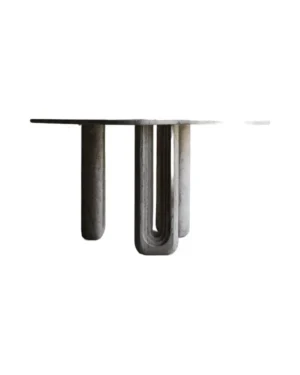
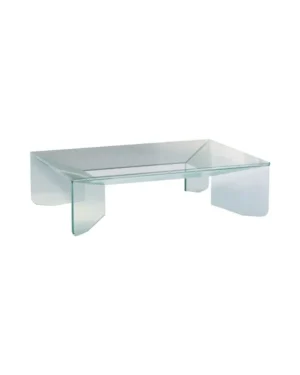
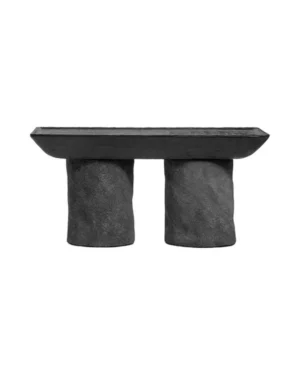
-

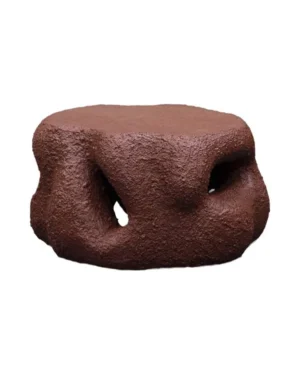
Isolation Coffee Table in Cork and Burnt Pine
By Vital Lainé
€1.800 -
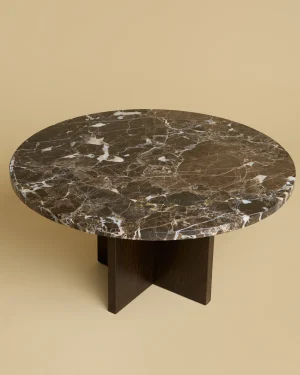
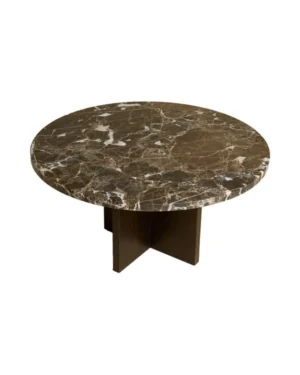
Tinian Coffee Table in Dark Emperador Marble and Oak
By Lebanto
€2.010 -
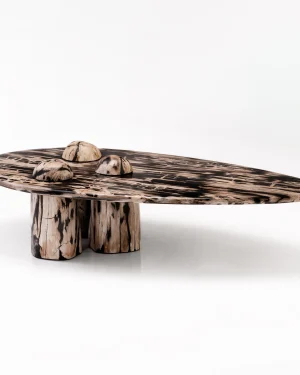
Rocky Montage • Sculptural Petrified Wood Coffee Table
By Odditi
€7.190 -
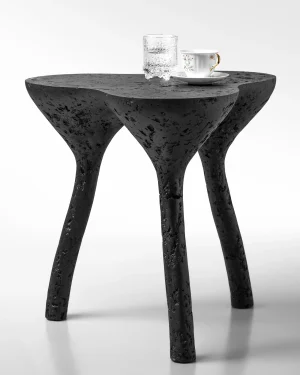
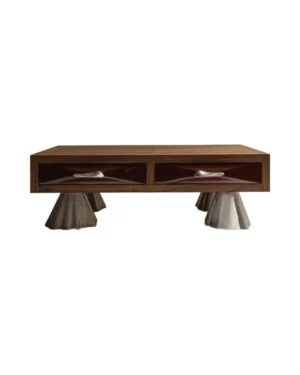
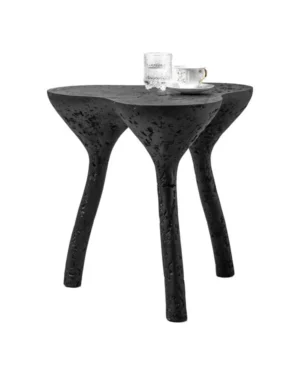
Black Tripod Coffee Table In Paper Pulp And Cement
By Donatas Žukauskas
€1.450 -
 In stock
Strata Nebula Coffee Table in Layered Concrete
By clasik.studio
€790 -

Klar Coffee Table in Tempered Glass
By hermhaus
€3.508 -
Black Friday −10%
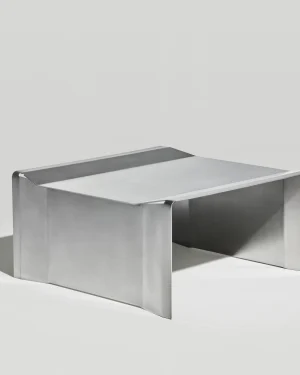
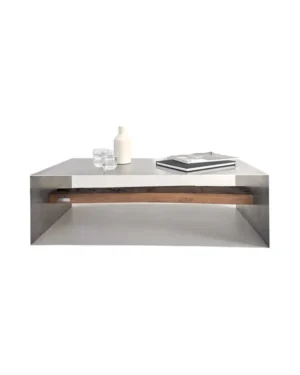
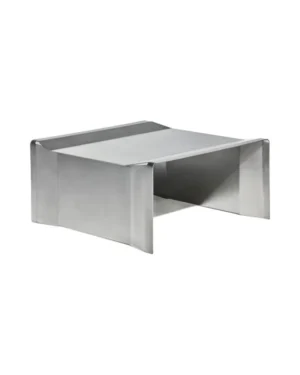
Camber Coffee Table In Stainless Steel
By Paul Coenen
€1.615 (−10% applied at checkout) -
 In stock
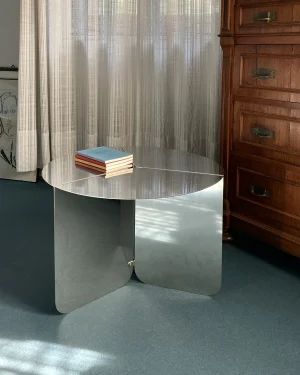
120 Coffee Table in Stainless Steel
By matteo giustozzi
€900 -
Black Friday −10%
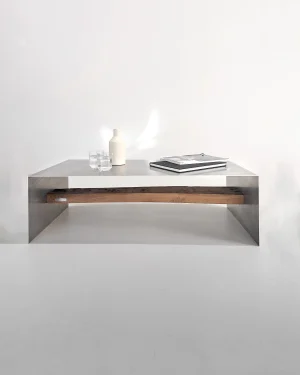
Matted Aluminum Coffee Table In Aluminum And Oak
By case studios
€660 (−10% applied at checkout) -
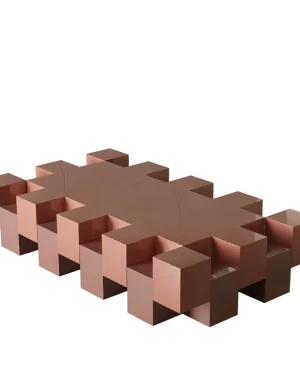
Bite Coffee Table in Lacquered MDF
By hermhaus
€5.943 -
 In stock
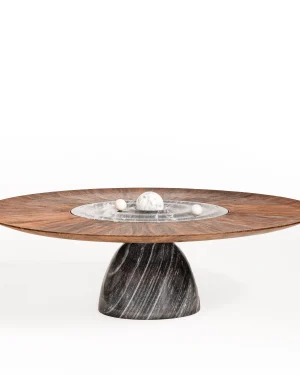
Ripple 2.0 Coffee Table in Teak Wood and Marble
By Tectona Grandis Furniture
€2.550 -
 In stock
Trio Coffee Table in Cloud-Textured Glass
By Studio Monsoleil
€2.000 -
 In stock
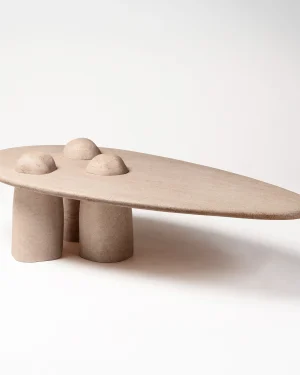
Rocky Montage Coffee Table In Sandstone
By Odditi
€4.950 -
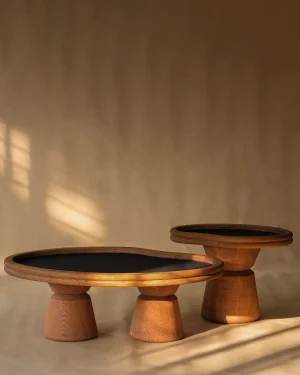
Müra Coffee Table in White Ash Wood
By Shivangi Vasudeva
€2.500 -
 In stock
Trio Rose Coffee Table in Cloud-Textured Glass
By Studio Monsoleil
€2.000 -

Knot Coffee Table In Solid Ash Wood
By Luis Gimeno Design
€1.800 -
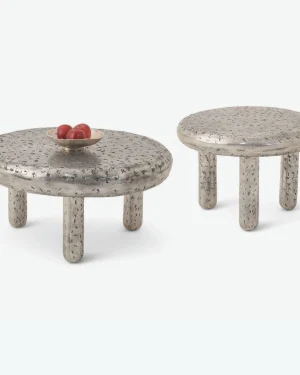
Crater Coffee Table in Cast Aluminum
By LMNOH
€2.150 -
Black Friday −10%
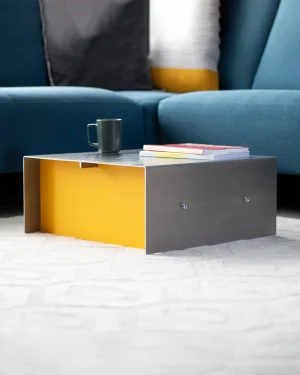
Core Coffee Table in Polished Aluminum and Stainless Steel
By Lisanne Meester
€519 (−10% applied at checkout) -
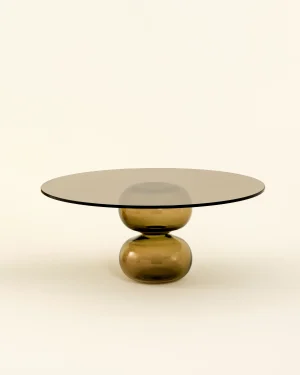
Donut Coffee Table In Blown Glass And Tempered Glass
By Deya
€2.248 -
 In stock
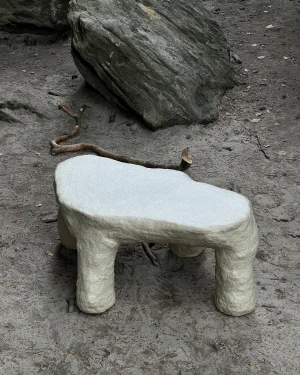
Sandstone Rock Coffee Table In Paper Pulp And Sand
By David Čáp
€1.500 -
Black Friday −20%
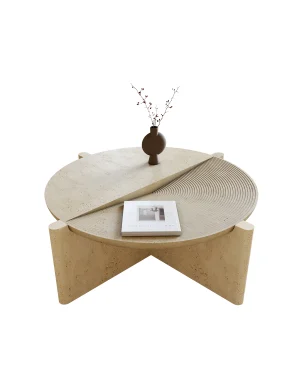
Arkhe No. 1 Round Coffee Table In Travertine
By Studio Kali
€6.170 (−20% applied at checkout) -
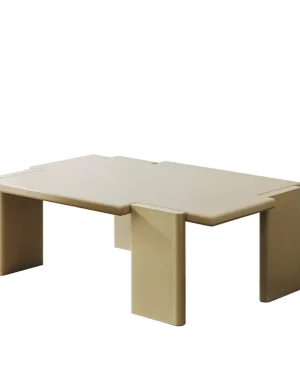
Brio Coffee Table In Mdf
By hermhaus
€3.200 -
 In stock
Matted Aluminum Coffee Table In Aluminum And Blackwood
By case studios
€799 -
 In stock
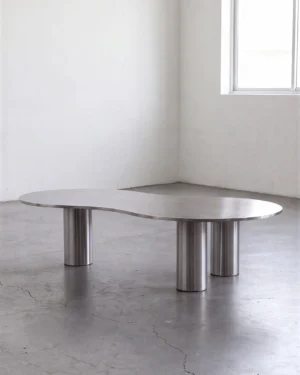
Pond Coffee Table In Satin Steel
By Metalmorphosis Studio
€890 -
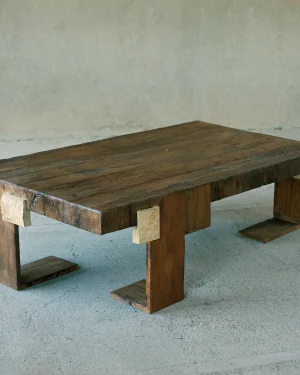
Warrior Neckless Coffee Table in Oak and Tuff Stone
By Around the Studio
€3.100 -

Somnia Coffee Table in Sand-Cast Aluminum
By Giselle Vanessa Johnson
€4.200 -

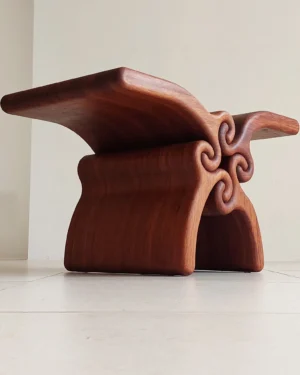
Wing Bench
By Obscure Objects
€1.220 -
 In stock
Snow Angel Coffee Table in Mirror-Polished Stainless Steel
By Kari Kadak
€7.500 -

002 Coffee Table In Stainless Steel
By OFAA
€1.500 -
Black Friday −15%
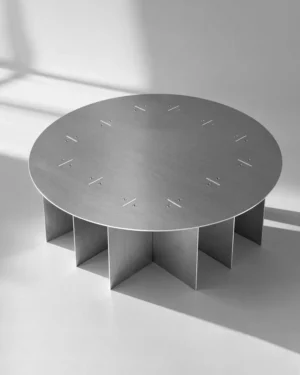
Plus Coffee Table In Aluminum
By 301 Design Studio
€1.400 (−15% applied at checkout) -
 In stock
Yakisugi Coffee Table In Burnt Oak And Aluminum
By case studios
€2.190 -
 In stock
Pebble Coffee Table in Stainless Steel
By Nitush and Aroosh
€5.250 -
 In stock
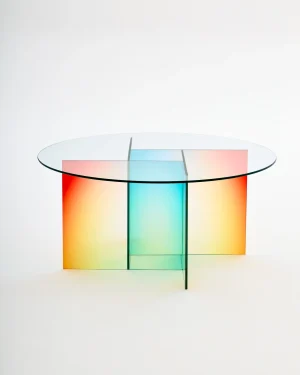
Cosmos Rainbow Gradient Coffee Table in Tempered Glass
By Studio Monsoleil
€2.100 -
 In stock
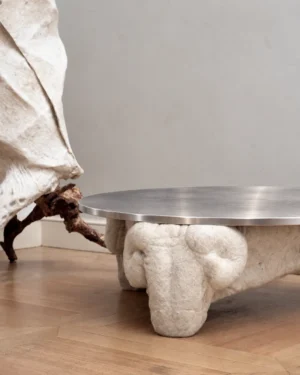
Wool Felt Coffee Table In Wool Felt And Aluminum
By Danik Uderbekov
€2.500 -
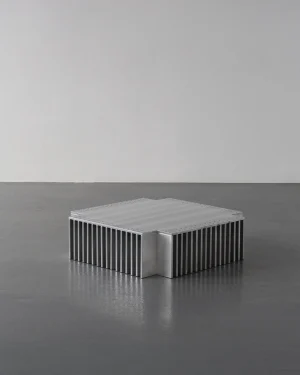 In stock
CPU Low Coffee Table in Brushed Aluminum
By Thomas Gayet
€3.300 -
 In stock
Moro Coffee Table In Hydroformed Stainless Steel
By Nitush and Aroosh
€3.000 -
Black Friday −20%
Grip-c Coffee Table In Caramelized Bamboo
By JAN PAUL
€3.402 (−20% applied at checkout) -
 In stock
120+ Raw Metal Coffee Table in Steel and Iron
By matteo giustozzi
€1.400 -
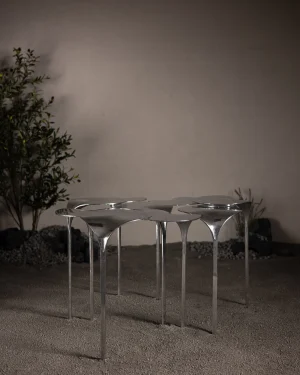
Amara Coffee Table in Polished Cast Aluminum
By House of Creatomy
€1.792 -
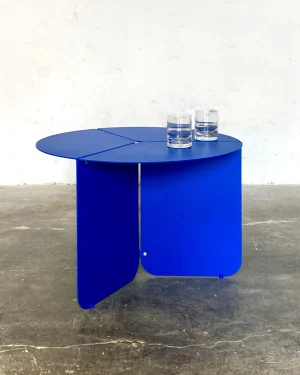 In stock
120 Blue Coffee Table in Steel and Iron
By matteo giustozzi
€720 -
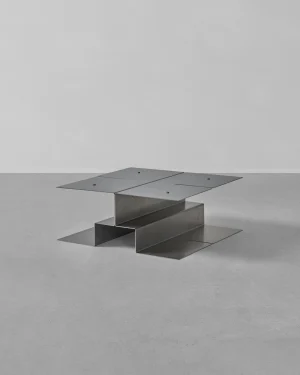 In stock
Salon Coffee Table in Stainless Steel
By 304.cage
€4.000 -

Stack 048 Coffee Table in Raw Aluminum
By studio MOTO
€1.520 -
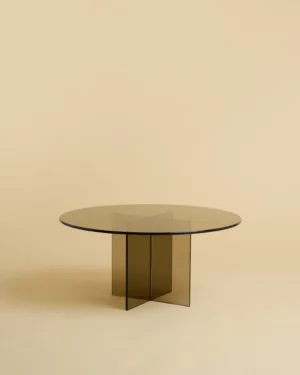
Aka Coffee Table in Italian Glass
By Lebanto
€950 -

CT001-03 Coffee Table in Raw Steel and Bay Laurel Wood
By NAVE
€2.700 -

Moort Coffee Table in Steel and Pine Wood
By SALAK Studio
€1.990 -
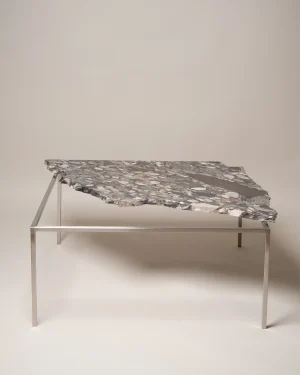
Low Table No1 Coffee Table in Stainless Steel and Stone
By Georgiev Kiril
€1.160 -
 In stock
Down To Earth Hand-sculpted Red Earth Stone Coffee Table
By Odditi
€6.480 -
Black Friday −15%
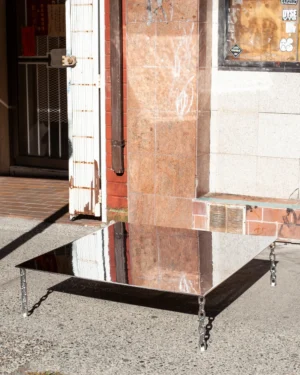
Impala Coffee Table
By Calen Knauf Studio
€2.302 (−15% applied at checkout) -
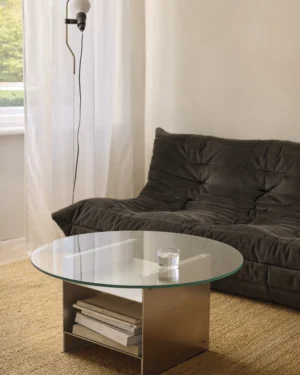
Glass Wing Coffee Table In Aluminum And Glass
By Obscure Objects
€798 -
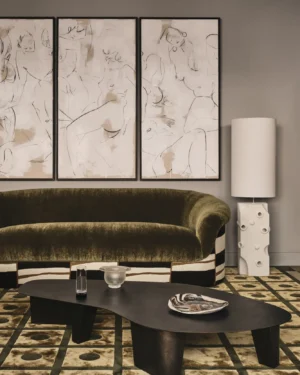
Paris Table – Blackened Steel
By Vogel Studio
€10.000 - €13.680 -
 In stock
Parota Backgammon Coffee Table In Parota Wood And Concrete
By NO AGE STUDIO
€4.000 -
 In stock
Lasso Coffee Table In Stainless Steel And Borosilicate Glass
By Nitush and Aroosh
€4.250 -

Rise Coffee Table in Textured Lacquered MDF
By hermhaus
€3.860 -
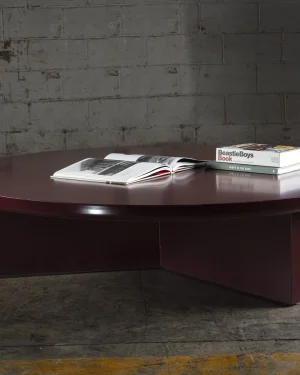 In stock
Ddr Coffee Table In Deep Dark Red Lacquered Oak
By NO AGE STUDIO
€2.700
Designer Coffee Tables
A coffee table sits in the middle of the room, so it is seen from every seat. It holds cups, books and feet, and it sets the scale of everything around it. That is why independent studios treat it as a sculpture you can use. It might be a block of travertine left almost raw, a slab of oak on a turned base, or a sheet of stainless steel folded into a low frame.
Every coffee table on ADORNO is made by an independent designer, studio or gallery, in open editions, limited runs and unique pieces. They come in solid oak, walnut and ash, steel, aluminum and brass, marble, travertine and sandstone, glass, concrete, terrazzo and resin. Prices start around €500 and reach five figures for unique work. Most pieces are made to order, with lead times on each product page.
Choosing a Shape
- Round coffee tables have no corners to catch a knee. They ease movement in small living rooms and suit an L-shaped sofa or a ring of armchairs.
- Square coffee tables suit a large sectional or a pair of sofas facing each other, where everyone needs to reach the middle.
- Oval coffee tables keep the length of a rectangle with softened ends, which helps in a narrow room.
- Rectangular coffee tables follow the line of a long sofa, and they are the natural choice for a three-seater.
- Low coffee tables sit closer to the floor and suit low-slung sofas, lounge seating or floor cushions.
- Geometrical coffee tables break the expected outline with hexagons, wedges, stepped levels and interlocking volumes.
How a Coffee Table Is Put Together
- Top: This is the main surface and usually the material statement. It may be a marble slab, a glass sheet, a solid wood plank or a cast form.
- Base: The options are four legs, a pedestal, a drum or a solid plinth. A plinth base gives a coffee table real weight, while slim legs keep the floor visible and the room open.
- Storage: A lower shelf, drawer or hidden compartment makes it a coffee table with storage for remotes, magazines and coasters.
- Edge and finish: A bevelled or rounded edge softens the form. Oil, wax or sealant decides how the surface ages.
In much contemporary work, the top and base are one continuous form, carved from a single block or cast in a single pour. That is a design decision rather than a shortcut, and it means the piece arrives whole.
Getting the Right Coffee Table Size
- Length: Aim for about two-thirds of the sofa's length. For a 210 cm (83 in) sofa, that means a 120–140 cm (47–55 in) table.
- Height: Match the sofa seat or sit up to 5 cm (2 in) below it, typically 35–45 cm (14–18 in).
- Distance from the sofa: Leave 40–45 cm (16–18 in), close enough to reach a cup and far enough for legs.
- Walkway: Keep 75–90 cm (30–36 in) clear where people pass around the table.
- Small spaces: A small coffee table or small round coffee table of 70–90 cm (28–35 in) across keeps a compact room open.
- Large spaces: A large coffee table of 130 cm (51 in) or more, or two tables side by side, anchors a big sectional.
Materials, Styles and Color
- Marble coffee tables bring weight, a cool surface and veining that makes every piece unique. A round marble coffee table is one of the most enduring forms in the collection.
- Stone and travertine coffee tables have a porous, honed surface in warm off-whites and sand tones. Sandstone and lava stone push the texture further.
- Wood coffee tables come in oak, walnut and ash and age warmer with use. A solid wood coffee table can be refinished for decades.
- Glass coffee tables carry the least visual weight and let a rug or sculptural base show through.
- Metal coffee tables include stainless steel coffee tables polished or brushed, aluminum, brass and blackened steel.
- Concrete, terrazzo and resin give color and mass in forms that stone cannot easily take.
Color runs from black coffee tables and natural wood through white, sand and the occasional saturated top. For style, browse minimalist, modern, contemporary and brutalist coffee tables. Mid-century modern, Art Deco and eclectic pieces also run through the collection.
Care by Material
- Marble, travertine and stone: Seal as recommended, use coasters, and wipe up wine, coffee and citrus at once.
- Wood: Dust regularly, oil or wax occasionally, and keep out of sustained direct sun.
- Glass: Use a standard glass cleaner, and put felt pads under objects to avoid scratches.
- Steel and aluminum: Wipe with a dry or lightly damp cloth, and keep moisture off unsealed steel.
- Concrete, terrazzo and resin: Clean with mild soap and water, and keep hot pans and mugs off resin.
To complete the room, pair your table with a sofa and side tables, or explore the full range of tables.
What is a coffee table?
A low table placed in front of seating, designed to be reached from a sofa or armchair. It typically stands 40–45 cm (16–18 in) high — around seat height — and serves as a surface for drinks, books and objects, as well as the visual anchor of a seating arrangement. "Cocktail table" is the same object under a different name, used more in North America and in the trade; there is no real difference in height, size or purpose.
How tall should a coffee table be?
40–45 cm (16–18 in) suits most contemporary sofas, and that is the standard range you will find quoted. The better test is relative: the tabletop should sit level with the sofa seat cushion or up to 5 cm (2 in) below it, so reaching for a glass is a natural movement rather than a stretch down. Low-slung modern sofas call for lower tables — 30–38 cm (12–15 in) — while older, higher-seated furniture takes the upper end of the range.
What size coffee table do I need for my sofa?
Aim for roughly two thirds the length of the sofa. A 210 cm (83 in) sofa suits a table around 120–140 cm (47–55 in) long; a 180 cm (71 in) sofa suits 110–120 cm (43–47 in). Depth should be 45–60 cm (18–24 in) for a rectangular piece, or 80–100 cm (31–39 in) in diameter for a round one. Going slightly smaller is safer than going larger — an undersized table looks modest, an oversized one makes the room feel full.
How far should a coffee table be from the sofa?
30–45 cm (12–18 in). That gap is close enough to put a cup down without leaning forward, and wide enough to walk past without turning sideways. If the table also sits in a circulation route, keep at least 60–75 cm (24–30 in) of clear floor on the walking side, measured from the table to whatever is opposite.
What size coffee table works with a sectional?
Measure the longest continuous run of seating rather than the whole L, and take two thirds of that. Round and oval tables tend to work better than rectangles with a sectional, because the corner of the sofa and the corner of a table fight each other visually. In a very large sectional arrangement, two smaller tables — or a table plus a pair of stools — often serve better than one enormous piece.
Which shape should I choose?
Round for small rooms, busy circulation and households with children, since there are no corners at shin height. Square for symmetrical layouts and deep sectionals, where it gives the most usable surface. Rectangular to mirror a long sofa in a narrow room. Oval as a softer alternative to a rectangle. Sculptural and irregular pieces are chosen as objects and need clear space around them to read properly.
What works in a small living room?
Either a small round table around 60–80 cm (24–31 in) across, which keeps circulation easy, or something visually light — glass, a slim metal frame, an open base you can see the floor through. Visual weight matters more than footprint in a small room: a 90 cm (35 in) glass table will feel smaller than a 70 cm (28 in) solid stone block. Nesting or paired pieces that separate when you need more surface are the other good answer.
Is marble or travertine practical for everyday use?
They are durable but not inert. Both are porous and will mark from wine, citrus, coffee and oil if left, and both etch slightly where acid sits on a polished surface. A good impregnating sealer, reapplied every year or two, prevents most staining; wiping spills promptly prevents the rest. Honed and textured finishes hide marks far better than polished ones. Many owners come to like the patina — but if you want a surface that looks new in a decade, stone is the wrong choice and metal or glass is the right one.
How do I care for a metal coffee table?
It depends on the finish. Brushed and matte aluminium and steel are forgiving: dust, then wipe with a damp cloth along the grain and dry. Mirror-polished stainless is dramatic and shows every fingerprint, so budget for frequent buffing with a microfibre cloth. Unlacquered brass and copper darken over months into the patina the designer intended, and should only be polished if you actively want them bright. Avoid abrasives and solvents on every finish, and use felt pads under anything you slide across the top.
Are glass coffee tables a good idea?
In a small or visually busy room, a glass top is the easiest way to add a surface without adding bulk. Tempered or laminated glass is strong and, if it ever fails, breaks safely — worth confirming on any piece, particularly with small children in the house. The trade-offs are honest ones: fingerprints and dust show, and the underside of whatever you place on it is visible, which makes styling a glass table a slightly more deliberate exercise.
How do I style a coffee table?
Work in three heights and odd numbers. Something tall — a vase, a candleholder, a small sculpture. Something flat — two or three books, or a tray that gathers smaller items into one shape. Something with weight or texture — a bowl, a stone object, a piece of ceramic. Group them on one half or one third of the surface so the rest stays usable, and keep the arrangement below eye level when seated so people can see each other across it. On a table with a strong material or an unusual form, a single object is often the right answer.
What should I avoid putting on a coffee table?
Anything that makes the surface unusable: a full centrepiece, a dense cluster of small objects, or arrangements tall enough to block the view across the room. On stone, avoid leaving glasses and cups without a coaster or tray, since rings on an unsealed surface set quickly. On wood, keep heat and standing water off the finish. On every surface, felt pads under ceramics and metal objects will save the top from fine scratches.
Do you have coffee tables with storage, lift tops or drawers?
Rarely, and not as a feature of this collection. Lift-top mechanisms, hidden compartments, nesting sets and drawer units belong to volume furniture manufacturing, where the engineering is the selling point. The studios here work the other way round — the material and the form are the piece. If storage is essential, a sculptural table paired with a side table or a pair of stools underneath usually solves it better than a mechanism.
Do you have ottoman or upholstered coffee tables?
Not typically. Upholstered and leather-topped ottoman tables are a distinct product category, and what they offer — a soft surface you can also sit on — sits outside what most independent furniture studios make. If you want a soft element at that height, a pouf or stool beside a hard-topped table gives you both, and you can move it when you need the floor.
Can I use one of these outdoors?
It depends entirely on the material, so ask us before you commit. Solid teak, some stone, concrete and certain stainless and powder-coated metals tolerate outdoor conditions; untreated steel, veneer, MDF, cork, paper pulp, felt, textile and most finished timber do not. Frost is the real risk, not rain — water that enters a porous material and freezes will split it. None of these pieces is sold as rated outdoor furniture, and covered terraces are far kinder than open ones.
Can a coffee table double as a dining or work surface?
Not comfortably, and height is the reason. At 40–45 cm (16–18 in) a coffee table sits roughly 30 cm (12 in) below dining height, which is fine for a bowl on your lap and tiring for anything longer. Occasional use with floor cushions or a low stool works well; daily use does not. A better solution for small apartments is a nesting or side piece at a higher level, or a compact table from our dining tables collection.
Are these pieces unique, and are they made to order?
Many are unique or produced in limited editions, and most are made after you order, in the designer's studio, with lead times stated on the product page. A unique piece exists in one example only and is not repeated once sold. If you need something for a fixed date — a move, a renovation, a shoot — tell us before ordering and we will confirm the timing with the maker.
How are heavy stone and metal tables delivered?
Crated and shipped worldwide directly from the studio, with the method matched to weight. Stone, concrete and solid timber pieces can be very heavy, and delivery is usually kerbside or threshold rather than room-of-choice, so check stairs, lift dimensions, doorways and any tight turns before ordering. Tell us about access constraints in advance and we will confirm what the maker can arrange.
How much does a designer coffee table cost?
In this collection, from around €500 for smaller pieces in metal or composite to well over €10,000 for large sculptural work in stone or hardwood, with most pieces between €1,000 and €4,000. Price reflects material volume as much as labor — a solid stone or hardwood top costs more to make, crate and ship than a steel frame of the same dimensions, before any design value is counted.