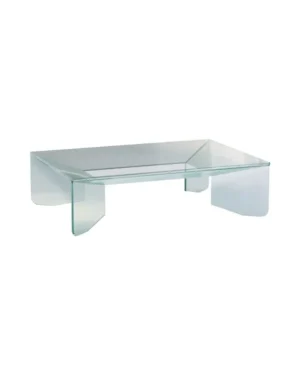
-
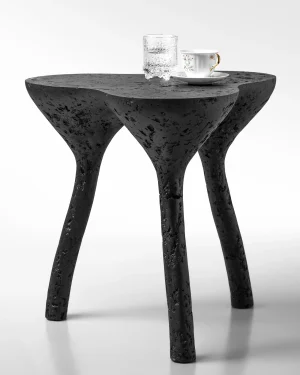
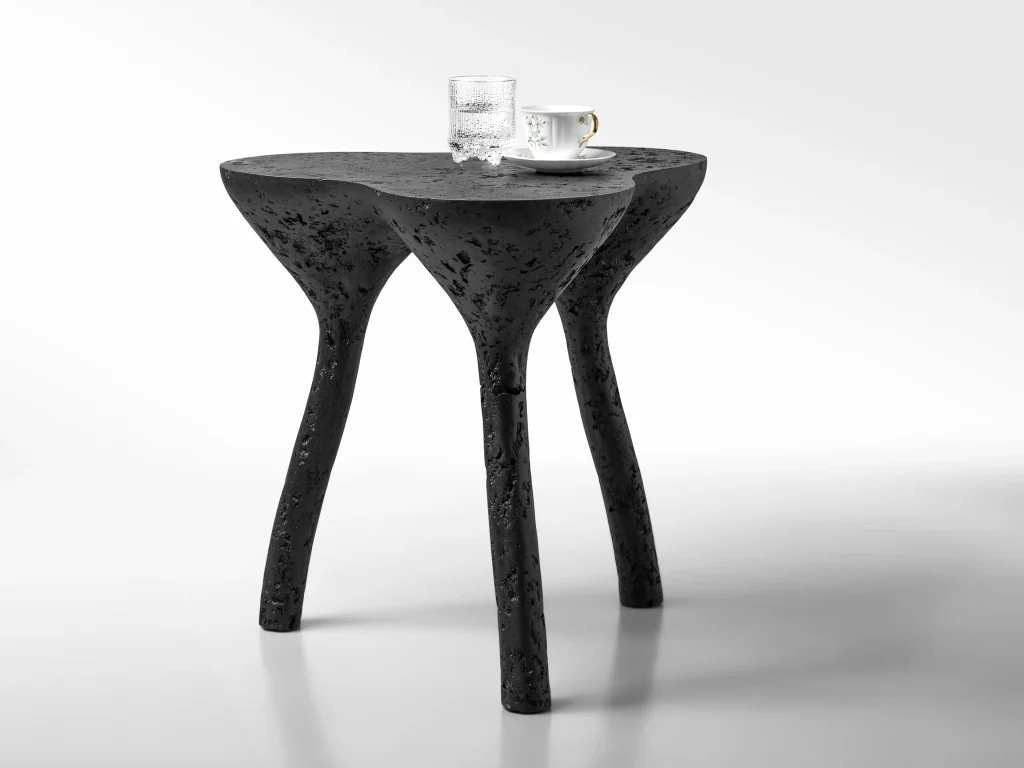
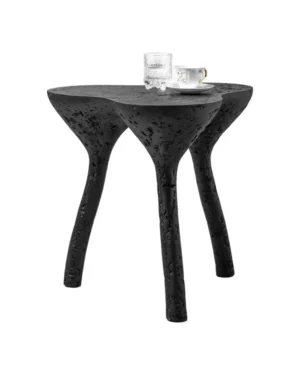
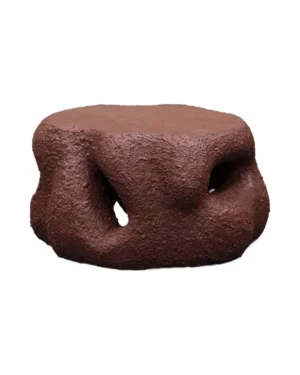
Solid Black Stone Coffee Table in Cast Stone
By Donatas Žukauskas
€1.450 -

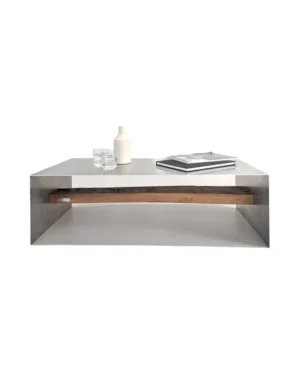
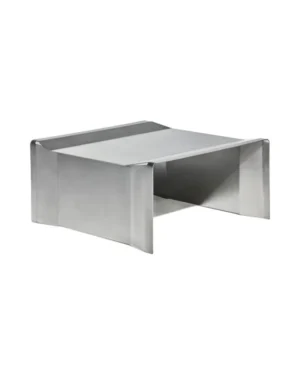
“somnia” Low Table | Aluminum
By Giselle Vanessa Johnson
€4.200 -
 In stock
Snow Angel Coffee Table
By Kari Kadak
€7.500 -
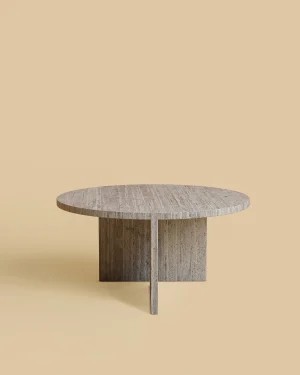
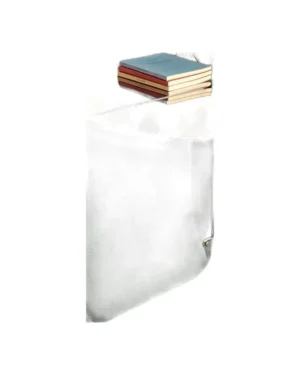
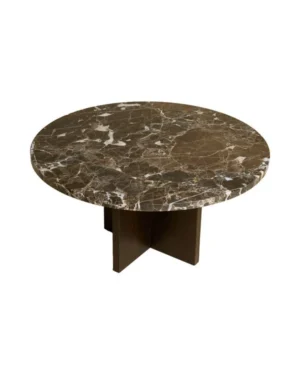
Hashi – Circular Marble Coffee Table
By Lebanto
€2.684 - €3.990 This product has multiple variants. The options may be chosen on the product page -

Solid White Stone Low Coffee Table – Plinth Series In Cast Stone
By Donatas Žukauskas
€1.300 This product has multiple variants. The options may be chosen on the product page -
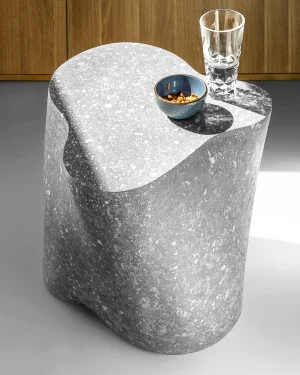
Solid White Stone Low Glass Top Coffee Table – Plinth Series In Cast Stone By Donatas Zukauskas
By Donatas Žukauskas
€1.300 - €1.450 This product has multiple variants. The options may be chosen on the product page -
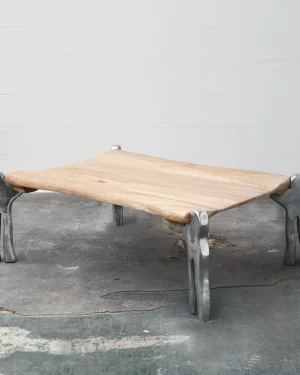 In stock
Tpf Series (the Parasitic Factors) _no.04 – Coffee Table
By Sai.E Studio
€5.600 -

Korotun – Ash Wood/ Clay Coffee Table
By FAINA
€8.230 -
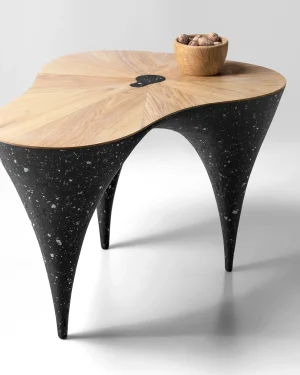
Solid Black Stone & Oak Poise Coffee Table – Still Series In Cast Stone By Donatas Zukauskas
By Donatas Žukauskas
€2.450 -
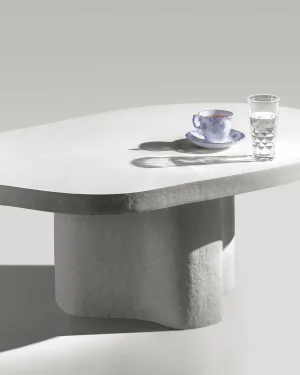
Solid White Stone Coffee Table – Plinth Series In Cast Stone By Donatas Zukauskas
By Donatas Žukauskas
€3.400 -
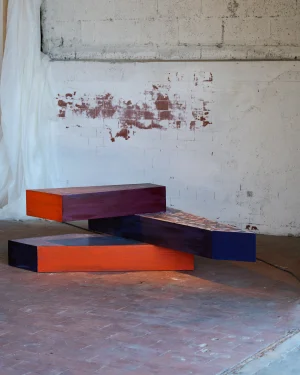 Sold
SoldCarte Blanche – Hand Painted Coffee Table
By Crina Arghirescu Rogard
Price Upon Request -
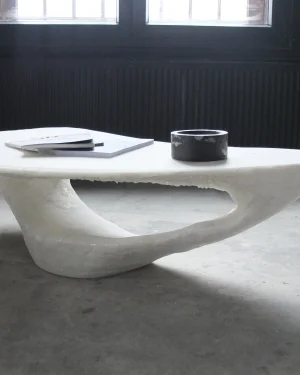
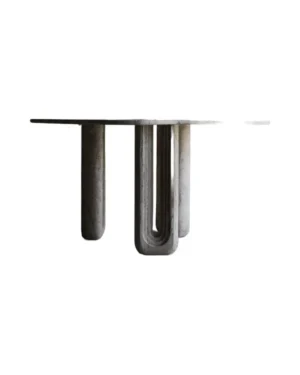
“marbled Salts” Boomerang Low Table
By MARBLEDSALTS studio
Price Upon Request -
 In stock
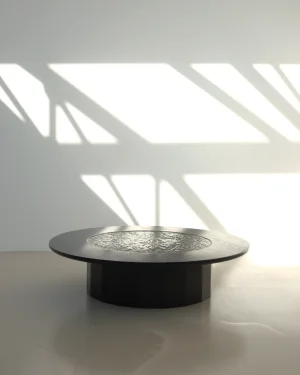
Yunseul Series – Low Table 03
By Woohyun Han
Price Upon Request
Low coffee tables sit close to the floor, often between twelve and sixteen inches high, and they define the kind of living room where the sofa does most of the talking. Studios build them from stone, concrete, fiber-cement, paper pulp, ash wood, stainless steel and other metals, choosing a process that suits the material: casting, hand-building, wood carving, cabinetmaking or metalwork. The result is a surface that reads as grounded rather than furniture-shaped, a horizontal plane you notice before you notice its legs.
What defines a low coffee table
Height, more than any other measure, is what separates these pieces from occasional tables or side tables. Set at or just below sofa-cushion level, a low table keeps sightlines open across a room and lets the piece above it, whether a stone slab or a cast-concrete form, read as sculpture rather than obstacle. Proportion matters as much as height: a top that is too small looks stranded against a low profile, while a broad slab can dominate a seating group.
Materials and finishes found in this range
Stone and concrete are common choices for low coffee tables because their weight reads naturally close to the ground; a slab that would feel heavy at standard height feels anchored at a lower one. Stainless steel and other metals offer a lighter, more reflective counterpoint, often finished in black, silver or white to sit quietly against a stone or concrete floor. Recycled material, fiber-cement and paper pulp appear in pieces built through hand-building or papermaking, where surfaces can carry visible texture, speckle or fiber rather than a uniform finish. Ash wood, worked through wood carving or cabinetmaking, brings warmth and a grain that shifts slightly with light and humidity over time.
Color across the range tends toward restraint: black, white, gray, silver and off-white dominate, with blue, orange or purple appearing where a studio wants a low table to act as a point of contrast rather than a background object. Styles range from minimalist and contemporary to brutalist, neolithic and biophilic, each implying a different relationship to the material, whether that is a smooth cast form, a rough-hewn stone edge or a shape borrowed from early tools and vessels.
How to choose one
Start with scale: measure the seating area and leave enough clearance for feet and foot traffic around the table, not just in front of the sofa. A low table works best when its height sits close to the seat cushions, so sitters can reach a cup or a book without leaning far down or up. Consider finish next, since matte stone or concrete will show fingerprints and watermarks differently than a sealed wood top or a polished metal one, and think about whether the piece needs to bear everyday use or serve a more occasional, decorative role.
Placement follows from those decisions. A sustainable or biophilic piece in raw fiber-cement or recycled material tends to suit a room already built around natural light and plant life, while a brutalist concrete form holds its own in a space with hard surfaces and strong architectural lines. For a full view of pieces built on the same low proportion across tables generally, see low tables, and for every object sharing this shape across the gallery, including seating and storage, see every low piece on ADORNO.
Care by material
- Stone and concrete: seal porous surfaces, wipe spills quickly to avoid staining, and avoid acidic cleaners.
- Ash wood: dust with a dry cloth, keep away from direct heat sources, and expect the grain to deepen slightly with age.
- Stainless steel and metal: wipe with a soft cloth to prevent fingerprints from setting into a matte finish.
- Fiber-cement and paper pulp: keep away from standing water, since both materials can absorb moisture over time.
Editions vary by studio and material: some low coffee tables are produced as open editions in cast concrete or metal, others as limited editions or unique pieces where hand-building or stone carving makes each top slightly different from the next. For related rooms and materials, see coffee tables generally, browse minimalist coffee tables for pared-back forms, wooden coffee tables for grain and warmth, or living room coffee tables for pieces sized around a full seating layout.
How do I choose a low coffee table?
Start with how you sit nearby: a low table suits floor cushions, deep sofas, and rooms where sightlines matter. Weigh the material against daily use, since stone and concrete carry visual weight while wood and metal read lighter.
What materials are low coffee tables made from?
Stone, concrete, fiber-cement, and recycled material are common, often hand-built or cast, alongside stainless steel, metal, and ash wood shaped through cabinetmaking or metalwork.
How do I care for a stone or concrete coffee table?
Wipe stone and concrete with a damp cloth and seal periodically, since both can stain from oil or acidic spills. Wood benefits from occasional oiling, and metal simply needs dusting to keep its finish.
What height counts as a low coffee table?
Low coffee tables generally sit below standard sofa-arm height, closer to the floor than a typical side table. This brings the surface nearer to seated eye level and suits lounging over upright seating.
Which rooms suit a low coffee table?
Living rooms with low sofas, lounges, and floor seating all suit a low table, since the reduced height keeps sightlines open and the surface within easy reach from cushions or a low chair.
Does ADORNO ship coffee tables worldwide and offer returns?
Yes, shipping is insured and worldwide, with a 14-day return policy excluding made-to-order pieces. Each table arrives with a certificate of authenticity, and ADORNO offers a lowest-price guarantee.