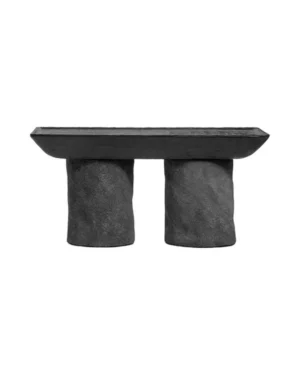
-
 In stock
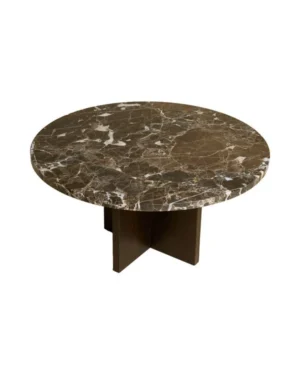
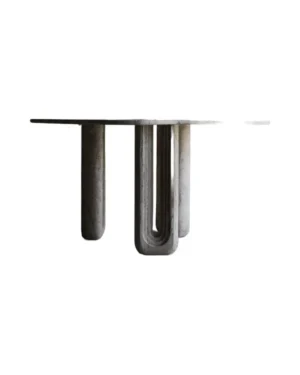
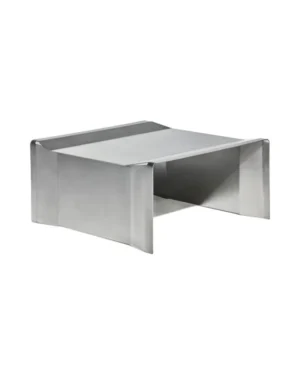
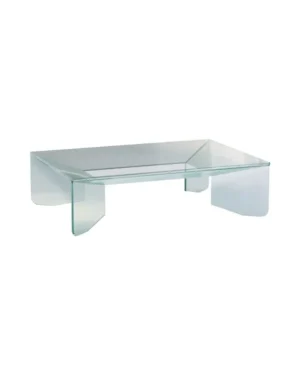
“Ollain” Coffee Table
By Tellurico Design Studio
€5.856 -
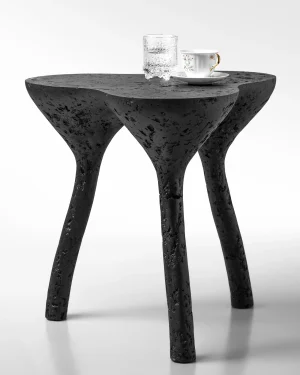
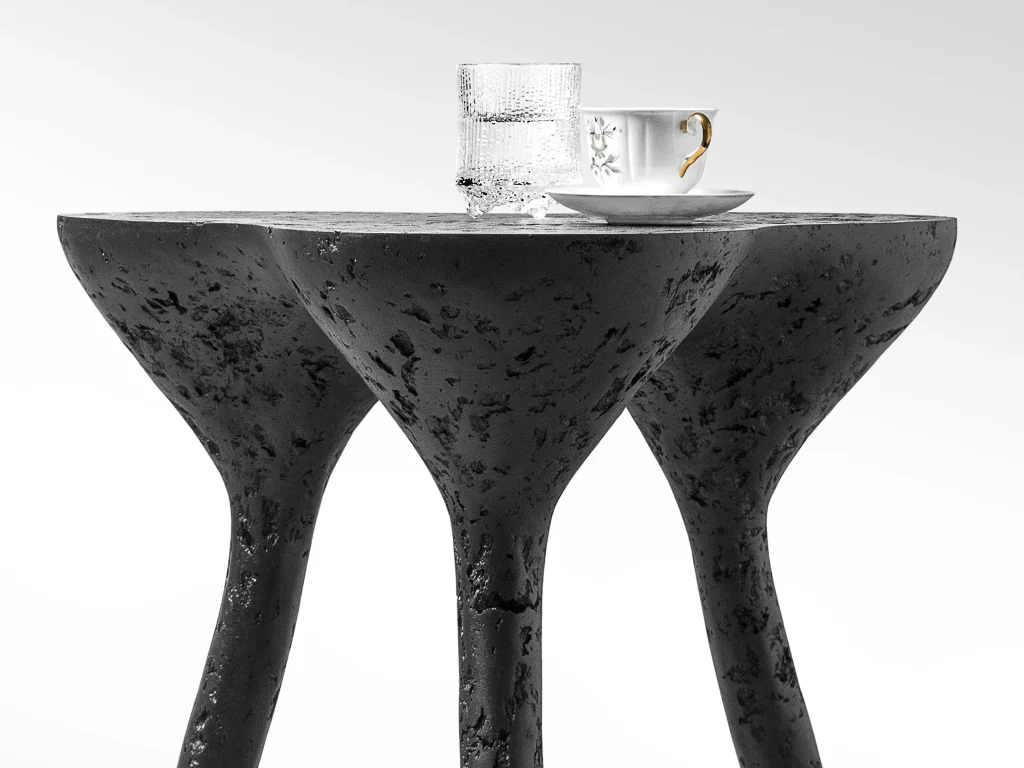
Solid Black Stone Coffee Table in Cast Stone
By Donatas Žukauskas
€1.450 -
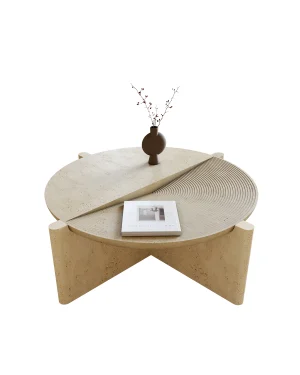
Arkhe No 1 – Round Travertine Coffee Table
By Studio Kali
€6.170 -

002 – Coffee Table
By OFAA
€1.500 -
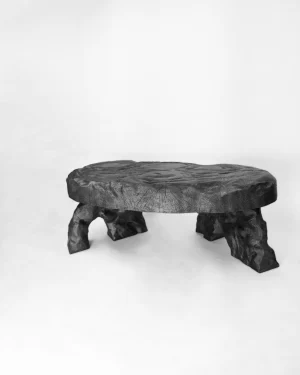 In stock
The Black Sheep Coffee Table
By Masha Volkova
€1.950 -
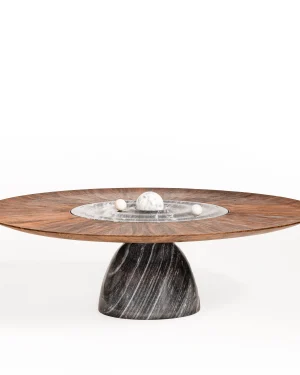
Ripple 2.0 Coffee Table
By Tectona Grandis Furniture
€2.550 -

“somnia” Low Table | Aluminum
By Giselle Vanessa Johnson
€4.200 -
 In stock
Yakisugi Burnt Wood Coffeetable
By case studios
€2.190 -
 In stock
Pebble Coffee Table
By Nitush and Aroosh
€5.250 -

Binario I – Coffee Table
By SABAN FURKAN
€3.800 -
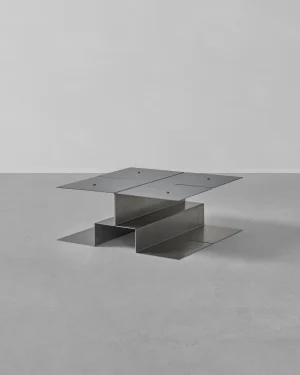 In stock
Folded Stainless Steel Table
By 304.cage
€4.000 -
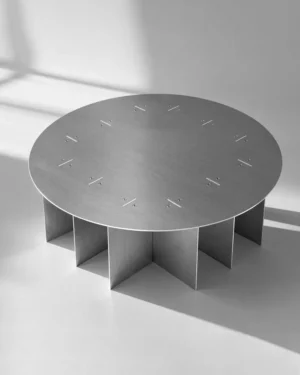 In stock
Plus Coffee Table
By 301 Design Studio
€1.400 -
 In stock
Moro Coffee Table
By Nitush and Aroosh
€3.000 -
 In stock
Lasso Coffee Table
By Nitush and Aroosh
€4.250 -
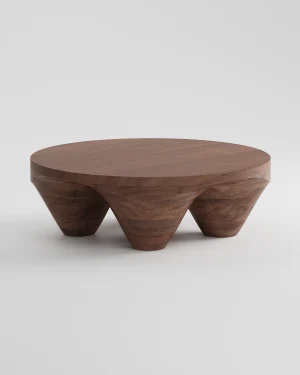 In stock
Utterö Mahogany Coffee Table
By Studio TOOJ
€17.900 -
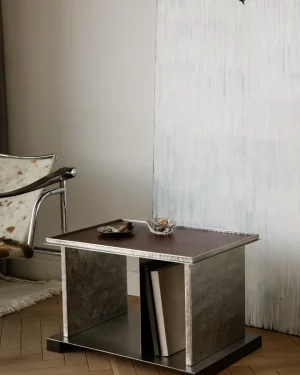
Yuma – Coffee Table
By HYZ
€5.700 -

Cowgirl Oxidized Steel Coffee Table
By Toro Manifesto
€5.160 -

Kamal – Coffee Table
By by.aman
€7.000 -
 In stock
Grand Canyon – Steel Coffee Table
By Nitush and Aroosh
€4.150 -
 In stock
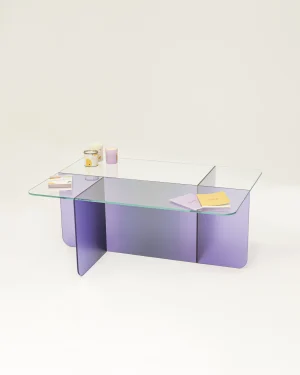
Stardust – Purple Gradient Glass Coffee Table
By Studio Monsoleil
€1.800 -
 In stock
Trio Rose Coffee Table
By Studio Monsoleil
€2.000 -

1020 Oak Coffee Table
By NO AGE STUDIO
€3.950 -
 In stock
Estratos Coffe Table
By Aldo Montes de Oca
€3.000 -
 In stock
Plano Massiva — Ebony Wood And Cast Aluminum Coffee Table
By DONÓ Design
€3.178 -
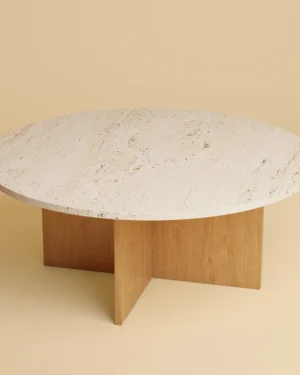
Round Travertine And Oak Coffee Table – Hirado Series
By Lebanto
€3.900 -
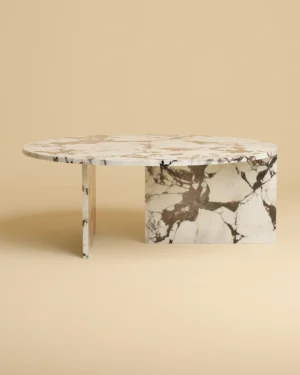
Calacatta Viola Marble Coffee Table – Ishiki Series
By Lebanto
€5.400 -

Sharpened Ancora Titanium Coffee Table
By ORFEO STUDIO
€3.700 - €5.400 This product has multiple variants. The options may be chosen on the product page -
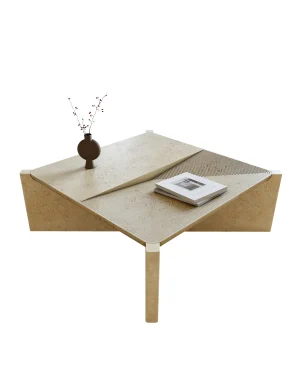
Arkhe No 1 – Square Travertine Coffee Table
By Studio Kali
€6.760 -
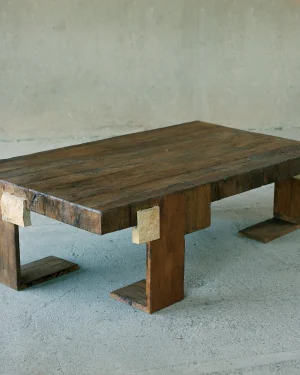
Warrior Neckless Table
By Around the Studio
€3.100 -
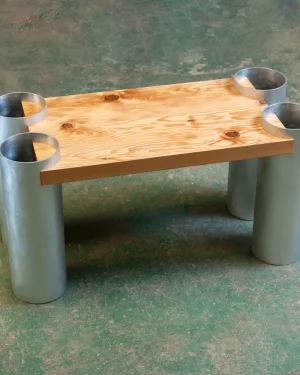
Two Fifths – Upcycled Coffee Table
By Nolan Talbot-Kelly
€1.600 -
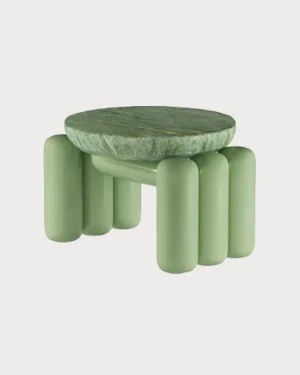
Wood Cluster Coffee Table
By Alter Ego Studio
€2.340 - €4.770 This product has multiple variants. The options may be chosen on the product page -

Atlantis Cantera Coffee Table
By Toro Manifesto
€5.250 -

Canyon Centre Table
By Studio Indigene
€5.750 -

Solid White Stone Low Coffee Table – Plinth Series In Cast Stone
By Donatas Žukauskas
€1.300 This product has multiple variants. The options may be chosen on the product page -

T-02 Silver Stainless Steel Metal Coffee Table
By Triqis
€1.000 - €1.500 This product has multiple variants. The options may be chosen on the product page -
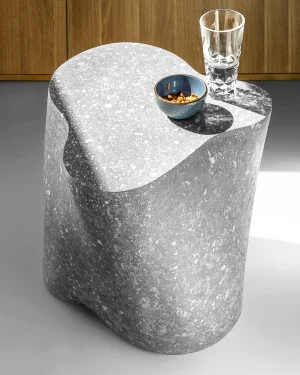
Solid White Stone Low Glass Top Coffee Table – Plinth Series In Cast Stone By Donatas Zukauskas
By Donatas Žukauskas
€1.300 - €1.450 This product has multiple variants. The options may be chosen on the product page -
 In stock
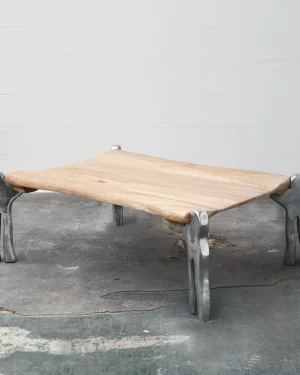
Tpf Series (the Parasitic Factors) _no.04 – Coffee Table
By Sai.E Studio
€5.600 -
 In stock
060 Silver Travertine Coffee Table
By NO AGE STUDIO
€4.200 -
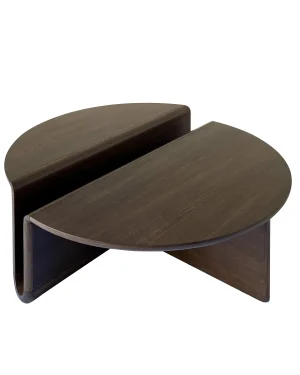
Kanyon – Oak Wood Coffee Tables
By Studio Kali
€4.220 This product has multiple variants. The options may be chosen on the product page -
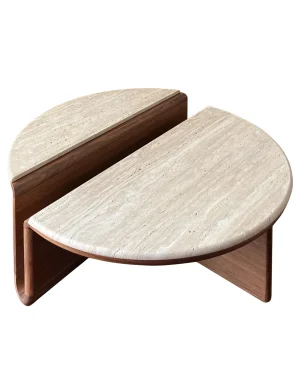
Kanyon – Coffee Tables With Travertine Table Top
By Studio Kali
€5.790 This product has multiple variants. The options may be chosen on the product page -
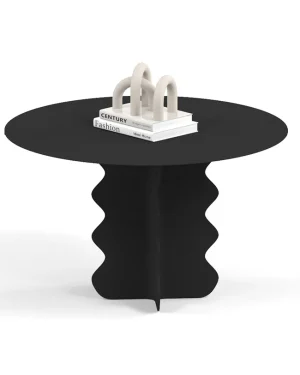 In stock
Hvylya – Coffee Cocktail Table Handcrafted With Metal
By SVITANOK
€700 This product has multiple variants. The options may be chosen on the product page -
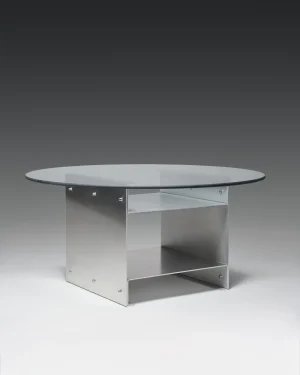
Glass Wing Table
By Obscure Objects
€798 -
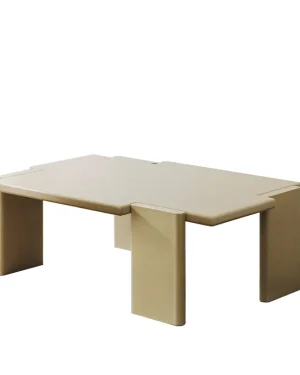
Brio Coffee Table – “in Flow, Together”
By hermhaus
€3.200 -
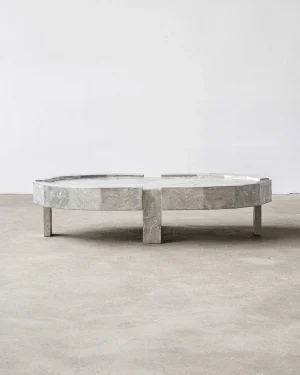
Splav Tin Table (bigger)
By ZEMNA
€8.900 -
 In stock
Scarpa Coffee Table
By Arbore x Cezar Moldovan
€3.910 -
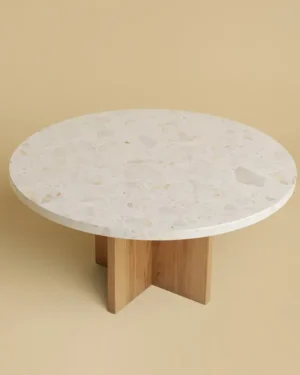
Round Marble And Oak Coffee Table – Tinian Series In Calacatta Viola
By Lebanto
€2.900 -
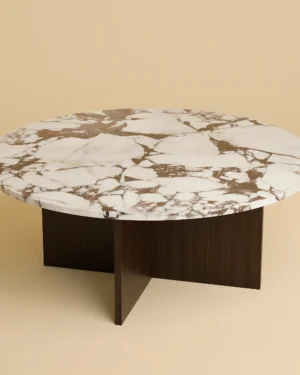
Calacatta Viola Marble And Oak Coffee Table – Hirado Series
By Lebanto
€4.400 -
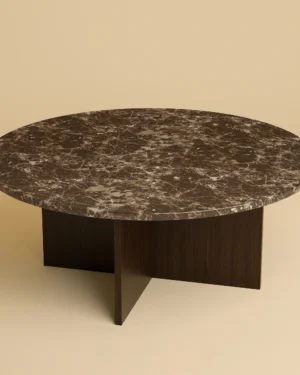
Round Coffee Table – Hirado Series In Marble And Oak
By Lebanto
€4.400 -
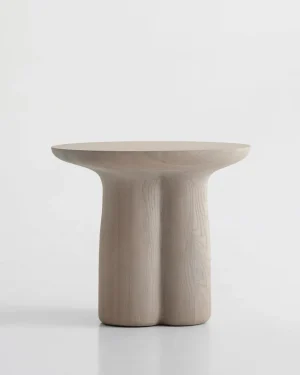
Soniah – Tall Coffee Table
By FAINA
€3.760 -

Korotun – Ash Wood/ Clay Coffee Table
By FAINA
€8.230 -
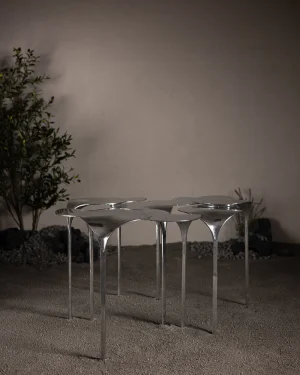
Amara Coffee Table
By House of Creatomy
€1.792 -

Scallop Coffee Table
By Deya
€1.932 -
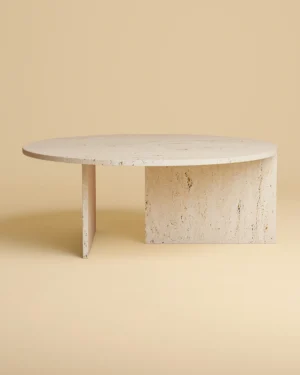
Round Travertine Coffee Table – Ishiki Series
By Lebanto
€5.100 -
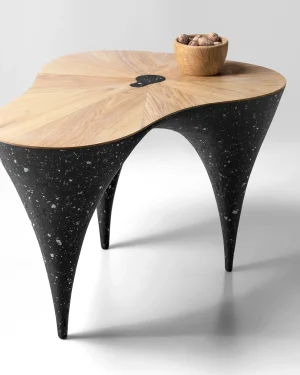
Solid Black Stone & Oak Poise Coffee Table – Still Series In Cast Stone By Donatas Zukauskas
By Donatas Žukauskas
€2.450
Contemporary coffee tables gathered here are defined less by a single look than by restraint: a studio's eye for proportion over ornament, a surface resolved to one or two gestures rather than many. Stone, oak, stainless steel and cast concrete recur most often, shaped through carving, joinery, woodturning and metalwork. The result sits low and wide, built to hold a room's attention without asking for it.
What defines a contemporary coffee table
The word points to a way of working as much as a period. Lines stay clean, joints stay visible or disappear entirely, and the base often does as much visual work as the top. A slab of marble or a turned oak leg is left to speak for itself, with color and grain doing what pattern or paint might do elsewhere.
Because the surface is rarely hidden under a cloth, the material has to carry weight both literally and visually. Stone holds its own temperature and shows every vein; oak darkens and moves with the seasons; stainless steel stays cool and reflective no matter the light. Choosing between them is really choosing how much presence you want at knee height in a living room.
The materials, finishes and editions found here
Across the full range of coffee tables, contemporary pieces tend to draw on a consistent set of materials and techniques, repeated and reinterpreted by different studios:
- Natural stone and marble, stone-carved or polished, in cream, beige, honey, white, brown or black.
- Oak and other solid woods, joined or turned, left pale or finished dark toward burgundy or near-black.
- Metal, mostly stainless steel, welded or cast, sometimes paired with stone or glass.
- Concrete, cast rather than poured on site, giving a matte, mineral surface.
Some pieces come from open editions, made as demand allows; others are limited editions or one-offs, where the maker sets a fixed, small run. The listing changes as pieces sell, so treat any of these as a kind of table rather than a fixed inventory. For work in the same idiom across other rooms, contemporary furniture and every contemporary piece on ADORNO follow the same material logic.
How to choose a contemporary coffee table
Start with scale before finish. A table should leave at least a forearm's distance of walking room on each side of a sofa, and its top generally sits close to, or a little below, seat height so hands and eyes can reach it without effort.
Weight matters as much as footprint. A thick stone slab anchors a room and resists being shifted for cleaning, while a turned wood or welded steel base is easier to move and often lighter on the eye in a smaller space. Decide early whether the table should dominate the seating group or sit quietly within it, then let material and proportion follow that decision.
Where these tables work best
Living rooms are the obvious setting, where a low table anchors a sofa and a pair of chairs and gives the room a center. The same pieces work equally well in a reading corner, a loft with an open plan, or alongside a daybed in a studio apartment, wherever a flat surface needs to sit below eye level rather than compete with it.
For a closer look at pairings by room, living room coffee tables and wooden coffee tables narrow the range by setting and material, while metal coffee tables covers the steel and welded side of the same style.
Caring for stone, wood and metal surfaces
Marble and other natural stone stain and etch; wipe spills promptly and keep acidic liquids like wine or citrus off bare stone, or use a sealant suited to the type. Oak tolerates daily use well but should stay out of direct, sustained sun to avoid uneven fading, and benefits from an occasional wipe with a dry or barely damp cloth.
Stainless steel and cast concrete need little beyond regular dusting; steel shows fingerprints more than scratches, while concrete can be sealed if a matte, unmarked surface matters. Across all three materials, the simplest rule holds: let the surface age rather than fighting it, since the slight changes in patina are usually what the material was chosen for in the first place.
How do I choose a contemporary coffee table?
Start with the material, since stone, oak and metal each set a different tone, then match scale to your seating. A contemporary table favors clean lines and honest surfaces over heavy ornament.
What materials are contemporary coffee tables made from?
Natural stone, marble, solid oak and stainless steel are common, often left with visible grain, veining or tooling rather than hidden under paint or heavy lacquer.
How do I care for a stone or marble coffee table?
Wipe spills quickly, since marble and other natural stone can stain or etch from acidic liquids like wine or citrus. Use a coaster and a dry or barely damp cloth for daily cleaning.
What size and height should a coffee table be?
Most coffee tables stand 16 to 18 inches high, close to sofa seat height, and leave 14 to 18 inches of walking space between the table and surrounding seating.
Which rooms suit a contemporary coffee table?
Living rooms and lounge areas are the obvious fit, anchoring a seating group, though a contemporary table also works well in a study or open-plan space as a low, quiet surface.
What is ADORNO's shipping and return policy?
Shipping is insured and worldwide. Returns are accepted within 14 days, except for made-to-order pieces, and every piece arrives with a certificate of authenticity.