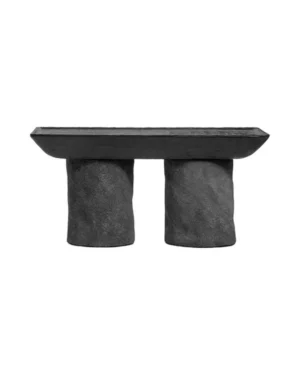
-
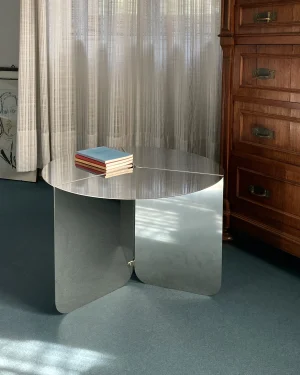 In stock
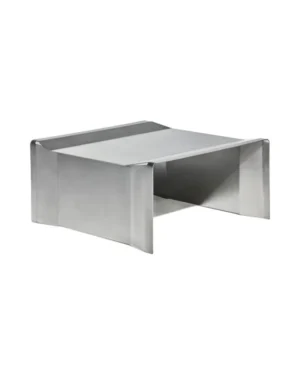
“120” Coffee Table – Stainless Steel Edition
By matteo giustozzi
€900 -
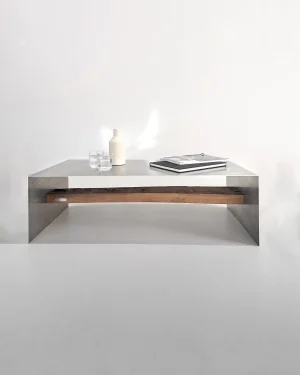 In stock
Matted Aluminum Coffee Table
By case studios
€660 -
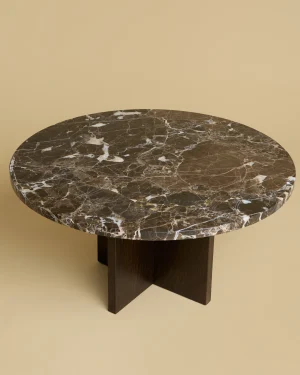
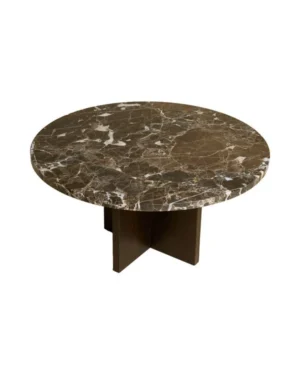
Tinian – Dark Emperador Marble Coffee Table
By Lebanto
€2.010 -
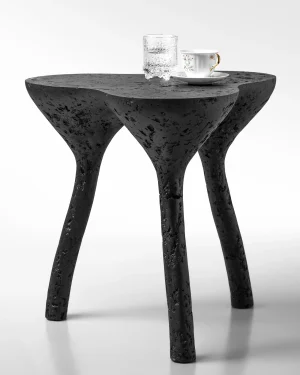
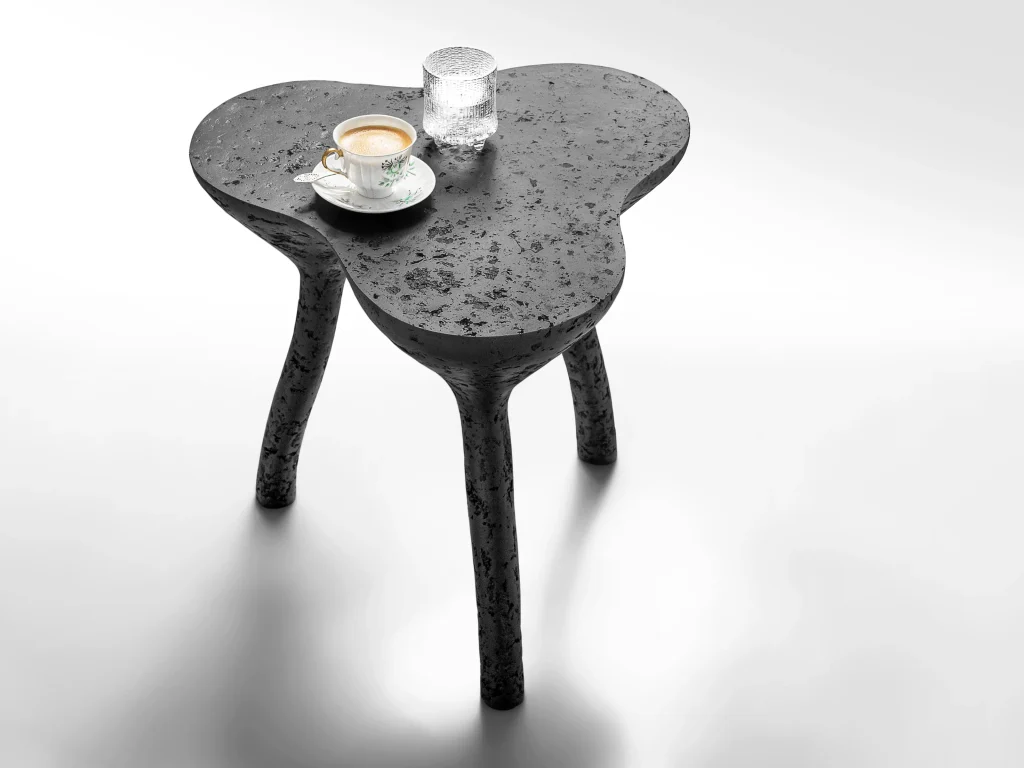
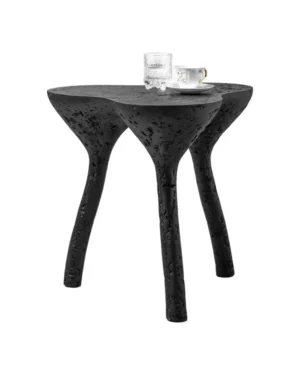
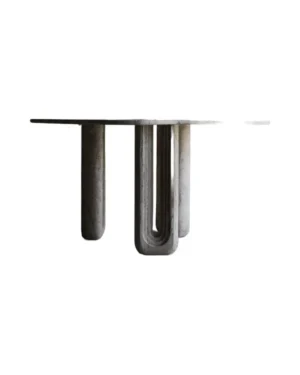
Solid Black Stone Coffee Table in Cast Stone
By Donatas Žukauskas
€1.450 -
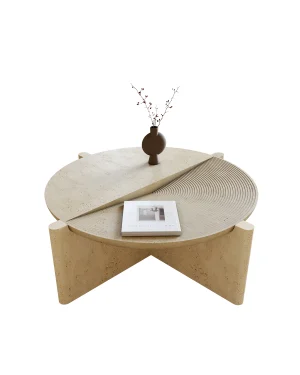
Arkhe No 1 – Round Travertine Coffee Table
By Studio Kali
€6.170 -
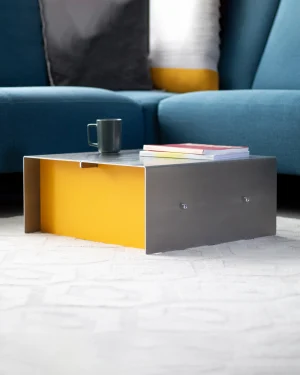
Core Aluminium Coffee Table
By Lisanne Meester
€519 This product has multiple variants. The options may be chosen on the product page -
 In stock
Matted Aluminum Coffee Table (blackwood)
By case studios
€719 -

002 – Coffee Table
By OFAA
€1.500 -
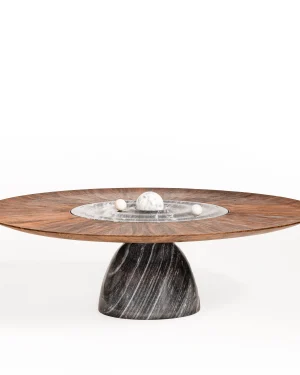
Ripple 2.0 Coffee Table
By Tectona Grandis Furniture
€2.550 -

Wing Bench
By Obscure Objects
€1.220 -

“somnia” Low Table | Aluminum
By Giselle Vanessa Johnson
€4.200 -
 In stock
Yakisugi Burnt Wood Coffeetable
By case studios
€2.190 -
 In stock
Pebble Coffee Table
By Nitush and Aroosh
€5.250 -

Binario I – Coffee Table
By SABAN FURKAN
€3.800 -
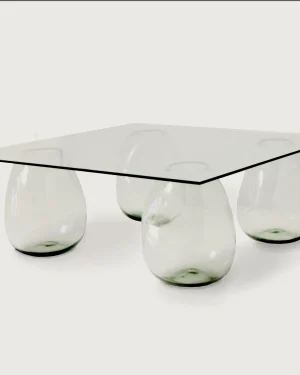
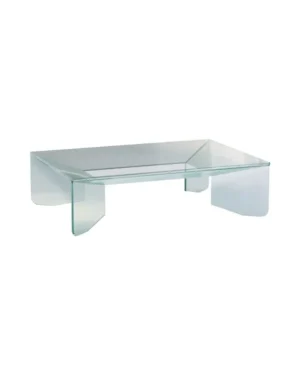
Bubble Glass Coffee Table
By Panorammma Atelier
€6.400 -
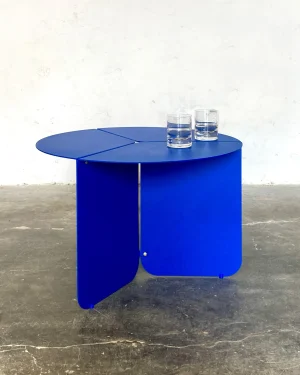 In stock
“120” – Blue Metal Coffee Table
By matteo giustozzi
€720 -
 In stock
“120+” Coffee Table – Raw Metal Edition
By matteo giustozzi
€1.400 -
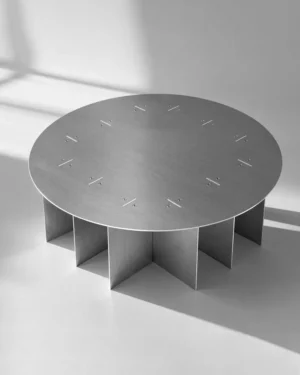 In stock
Plus Coffee Table
By 301 Design Studio
€1.400 -
 In stock
Moro Coffee Table
By Nitush and Aroosh
€3.000 -
 In stock
Lasso Coffee Table
By Nitush and Aroosh
€4.250 -

Knot – Coffee Table – Solid Ash Wood
By Luis Gimeno Design
€1.800 -
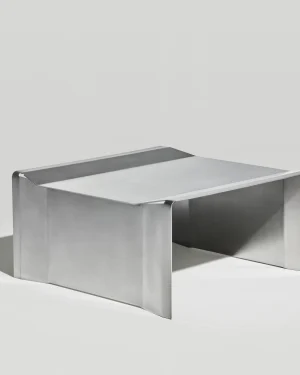
Camber – Coffee Table
By Paul Coenen
€1.615 -

Contemporary Aluminum Coffee Table
By Six Dots Design
€1.550 -

Poplar Burl Coffee Table
By Petra Madalena
€2.970 -

Isolation – Cork Wood Coffee Table
By Vital Lainé
€1.800 -
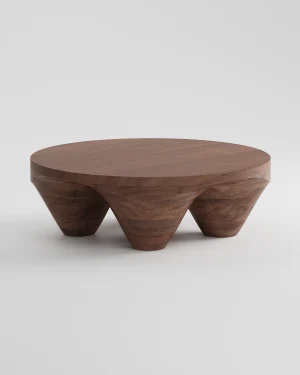 In stock
Utterö Mahogany Coffee Table
By Studio TOOJ
€17.900 -
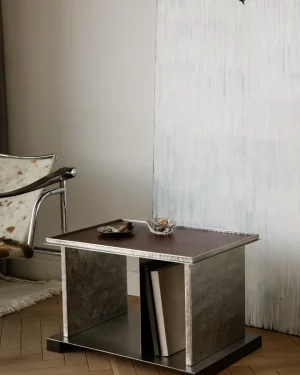
Yuma – Coffee Table
By HYZ
€5.700 -

Kamal – Coffee Table
By by.aman
€7.000 -
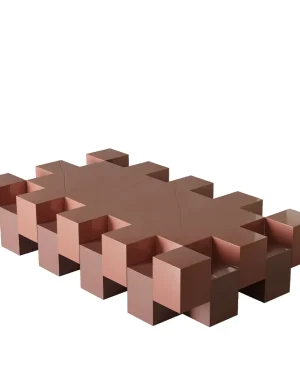
Bite Coffee Table
By hermhaus
€5.943 This product has multiple variants. The options may be chosen on the product page -

Ct001-03 Raw Steel Coffee Table
By NAVE
€2.700 -

Hola Coffee Table Matte Lacquer
By hermhaus
€3.320 This product has multiple variants. The options may be chosen on the product page -

Aperta Coffee Table – Square
By Mokko
€4.080 - €7.720 This product has multiple variants. The options may be chosen on the product page -
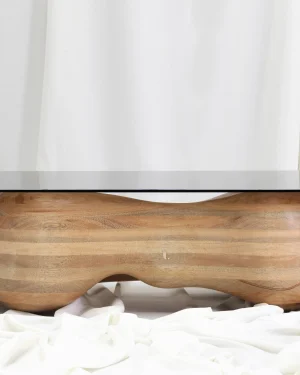 In stock
Liana – Sculptural Wood Coffee Table
By Laluz Handcraft
€6.000 -
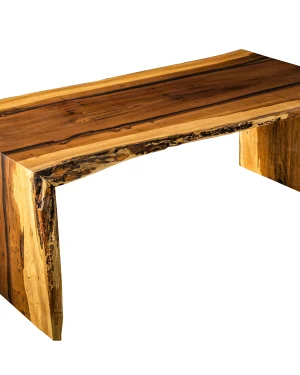 In stock
Carlo – Exotic Wood Live-edge Waterfall Coffee Table
By Costantini Design
€6.018 -
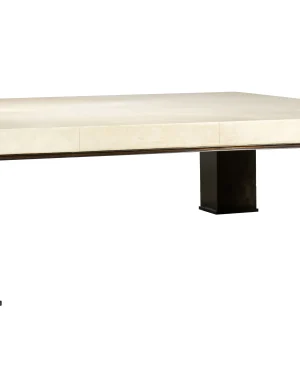
Michelangelo – Metal & Parchment Coffee Table
By Costantini Design
€10.130 - €14.730 This product has multiple variants. The options may be chosen on the product page -

1020 Oak Coffee Table
By NO AGE STUDIO
€3.950 -

Moort – Coffee Table
By SALAK Studio
€1.990 -

Element Coffee Table V – Calacatta Viola
By Vincent Mazenauer
€11.500 -
 In stock
Estratos Coffe Table
By Aldo Montes de Oca
€3.000 -
 In stock
Plano Massiva — Ebony Wood And Cast Aluminum Coffee Table
By DONÓ Design
€3.178 -
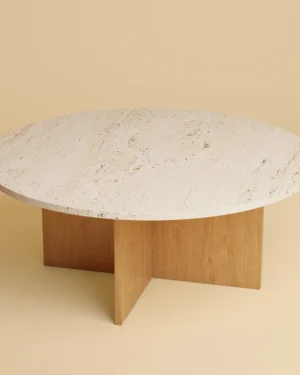
Round Travertine And Oak Coffee Table – Hirado Series
By Lebanto
€3.900 -
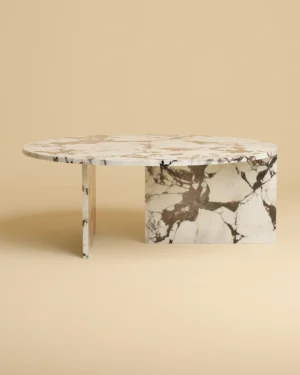
Calacatta Viola Marble Coffee Table – Ishiki Series
By Lebanto
€5.400 -
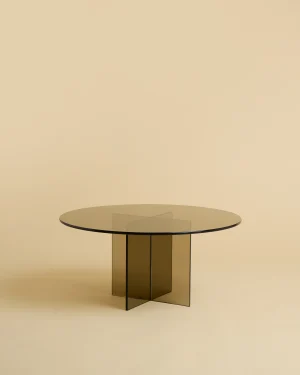
Aka – Round Bronzed Glass Coffee Table
By Lebanto
€975 -
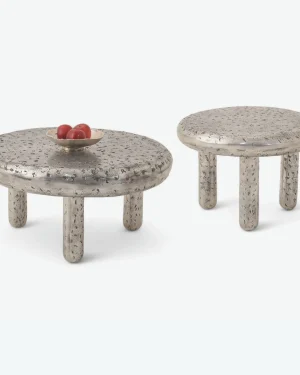
Crater Coffee Tables – Set Of 2
By LMNOH
€2.150 -
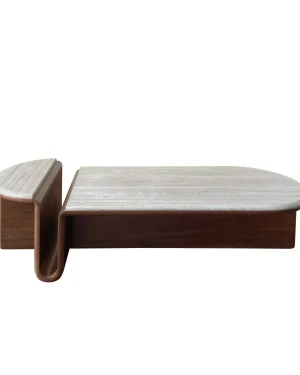
Kanyon – Oval Coffee Table With Marble Top
By Studio Kali
€5.790 This product has multiple variants. The options may be chosen on the product page -
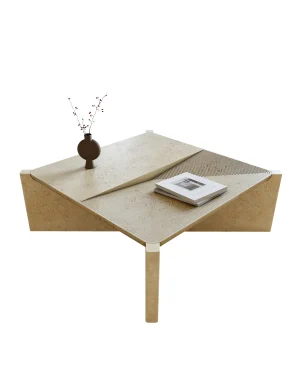
Arkhe No 1 – Square Travertine Coffee Table
By Studio Kali
€6.760 -
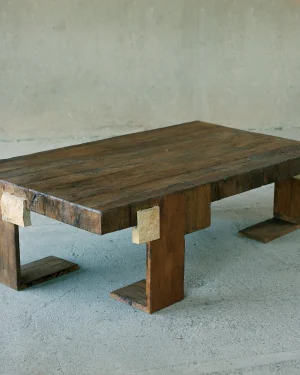
Warrior Neckless Table
By Around the Studio
€3.100 -

Element Coffee Table – Calacatta Viola
By Vincent Mazenauer
€10.500 -
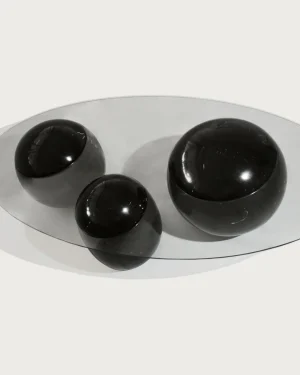
Ovni Uovo Black Marble Glass Sculptural Coffee Table
By Panorammma Atelier
€6.600 This product has multiple variants. The options may be chosen on the product page -
 In stock
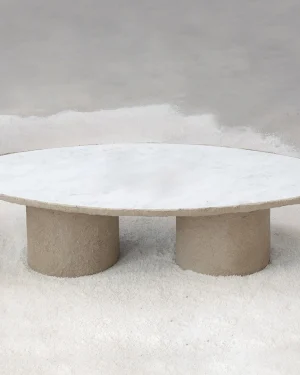
Tradizione
By Jonathan Bocca
€1.920 -
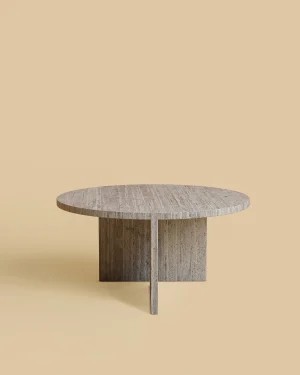
Hashi – Circular Marble Coffee Table
By Lebanto
€2.684 - €3.990 This product has multiple variants. The options may be chosen on the product page -
 In stock
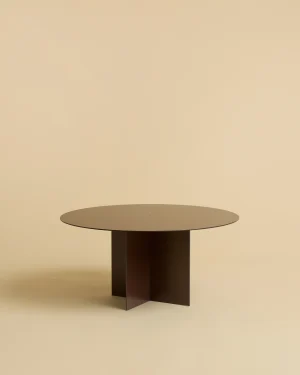
Fire – Round Chocolate Metal Coffee Table
By Lebanto
€930 -

Paris Table – Free-form Steel Coffee Table
By Vogel Studio
€11.680 -

Klar Glass Coffee Table
By hermhaus
€3.508
Minimalist coffee tables strip a familiar piece down to its structure: one clear material, one deliberate form, and joinery or carving left to speak for itself. Studios working this way favor solid oak, travertine, and marble over applied finishes, letting grain, veining, or a honed surface carry the design. The result is a table that reads as calm in a room rather than as an object competing for attention.
What defines a minimalist coffee table
A minimalist coffee table is defined by restraint rather than absence. Proportions are kept close to the body, edges are square or gently eased, and legs or a single base are sized to do exactly the work required and no more. Color stays within a narrow range, typically cream, beige, honey, or dark brown, so the material itself becomes the detail.
Joinery and stone carving both suit this approach because they let a maker remove material instead of adding ornament. A top planed flat, a base cut from one block, or a travertine slab left with its natural pitting all point back to process rather than decoration.
Materials and techniques found in this range
Stone and wood dominate here, each behaving differently over time. Marble and travertine, including Calacatta marble, are porous and will mark with wine, oil, or citrus unless sealed, which is why many studios finish them with a honed rather than polished surface. Solid oak darkens slightly with light exposure and will show seasonal movement, a normal trait of a living material rather than a flaw.
Wood and cabinetmaking techniques produce tops and bases built from solid sections rather than veneered panels, so repairs and refinishing stay possible over years of use. Some pieces use laser cutting or wood carving for a single recessed line or joint detail, kept minor enough not to disrupt the overall plainness of the form. Editions vary: some tables come as open editions, repeatable in the same material and dimensions, while others are unique pieces, carved or cut as one-offs where the stone or timber determined the final shape.
Choosing scale, height, and finish
A coffee table is read mostly from above and from the sofa, so proportion matters more than height. Standard heights sit close to seat height, usually within an inch or two, so drinks and books stay within easy reach without the table rising above the sofa arm.
- Measure the clearance around seating; most rooms work best with 14 to 18 inches between a table and the sofa edge.
- Match top thickness to visual weight: a thin stone or oak top suits a smaller room, a thicker slab anchors a larger one.
- Choose a honed stone finish near windows or dining areas, where a polished surface would show every mark.
For a full range of oak and other solid-wood options at this scale, the wooden coffee tables group is worth checking alongside this one.
Where these tables work
Minimalist coffee tables suit living rooms built around a few fixed materials, where a sofa, a rug, and one table are left to carry the space without added pattern. They also read well in smaller sitting areas or studies, where a plain stone or oak form takes up visual space without crowding it.
For layouts centered entirely on seating and conversation, the living room coffee tables group covers scale and placement in more detail.
Caring for stone and oak surfaces
Marble and travertine should be wiped promptly after spills and resealed periodically, since both stones absorb liquid before it has time to be blotted away. Solid oak benefits from a stable humidity level and an occasional oil or wax treatment, which keeps the grain from drying out and reduces the risk of cracking at the joints.
For the wider set of pared-back forms across tables of every size, see minimalist tables, or return to all coffee tables and every minimalist piece on ADORNO to compare approaches across rooms and materials.
How do I choose a minimalist coffee table?
Look for a single material, stone, oak or a plain wood, doing all the work, with no applied decoration. The form should read as one clean shape, whether a block, a slab or a simple frame.
What materials are minimalist coffee tables usually made from?
Natural stone such as marble or travertine, and oak or other solid wood, are the most common choices. Stone is carved and polished, wood is joined or cabinetmade, each left to show its own grain or veining rather than paint or veneer.
How do I care for a stone or wood coffee table?
Wipe stone with a dry or lightly damp cloth and avoid acidic liquids, which can etch marble and travertine over time. Oak and other solid woods need occasional oiling and protection from direct heat and standing water.
What size and height should a coffee table be?
Standard coffee tables sit around 16 to 18 inches high, close to sofa seat height, with a top large enough to hold drinks and a stack of books without crowding a seating group.
Which rooms suit a minimalist coffee table?
Living rooms and lounge areas with simple lines benefit most, since a plain stone or wood form reads clearly against open floor space. They also work well in studios or small apartments, where one strong shape can stand in for several pieces.
Does ADORNO ship coffee tables worldwide and offer returns?
Yes, shipping is insured and worldwide, and a 14-day return policy applies, though made-to-order pieces are excluded. Every table arrives with a certificate of authenticity, and ADORNO offers a lowest-price guarantee.