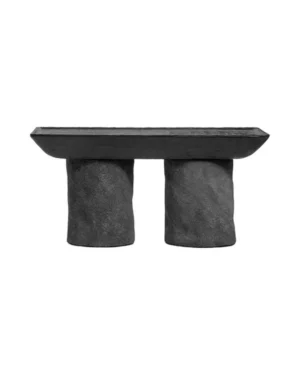
-
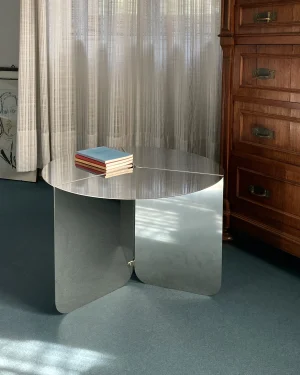 In stock
“120” Coffee Table – Stainless Steel Edition
By matteo giustozzi
€900 -
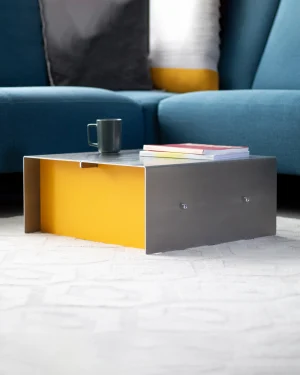
Core Aluminium Coffee Table
By Lisanne Meester
€519 This product has multiple variants. The options may be chosen on the product page -

002 – Coffee Table
By OFAA
€1.500 -

“somnia” Low Table | Aluminum
By Giselle Vanessa Johnson
€4.200 -
 In stock
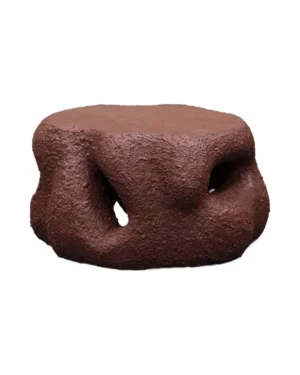
Pebble Coffee Table
By Nitush and Aroosh
€5.250 -

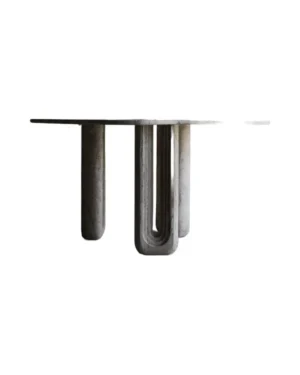
Binario I – Coffee Table
By SABAN FURKAN
€3.800 -
 In stock
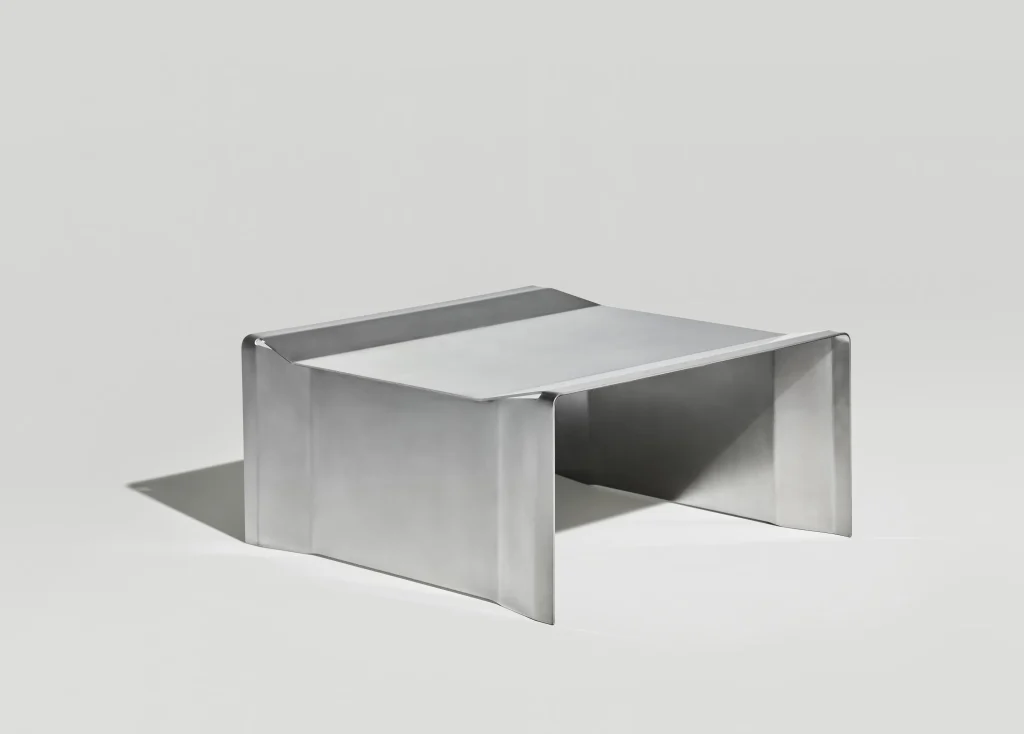
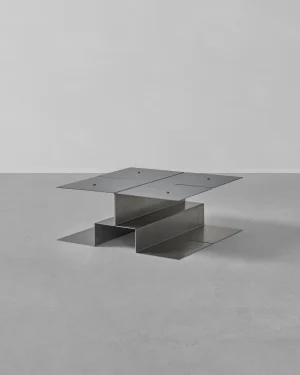
Folded Stainless Steel Table
By 304.cage
€4.000 -
 In stock
Moro Coffee Table
By Nitush and Aroosh
€3.000 -
 In stock
Lasso Coffee Table
By Nitush and Aroosh
€4.250 -
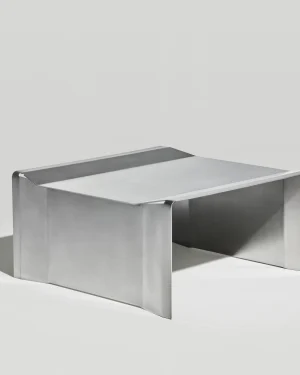
Camber – Coffee Table
By Paul Coenen
€1.615 -
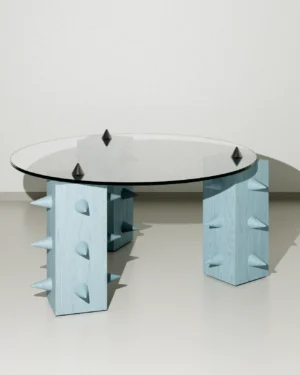
Cena — Sky-blue Wood, Steel And Glass Coffee Table
By DONÓ Design
€3.700 -
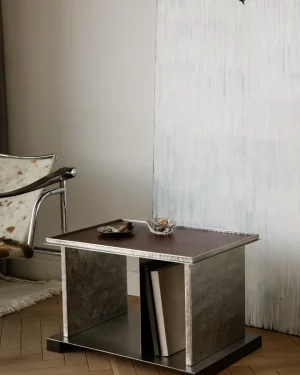
Yuma – Coffee Table
By HYZ
€5.700 -
 In stock
Grand Canyon – Steel Coffee Table
By Nitush and Aroosh
€4.150 -
 In stock
Snow Angel Coffee Table
By Kari Kadak
€7.500 -

Moort – Coffee Table
By SALAK Studio
€1.990 -

T-02 Silver Stainless Steel Metal Coffee Table
By Triqis
€1.000 - €1.500 This product has multiple variants. The options may be chosen on the product page -
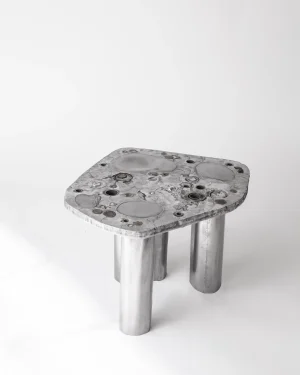
Bauxite Coffee Table B01
By Studio Kloumi
€3.800 -

Grand Canyon – Gold Coffee Table
By Nitush and Aroosh
€4.550 -
 In stock
Scarpa Coffee Table
By Arbore x Cezar Moldovan
€3.910 -

Piezas Coffee Table – Tzalam Wood No. 2
By Design VA
€1.815 - €2.595 This product has multiple variants. The options may be chosen on the product page -
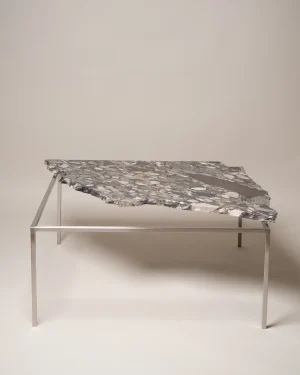
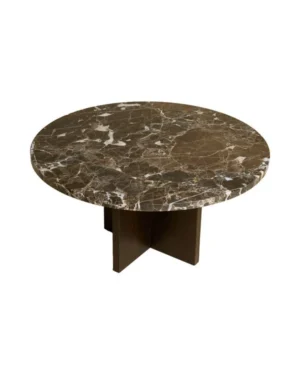
Stainless Steel And Stone Low Table No1
By Georgiev Kiril
€1.160 -
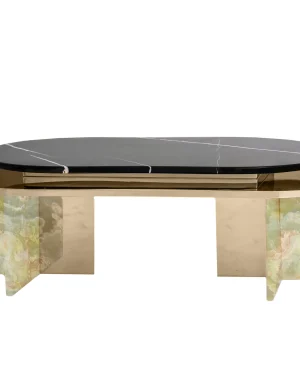
Shift – Coffee Table With Natural Stone & Stainless Steel
By Alter Ego Studio
€7.120 -
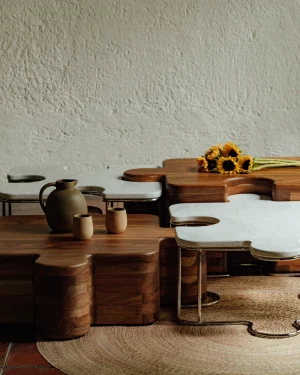
Piezas Coffee Table – Tzalam Wood No. 1
By Design VA
€2.175 - €3.060 This product has multiple variants. The options may be chosen on the product page -
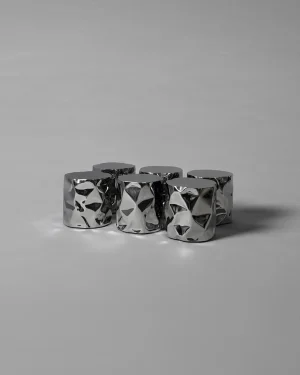 In stock
Tronco Coffee Table Set Of 6
By Nitush and Aroosh
€3.000 -
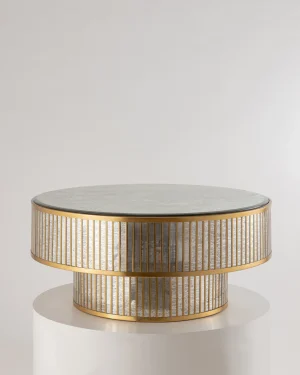
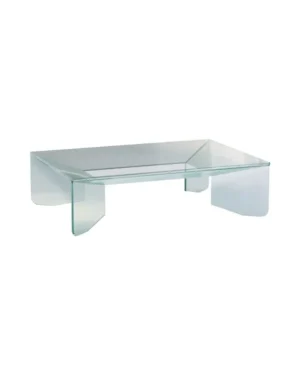
Fossil – Glass & Steel Coffee Table
By Nama Home
€4.078 -
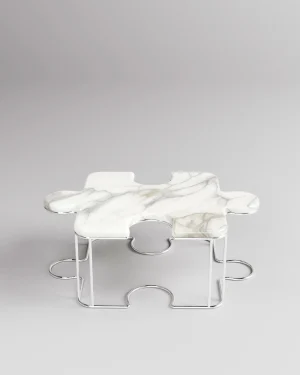
Piezas Coffee Table – Marble No. 2
By Design VA
€4.340 - €4.742 This product has multiple variants. The options may be chosen on the product page -

RT-B Table
By Johan Viladrich
€3.200 -
 In stock
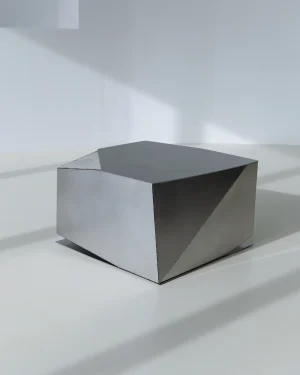
Objects Of Function No.2401 – Stainless Steel Coffee Table
By Park Eunchong Studio
€2.550 -
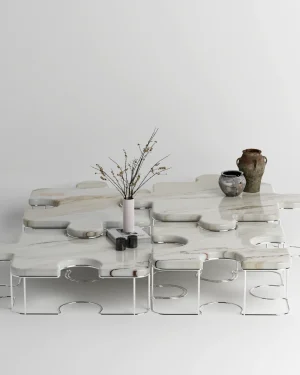
Piezas Coffee Table – Marble No. 3
By Design VA
€5.135 - €5.611 This product has multiple variants. The options may be chosen on the product page -
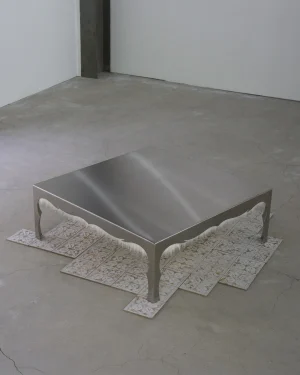 In stock
Fur Low Table
By Undress House
€5.900 -
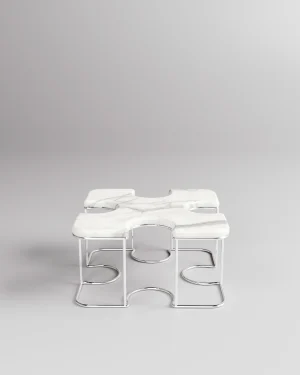
Piezas Coffee Table – Marble No. 1
By Design VA
€4.330 - €4.731 This product has multiple variants. The options may be chosen on the product page -
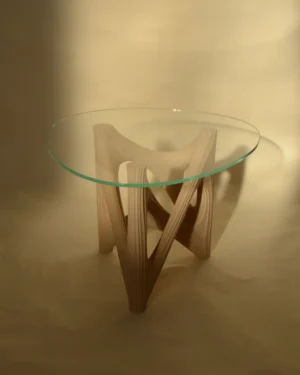
Dendria – Sculptural Biopolymer Table With Glass Top
By diploria studio
€2.050 This product has multiple variants. The options may be chosen on the product page -
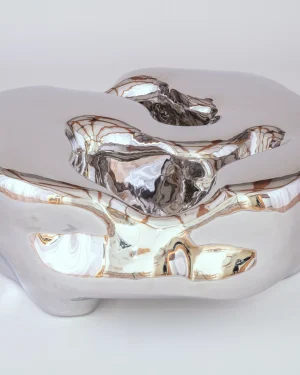
Surface Table – Mirror Polished Stainless Steel
By studio NAWA
Price Upon Request -
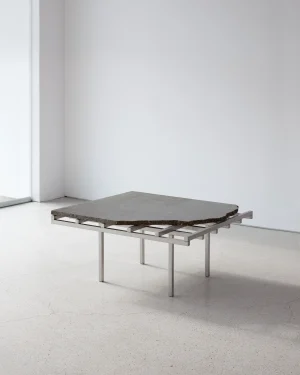 Sold
SoldStandard – Marble Slab Coffee Table
By PRACTICE
€995 - €1.277 This product has multiple variants. The options may be chosen on the product page -
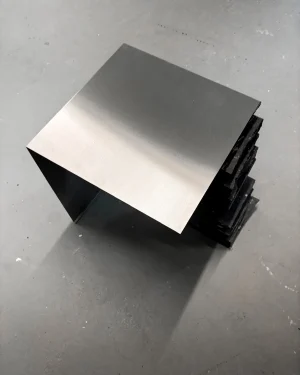 Sold
SoldBlack Basalt – Stainless Coffee Table
By case studios
€510 -
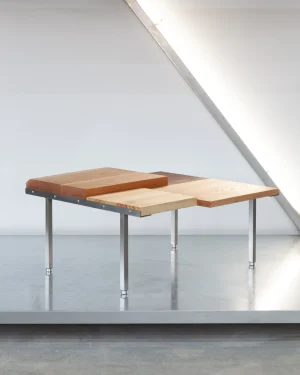 Sold
SoldNonstandard 2 – Discarded Wood Coffee Table
By PRACTICE
€995 -
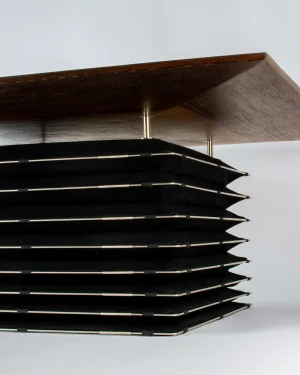
Unique Coffee Table Inspired By Camera Bellows
By Szostak Atelier
Price Upon Request
Stainless steel coffee tables are built from an alloy chosen for its resistance to rust and its cool, reflective surface, worked by studios through welding, sand casting and laser cutting into low, flat-topped forms. The metal holds a sharp edge and a hard line better than wood or stone, which is why so many of the pieces here lean toward geometric, pared-back tops and bases. Some arrive polished to a mirror finish, others brushed or left with a visible weld seam that marks the piece as made by hand rather than cast in one shot.
What Stainless Steel Brings to a Coffee Table
Stainless steel does not stain, warp or need sealing the way wood or marble can, which makes it a practical choice for a surface that sees glasses, trays and daily use. It is also heavy enough to anchor a room without the bulk of a solid timber slab, since the metal can be worked thin and still carry weight. Where other coffee tables soften a room, stainless steel ones tend to sharpen it, throwing back light rather than absorbing it.
Finishes and Colors in the Range
Polished stainless steel reads almost reflective, doubling the room around it, while a brushed or matte finish mutes the shine and hides fingerprints more easily. Some studios pair the steel with chrome accents or black-coated legs, and a few work the metal into darker, almost cobalt or burgundy-toned finishes through heat treatment or coating. Beige, brown and silver tones also appear, usually where steel is combined with a wood or stone top.
How These Pieces Are Made
Metalwork and welding remain the most common techniques, joining sheet or tube steel into frames and legs that are then finished by hand. Sand casting allows for heavier, more sculptural bases, while laser cutting gives cleaner, more exact edges suited to minimalist or futuristic forms. A smaller number of studios work with digital fabrication or 3D printing to produce shapes that welding alone could not achieve. Editions vary by maker: some pieces come from open runs, others are limited editions or unique, one-off pieces where the casting or finish cannot be exactly repeated.
Choosing the Right Table for a Room
Start with scale: a stainless steel top can look heavier than the same size in wood, so measure against the sofa and the walking space around it before deciding. Standard coffee table height sits close to the seat height of a sofa, usually just below it, so the table reads as part of the seating group rather than above or below it. Consider the finish against the room's light: a polished surface works well where there is daylight to catch, while a brushed or matte finish suits a room with warmer, dimmer lighting.
These pieces suit contemporary, neo-industrial and brutalist rooms especially well, where exposed structure and hard materials are already part of the language. They also work as a counterpoint in a softer, more eclectic room, where one reflective surface can sharpen a mix of wood and textile. For a full view of how the material behaves across other pieces, the stainless steel material page covers lighting, seating and accessories made the same way.
Caring for Stainless Steel
Stainless steel resists rust under normal household conditions but can still mark from hard water, salt or abrasive cleaners, so a soft cloth and mild soap are usually enough. Polished finishes show fingerprints and dust more readily than brushed ones, and both benefit from wiping in the direction of the grain rather than in circles. Avoid steel wool or harsh descalers, which can dull or scratch the surface permanently.
To see how stainless steel sits alongside other metals and woods in the same category, the metal coffee tables and living room coffee tables pages are worth a look, alongside the full range of coffee tables and stainless steel tables for other forms made from the same material.
How do I choose a stainless steel coffee table?
Consider finish and form: polished surfaces reflect light and suit open rooms, while brushed or matte steel reads quieter. Match the base style, welded, cast or laser-cut, to the rest of the room's lines.
Is stainless steel a good material for a coffee table?
Yes, it resists rust, stains and heat better than plain steel or iron, and holds its shape under weight. It needs little upkeep beyond wiping away fingerprints and dust.
How do I clean and maintain a stainless steel coffee table?
Wipe with a soft cloth and mild soap and water, then dry to avoid water spots. Avoid abrasive pads or bleach, which can dull or scratch the surface.
What size and height should a stainless steel coffee table be?
Most sit between 16 and 18 inches tall, close to sofa seat height, and leave 14 to 18 inches of walking space around them. Size should match the seating area without crowding it.
Which rooms suit a stainless steel coffee table?
Living rooms, lofts and studies with industrial, minimalist or contemporary lines all carry steel well. Its reflective or brushed surface also brightens smaller or low-light spaces.
What are ADORNO's shipping, returns and authenticity policies?
Shipping is insured and worldwide. Returns are accepted within 14 days, excluding made-to-order pieces, and each table ships with a certificate of authenticity. For piece-specific questions, use Chat with the maker on the piece's page.