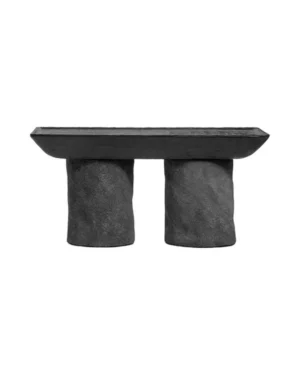
-
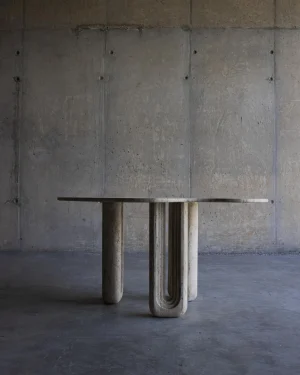 In stock
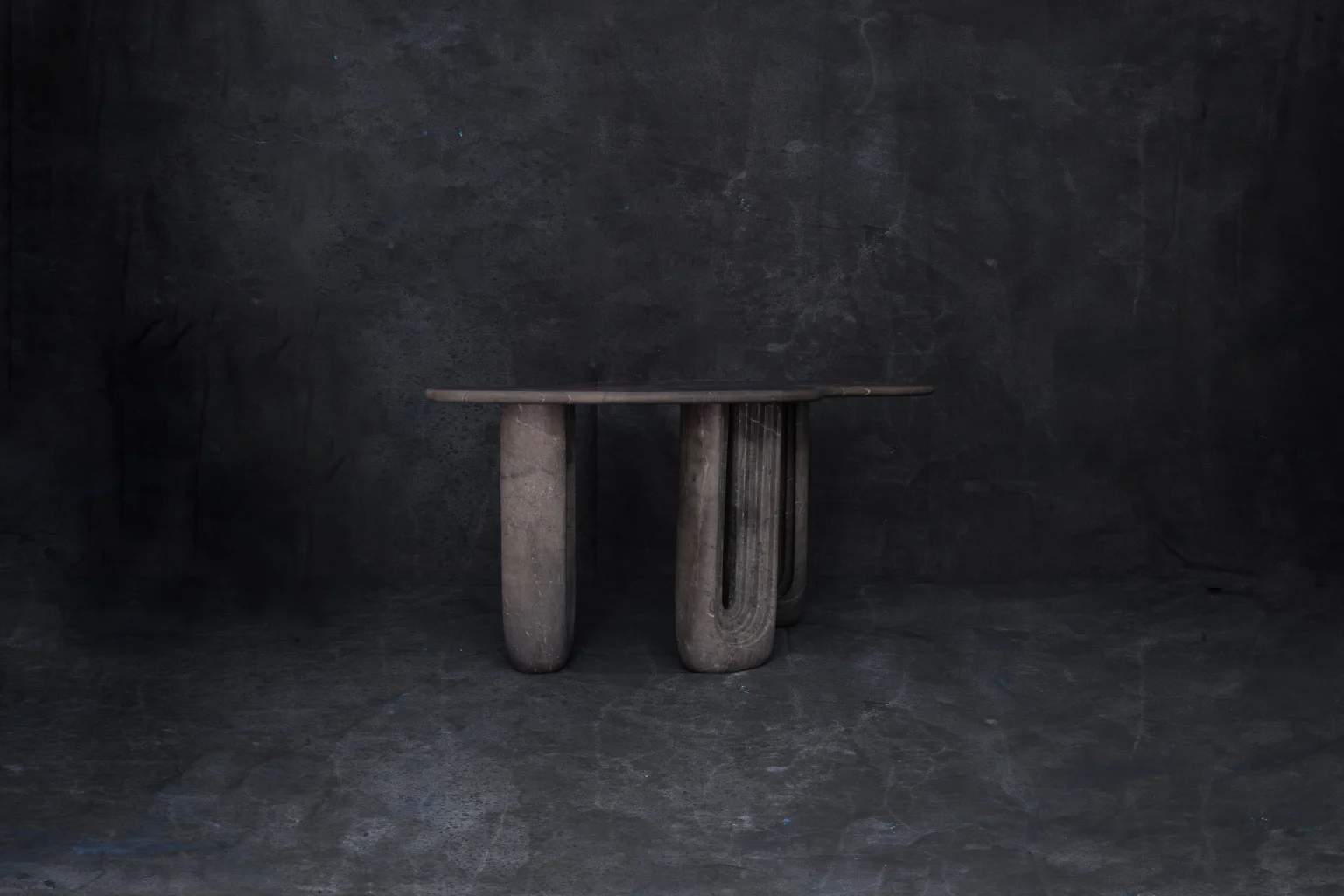
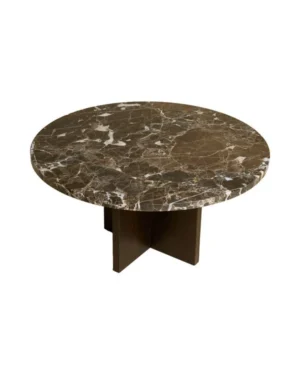
Amazonas Stone Table High
By Studio Ayres
€2.738 -
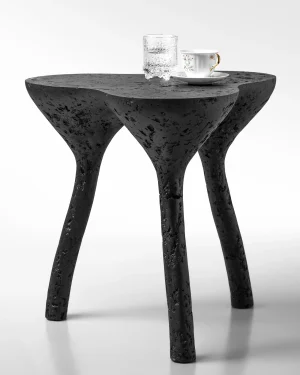
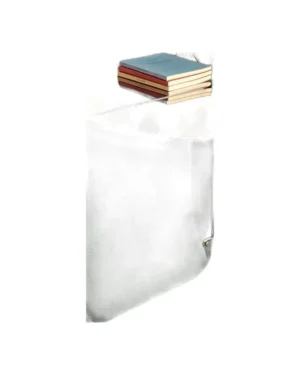
Solid Black Stone Coffee Table in Cast Stone
By Donatas Žukauskas
€1.450 -
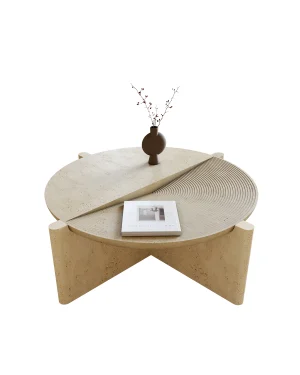
Arkhe No 1 – Round Travertine Coffee Table
By Studio Kali
€6.170 -
 In stock
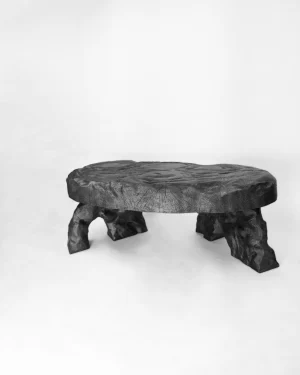
The Black Sheep Coffee Table
By Masha Volkova
€1.950 -
 In stock
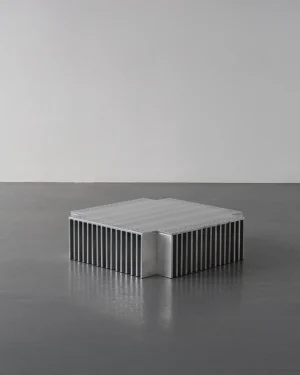
Cpu Low Coffee Table
By Thomas Gayet
€3.300 -
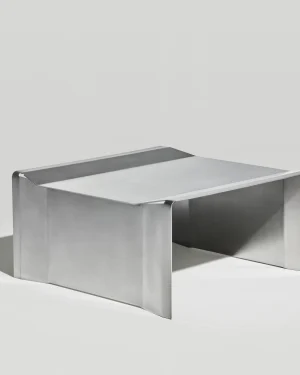
Camber – Coffee Table
By Paul Coenen
€1.615 -

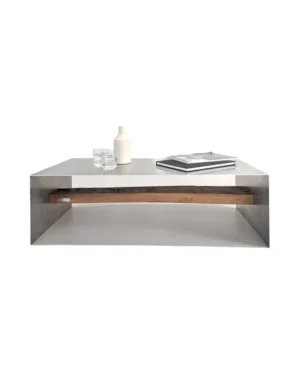
Contemporary Aluminum Coffee Table
By Six Dots Design
€1.550 -

Isolation – Cork Wood Coffee Table
By Vital Lainé
€1.800 -

Affinity – Brass And Copper Coffee Table
By ORFEO STUDIO
€10.500€9.450 -
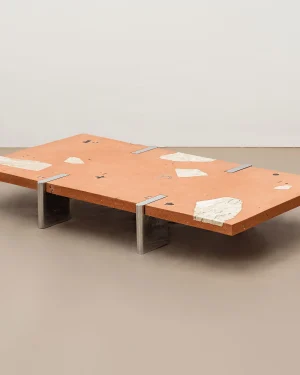
Coffee Table Nu
By Assimply Studio
€3.430 -
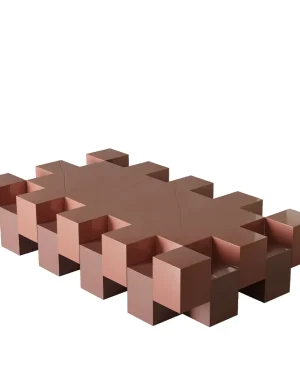
Bite Coffee Table
By hermhaus
€5.943 This product has multiple variants. The options may be chosen on the product page -
 In stock
Grand Canyon – Steel Coffee Table
By Nitush and Aroosh
€4.150 -

Ct001-03 Raw Steel Coffee Table
By NAVE
€2.700 -

Hola Coffee Table Matte Lacquer
By hermhaus
€3.320 This product has multiple variants. The options may be chosen on the product page -

Aperta Coffee Table – Square
By Mokko
€4.080 - €7.720 This product has multiple variants. The options may be chosen on the product page -
 In stock
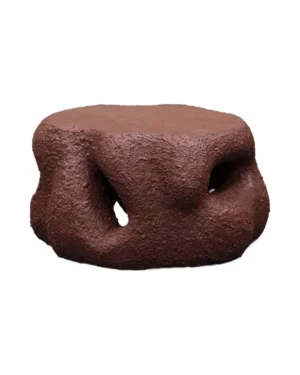
Down To Earth – Hand-sculpted Red Earth Stone Coffee Table
By Odditi
€6.480 -

Comb Coffee Table
By hermhaus
€3.570 -

Sharpened Ancora Titanium Coffee Table
By ORFEO STUDIO
€3.700 - €5.400 This product has multiple variants. The options may be chosen on the product page -
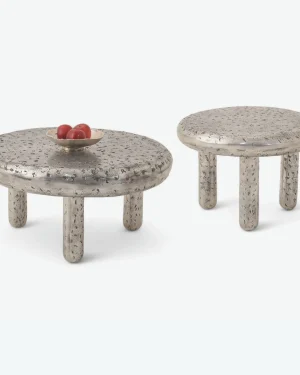
Crater Coffee Tables – Set Of 2
By LMNOH
€2.150 -
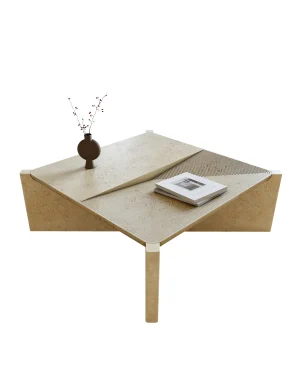
Arkhe No 1 – Square Travertine Coffee Table
By Studio Kali
€6.760 -

Paris Table – Free-form Steel Coffee Table
By Vogel Studio
€11.680 -
 In stock
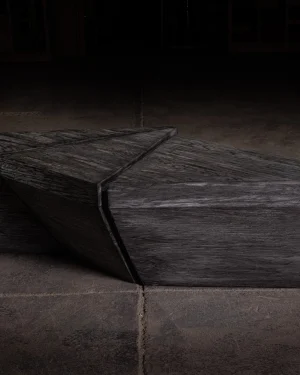
1111 – Black Oak Coffee Table
By NO AGE STUDIO
€3.600 -

Taes Coffee Table
By Mokko
€7.480 - €11.150 This product has multiple variants. The options may be chosen on the product page -

Solid White Stone Low Coffee Table – Plinth Series In Cast Stone
By Donatas Žukauskas
€1.300 This product has multiple variants. The options may be chosen on the product page -
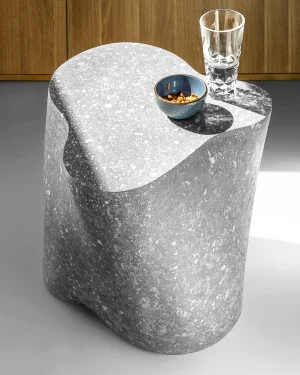
Solid White Stone Low Glass Top Coffee Table – Plinth Series In Cast Stone By Donatas Zukauskas
By Donatas Žukauskas
€1.300 - €1.450 This product has multiple variants. The options may be chosen on the product page -
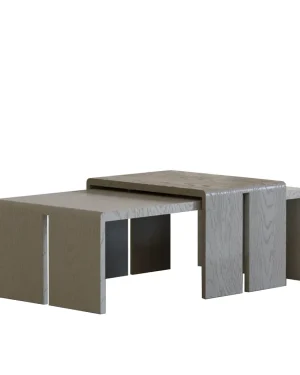
Plus – Modular Coffee Table
By hermhaus
€3.087 This product has multiple variants. The options may be chosen on the product page -
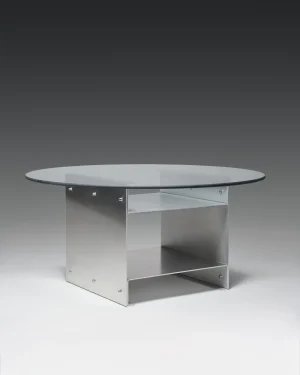
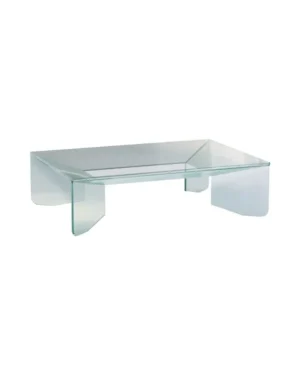
Glass Wing Table
By Obscure Objects
€798 -
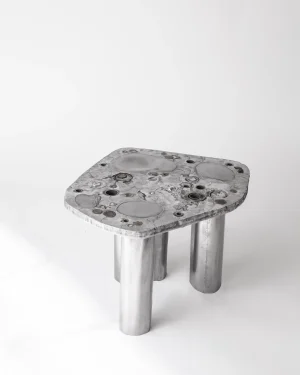
Bauxite Coffee Table B01
By Studio Kloumi
€3.800 -
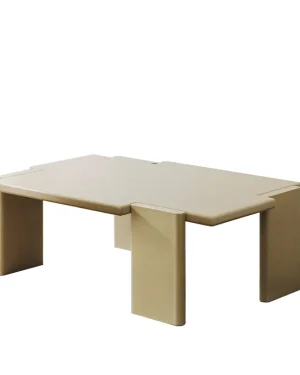
Brio Coffee Table – “in Flow, Together”
By hermhaus
€3.200 -

Element – Bronze Coffee Table V
By Vincent Mazenauer
€22.500 -

Sharpened – Steel Coffee Table
By ORFEO STUDIO
€3.700€3.330 -
 In stock
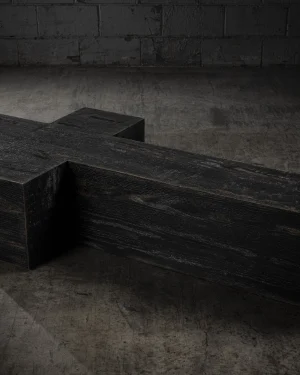
1983 Solid Oak Coffee Table
By NO AGE STUDIO
€6.600 -
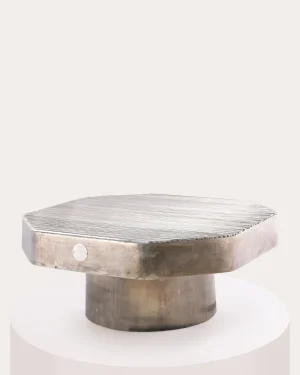
Escalate Coffee Table
By Nama Home
€5.660 -
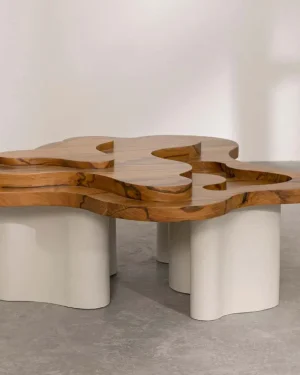
Herida Table – Tropical Depression
By Fi
€6.150 -
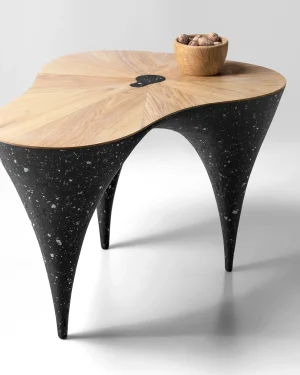
Solid Black Stone & Oak Poise Coffee Table – Still Series In Cast Stone By Donatas Zukauskas
By Donatas Žukauskas
€2.450 -

Mas Coffee Table Matt Lacquer
By hermhaus
€3.195 This product has multiple variants. The options may be chosen on the product page -
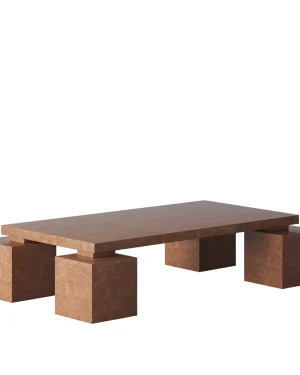
Asos Coffee Table
By hermhaus
€3.157 This product has multiple variants. The options may be chosen on the product page -
 In stock
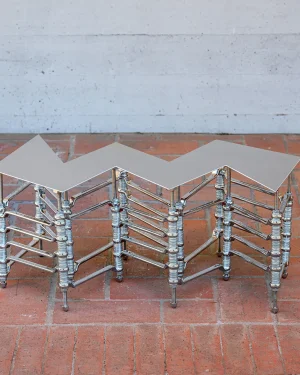
Wrench – Low Zigzag Table
By Iyo Hasegawa
€2.000 -
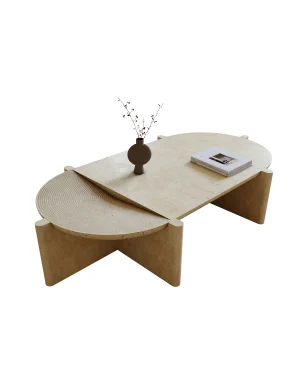
Arkhe No 1 – Oval Travertine Coffee Table
By Studio Kali
€10.690 -
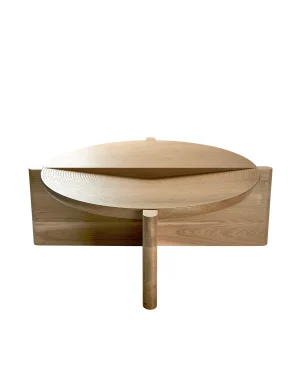
Arkhe No 1 – Round Oak Coffee Table
By Studio Kali
€5.490 This product has multiple variants. The options may be chosen on the product page -

Mitosis – Cast Brass Coffee Table
By ORFEO STUDIO
€3.700€3.330 -
 In stock
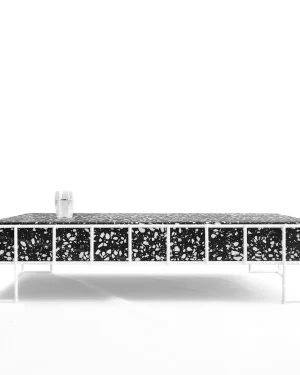
Mock-a 20 – Contemporary Terrazzo Coffee Table
By Adrien Mans
€3.200 -
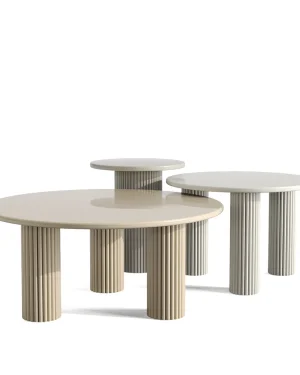
Hola Coffee Table Trio
By hermhaus
€4.631 This product has multiple variants. The options may be chosen on the product page -
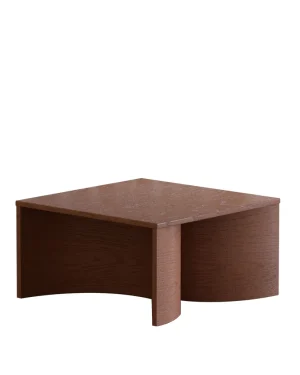
Venn Coffee Table
By hermhaus
€4.605 This product has multiple variants. The options may be chosen on the product page -
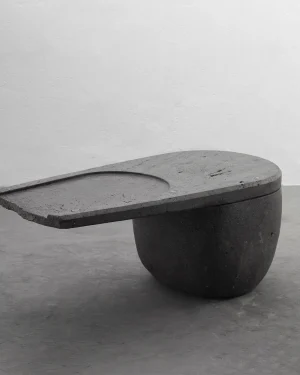 In stock
Centro Coffee Table Handcarved Volcanic Stone
By ANDEAN
€6.885 -
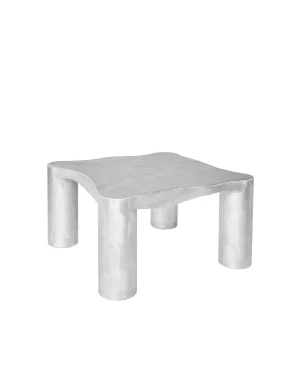
‘not In Service’ Coffee Table
By Six Dots Design
€1.875 -

Dubaillusion – Brass Coffee Table
By ORFEO STUDIO
€6.968€6.272 -

Stealth – Steel Coffee Table
By ORFEO STUDIO
€3.400€3.060 -
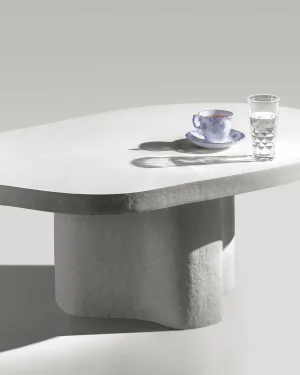
Solid White Stone Coffee Table – Plinth Series In Cast Stone By Donatas Zukauskas
By Donatas Žukauskas
€3.400 -
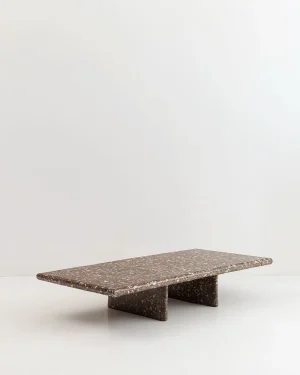
Brut Coffee Table
By Assimply Studio
€4.900 This product has multiple variants. The options may be chosen on the product page -

Element – Bronze Coffee Table
By Vincent Mazenauer
€18.200 -

Rise Coffee Table
By hermhaus
€3.860 -
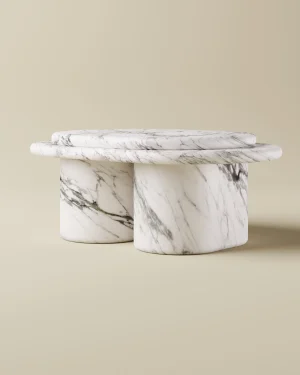
Element – Marble Coffee Table
By Vincent Mazenauer
€13.500 - €46.000 This product has multiple variants. The options may be chosen on the product page -
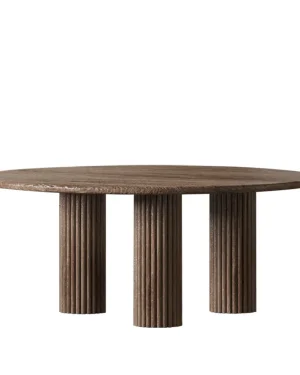
Hola Wooden Coffee Table
By hermhaus
€2.748 This product has multiple variants. The options may be chosen on the product page
Brutalist coffee tables take their weight and their logic from concrete, stone, raw steel and cast aluminum, materials left close to their working state rather than smoothed into something polite. Studios working in concrete casting, metalwork and hand-building favor blunt geometry, visible seams and surfaces that still show the mold or the weld. The result sits low and heavy, built to hold its ground rather than disappear into a room.
What defines a brutalist coffee table
The style reads through mass before it reads through shape. A slab top, a monolithic base, a form poured or welded in one gesture, these are the tells. Color stays close to the material itself: gray and off-white concrete, bronze or rust-toned steel, black-painted or bare metal, occasionally stone in its natural veining.
Edges are often left square or slightly uneven rather than chamfered smooth, and joints are shown rather than hidden. Where wood appears, it is usually pine or another plain softwood, sometimes charred using shou sugi ban to darken and protect the surface, used as a foil to the harder material rather than the main event.
The range of materials and techniques
Across the kinds of brutalist coffee tables found on ADORNO, concrete casting and welding are the two techniques that recur most, followed by hand-building in stone and metalwork in steel or aluminum. Finishes run from matte, unsealed concrete to brushed or oxidized metal, with stainless steel appearing occasionally for a harder, cooler surface. Some studios work from recycled material, reusing offcuts of metal or aggregate within a cast form.
- Open editions, for pieces made to a repeatable mold or welded jig
- Limited editions, where a studio casts or welds only a set run
- Unique pieces, each one poured, welded or carved as a single object
For a broader look at materials and finishes across the style, the full range of brutalist design on ADORNO extends well beyond coffee tables into seating, lighting and objects.
How to choose a brutalist coffee table
Scale matters more here than with lighter styles, since a concrete or stone top reads as volume as much as surface. Measure the space in front of your seating and leave room to walk around the piece; brutalist tables rarely tuck neatly against a wall. Standard coffee table height, usually just below seat height, still applies, but the visual weight of the base will make even a modest table feel more present than its dimensions suggest.
Finish is worth deciding early. A sealed concrete top resists staining better than a raw one, while bare steel will develop a patina over time that some owners want and others prefer to avoid with a protective coat. If you are placing the table near a sofa with exposed legs or slender arms, a heavier base can anchor the grouping rather than compete with it.
Where it belongs in a room
These pieces suit living rooms built around solid, low-slung seating, where a dense tabletop balances softer upholstery. They also read well in loft spaces, studies or entryways used for display, anywhere the architecture already leans toward exposed material rather than applied decoration. For coffee tables sized and proportioned specifically for seating areas, the living room coffee tables grouping covers more conventional scales alongside heavier options.
Caring for concrete, stone and metal surfaces
Concrete and stone are porous and will stain from wine, oil or standing water unless sealed, so a coaster or tray is worth keeping on hand. Clean both with a damp cloth and mild soap, avoiding acidic cleaners that can etch the surface. Steel and aluminum tops tolerate more daily use but benefit from a dry wipe to prevent water spots, and bare steel will darken slightly with age unless kept sealed.
For the wider set of coffee tables ADORNO carries, from metal coffee tables to softer, plainer forms, the full coffee table category and the related brutalist tables grouping are good places to compare scale and material side by side before settling on a piece.
What makes a coffee table brutalist?
Brutalist coffee tables favor raw, unfinished surfaces, heavy mass and visible structure over ornament, often in concrete, stone or welded steel. The material itself, not applied decoration, carries the design.
How do I choose a brutalist coffee table?
Start with the material and the weight it brings into a room, then check the finish for how it will age. A dense, low table anchors a seating area more than it decorates one.
How do I care for a concrete or metal coffee table?
Concrete should be sealed and wiped dry to resist staining, while steel and aluminum need a dry cloth and occasional wax to slow oxidation. Avoid abrasive cleaners on either surface.
What size and height should a coffee table be?
Most coffee tables stand between 16 and 18 inches tall, roughly level with sofa cushions, with enough clearance around them to walk past comfortably.
Which rooms suit a brutalist coffee table?
Their weight and raw material read best in living rooms with natural light and some negative space, where the table can sit as a single, solid mass rather than compete with other pieces.
What about shipping, returns and authenticity?
Shipping is insured and worldwide. Returns are accepted within 14 days, excluding made-to-order pieces, and each table ships with a certificate of authenticity under ADORNO's lowest-price guarantee.