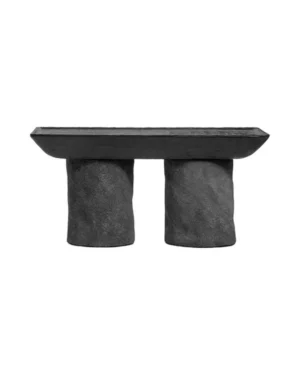
-
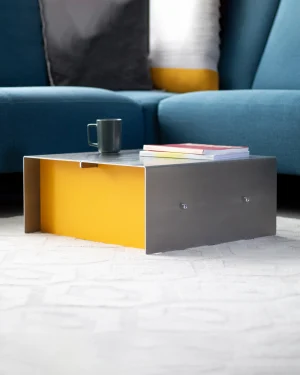
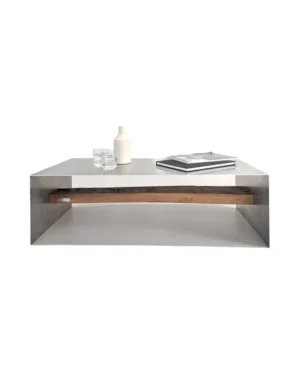
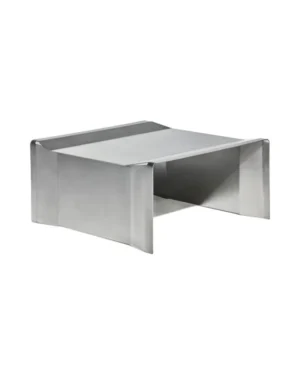
Core Aluminium Coffee Table
By Lisanne Meester
€519 This product has multiple variants. The options may be chosen on the product page -
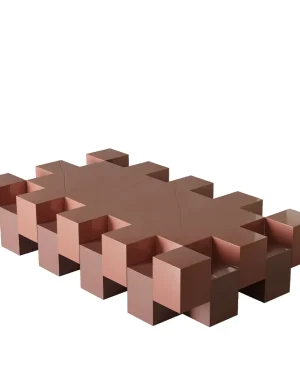
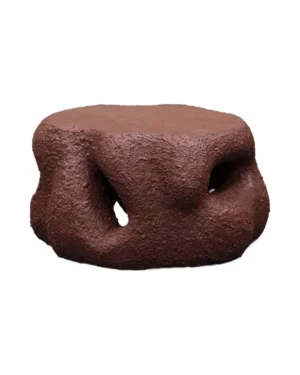
Bite Coffee Table
By hermhaus
€5.943 This product has multiple variants. The options may be chosen on the product page -

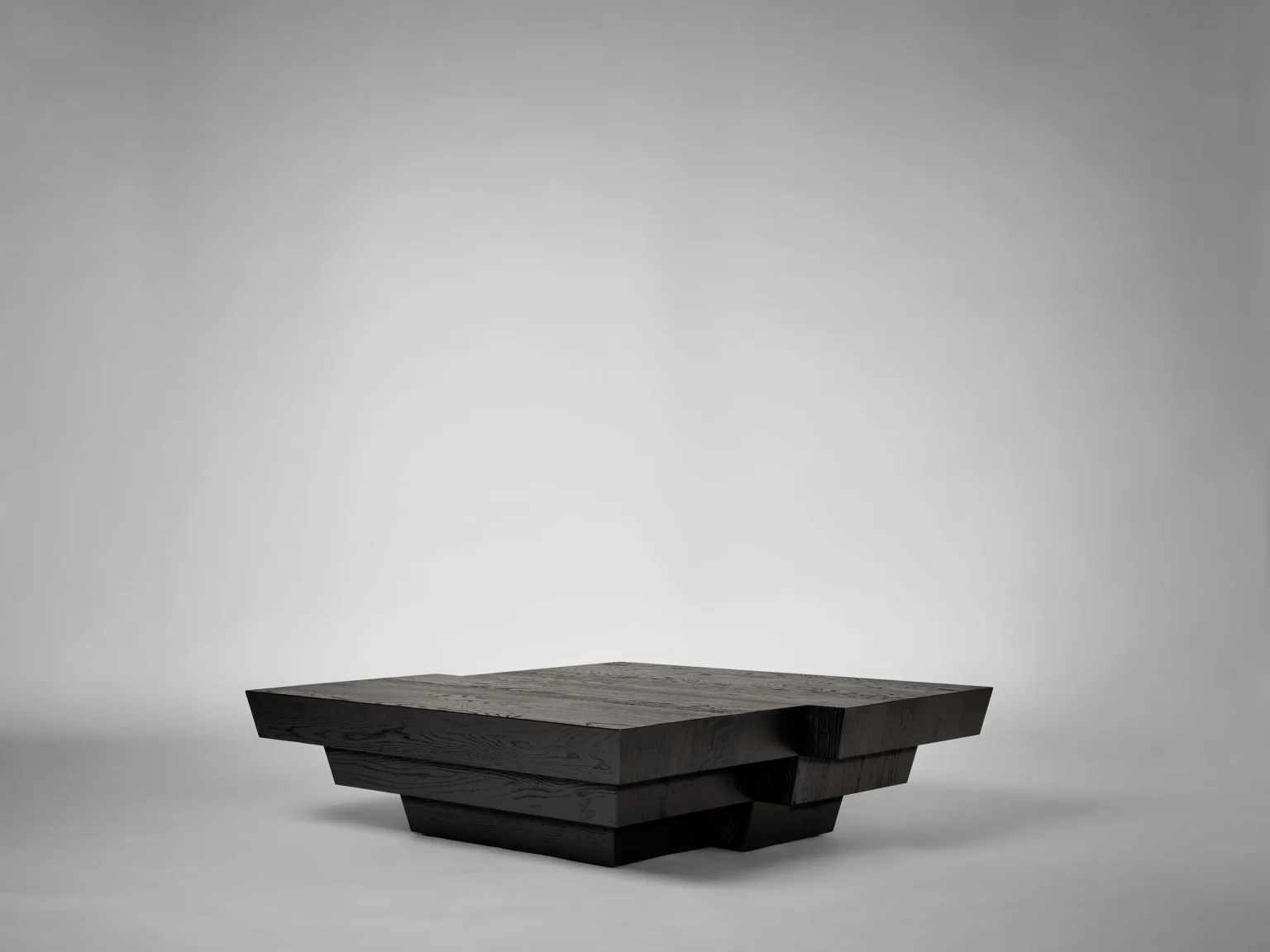
1020 Oak Coffee Table
By NO AGE STUDIO
€3.950 -

Moort – Coffee Table
By SALAK Studio
€1.990 -
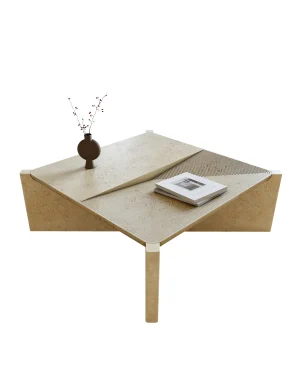
Arkhe No 1 – Square Travertine Coffee Table
By Studio Kali
€6.760 -

Klar Glass Coffee Table
By hermhaus
€3.508 -

Taes Coffee Table
By Mokko
€7.480 - €11.150 This product has multiple variants. The options may be chosen on the product page -
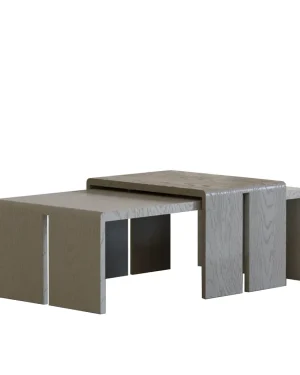
Plus – Modular Coffee Table
By hermhaus
€3.087 This product has multiple variants. The options may be chosen on the product page -
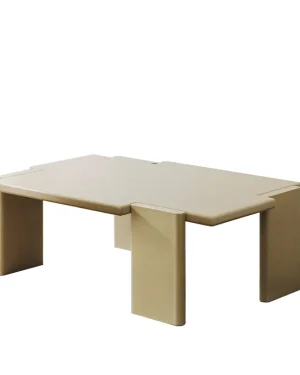
Brio Coffee Table – “in Flow, Together”
By hermhaus
€3.200 -

Solid Birch Coffee Table
By Petra Madalena
€4.826 -

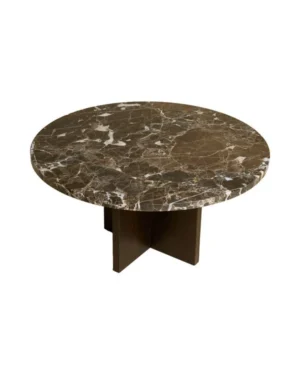
Coffee Table Enigma In Grey Marble
By Alter Ego Studio
€23.600 -
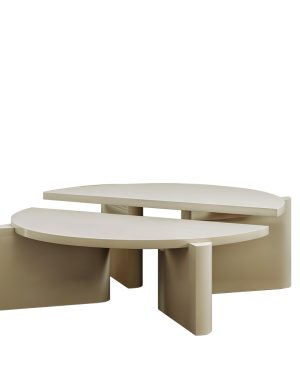
Twin Coffee Table Matt Lacquer
By hermhaus
€4.650 This product has multiple variants. The options may be chosen on the product page -

Mas Coffee Table Matt Lacquer
By hermhaus
€3.195 This product has multiple variants. The options may be chosen on the product page -
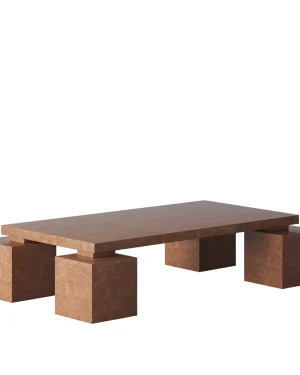
Asos Coffee Table
By hermhaus
€3.157 This product has multiple variants. The options may be chosen on the product page -

Sen – Wooden Coffee Table
By SALAK Studio
€900 -
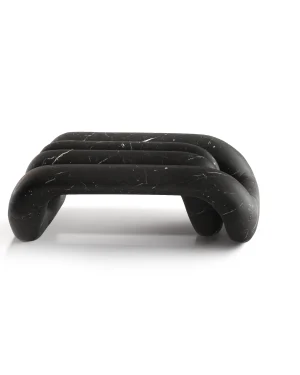
Coffee Table Enigma In Black Marble
By Alter Ego Studio
€23.200 -
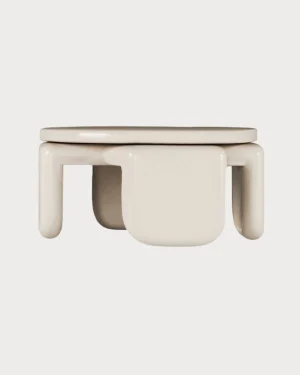
Basic Wood Coffee Table
By Alter Ego Studio
€3.930 This product has multiple variants. The options may be chosen on the product page -
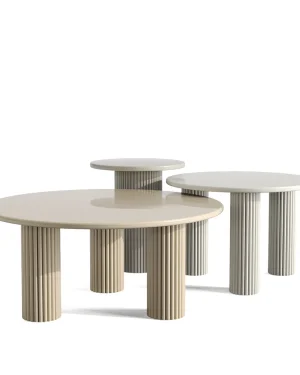
Hola Coffee Table Trio
By hermhaus
€4.631 This product has multiple variants. The options may be chosen on the product page -
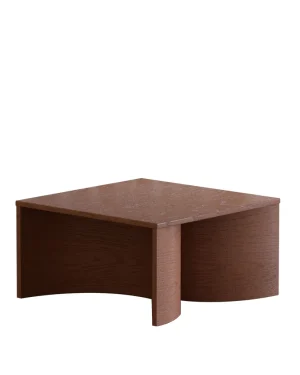
Venn Coffee Table
By hermhaus
€4.605 This product has multiple variants. The options may be chosen on the product page -

Nisus – Marble Coffee Table
By Alter Ego Studio
€10.120 This product has multiple variants. The options may be chosen on the product page -

Rise Coffee Table
By hermhaus
€3.860
Geometrical coffee tables bring hard edges, circles, triangles and interlocking forms into the living room, built from materials that can hold a precise line: carved and cast stone, turned and joined wood, welded or cut steel. Studios working across wood and cabinetmaking, stone carving, metalwork and lacquering use these processes to keep the geometry clean, whether a piece reads as a single block or a cluster of stacked shapes. What unites them is not one material or finish, but a commitment to shape as the main subject of the table.
What defines a geometrical coffee table
A geometrical coffee table is built around a repeatable form: a circle sliced in two, a triangle doubled into a base, a grid of squares stacked into a plinth. The shape dictates the construction as much as the material does, since sharp angles and flat planes show every imperfection in a way that soft curves do not. This is why studios lean on exact joinery, stone carving or precise metalwork rather than freehand shaping, and why geometrical coffee tables tend to look more architectural than decorative.
Materials and finishes common to this shape
Oak and ash wood appear often, left in their natural grain or finished in beige, off-white or black lacquer to sharpen the outline of the form. MDF takes paint and glossy lacquer evenly across flat surfaces, which suits tables built from panels rather than solid blocks. Marble and terracotta bring weight and a cool or warm surface respectively, carved or cast into wedges, drums and slabs; stainless steel and glass do the opposite, adding lightness through reflection and transparency. Color tends to follow the material: burgundy and green lacquers over wood or MDF, gray and black for stone and steel, glossy finishes where a studio wants the geometry to catch light.
Styles and editions to expect
The same shapes cross several styles. Bauhaus and Art Deco tables use geometry as ornament, often paired with brass fittings or lacquered wood; Brutalist pieces favor raw-looking stone or steel left unpolished; eclectic and coastal interpretations soften the same forms with lighter woods or washed finishes. Pieces arrive as unique pieces, open editions or limited editions, depending on the studio's way of working and the technique involved:
- Unique pieces, where carving or lacquering is done by hand on a single table
- Open editions, produced on an ongoing basis from wood, MDF or steel
- Limited editions, released in a fixed run and not remade once sold
How to choose a geometrical coffee table
Scale matters more with geometric forms than with rounded ones, since a block or wedge reads larger than a table with the same footprint in a softer shape. Standard coffee table height sits close to the seat height of a sofa, so measure before choosing a tall plinth or a low, wide base. Match the finish to the room's light: matte stone and wood absorb it, glossy lacquer and polished steel bounce it around a smaller space.
Placement follows the same logic as any coffee table, but geometric pieces want room to read as a single volume. Leave clear floor space around a stone or steel block so its outline stays legible, and look through living room coffee tables for pieces sized to sit between two sofas or in front of one.
Care and placement by room
Oak and ash wood in geometrical coffee tables age the way any solid wood does: they take on a deeper tone with light exposure and benefit from an occasional oil or wax depending on the finish. Marble stains from acidic liquids and should be wiped promptly and sealed periodically; terracotta is porous and better suited to a dry coaster than a wet glass. Stainless steel and glass need only a wipe to stay free of fingerprints and dust.
These tables suit living rooms, studies and any seating area built around a sofa or a pair of chairs. For the wider range of shapes and materials, see all coffee tables, or narrow by material through wooden coffee tables and metal coffee tables. For the same shape carried across other rooms and pieces, see every geometrical piece on ADORNO.
How do I choose a geometrical coffee table?
Start with the shapes already in the room, then pick a table that repeats or contrasts them, in a material like oak, marble or stainless steel that matches the weight of surrounding furniture.
What materials are geometrical coffee tables made from?
Common choices include oak and ash wood, MDF, stainless steel, marble and glass, each bringing a different weight and finish to the sharp lines typical of geometrical design.
How do I care for a geometrical coffee table?
Wood surfaces need occasional oiling and protection from direct sun, marble should be sealed and wiped promptly after spills, and steel or glass only need a soft, dry cloth.
What size and height should a coffee table be?
Most coffee tables stand between 16 and 18 inches tall, close to seat height, and are sized to leave comfortable walking space around a sofa or sectional.
Which rooms suit a geometrical coffee table?
Living rooms with clean lines or mixed furniture both work well, since a geometrical table can anchor a minimalist layout or add structure to a more eclectic one.
What are ADORNO's shipping, returns and authenticity policies?
Shipping is insured and worldwide, returns are accepted within 14 days except on made-to-order pieces, and every table arrives with a certificate of authenticity.