-
 In stock
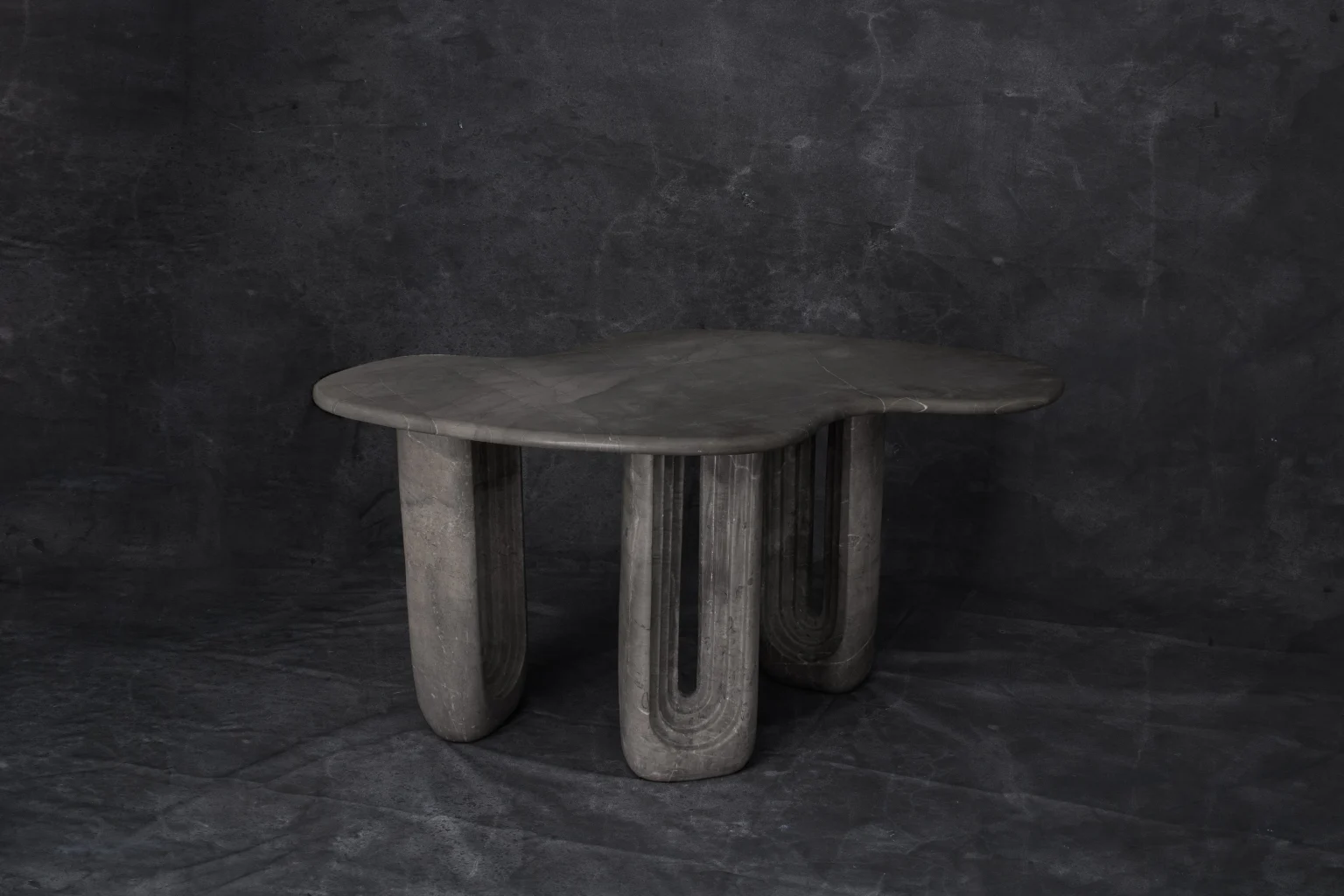
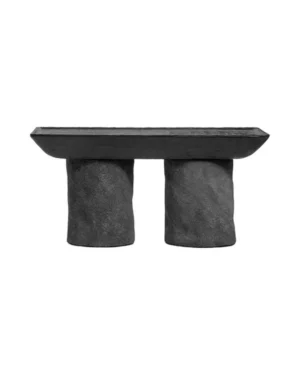
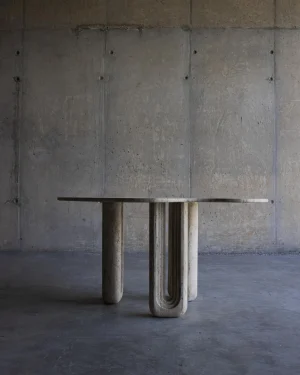
Amazonas Stone Table High
By Studio Ayres
€2.738 -
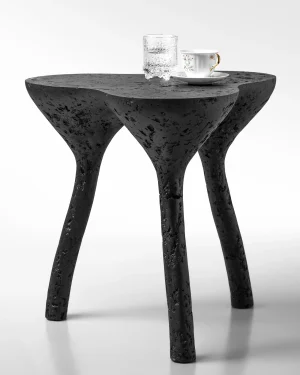
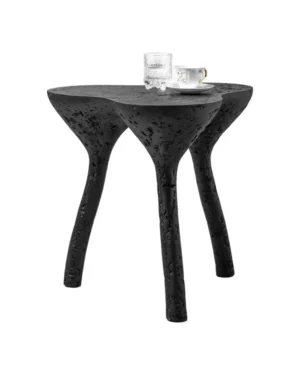
Solid Black Stone Coffee Table in Cast Stone
By Donatas Žukauskas
€1.450 -
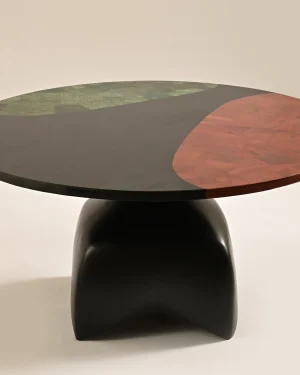
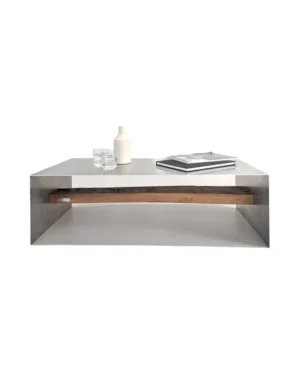
Jasper – Cast Aluminum & Stone Coffee Table
By LMNOH
€3.800 -
 In stock
Matted Aluminum Coffee Table (blackwood)
By case studios
€719 -
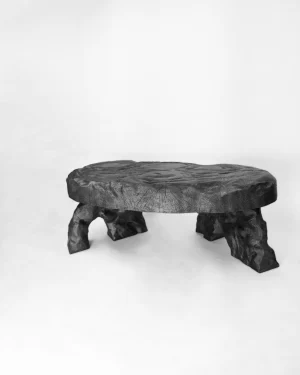 In stock
The Black Sheep Coffee Table
By Masha Volkova
€1.950 -
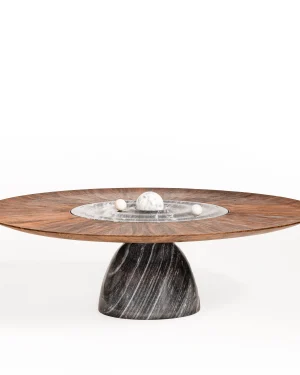
Ripple 2.0 Coffee Table
By Tectona Grandis Furniture
€2.550 -
 In stock
Yakisugi Burnt Wood Coffeetable
By case studios
€2.190 -
 In stock
Grand Canyon – Steel Coffee Table
By Nitush and Aroosh
€4.150 -

Moort – Coffee Table
By SALAK Studio
€1.990 -
 In stock
Plano Massiva — Ebony Wood And Cast Aluminum Coffee Table
By DONÓ Design
€3.178 -

Comb Coffee Table
By hermhaus
€3.570 -
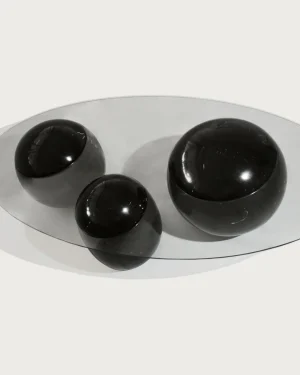
Ovni Uovo Black Marble Glass Sculptural Coffee Table
By Panorammma Atelier
€6.600 This product has multiple variants. The options may be chosen on the product page -
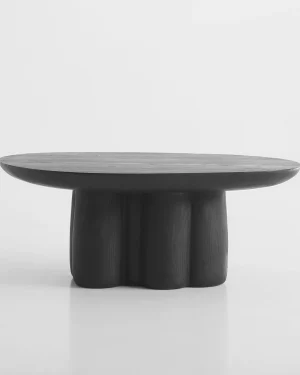 In stock
Soniah Oval Coffee Table
By FAINA
€5.650 This product has multiple variants. The options may be chosen on the product page -

Paris Table – Free-form Steel Coffee Table
By Vogel Studio
€11.680 -
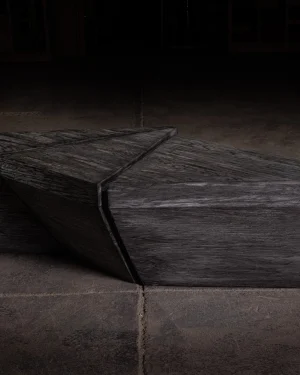 In stock
1111 – Black Oak Coffee Table
By NO AGE STUDIO
€3.600 -
 In stock
Sponge Coffee Table
By Calen Knauf Studio
€1.168 -
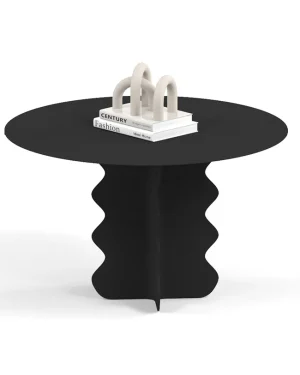 In stock
Hvylya – Coffee Cocktail Table Handcrafted With Metal
By SVITANOK
€700 This product has multiple variants. The options may be chosen on the product page -
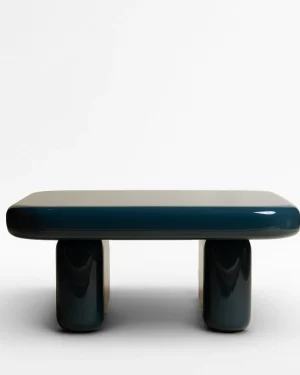
Bolla Gloss Coffee Table – Studio Ayres & Eterea
By Studio Ayres
€2.052 -
 In stock
Scarpa Coffee Table
By Arbore x Cezar Moldovan
€3.910 -
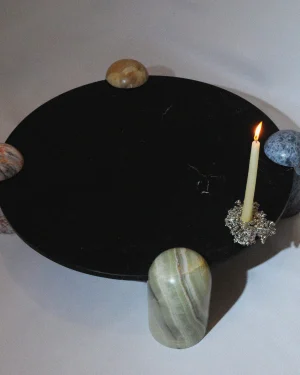
Play Time Toy Marble Table
By Panorammma Atelier
€8.900 This product has multiple variants. The options may be chosen on the product page -

Element – Bronze Coffee Table V
By Vincent Mazenauer
€22.500 -
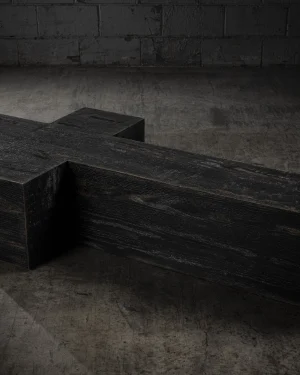 In stock
1983 Solid Oak Coffee Table
By NO AGE STUDIO
€6.600 -
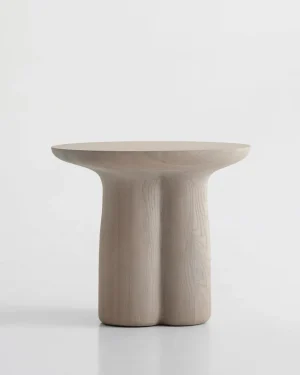
Soniah – Tall Coffee Table
By FAINA
€3.760 -

Korotun – Ash Wood/ Clay Coffee Table
By FAINA
€8.230 -

“Revolve” – No. 01 (no. 01/03)
By Flensted Mouritzen
€2.100 -
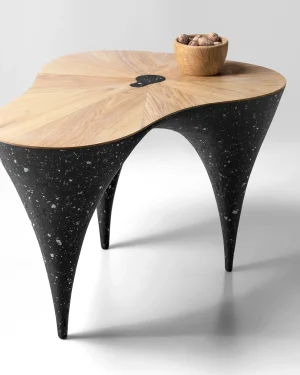
Solid Black Stone & Oak Poise Coffee Table – Still Series In Cast Stone By Donatas Zukauskas
By Donatas Žukauskas
€2.450 -
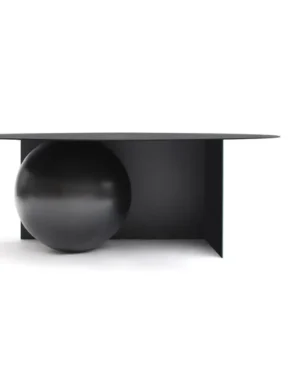
Fuku – Wood&steel Coffee Table
By SALAK Studio
€1.400 -

Sen – Wooden Coffee Table
By SALAK Studio
€900 -
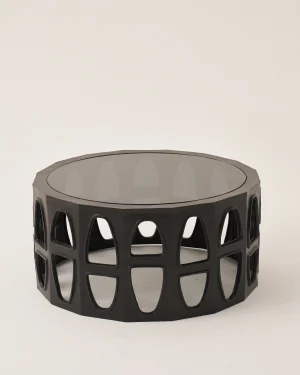
Colosseum – Cast Aluminum Coffee Table
By LMNOH
€2.510 -
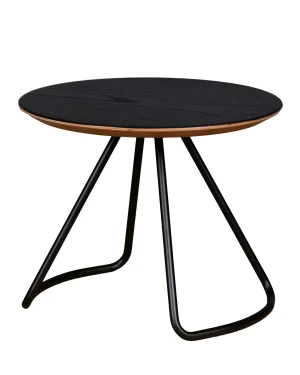
Sama – Contemporary Coffee Table
By Studio Kali
€640 This product has multiple variants. The options may be chosen on the product page -

Fib – Coffe Table
By SALAK Studio
€590 -
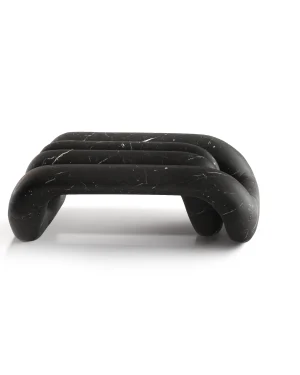
Coffee Table Enigma In Black Marble
By Alter Ego Studio
€23.200 -
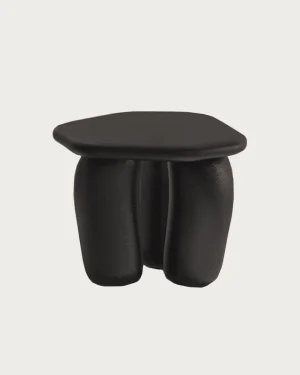
Trio Coffee Table
By Alter Ego Studio
€4.450 -
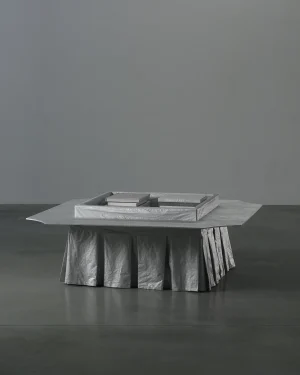 In stock
Drills Low Table
By Mantas Lesauskas
€9.600 -
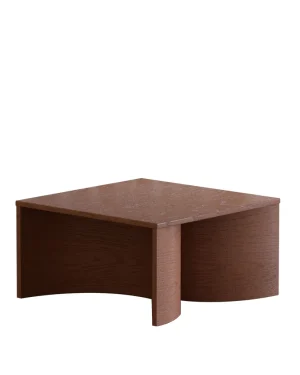
Venn Coffee Table
By hermhaus
€4.605 This product has multiple variants. The options may be chosen on the product page -
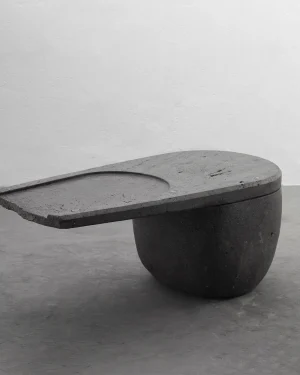 In stock
Centro Coffee Table Handcarved Volcanic Stone
By ANDEAN
€6.885 -

Stealth – Steel Coffee Table
By ORFEO STUDIO
€3.400€3.060 -
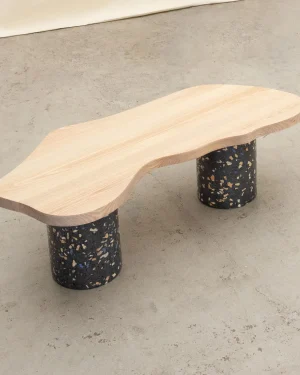 In stock
Esposcada 03 – Coffee Table
By Pierre Klein
€3.200 -

Shoreline Coffee Table
By Rollo Studio
€6.940 -
 In stock
Transmission Coffee Table By Regina Merino
By Toro Manifesto
€4.200 -

RT-B Table
By Johan Viladrich
€3.200 -

“Plano expandido” Table N.2
By Teresa Fernández-Pello
€2.886 -
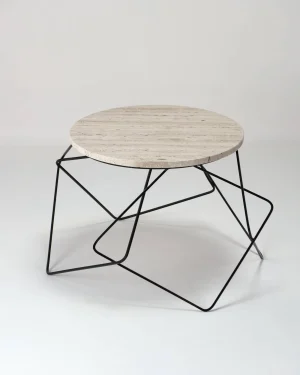 In stock
sTABLE – Travertine Coffee Table
By DFdesignLab
€1.450 -

Element – Bronze Coffee Table
By Vincent Mazenauer
€18.200 -
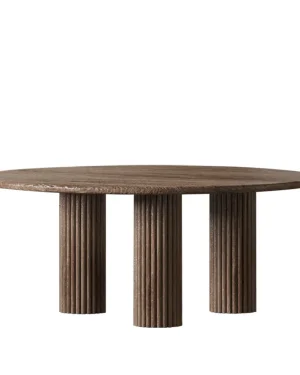
Hola Wooden Coffee Table
By hermhaus
€2.748 This product has multiple variants. The options may be chosen on the product page -
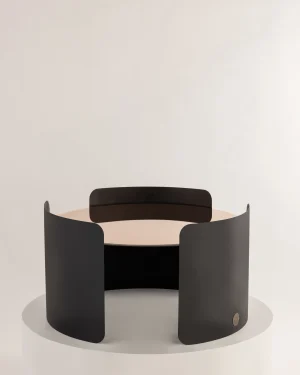 Sold
SoldHug – Iron & Glass Coffee Table
By Nama Home
€3.630 This product has multiple variants. The options may be chosen on the product page -
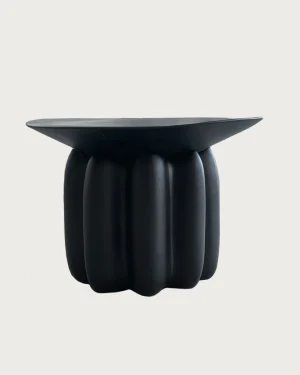
Bolero Table – Low
By Alter Ego Studio
€4.220 -

Post-humanity
By Genos
Price Upon Request -
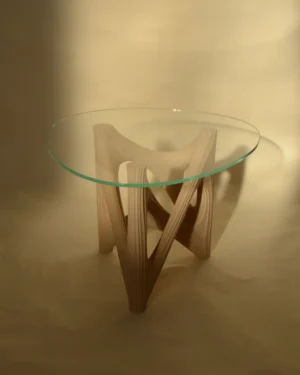
Dendria – Sculptural Biopolymer Table With Glass Top
By diploria studio
€2.050 This product has multiple variants. The options may be chosen on the product page -
 In stock
Yunseul Series_low Table 02
By Woohyun Han
Price Upon Request -
 Sold
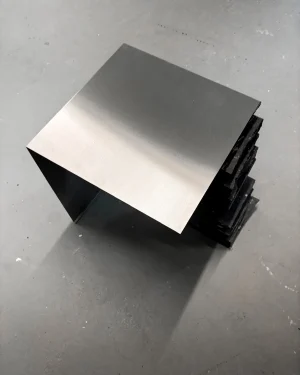
SoldBlack Basalt – Stainless Coffee Table
By case studios
€510 -
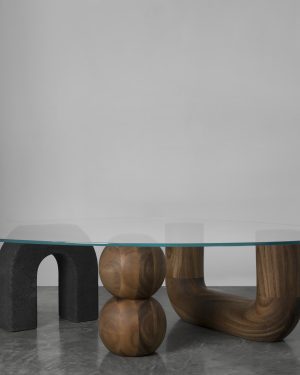
Rosedal Lava Stone Coffe Table
By Comité de Proyectos
Price Upon Request -
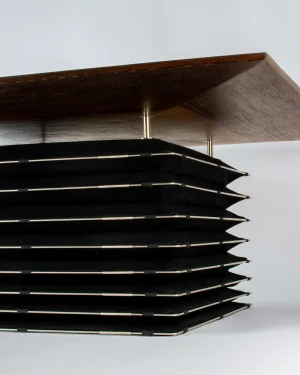
Unique Coffee Table Inspired By Camera Bellows
By Szostak Atelier
Price Upon Request -
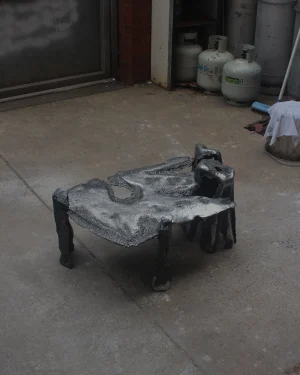 In stock
Melancholy Coffee Table 01 – Aluminium
By Saturday Yard Work
Price Upon Request
Black coffee tables take their color from the material underneath, not from a layer of paint: blackened steel, patinated aluminum, dark stone, charred or stained wood. Studios working in metal casting, stone carving, concrete casting and cabinetmaking all arrive at the same neutral through different means, and each method leaves its own texture and sheen on the surface. The result sits low in a room without disappearing, holding its own against sofas and rugs rather than competing with them.
What gives the color its depth
Across black coffee tables, aluminum and stainless steel reach the tone through anodizing or a baked powder coat, metal left bare can develop a matte, graphite black over time, stone-carved marble may simply be a naturally dark stone such as Marquina, and ash or other hardwoods take on the color through stain, ebonizing or controlled char. Fiber-cement and cast aluminum pieces, worked through concrete casting or metal casting, often carry black pigment mixed straight into the material, so the color runs through rather than sitting on top.
Because the tone comes from the material itself, each surface behaves differently under light. Brushed metal picks up soft highlights, honed stone stays flat and absorbent, and wood grain still shows faintly through a dark stain. None of this is a flaw: it is simply how black announces the material rather than hiding it.
Materials, techniques and editions found here
The range changes as pieces sell and new ones arrive, but the materials and methods tend to repeat. Expect aluminum, stainless steel, marble and other stone, cast or welded metal, ash and other woods, and fiber-cement, worked through metalwork, stone carving, concrete casting, biofabrication, 3D printing or digital fabrication alongside traditional wood and cabinetmaking. Styles lean minimalist, contemporary, brutalist, neo-industrial, Bauhaus or wabi-sabi, and editions run from open editions to limited editions and unique pieces, depending on how the studio chooses to work.
- Cast and welded metal bases paired with stone, glass or wood tops
- Solid wood slabs darkened by stain or controlled burning
- Carved or honed black stone, left thick enough to carry its own weight
- Cast fiber-cement and concrete forms, poured rather than assembled
Choosing scale, height and finish
A coffee table needs to read as a surface first, a sculpture second. When choosing black coffee tables, measure the sofa seat height and aim for a table level with or slightly below it, so drinks and books stay within easy reach. Leave enough room around the edges to walk past without brushing the corners, especially with stone-carved or cast tops that carry real weight.
Finish matters as much as shape. A matte, blackened metal or honed stone absorbs light and recedes into a room, while a lacquered or polished black surface throws reflections and draws the eye. Choose the quieter finish where the table sits among patterned textiles or busy art, and the glossier one where the room is otherwise plain.
Where black coffee tables work
Black reads as a neutral everywhere, which is why these tables move easily between settings. They ground a pale living room without weighing it down, and they settle into a darker, more brutalist interior instead of fighting it. In a sunlit space, dark stone or metal tempers the glare; in a dim one, the same surfaces can read as heavy unless balanced with lighter seating or a pale rug underneath.
For living rooms built around low seating, a wider guide to living room coffee tables covers scale and arrangement in more depth. Those drawn to a quieter palette can compare options among minimalist coffee tables, while anyone set on metal specifically can look through metal coffee tables directly.
Care by material
Blackened and cast metal wants a dry cloth and an occasional wipe with a mild cleaner; water left standing can dull a patina or, on untreated steel, start a bloom of rust. Black marble and other dark stone stain more easily than they show it, so wipe spills promptly and keep acidic liquids like wine or citrus off the surface. Dark-stained or ebonized wood should stay out of direct, prolonged sun, which can fade the stain unevenly over years, and fiber-cement or cast concrete needs little beyond dusting, since the color sits within the material rather than on it.
For a broader look at how the same tone behaves across furniture and lighting alike, the full range of black pieces on ADORNO sits alongside every other coffee table in the coffee tables category.
How do I choose a black coffee table?
Start with the material, since it sets both the look and the upkeep: blackened steel and aluminum read industrial, black marble reads formal, black-stained wood reads warm. Match the base shape to how the table will be used, low and open for drinks, closed storage for a cluttered living room.
What are black coffee tables made from?
Common materials include blackened or powder-coated steel and aluminum, black marble, black-stained ash or other woods, and cast or fiber-cement surfaces. Each carries a different weight, texture and way of aging, so the material shapes the table as much as the shape does.
How do I care for a black coffee table?
Wipe metal and wood tables with a dry or barely damp cloth to avoid water marks; black marble needs sealing and a cleaner free of acid, since citrus or wine can etch the surface. Avoid abrasive pads on any black finish, as they show scratches more than lighter colors.
What size and height should a black coffee table be?
Most coffee tables sit between 16 and 18 inches tall, roughly level with or slightly below sofa seat height, and leave 14 to 18 inches of clearance from seating for comfortable reach. Scale the tabletop to the sofa so it neither disappears nor crowds the room.
Do black coffee tables suit every room?
Black grounds a room and reads well against light floors, pale rugs or neutral walls, where it anchors the seating area without disappearing. In darker or small rooms, a black table can read heavy, so smaller or glass-topped forms keep the space open.
What about shipping, returns and authenticity on ADORNO?
Shipping is insured and sent worldwide, with a 14-day return policy that excludes made-to-order pieces. Every piece arrives with a certificate of authenticity, and ADORNO offers a lowest-price guarantee; for questions on a specific table, chat with the maker on its page.