












-
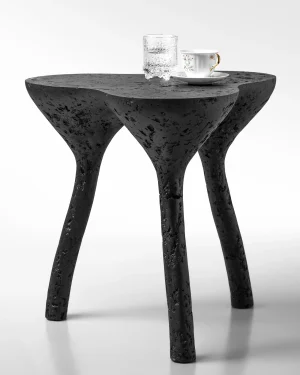
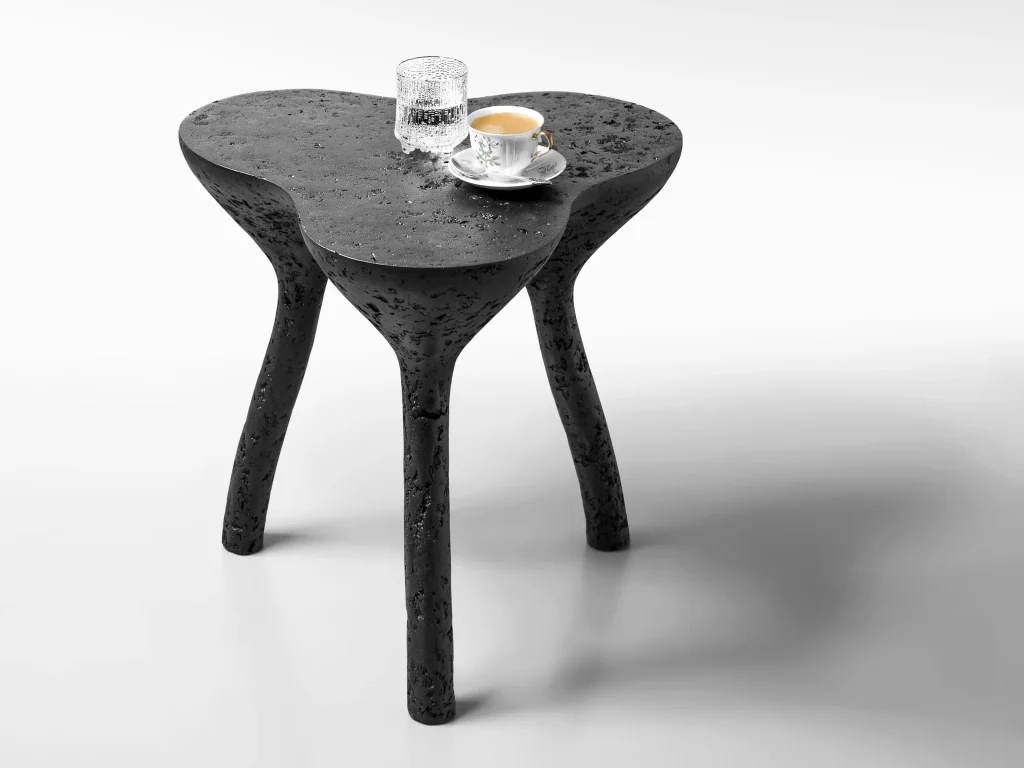
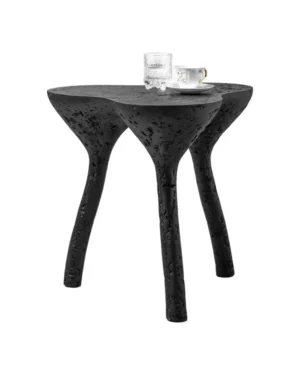
Solid Black Stone Coffee Table in Cast Stone
By Donatas Žukauskas
€1.450 -

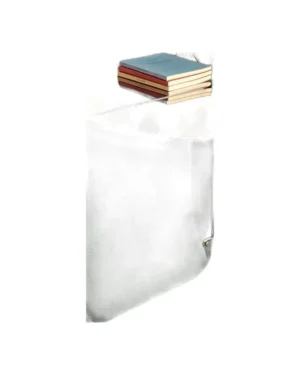
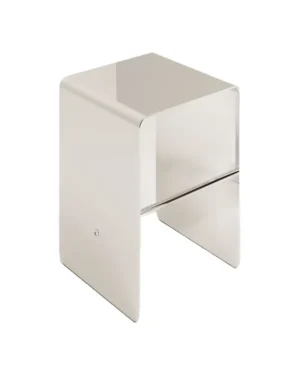
“somnia” Low Table | Aluminum
By Giselle Vanessa Johnson
€4.200 -
 In stock
Snow Angel Coffee Table
By Kari Kadak
€7.500 -
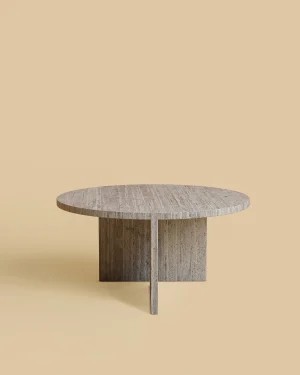
Hashi – Circular Marble Coffee Table
By Lebanto
€2.684 - €3.990 This product has multiple variants. The options may be chosen on the product page -

Solid White Stone Low Coffee Table – Plinth Series In Cast Stone
By Donatas Žukauskas
€1.300 This product has multiple variants. The options may be chosen on the product page -
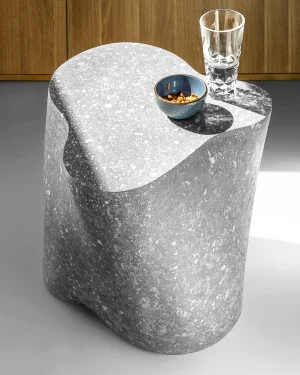
Solid White Stone Low Glass Top Coffee Table – Plinth Series In Cast Stone By Donatas Zukauskas
By Donatas Žukauskas
€1.300 - €1.450 This product has multiple variants. The options may be chosen on the product page -
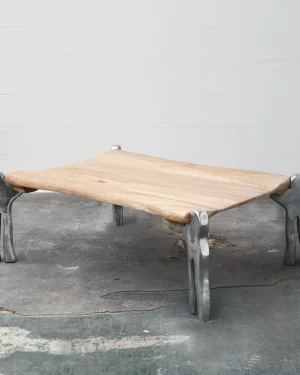 In stock
Tpf Series (the Parasitic Factors) _no.04 – Coffee Table
By Sai.E Studio
€5.600 -

Korotun – Ash Wood/ Clay Coffee Table
By FAINA
€8.230 -
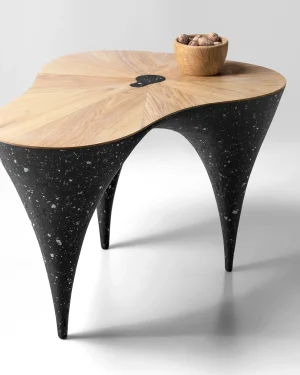
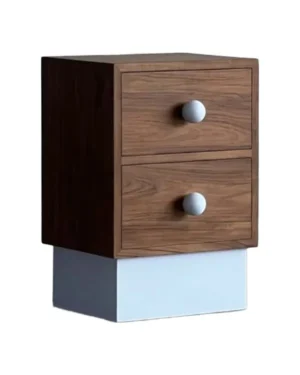
Solid Black Stone & Oak Poise Coffee Table – Still Series In Cast Stone By Donatas Zukauskas
By Donatas Žukauskas
€2.450 -
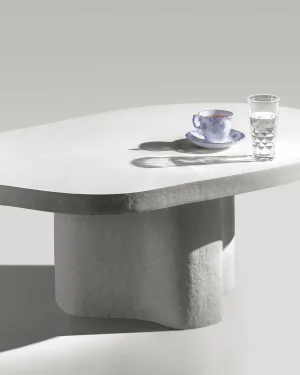
Solid White Stone Coffee Table – Plinth Series In Cast Stone By Donatas Zukauskas
By Donatas Žukauskas
€3.400 -
 Sold
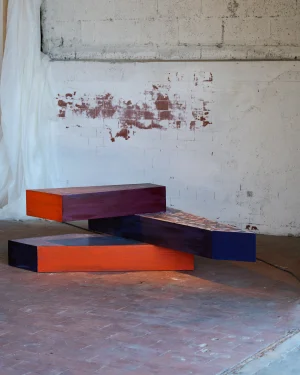
SoldCarte Blanche – Hand Painted Coffee Table
By Crina Arghirescu Rogard
Price Upon Request -
 In stock
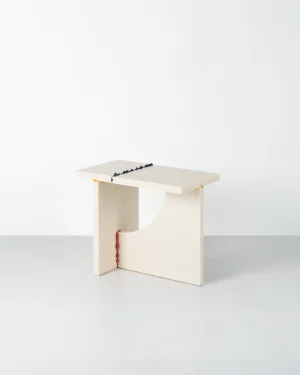
B.S.P. Series Side Table in Recycled Plastic
By Atelier SOHN
Price Upon Request -
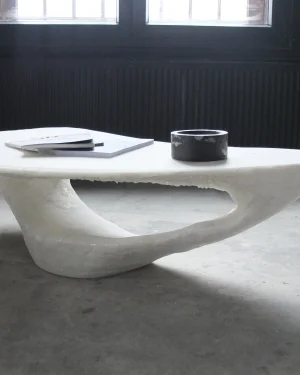
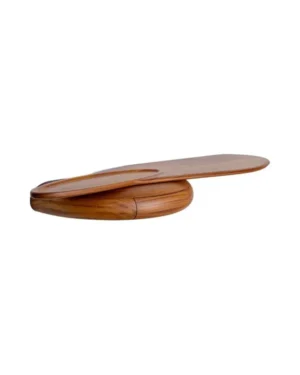
“marbled Salts” Boomerang Low Table
By MARBLEDSALTS studio
Price Upon Request -
 In stock
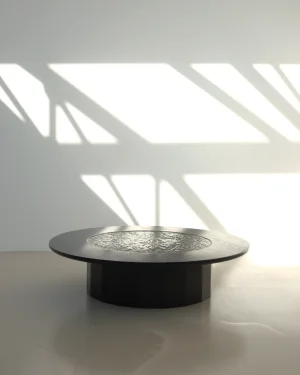
Yunseul Series – Low Table 03
By Woohyun Han
Price Upon Request
Low tables sit close to the floor, built to hold a drink, a stack of books or a tray within reach of a sofa or a floor cushion. On ADORNO they come from studios working in stone, concrete, stainless steel, ash wood and recycled material, each piece shaped by casting, carving, welding or cabinetmaking rather than mass production. What defines a low table is less its height than its posture in a room: it sits low enough to disappear into a seating group, then carries whatever weight is set on it without drawing attention to itself.
What shapes a low table
Material decides how a low table ages and how much weight it can carry. Stone and concrete read as grounded and permanent, gaining small marks and patina rather than wearing out. Stainless steel and other metals stay cool to the touch and hold a sharp edge or a brushed finish for years. Ash wood, worked through wood carving and cabinetmaking, keeps a visible grain and takes on warmth as it is used, while fiber-cement and paper pulp pieces, often grown from biofabrication or built through hand-building and papermaking, favor light weight and unexpected surface texture over density.
The range found here
Across the category, low tables appear in a handful of recurring palettes and finishes: black, white, gray, off-white, ivory, silver, blue and the occasional multicolor surface where pigment or inlay breaks up a single material. Styles run from contemporary and minimalist to midimalism, brutalist, eclectic, neolithic and biophilic, so the same low table shape can read as austere or organic depending on the studio. Editions vary too, from open editions produced to a consistent standard to limited editions and unique pieces where no two surfaces finish quite the same way. For a wider view of materials and shapes beyond this one, the full range of tables and the broader set of low pieces across furniture types are useful starting points.
How to choose a low table
Start with scale: a low table should leave at least a hand's width of clearance to any sofa or chair it sits beside, and its surface should sit a little below or level with the seat cushions it serves. Height matters more than it looks on a screen, since a table that reads as sculptural in a photograph can feel either too low to use or too tall to clear a knee in person. Finish should match how the table will be touched: honed stone and matte concrete resist fingerprints better than polished surfaces, while an oiled wood top is more forgiving of daily use than a lacquered one.
- Measure the gap to the nearest seat before deciding on a footprint.
- Choose a finish that suits daily contact, not only the first impression.
- Keep one dominant material in view from the seating position, even if the base differs.
For wood-first options, see the wooden tables grouped separately, and for steel, bronze or aluminum bases, the metal tables cover that ground.
Where low tables work
Living rooms are the obvious setting, anchoring a sofa arrangement or standing between two armchairs, and the living room tables grouping shows how low pieces pair with seating at that scale. The same shape also works near a daybed, at the foot of a bed, or beside a reading chair where a side table would sit too high. Stacked or paired low tables can replace a single larger one in a smaller room, giving flexibility without adding visual weight. Those looking specifically at the coffee table format within this shape can start with low coffee tables.
Caring for a low table
Stone and concrete should be wiped with a damp cloth and kept away from acidic spills, which can etch or stain an unsealed surface over time. Wood responds well to an occasional wipe with a dry or barely damp cloth and periodic oiling to keep the grain from drying out. Metal surfaces need only regular dusting, though fingerprints show more readily on polished finishes than on brushed ones.
How do I choose the right low table?
Start with how the room is used: a low table near seating should sit close to seat height, while one meant as a surface for objects can stand lower. Match its material and weight to the scale of the room around it.
What materials are low tables usually made from, and how do I care for them?
Stone, concrete, metal and wood are common, each with its own upkeep: stone can stain and needs sealing, concrete may show hairline marks over time, and wood benefits from occasional oiling. Wipe metal and stone surfaces with a dry or barely damp cloth.
What height and size should a low table be?
Low tables generally sit between 12 and 18 inches high, lower than standard side tables, so they meet eye level when seated on a sofa or floor cushions. Size should leave clear walking space on at least two sides.
Which rooms suit a low table best?
Living rooms, lounges and reading corners carry low tables naturally, anywhere seating sits close to the floor. They also work well beside daybeds or in minimalist entryways where a tall table would feel heavy.
Does ADORNO ship low tables worldwide, and what if I need to return one?
Shipping is insured and worldwide. Returns are accepted within 14 days, except for made-to-order pieces, and each table arrives with a certificate of authenticity.
Can I order a custom low table through ADORNO?
Custom options depend on the individual maker, so chat with the maker on the piece's page to confirm what is possible for sizing, finish or material.