




-
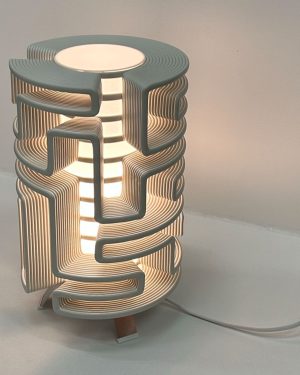
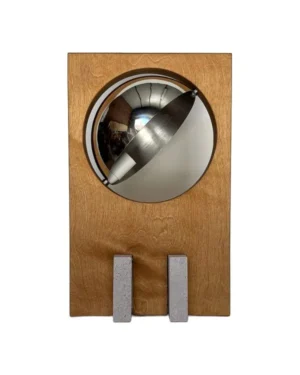
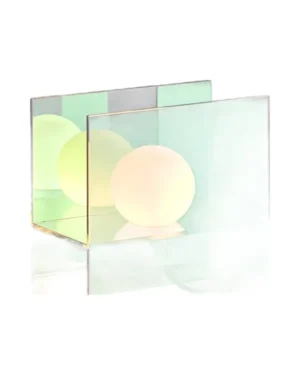
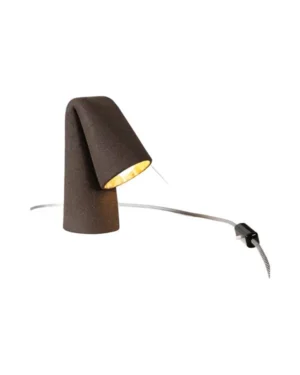
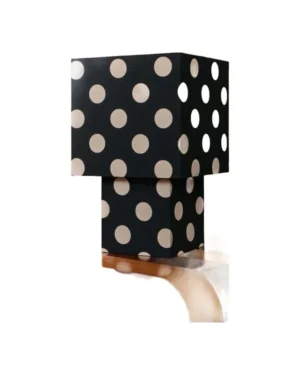
Maze Table Lamp in Recycled Plastic
By Stijn van Aardenne
€227 -
 In stock
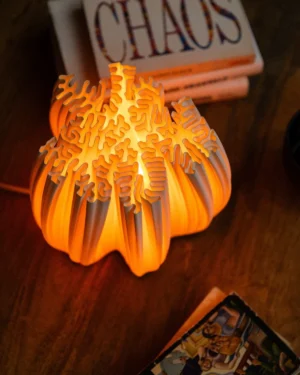
S 3 Table Lamp in Biopolymer
By diploria studio
€275 -
 In stock
S X 2 Table Lamp in Biopolymer
By diploria studio
€295 -
 In stock
S X 3 Table Lamp in Biopolymer
By diploria studio
€295 -
 In stock
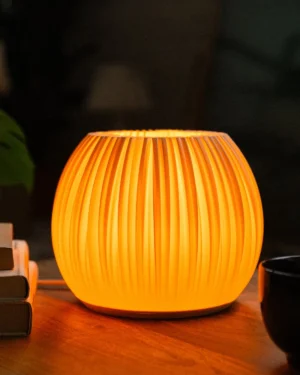
B 1 Table Lamp in Biopolymer
By diploria studio
€275 -
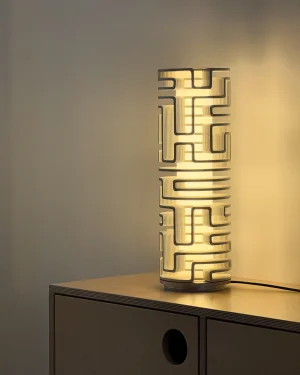
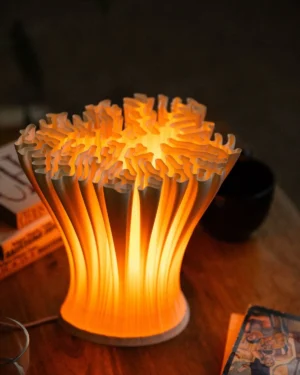
Maze Medium Table Lamp in Recycled Plastic
By Stijn van Aardenne
€579 -
 In stock
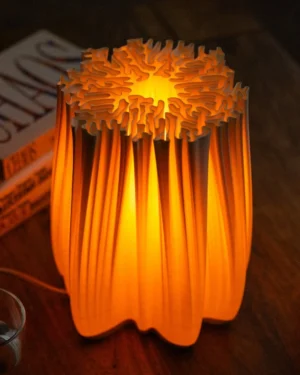
S 5 Table Lamp In Ivory White Bio Polymer
By diploria studio
€295 -
 In stock
S X 1 Table Lamp In Ivory White Bio Polymer
By diploria studio
€275 -

Rotonda Table Lamp in Resin
By Adrian Cruz
€2.420 -
 In stock
B.a.r.e Series Table Lamp in Brick, Copper and Plastics
By Lucas Muñoz Muñoz
€300 -
 In stock
Blampa30 Table Lamp in Bio Plastic
By BLUBA Studio
€203 This product has multiple variants. The options may be chosen on the product page -
 In stock
S 1 Table Lamp In Bio Polymer
By diploria studio
€245 -
 In stock
Citadel Small Table Lamp In 3d Printed Pla
By Ultramar Studio
€850 -
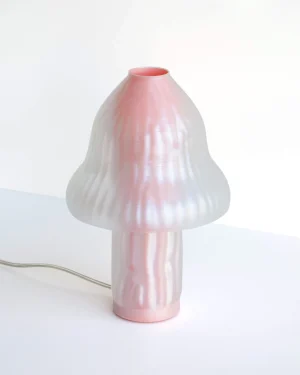
Lampamodelé Pink Table Lamp in 3D Printed PLA
By BehaghelFoiny Studio
€99 -

Rotonda Table Lamp in Resin
By Adrian Cruz
€2.380 -
 In stock
Object 05 Table Lamp in Nylon and Sand
By Hot Wire Extensions
€935 -

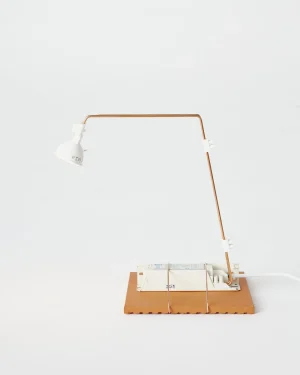
Drizzle Table Lamp in Acrylic
By Kajsa Melchior
€780 -
 In stock
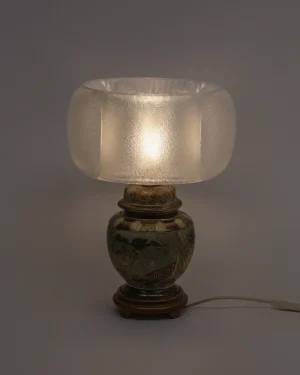
B.A.R.E Series ‘Small Simple’ Table Lamp in Brick and Copper
By Lucas Muñoz Muñoz
€150 -
 In stock
Pascal Table Lamp in Plastics
By 91-92
€193 This product has multiple variants. The options may be chosen on the product page -
 In stock
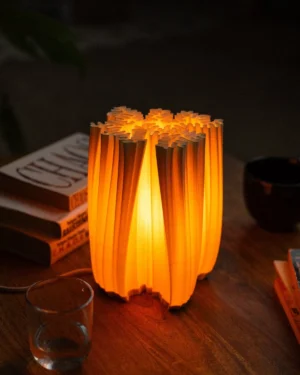
Axile Table Lamp in Bio Plastic
By Errance.
€335 -
 In stock
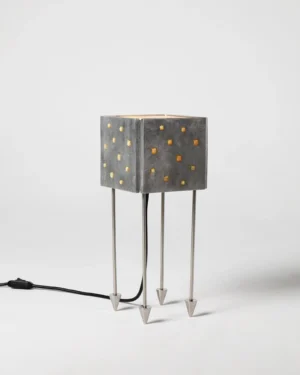
S 2 Table Lamp In Bio Polymer
By diploria studio
€245 -
 In stock
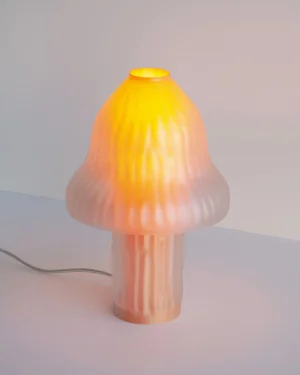
Prisma Massiva Table Lamp in Cast Aluminum, Resin & Steel
By DONÓ Design
€1.898 -
Lampamodelé Table Lamp in 3D Printed PLA
By BehaghelFoiny Studio
€99 -
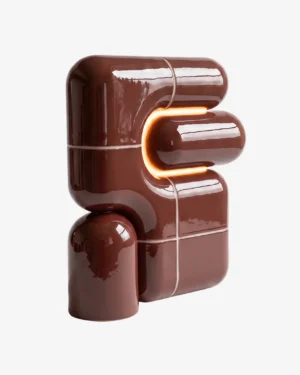 In stock
U-021 Table Lamp In Garnet Pla
By Rollo Studio
€795 -
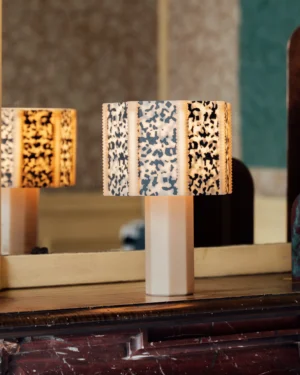
Brigitte Table Lamp In Bio Plastic
By Julie Mallet Studio
€329 - €375 This product has multiple variants. The options may be chosen on the product page -
 In stock
Lumière Feuillue Alba Table Lamp In Bio-plastic
By Vlad Oganov Objects
€499 -
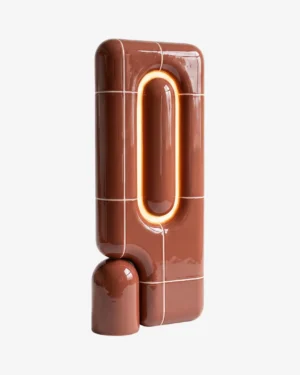
U-037 Table Lamp In Oxide Pla
By Rollo Studio
€940 -
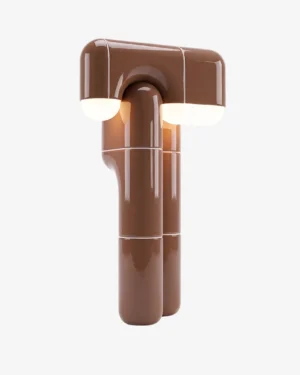
U – 016 – Table Lamp – Umber
By Rollo Studio
€1.380 -
 In stock
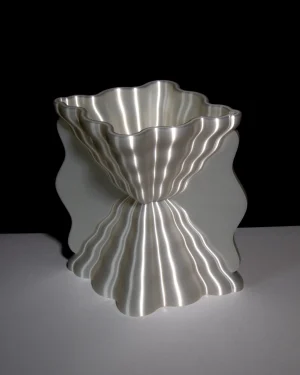
Grid Table Lamp In Cotton And Resin
By Basia Pruszyńska
€2.000 -
 In stock
Galéa Table Lamp in Bio Plastic
By Errance.
€250 -

Kalia Table Lamp in Glass and Resin
By Justyna Poplawska
€536 -
 In stock
Octopus Table Lamp in Bio Plastic
By Cornu Design
€100 -

Coralight Table Lamp in Bio Plastic
By Cornu Design
€129 -
 In stock
S 4 Table Lamp In Bio Polymer
By diploria studio
€275 -

Slotted Table Lamp in Acrylic and Metal
By Nolan Talbot-Kelly
€1.050 This product has multiple variants. The options may be chosen on the product page -

Mori Table Lamp in Bio Plastic
By Julie Mallet Studio
€146 -
 In stock
Nebula Table Lamp in 3D Printed PLA
By Cornu Design
€250 -

Beggar Table Lamp In Acrylic Resin
By Ieva Gudelaitytė
€400 -

Coralight Table Lamp in High Density Bio Polymer
By Cornu Design
€129 -
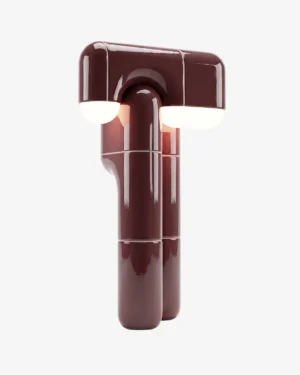
U-016 Table Lamp In Oxblood Pla
By Rollo Studio
€1.380 -
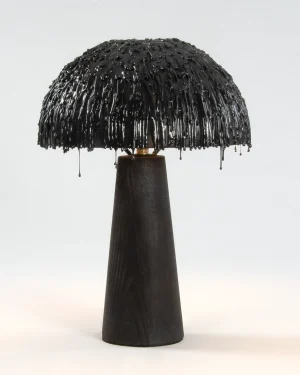
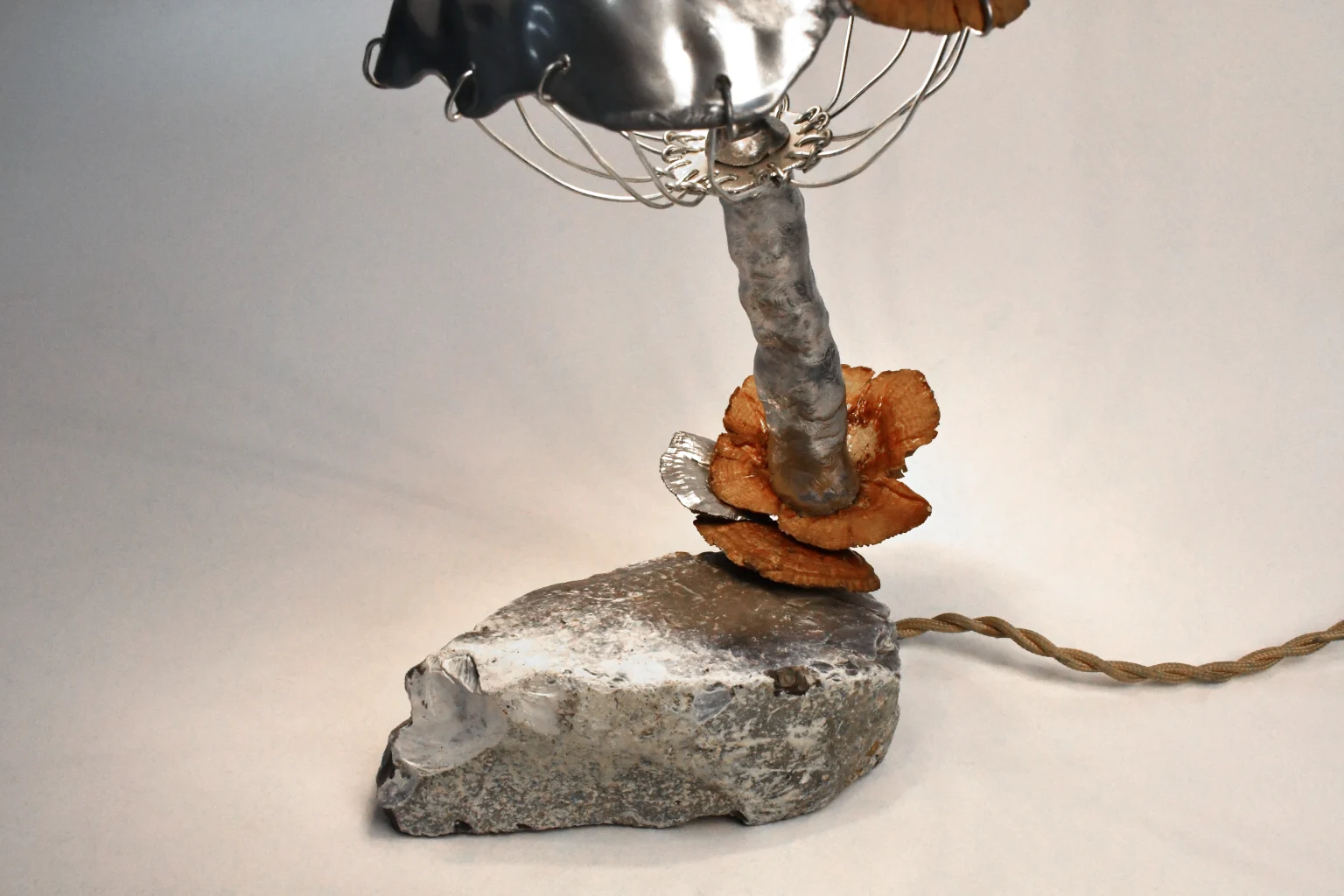
Leaky Lamp I Table Lamp in Ash Wood and Bioplastic
By Pablo Ejarque-González
€1.050 -
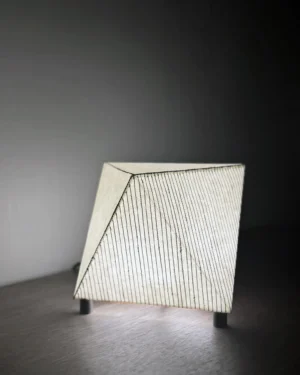
Biiit 007 Table Lamp In Paper And Brass
By Bo Ah Kim
€1.000 -
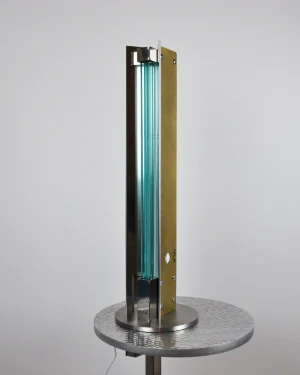 In stock
Ne600/145 Table Lamp in Brass and Blue Acrylic
By MLK Furniture
€1.190 -

Verve Green Table Lamp in Bio-based Resin
By Justyna Poplawska
€1.900 -
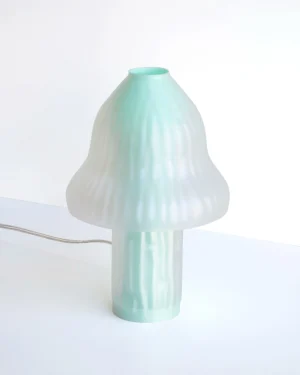 In stock
Lampamodelé Blue Table Lamp in 3D Printed PLA
By BehaghelFoiny Studio
€99 -
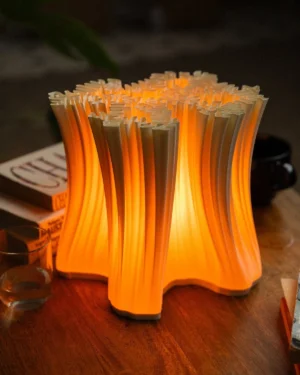 In stock
S 6 Table Lamp In Bio Polymer
By diploria studio
€295 -

Tap Table Lamp in Brass and Acrylic
By Nama Home
€3.505 -
 In stock
Lumière Feuillue Noctis Table Lamp In Petg
By Vlad Oganov Objects
€499 -
 In stock
Empilé Petit – Table Lamp In Black
By Vlad Oganov Objects
€299 -
 In stock
Ic-3 Table Lamp In Resin, Foam And Natural Fibers
By Studio Josha
€5.450 -

Pomy Table Lamp In Resin And Stainless Steel
By Nama Home
€2.320 -

Verve Mint Table Lamp In Bio-based Resin
By Justyna Poplawska
€1.900 -
 In stock
Nebula Table Lamp in Pink and Blue PLA
By Cornu Design
€250 -

Alma Table Lamp in Brass and Perspex
By MESEME by Riya Panchal
€1.215 This product has multiple variants. The options may be chosen on the product page
Plastic table lamps take their shape from a material that can be molded, cast or printed into forms that glass, wood or metal cannot easily hold, which is why this group of lighting tends toward silhouettes other techniques would struggle to produce. Studios working in this area use 3D printing, digital fabrication, resin casting and hand assembly, often choosing recycled or bio-based polymers alongside standard resin. The results range from open editions produced in small batches to unique pieces finished and assembled by hand.
What plastic brings to a table lamp
Plastic is light, which means a tall lamp can stand on a narrow base without tipping, and a shade can extend further from its stem than a ceramic or stone equivalent would allow. It takes color evenly and holds it, so a shade in transparent resin, aqua green or off-white stays consistent across its whole surface rather than varying like a glaze. The material also diffuses light differently depending on thickness and finish: a solid colored shell throws a pool of light downward, while a translucent or frosted surface lets the bulb glow through the whole form.
Finishes and techniques found in this group
Within plastic table lamps, the range on ADORNO spans several ways of working the material. Some studios 3D print lamps layer by layer, leaving a visible ribbed texture that reads as deliberately digital. Others cast resin into molds, producing a smoother, denser body that can be tinted transparent, black, white, silver or copper. Hand assembly joins printed, cast or molded parts into a finished lamp, and this is where studios working toward sustainability favor recycled plastic over virgin resin.
- Transparent, black, off-white, white, copper, silver, aqua green and ivory finishes
- Styles spanning contemporary, minimalist, futuristic, neo-industrial, sustainable, Art Deco and Space Age forms
- Open editions and unique pieces, depending on the studio's process
Choosing scale, height and placement
A plastic table lamp's low weight makes it easy to move, but scale still matters more than material. On a side table next to a sofa, a lamp should sit roughly at or just above seated eye level so the light falls without glare. On a console or sideboard, taller forms read better, since the surrounding wall gives the shape room to stand on its own. Where a desk is the setting, a smaller, more direct lamp usually serves the work better than a sculptural one.
Finish affects how a lamp behaves in a room as much as shape does. A transparent or pale shade recedes against most backgrounds and reads as part of the light itself, while a solid black or copper-toned shell acts as a distinct object even when it is switched off. For anyone weighing plastic against other materials, the full range of table lamps on ADORNO makes the contrast easier to see, including metal table lamps for a heavier, cooler alternative.
Where these lamps work
Plastic table lamps suit rooms where a lamp needs to be moved often or where a strong, graphic shape is wanted without the weight of stone or cast metal. A living room benefits from one on a side table or console, where it adds a second, lower source of light than the ceiling fixture. In a bedroom, a lighter plastic base is easier to shift between a nightstand and a shelf. Home offices gain from the material's precision: printed and molded shades can direct light in ways softer materials cannot.
Caring for a plastic table lamp
Most plastics used in these lamps need only a wipe with a dry or slightly damp cloth, since the surface does not absorb dust or oil the way porous materials do. Direct, sustained sunlight can yellow some resins over years, so a spot out of constant glare keeps color stable longer. Avoid solvents or abrasive cleaners, which can dull a polished finish or cloud a transparent one. Studios working in contemporary and minimalist table lamps often favor finishes chosen precisely because they resist this kind of wear, and the same holds across the wider plastic lighting available beyond table lamps, as well as within contemporary table lamps more broadly. For a closer look at the material itself across other kinds of pieces, the full range of plastic design on ADORNO shows how far the same techniques extend beyond lighting alone.
How do I choose a plastic table lamp?
Consider the light's purpose first: a diffused, translucent shade softens a room, while an opaque or colored body reads more as an object. Match the form to the surface it will sit on, and check the maker's page for exact output and fitting details.
How do you clean and care for a plastic table lamp?
Wipe with a soft, dry or slightly damp cloth; avoid solvents or abrasive cleaners, which can dull or scratch the surface. Keep away from direct, prolonged heat, since some plastics soften or discolor under it.
What size table lamp should I get?
A table lamp's base should sit comfortably within the surface it stands on, with the shade or light source roughly at seated eye level for reading light. For exact dimensions on a specific piece, chat with the maker on its page.
Which rooms suit plastic table lamps?
Their light weight and resistance to moisture make them practical for living rooms, bedrooms, offices and even bathrooms or kitchens, where heavier materials like marble or ceramic are less forgiving near water or daily handling.
Are plastic table lamps durable?
Quality plastics resist chipping and shattering better than glass or ceramic, though prolonged sun exposure can yellow or weaken some types over time. Keeping them out of direct, constant sunlight preserves their color and structure.
What about shipping, returns and authenticity when buying from ADORNO?
Shipping is insured and sent worldwide. Returns are accepted within 14 days, excluding made-to-order pieces, and every lamp arrives with a certificate of authenticity, backed by a lowest-price guarantee.