Updated on: November 6, 2026
A room without a sculpture is a sentence without punctuation.
A sculpture changes how a room feels. It gives the eye somewhere to rest, adds texture and shadow, and says something personal about the people who live there. Unlike furniture, it does not need to do anything; it only needs to be looked at.
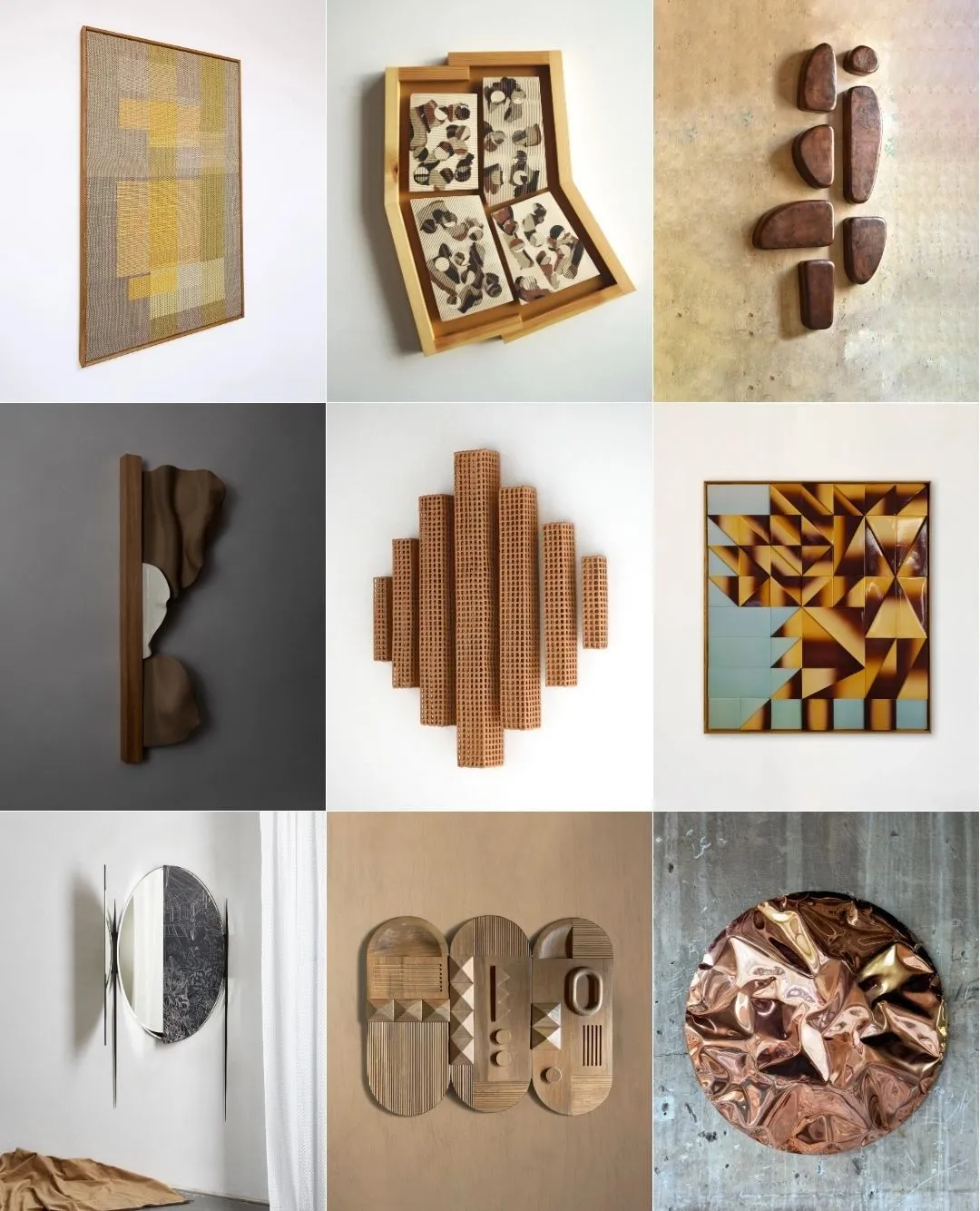
This gallery brings together twenty sculptures by independent artists and designers, in ceramic, glass, stone, wood and more. Browse by material, then click any piece to see it in detail.
How to choose sculptures for your home
Start with scale. A tall floor piece anchors an empty corner, while smaller works suit shelves, consoles and coffee tables. Next, consider material: ceramic and stone feel grounded, glass plays with light, and wood brings warmth. Finally, give each piece space, ideally on a pedestal or an uncluttered surface, and light it from the side to reveal texture. For more open-ended forms, see our guide to abstract sculpture.
Ceramic sculptures
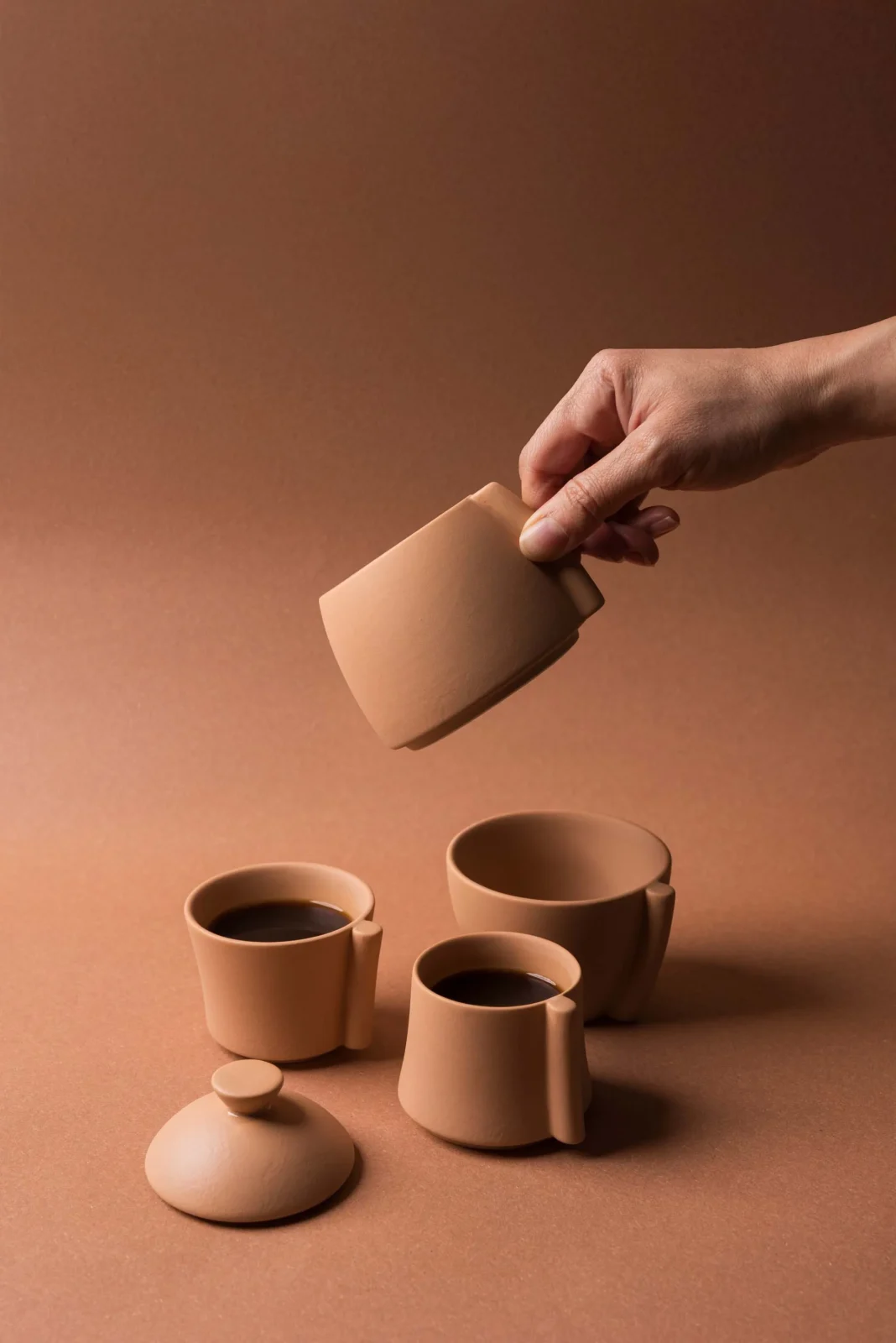
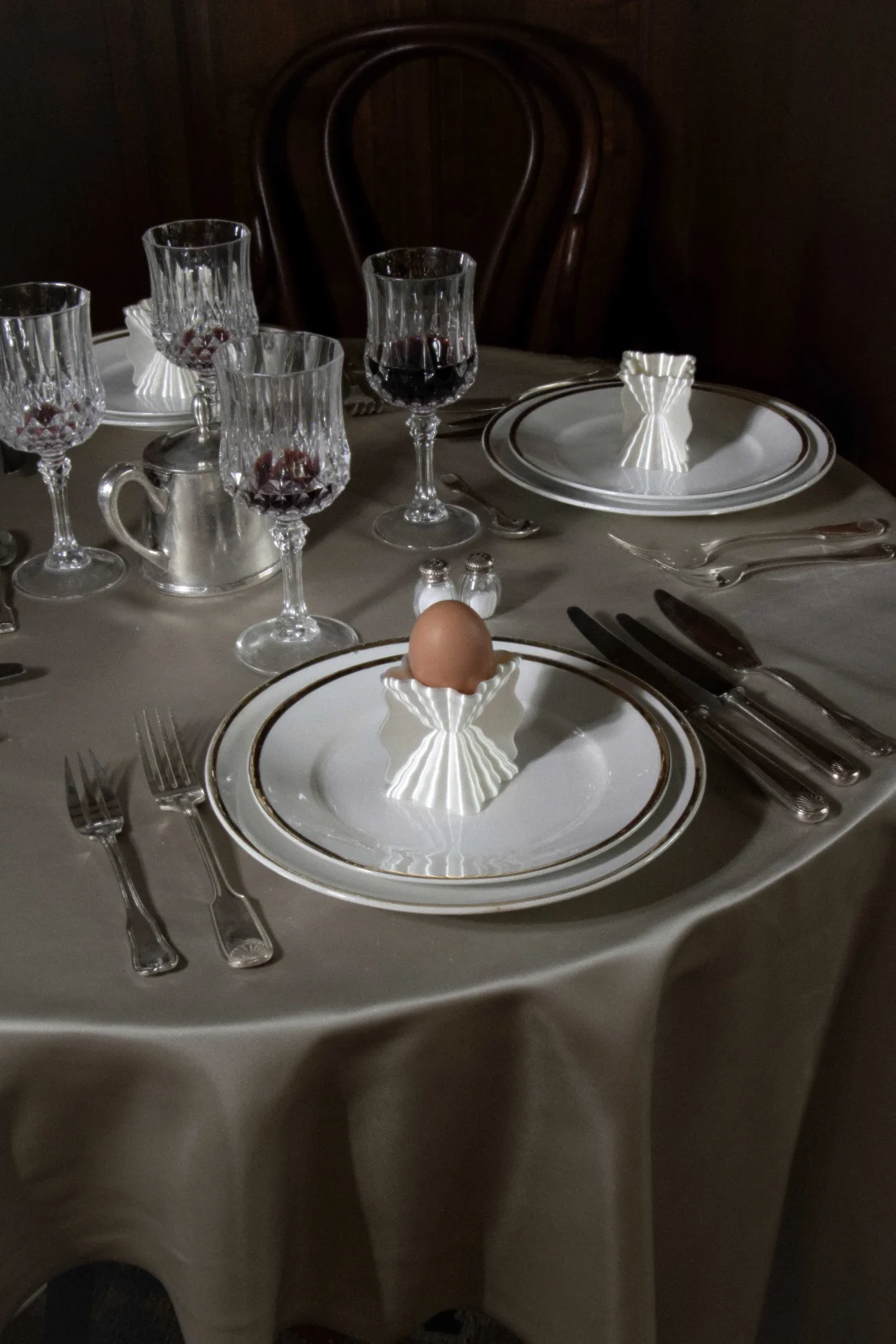
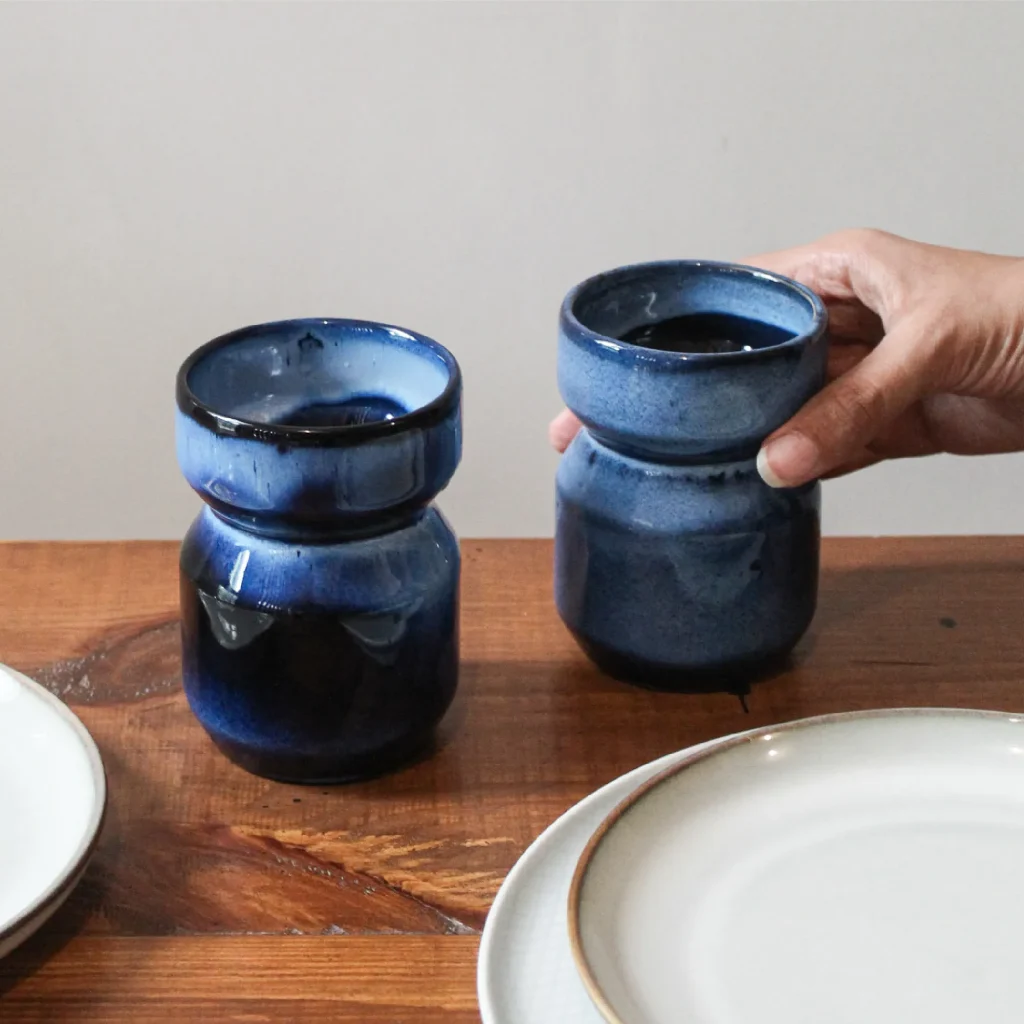
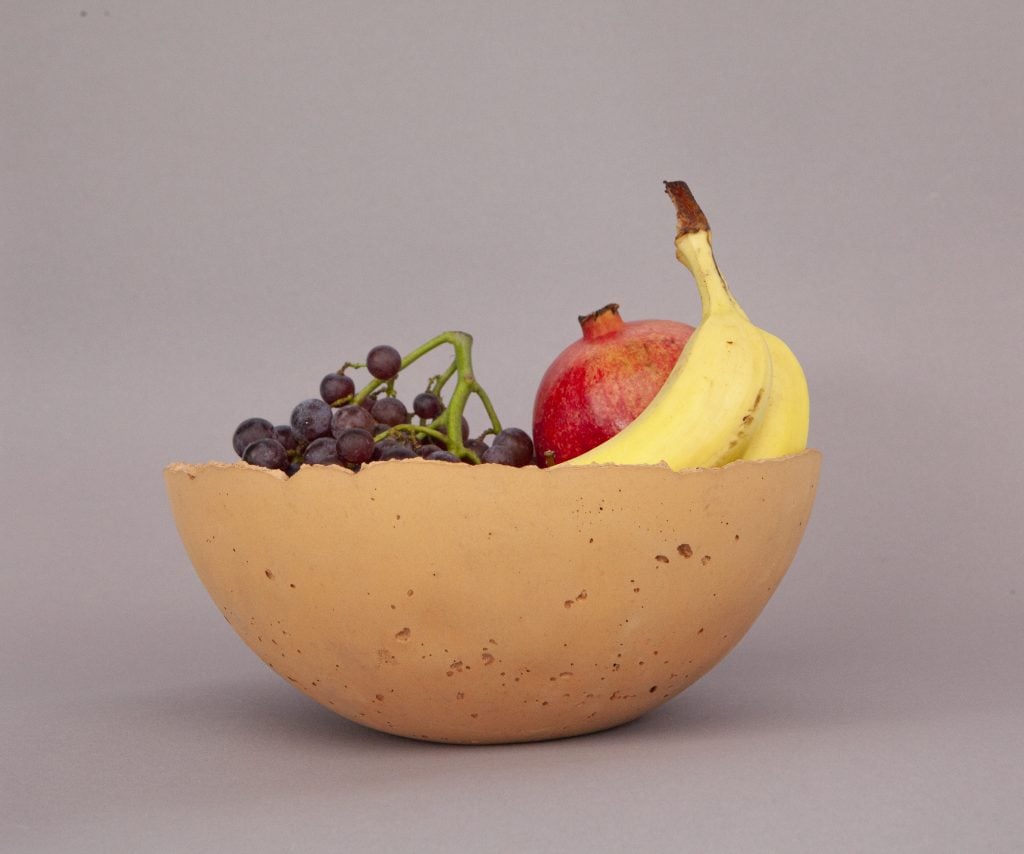
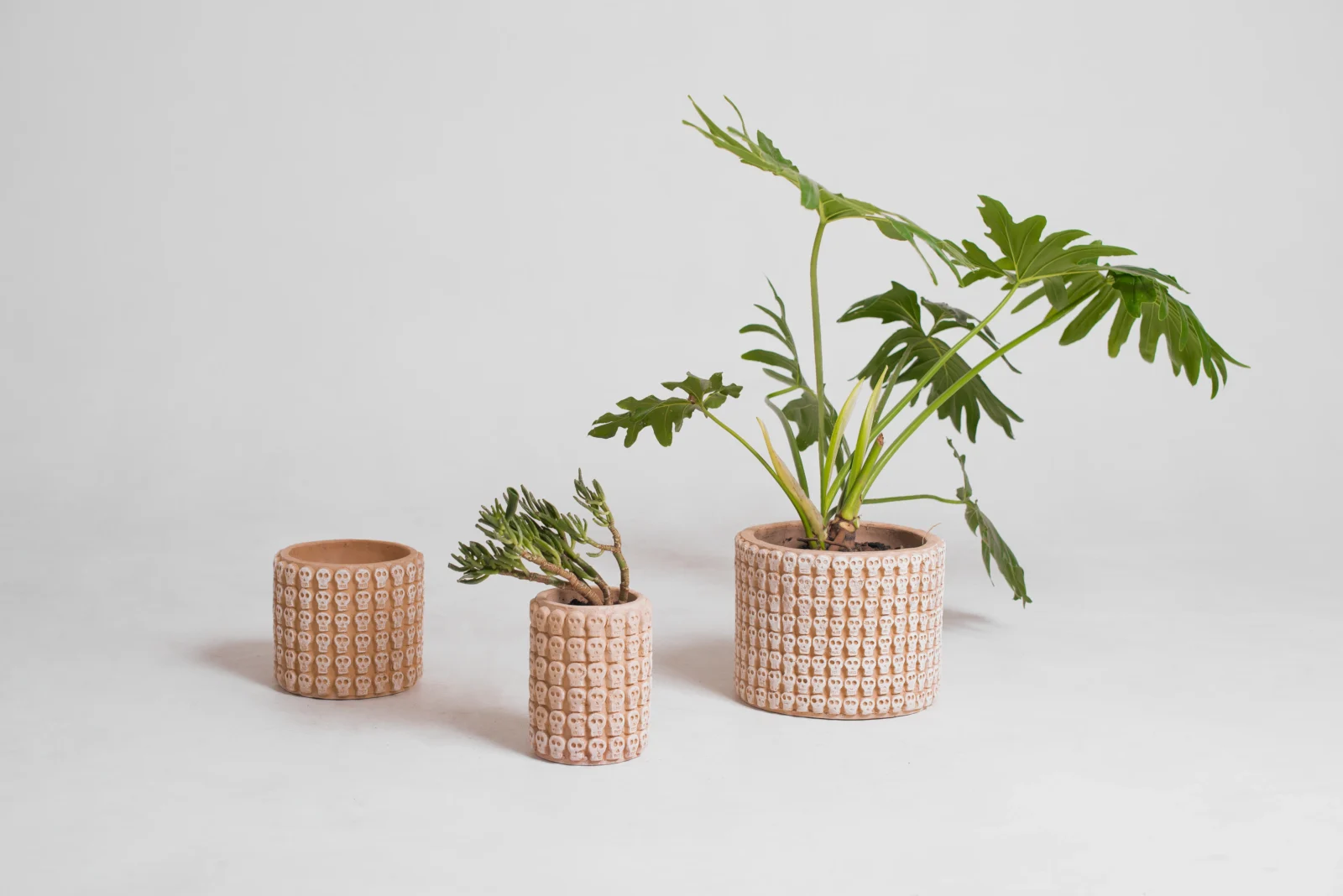
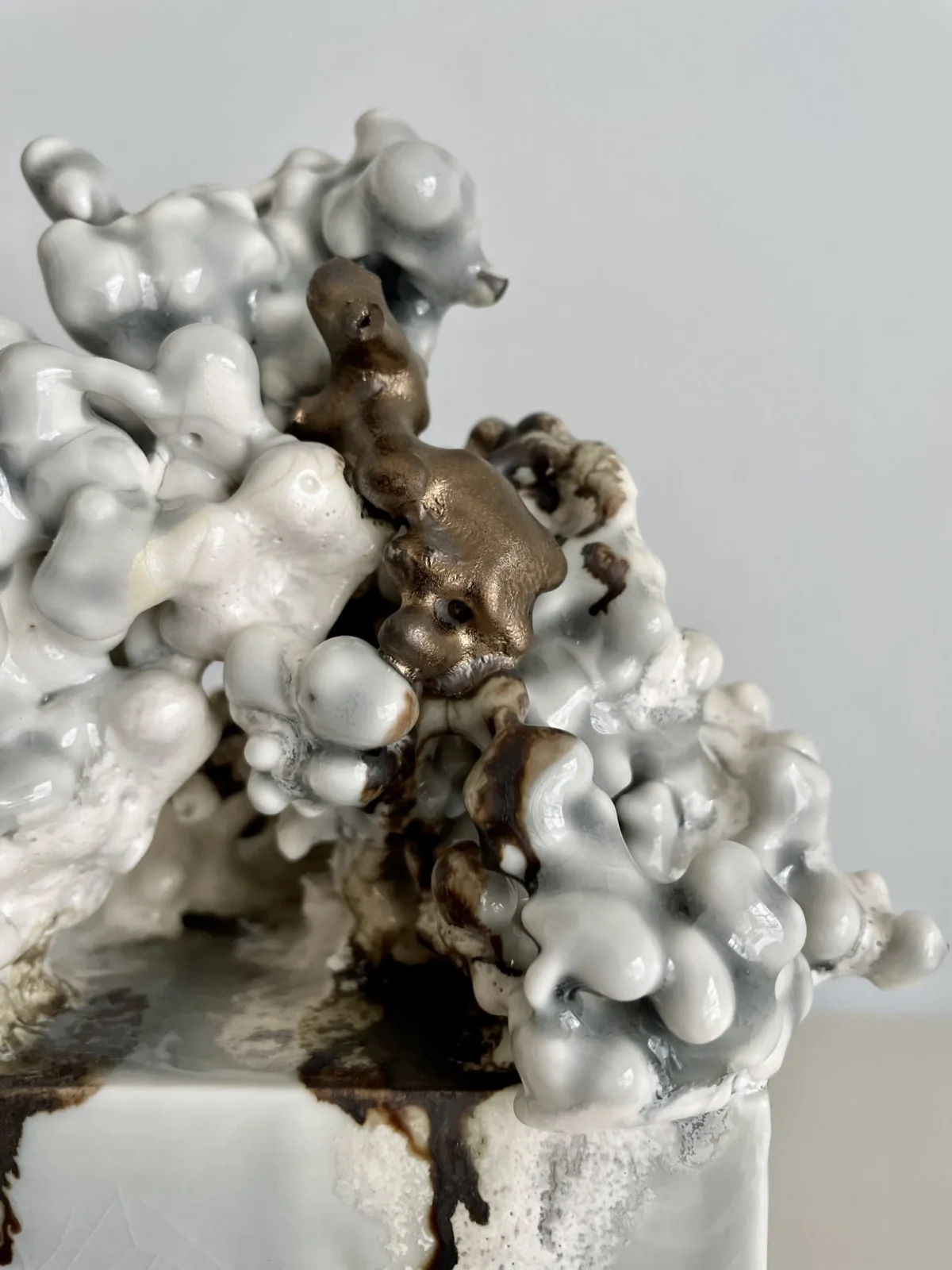
Clay records every touch, so ceramic sculpture feels especially personal, from hand-coiled stoneware to 3D-printed porcelain.
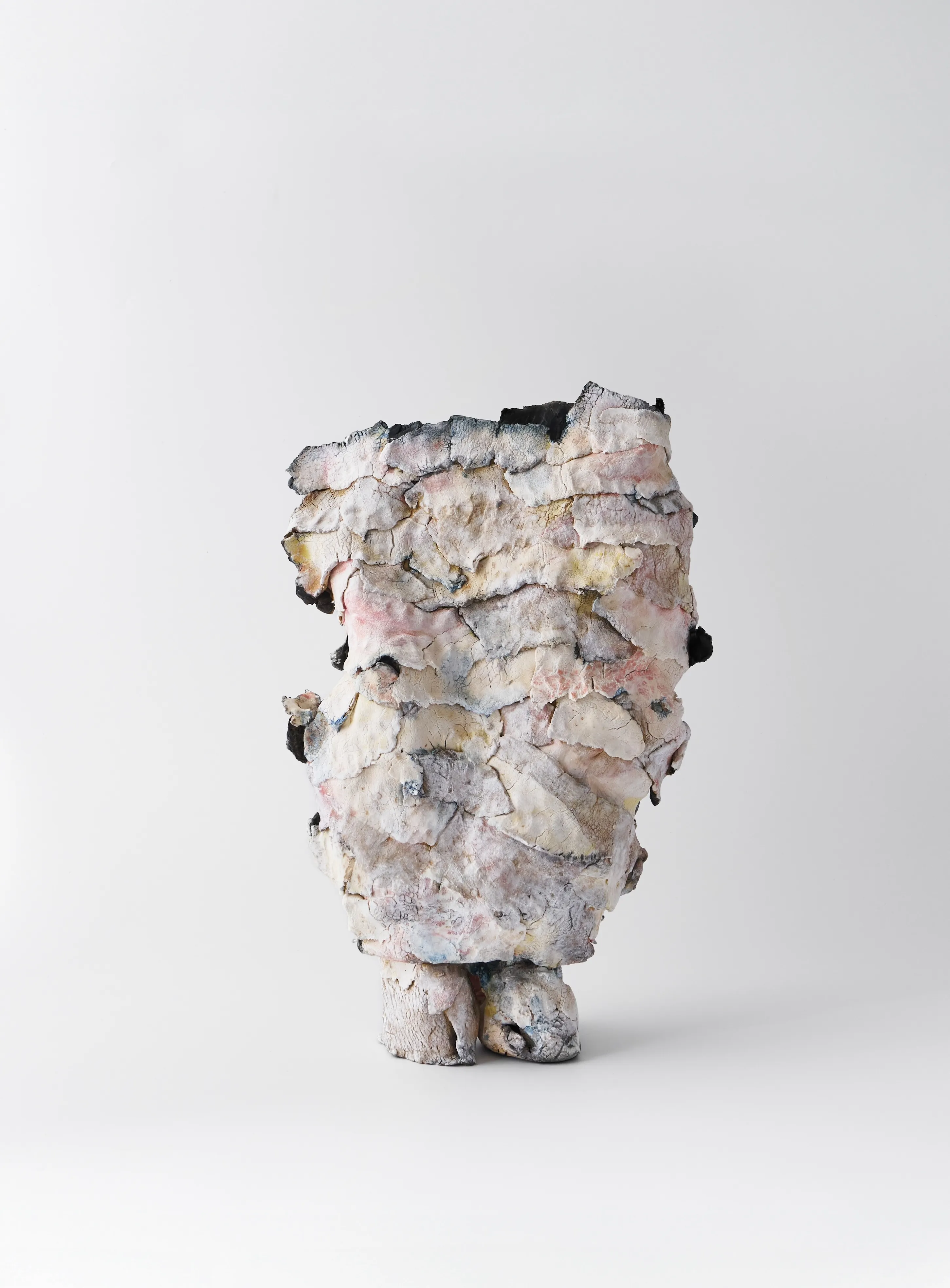
Not Yet Ceramics · €800
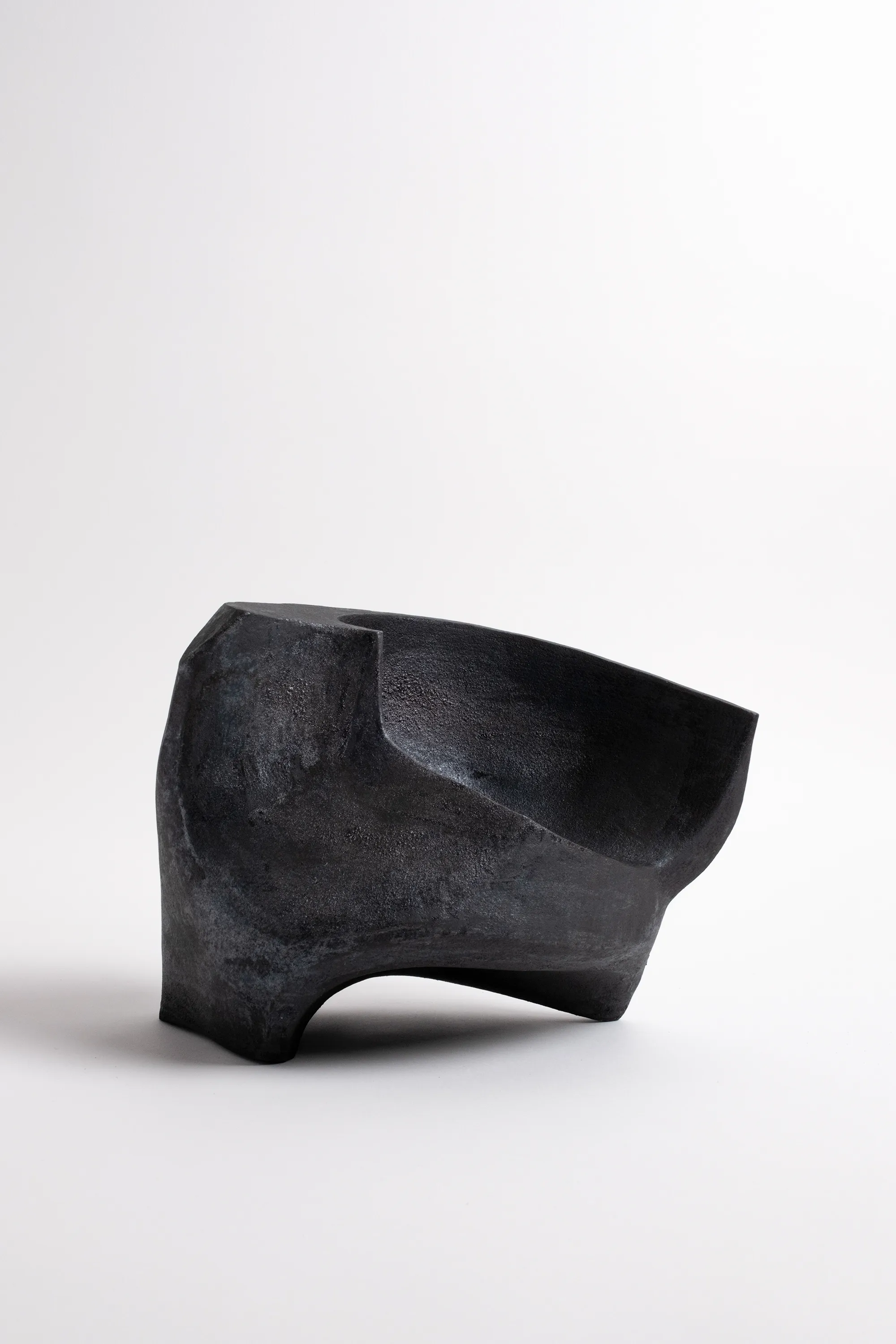
Stella Arion · €3.100
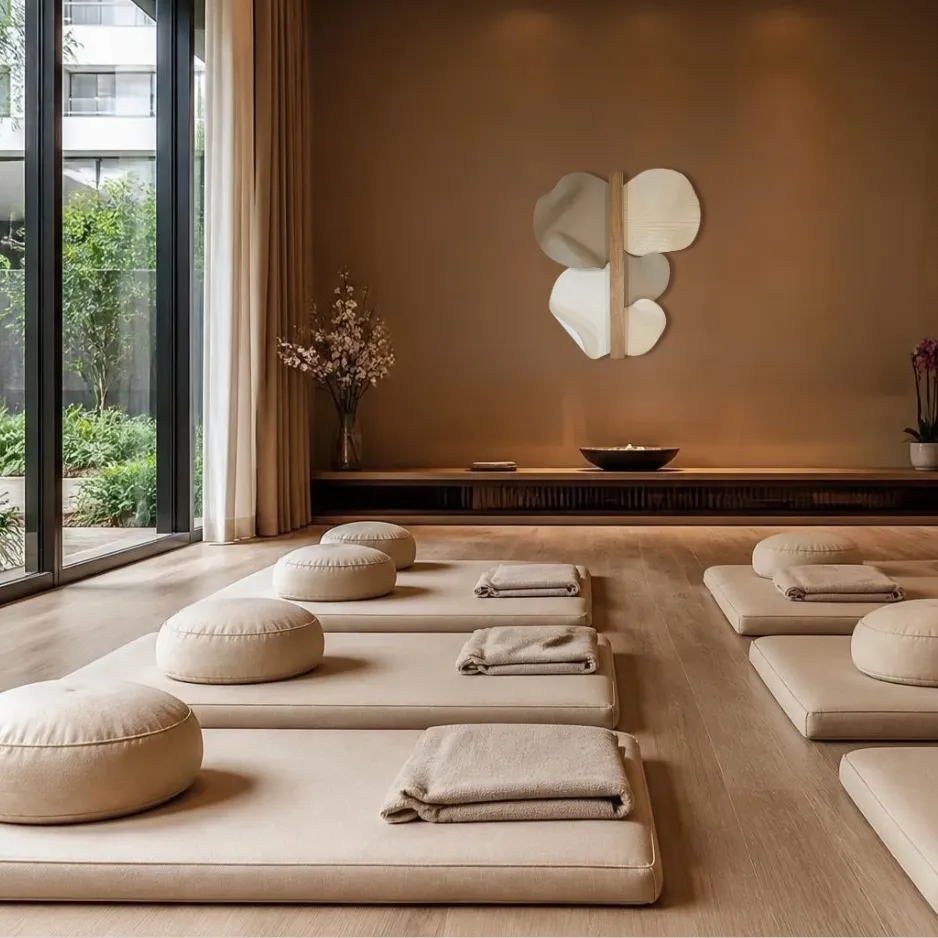
Studio Ēeme · €3.209
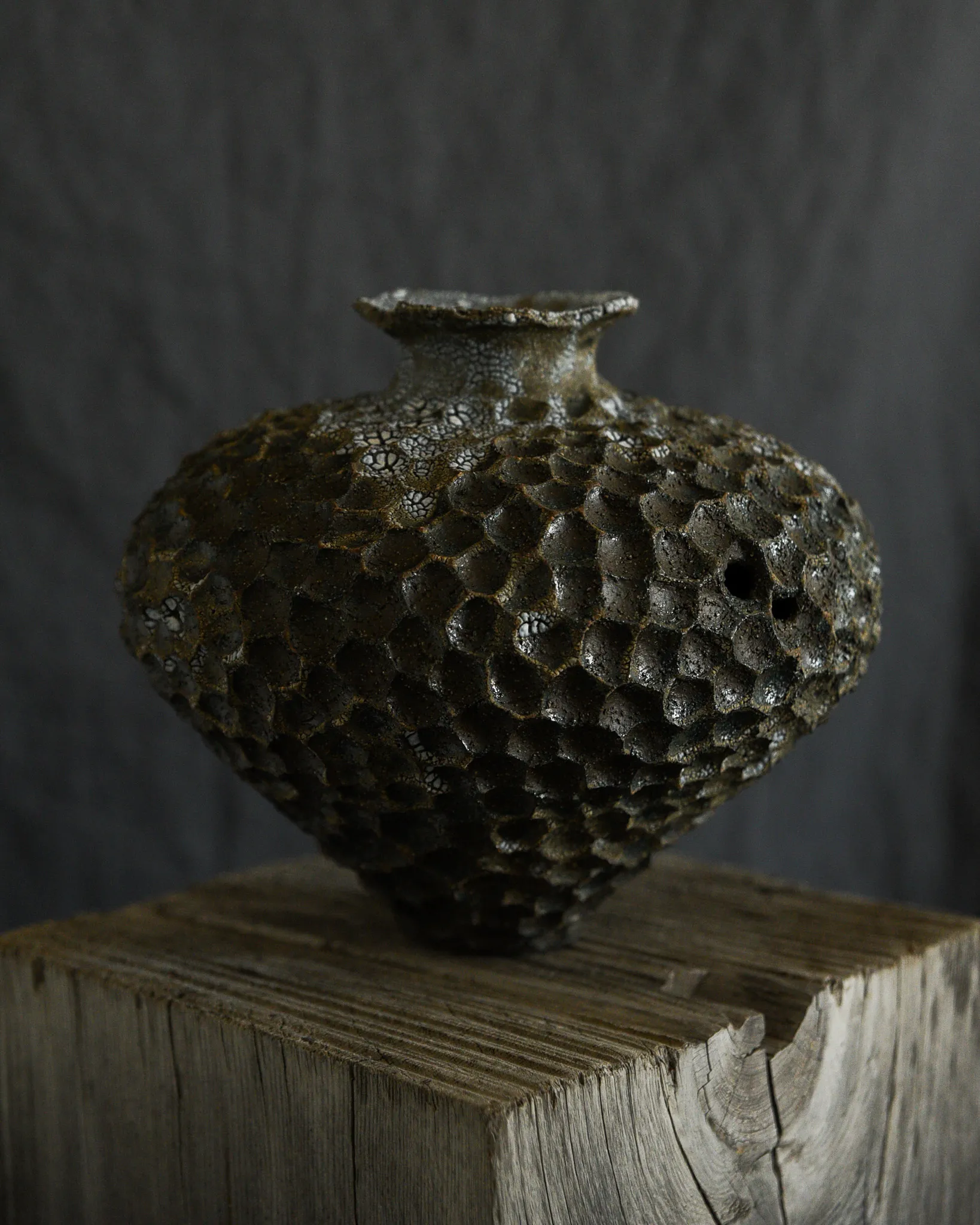
Alex Roby Design · €988

Marie-Marie Defour · €260

maiizen · €900

SK – Sofia Karnukaeva · €1.900

Daniel Elkayam · €820
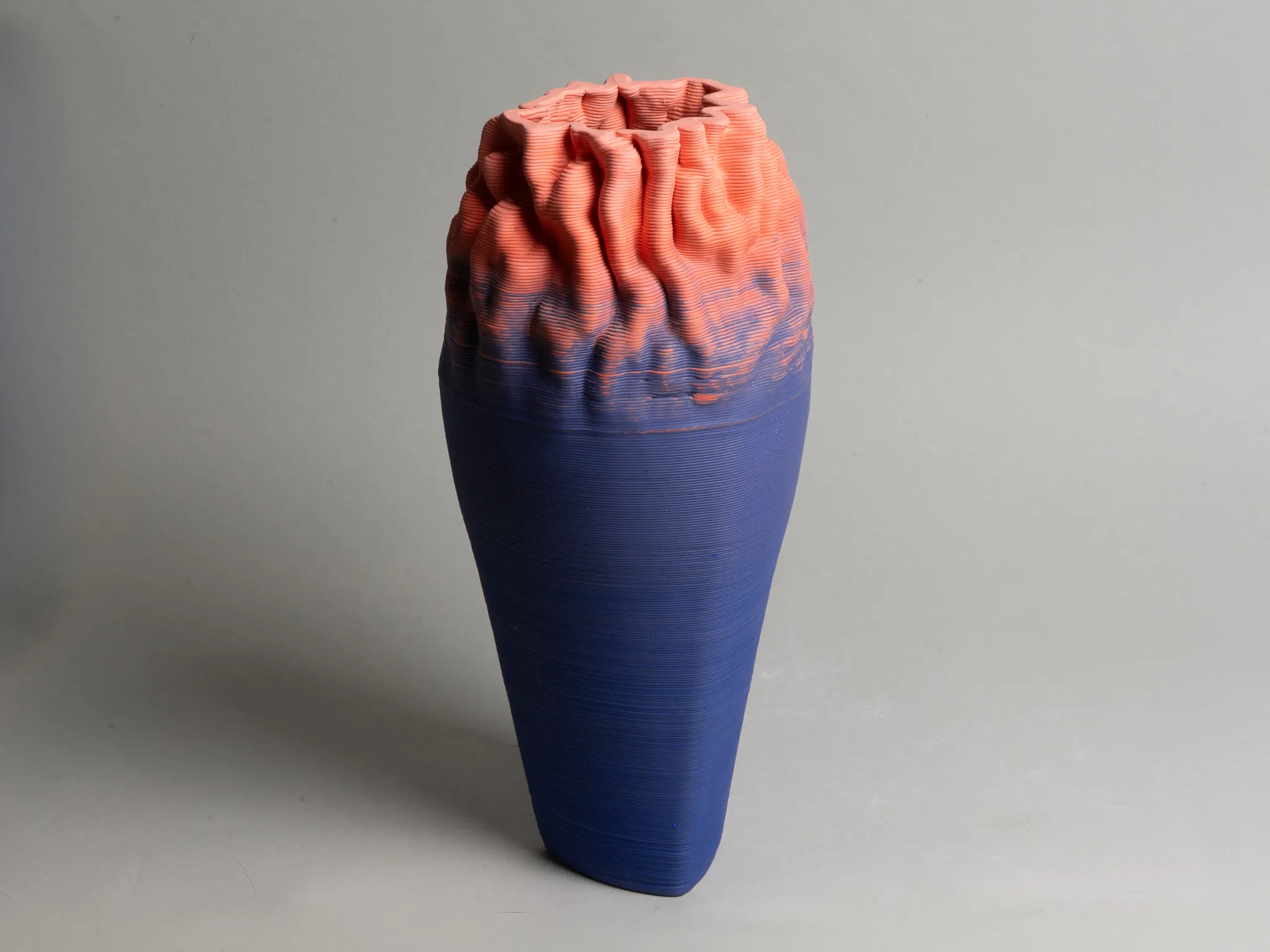
Layered Ceramics Studio · €976
Glass sculptures
Glass catches and bends light, so these pieces change throughout the day, from hand-cut Czech crystal to flameworked borosilicate.
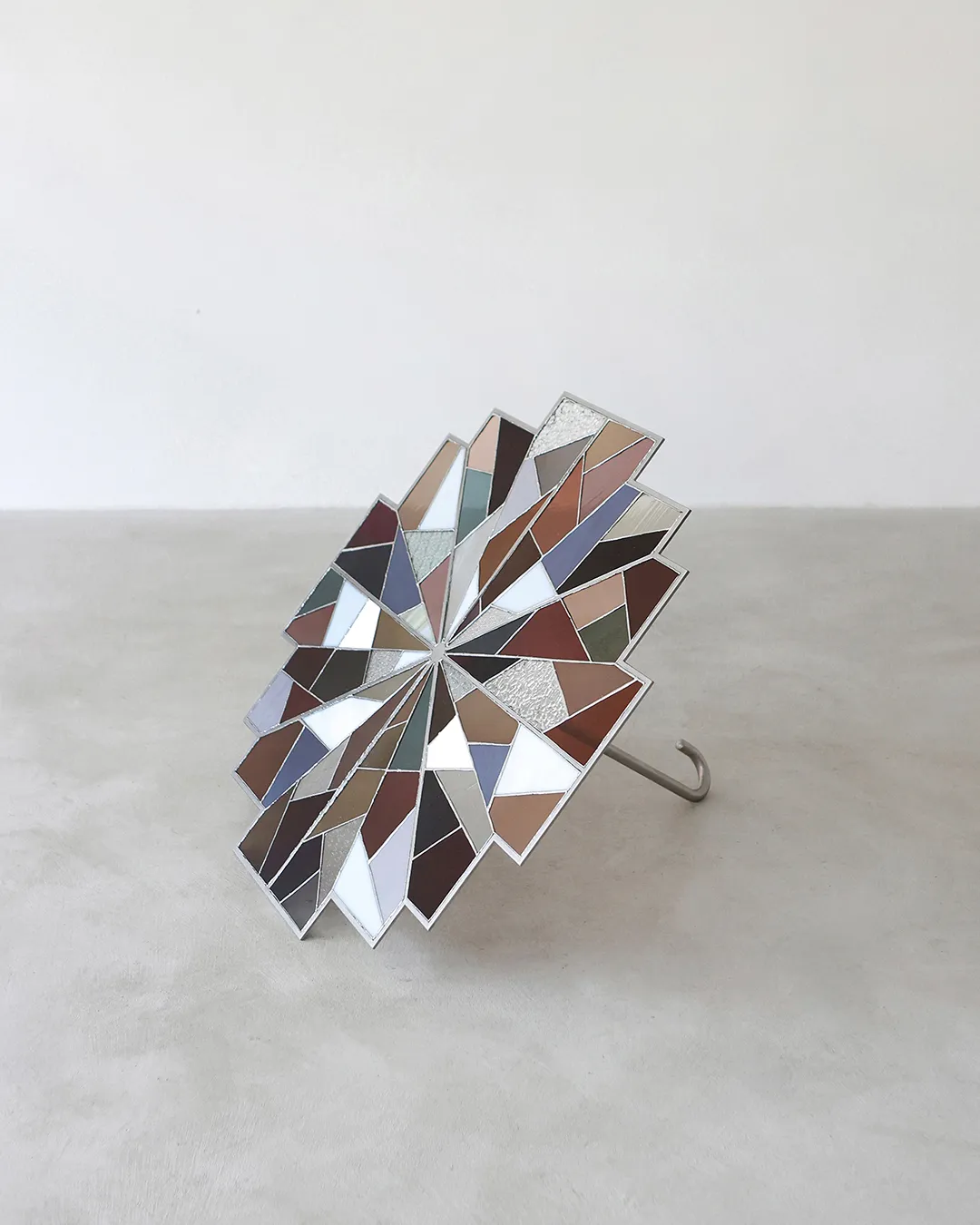
Undress House · €6.800
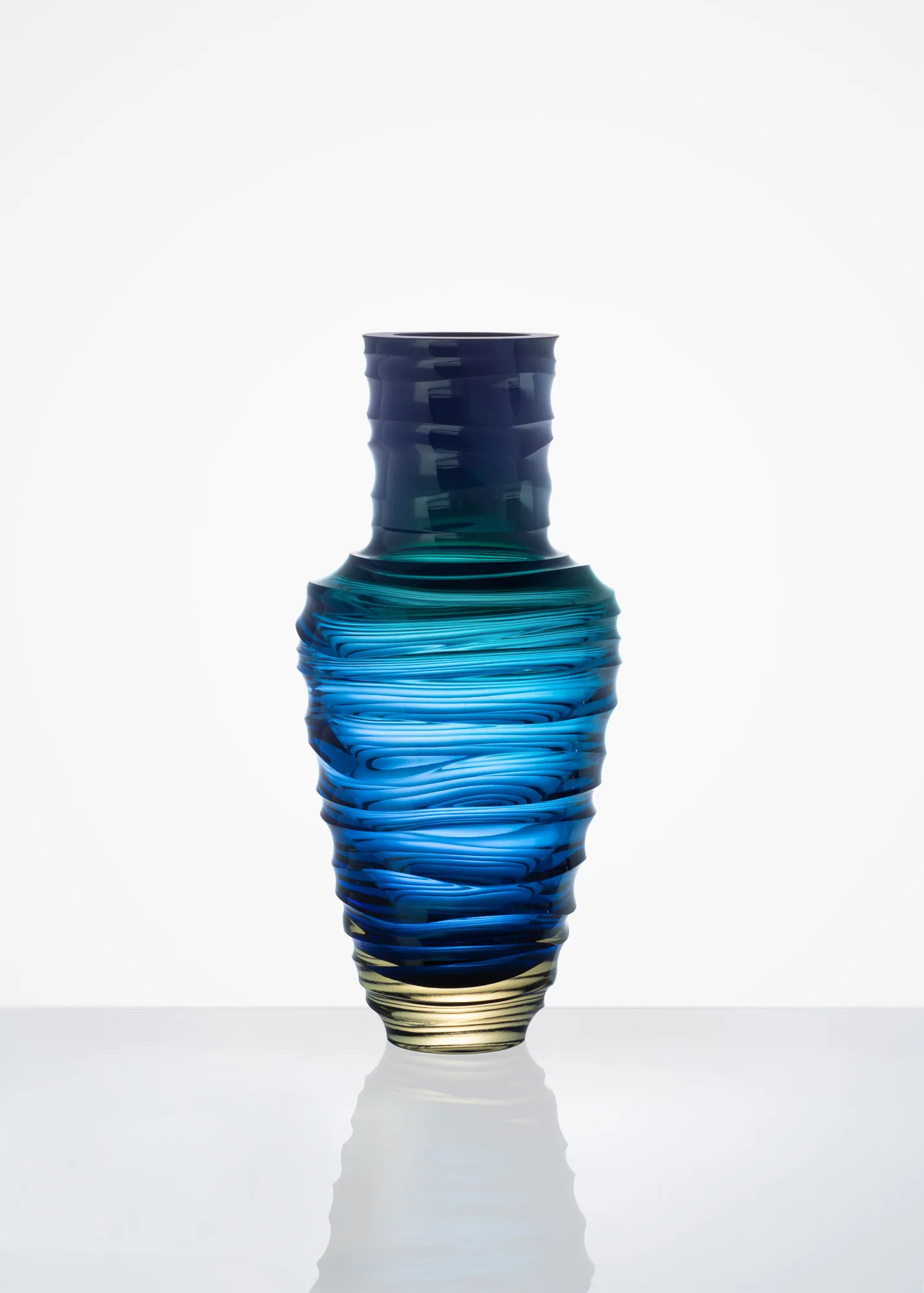
Frantisek Jungvirt · €7.300
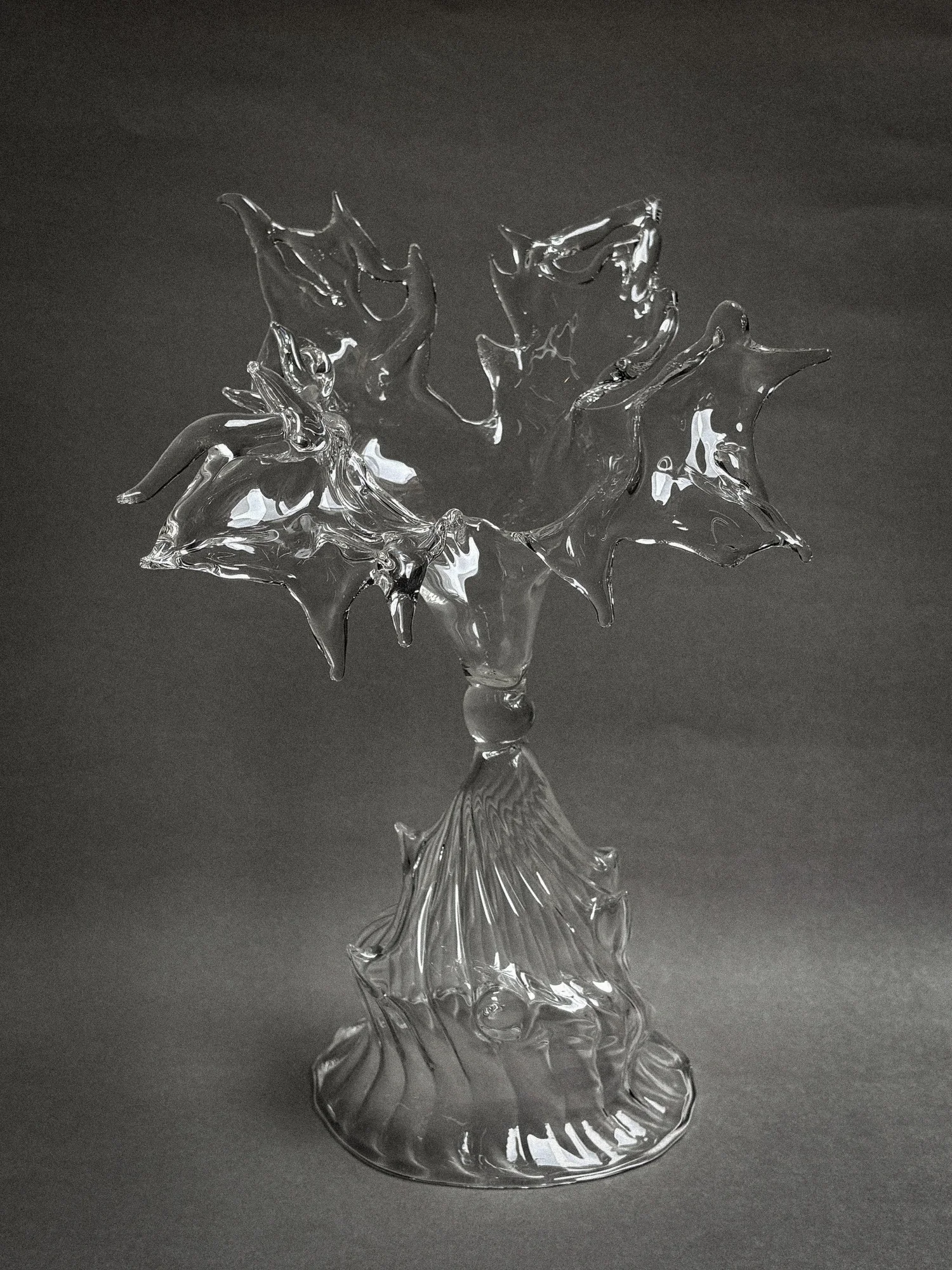
PIA GLASSWORKS · €550

Anna Jožová · €2.100
Stone, wood and mixed-media sculptures
Onyx, carved wood, plaster and slate bring weight and texture, turning a wall, floor or tabletop into a focal point.
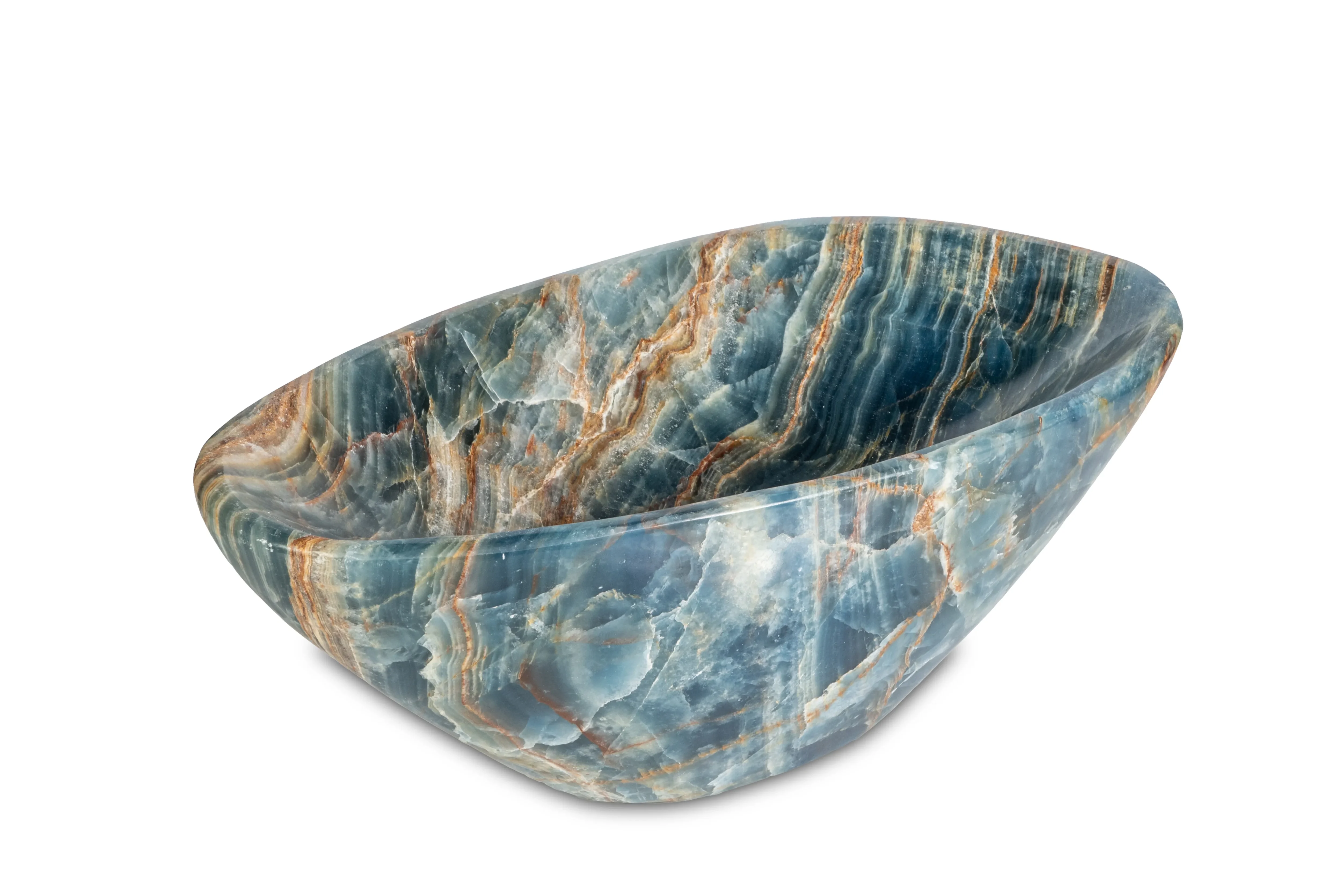
Maison Aetherion · €14.400
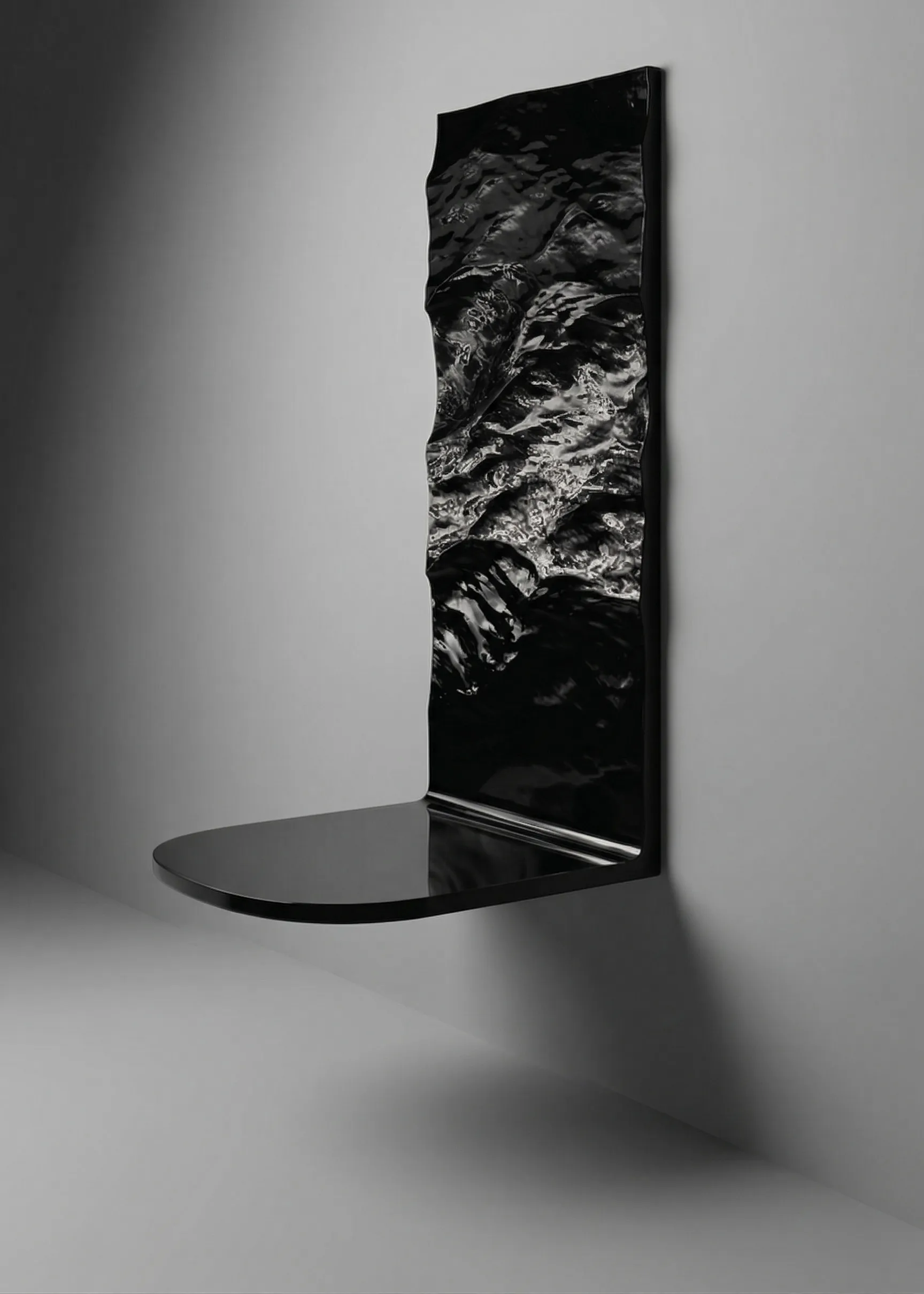
Arbore x Cezar Moldovan · €9.830

WANNAS · €16.200
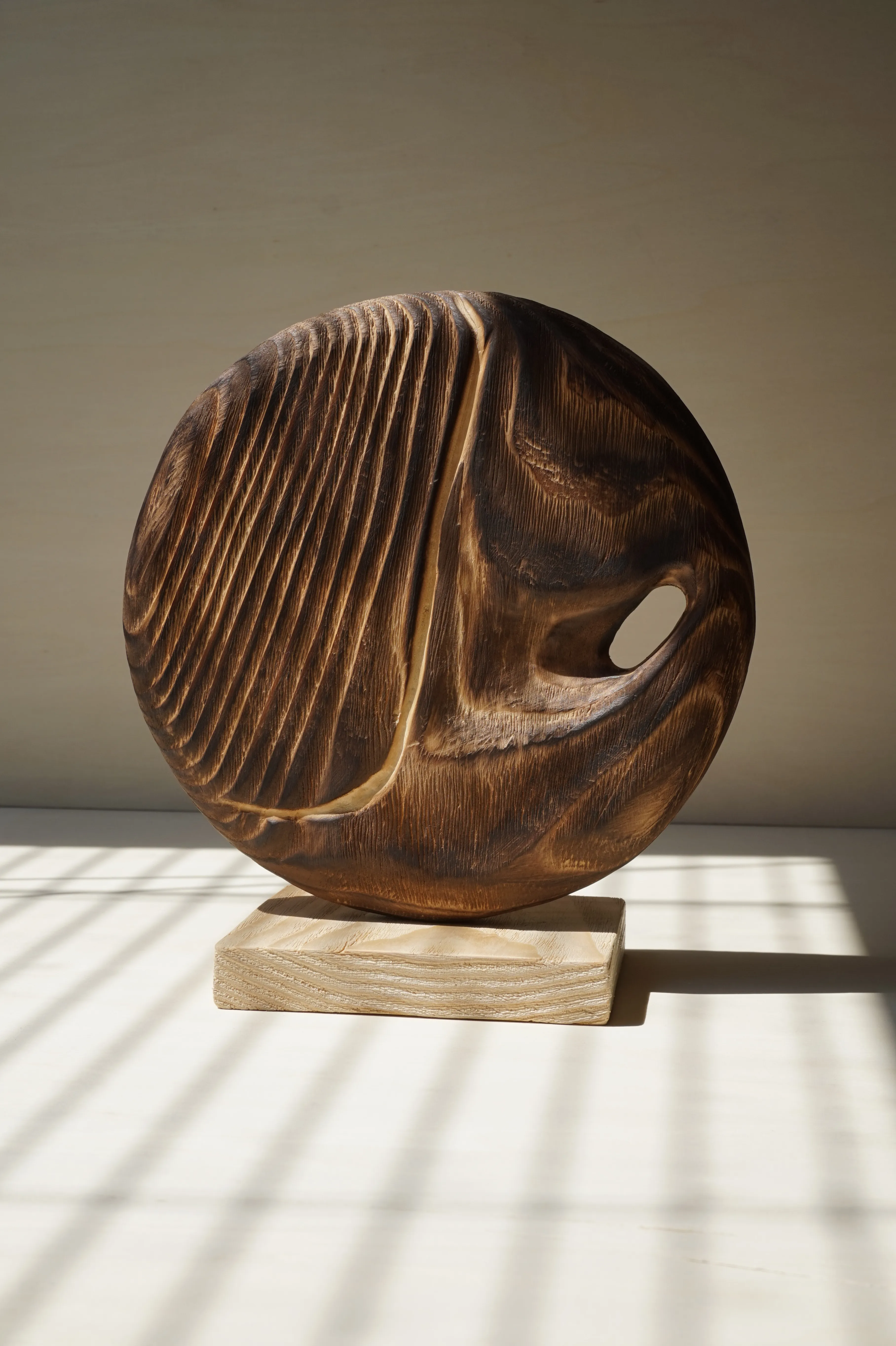
SOLATERRE · €564
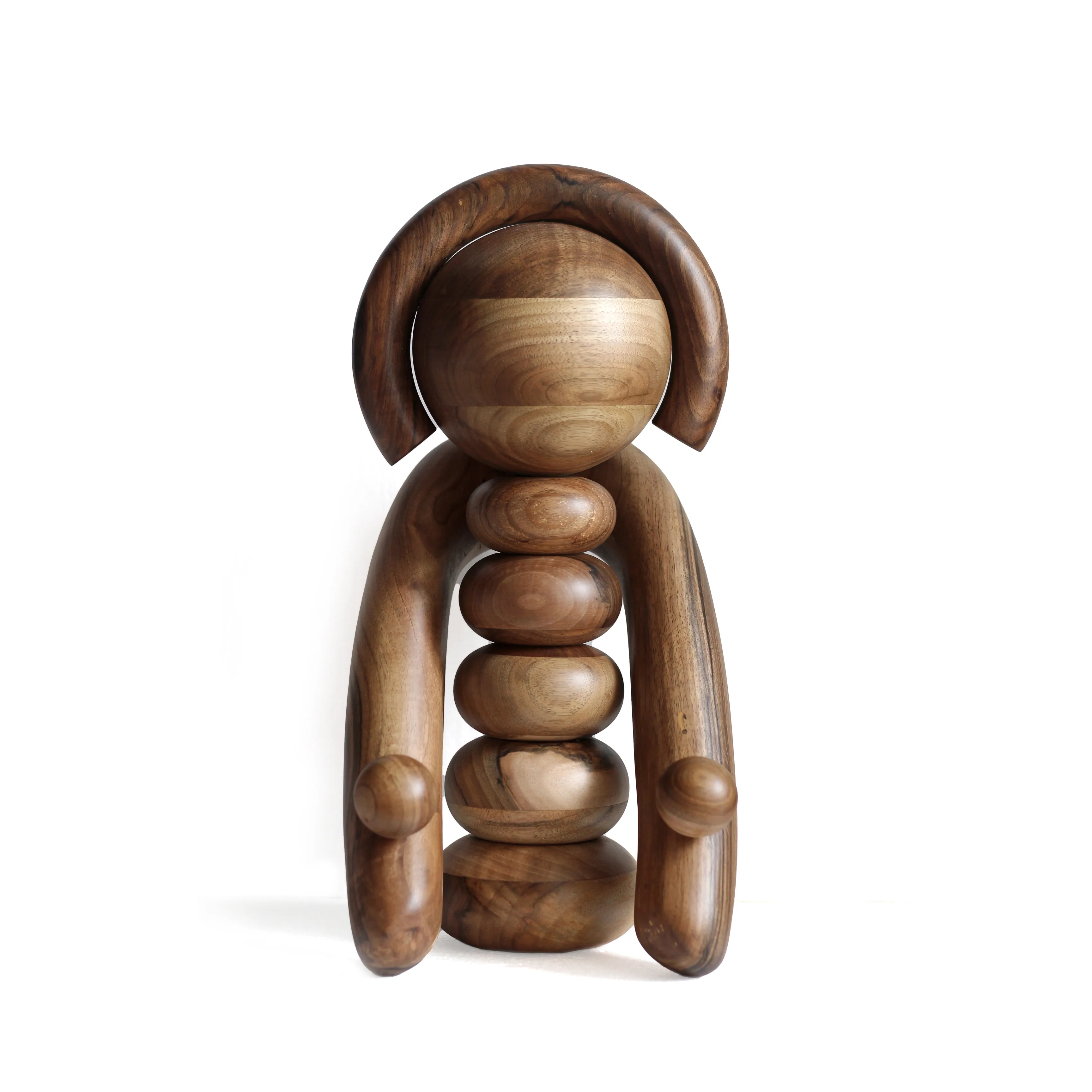
ZEMNA · €530

Sacha Parent & Valentine Tiraboschi · €800

Lucas Muñoz Muñoz · €2.000
Frequently asked questions
Where should I place a sculpture at home?
On a pedestal, console, shelf or coffee table where it can be seen from several angles, or on the floor for larger pieces. Side lighting helps reveal texture.
How many sculptures should a room have?
Usually one focal piece per surface or wall is enough. Group two or three small works of different heights for a layered vignette.
What materials are best for decorative sculpture?
Ceramic, stone and wood are durable and tactile; glass adds light and color. Choose a material that contrasts with nearby furniture so the sculpture stands out.
Are handmade sculptures one of a kind?
Most of the pieces here are handmade or produced in small editions, so each one varies slightly in form, glaze or grain.
How do I care for sculptures?
Dust with a soft, dry cloth or brush. Keep glass and ceramics away from sudden temperature changes, and avoid harsh cleaners on stone and wood.
A home with something to look at
The right sculpture gives a room a point of view. Browse the full selection to find a piece that speaks to you.