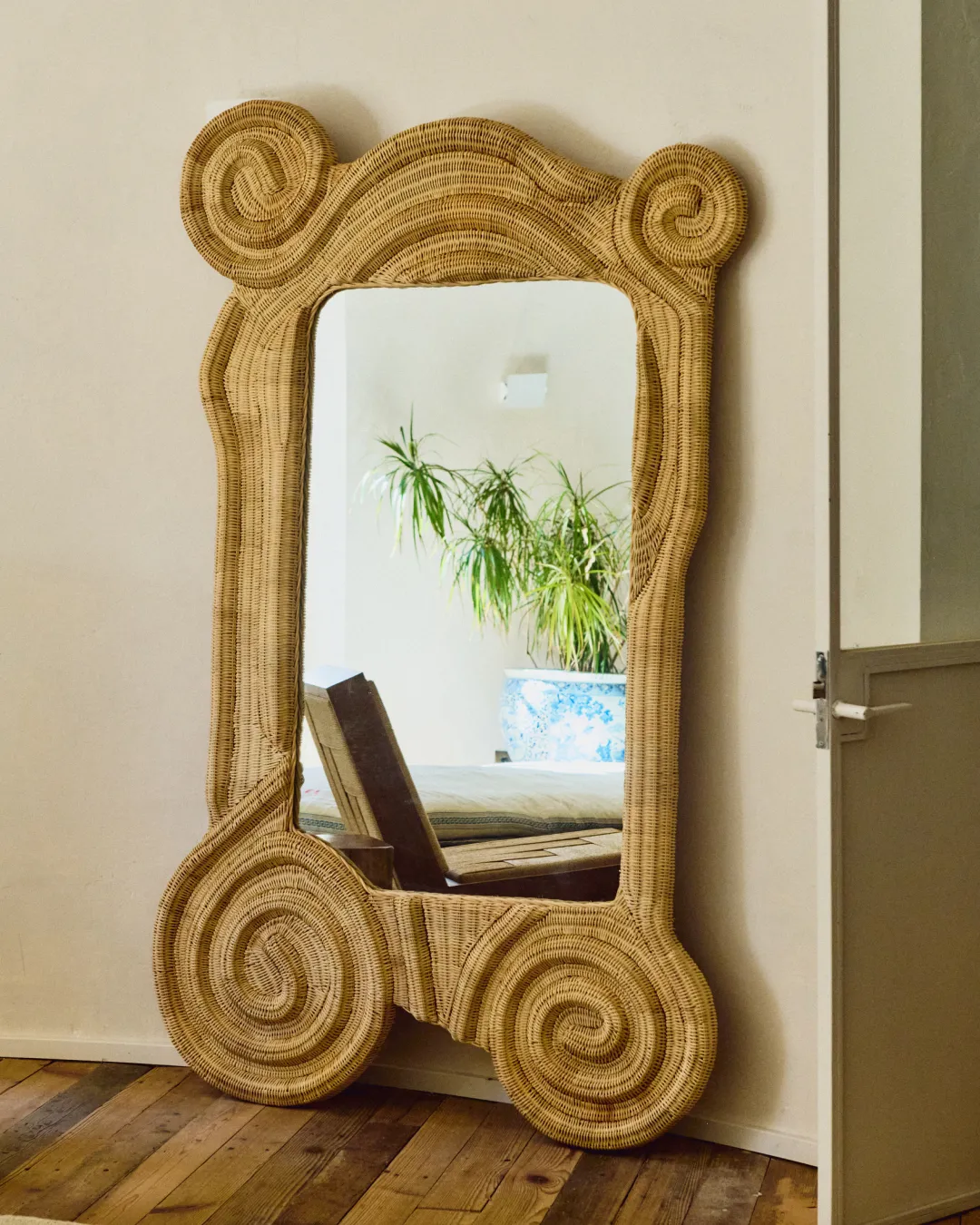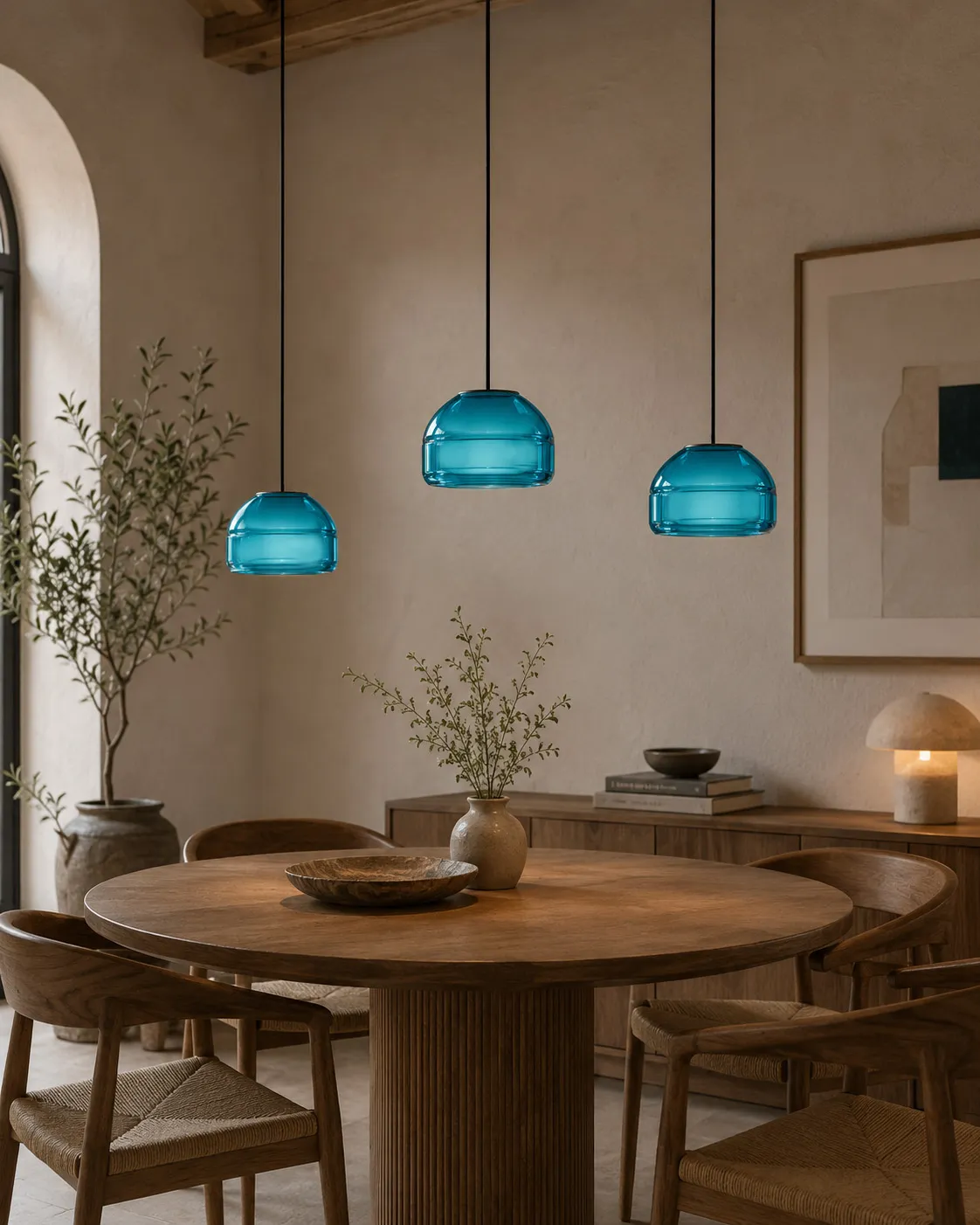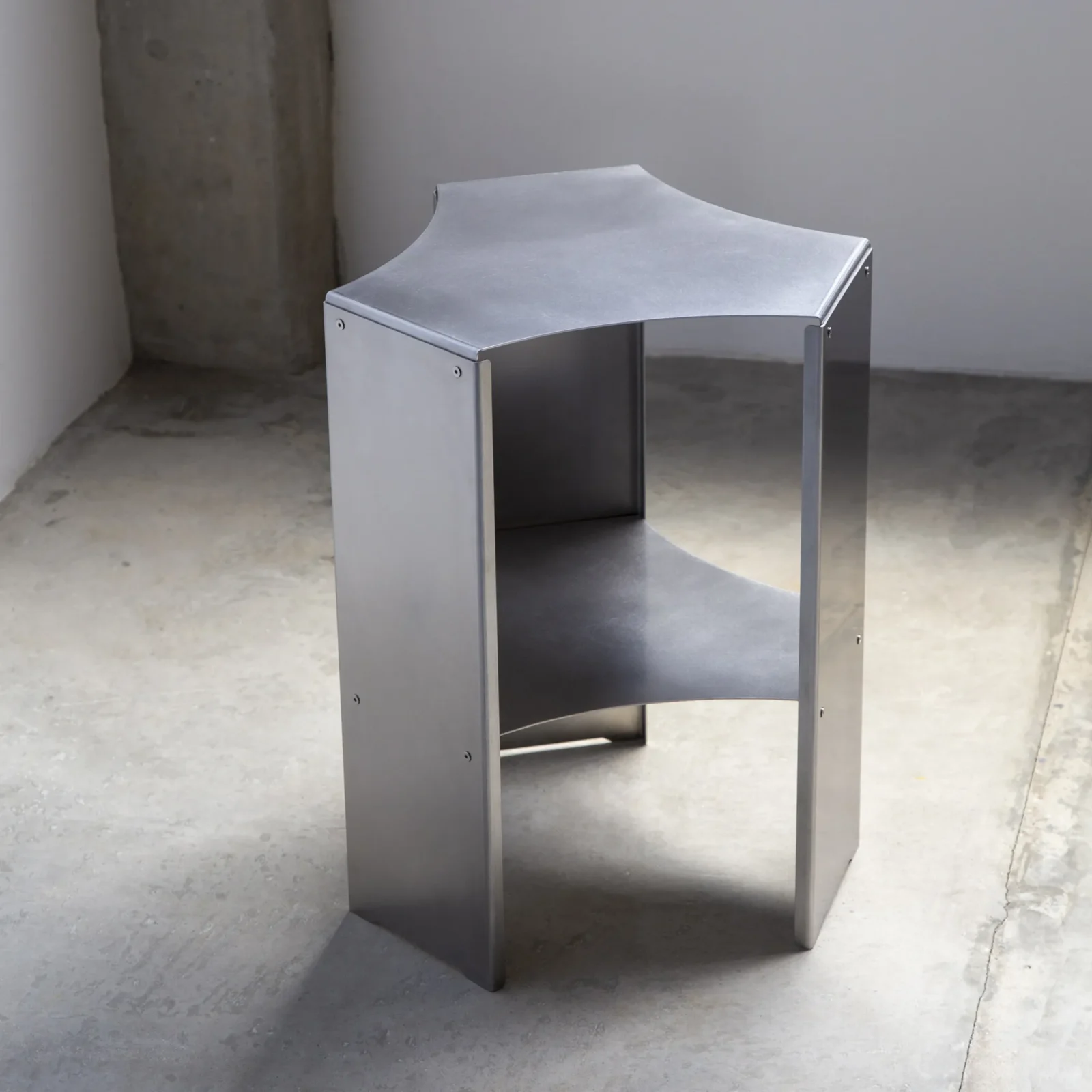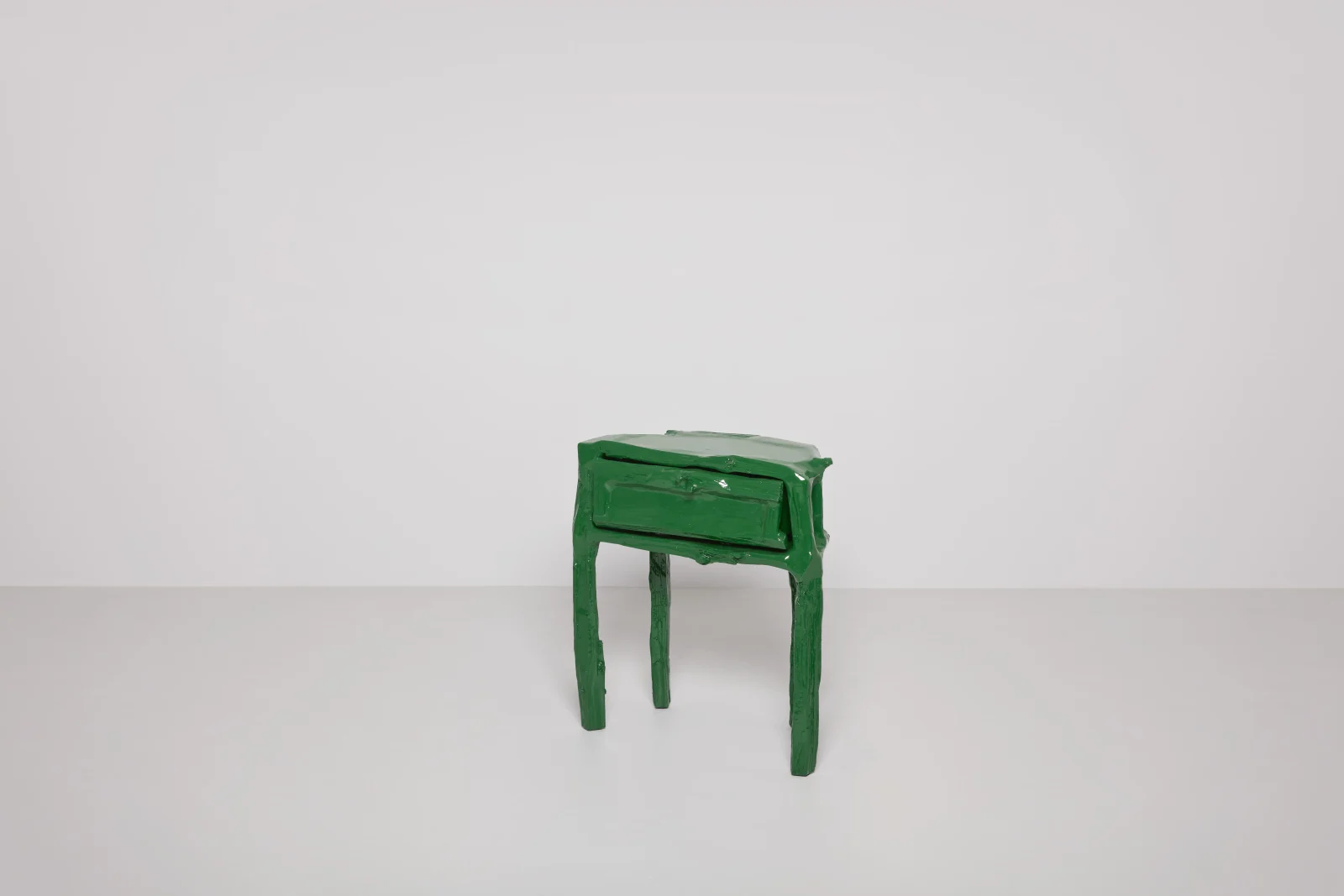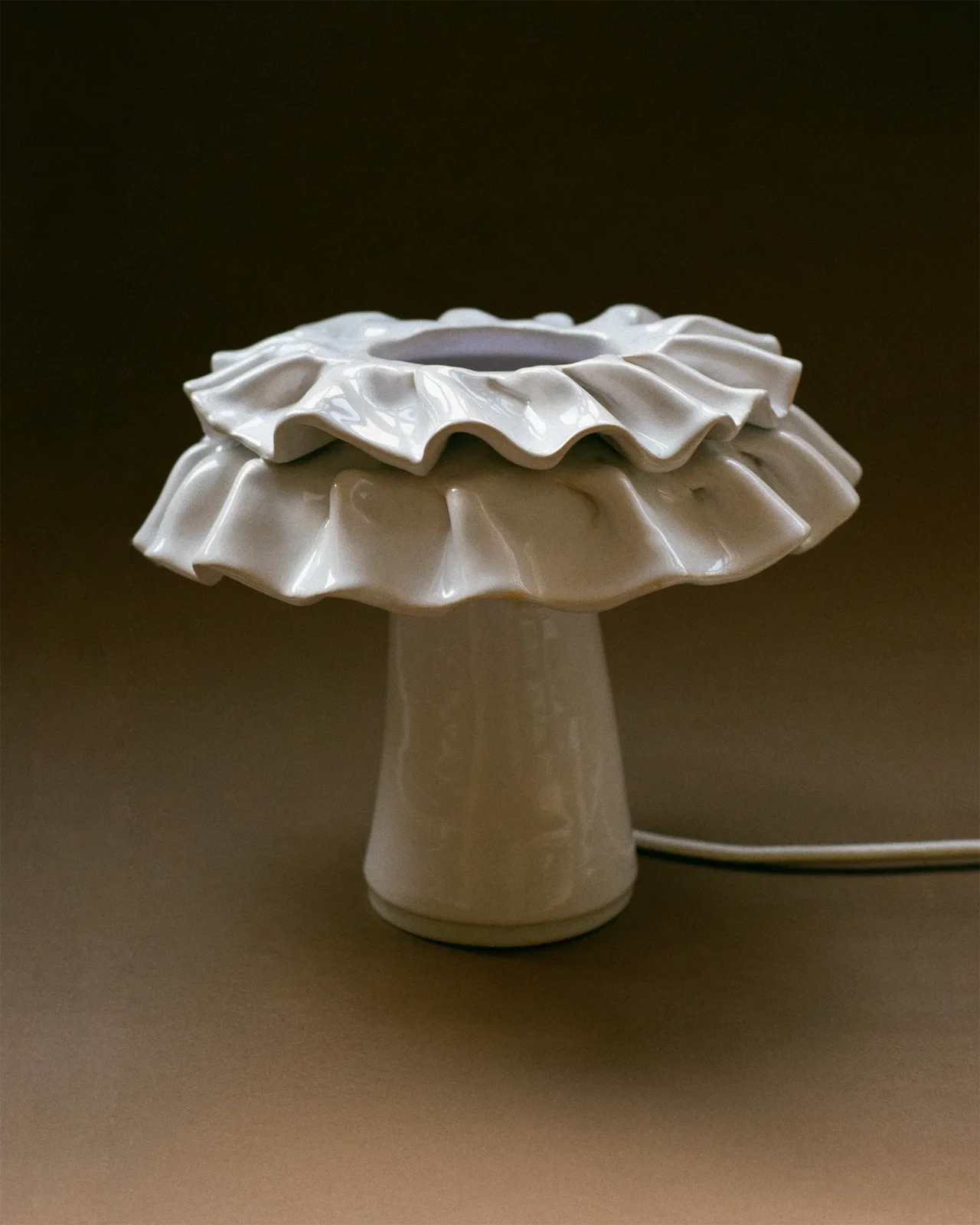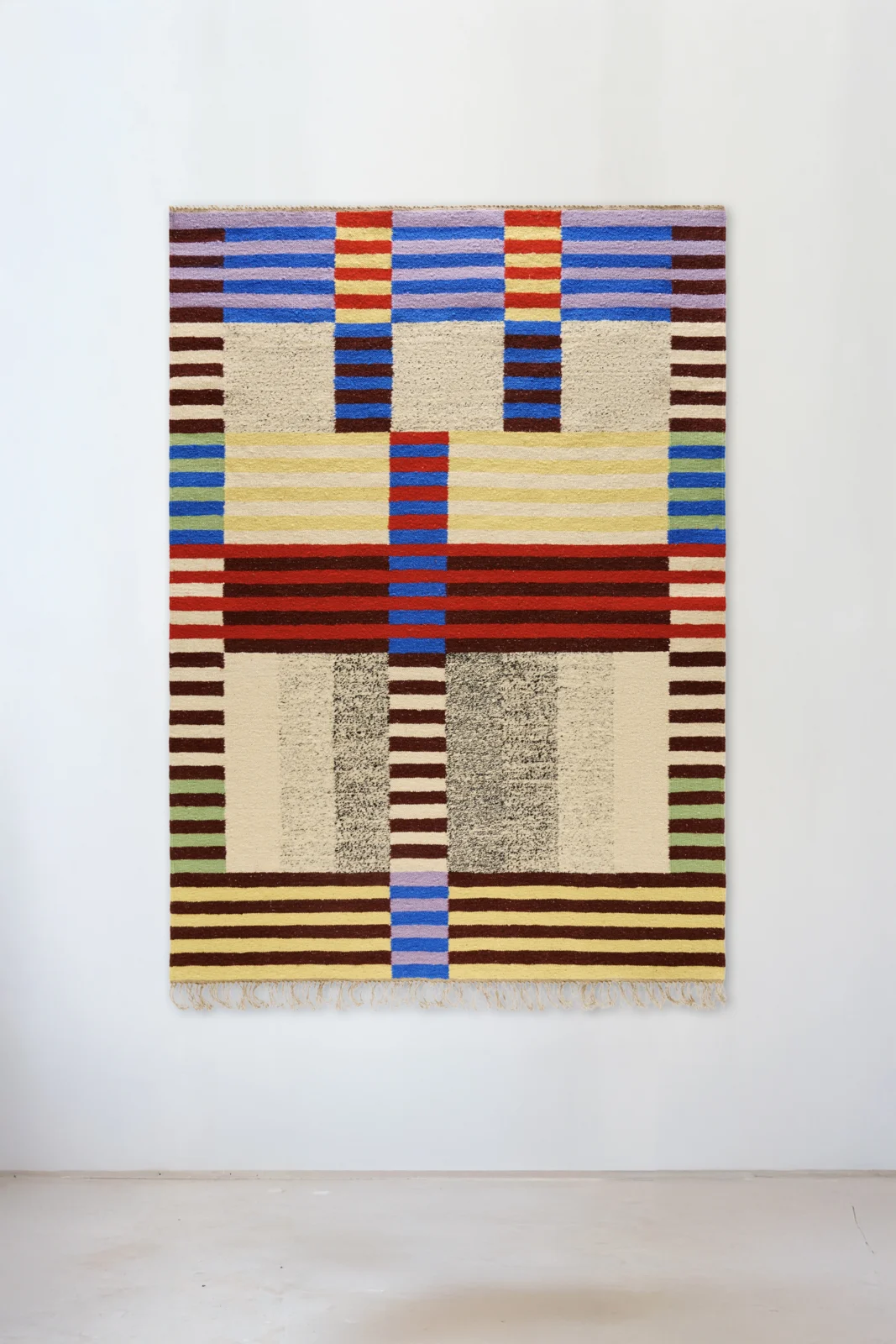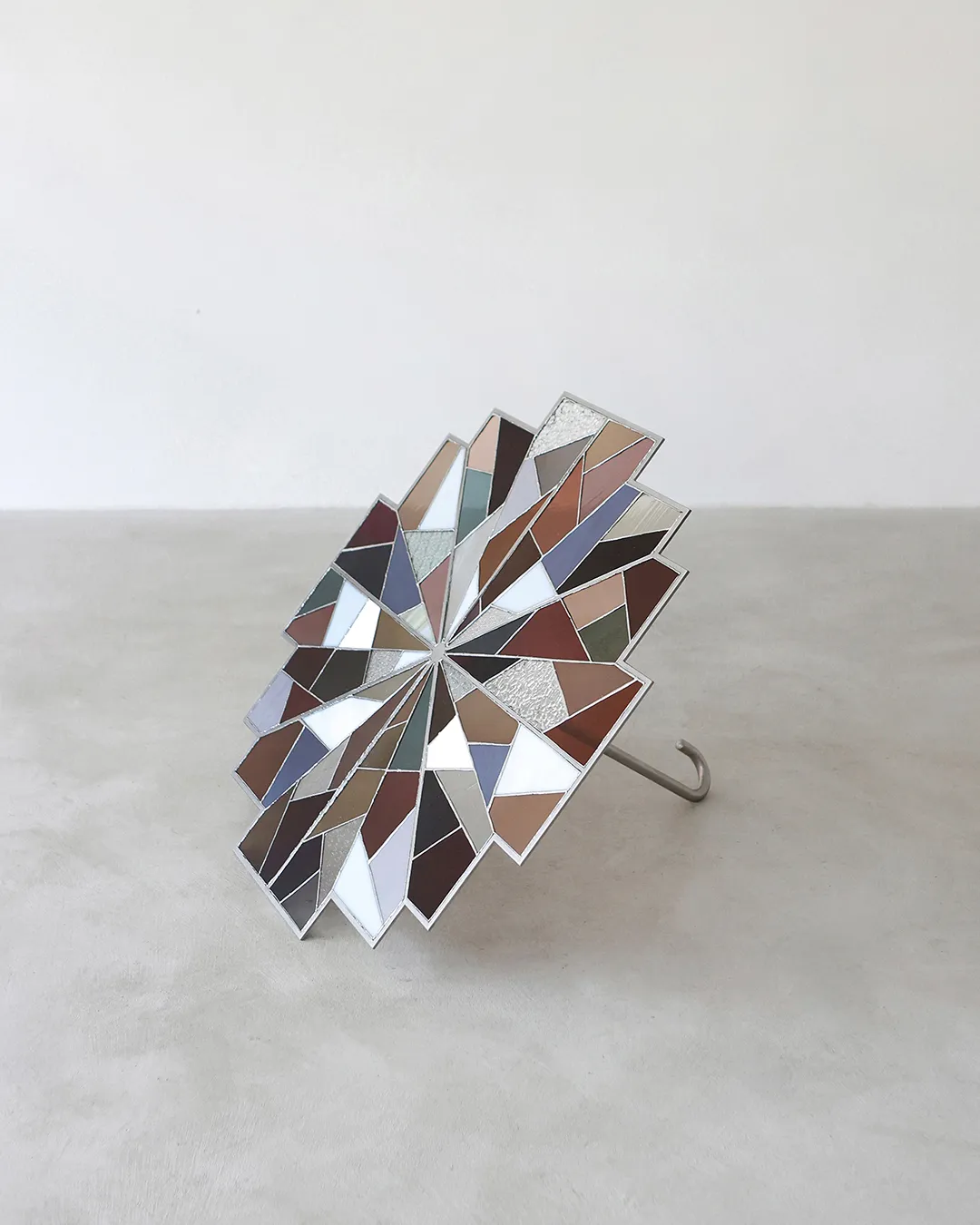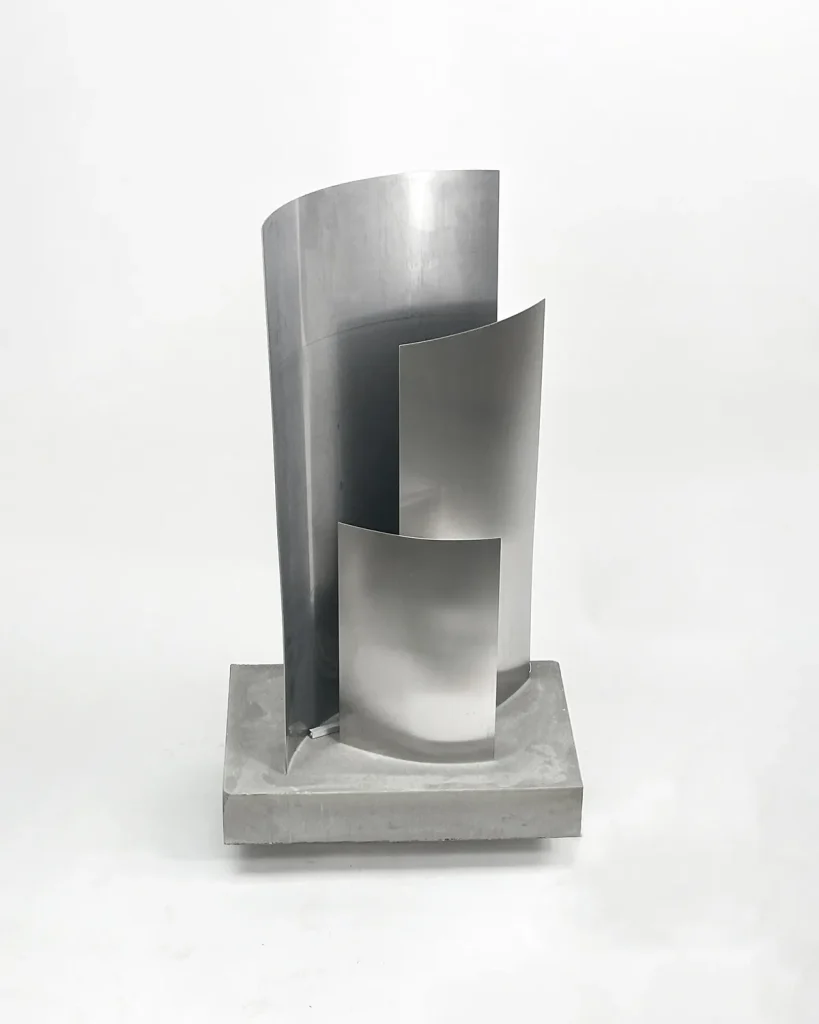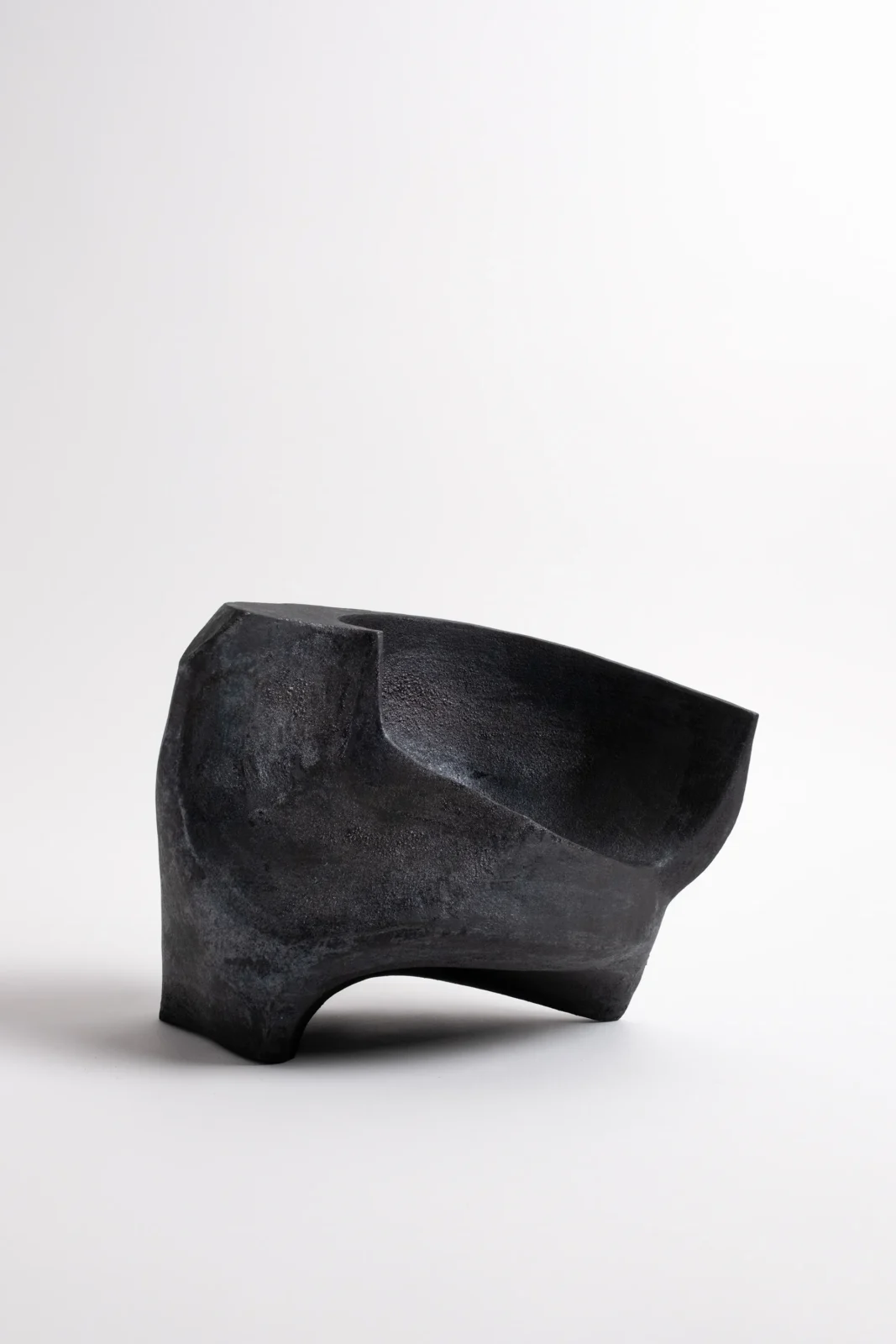
Future50 2026 began with the hand. First, we looked at skill, repetition, and the authority that comes from knowing how to shape something well. We then moved into process, into studios that commit to a method and let it be their guide. Last week we turned toward material, toward designers who read stone, resin, metal, and textiles as if they were texts, studying what they permit and what they resist. Now, in its final week, the focus shifts again. Human Signal brings us full circle, ending on the promise of this campaign: to hold onto the human.
Across the previous chapters, you could see the human presence in the strike of a hammer, in the calibration of a joint, in the firing of clay or the fracture of stone. In the fourth and final week, we present works that are shaped by biography and place. A chair may hold a family story, a lamp may reference architecture learned in childhood, a vase might borrow the curve of a bodice. In each case, the object carries human experience, sometimes as theme, sometimes as form. These gestures are signals, drawn from lived experience and translated into form.
Holding onto the Human
To end Future50 with Human Signal is fitting. After method, after material, after the authority of craft, what remains is the reason behind it all and the insistence on keeping design tethered to people. The aim of this campaign was to ask and attempt to answer a simple question: when production is infinite, what do we trust? It is not a question with a fixed, objective answer, but one that asks for sharper attention. We trust the hand that has practiced, we trust the method that has been tested, we trust the material that reveals its limits. And finally, we trust the human spirit that informs the work, the decisions that resist automation, the histories that cannot be mass produced.
We are human, and we create.
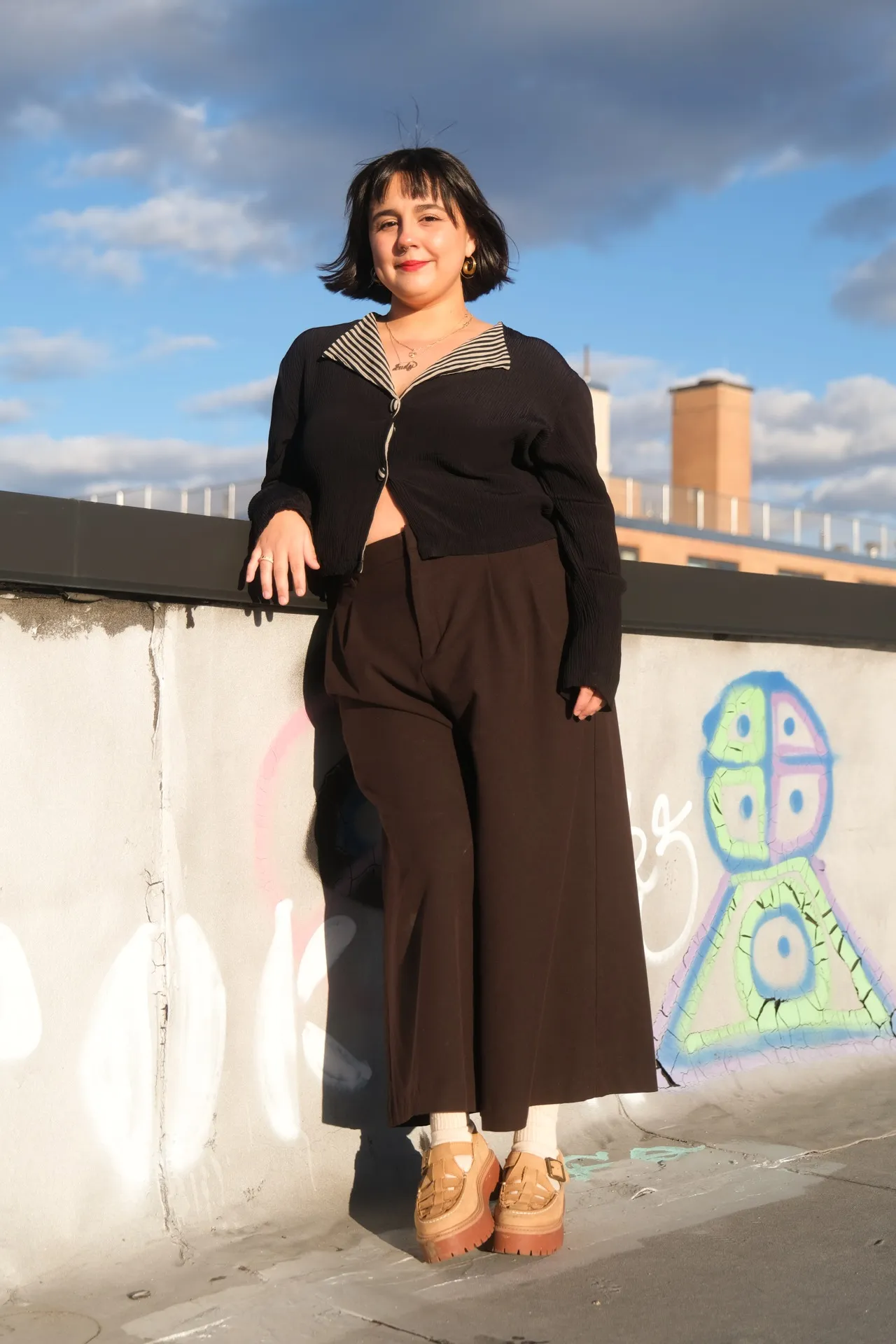
Aileen De La Ree Valencia – Richmond, USA
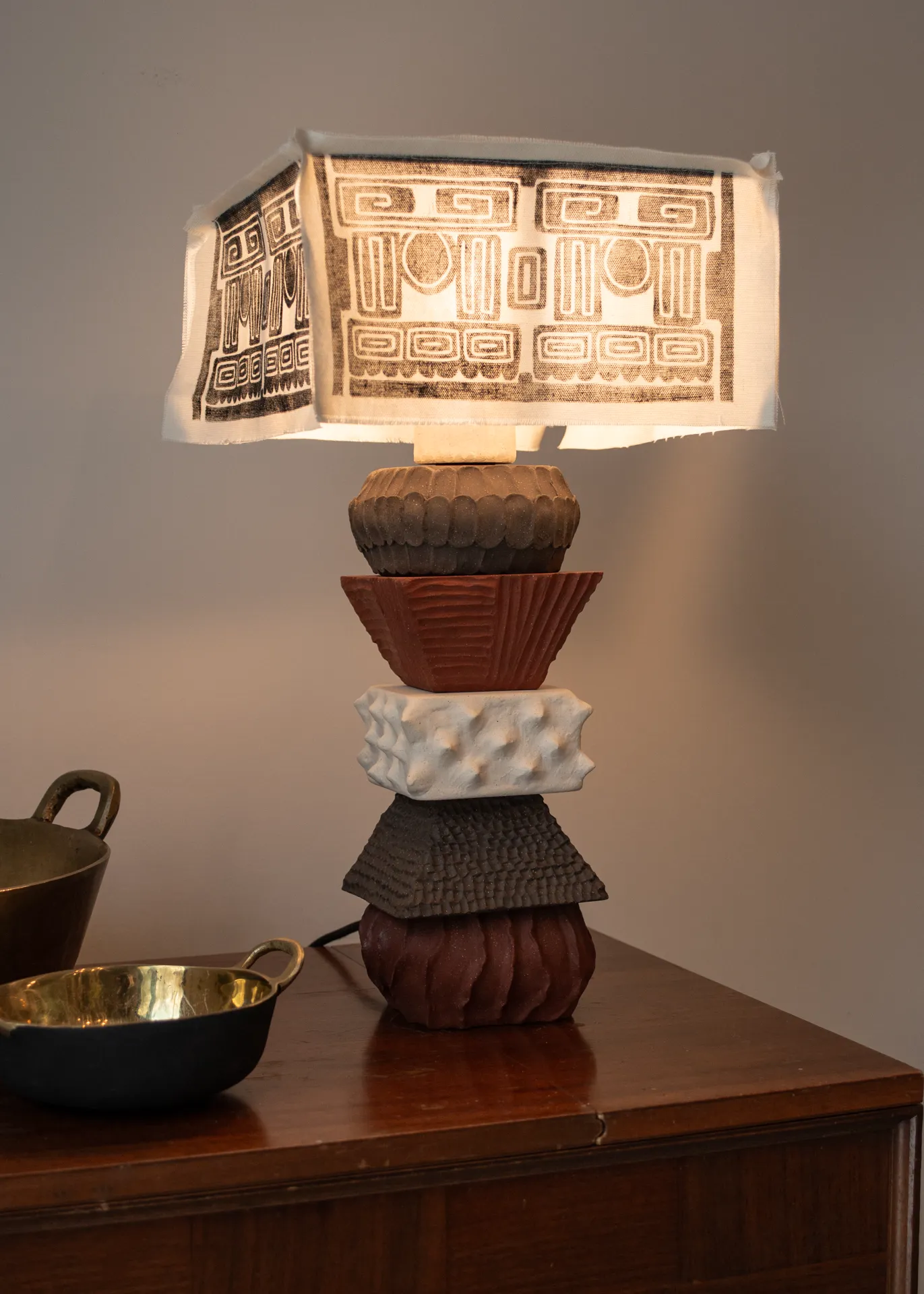
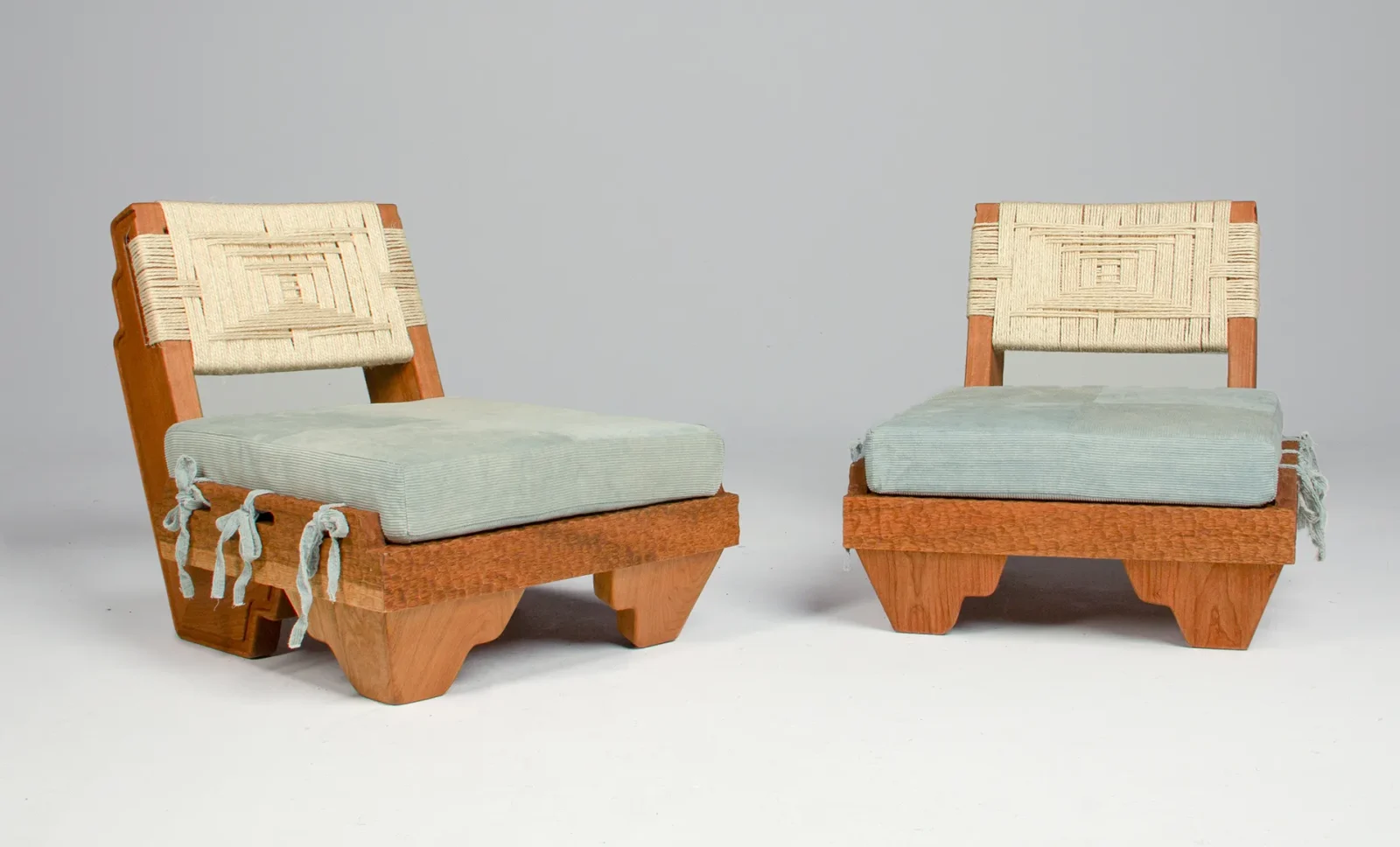
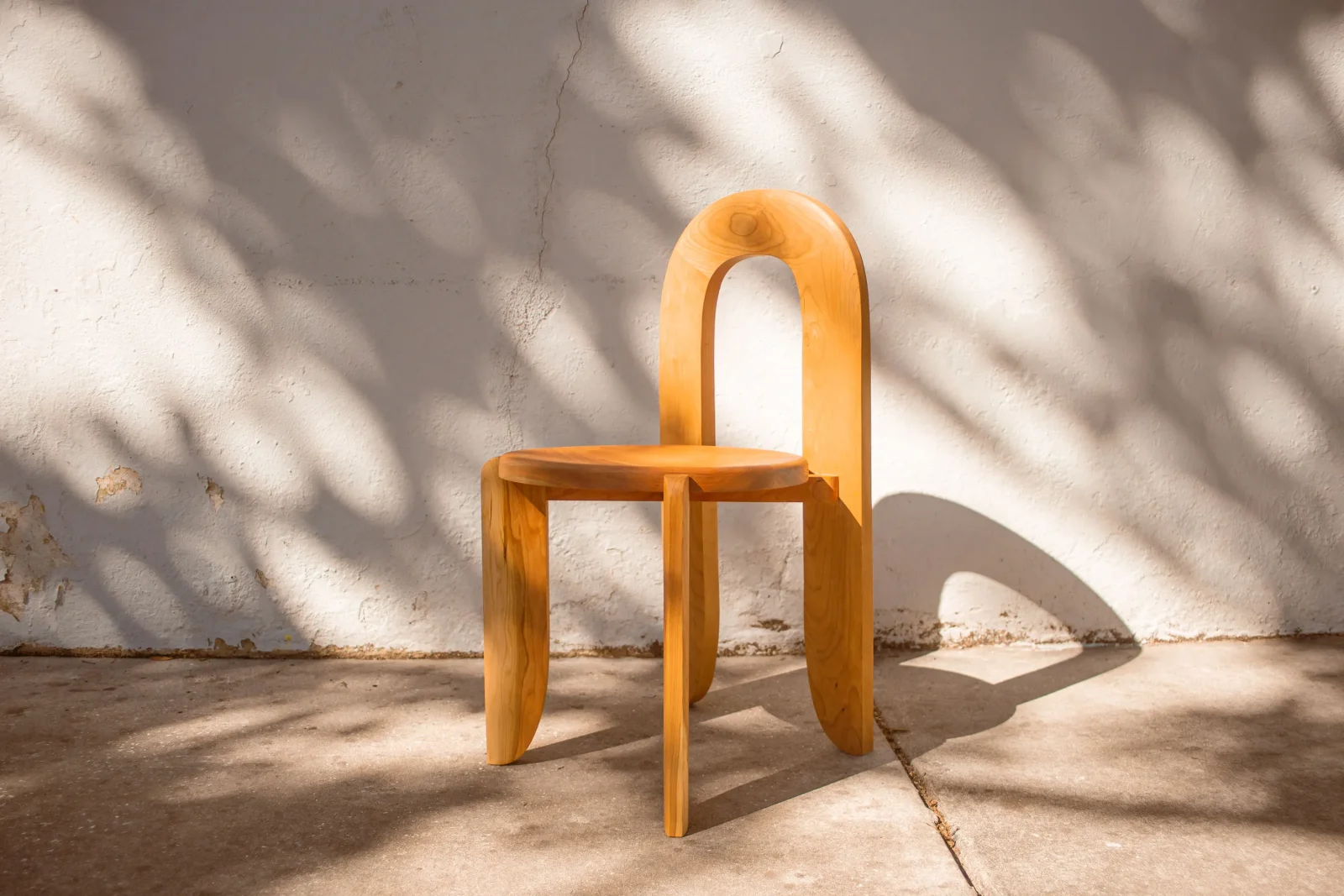
Aileen De La Ree Valencia treats furniture as a carrier of ritual and inheritance. Her pieces draw from daily practices, family histories, and Mesoamerican architectural references, translating them into weight, contour, and surface. In the Con Pan chair, the proportions encourage lingering, reflecting the unhurried act of sharing coffee and bread. In the Apapuchi lamp, stacked ceramic forms and a hand block-printed shade bring together landscape, trade history, and vernacular language into a single object of light. Across her work, structure holds narrative, and cultural memory becomes part of the frame.
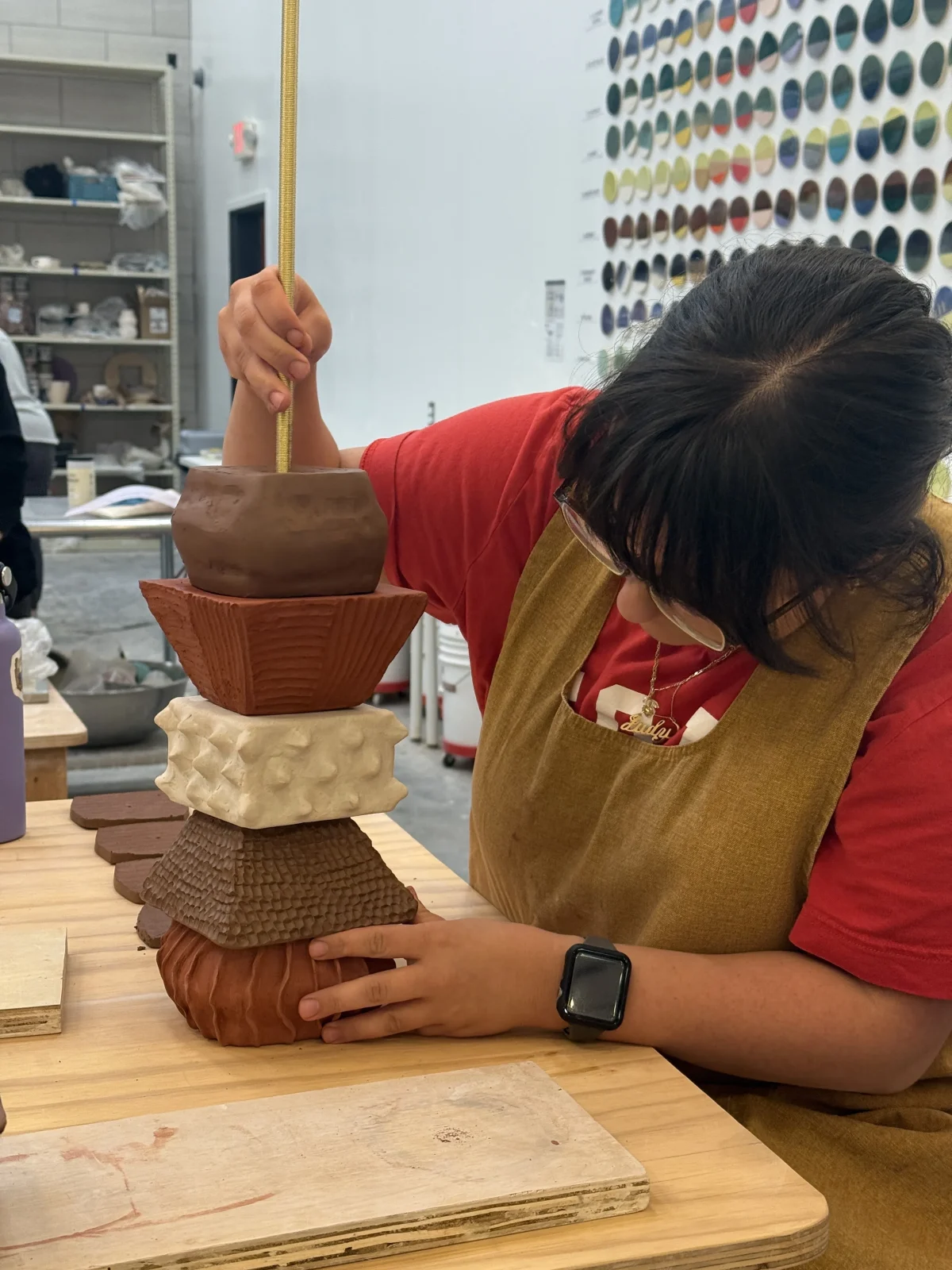
Around the Studio – Tbilisi, Georgia
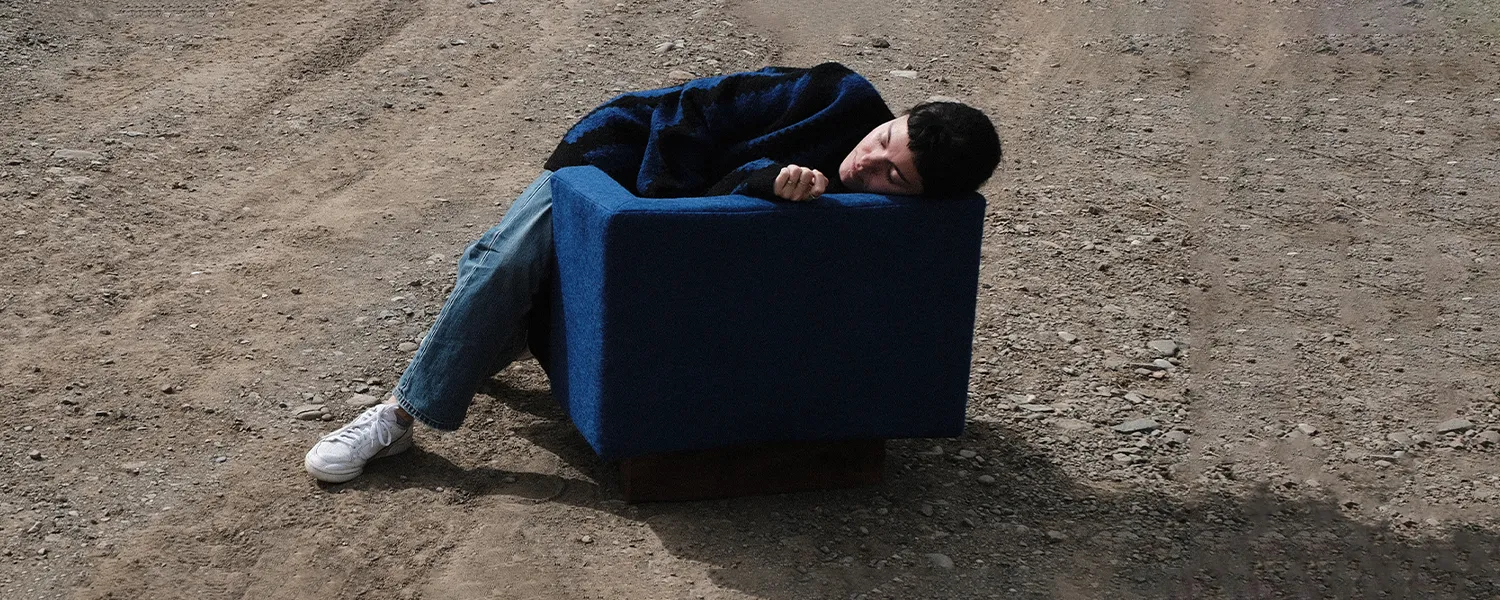
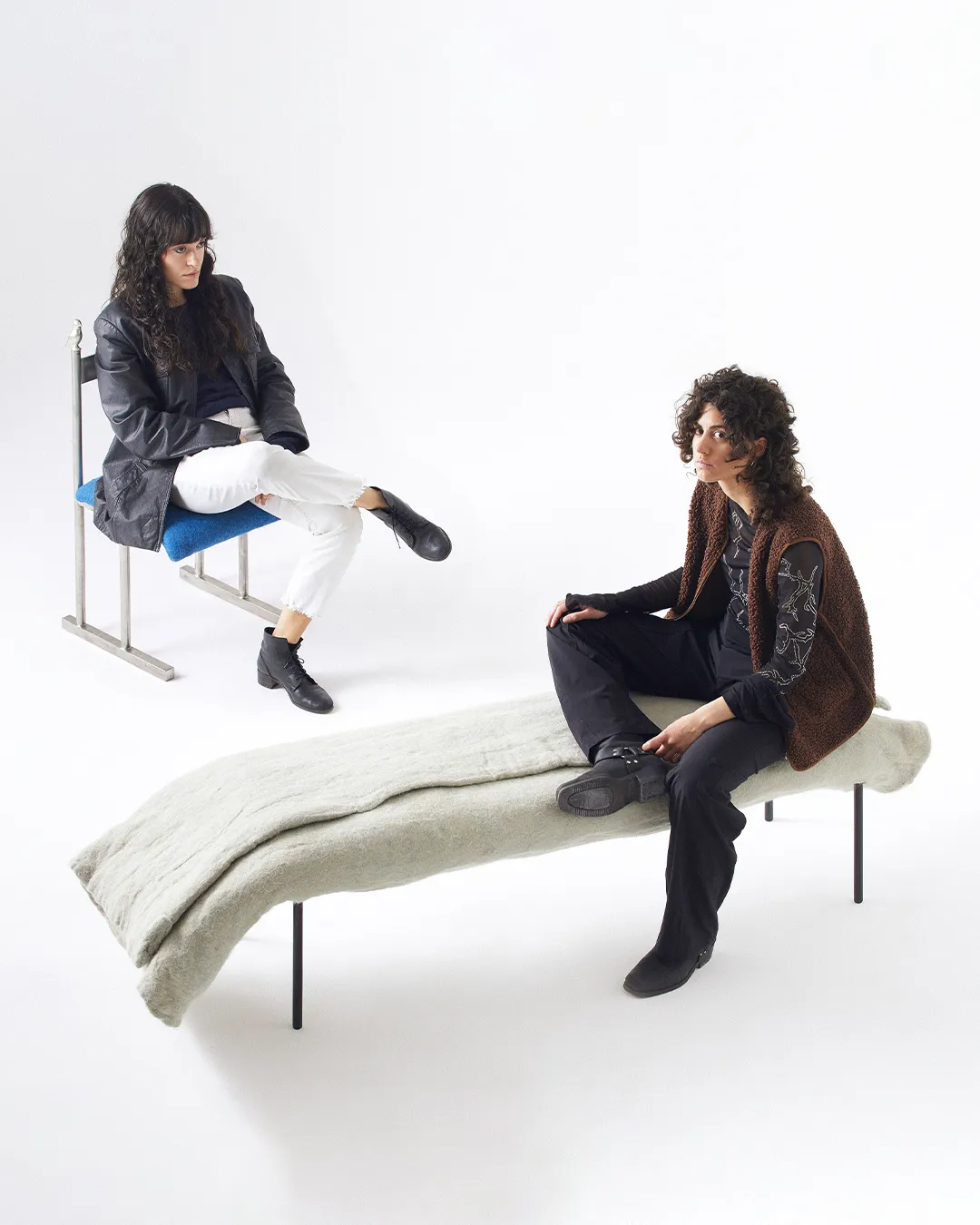
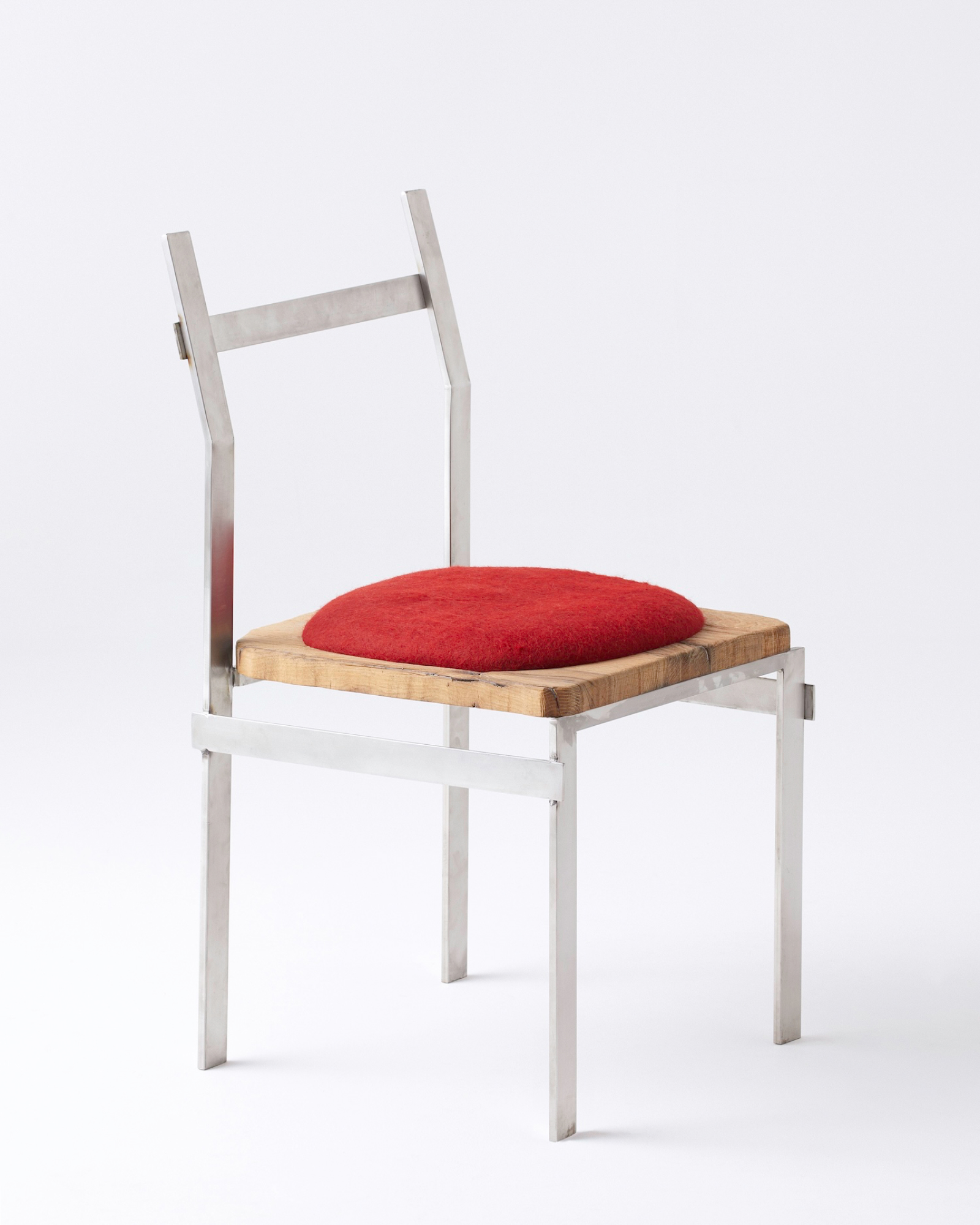
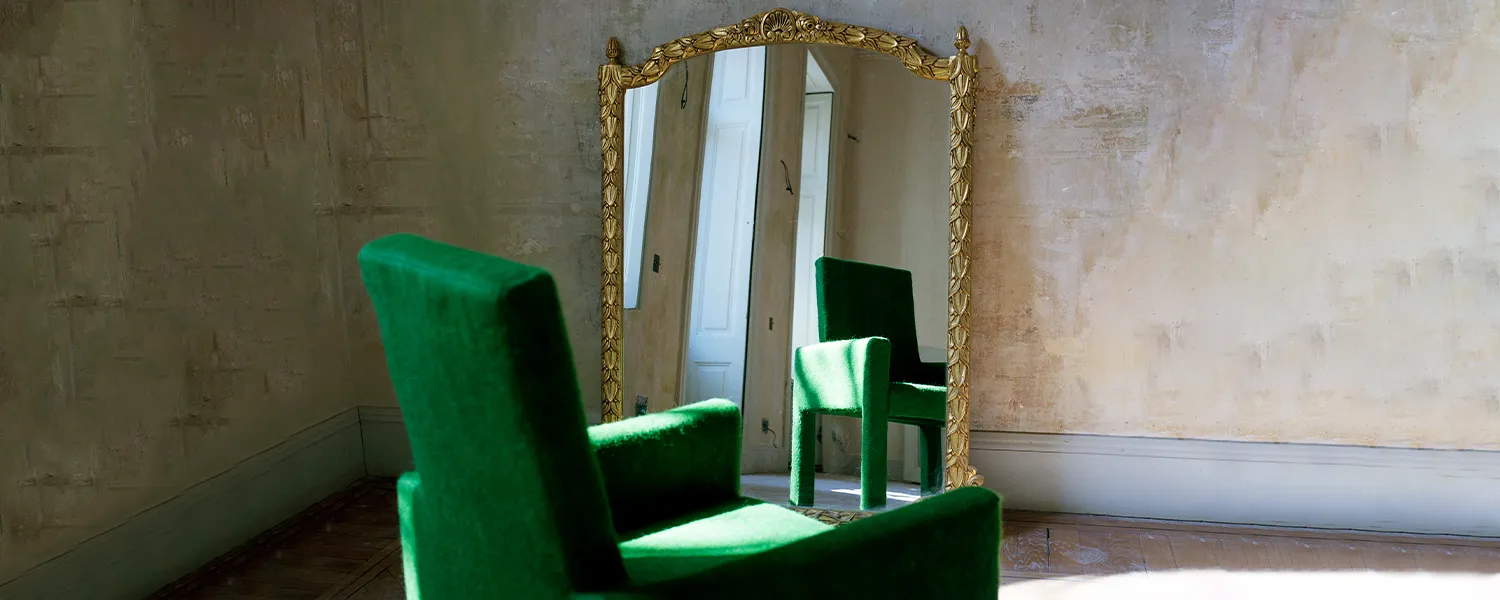
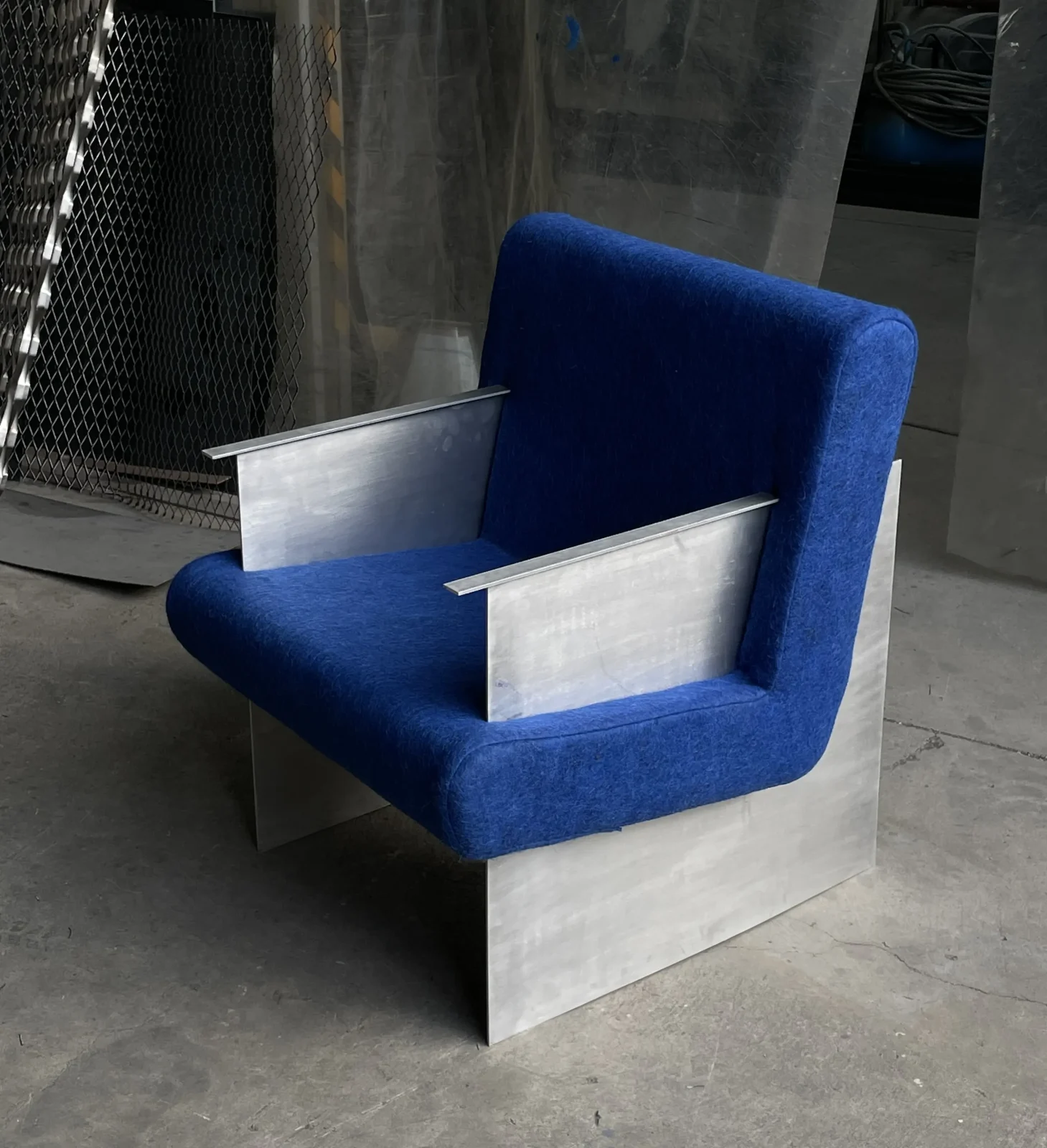
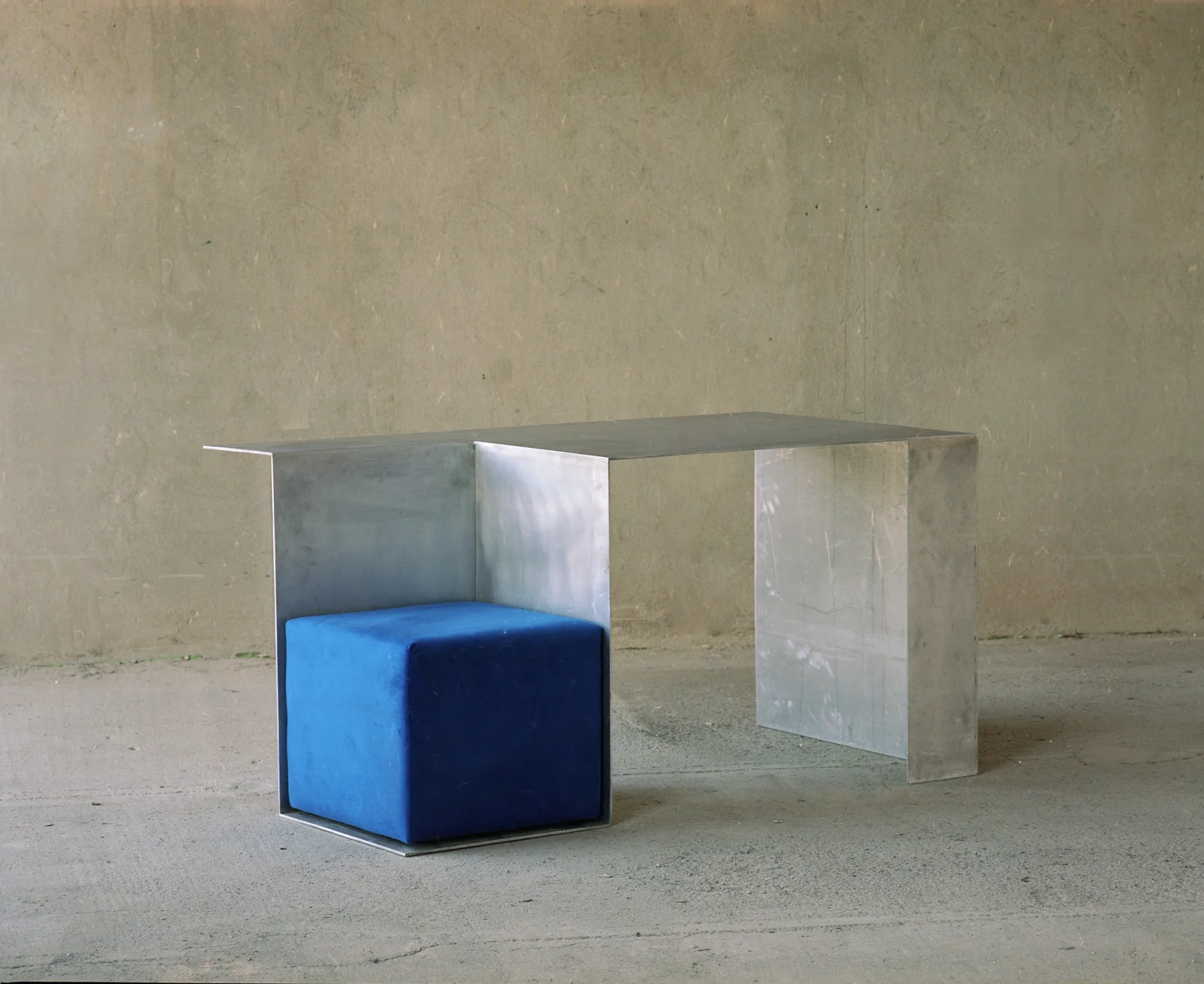
Around the Studio draws directly from the streets and craft traditions of Tbilisi. The Random Chair takes its cue from discarded, weathered furniture found in the city, reworking felt, oak, and stainless steel into a form that carries traces of urban life. In the Sword Armchair, wool felt produced through traditional Georgian methods is set against aluminum sheets, placing hand-pressed softness alongside industrial precision. The materials retain their histories, and the pieces reflect how collective memory can settle into everyday objects.
Atelier Fomenta – Montreal, Canada
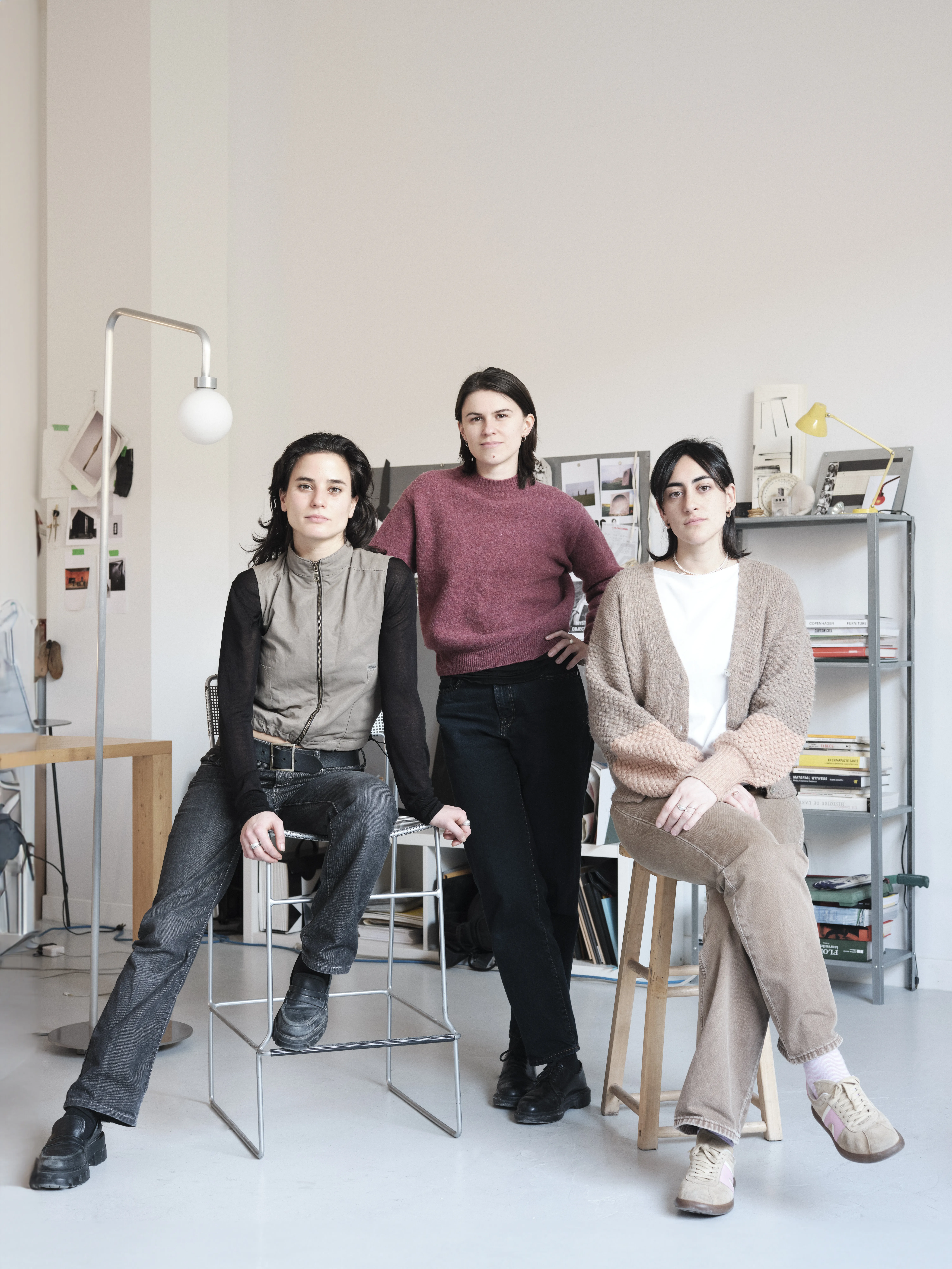
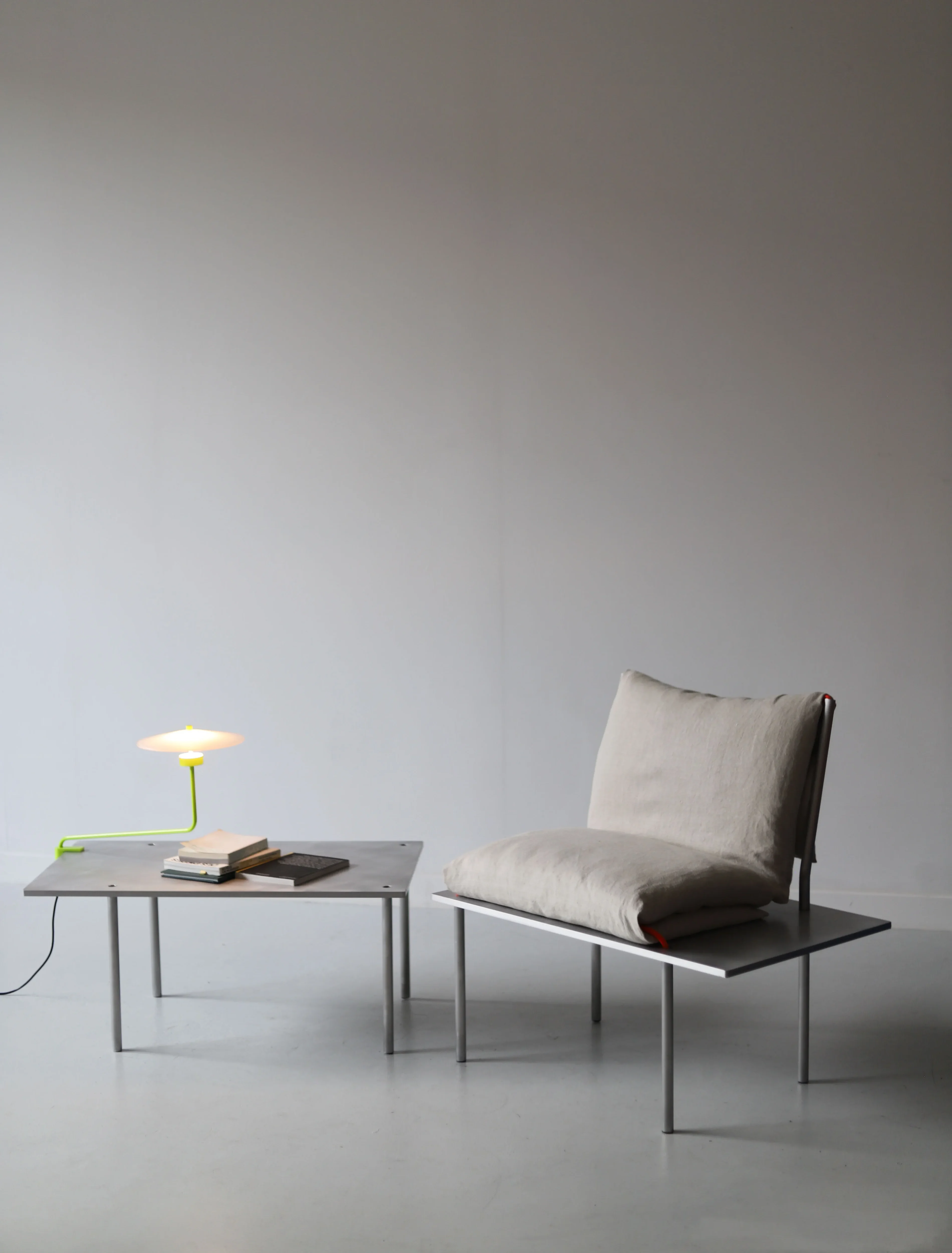
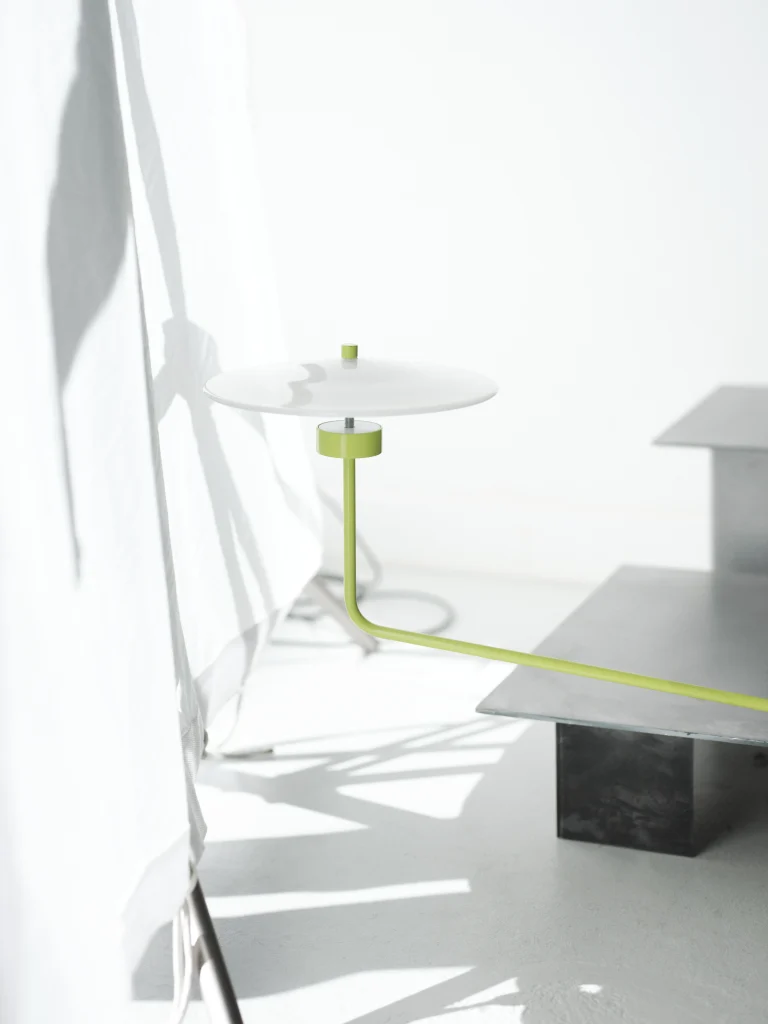
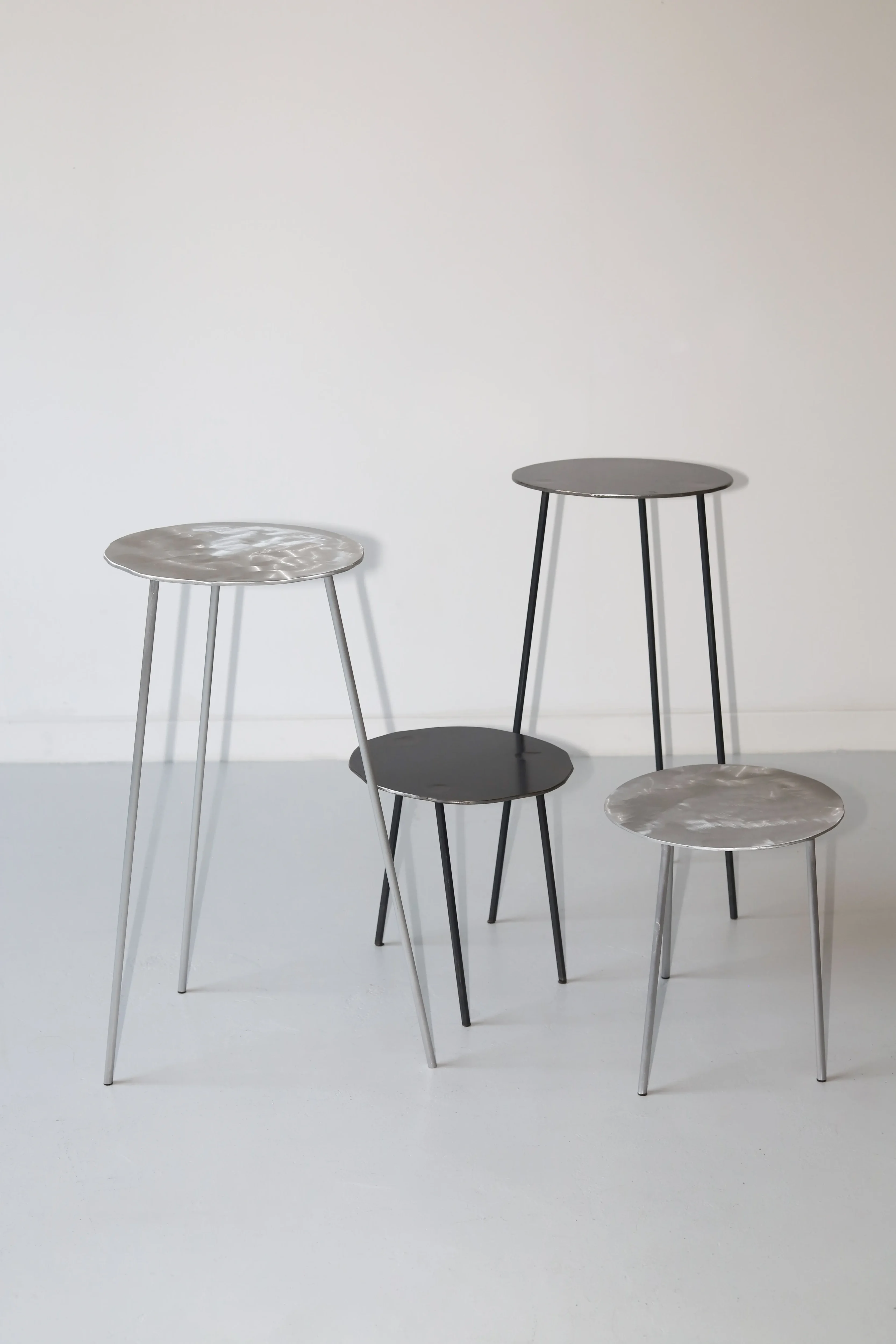
Atelier Fomenta approaches design as a site of atmosphere and interaction, often beginning with a fragment, a streetlight caught in a photograph, a film still, a surface worn by time. In Fold Hang, upholstery behaves unpredictably, shifting between seat and table, its structure inviting reconfiguration rather than fixed use. Construction I places a utilitarian clamp beside hand-blown glass, allowing rotation and repositioning to shape how light enters a space according to the person adjusting and using it. Across their work, patina, hardware, and gesture remain visible, grounding each piece in the body that handles it.
Comité de Proyectos – Mexico City, Mexico
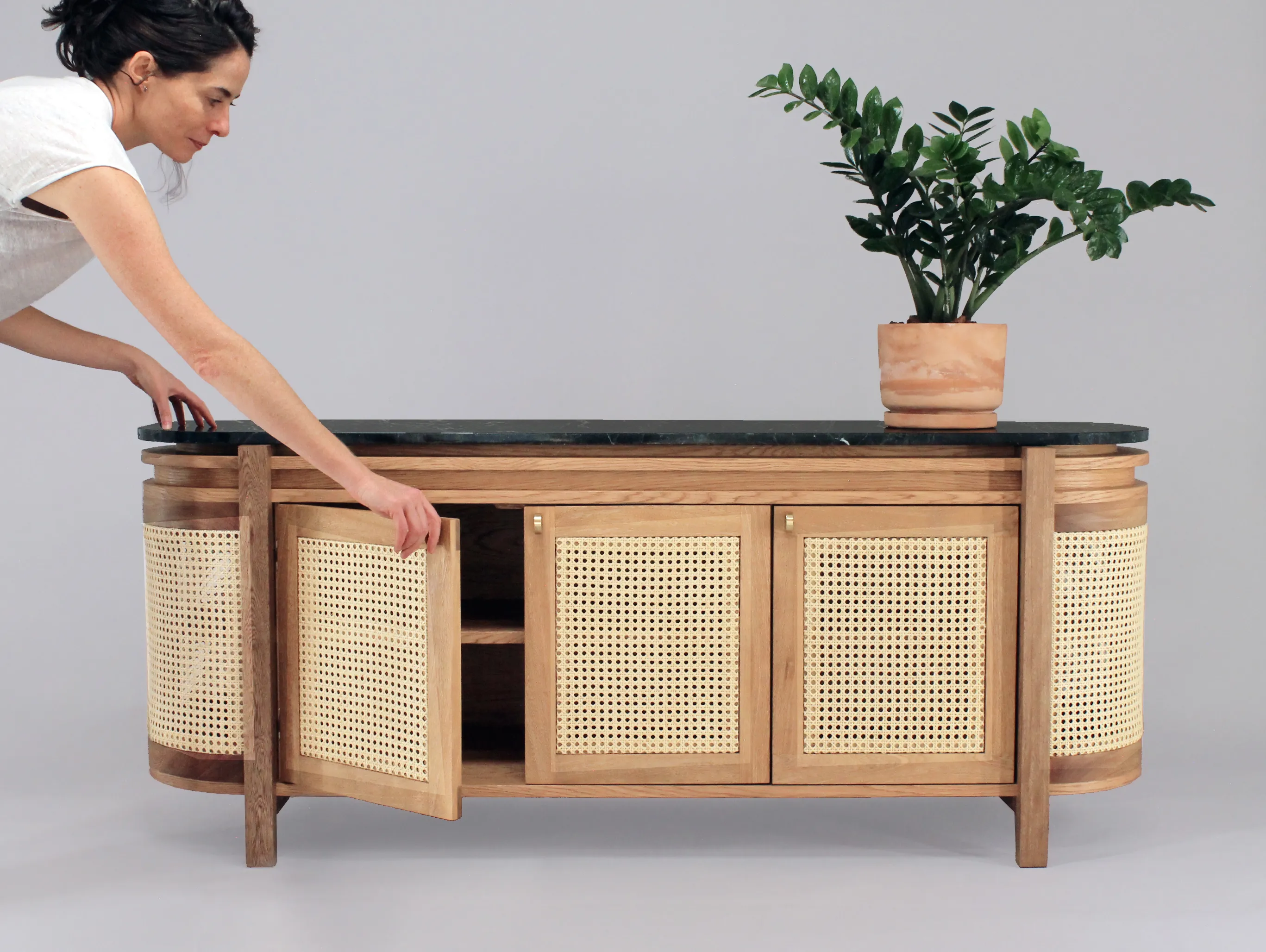
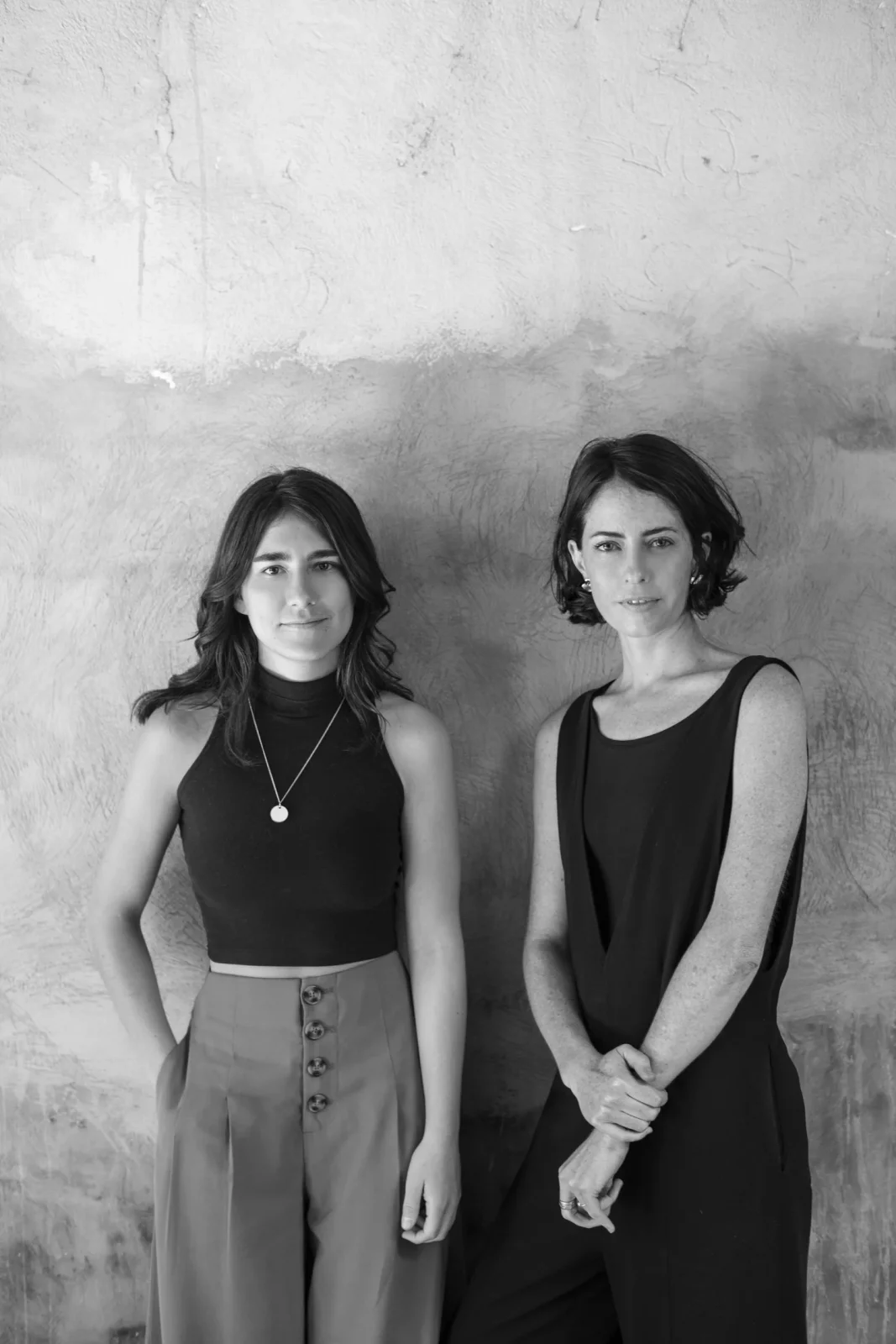
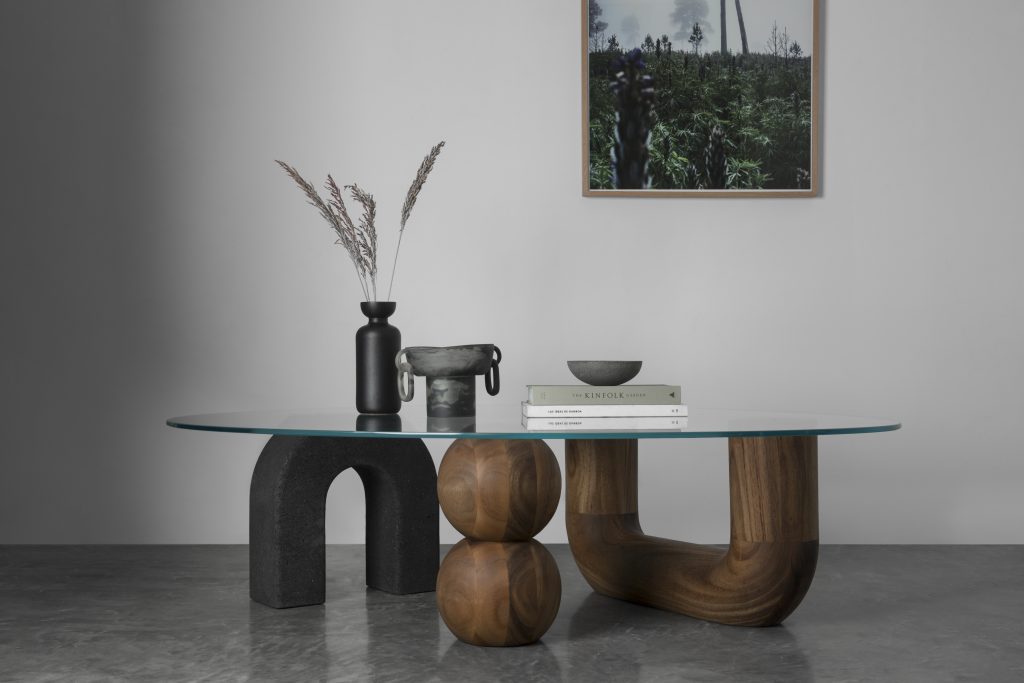
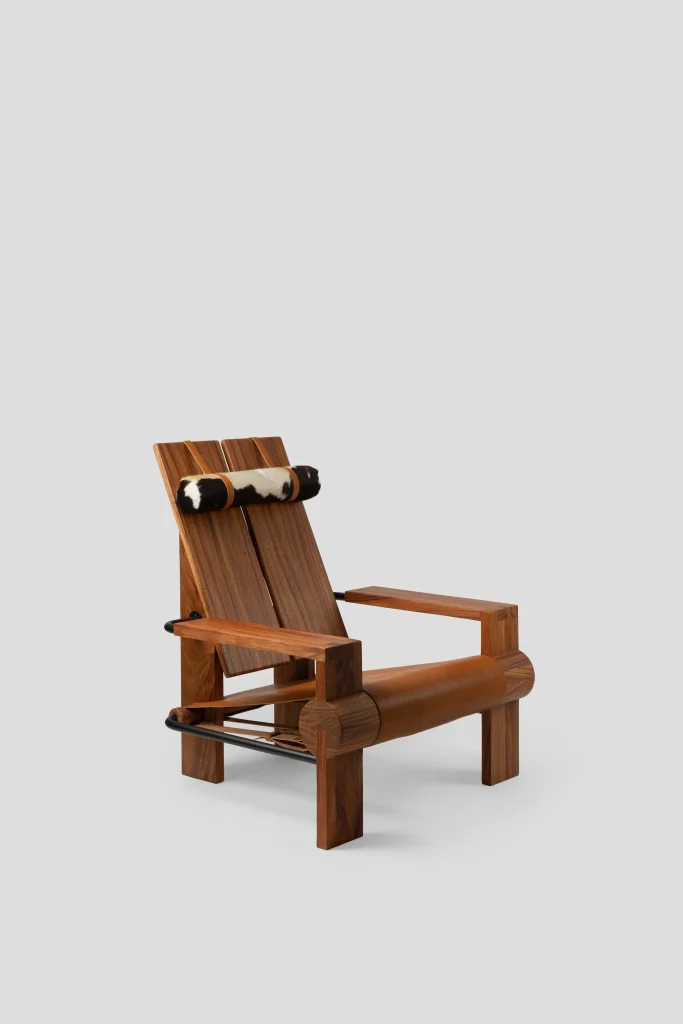
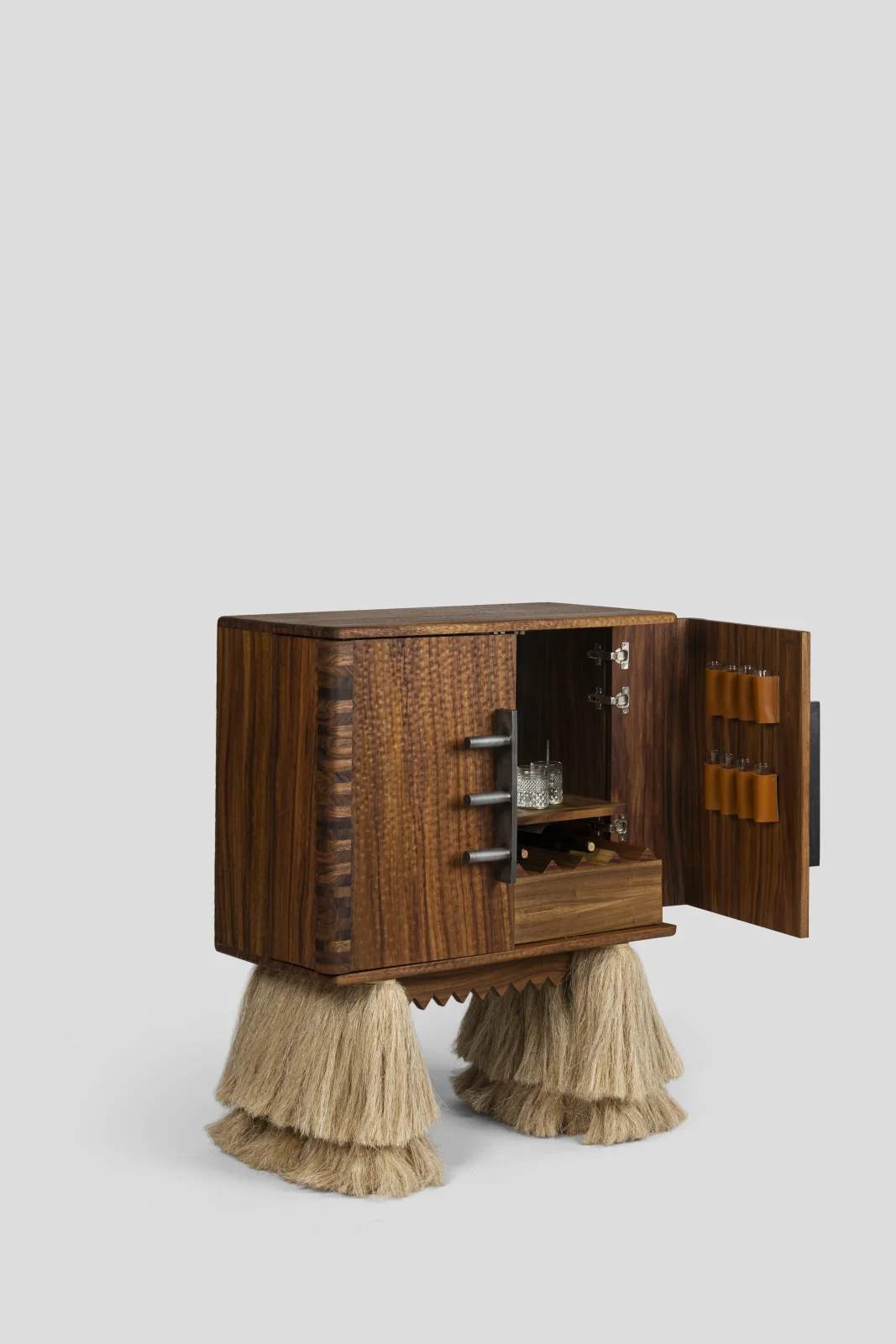
Comité de Proyectos builds furniture around acts of care. In the sentinels collection Ramón, Vilma, and Carmen, carved wood and hand-turned metal form figures that stand watch, their ornament shaped through slow, attentive labor. The surfaces carry the trace of tools and hands, reinforcing the idea that protection is something made, not assumed. Even in the San Francisco lounge chair, a reinterpretation of the Adirondack reduced to intersecting prisms and cylinders, the choice of huanacaxtle wood and the precision of its joinery reflect a belief in responsibility, toward material, toward history, toward the people who will live with the piece.
Deya – Istanbul, Turkey
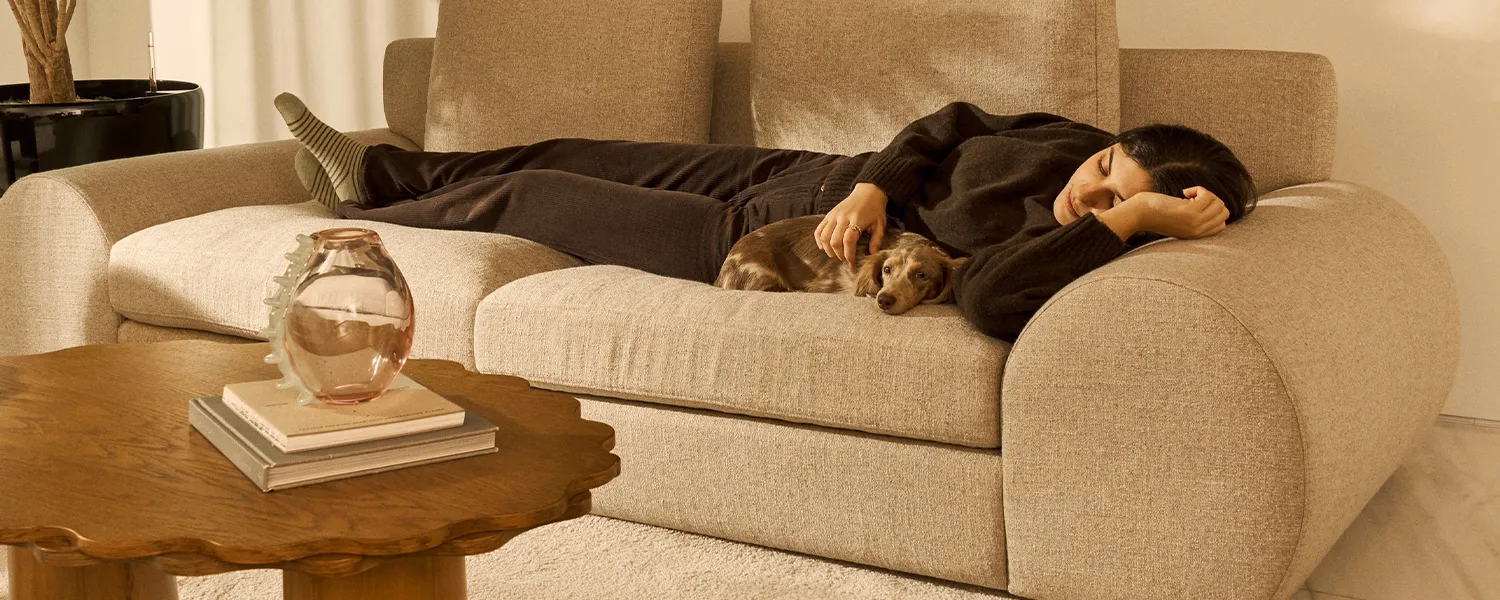
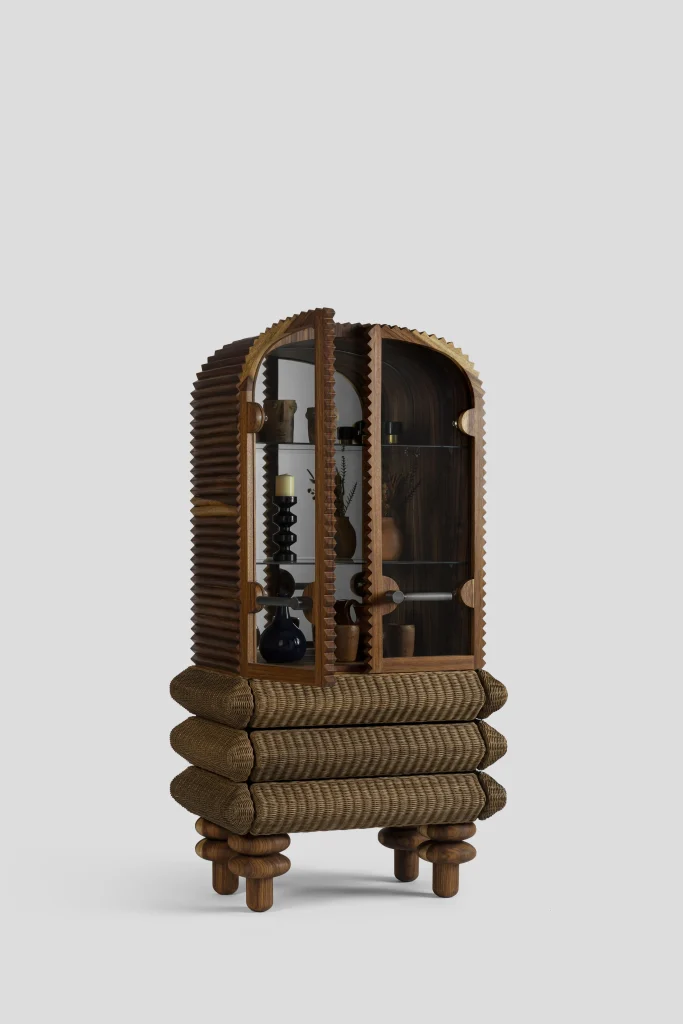
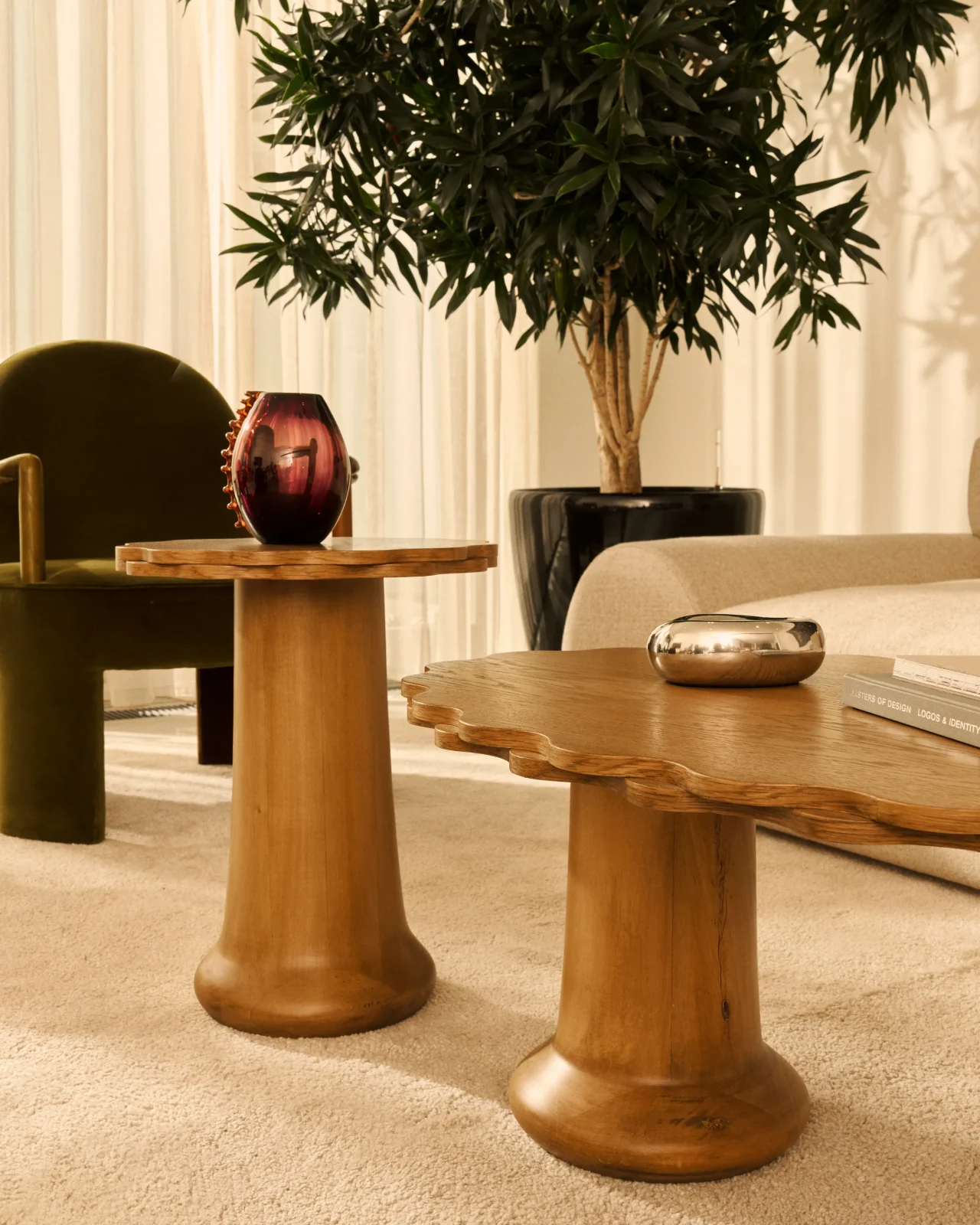
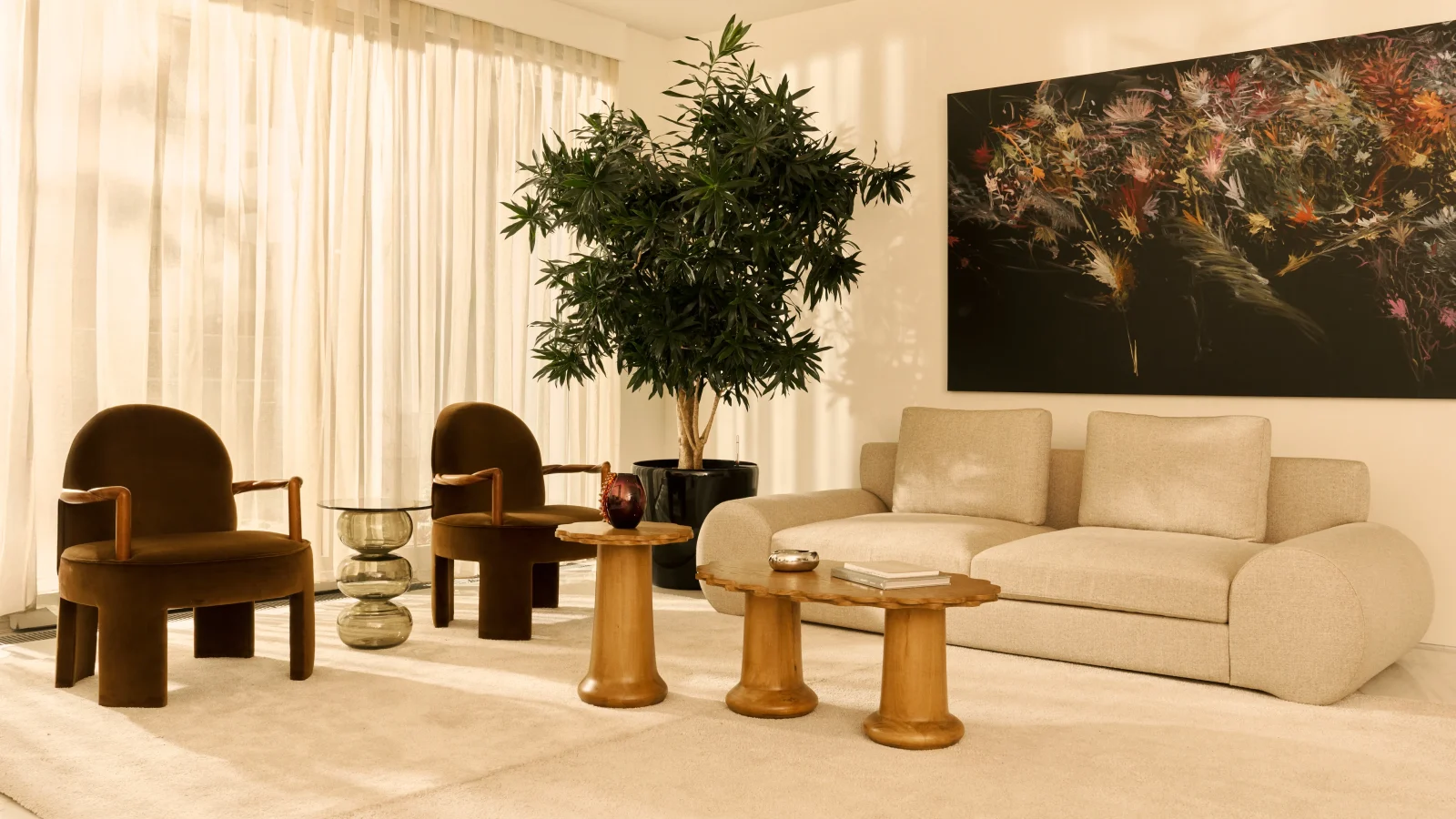
Deya’s pieces keep the material decisions visible. The Scalloped Side Table rely on solid oak, cut into two layered tops whose opposing edges create a wavy profile that exposes the grain from multiple angles. The carving is precise, but the wood remains legible, knots, lines, and tonal shifts intact. The Marshmallow Sofa centers on construction and endurance. High-resilience foam and ostrich feather form the seat, upholstered in a linen-viscose blend reinforced with recycled polyester and treated for daily wear. The mouth-blown glassware retains slight variations from the furnace and the breath that shaped it. Across these works, comfort and irregularity coexist, keeping the maker’s presence embedded in the object.
FURN OBJECT – Odesa, Ukraine
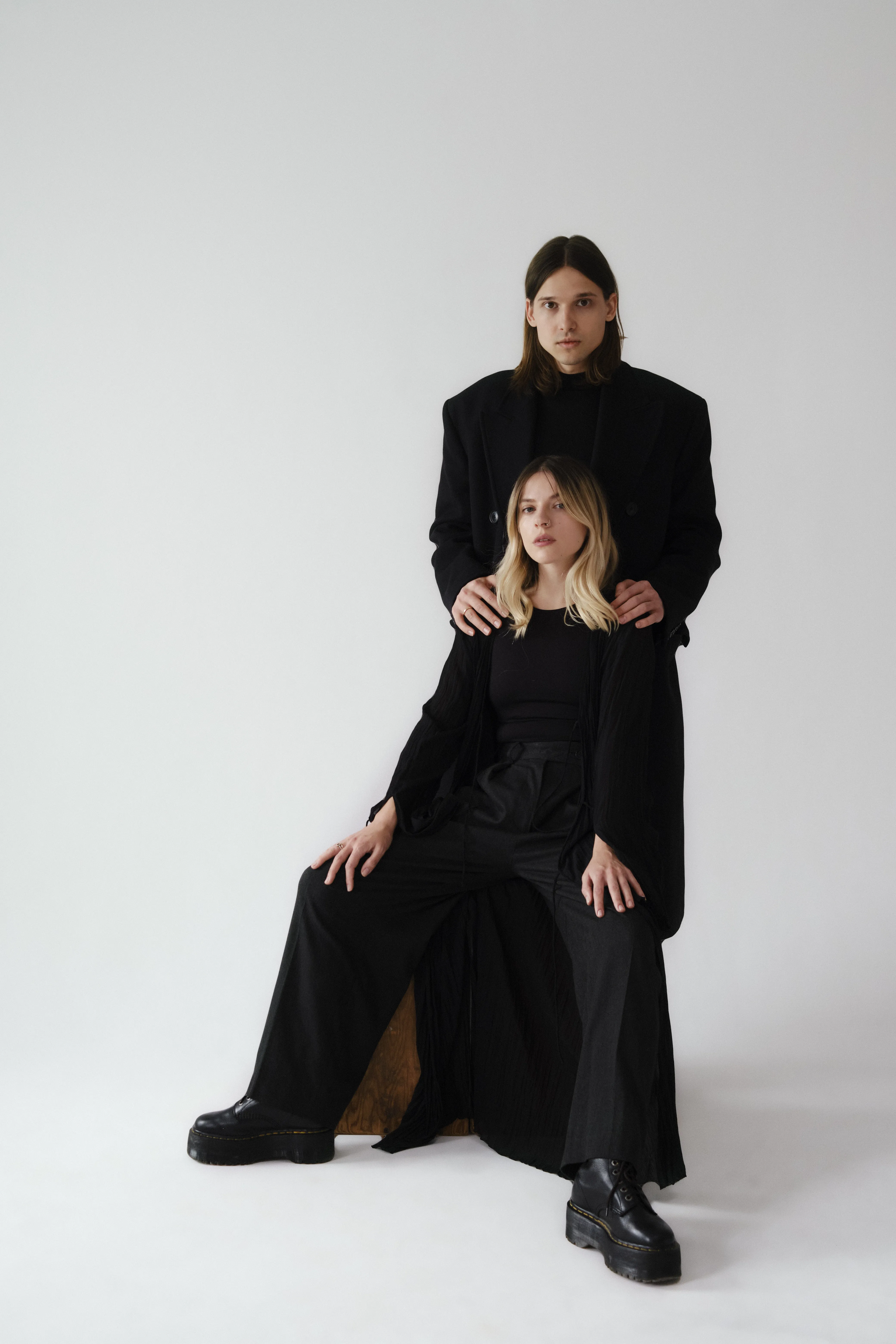
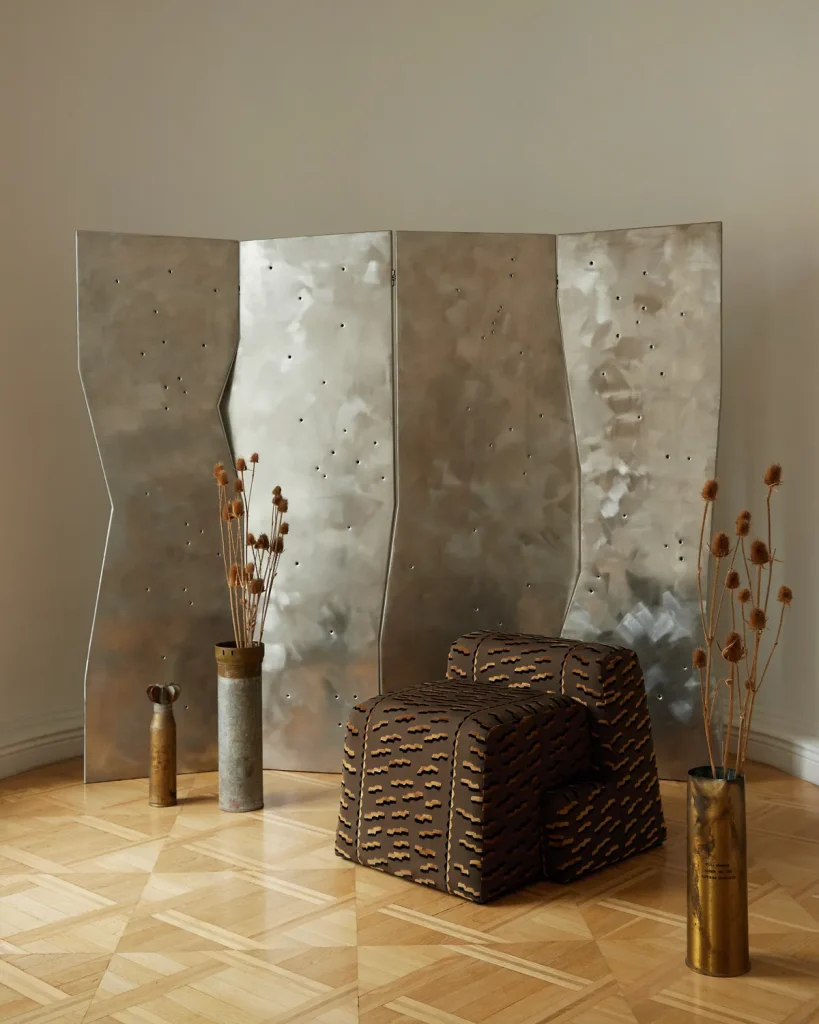
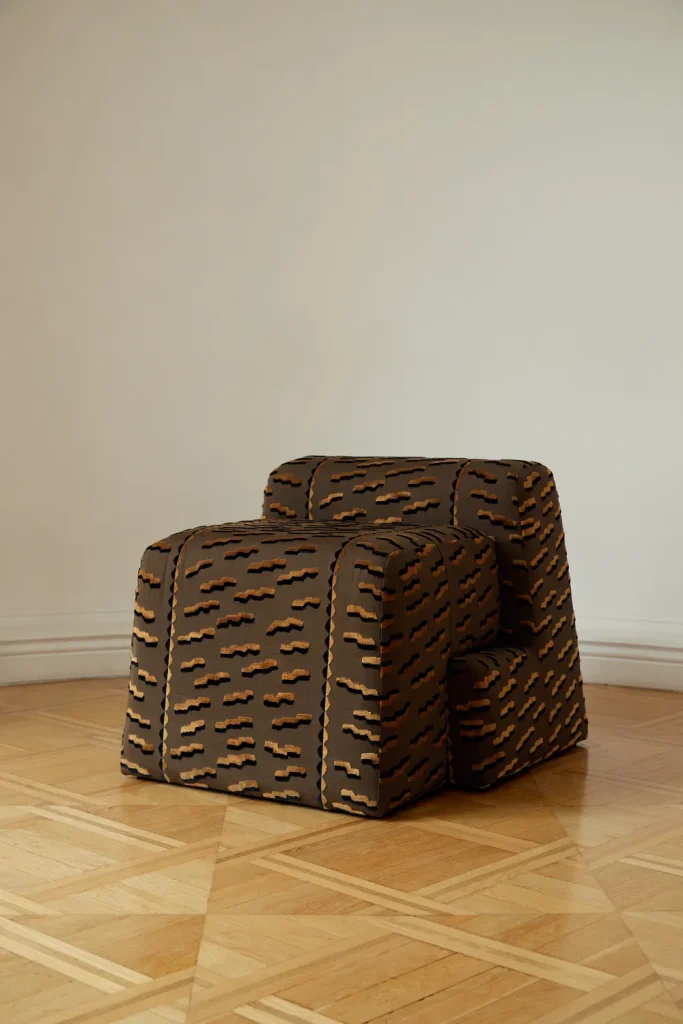
FURN OBJECT leans into mass and tactility. The Valun sofa and lounge chair hold the density of a stone shaped by pressure, yet its interior yields through layered cushioning and careful upholstery. What appears monumental adjusts to the body, absorbing weight rather than resisting it. The Echo room divider brings resilience into sharper focus. Its surface is pierced with openings that resemble impact marks, voids cut intentionally into the structure. Instead of weakening the piece, these perforations organize it, allowing light to pass through and shift across the room. The marks remain visible, integrated into the design rather than concealed, suggesting that survival does not erase what happened but carries it forward.
Lucas Cambier – Toulon, France
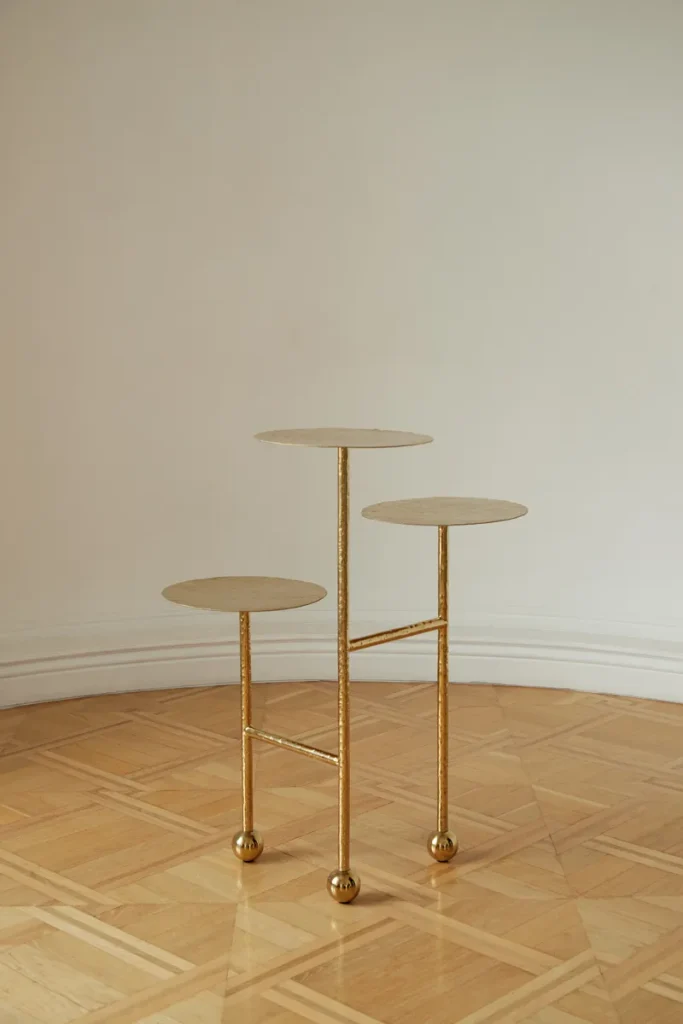
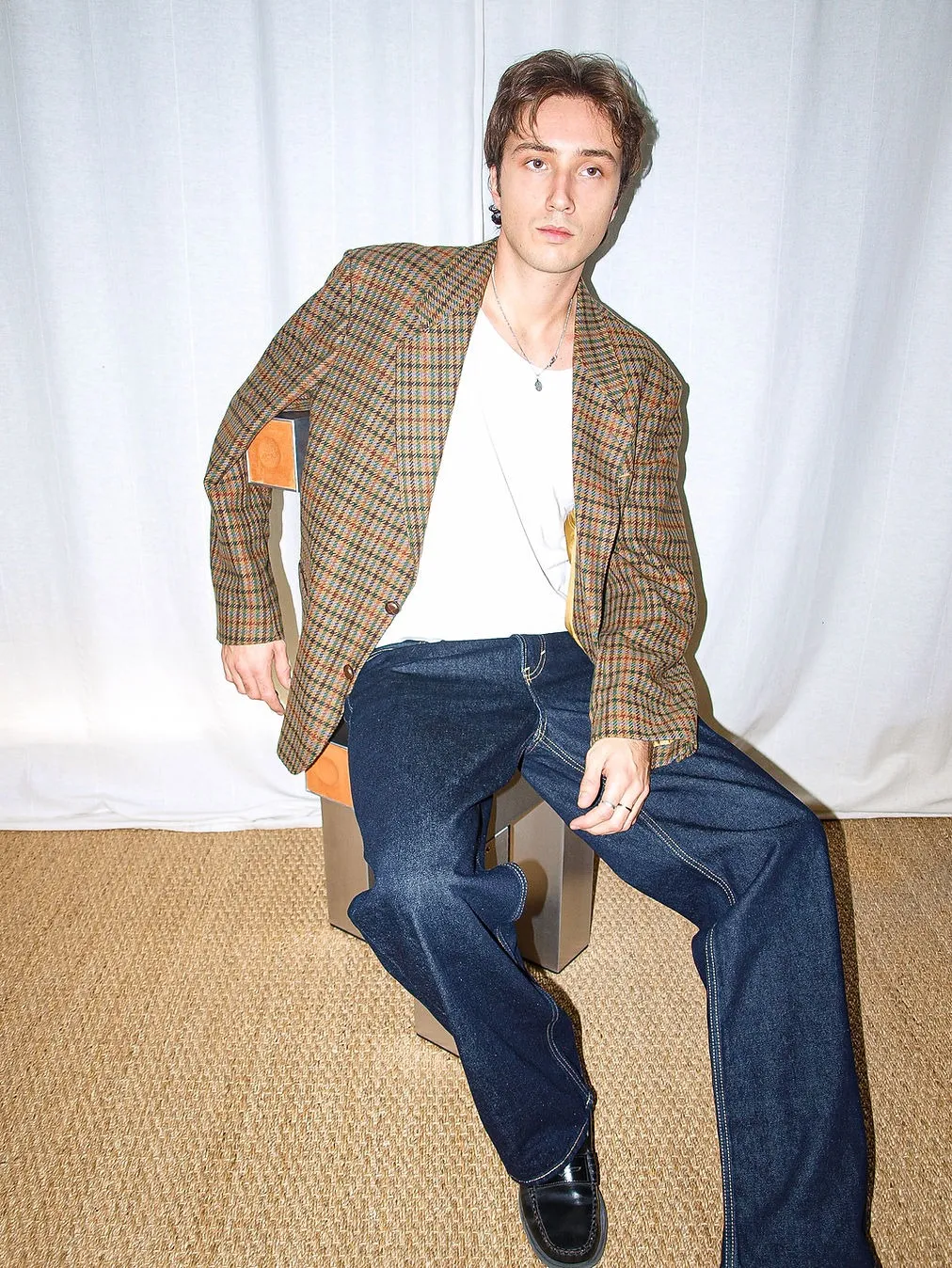
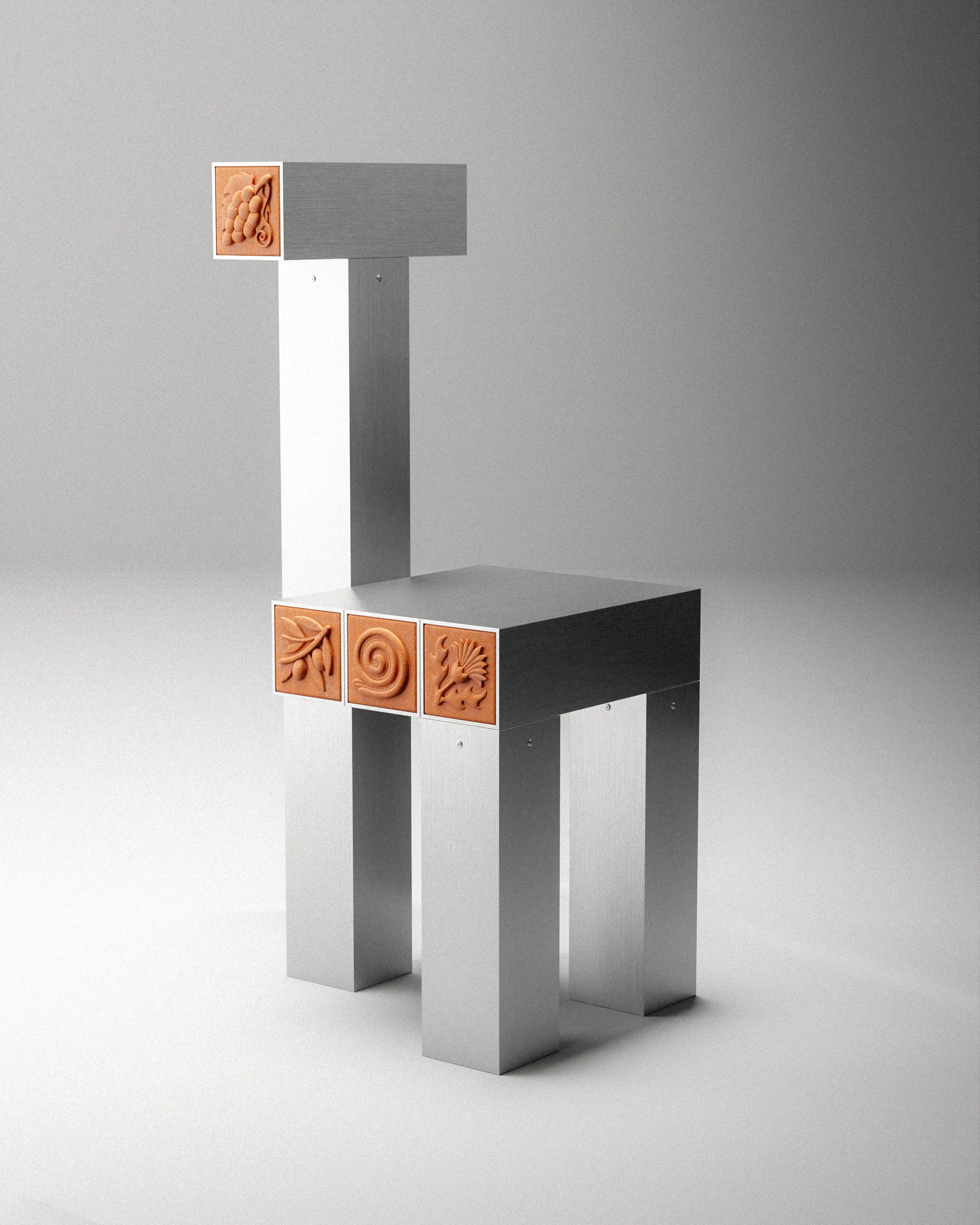
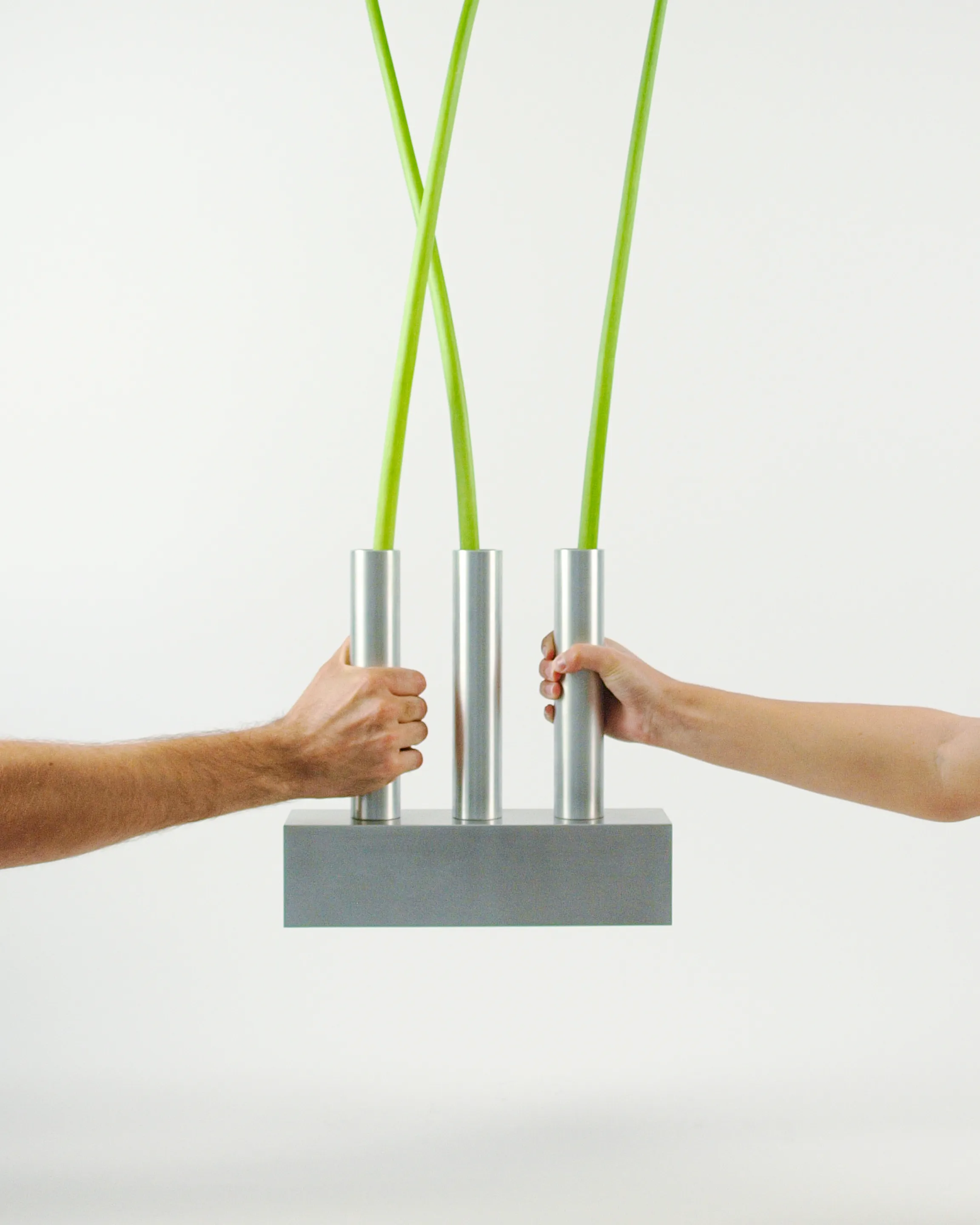
Lucas Cambier works with tension rather than resolution. In the L4 stool, a Danish rope seat rests inside an angular aluminum frame, the woven surface pulled taut against a geometry that feels deliberate and exact. The rope is applied through a traditional mulching technique, each strand fixed by hand, creating a seat that carries both rural memory and structural discipline. The Garriga accent chair sharpens that contrast. Its aluminum frame holds a rigid posture, while hand-made terracotta or wood inserts interrupt the severity with relief and texture. Across his work, industrial material and craft process remain in visible dialogue, recording the decisions that keep the piece balanced between restraint and expression.

Panorammma Atelier – Mexico City, Mexico
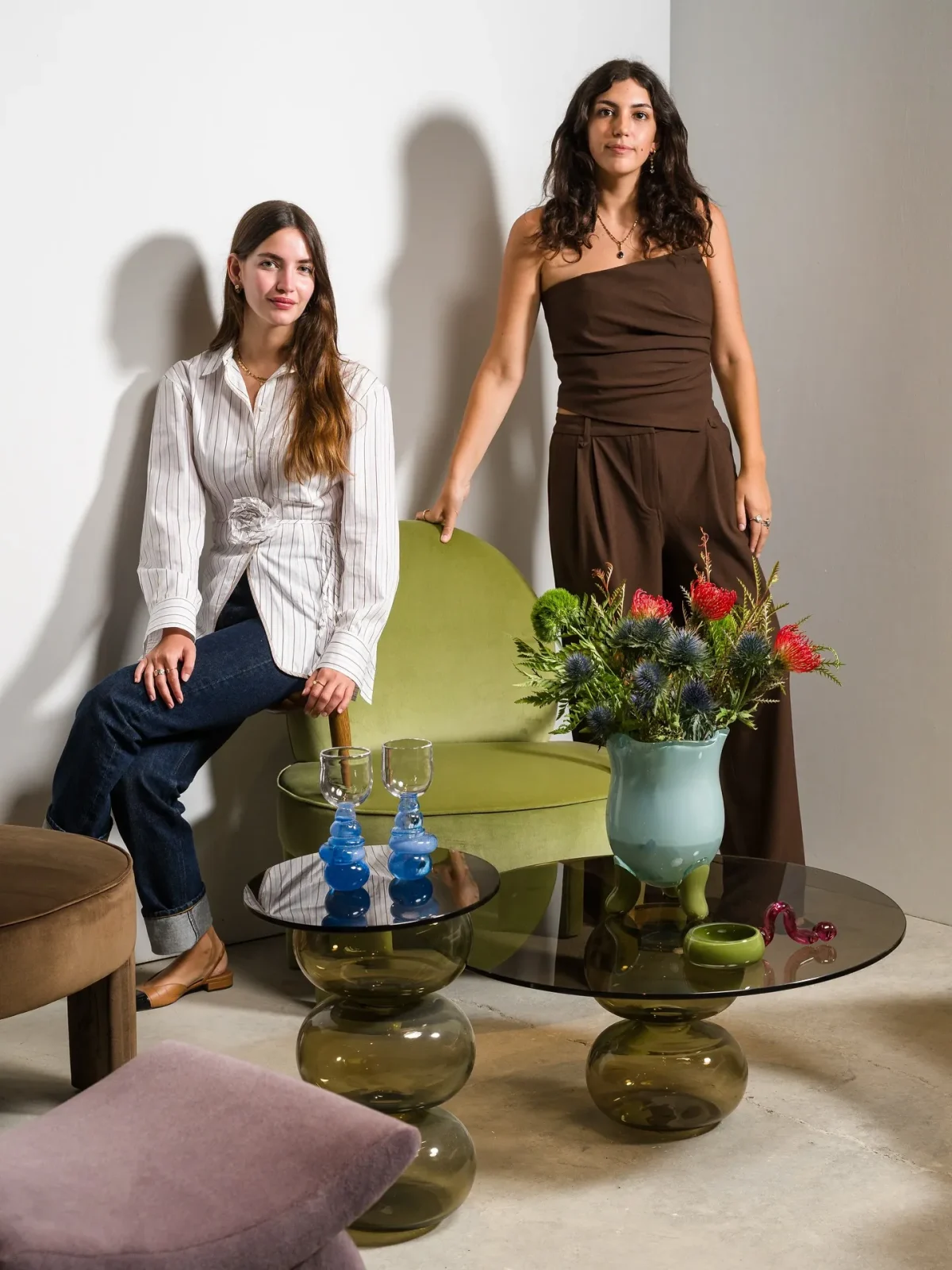
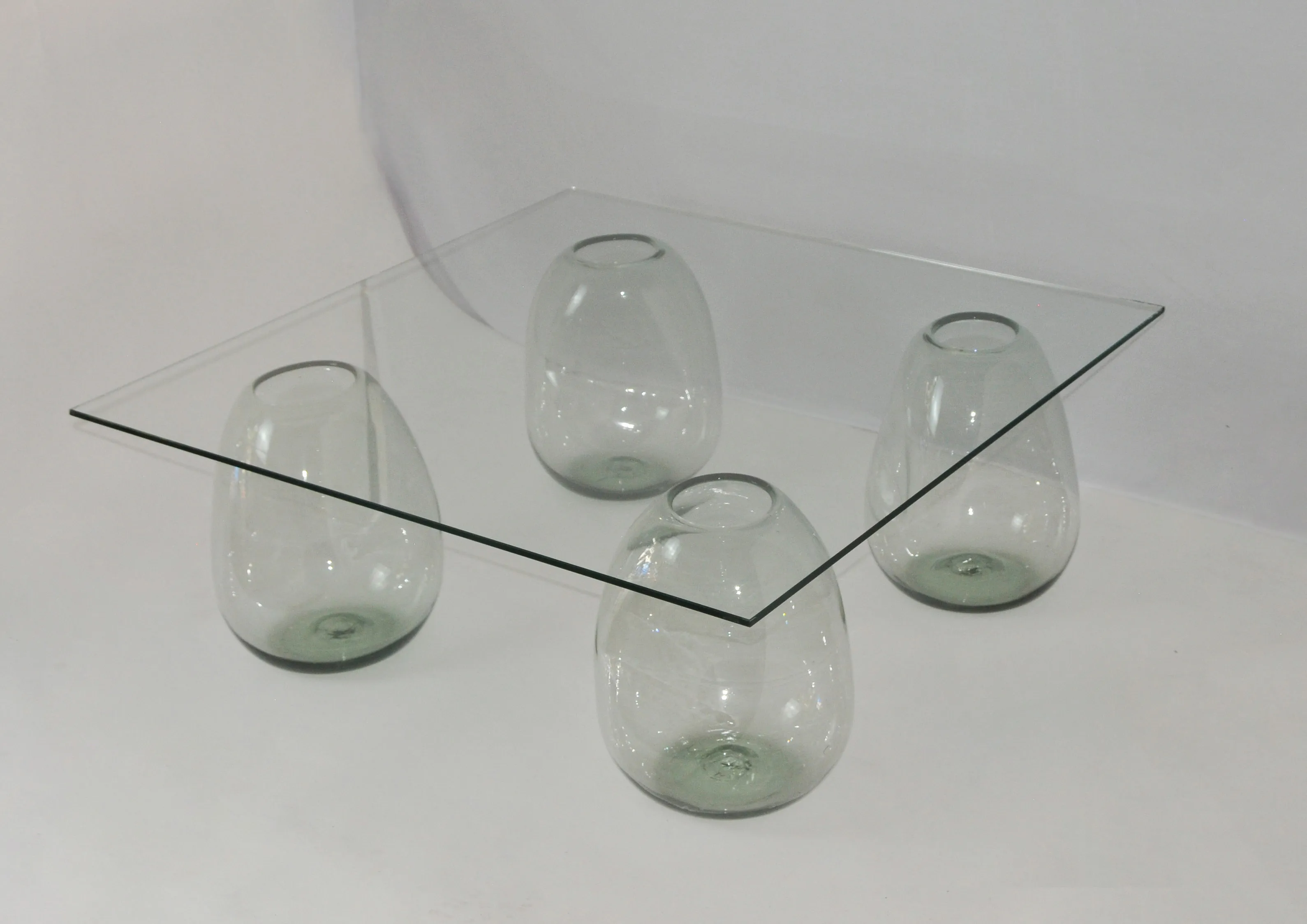
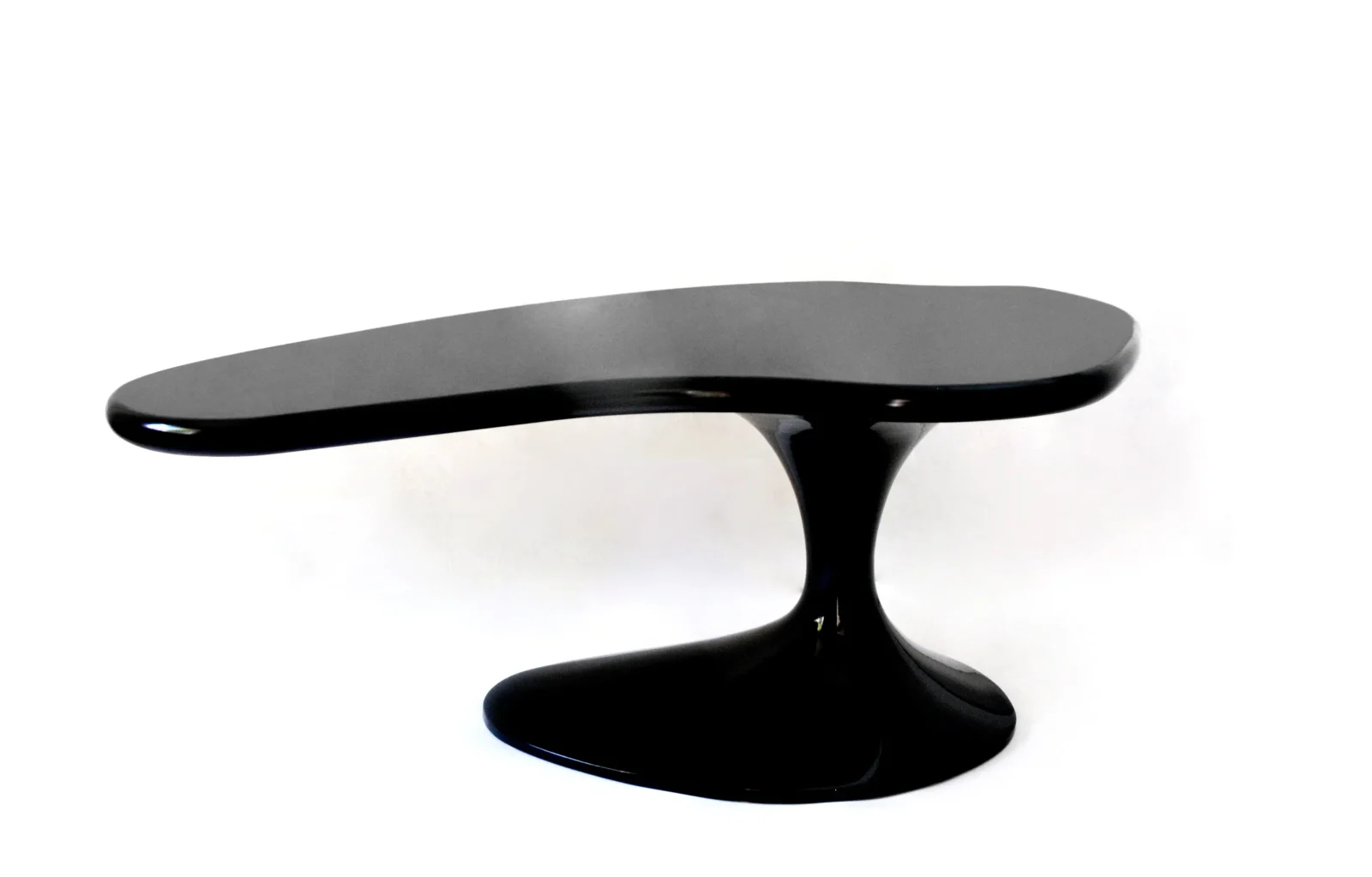
For Panorammma Atelier, the domestic interior becomes a stage where objects carry narrative weight. The Bubble Glass coffee table draws on retro-futuristic fantasies, reflecting how past generations pictured what might come next. The piece holds that projection in physical form, a reminder that design often begins with collective imagination. Polished in black and shaped with the silhouette of a grand piano, the Piano Desk frames work as performance, inviting posture and rhythm into routine tasks. Across Panorammma’s practice, objects depend on engagement, on the person who sits, works, rearranges, and inhabits them. The human signal appears in that exchange, between narrative and action.
Studio AOAO – Amsterdam, Netherlands
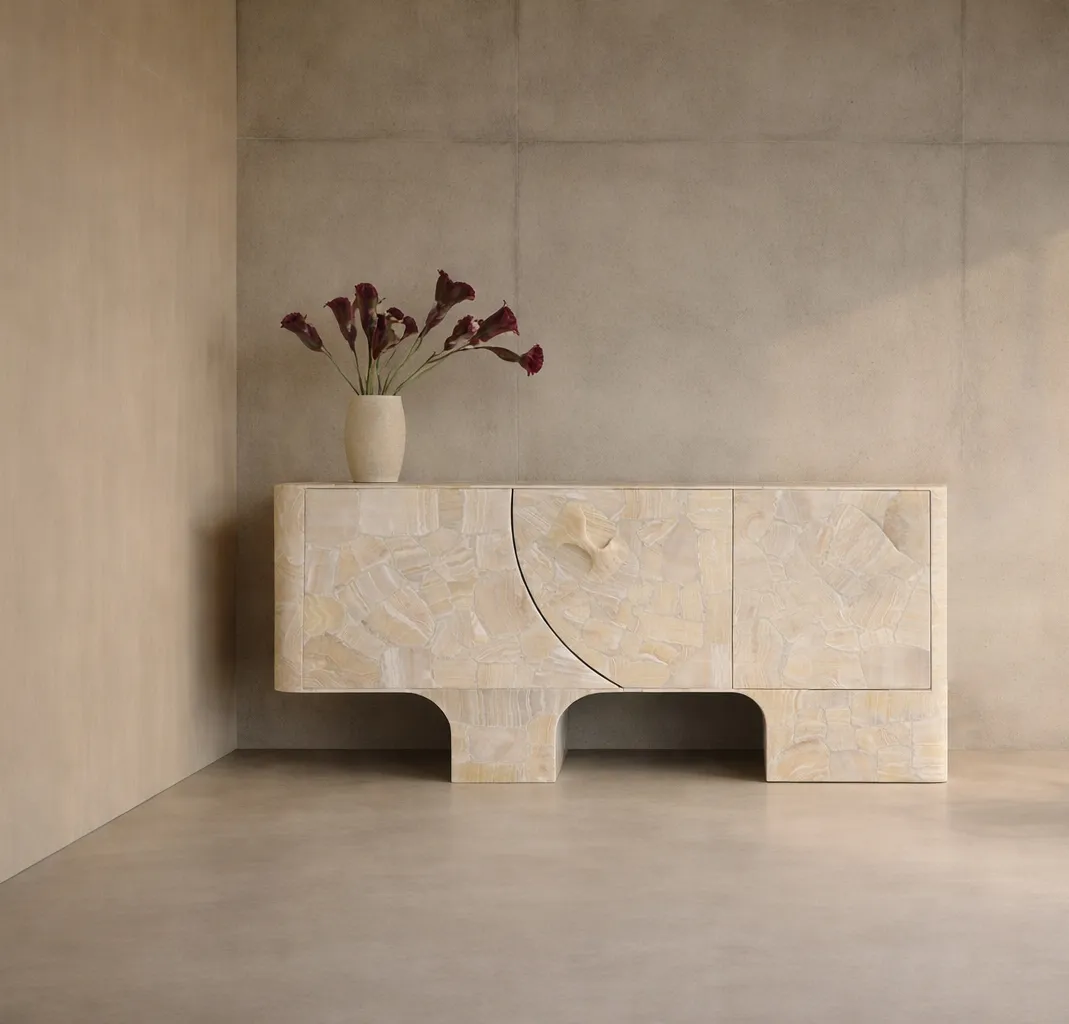
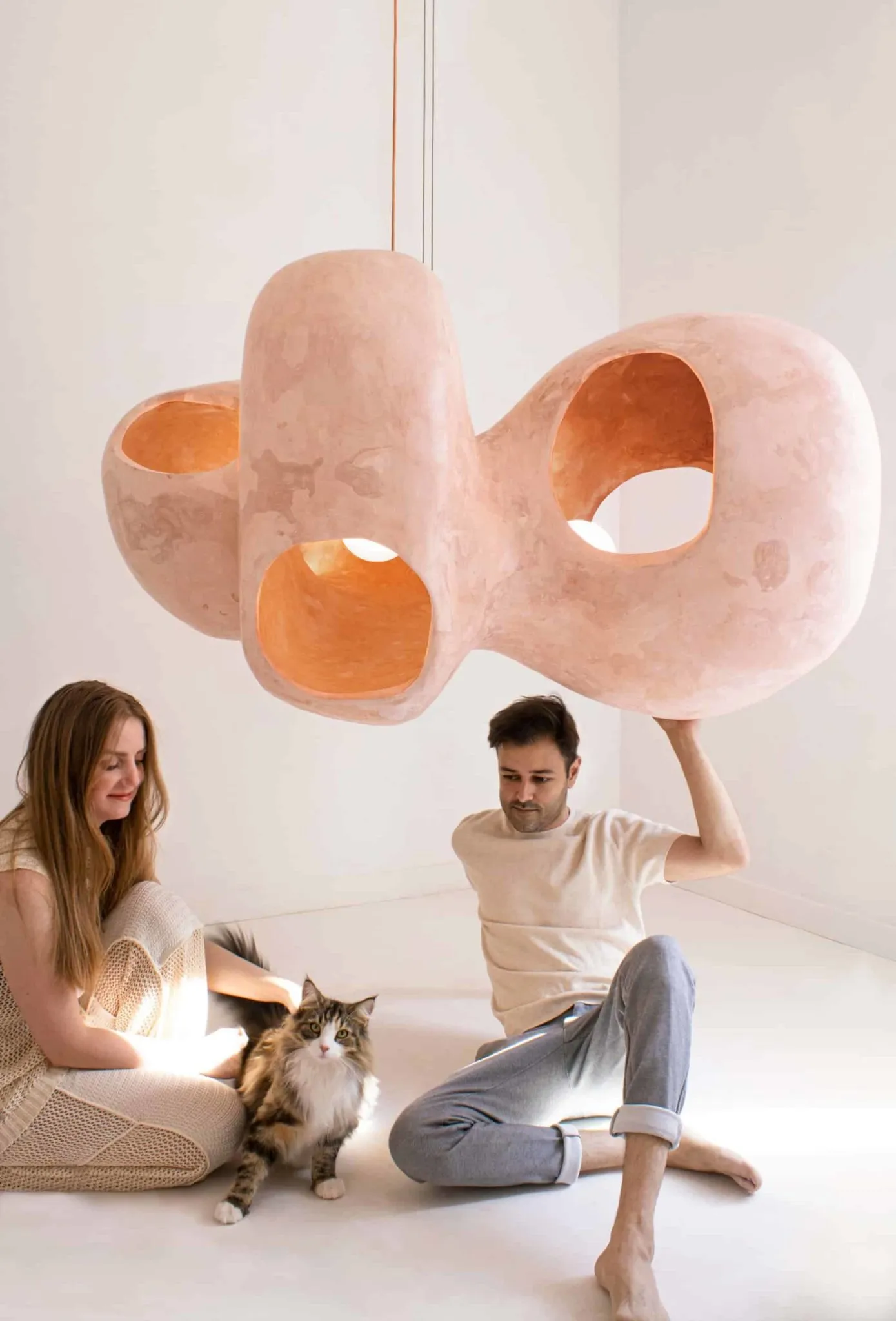
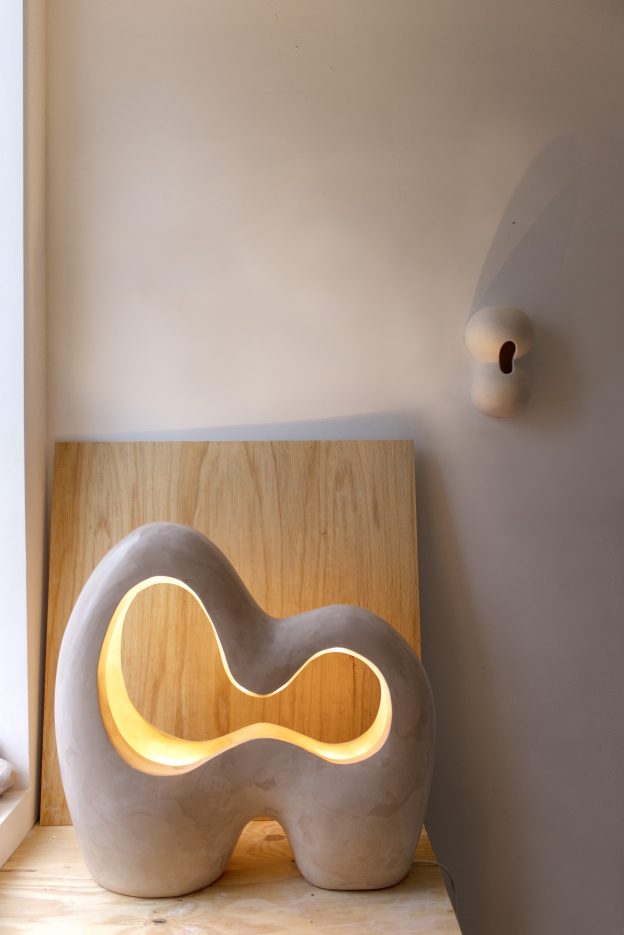
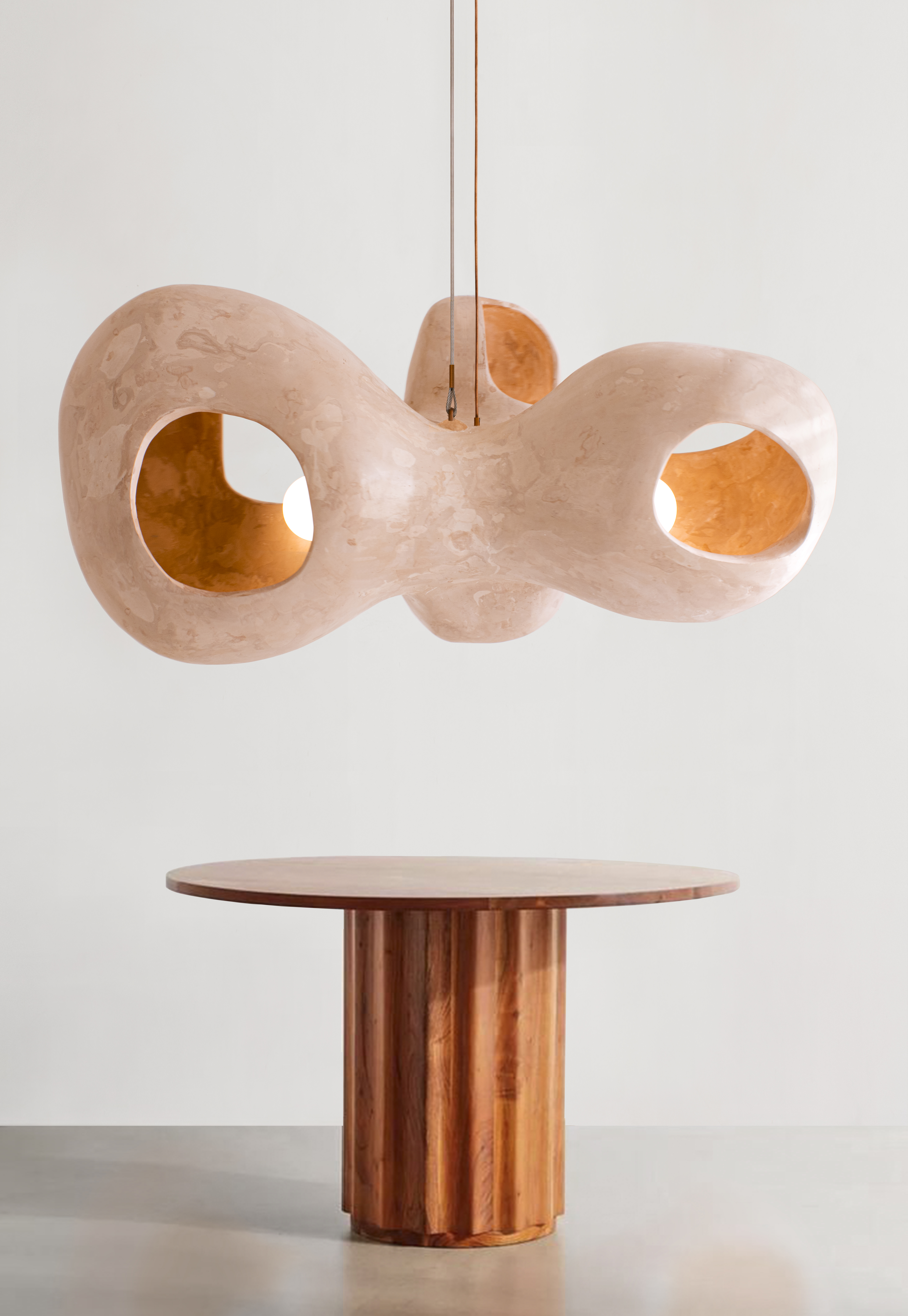
Studio AOAO grounds its practice in intuition as a bodily faculty. The Infinite lamp, cast in gypsum and carved by hand, draws from the idea that intuition extends from our organism, rooted in primal human senses. Light moves across its irregular surface, shifting with position and proximity, so perception becomes part of the work. The Bosei chandelier enlarges that human focus through the lens of motherhood. Sculpted in gypsum, the chandelier balances a resilient outer shell with carved openings that release a warm interior glow. The piece frames transformation as material fact, shaping light and form around the experience of carrying, sheltering, and sustaining life.
Studio S II – Brooklyn, USA
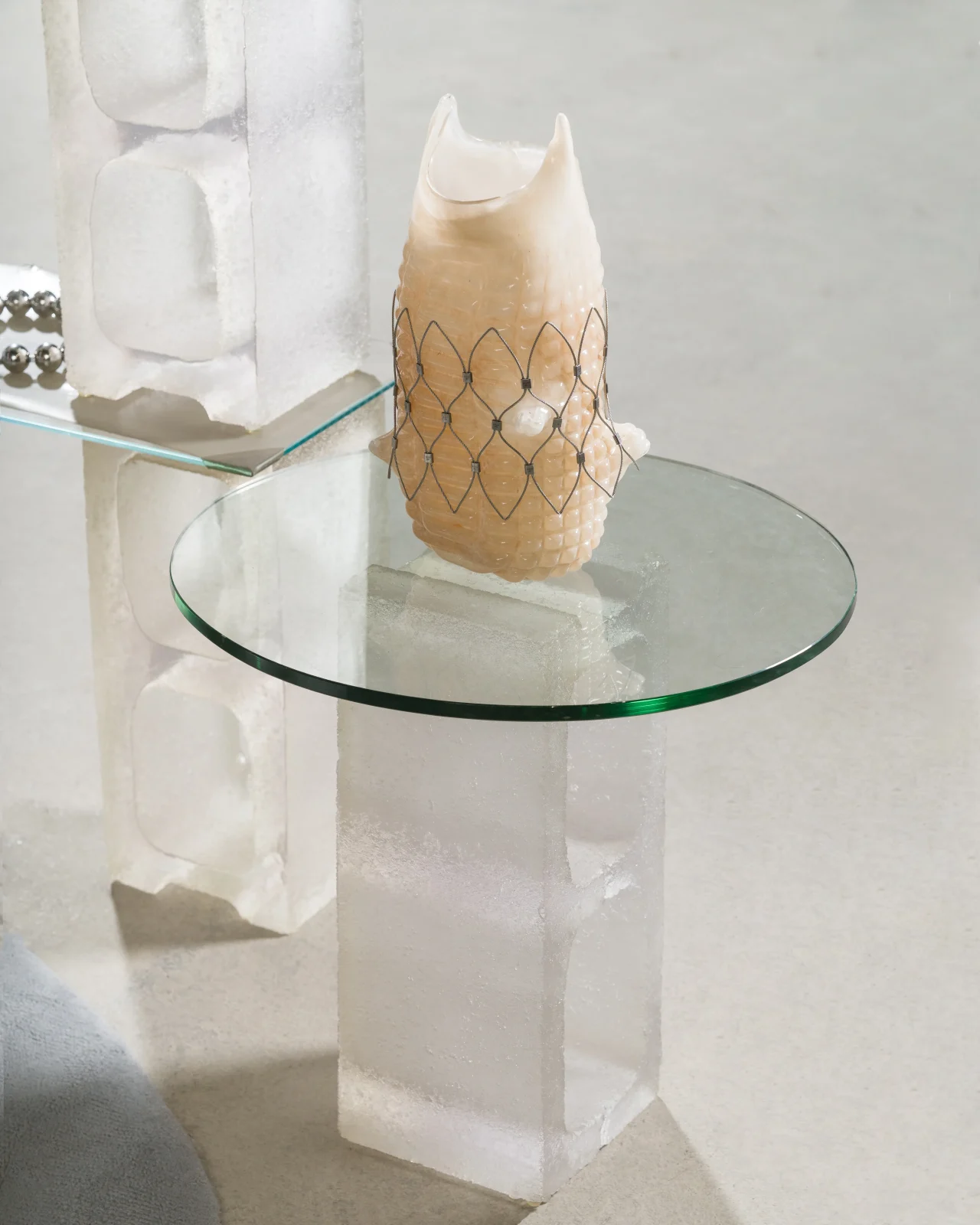
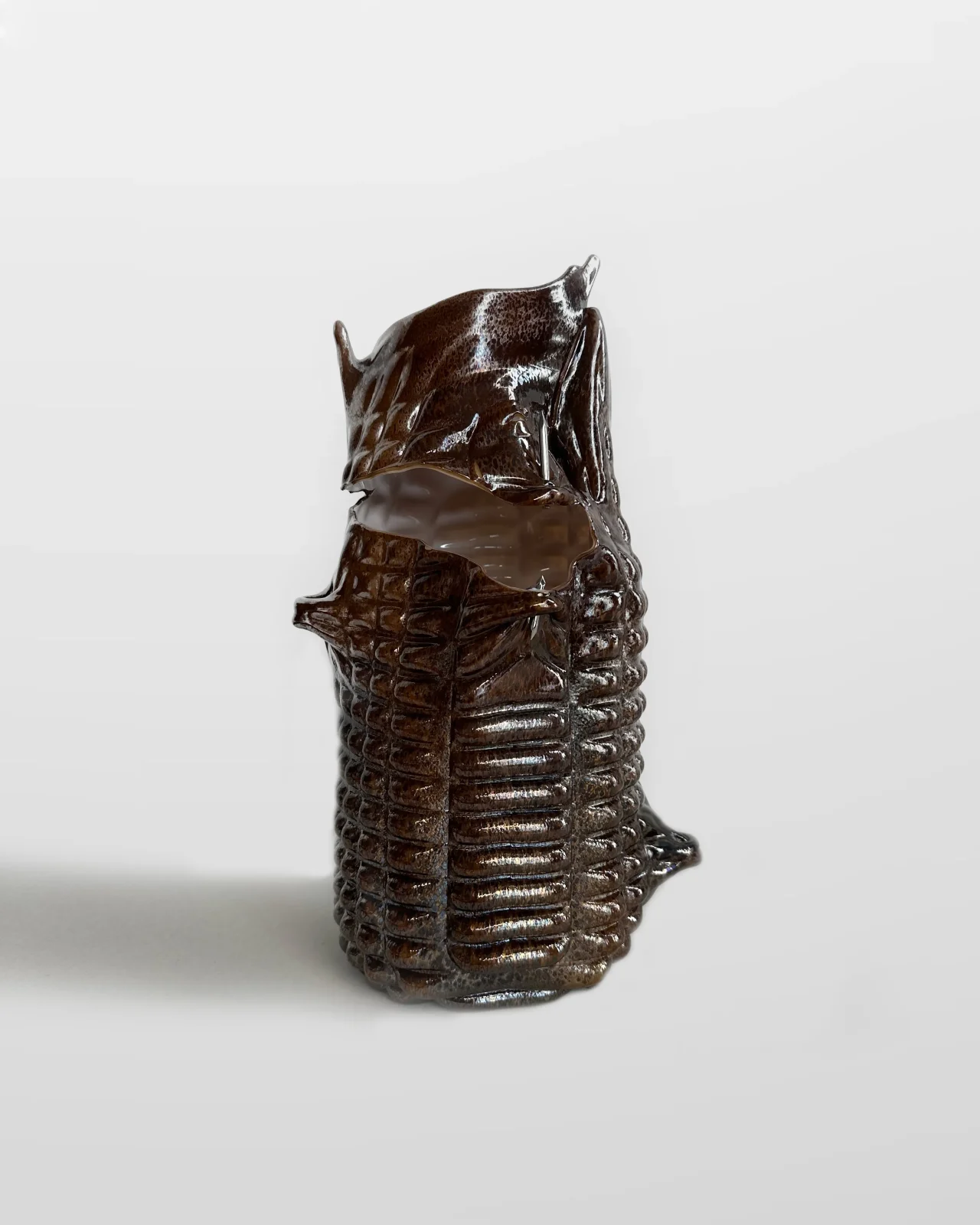
Studio S II works from the premise that objects carry systems of power within them. In the “Reliquary for the Deconsecrated” series, glass vessels take the shape of corseted bodices, blown hot and dusted with powdered pigment to achieve a surface that suggests skin. The Chastity sconces extend this logic into light. Stainless steel forms a rigid grid over rippled glass, holding illumination behind a visible barrier. The glow is not diffused into softness but structured through restraint. The body is neither ornament nor afterthought. It is the origin point, the scale, and the site through which discipline, protection, and autonomy are negotiated in material form.

Ultramar Studio – Madrid, Spain
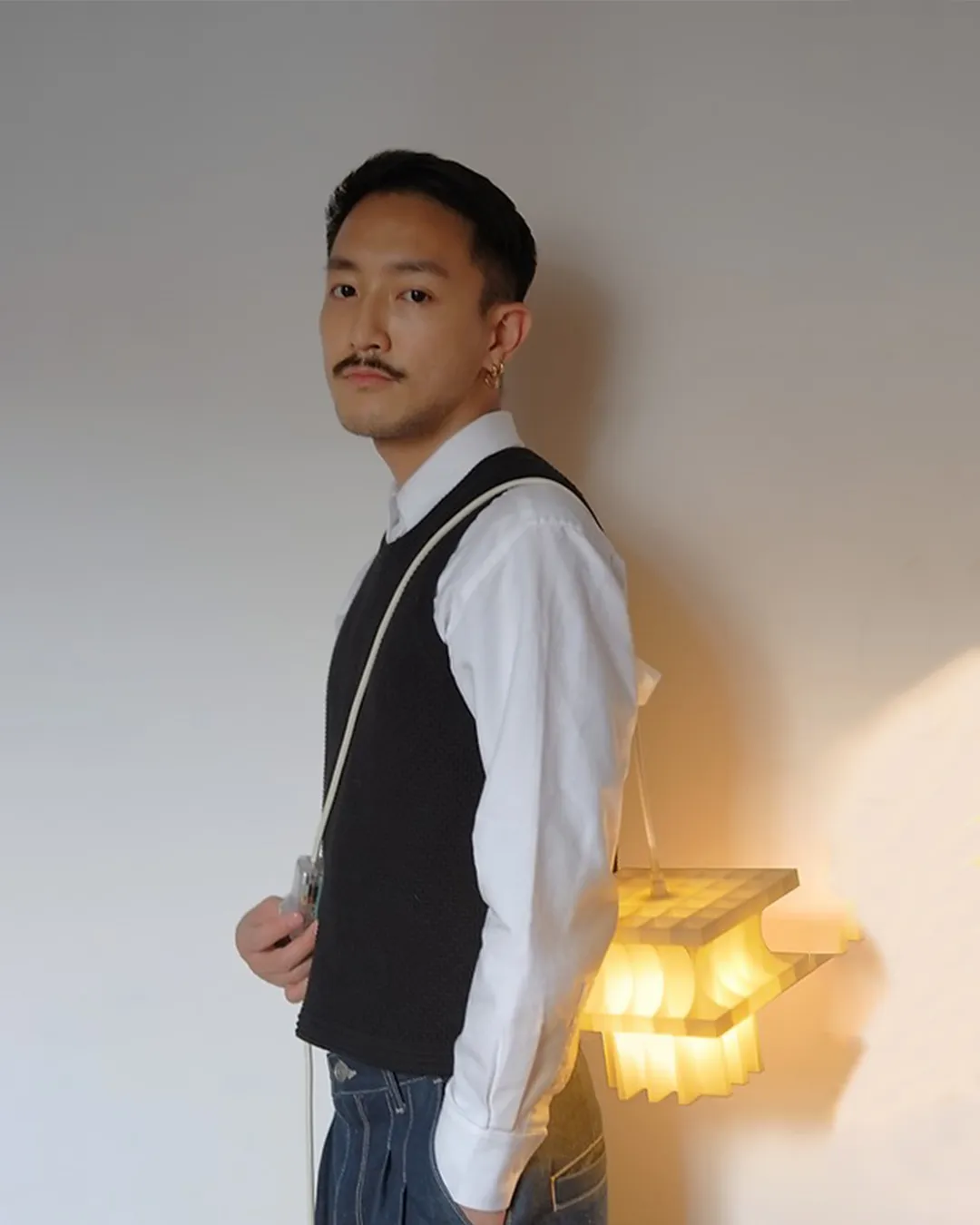
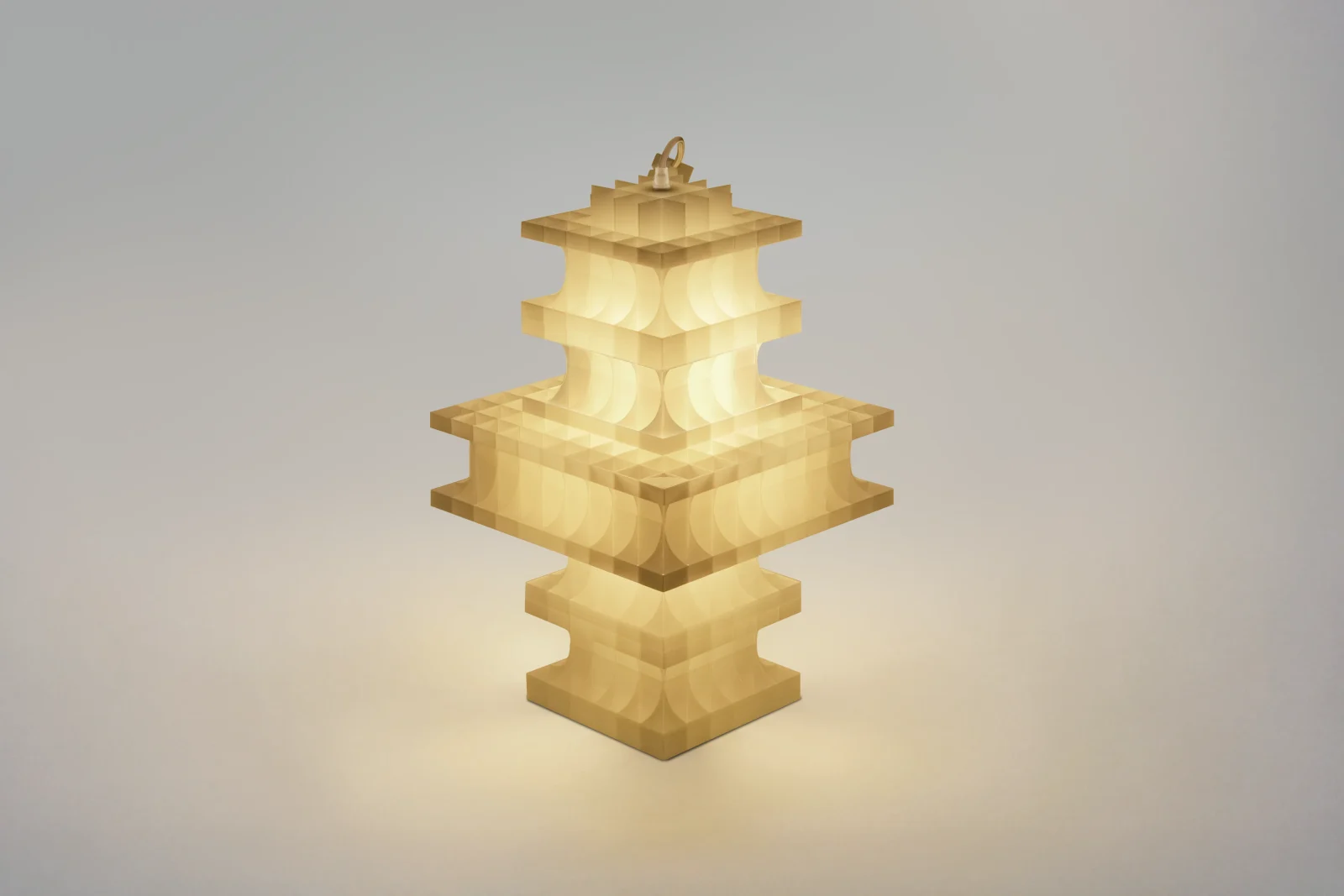
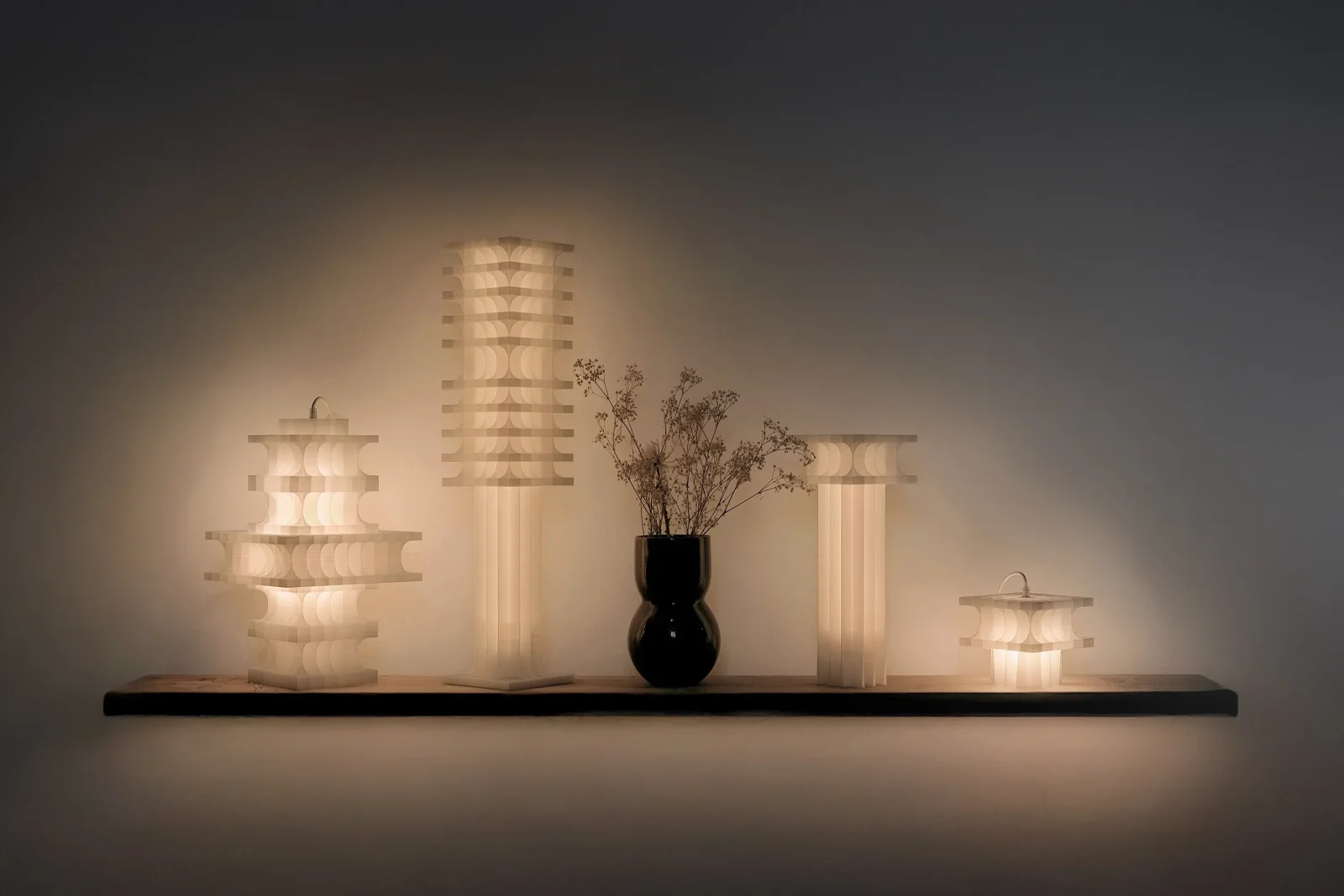
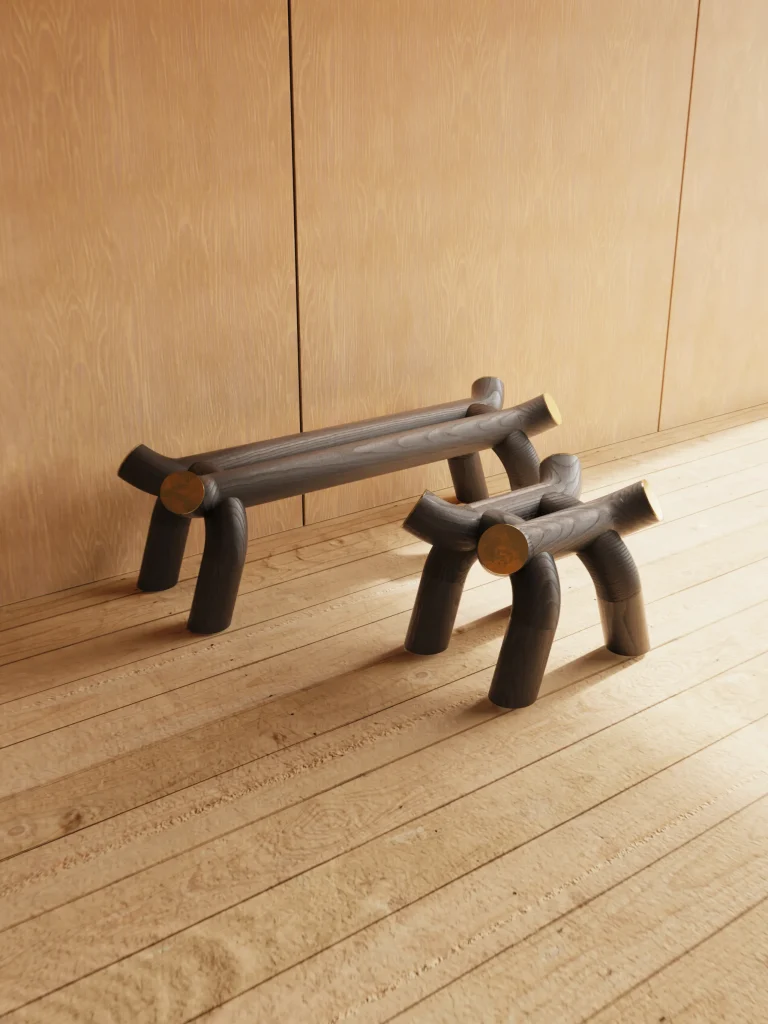
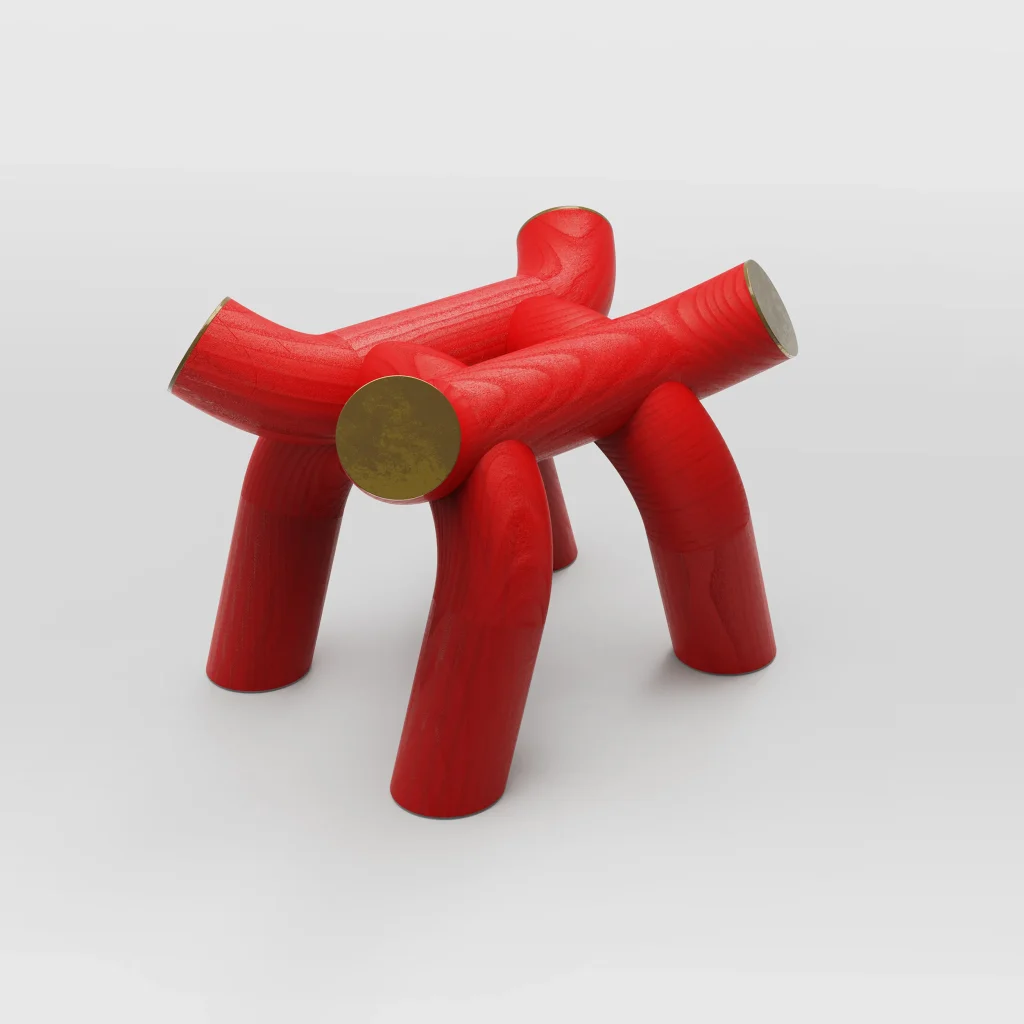
Ultramar Studio builds its language from myth and migration. In the Citadel collection, tiered luminaires rise like fortified towers, drawing on the image of the Heavenly Palace from Chinese folklore. Their layered geometries and latticework filter light into patterned constellations, connecting architecture, belief, and memory. The Torii bench translates another cultural form into furniture. Two arched legs and a beam-like seat echo the silhouette of the gate, stained wood revealing brushstrokes, brass details catching light at the edges. Across Ultramar’s work, design becomes a conduit for shared heritage, carrying human histories across distance and into daily life.
Products by Tag
Asea No. 25 Wall Sconce in Blown Glass and Stoneware
Dahlia – Steel Wall Vase
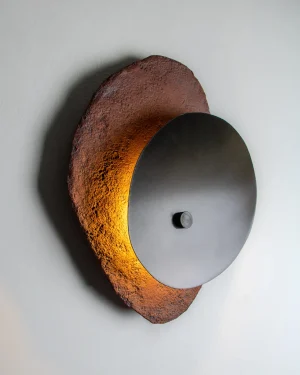
Asea No.1 Cherry Wall Sconce in Stoneware and Metal

Isolation Coffee Table in Cork and Burnt Pine
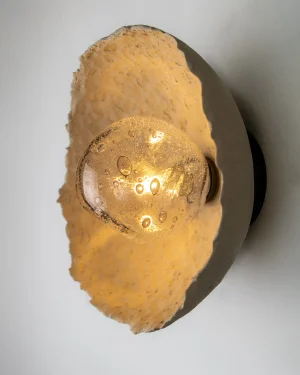
Asea No. 23 Wall Sconce in Stoneware and Blown Glass
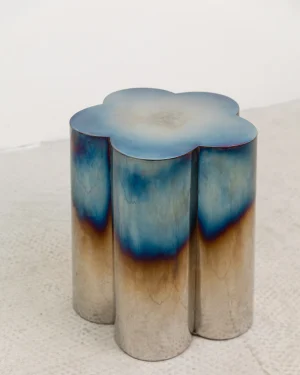
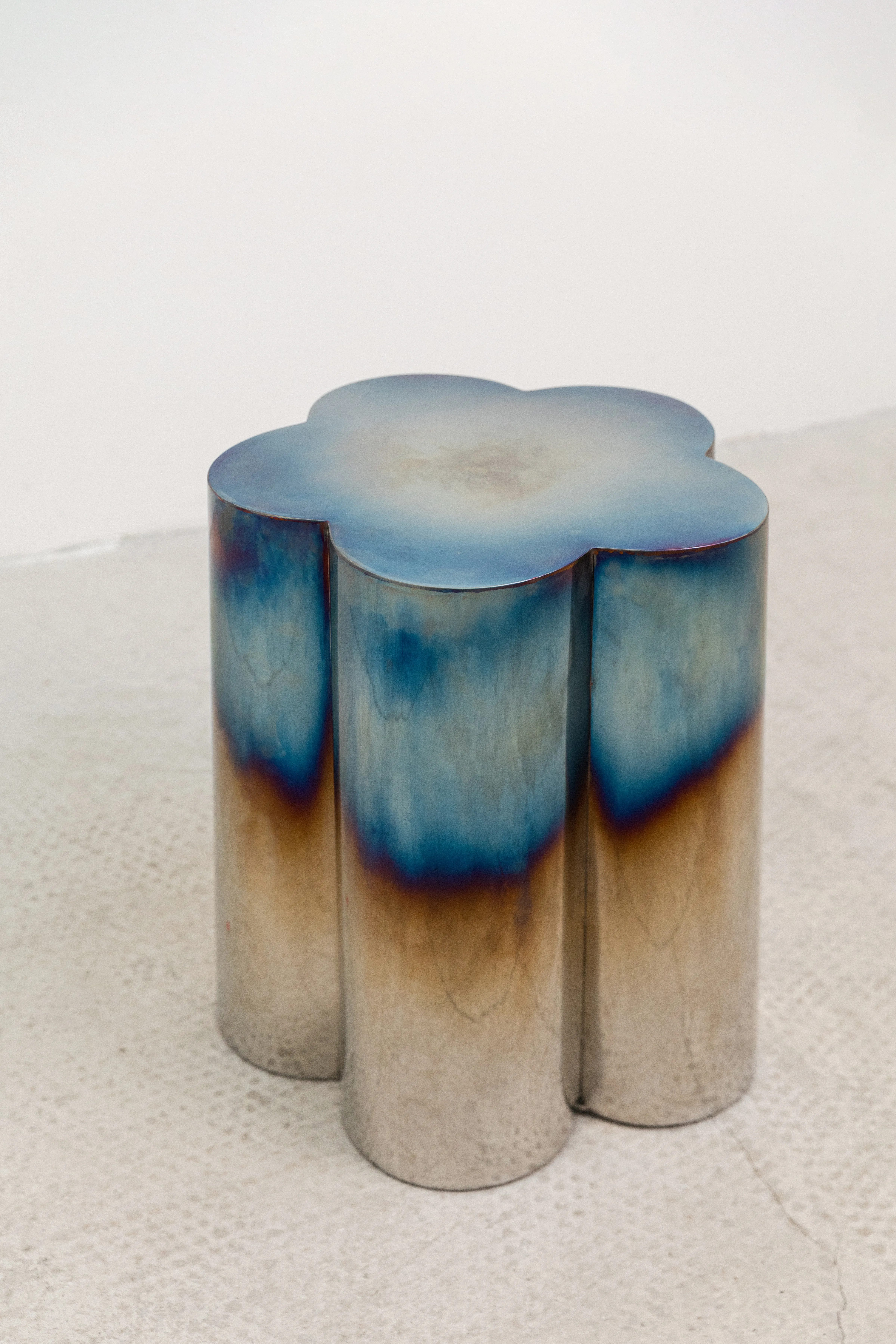
Barvinok Side Table in Heat-Treated Stainless Steel
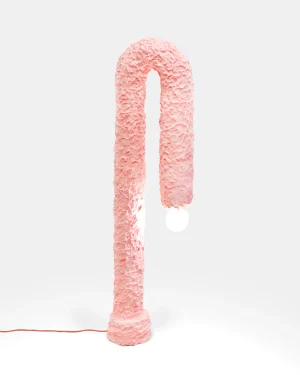
Lampadulure Pink Floor Lamp in Metal
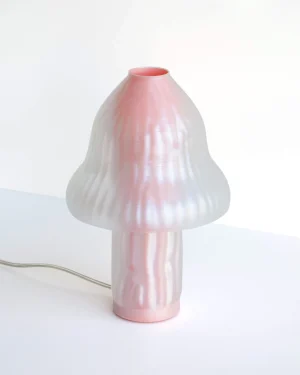
Lampamodelé Pink Table Lamp in 3D Printed PLA
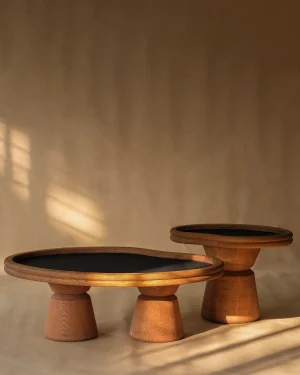
Müra Coffee Table in White Ash Wood
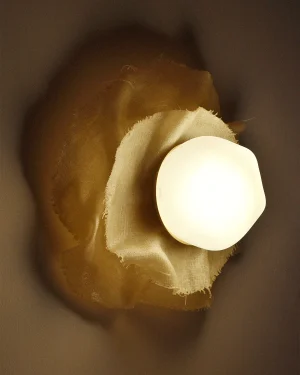
Liora II Wall Sconce in Glass, Brass and Fabric
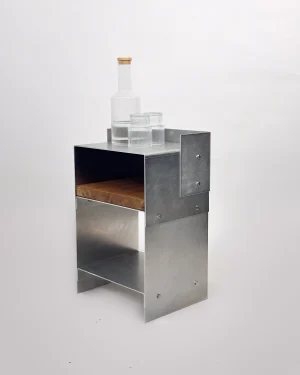
Matted Aluminium Nightstand in Aluminum and Oak
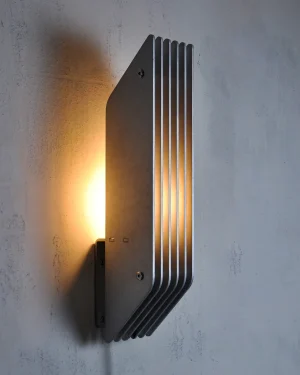
Rln460 Wall Lamp in Matte Aluminium

Ondo Stool
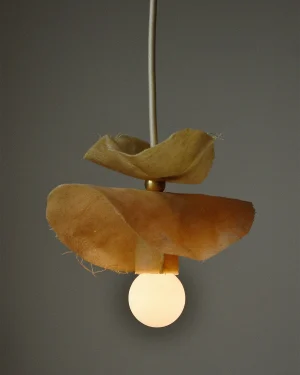
Judie Pendant Lamp in Cotton
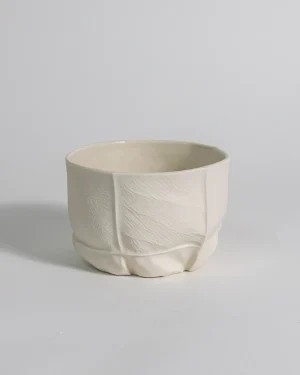
Kawa Matchawan – Limited Edition Leather-cast Porcelain Tea Bowl
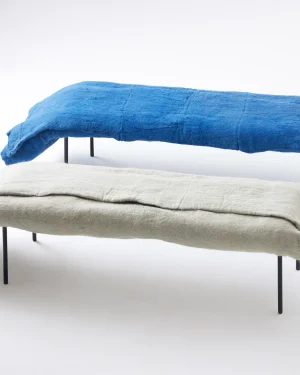
Carpet Bench – Felt / Steel