







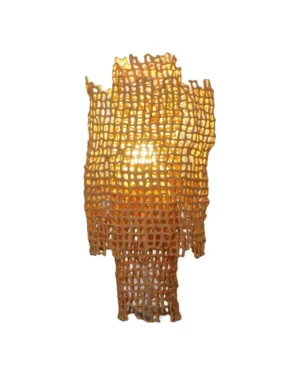

-

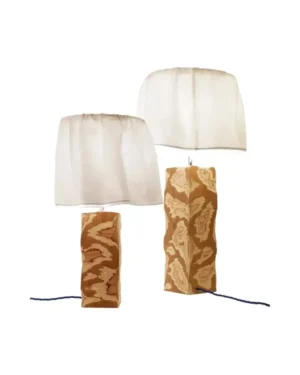
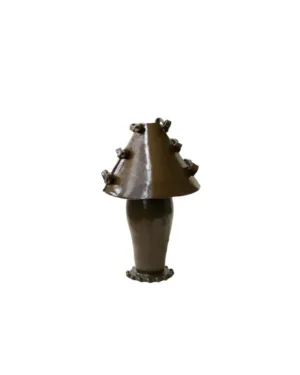
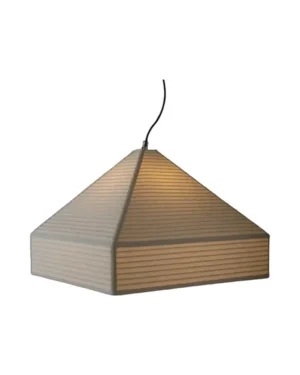
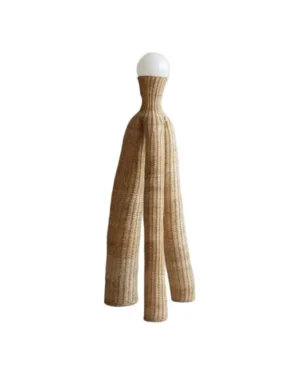
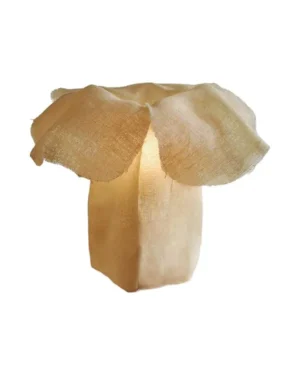
Ombrellina Table Lamp in Earthenware
By mattina moderna
€655 -
 In stock
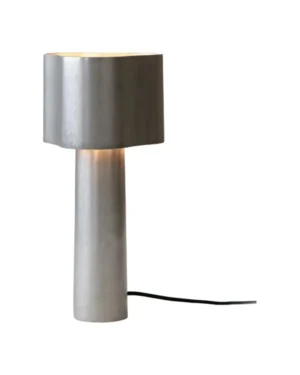
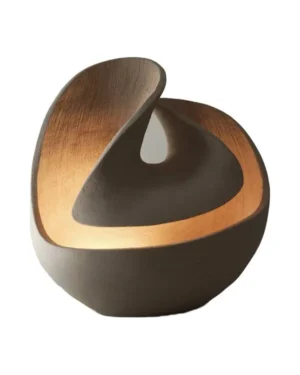
Caterina Table Lamp in Earthenware
By mattina moderna
€585 -
 In stock
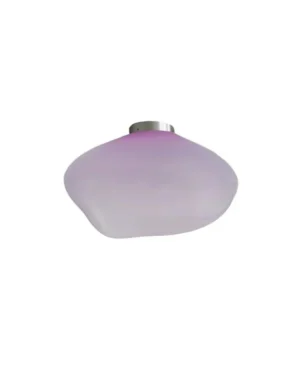
Svitlotin Olive Pendant Lamp in Stainless Steel
By SVITANOK
€890 - €960 -

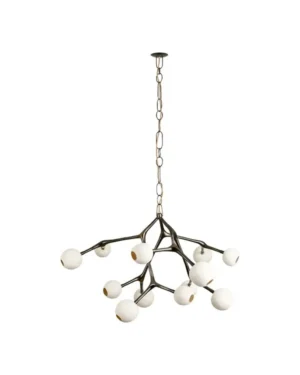
GP033 Chandelier in Brass and Blown Glass
By Naama Hofman
€4.200 -

GP032 Chandelier in Brass and Blown Glass
By Naama Hofman
€6.500 -

Small Wall Sconce in Blown Glass and Brass
By Naama Hofman
€700 -

Small Wall Sconce in Brass and Blown Glass
By Naama Hofman
€700 -

Double Wall Sconce in Brass and Blown Glass
By Naama Hofman
€1.150 -

Large Wall Sconce in Blown Glass and Brass
By Naama Hofman
€850 -
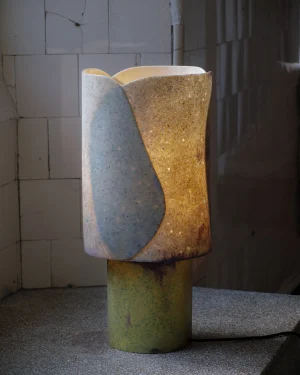
Verve Green Table Lamp in Bio-based Resin
By Justyna Poplawska
€1.900 -
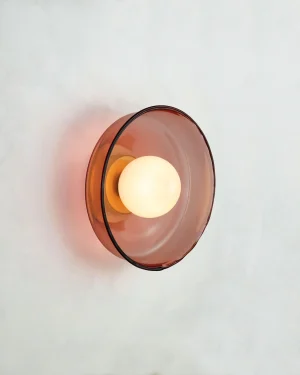
Large Wall Sconce in Brass and Blown Glass
By Naama Hofman
€850 -
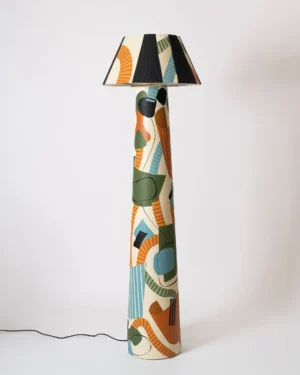
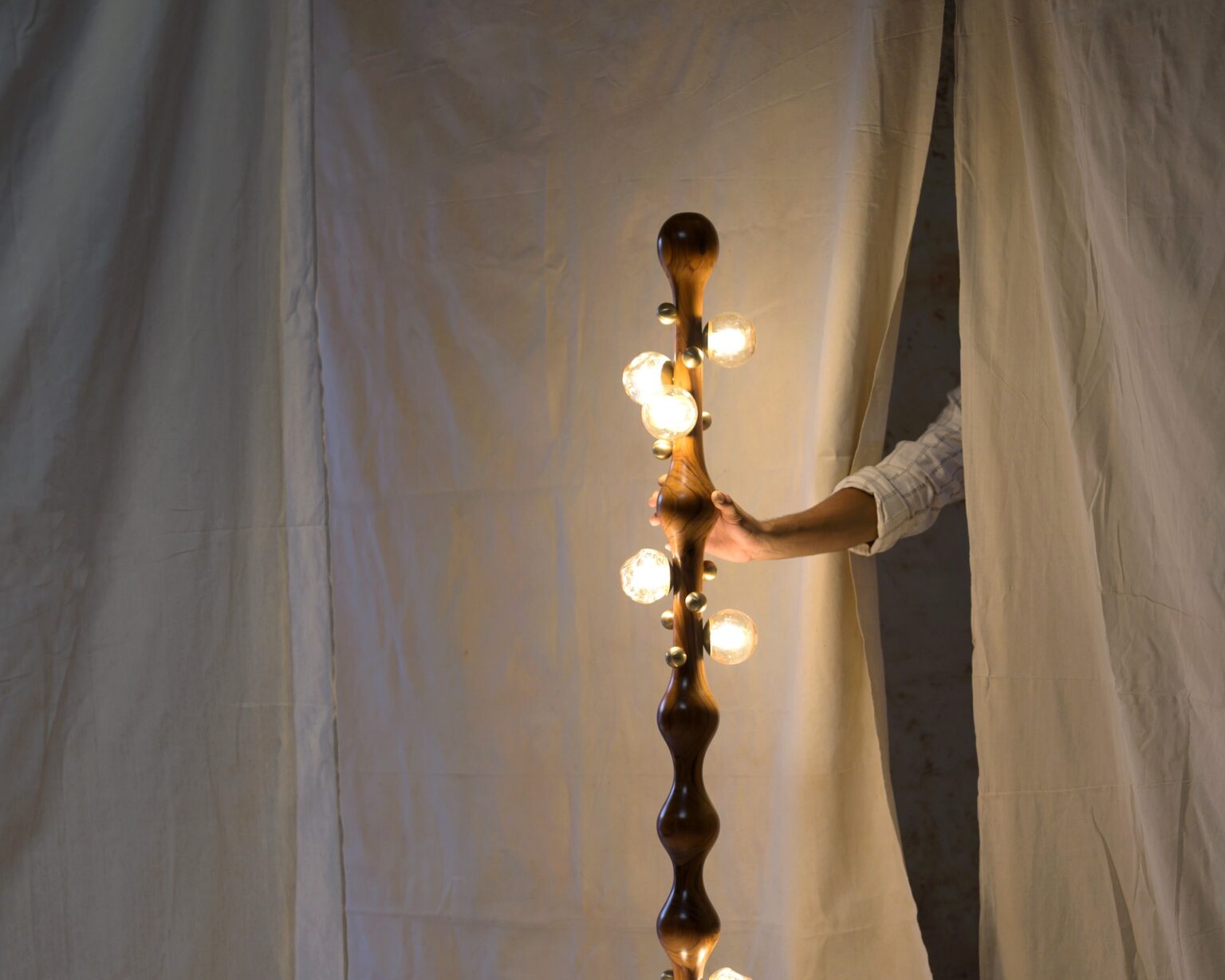
Hand Painted Rio Floor Lamp In Clay Paste And Mild Steel
By Harshita Jhamtani Designs
€3.940
Olive lighting gathers table lamps, pendants and sconces in a muted green that reads closer to clay or moss than to true color. The tone turns up through blown glass, hand-painted ceramics and patinated or painted metalwork, each surface carrying the shade a little differently. Studios working across metal lighting and glass arrive at olive by different routes, but the result stays quiet and easy to place.
What gives olive lighting its tone
In blown glass, olive comes from metal oxides worked into the molten batch, so the color can shift slightly across a piece, deeper where the glass pools thicker at a base or a curve. Hand-painted finishes sit on earthenware or metal as an opaque layer, flatter and more even, often with a visible brushed or sponged texture up close. Metalwork pieces get their olive from patination or coating rather than pigment in the material itself, which means the color sits on the surface and can wear at edges and high points over years of handling.
The range of materials and techniques
Within olive lighting, the making methods vary as much as the materials do. Glassblowing produces rounded, slightly irregular forms where the color pools and thins. Hand-building and wheel throwing give earthenware bases a visible seam or throwing ring under the glaze. Metalwork, mild steel in particular, tends toward harder edges and flatter planes, finished with plastering or painted detail in some pieces. Most of what turns up here is made in open editions, with occasional limited runs where a studio caps a glaze batch or a casting run.
How to choose a piece
Scale matters more with olive than with brighter colors, since a muted tone can disappear in a large room or dominate a small one depending on how much surface it covers. A single olive table lamp reads as an accent; an olive pendant hung low over a dining table or a cluster of sconces becomes closer to a backdrop.
- Match the finish to the room's other metals: brass hardware pairs more easily with olive glass than with a matte painted shade.
- Check mounting height for pendants and wall sconces before ordering, since olive tones can read darker in low light.
- Pick glazed or glass surfaces for rooms that get handled often, since painted metal shows wear sooner at touchpoints like switches and pull chains.
Where it works in a room
Olive settles well into living room lighting, where its muted register sits alongside wood, linen and stone without competing for attention. It works equally in a bedroom, as a bedside lamp low enough not to glare, or in a hallway as a single sconce. Paired with warm woods or terracotta, olive reads earthy; against black steel or concrete, it reads more austere, closer to the palette of minimalist lighting.
Care and handling
Blown glass needs only a dry or barely damp cloth, since moisture left on a patinated metal base can speed further oxidation and shift the olive tone unevenly. Painted or glazed earthenware should stay out of direct sun for long stretches, which can dull a painted finish faster than a fired glaze. Dust metalwork regularly rather than scrubbing it, since abrasive cleaning can strip a patina down to bare metal at the edges first.
For the full spread of greens, every olive piece on ADORNO spans lighting, seating and tableware, while all lighting covers the materials and colors beyond this one tone.
How do I choose an olive lighting piece?
Match the making method to the look you want: blown glass gives pooled, uneven color, hand-painted ceramic gives a flat even layer, and patinated metal gives a worn, surface-deep tone.
How do you care for olive lighting?
Dust glass and ceramic surfaces with a soft, dry cloth and keep patinated or painted metal away from moisture, since the color sits on the surface and can wear at edges over years of handling.
What size or height should an olive lamp be?
Sizing depends on the individual piece, since olive lighting spans table lamps, pendants and sconces; the maker can confirm exact dimensions with Chat with the maker on the piece's page.
Which rooms suit olive lighting?
Olive's muted, moss-like tone settles easily into living rooms and bedrooms alike, reading closer to clay or stone than to bold color, so it sits quietly against most other furnishings.
Is olive lighting handmade or produced in limited numbers?
Most olive lighting is made in open editions through glassblowing, hand-painting or metalwork, though some pieces are limited; the maker can confirm an individual piece's edition on its page.
How does shipping, returns and authenticity work when buying through ADORNO?
Shipping is insured and worldwide, returns are accepted within 14 days except on made-to-order pieces, and each purchase comes with a certificate of authenticity and a lowest-price guarantee.