






-
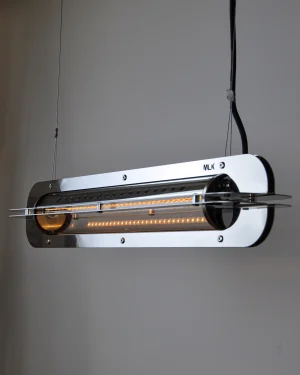
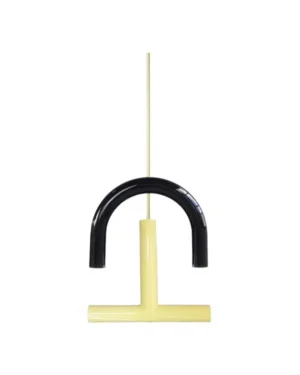
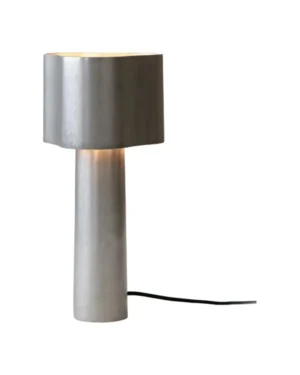
Pill600 Pendant Lamp In Mirror Stainless Steel
By MLK Furniture
€1.090 -

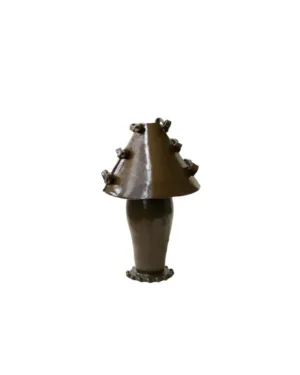
Pill1200 Floor Lamp In Stainless Steel
By MLK Furniture
€1.690 -
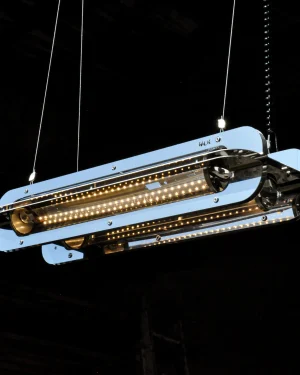
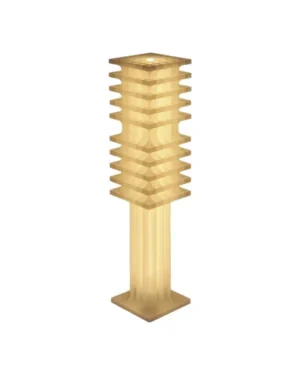
Pill600x2 Pendant Lamp In Mirror Stainless Steel
By MLK Furniture
€1.890 -
 In stock
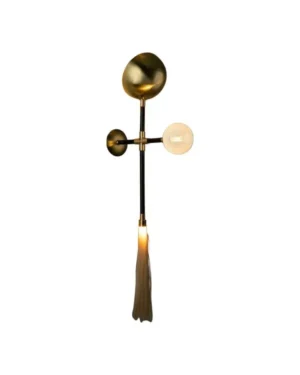
Cave Table Lamp In Glass
By Dace Sūna
€1.500 -

Fractical Neon Table Lamp In Glass
By Dace Sūna
€1.000€850 -
 In stock
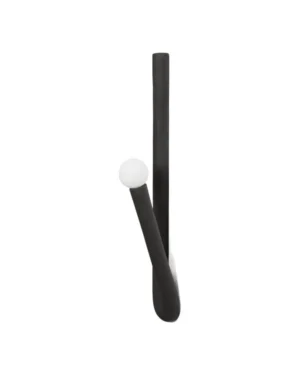
Helium Sconce
By Dace Sūna
€1.500 -
 In stock
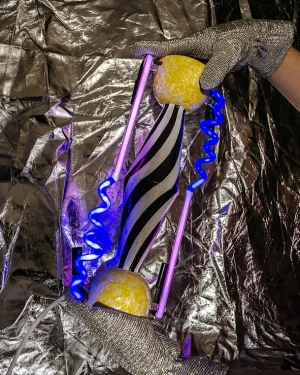
AnKa Colors of Dawn Table Lamp in Ceramic
By UAU Studio
€1.500 -
 In stock
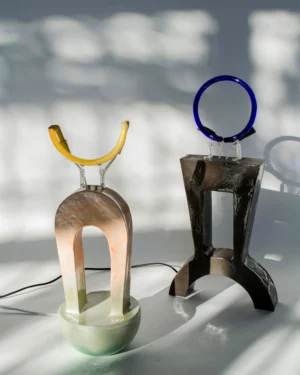
Synkro Table Lamp in Stoneware
By UAU Studio
€1.500 -
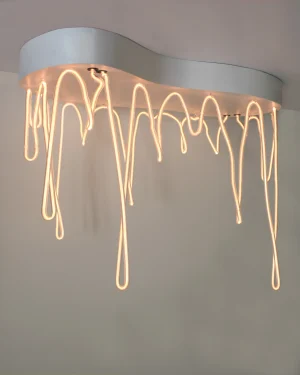
Vertical Fractal Helium Chandelier In Glass And Metal
By Dace Sūna
Price Upon Request -

Follow The Deer Table Lamp In Neon Glass
By Dace Sūna
Price Upon Request -
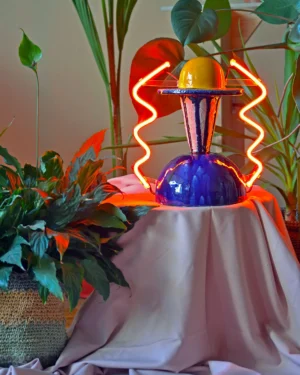 In stock
The Jetsons
By UAU Studio
€1.200
Neon lighting bends thin glass tubing into glowing line and color, each tube heated over an open flame until it softens enough to curve into letterforms, loops or abstract shapes. Studios working this way pair old lampworking methods with electrodes and inert gas, so the glow comes from the material itself rather than a bulb hidden inside it. The result sits somewhere between lighting and sculpture, usually sold as a limited edition or as a one-off.
How neon lighting is made
Lampworking is the starting point: a glassblower heats a glass rod or tube and shapes it freehand, bending it around a pattern until the form holds. Once cooled, the tube is filled with neon or argon gas and fitted with electrodes; a current passed through the gas produces the signature glow, pink to coral for neon, blue to white when argon and mercury are used instead. Some studios combine this with glass fusing or cold working, grinding and polishing joints so the light reads as one continuous line rather than a series of welds.
Color, finish and form across the range
Color sits at the center of what neon lighting offers: multicolor pieces sit alongside work in a single saturated hue, light pink, light yellow, red, blue or yellow, each tied to the specific gas and coating used inside the tube. Finishes extend beyond the glass itself. Mounts and bases turn up in stainless steel, polished stainless steel and other metals, worked by hand into brackets, stands or wall plates that carry the tube without competing with it. Stoneware bases, glazed or hand-built, show up too, giving a warmer, more textured counterpoint to the glow above them.
Choosing a piece for scale and placement
Scale matters more with neon lighting than with most lamps, since the tube itself is the visual mass, not a shade hiding a bulb. A small wall-mounted form reads as an accent; a larger freestanding or ceiling-hung piece can anchor an entire wall and should be measured against the wall or surface it will sit on before ordering. Consider also how the piece attaches: wall-mounted pieces need a clear run to a plug or switch, while floor or table versions need a base heavy enough to carry the tube's weight without tipping.
- Check the finish of any metal mount against existing hardware in the room, since polished stainless steel reads differently than a brushed or painted bracket.
- Match gas color to the room's existing palette rather than the walls alone; glow changes how adjacent colors read at night.
- Confirm cord length and plug placement before fixing a wall-mounted piece in position.
Where neon lighting works in a room
These pieces suit rooms where the glow has room to carry: a living room wall left otherwise bare, a bedroom corner away from reading light, a hallway or stair landing where the shape registers as you pass. In sharper, more graphic interiors neon lighting can stand on its own as the main source of color in a room; in calmer settings, a single small piece tends to work better than several together. Because the glow is directional and often colored, it rarely replaces a room's main light source and works best as a secondary or evening light.
Caring for glass and gas-filled tubing
The glass tube itself asks for little beyond a soft, dry cloth and a steady hand, since any sharp knock can crack the seal and let the gas escape. Keep pieces away from damp rooms and direct water, and avoid resting anything against the tube's surface. Metal mounts in stainless steel wipe clean with a dry cloth; stoneware bases can be dusted the way any glazed ceramic would be, without harsh abrasives that might dull the glaze.
For the full range of neon forms, see every neon piece on ADORNO, or look across all lighting for other materials and techniques. Neon lighting often sits well alongside pieces from metal lighting, and for rooms built around it, living room lighting and contemporary lighting offer further options to set beside it.
How do I choose a neon piece?
Start with color and form: a single saturated hue reads as a strong accent, while multicolor or letterform pieces work as a focal point. Match the glow's intensity to how dark the room gets at night.
Is neon lighting fragile and how do I care for it?
The glass tube is sealed and sturdy once mounted, but it can crack if struck. Wipe with a dry cloth, keep it away from moisture, and let it run cool to the touch rather than hot.
What size neon light should I get?
Size depends on wall space and viewing distance rather than a fixed rule; a piece meant to be read from across a room needs more scale than one placed close. Chat with the maker on the piece's page to confirm exact dimensions.
Which rooms suit neon lighting?
Neon works well anywhere it has a plain wall or dark corner to glow against, living rooms, hallways, bedrooms and bars included. It reads best when it is the main light source rather than competing with bright overhead lighting.
Does ADORNO ship neon lighting and can I return it?
Shipping is insured and worldwide. Pieces can be returned within 14 days, except made-to-order work, and each comes with a certificate of authenticity.
Can I order a custom neon piece or color?
Some studios take custom requests for color, wording or shape. Chat with the maker on the piece's page to ask about options before ordering.