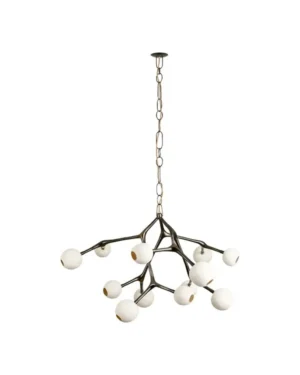
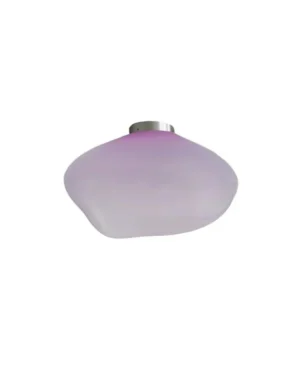
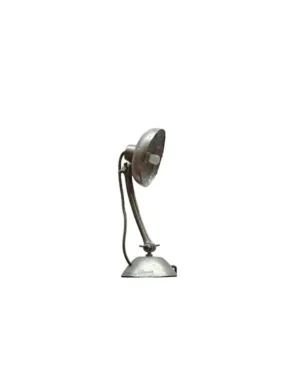
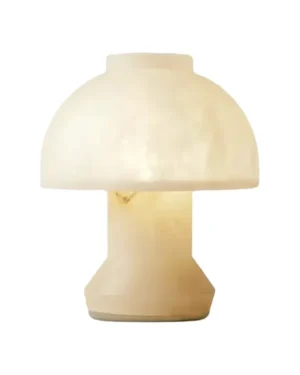


-

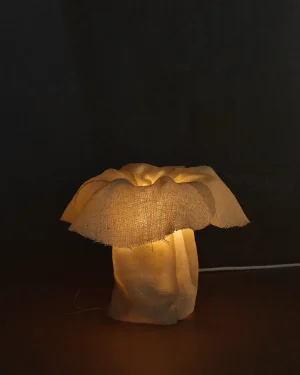
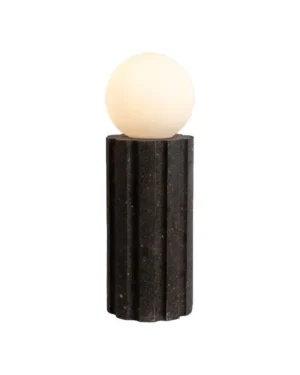
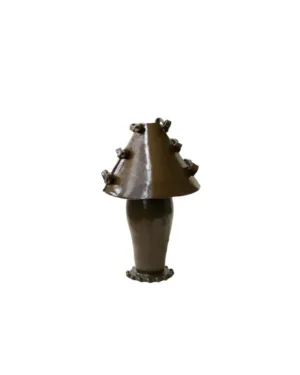
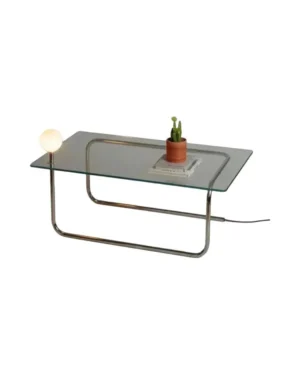
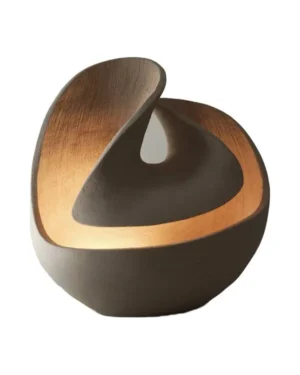
Regina Table Lamp In Marble
By Daniel Orozco Estudio
€2.034 -
 In stock
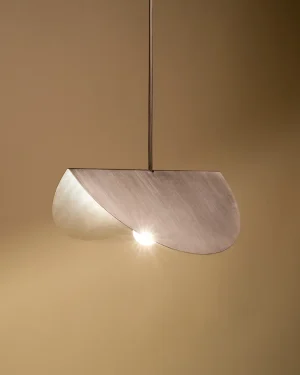
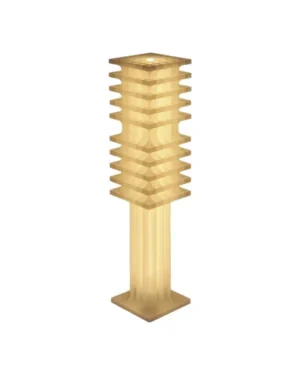
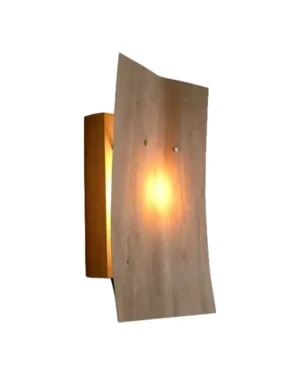
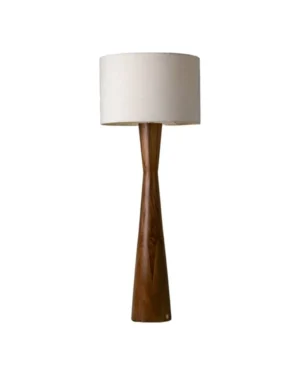
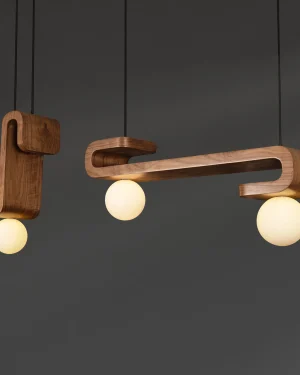
Esse Ceiling Lamp in Wood
By Saadia Design
€1.200 - €2.500 -

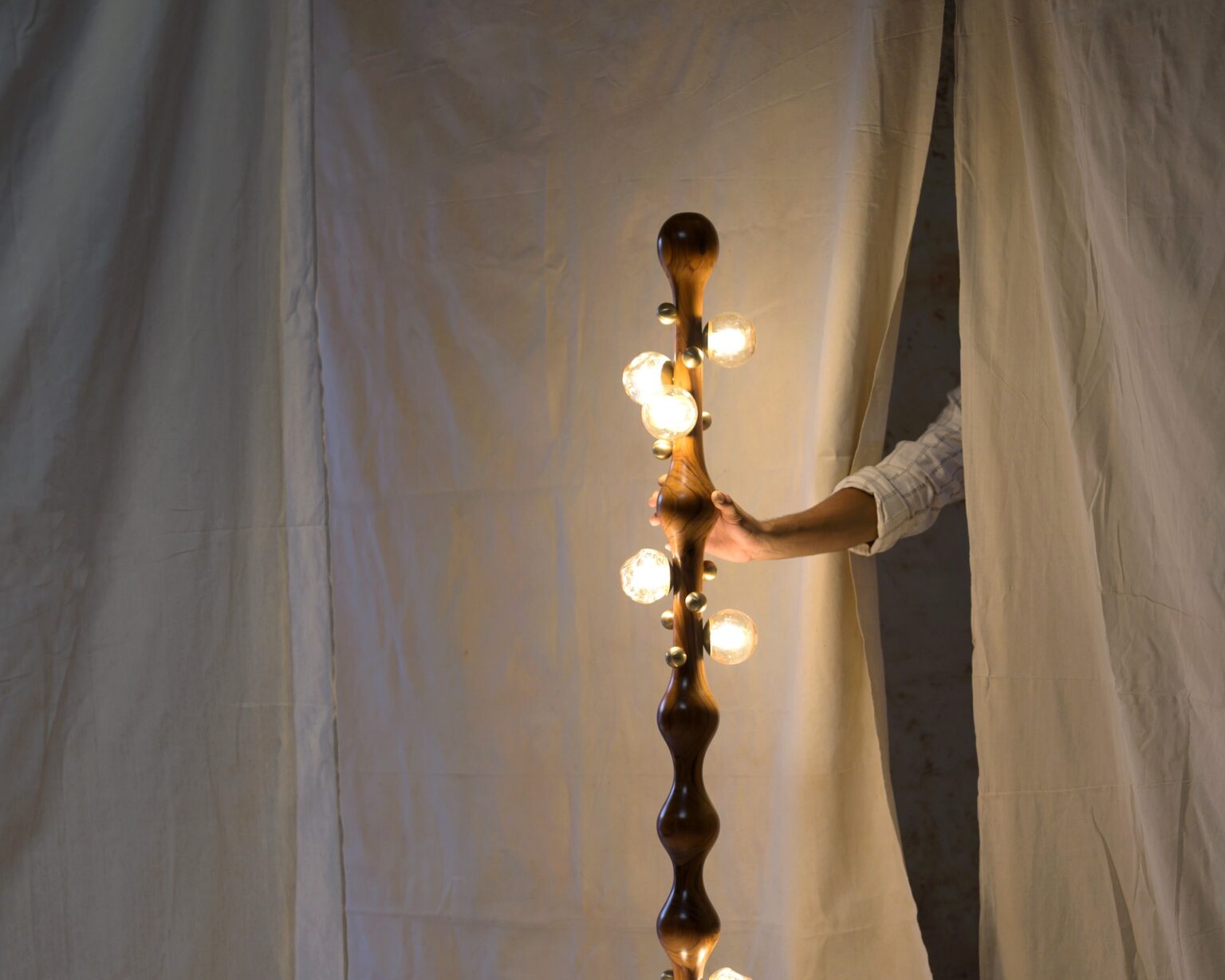
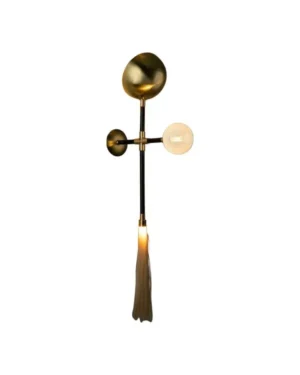
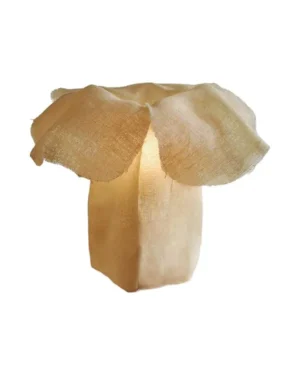
Peaceful Intuition 2.0 Floor Lamp in MDF
By Studio Fabius Clovis
€1.819 -
 In stock
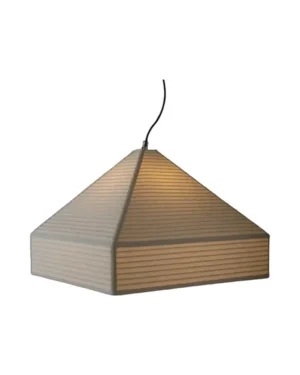
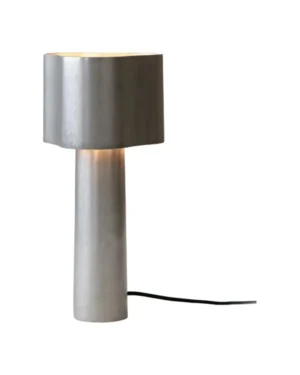
Svitlotin Olive Pendant Lamp in Stainless Steel
By SVITANOK
€890 - €960 -
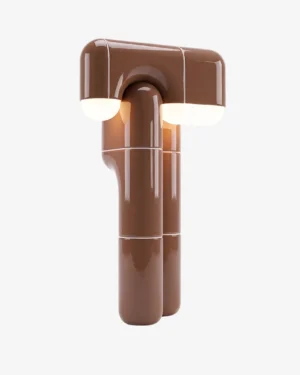
U – 016 – Table Lamp – Umber
By Rollo Studio
€1.380 -
 In stock
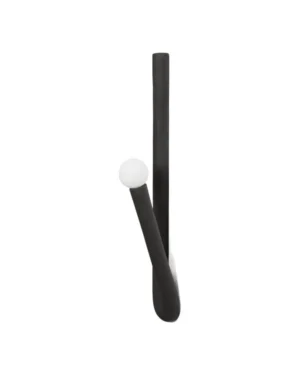
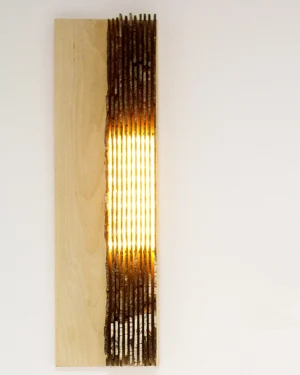
Barklamp Wall Lamp in Birch Wood
By Olle Sahlqvist
€2.000 -

Cetus Table Lamp in Ceramics and Natural Fibers
By Andrei Clontea STUDIO
€1.000 -
 In stock
Sputnik V Floor Lamp in Steel
By StorqueStudios
€689 -
 In stock
Svitlotin Hammered Stamp Pendant Lamp in Stainless Steel
By SVITANOK
€1.280 - €1.800 -
 In stock
Svitlotin Blue Ceiling Lamp in Metal
By SVITANOK
€890 - €1.150 -

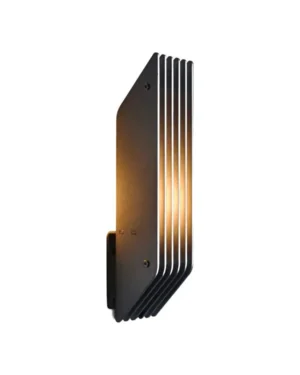
Cirrus – Wall Light Sculpture
By Studio Lampent
€2.020 -
 In stock
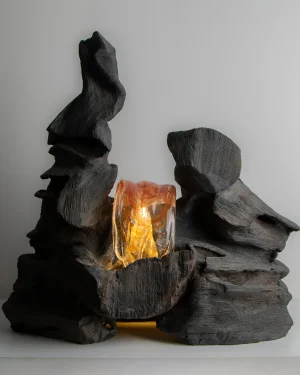
Abyss No. 23 Sculptural Table Lamp In Stoneware
By Ceren Gürkan
€2.500 -
 In stock
Svitlotin Brush Strokes Pendant Lamp in Stainless Steel
By SVITANOK
€1.020 - €1.400 -

Apertur Wall Light Sculpture
By Studio Lampent
€3.500 -
 In stock
Svitlotin Anisotropy Ceiling Lamp in Metal
By SVITANOK
€930 - €1.270 -
 In stock
Abyss No. 33 Sculptural Table Lamp In Stoneware
By Ceren Gürkan
€2.200 -
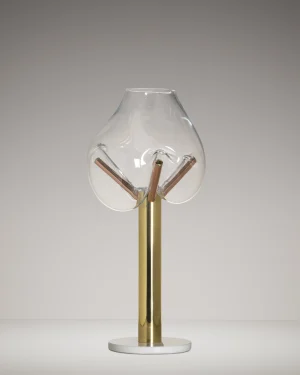
Carambola Table Lamp
By Carol Gay
€1.730 - €1.745 -
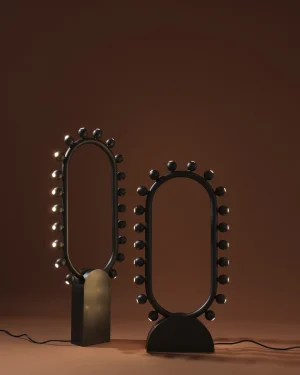
Medaillon Floor Lamp in Stainless Steel
By Boo Design Studio
€3.250 - €3.850 -
 In stock
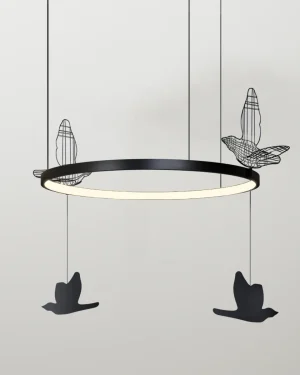
Flight Shadows Circular Pendant Lamp In Steel
By SVITANOK
€1.020 - €1.140 -
 In stock
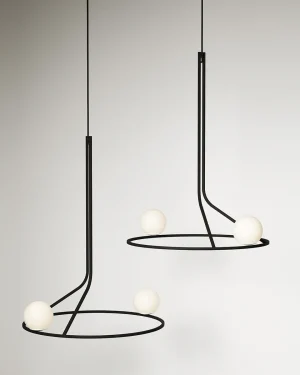
Na Linii Pendant Lamp in Steel and Glass
By SVITANOK
€1.050 -
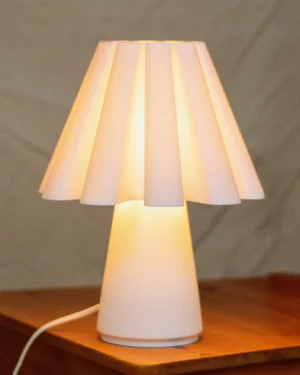
Ruff Table Lamp In Recycled Pla
By Mina Wright
€238 -

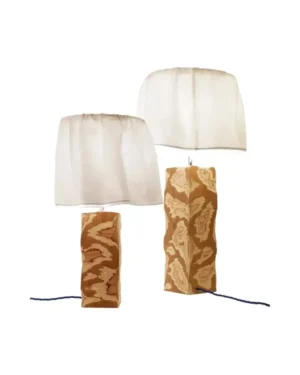
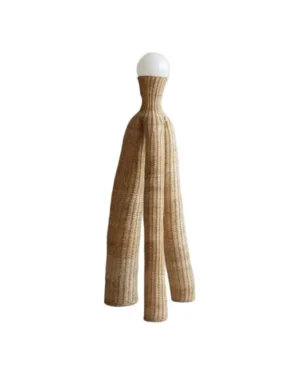
Lámpara Regina Table Lamp In Wood
By Daniel Orozco Estudio
Price Upon Request
Midimalism lighting sits in the space between a bare bulb and a statement chandelier, shaped by studios who work in metal, blown glass and stoneware rather than printed plastic. Each piece favors a single clear form over ornament, but the form carries weight: a thick glass shade, a hand-built base, a steel arm left with its tool marks visible. The result reads calm from a distance and detailed up close.
What defines midimalism as a lighting style
Midimalism is not minimalism stripped to nothing, and it is not maximalism piled high. A midimalism lamp or pendant usually keeps one dominant material and one clear silhouette, then lets texture do the rest of the talking: a matte powder coat, a hand-built stoneware base, a transparent glass shade that shows the bulb inside it. Color stays restrained, built from black, gray, off-white and beige, with the occasional dusty pink or pink accent where a studio wants warmth rather than contrast.
The materials, techniques and editions behind these pieces
Across midimalism pieces from independent studios, lighting draws on a narrower set of materials than furniture, chosen for how they hold and diffuse light.
- Metals worked by hand or machine, including steel and brass finished matte or left raw, built through metalwork into stands, arms and shades.
- Blown glass shades and bodies, often transparent or lightly tinted, each one carrying small variations from the glassblowing process.
- Stoneware and other hand-built ceramic bases, fired and glazed, that bring warmth and weight to a lamp's foot.
- Natural fiber and woven shades, used sparingly for texture against a metal or stoneware base.
- Acrylic, used where a studio wants a crisp, translucent profile rather than a handmade one.
Editions vary by studio and by piece: some lamps come from open runs that can be reordered, others are produced in limited editions of a stated run, and a smaller number are unique, one-off pieces where the base or shade was shaped individually. None of this is fixed to a single material, so it is worth checking the edition noted on each piece rather than assuming by finish.
How to choose a midimalism lamp or pendant
Scale matters more than style once you have settled on midimalism as a direction. A table lamp should sit roughly at eye level when you are seated nearby, so it lights a reading surface without glaring upward into the room. A pendant needs enough clearance above a table or counter to avoid blocking sightlines, and enough drop to pull the eye down into the space it is lighting.
Finish is the second decision. Matte black or gray metal reads quietly against most wall colors and recedes into a room, while a transparent glass shade lets the bulb itself become part of the display, which suits a room where the lamp will be seen from several angles. Stoneware and natural fiber bring more visual weight and suit a spot where the lamp stands alone, such as a side table or console, rather than a cluster of smaller fixtures.
Where midimalism lighting works in the home
These pieces suit living room lighting as much as bedrooms, since the restrained forms rarely compete with other furniture. A single stoneware or glass lamp beside a sofa, or a metal pendant over a dining or reading corner, gives a room a focal point without adding visual noise. Pair one with other midimalism decor pieces, such as a ceramic bowl or a woven object, to keep the material language consistent across a room.
Care by material
Metal fixtures, whether steel or brass, generally need only a dry or barely damp cloth; avoid abrasive cleaners that cut through a matte or lacquered finish. Glass shades should be dusted gently and never submerged if they are wired, since moisture near the socket is a fire risk. Stoneware bases can be wiped clean but should stay away from standing water, which can seep into any unglazed foot and cause staining over time. For a wider view of finishes beyond lighting, metal lighting and the full range of lighting on ADORNO show how these same materials carry across other kinds of fixtures.
How do I choose a midimalism lamp or pendant?
Look for one dominant material and a single clear silhouette, metal, glass or stoneware, rather than a mix of finishes. Let texture, like a tool mark or a hand-built base, do the detail work instead of pattern or color.
What materials are midimalism lights usually made from?
Most are metal, blown glass or stoneware, sometimes paired with wood or marble bases. Each holds its own marks, tool lines, air bubbles, or glaze texture, which midimalism treats as detail rather than flaw.
How do I care for metal, glass or stoneware lighting?
Wipe metal with a dry or slightly damp cloth to avoid water spots, dust glass shades regularly, and clean stoneware bases with a soft, dry cloth since glazes can be porous. Keep all three away from harsh chemical cleaners.
What size or height should a midimalism light be?
Size depends on the room and fixture type, a pendant hung over a table sits lower than one lighting a full room. The maker can confirm exact dimensions and recommended hanging height through Chat with the maker on the piece's page.
Which rooms suit midimalism lighting best?
Its quiet palette of black, gray, off-white and beige works in living rooms, bedrooms and entryways alike, anywhere a single clear form can anchor the space without competing with other decor.
How does shipping, returns and authenticity work when I buy from ADORNO?
Shipping is insured and worldwide, with a 14-day return policy, excluding made-to-order pieces. Every piece comes with a certificate of authenticity, backed by ADORNO's lowest-price guarantee.