



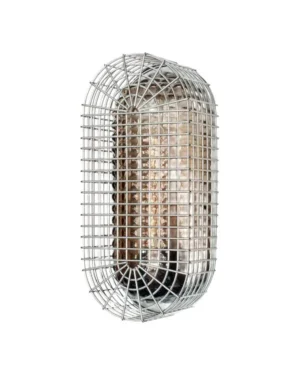

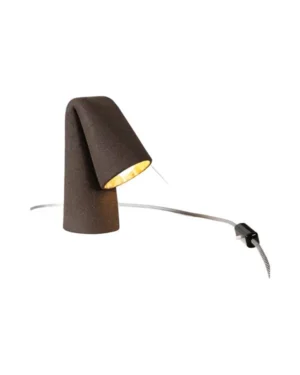
-
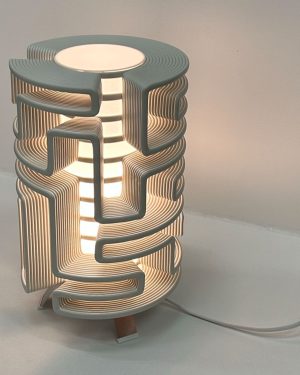
Maze Table Lamp in Recycled Plastic
By Stijn van Aardenne
€227 -
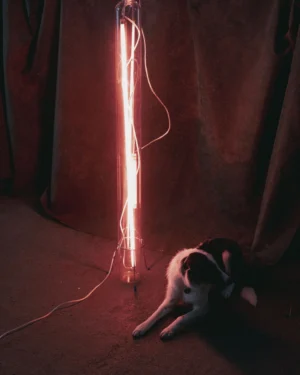 In stock
Äther Wall Lamp In Borosilicate Glass
By TUNK I Busra Tunc
€850 -
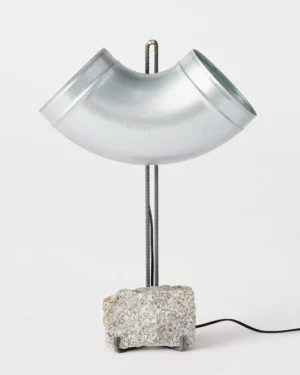 In stock
O.f.i.s Series Table Lamp in Pipe, Rod And Brick
By Lucas Muñoz Muñoz
€280 -

Arc Table Lamp In Stainless Steel
By Paul Coenen
€479 -
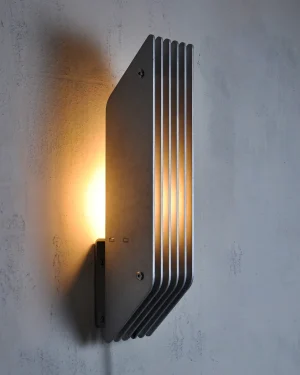
Rln460 Wall Lamp In Matte Aluminium
By MLK Furniture
€390 -

Hoja Table Lamp In Steel
By Natural Urbano - Sebastián Beltrán
€355 -
 In stock
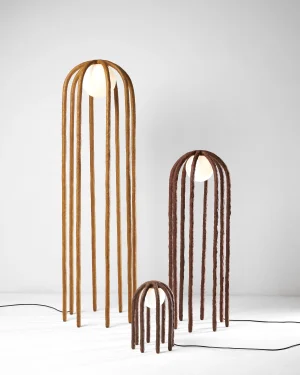
Açafrão and Urucum Floor Lamp in Anatto and Saffron
By Cultivado em Casa
€1.234 - €2.971 -
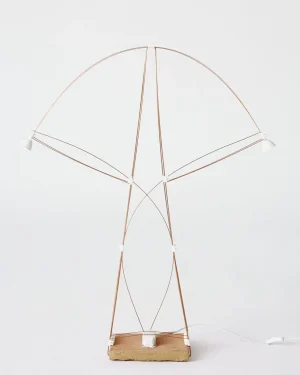 In stock
B.a.r.e Series Table Lamp in Brick, Copper and Plastics
By Lucas Muñoz Muñoz
€300 -
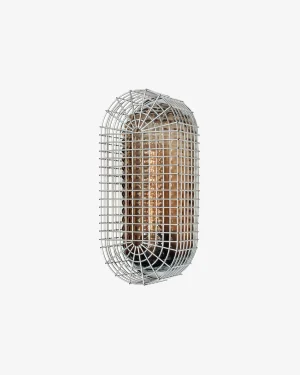
Chastity Wall Sconce In Stainless Steel And Handblown Glass
By Studio S II
€1.980 -
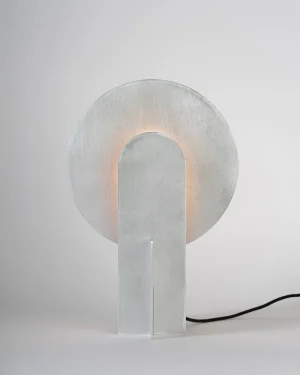
Aurora Table Lamp in Aluminum
By Hasik Design Studio
€700 -
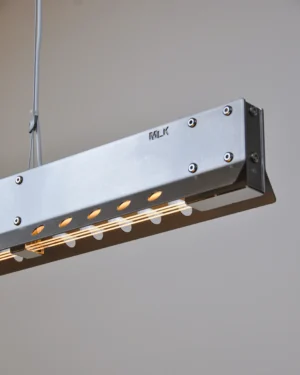
Ne1250/145 Pendant Lamp In Steel And Acrylic
By MLK Furniture
€1.390 -

Trilight 70 Floor Lamp In Aluminum
By Obscure Objects
€800 -
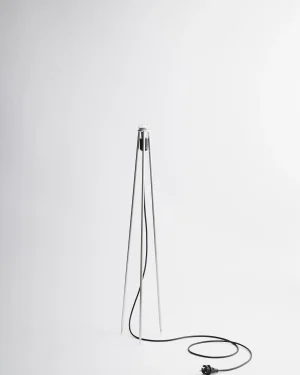
Trilight 100 Floor Lamp In Aluminum
By Obscure Objects
€840 -
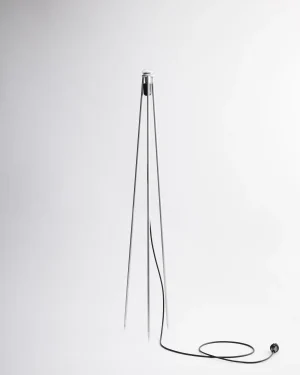
Trilight 130 Floor Lamp In Aluminum
By Obscure Objects
€925 -
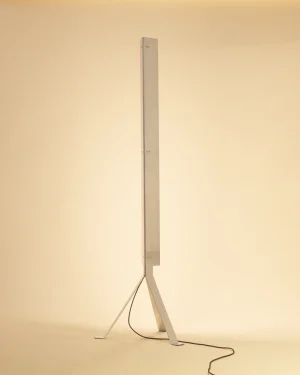
L1 High Floor Lamp in Aluminum
By Luiz Solano
€1.200 -
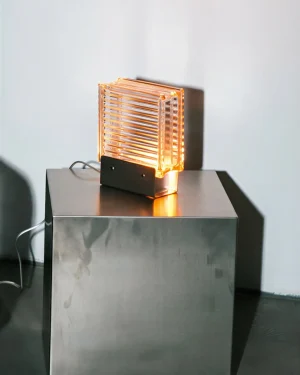
Gbl – 02 Table Lamp In Glass Block And Stainless Steel
By julius.works
€320 -

The Queen Ceiling Lamp in Gold-leaf and Rust Steel
By Mammalampa
€3.133 -
 In stock
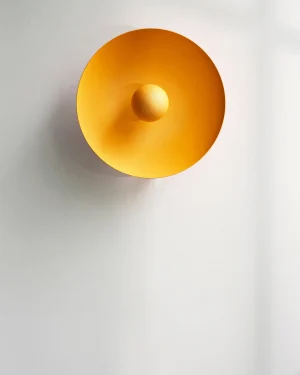
Sluren Table Lamp in Blown Glass
By Sara Sjöbäck
€1.450 - €1.850 -
 In stock
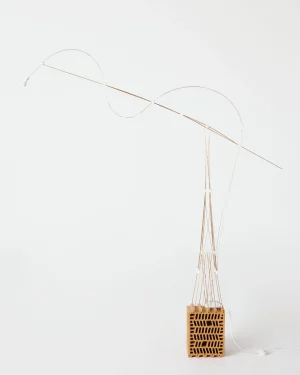
Sun Wall Lamp in Aluminum
By Anne Nowak
€1.340 -
 In stock
B.A.R.E Series ‘Tall’ Floor Lamp in Brick and Copper
By Lucas Muñoz Muñoz
€780 -
 In stock
Théros 0.2 Table Lamp in Blown Glass and Marble
By Studio Aristotelis Barakos
€950 -
 In stock
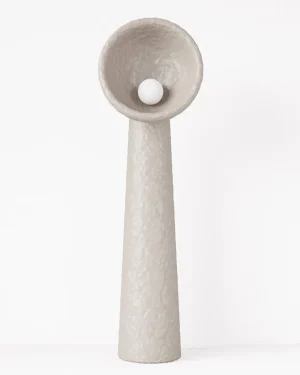
Soniah Floor Lamp in ZTISTA
By FAINA
€7.000 -

Rakis Lite Table Lamp – Black Stoneware Ceramic
By Catalin Filip
€455 -
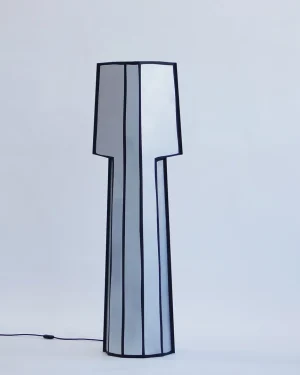
Hex Floor Lamp in Aluminum
By STUDIO GUILTY
€1.256 -
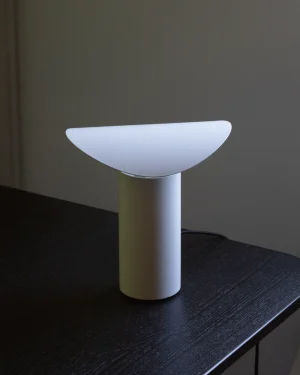
Beam Table Lamp in Steel
By Sergio Enríquez Industrial Design Office
€600 -
 In stock
Handrail Table Lamp in Stainless Steel
By studio re.d
€440 -
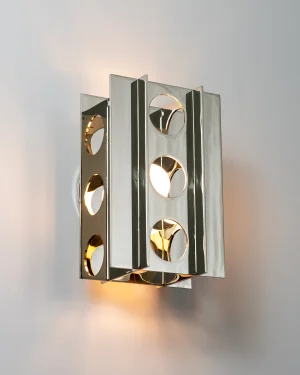
Tenfold 3T Mirror Wall Sconce in Steel and Aluminum
By Luft Tanaka Studio
€1.540 -
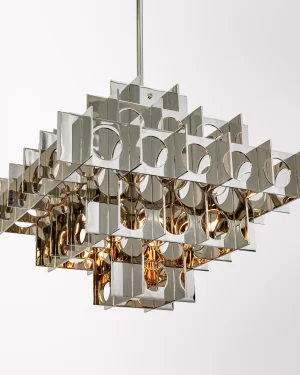
Tenfold 5 T Pendant Lamp in Stainless Steel and Aluminum
By Luft Tanaka Studio
€4.440 - €11.000 -
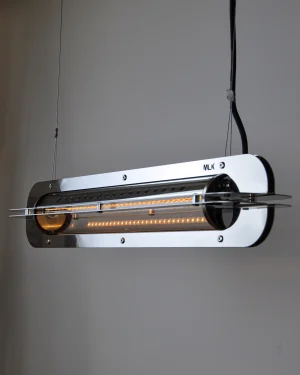
Pill600 Pendant Lamp In Mirror Stainless Steel
By MLK Furniture
€1.090 -
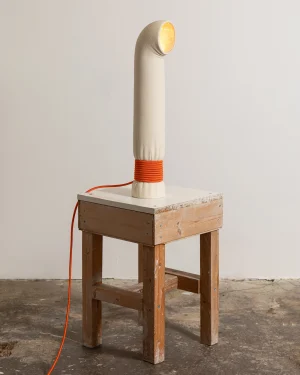
Knotto_01 Table Lamp In Glazed Stoneware And Synthetic Fibers
By Catalin Filip
€800 -
 In stock
Svitlotin Olive Pendant Lamp in Stainless Steel
By SVITANOK
€890 - €960 -
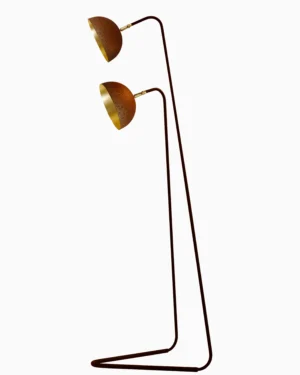
The Queen Double Floor Lamp in Gold-leaf and Rust Steel
By Mammalampa
€1.151 -
 In stock
Sigil Crest Wall Sconce in Stainless Steel and Selenite
By Nitush and Aroosh
€1.800 -
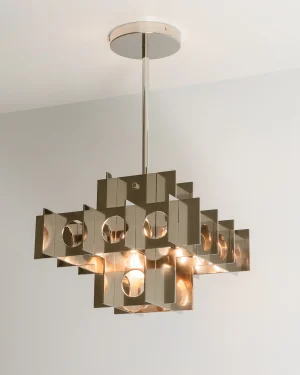
Tenfold 3 T B Pendant Lamp in Stainless Steel and Aluminum
By Luft Tanaka Studio
€2.895 - €8.675 -
 In stock
Svitlotin Blue Ceiling Lamp in Metal
By SVITANOK
€890 - €1.150 -
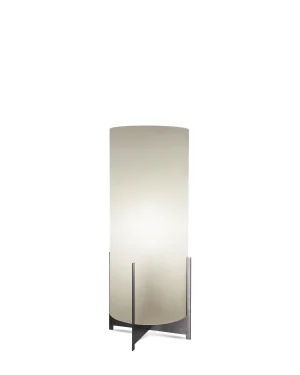 In stock
Lumix Floor Lamp in Stainless Steel and Polycarbonate
By Pablo Sinan Design
€510 -

Pill1200 Floor Lamp In Stainless Steel
By MLK Furniture
€1.690 -
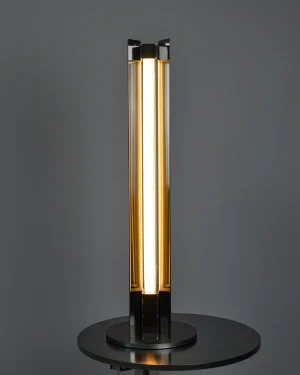
Ne600/145 – Mat Stainless Steel & Acrylic Lamp
By MLK Furniture
€990 -
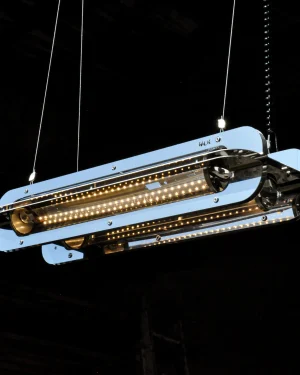
Pill600x2 Pendant Lamp In Mirror Stainless Steel
By MLK Furniture
€1.890 -
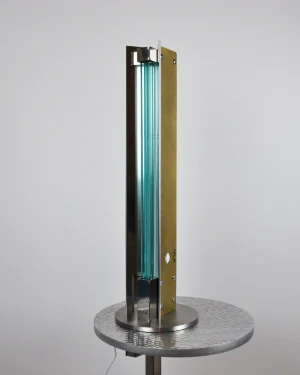
Ne600/145 Table Lamp In Brass And Blue Acrylic
By MLK Furniture
€1.190 -
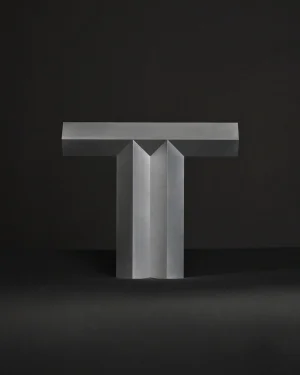
Sculptural Table Lamp in Aluminum
By NOSTUDIO
€620 - €650 -
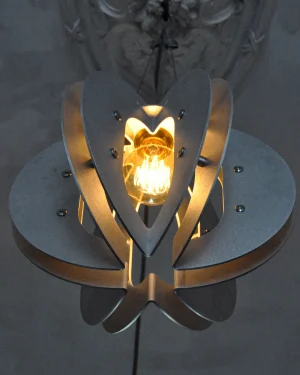
D300 Lampion Pendant Lamp In Matte Aluminum
By MLK Furniture
€390 -
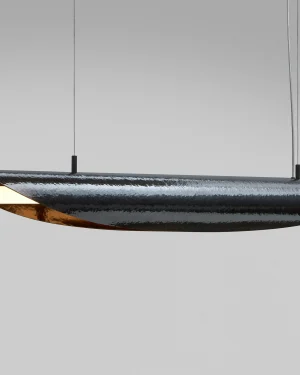
Taco De Luz Black Patinated Brass Pendant Lamp in Brass
By Studio Aristotelis Barakos
€5.900 -

Rakis Floor Lamp In Ceramic
By Catalin Filip
€1.900 -
 In stock
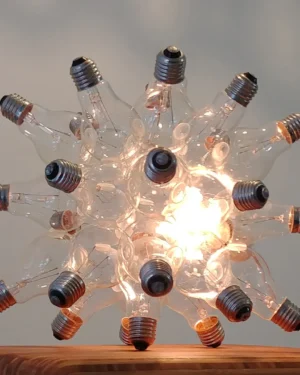
“spare” Table Lamp Constructed From 26 Lightbulbs
By JAN PAUL
€220 -
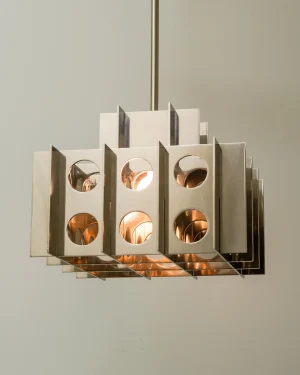
Tenfold 3 T A Pendant Lamp in Stainless Steel and Aluminum
By Luft Tanaka Studio
€2.895 - €8.675 -
 In stock
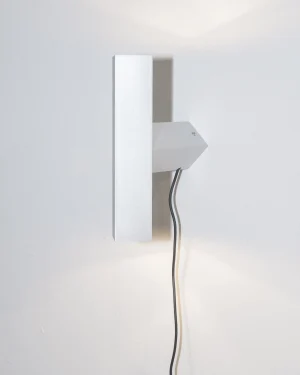
Sculptural Wall Sconce in Aluminum
By NOSTUDIO
€420 - €450 -
 In stock
Bells and Whistles Wall Sconce in Aluminum
By Toro Manifesto
€1.300 -
 In stock
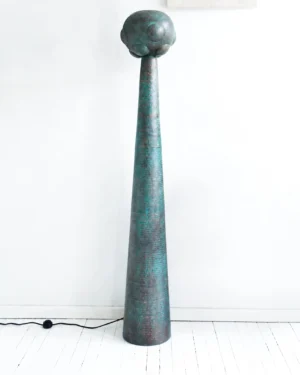
Artefacto Copper Venus Floor Lamp in Hammered Copper
By LØRDAG & SØNDAG
€4.768 -
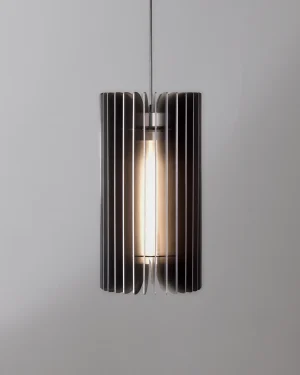
Bare Barrel – Metal Pendant Lamp
By Jochen Lavéno Mangelsdorff Studio & Objects
€760 - €920 -
 In stock
Cave Table Lamp In Glass
By Dace Sūna
€1.500 -
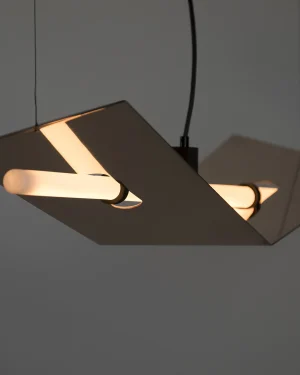
Bird of Prey Ceiling Lamp in Bronze
By Atelier Haute Cuisine
€3.700 -

Rakis Lite – Table Lamp In White Stoneware
By Catalin Filip
€455 -
 In stock
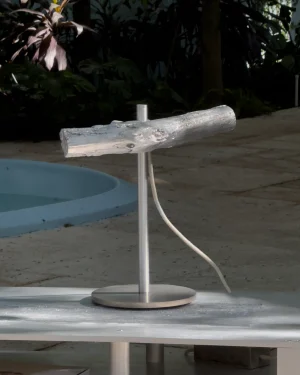
Aluminum Veneer Table Lamp in Cast Aluminum
By Bureau.parso
€1.400
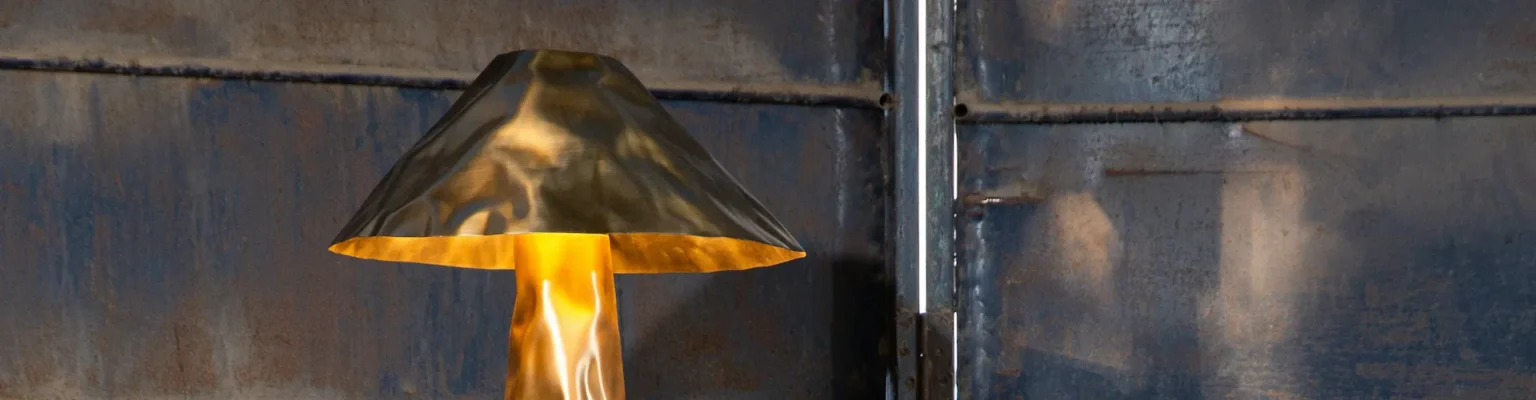
Neo-industrial lamps take the raw materials of the factory floor — aluminum, steel, copper, recycled plastic — and rework them through welding, CNC milling and laser cutting into fixtures that keep their industrial logic visible. The studios behind these pieces favor exposed seams, raw or brushed surfaces, and forms that read as structural rather than decorative. Some come from open editions produced in small runs; others exist as unique pieces, each one built by hand.
What gives neo-industrial lamps their character
The style draws on factory equipment, utility fixtures and the visual language of machine shops. A base cut from stainless steel plate or a shade bent from raw aluminum sheet carries the marks of its own making — a weld line, a milled edge, a cut left unsanded. That honesty about process is the point: the lamp looks like what it is and how it was built.
Color stays close to the material itself. Natural steel grays, brushed aluminum, copper left to darken, and the occasional flash of pink or clear acrylic sit against bronze or off-white bodies. Nothing is painted to hide the metal underneath.
The materials, finishes and editions behind neo-industrial lamps
Metalwork dominates: steel and stainless steel for structural bases, aluminum where weight needs to come down, and copper or bronze for warmth against colder gray tones. Recycled plastic appears too, often laser cut or 3D printed into shades that pair industrial-looking profiles with a lower environmental cost.
- Welding and metalwork for load-bearing frames and joints
- CNC milling and laser cutting for precise edges, vents and shade profiles
- Hand assembly and digital fabrication for smaller runs
- Open editions for recurring forms, unique pieces for one-off builds
Finishes range from raw, unlacquered metal that will mark and oxidize over time to brushed or bead-blasted surfaces that stay even and matte. Clear glass or acrylic shades sometimes soften the edge of an otherwise hard material palette. Looking across metal lamps more broadly shows how many of these same techniques carry over into other finishes, not just the industrial ones.
Choosing a lamp for scale and placement
Scale matters more with this style than with softer forms, because exposed structure reads heavier than it is. A floor lamp built from steel tube or plate will anchor a room the way a piece of furniture does, so measure its footprint against the chair or sofa nearby before committing to one. A table lamp in cut aluminum or cast steel needs a surface sturdy enough to carry its weight without looking crowded.
Height follows function. A reading lamp should put its light source roughly at shoulder height when seated; a lamp meant to wash a wall or ceiling can sit lower and bounce light upward instead. Where a table lamp is the target, the neo-industrial table lamps grouped on ADORNO narrow the same material and technique range down to desk and side-table scale.
Rooms and care
These neo-industrial lamps suit spaces already built around exposed structure — lofts with visible ductwork, studies with steel shelving, kitchens with open brick — but they also work as a counterpoint in softer rooms, where one raw-metal lamp against upholstery or wood keeps a space from feeling too finished. They read well among living room lamps set beside a reading chair, and just as well on a bedroom nightstand, where their low-key palette doesn't compete with other objects in the room.
Raw and brushed metals need little beyond a dry cloth; water spots and fingerprints wipe off aluminum and stainless steel easily, while raw steel and copper are left to pick up a patina that most studios intend as part of the piece's life. Wipe plastic shades with a damp cloth rather than solvents, which can cloud the surface. For the wider range of forms built in the same materials and techniques, the full Neo-Industrial style and the lamps category on ADORNO are worth checking alongside these.
How do I choose a neo-industrial lamp?
Look at the metal and the joinery: a steel base reads heavier and more structural, aluminum sits lighter. Weld lines, milled edges and unsanded cuts left visible signal the style over a polished finish.
How do you clean and care for a metal lamp?
Wipe steel and aluminum with a dry or slightly damp cloth; avoid abrasive cleaners that scratch brushed surfaces. Copper will darken and patina with time unless regularly polished, which many owners allow on purpose.
What size lamp fits a desk or side table?
Table and desk lamps generally sit low enough to clear sightlines when seated, while floor lamps anchor a corner or stand beside a sofa. The maker can confirm exact dimensions on the piece's page.
Which rooms suit neo-industrial lamps?
Their raw metal and structural forms work in living rooms, studies and home offices, especially alongside concrete, brick or exposed wood. The look holds its own against both spare and heavily furnished rooms.
Can I order a custom size or finish?
Some studios take custom requests on finish, scale or wiring. Chat with the maker on the piece's page to ask directly.
What are ADORNO's shipping and return policies?
Shipping is insured and worldwide. Returns are accepted within 14 days, though made-to-order pieces are excluded, and every lamp arrives with a certificate of authenticity.