
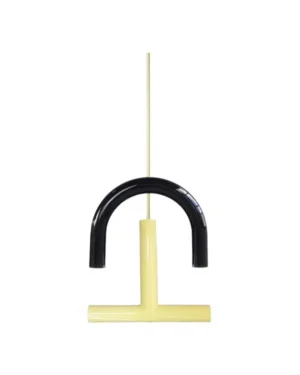
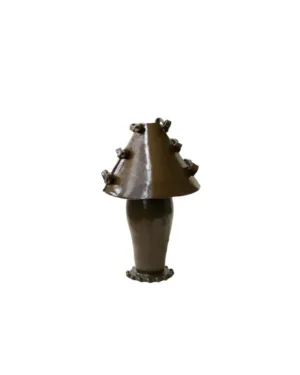
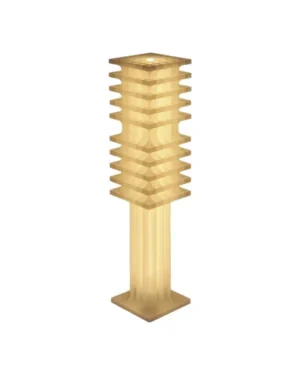
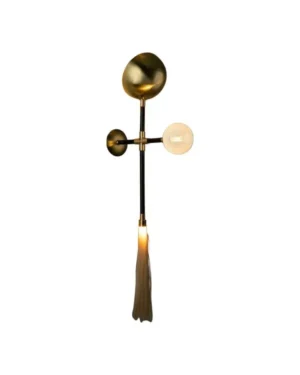





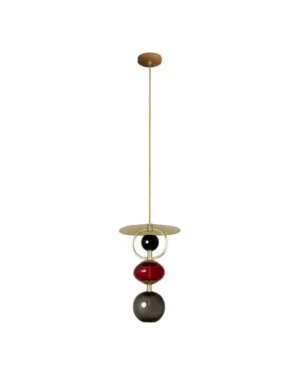
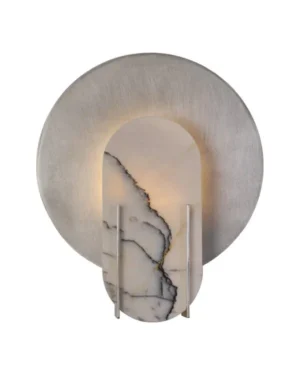

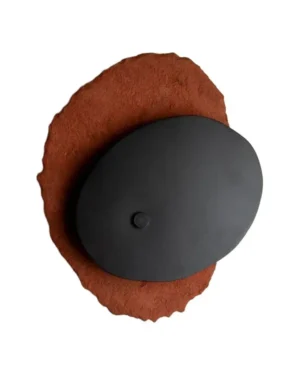


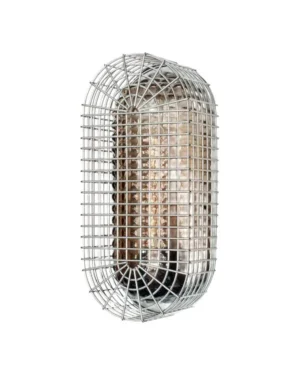

-

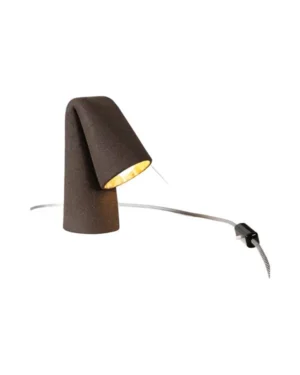
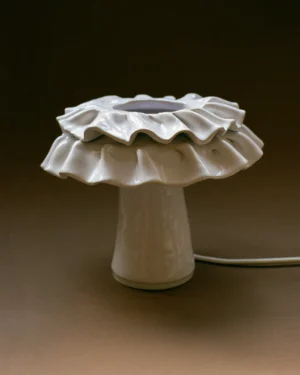
Coral Lamp – Clay Table Lamp
By Dzovag Kotchian
€900 -
 In stock
Lampadulure Pink Floor Lamp in Metal
By BehaghelFoiny Studio
€1.700 -
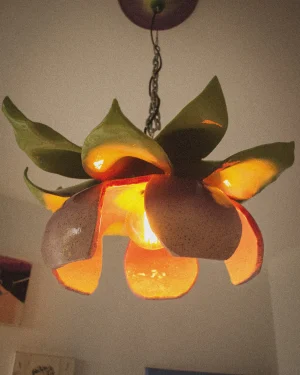
Amaryllis Ceiling Lamp in Glazed Ceramic
By UAU Studio
€1.300 -

Lampadulure Purple Floor Lamp in Metal and Plaster Composite
By BehaghelFoiny Studio
€3.000 -
 In stock
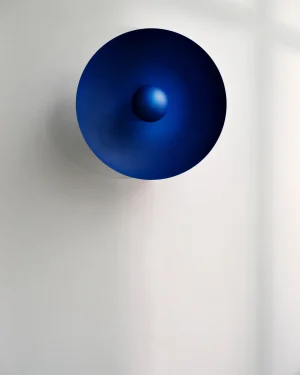
Blue Moon Wall Lamp in Aluminum
By Anne Nowak
€1.675 -
 In stock
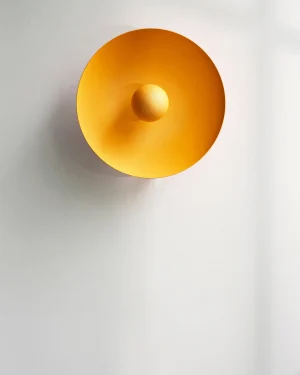
Sun Wall Lamp in Aluminum
By Anne Nowak
€1.340 -
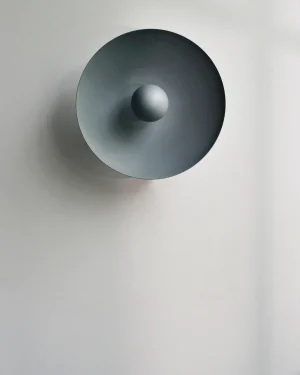 In stock
Grey Moon Wall Lamp in Aluminum
By Anne Nowak
€1.675 -
 In stock
La Bergère Table Lamp In Glazed Ceramic
By Mina Wright
€686 -

El Joyero De Odette Table Lamp In Stoneware
By Mina Wright
€810 -

Mingling Table Lamp in Blown Glass
By Sticky Glass
€6.867 - €7.331 -
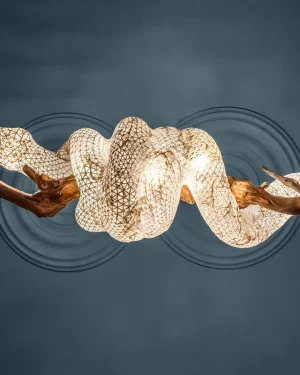
The Staff Of Asclepius Chandelier In Pla And Wool
By Danik Uderbekov
€2.500 -
 In stock
Crush On You Floor Lamp in 3D Printed PLA
By M’ama edizioni
€380 -
 In stock
Cumula Table Lamp in Textiles and Steel
By AaltoAalto Studio
€1.600 -
 In stock
Voguing No. 2 Floor Lamp in Cast Aluminum
By BY JAMPS
€2.500 -
 In stock
Cave Table Lamp In Glass
By Dace Sūna
€1.500 -
 In stock
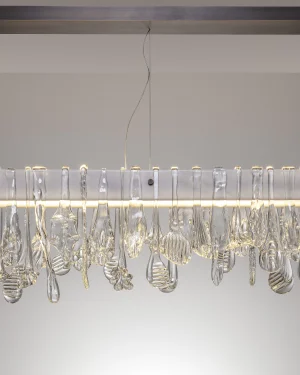
Pingente Pendant Lamp
By Carol Gay
€8.000 -
 In stock
“Chanka-Hanka” Mobile Chandelier in Stoneware and Metal
By UAU Studio
€2.000 -
 In stock
Pearl Wall Lamp – Clay Sconce
By Dzovag Kotchian
€1.200 -
 In stock
Apapuchi Table Lamp In Earthenware And Cotton
By Aileen De La Ree Valencia
€1.200 -
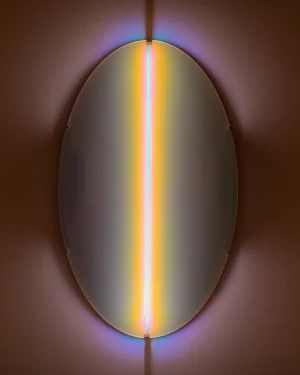
Aurora Gloss Wall Sconce in Acrylic and Aluminum
By Catrinel Sabaciag
€1.341 -
 In stock
Lulu Table Lamp In Stoneware
By Mina Wright
€670 -
 In stock
Pregnant Lady Floor Lamp in Fiberglass
By StorqueStudios
€4.869 -
 In stock
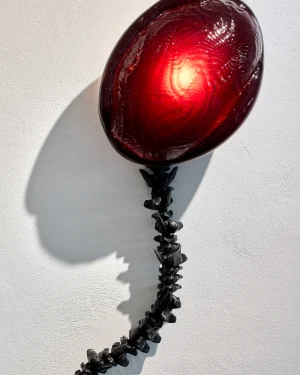
Dysplasio Wall Sconce in Blown Glass
By Anna Jožová
€2.000 - €3.300 -

Trn / Model F1 Pendant Lamp in Ceramic
By Pani Jurek STUDIO
€1.600 -

Totem Wall Sconce in Aluminum and Acrylic Glass
By Catrinel Sabaciag
€1.326 -
 In stock
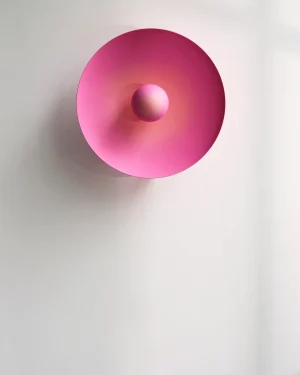
Pink Moon Wall Lamp in Aluminum
By Anne Nowak
€1.675 -
 In stock
Cumula Table Lamp in Yellow Crochet
By AaltoAalto Studio
€1.600 -

Trn / Model F1 Silver Finish Pendant Lamp in Ceramic
By Pani Jurek STUDIO
€1.650 -

Dhaze – Wall Light Sculpture
By Studio Lampent
€2.700 -
 In stock
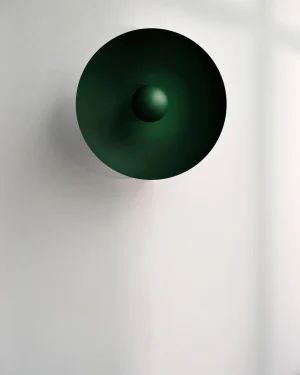
Green Moon Wall Lamp in Aluminum
By Anne Nowak
€1.675 -
 In stock
Helium Sconce
By Dace Sūna
€1.500 -

Chromolapse – Wall Light Sculpture
By Studio Lampent
€900 -
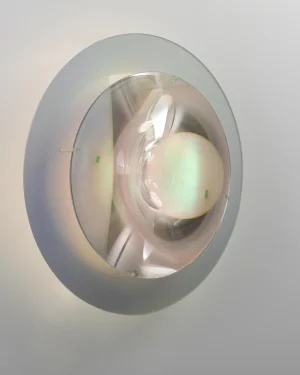
Noosphere Wall Sconce in Aluminum and Acrylic Glass
By Catrinel Sabaciag
€1.072 - €1.112 -
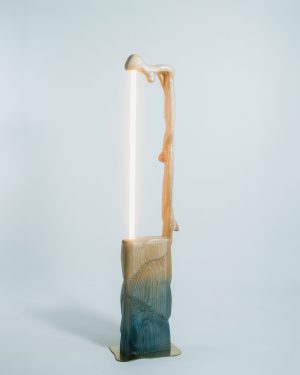 In stock
Blueprint Floor Lamp in Ash Wood
By Studio Kloak
€2.500 -
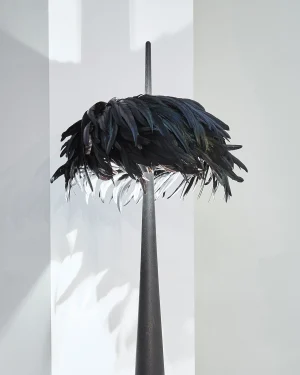
Luna Crescente Floor Lamp in Feathers and Oak Wood
By HEIKE BUCHFELDER
€4.580 -
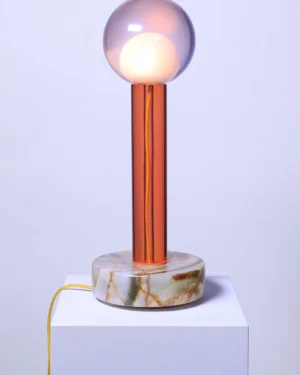
Tallo Table Lamp in Resin and Onyx
By Adrian Cruz
€2.380 -
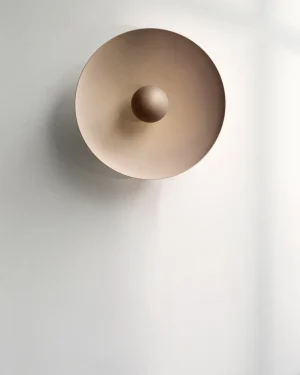 In stock
White Moon Wall Lamp in Aluminum
By Anne Nowak
€1.675 -

Apertur Wall Light Sculpture
By Studio Lampent
€3.500 -
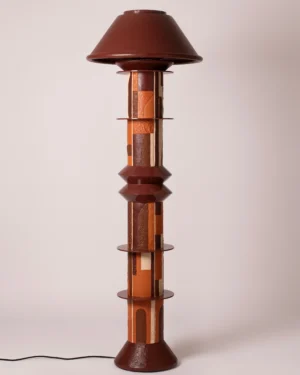
The Rouge Floor Lamp In Clay Paste And Metal
By Harshita Jhamtani Designs
€4.430 -
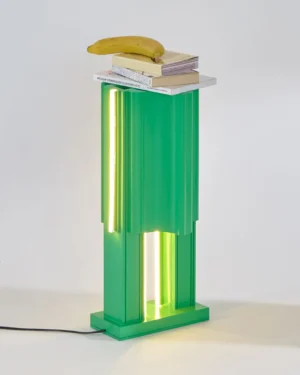
Cornice Supreme No. 2 Table Lamp in Polyurethane
By Teresa Fernández-Pello
€1.986 -
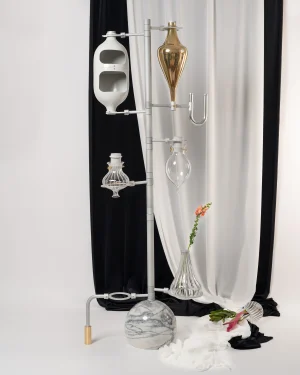 In stock
Emotional Lab Grey Floor Lamp In Marble And Aluminum
By Hania Jneid Design Studio
Price Upon Request -
 In stock
Emotional Lab White Floor Lamp In Stainless Steel And Glass
By Hania Jneid Design Studio
Price Upon Request -
 In stock
AnKa Colors of Dawn Table Lamp in Ceramic
By UAU Studio
€1.500 -

Emotional Lab Beige Floor Lamp In Brass And Glass
By Hania Jneid Design Studio
Price Upon Request -

Limbus – Wall Light Sculpture
By Studio Lampent
€1.492 -

Lámpara Regina Table Lamp In Wood
By Daniel Orozco Estudio
Price Upon Request -
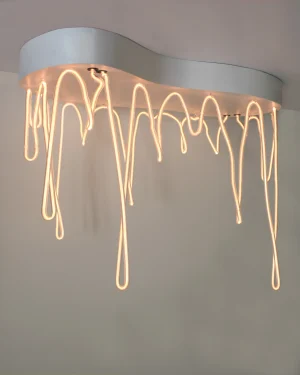
Vertical Fractal Helium Chandelier In Glass And Metal
By Dace Sūna
Price Upon Request -

Follow The Deer Table Lamp In Neon Glass
By Dace Sūna
Price Upon Request -

Helios – Interactive Aluminum And Acrylic Table Lamp
By Zoran Strijbosch
€1.033 -

Vertical Fractal – Neon Glass Sculpture
By Dace Sūna
Price Upon Request
Maximalism lamps gather color, pattern and bold glaze into a single lit object, built by hand in ceramic, glass and metal rather than stamped from a mold. Studios working this way favor saturated pigment, layered pattern and finishes that catch light differently once a bulb is switched on. Each piece is made in small runs, so no two glazes or paint passes line up exactly.
What defines a maximalism lamp
Where a quieter lamp recedes into a room, a maximalism piece is built to be read from across it. Hand-built ceramic bases carry drips and pooled glaze that shift from matte to glassy depending on the angle of light; metal shades pick up color through paint or enamel rather than staying bare. The form often does more talking than the bulb itself, which is why these pieces read as objects first and fixtures second.
The materials and techniques behind the range
Across lamps on ADORNO, maximalist pieces draw on a recurring set of materials and processes:
- Ceramic, clay and stoneware, hand-built, then glazed in ochre, amber, pink or cream, sometimes left raw at the base to show the clay body
- Aluminum and other metals, worked through metalwork and hand painting into shades that carry black, brown or multicolor finishes
- Plaster composite, cast and plastered by hand, which takes paint and pigment differently than fired clay
- Ash wood bases, turned or joined through wood and cabinetmaking, usually paired with a painted or glazed shade
Most pieces arrive as unique pieces or limited editions, a handful as open editions, which affects how closely any two lamps will match if bought at different times. The same palette and glazing sensibility runs through maximalism lighting more broadly, and into maximalism decor for anyone building a room around one recurring color story.
Choosing a maximalism lamp for scale and placement
Because these lamps are made to be noticed, scale matters more than it does with a quieter fixture. A tall ceramic or metal base can anchor a console or sideboard on its own, while a smaller glazed piece reads best grouped with others rather than standing alone on an empty shelf.
Finish is worth weighing against what already surrounds it: a glossy glaze will throw back light from a window or another lamp, while a matte plaster or painted metal surface absorbs it and sits quieter in the room despite the bold color. Think about the shade's light too — an opaque metal shade throws light down and out, where a translucent or openwork ceramic form lets light escape through the material itself.
Rooms these lamps suit
A patterned or heavily glazed lamp tends to work best where it has room to be the loudest object nearby: a living room console, a reading corner, a hallway table. In living room lamps, these pieces often sit alongside other maximalist furniture and textiles rather than against plain walls, letting pattern and color repeat across the space.
Bedside use calls for a steadier hand with scale, since a shade that throws too much glare at eye level works against the room's purpose; a smaller glazed ceramic form or a softly lit painted shade suits a nightstand better than a tall statement base.
Caring for glazed ceramic, metal and glass
Glazed ceramic and stoneware resist stains and handle dusting well, but chips at the base or rim expose unglazed clay underneath, so these lamps are best kept away from table edges and heavy traffic. Painted or lacquered metal shades should be wiped rather than scrubbed, since solvents and abrasive cloths can dull hand-painted pattern over time.
Plaster composite is more porous than fired clay and marks if left damp, so a dry cloth is safer than water on painted plaster surfaces. For a full view of the style across lighting, furniture and tables, every maximalism piece on ADORNO sits together by category, including maximalism tables for anyone pairing a lamp with a surface built in the same spirit.
How do I choose a maximalism lamp?
Start with the surface: a glazed ceramic base reads warm and textured, while a painted or enameled metal shade carries sharper color and pattern. Let the lamp set the tone of the room rather than match it.
What are maximalism lamps made of, and how do I care for them?
Most are hand-built ceramic, stoneware or worked metal with painted, glazed or enameled surfaces. Dust ceramic and metal with a dry cloth, keep glazed bases away from damp or direct heat, and avoid abrasive cleaners on painted finishes.
What size or height should I look for?
Table lamps generally sit between 15 and 30 inches, enough to clear a side table surface without blocking sightlines, while floor versions run taller to anchor a corner or reading chair.
Which rooms suit a maximalism lamp?
Living rooms and entryways let the color and pattern register from across the space, while a single piece on a nightstand or console can carry a quieter room on its own. They work best where nothing else competes for attention.
Can I order a maximalism lamp in a custom color or size?
Some studios take custom requests on glaze, color or scale. Chat with the maker on the piece's page to ask directly.
How does shipping, returns and authenticity work when buying through ADORNO?
Shipping is insured and sent worldwide, with a 14-day return policy excluding made-to-order pieces. Every lamp arrives with a certificate of authenticity, backed by a lowest-price guarantee.