


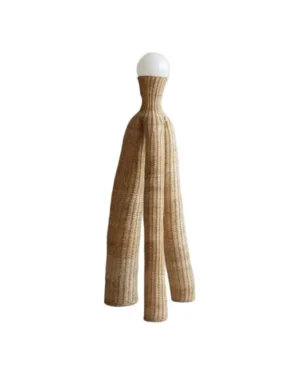
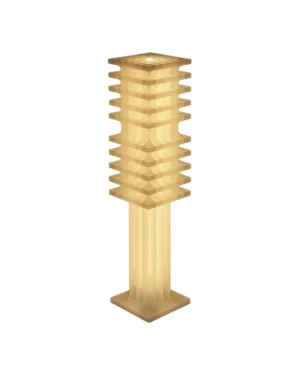
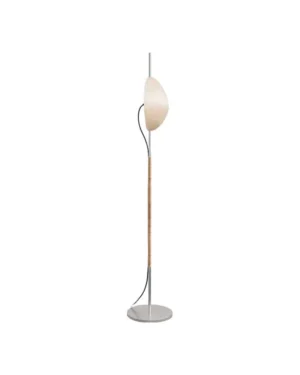
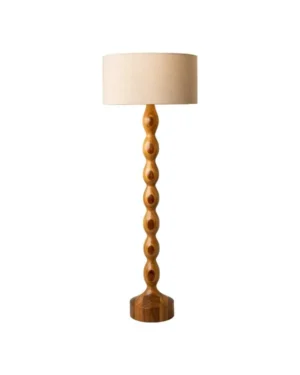
-
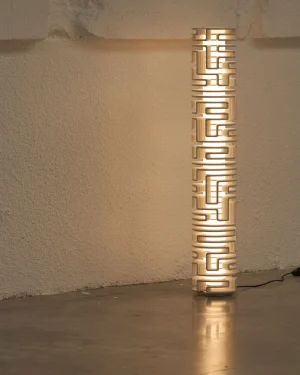
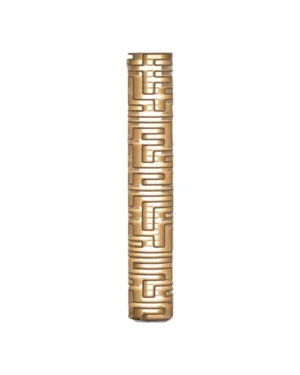
Maze Floorstander Floor Lamp in Recycled Plastic
By Stijn van Aardenne
€1.447 -
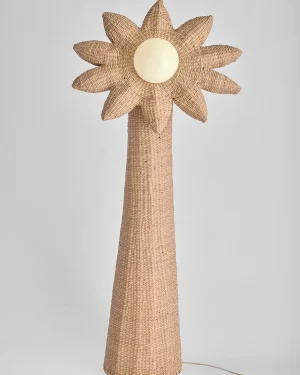
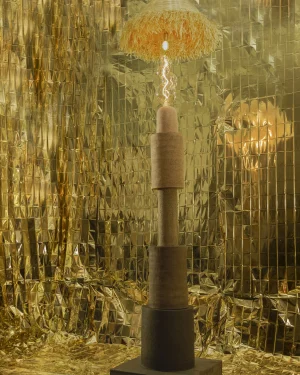
Kuni Floor Lamp in Rattan and Natural Fibers
By Joyful Objects, Yes!
€2.900 -
 In stock
Thulani Floor Lamp in Terracotta and Rattan
By UAU Studio
€3.400 -

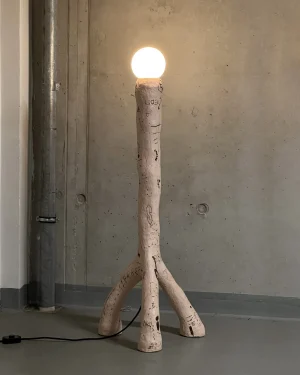
Exélixi Floor Lamp In Bio Plastic
By Julie Mallet Studio
€1.958 -
 In stock
Tattooed Shining Creature Floor Lamp In Paper And Steel
By David Čáp
€1.400 -

Sky-set Floor Light
By Dace Sūna
€5.800 -

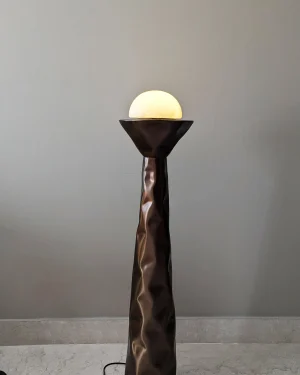
Bavo Floor Lamp in Biocomposite and Cotton
By PletoStudio
€1.400 -
 In stock
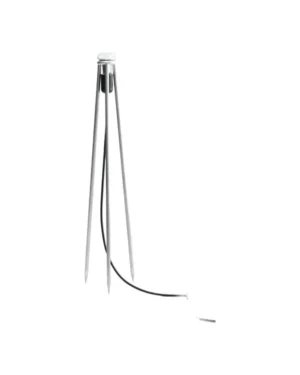
Oio Pedestal Floor Lamp in Stainless Steel and Alabaster
By Nitush and Aroosh
€2.500 -

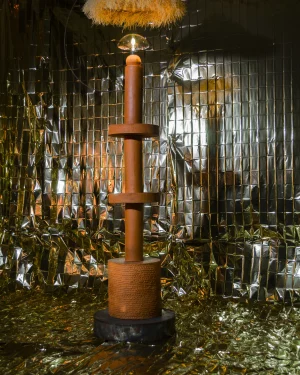
Vereteno Floor Lamp in Biocomposite and Linen
By PletoStudio
€5.800 -
 In stock
Badru Floor Lamp in Ceramic and Rattan
By UAU Studio
€3.400 -
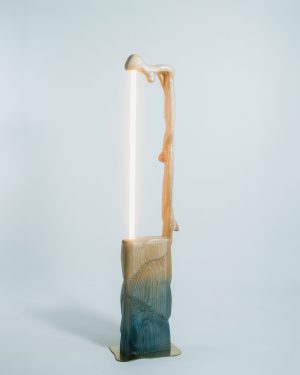 In stock
Blueprint Floor Lamp in Ash Wood
By Studio Kloak
€2.500 -
 In stock
Nightjar Floor Lamp in Ceramic and Rattan
By UAU Studio
€3.400 -

Cypress #1 Floor Lamp in Cypress Wood
By Studio Kloak
€4.600 -

Citiez 0.1
By Niels Stoeltie
€2.521 - €2.893 -

“xoria” Floor Lamp in Chrome and Linen
By Giselle Vanessa Johnson
€1.600 - €2.400 -
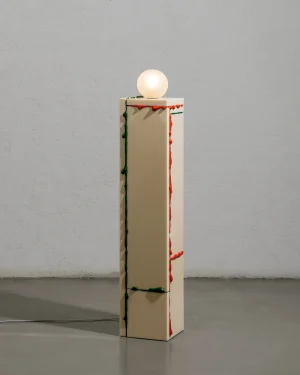 In stock
B.S.P Series Floor Lamp in Recycled Plastic
By Atelier SOHN
Price Upon Request -
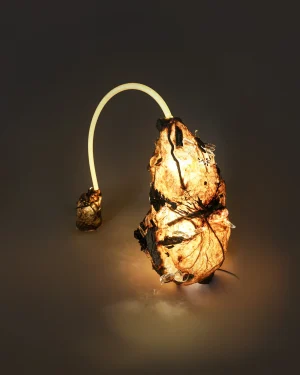 Sold
Siamese Twins I Floor Lamp in Bioplastic
By Sabrina Merayo Nuñez
€6.000
Sustainable floor lamps bring together recycled plastic, stoneware, terracotta and natural fiber, shaped by studios that choose material and process as carefully as form. Some are woven or coiled by hand from rattan and plant fiber, others are hand-built in clay or terracotta, and a growing number are grown or printed through biofabrication and digital fabrication rather than cast or milled. What ties them together is a maker's decision to work with low-impact material and a visible, legible way of making.
What makes a floor lamp sustainable
A sustainable floor lamp is defined less by a single material than by where that material comes from and how little is wasted getting it into shape. Recycled plastic is remelted or reground rather than drawn from virgin resin. Stoneware and terracotta are fired from clay, a material that is abundant and, unlike metal or glass, returns easily to the earth. Natural fiber such as rattan or grass is renewable on a short cycle, and biofabricated material is grown from organic matter instead of synthesized.
Each process leaves its own mark. Coiling and weaving produce a visible rhythm of loops or ribs across the shade or base. Glassblowing, when the glass is recycled cullet, keeps the slight bubbles and variation that mark hand work. 3D printing and digital fabrication, used with bio-polymers, give a repeating ridged texture that is a byproduct of the printing path rather than a decorative choice.
The range of materials, finishes and editions
Among sustainable floor lamps, stoneware and terracotta bases sit in off-white, moss green or sky blue glazes, while recycled plastic shades tend toward frosted or multicolor finishes that show the mixed origin of the material. Metalwork in stainless steel and other metals appears where a studio wants a slim, load-bearing stem rather than a wide ceramic foot. Woven rattan and natural fiber bring a softer, boho or rustic feel, and some studios work in gold-toned finishes for contrast against raw fiber or clay.
- Editions run from open editions, repeated in small batches, to unique pieces where no two bases or shades are quite the same.
- Styles span contemporary, minimalist, eclectic, rustic and futuristic, so the sustainable label does not mean one look.
- Shapes range from a single tall stem to a wide woven drum, depending on whether the maker is working with metal, clay or fiber.
How to choose one
Start with height and footprint, since a floor lamp is seen in the round and has to share floor space with furniture. A narrow metal or stoneware base reads well beside a chair or at the end of a sofa, while a wide woven or coiled form needs clearance on at least two sides. Match the finish to what else is in the room: a frosted recycled-plastic shade softens overhead light, while an open terracotta or stoneware form casts more direct, warmer light downward.
Placement follows use. Reading light wants the shade at roughly shoulder height when seated, with the base out of the walking path. Ambient light, meant to be seen rather than read by, can sit lower and closer to a wall, which is where handmade stoneware and woven pieces tend to work best.
Living with the material
Stoneware and terracotta are porous unless fully glazed, so they should stay dry and away from direct splashing. Recycled plastic resists moisture and fading better than most natural fiber, which should be kept out of strong, direct sun to avoid brittleness over time. Woven rattan and grass benefit from an occasional wipe with a dry or barely damp cloth, never a soak.
These lamps suit a living room as readily as a study, anywhere a single floor-standing light can anchor a seating group without a cord running to the ceiling. For a wider look at low-impact material across the category, the full range of floor lamps and the dedicated sustainable design pages cover pieces built the same way in other forms. Those drawn to a slimmer stem might also look at metal floor lamps, and anyone after a quieter silhouette can start with minimalist floor lamps before narrowing by material.
How do I choose a sustainable floor lamp?
Start with the material you want living in the room, clay, recycled plastic or natural fiber, then check that the scale and shade suit the light you need. For anything piece-specific, use Chat with the maker on the piece's page.
How do you care for a sustainable floor lamp?
Stoneware and terracotta want a dry cloth and no sudden temperature changes, recycled plastic wipes clean with mild soap, and natural fiber should stay out of direct damp or sun to keep its shape.
What size floor lamp does a room need?
A floor lamp should sit near seated eye level so the shade softens glare rather than exposing the bulb, with a base wide enough to feel steady against its height.
Which rooms suit a sustainable floor lamp?
Living rooms and bedrooms both take them well, since the lamp reads as a freestanding object rather than a fixed fitting and can move between corners, reading chairs or empty floor space.
Can I order a custom sustainable floor lamp?
Some studios take custom requests in their chosen material. Use Chat with the maker on the piece's page to ask about options before ordering.
What are ADORNO's shipping and return policies?
Shipping is insured and worldwide. Returns are accepted within 14 days, except made-to-order pieces, and every lamp comes with a certificate of authenticity and ADORNO's lowest-price guarantee.