





-
 In stock
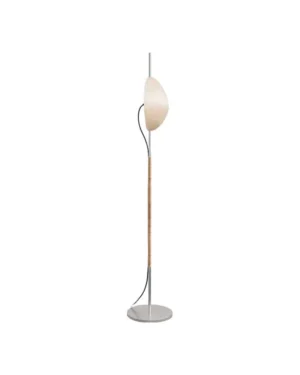
Thulani Floor Lamp in Terracotta and Rattan
By UAU Studio
€3.400 -

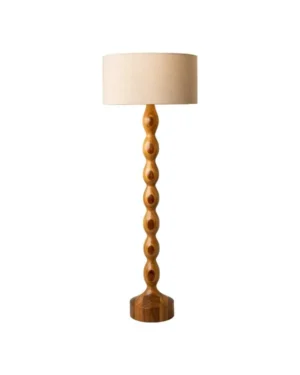
Sculpt Floor Lamp In Hand-built Stoneware
By Harshita Jhamtani Designs
€7.880 -
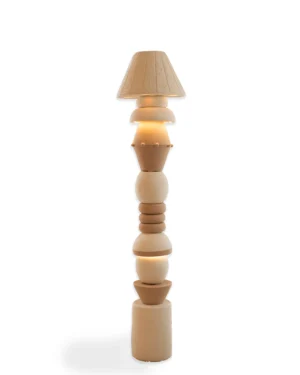
Totem Floor Lamp In Stoneware And Clay Paste
By Harshita Jhamtani Designs
€2.570 -

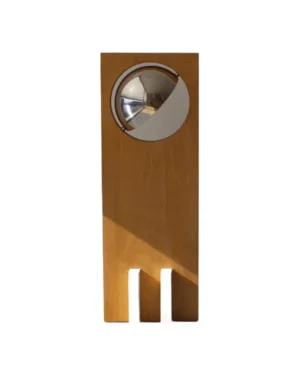
Too 60 Sculptural Ceramic Floor Lamp
By Katia Langeard
€1.200 -
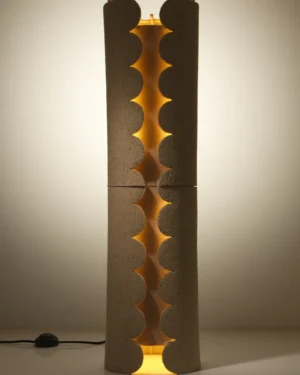
My Stone Flower Large Floor Lamp in Stoneware
By Katia Langeard
€2.330 -
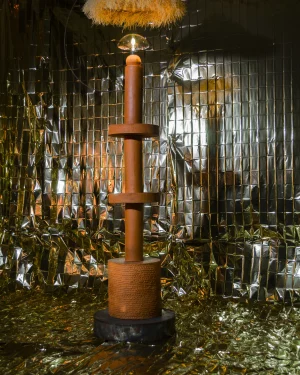 In stock
Badru Floor Lamp in Ceramic and Rattan
By UAU Studio
€3.400 -

Arcy Floor Lamp In Lava Stone
By MERCOEUR EDITION
€5.640 -

Asteroid Floor Lamp In Stoneware And Mild Steel
By Harshita Jhamtani Designs
€2.570 -
 In stock
Nightjar Floor Lamp in Ceramic and Rattan
By UAU Studio
€3.400 -
Arcy Floor Lamp In Lava Stone
By MERCOEUR EDITION
€5.640 -

Pillar Of Ties Totem Floor Lamp In Stoneware, Clay Paste And Wood
By Harshita Jhamtani Designs
€3.780 -
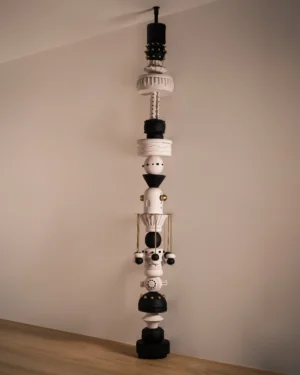
Asteroid Floor-to-ceiling Totem In Stoneware And Brass
By Harshita Jhamtani Designs
€6.900 -
 In stock
Vestigi 01 – Stoneware Floor Lamp
By Pierre Klein
€7.200 -
 In stock
Nomad Ⅲ:01 Floor Lamp in Ceramic
By SK - Sofia Karnukaeva
€3.480 -

Nomad Ⅱ:05 Floor Lamp in Ceramic
By SK - Sofia Karnukaeva
€3.480
Stoneware floor lamps bring the weight and warmth of fired clay into standing light, each base hand-built, coiled or thrown on a wheel by an independent studio before glazing seals the surface. The clay itself is dense and fine-grained, able to hold a wide, stable foot without the piece feeling heavy-handed in a room. Because every base is shaped by hand, no two surfaces finish quite the same, even within a single glaze run.
What stoneware brings to a floor lamp
Stoneware is fired at high temperature, which vitrifies the clay body and makes it harder and less porous than earthenware or raw terracotta. That density gives a lamp base real mass, so it sits low and grounded rather than perching on a thin foot. The surface can be left matte and sanded, or glazed in off-white, gray, rust, black and white, or burgundy, each glaze reading differently depending on how thick it pools in the clay's texture.
Range of finishes, techniques and editions
Within stoneware, the making methods vary as much as the finishes. Some studios hand-build bases by coiling or slab-forming the clay, leaving visible seams and asymmetries that mark the piece as worked by hand. Others throw the form on a wheel, which gives a rounder, more regular silhouette, then alter it once leather-hard. Glazing ranges from a single flat color to layered, reactive finishes that shift tone across the surface; some pieces stay in open editions, others are limited runs or unique, one-off forms, so the glaze and shape will not repeat exactly.
Stoneware is not the only clay body used for standing light on ADORNO. Lower-fired floor lamps in other materials sit alongside it, and the full range of ceramic work, including vessels, vases and other stoneware lighting, shows how the same clay carries across different forms.
Choosing scale, height and finish
A stoneware floor lamp is seen in full, from across a room, so its proportions matter more than they would on a side table. Check the base's footprint against the floor space it will occupy and the shade or light source's height against seating, since a shade set too low at eye level will glare rather than diffuse. Matte, unglazed finishes read quieter and absorb light, while a glossy or reactive glaze catches it and draws the eye.
- Measure the floor area where the base will stand, allowing clearance so it is not brushed in passing.
- Match the light's height to nearby seating so the shade sits above eye level when seated.
- Choose a glaze or raw finish that holds its own against the wall and floor tones around it.
Where these lamps work
The density of stoneware suits rooms where a piece is meant to stay put and anchor a corner rather than move often. In a sitting area, it can stand beside a chair as reading light; a full range of living room floor lamps in stoneware and other materials shows how scale shifts with the room. In a bedroom, a smaller, quieter base works well beside a low chair or at the foot of the bed; see how that scale plays out among bedroom floor lamps. Pieces with a plainer glaze and straighter form also suit rooms built around a contemporary palette, where the lamp reads as sculpture as much as light source.
Living with stoneware
Stoneware is fired hard and resists chipping better than softer clay bodies, but it can still crack if dropped or knocked against a hard edge. Wipe the surface with a dry or lightly damp cloth; avoid soaking a base or leaving it in standing water, since unglazed sections can still absorb moisture over time. Keep it out of direct, sustained sun if the glaze is dark, as prolonged heat and light can dull certain pigments over years of use. For the wider range of stoneware forms and finishes across lighting, wall pieces and objects, the full stoneware listing shows how the material is worked beyond the floor lamp.
How do I choose a stoneware floor lamp?
Look at the base first: coiled or slab-built forms show seams and asymmetry, while wheel-thrown bases sit rounder and more regular. Match the glaze and weight to the room before the shade.
How do you care for a stoneware floor lamp?
Wipe the glazed surface with a dry or slightly damp cloth, avoid harsh cleaners on unglazed or sanded matte areas, and keep the base away from damp floors since stoneware, though dense, can still mark if left wet.
Is stoneware durable for everyday use?
Yes, stoneware is fired at high temperature, which vitrifies the clay and makes it harder and less porous than earthenware or terracotta, giving the base real mass and resistance to chipping.
How tall or heavy is a stoneware floor lamp?
Height and weight vary by studio and glaze thickness. For a specific piece, use Chat with the maker on its page to confirm exact dimensions.
Which rooms suit a stoneware floor lamp?
The dense base sits low and grounded, so it reads well in living rooms and bedrooms where it can anchor a corner or sit beside seating without perching on a thin foot.
What are ADORNO's shipping, returns and authenticity policies?
Shipping is insured and worldwide. Returns are accepted within 14 days, except made-to-order pieces, and every piece comes with a certificate of authenticity plus a lowest-price guarantee.