



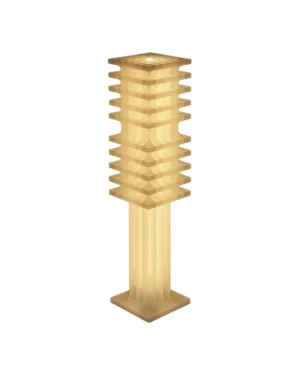
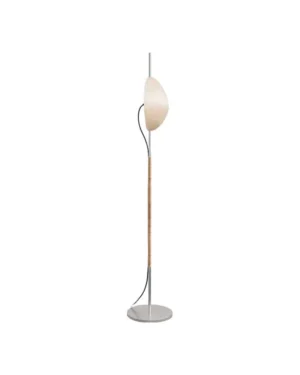
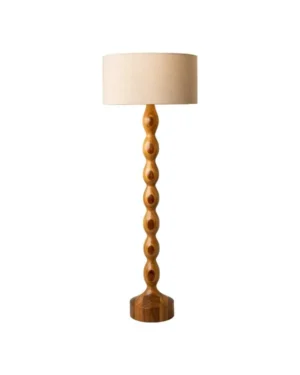
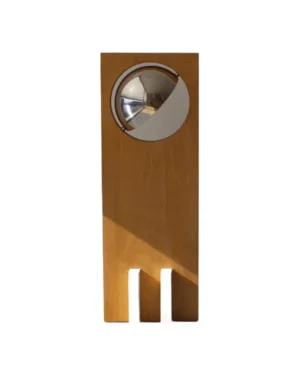
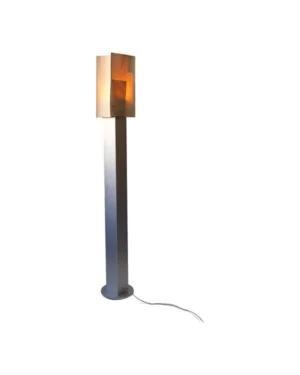
-

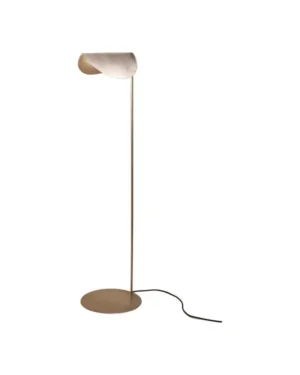
Lampadulure Pink Floor Lamp In Metal
By BehaghelFoiny Studio
€1.700 -

Deas Floor Lamp In Aluminum And Rattan
By Calen Knauf Studio
€1.360 -

Trilight 70 Floor Lamp In Aluminum
By Obscure Objects
€800 -
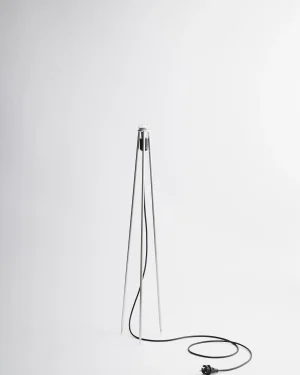
Trilight 100 Floor Lamp In Aluminum
By Obscure Objects
€840 -
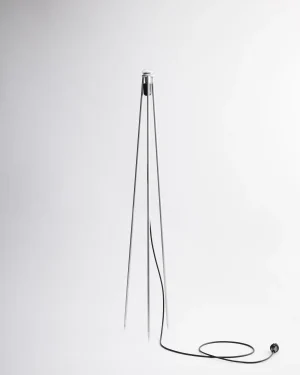
Trilight 130 Floor Lamp In Aluminum
By Obscure Objects
€925 -
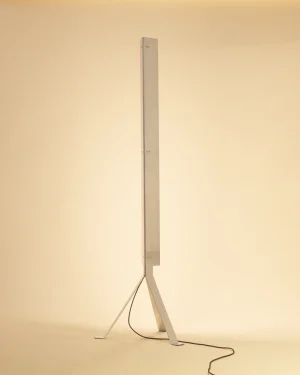
L1 High Floor Lamp in Aluminum
By Luiz Solano
€1.200 -
 In stock
Lampadulure Purple Floor Lamp In Metal And Plaster Composite
By BehaghelFoiny Studio
€3.000 -
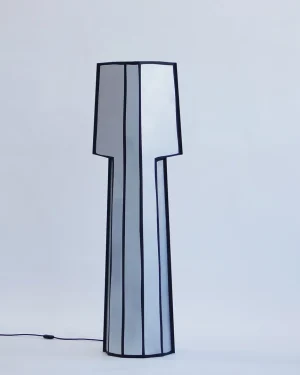
Hex Floor Lamp in Aluminum
By STUDIO GUILTY
€1.256 -
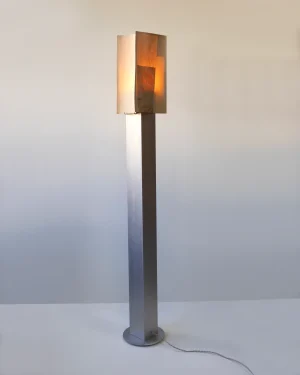
Soft Ply Floor Lamp in Wood and Aluminum
By Sheyang Li
€1.364 -
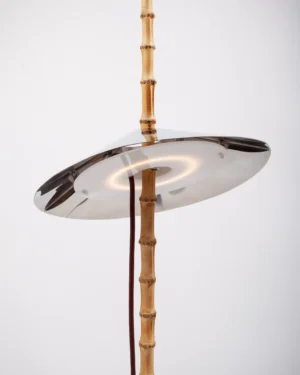
7plates Floor Lamp In Stainless Steel, Bamboo And Aluminum
By Calen Knauf Studio
€1.918 -
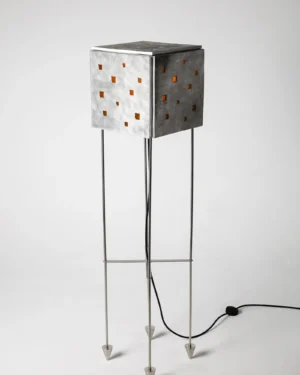 In stock
Prisma Massiva Floor Lamp in Cast Aluminum, Resin And Steel
By DONÓ Design
€3.780 -

Knock Off Neon Floor Lamp In Aluminum And Silk
By Studio Ebba Lindgren
€800€680 -
 In stock
Voguing No. 2 Floor Lamp in Cast Aluminum
By BY JAMPS
€2.500 -
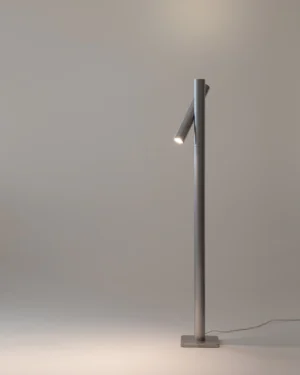
Pivot Floor Lamp In Brass And Aluminum
By Stem
€2.750 - €4.150 -
 In stock
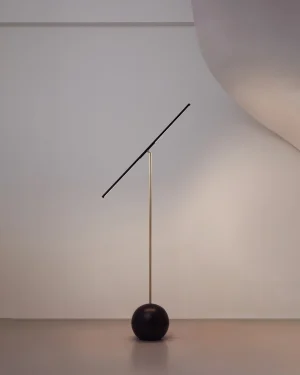
T-Lamp Floor Lamp in Aluminum, Brass and Oak Wood
By HEAKO
€3.850 -

X Floor Lamp in Stainless Steel
By ZEMNA
€4.200 -
 In stock
Wrench Floor Lamp In Aluminum And Iron
By Iyo Hasegawa
€1.800 -
 In stock
Wrench Standing Floor Lamp In Aluminum And Iron
By Iyo Hasegawa
€2.300 -

Alumette Floor Lamp In Aluminum
By Calen Knauf Studio
€2.617 -
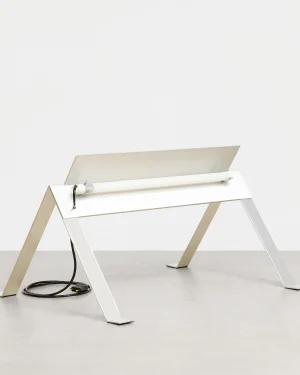
L1 Low Floor Lamp
By Luiz Solano
€900 - €1.200 -

“plume” Floor Lamp in Aluminum
By Giselle Vanessa Johnson
€2.600 -
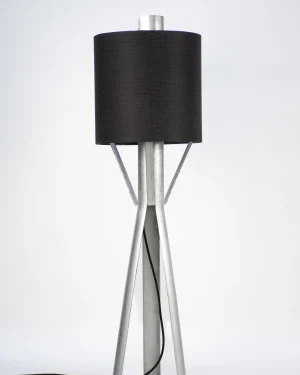
Big Tube Split
By Emil Keller
€2.500 -
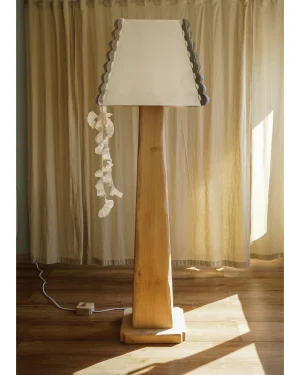
Falbanka Floor Lamp in Aluminum and Oak Wood
By Basia Pruszyńska
Price Upon Request -
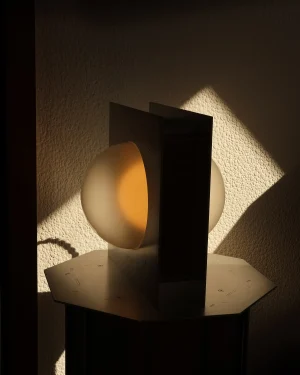
Event Horizon Table Lamp in Aluminum
By BUREAU OF ENTROPY
Price Upon Request -
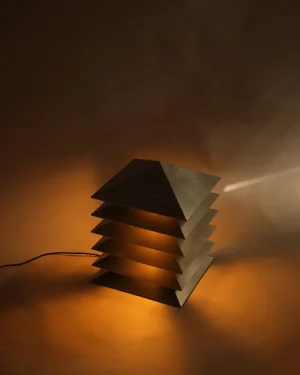
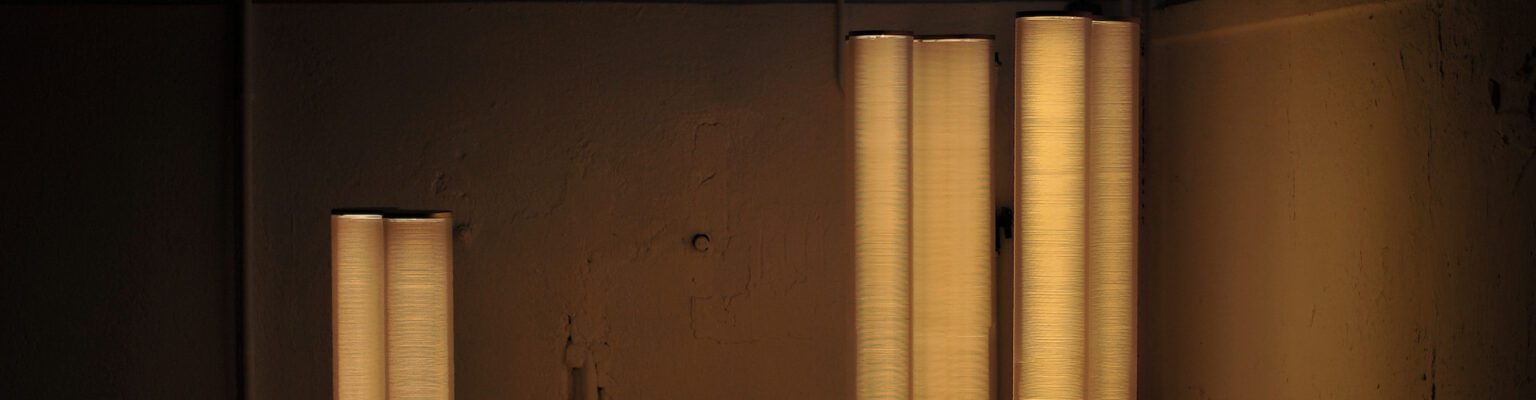
Kōtō – 光塔 – Floor Lamp in Aluminum
By BUREAU OF ENTROPY
Price Upon Request -
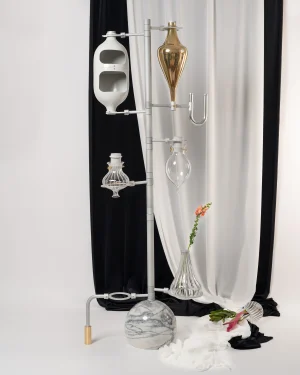 In stock
Emotional Lab Grey Floor Lamp In Marble And Aluminum
By Hania Jneid Design Studio
Price Upon Request -

Aperture Protocol Floor Lamp in Aluminum
By BUREAU OF ENTROPY
Price Upon Request -
 In stock
Nomad Ⅲ:01 Floor Lamp in Ceramic
By SK - Sofia Karnukaeva
€3.480
Aluminum floor lamps are built from a metal that is light enough to lift with one hand and stiff enough to hold a tall, slender silhouette without bowing. Studios reach for it when a lamp needs height without the weight of steel or brass underneath it, shaping the metal by cutting, casting or milling it into a base, stem and shade that stay in proportion with each other. Some pieces are raw and brushed, others anodized to a color that will not flake or fade the way paint can.
What defines aluminum in a floor lamp
Aluminum does not rust, so a base left near a window or a damp entryway keeps its finish for years rather than spotting the way untreated steel does. It is soft enough to extrude or CNC mill into clean channels and ridges, which is why aluminum lamps often carry sharper edges and thinner stems than a cast iron or steel equivalent could support at the same weight. A shade or base in this metal also reflects light instead of absorbing it, so the fixture reads brighter and more open in a room than a dark wood or ceramic lamp of the same size.
The finishes and techniques behind the range
Within aluminum pieces across the catalog, floor lamps appear in a few recurring forms. Raw aluminum is left with a visible brushed or milled surface, showing the tool marks of its making. Anodized finishes seal a layer of color, usually black, silver or a warm tan, directly into the metal's surface rather than coating over it, so the color will not chip with ordinary handling.
- Sand-cast bases, which carry a slightly textured, matte surface from the mold
- Laser-cut or CNC-milled stems and shades, with precise, repeatable edges
- Anodized finishes in silver, black or tan, sealed into the metal rather than painted on
- Open editions alongside limited runs and occasional unique pieces, where a studio works in small batches or one at a time
Some studios pair aluminum with rattan, birch or another wood for a shade or base detail, softening the metal's industrial edge. Others leave the whole lamp in bare metal, closer to a contemporary or neo-industrial reading than a traditional one.
How to choose an aluminum floor lamp
A floor lamp is seen in full, so its height and footprint matter as much as its finish. Measure the ceiling height and the chair or sofa it will stand beside; a lamp that overshoots a low seating arrangement will dominate the corner instead of lighting it. A narrow aluminum stem reads lighter in a small room, while a wider cast base anchors a room with more open floor space around it.
Finish follows placement. Reflective or polished surfaces throw light and highlights across a room, which suits a space you want to feel brighter and more open, while matte or anodized black recedes into the background and lets the shade do the work. If you already own other metal pieces, a visit to floor lamps in other metals is useful for comparing how aluminum's lighter, cooler surface sits against brass or steel.
Where these lamps work
Because they stand independent of any wiring in the wall, aluminum floor lamps move easily between rooms. A slender stem lamp works well beside a reading chair or sofa in a living room, where its light footprint keeps a path clear. In a study or bedroom corner, a shorter, heavier cast base gives steady, close task light without needing a side table underneath it.
Caring for aluminum
Aluminum asks for little upkeep. A dry or barely damp cloth lifts dust and fingerprints without disturbing an anodized color or a raw brushed surface. Avoid abrasive cleaners on polished or reflective finishes, since they can dull the surface over time, and keep cast or milled bases away from standing water to protect any exposed, unanodized metal. For the full range of aluminum fixtures beyond the floor, the aluminum lamps grouping and the wider floor lamps on ADORNO show how the same material and techniques carry across table and wall lighting as well.
How do I choose an aluminum floor lamp?
Look at the base width against the lamp's height, since a wide, heavy base lets a tall stem stand steady, while a slimmer one suits a lamp kept close to a chair or wall.
How do you clean and care for an aluminum floor lamp?
Wipe raw or anodized aluminum with a dry or lightly damp cloth, since the metal does not rust or need sealing, and avoid abrasive cleaners that can scratch a brushed or milled surface.
What height should a floor lamp be?
Most floor lamps stand between 55 and 65 inches, tall enough to cast light over a seated reader or a sofa arm without the shade sitting at eye level.
Which rooms suit an aluminum floor lamp?
Aluminum reflects rather than absorbs light, so it reads bright and open in living rooms, studies or entryways, and its resistance to moisture suits spots near windows or damp hallways.
Can I get a custom aluminum floor lamp?
Some studios take custom requests on finish, height or base size. Chat with the maker on the piece's page to confirm what is possible.
What is ADORNO's shipping and return policy for floor lamps?
Shipping is insured and worldwide, with a 14-day return policy on all but made-to-order pieces. Each lamp arrives with a certificate of authenticity and ADORNO's lowest-price guarantee.