
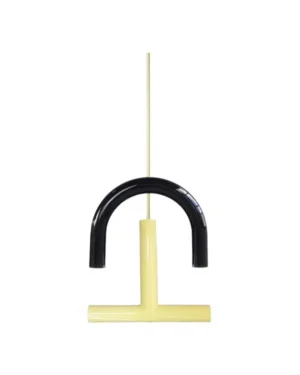
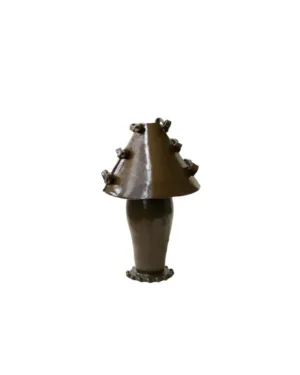

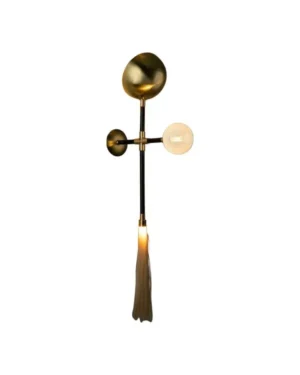
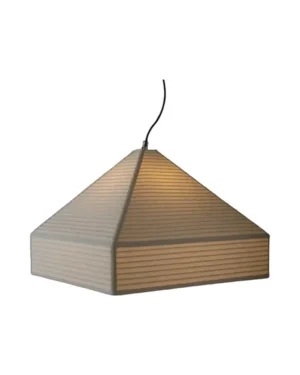









-
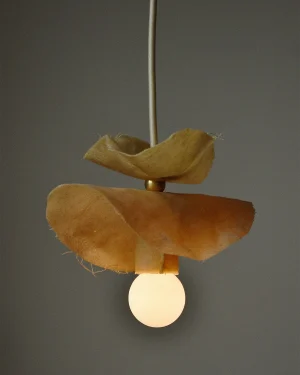
Judie Pendant Lamp in Cotton
By Atelier Alz
€200 -

Curva Floor Lamp in Guarango Wood and Bronze
By Laluz Handcraft
€3.600 -
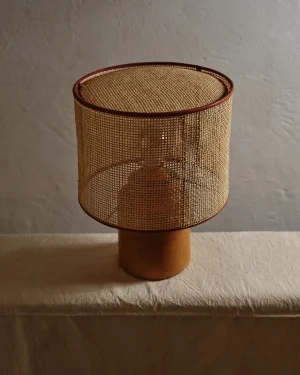
Sonora Rattan Small Table Lamp In Clay And Textiles
By NASSI LAMPS
€689 -

Soft Ply Wall Sconce in Birch Wood and Brass
By Sheyang Li
€264 -

Lomo Floor Lamp In Wool And Ash Wood
By Natural Urbano - Sebastián Beltrán
€565 -
 In stock
Sensitive Wood Marguerite Floor Lamp In Oak Wood
By Vital Lainé
€2.500 -
 In stock
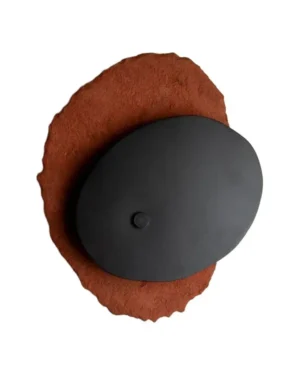
Brown Mud Ellipse Wall Sconce In Textiles And Wood
By David Čáp
€550 -

Lomo Pendant Lamp In Ash Wood And Wool
By Natural Urbano - Sebastián Beltrán
€400 -

Cypress Table Lamp in Wood
By Studio Kloak
€2.000 -
 In stock
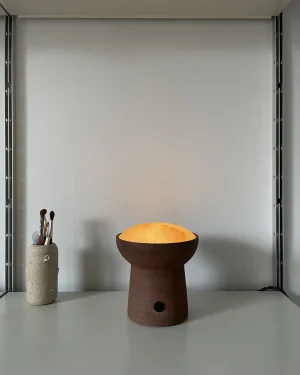
Stoneware Salt Lamp
By Isabella Artale
€600 -
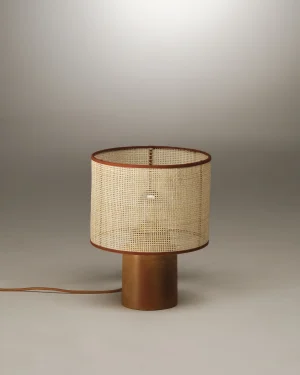
Sonora Small Table Lamp In Terracotta And Rattan
By NASSI LAMPS
€576 -
 In stock
Envol Floor Lamp In Oak Wood
By Vital Lainé
€1.330 -

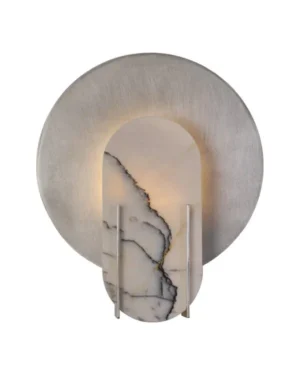
Wall Light Franca A
By MANUHITA
Price Upon Request -
 Sold
Sensitive Wood Mazarine Floor Lamp In Oak Wood
By Vital Lainé
€2.500
Beige and brown lamps draw on the warmest end of the natural palette: wood, wheel-thrown clay, woven textile and rattan, each holding its own tone rather than borrowing color from a dye bath. Studios working in oak, ash, cotton and terracotta favor these materials because they age toward warmth instead of away from it. The result sits as easily lit as unlit, which is the standing test of a good lamp.
What defines beige and brown in lighting
Beige and brown are not a single pigment but a family of undertones that come from the material itself. Oak and ash run from pale sand to honey depending on the cut and the finish; raw or glazed terracotta carries ochre and rust; unbleached cotton and rattan sit somewhere between the two. Because the color is structural rather than applied, it tends to hold steady across years of daylight rather than fading or yellowing the way a painted surface might.
The range of materials and techniques
Within beige and brown lamps, the making methods vary as much as the shades do. Common approaches include:
- Wood and cabinetmaking, with oak or ash joined into a base, then oiled or waxed to let the grain show
- Wheel throwing in clay or terracotta, where the base is thrown by hand and often left partly unglazed
- Textilework and basketry, where cotton is woven into a shade or rattan is caned over a frame, softening the light that passes through
Editions run from open runs, repeated to a standard pattern, to limited editions produced in small numbers, through to unique pieces where no two bases or shades are quite alike. A wood base and a woven shade from the same studio may still differ slightly from one piece to the next, which is part of what hand processes leave behind.
How to choose one
Scale and height decide how a lamp reads in a room before color does. A table lamp in oak needs enough base weight to sit steady next to a reading chair, while a taller floor lamp with a woven or clay shade can anchor a corner that otherwise goes unused after dark. Think about where the light falls: a cotton or rattan shade diffuses evenly across a room, while an open terracotta form throws light more directly and casts a stronger shadow of its own shape.
Finish matters as much as form. A waxed or oiled wood base will darken slightly over time and take on a soft sheen with handling, while a glazed clay base keeps a harder, cooler surface that resists marking. Match the finish to how often the lamp will be touched, moved or dusted, and to the other wood and clay tones already in the room.
Where they work
Beige and brown lamps suit rooms built around natural materials: a living room with oak furniture, a bedroom with linen or cotton bedding, a reading corner with rattan seating. The tone sits quietly against both pale walls and darker wood, which is why these lamps turn up as often in living room lamps as in bedroom lamps. For a wider look at how the color behaves across other furniture and objects, the beige and brown furniture and beige and brown decor pieces follow the same logic of natural, undyed tone.
Care by material
Wood bases should be kept out of direct sun, which dries and bleaches oak and ash over time, and wiped with a dry or barely damp cloth rather than soaked. Unglazed or partly glazed clay and terracotta are porous and can mark if left wet, so they're best kept away from damp surfaces. Woven cotton or rattan shades collect dust easily; a soft brush or the low setting of a vacuum attachment keeps the weave from flattening.
Anyone comparing the wider shape of the category can start from all lamps or step back further to all lighting, then narrow by style through contemporary lamps or minimalist lamps. For the full spread of tone beyond lighting, every beige and brown piece on ADORNO covers furniture and objects in the same warm range.
How do I choose a beige and brown lamp?
Start with the base material, since oak, terracotta and rattan each cast a different warmth. Match the undertone to the room's existing wood or textile, then check how the light reads both on and off.
How do I care for a beige and brown lamp?
Dust wood and clay bases with a dry or barely damp cloth, and keep terracotta away from standing water. Woven cotton or rattan shades do best out of direct sun, which keeps the fiber from drying and fading unevenly.
What size lamp do I need for a table or floor?
Table lamps generally sit between 18 and 30 inches, keeping the shade below eye level when seated. Floor lamps run from 50 to 65 inches, tall enough to clear a sofa arm or reading chair without casting hard shadows.
Which rooms suit beige and brown lamps?
Their warmth sits naturally in living rooms, bedrooms and reading corners, anywhere the glow should feel grounded rather than stark. Oak and terracotta pair well with wood floors and woven textiles already in the space.
Can I order a custom size, finish or wiring for a lamp?
Some studios take custom requests on size, glaze or cord length. Chat with the maker on the piece's page to confirm what is possible.
How does shipping, returns and authenticity work at ADORNO?
Shipping is insured and worldwide, with a 14-day return policy on everything except made-to-order pieces. Every lamp arrives with a certificate of authenticity, backed by a lowest-price guarantee.