




-
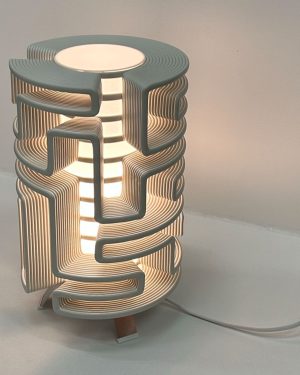
Maze Table Lamp in Recycled Plastic
By Stijn van Aardenne
€227 -

Trn / Model E1 Pendant Lamp in Ceramic
By Pani Jurek STUDIO
€1.430 -
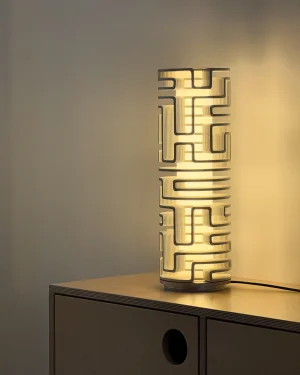
Maze Medium Table Lamp in Recycled Plastic
By Stijn van Aardenne
€579 -
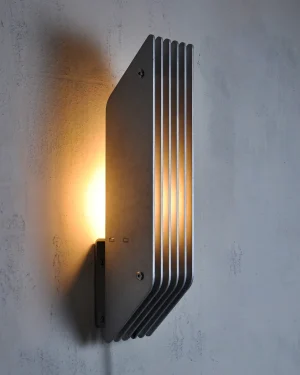
Rln460 Wall Lamp In Matte Aluminium
By MLK Furniture
€390 -
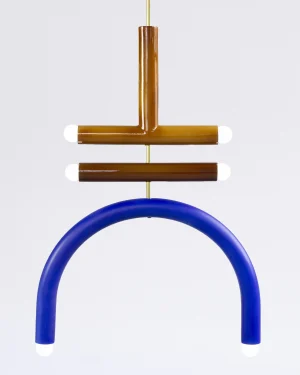
Trn / Model F2 Pendant Lamp in Ceramic
By Pani Jurek STUDIO
€1.600 -
 In stock
Y30 Ceiling Lamp in Blown Glass and Brass
By Clara Viladecans
€786 -
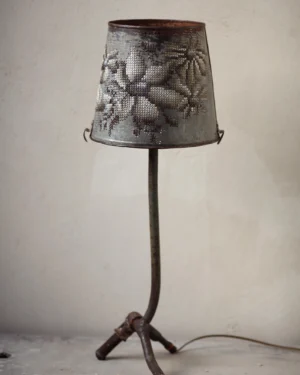
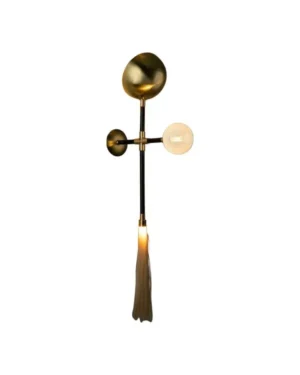
Light Bucket Challenge II Floor Lamp in Metal and Thread
By Severija Inčirauskaitė-Kriaunevičienė
€4.500 -
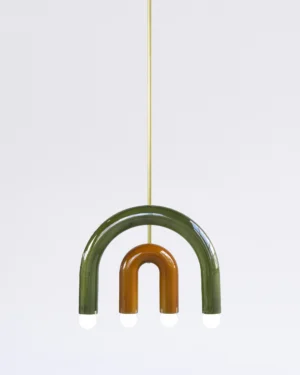
Trn / Model C1 Pendant Lamp in Ceramic
By Pani Jurek STUDIO
€880 -
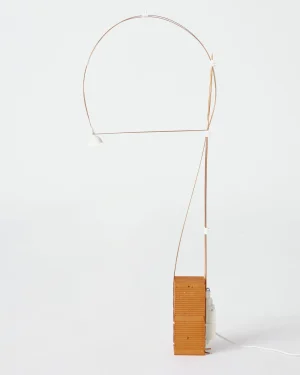 In stock
B.A.R.E Series Table Lamp in Brick and Copper
By Lucas Muñoz Muñoz
€250 -
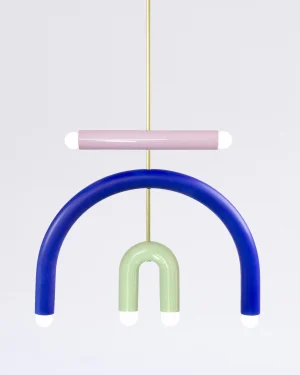
Trn / Model F3 Pendant Lamp in Ceramic
By Pani Jurek STUDIO
€1.600 -
 In stock
Ines Ceiling Lamp in Blown Glass And Brass
By Clara Viladecans
€550 -
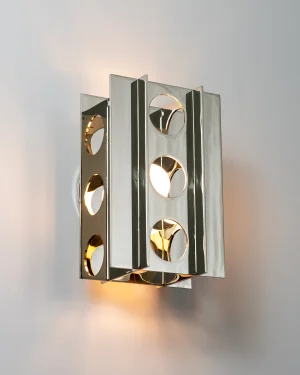
Tenfold 3T Mirror Wall Sconce in Steel and Aluminum
By Luft Tanaka Studio
€1.540 -
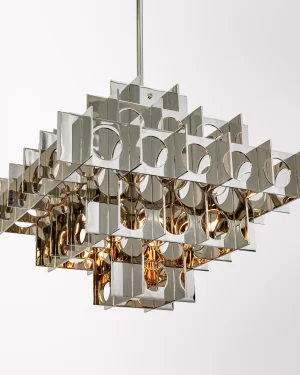
Tenfold 5 T Pendant Lamp in Stainless Steel and Aluminum
By Luft Tanaka Studio
€4.440 - €11.000 -

Lasso Floor Lamp in Stainless Steel and Glass
By Nitush and Aroosh
€2.850 -
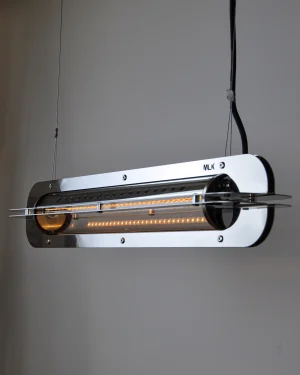
Pill600 Pendant Lamp In Mirror Stainless Steel
By MLK Furniture
€1.090 -
 In stock
La Bergère Table Lamp In Glazed Ceramic
By Mina Wright
€686 -
 In stock
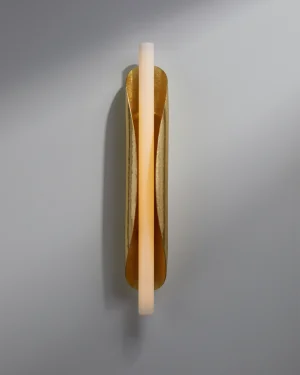
Taco De Luz 50cm Wall Sconce in Satin Brass
By Studio Aristotelis Barakos
€1.250 -
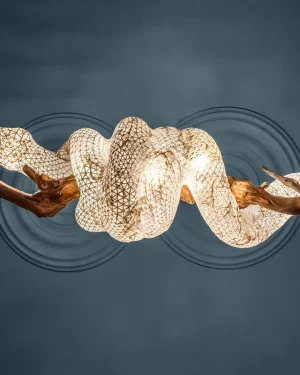
The Staff Of Asclepius Chandelier In Pla And Wool
By Danik Uderbekov
€2.500 -
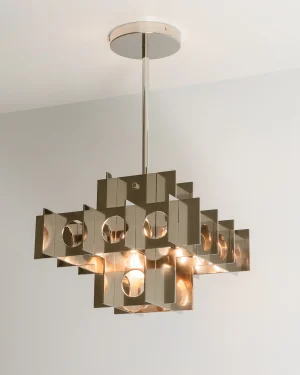
Tenfold 3 T B Pendant Lamp in Stainless Steel and Aluminum
By Luft Tanaka Studio
€2.895 - €8.675 -
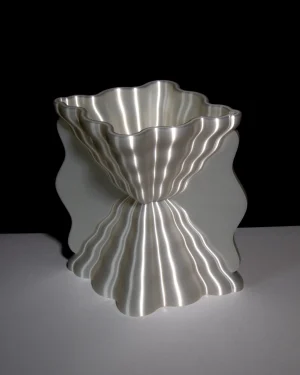 In stock
Galéa Table Lamp in Bio Plastic
By Errance.
€250 -

Pill1200 Floor Lamp In Stainless Steel
By MLK Furniture
€1.690 -
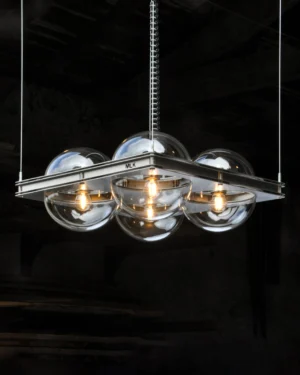
Bbl200x04 Pendant Lamp In Stainless Steel And Acrylic
By MLK Furniture
€2.400 -
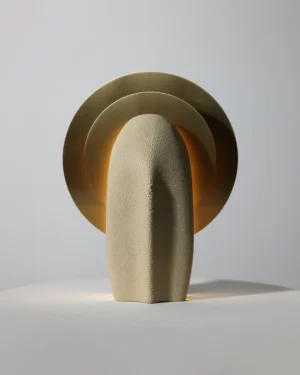
Mother of the Light Table Lamp in Galuchat and Brass
By PALUCKI Studio
€3.300 -
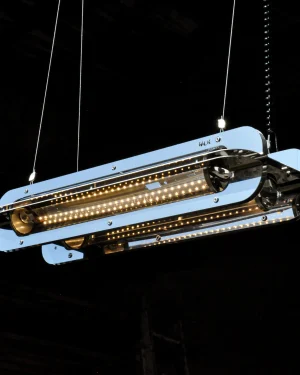
Pill600x2 Pendant Lamp In Mirror Stainless Steel
By MLK Furniture
€1.890 -
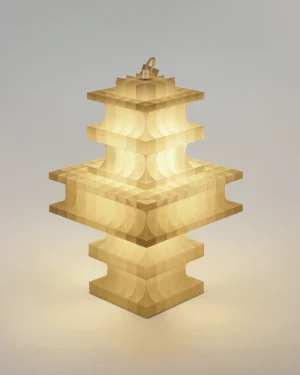
Citadel Large Lantern Light Sculpture
By Ultramar Studio
€1.250 -
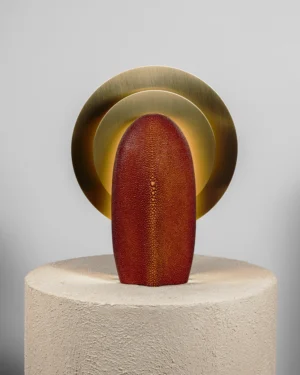
Mother of the Light Cognac Table Lamp in Galuchat and Brass
By PALUCKI Studio
€3.500 -
 In stock
Voguing No. 2 Floor Lamp in Cast Aluminum
By BY JAMPS
€2.500 -
 In stock
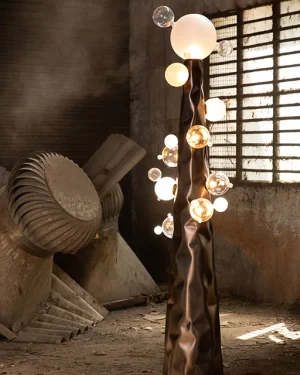
Molecule Floor Lamp in Stainless Steel and Blown Glass
By Nitush and Aroosh
€4.850 -
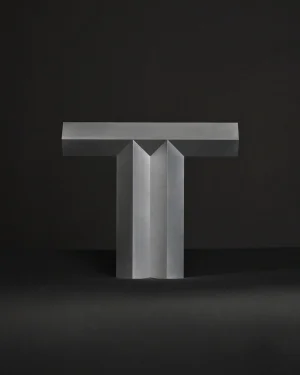
Sculptural Table Lamp in Aluminum
By NOSTUDIO
€620 - €650 -
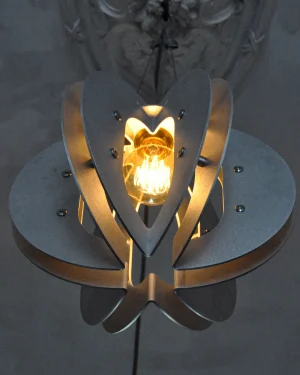
D300 Lampion Pendant Lamp In Matte Aluminum
By MLK Furniture
€390 -

Coralight Table Lamp in Bio Plastic
By Cornu Design
€129 -

Coralight Table Lamp in High Density Bio Polymer
By Cornu Design
€129 -
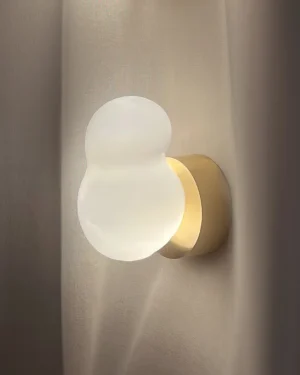
Vv Applique Wall Sconce in Brass and Blown Glass
By Clara Viladecans
€451 -
 In stock
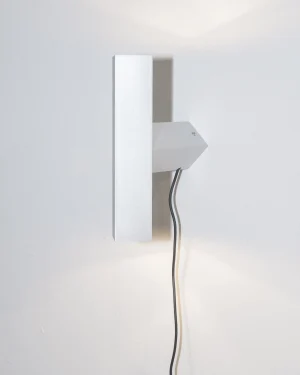
Sculptural Wall Sconce in Aluminum
By NOSTUDIO
€420 - €450 -
 In stock
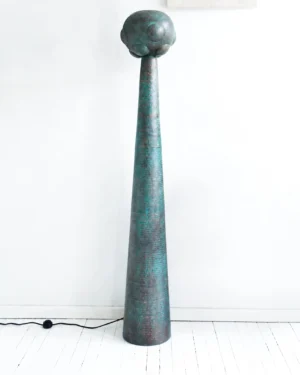
Artefacto Copper Venus Floor Lamp in Hammered Copper
By LØRDAG & SØNDAG
€4.768 -
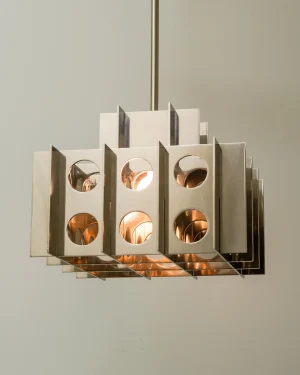
Tenfold 3 T A Pendant Lamp in Stainless Steel and Aluminum
By Luft Tanaka Studio
€2.895 - €8.675 -
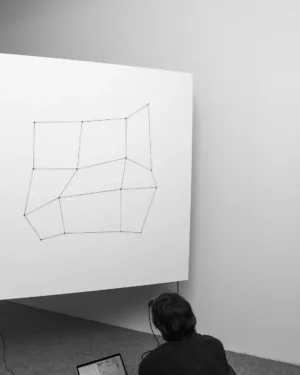 In stock
Shadow 24 Table Lamp in Orange Acrylic and Aluminum
By Andreas Berlin
€1.218 -
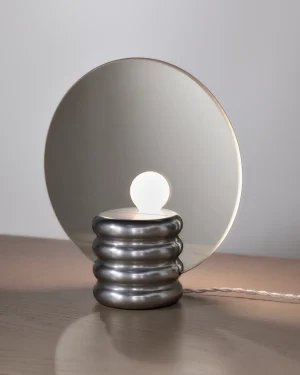 In stock
Spegla Mirror Lamp – Mirror / Lamp In Aluminium And Mirror Glass
By Jochen Lavéno Mangelsdorff Studio & Objects
€556 -
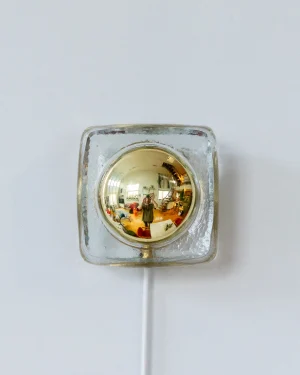 In stock
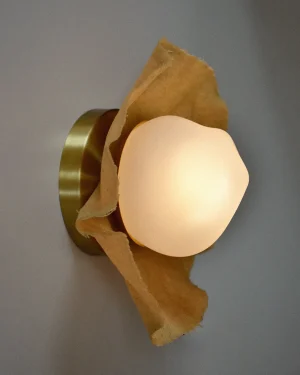
Starburst Wall Sconce in Brass and Blown Glass
By Voidfill Studio
€1.635 -
 In stock
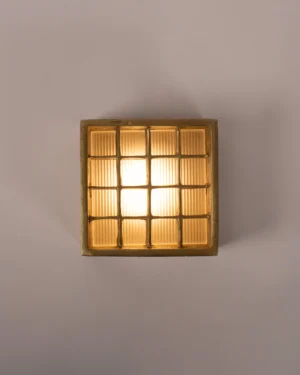
Liora I Wall Sconce in Glass and Brass
By Atelier Alz
€350 -
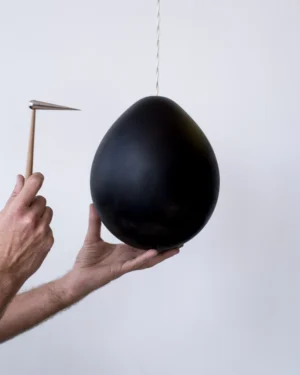
Oasis Mirage Wall Light In Cast Aluminum And Fluted Glass
By Harshita Jhamtani Designs
€620 -
 In stock
Less Pendant Lamp In Steel, Wood And Plaster
By Jordi Canudas Faura
€388 -
 In stock
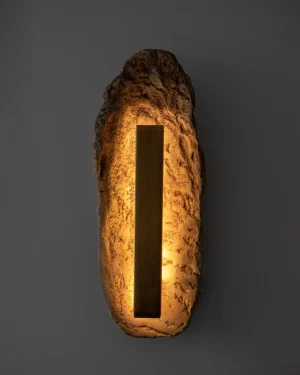
“Chanka-Hanka” Mobile Chandelier in Stoneware and Metal
By UAU Studio
€2.000 -
 In stock
Asea No. 2 Wall Sconce in Stoneware and Brass
By Ceren Gürkan
€1.000 -
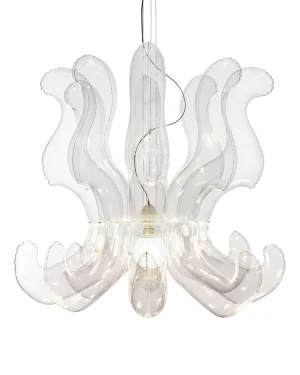
Lullaby No.1 Chandelier in PVC and Acrylic
By PUFF-BUFF
€640 -
 In stock
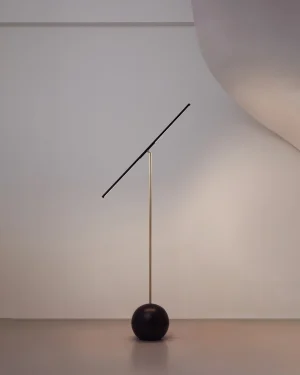
T-Lamp Floor Lamp in Aluminum, Brass and Oak Wood
By HEAKO
€3.850 -
 In stock
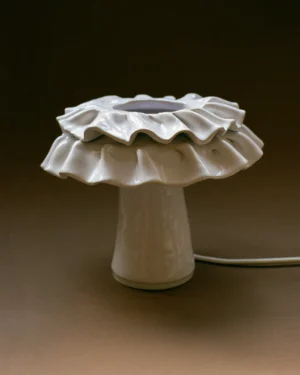
Lulu Table Lamp In Stoneware
By Mina Wright
€670 -
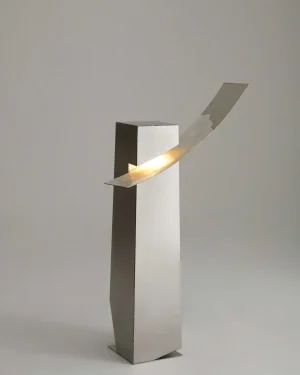
Shining No.2302 Floor Lamp in Stainless Steel
By Park Eunchong Studio
€3.200 -
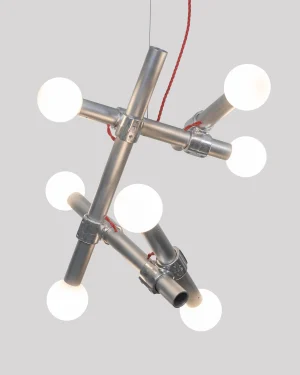
Pipe Dream Chandelier in Aluminum and Glass
By Luft Tanaka Studio
€3.655 -
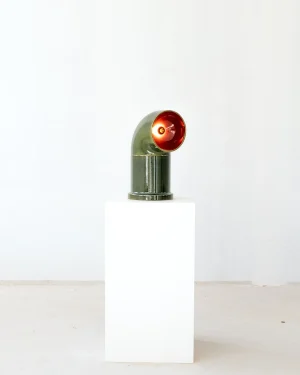
Fat Op No. 003 Two Piece Table Lamp in Ceramic
By Pani Jurek STUDIO
€1.539 -
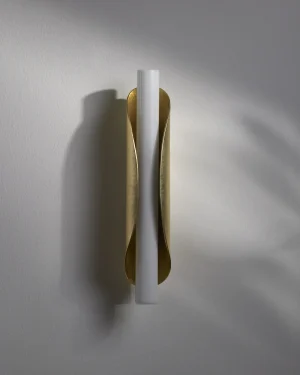
Taco De Luz 30cm Wall Sconce in Satin Brass
By Studio Aristotelis Barakos
€870 -
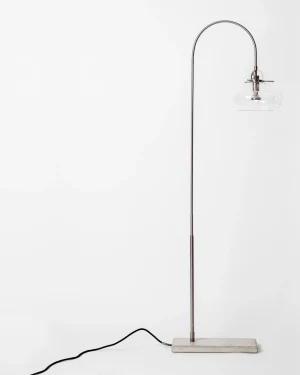
Art Deco Floor Lamp in Glass, Stainless Steel and Concrete
By Szostak Atelier
€2.100€1.995 -
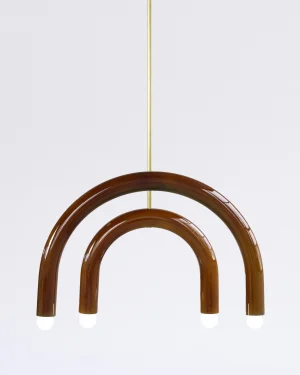
Trn / Model E3 Pendant Lamp in Ceramic
By Pani Jurek STUDIO
€1.430 -
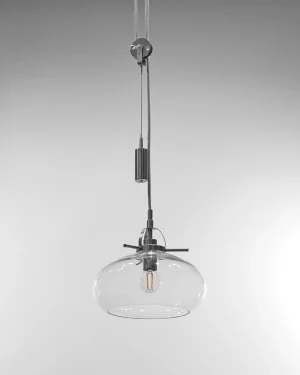
Art Deco Pendant Lamp with Weight in Glass and Steel
By Szostak Atelier
€1.400€1.330
Art deco lamps carry forward the geometry of the 1920s and 1930s: stepped bases, fluted shades, fan forms and symmetrical silhouettes, worked in brass, glass and steel. The studios behind them cast metal, blow glass and turn steel on a lathe, pairing hard, reflective surfaces with the warmth of a lit shade. What defines the style is less a single material than a logic of line, straight edges meeting curves at a sharp, deliberate point.
What makes a lamp art deco
Art deco design favors contrast: polished brass against frosted or tinted glass, a stepped silhouette against a smooth drum shade, black lacquer against a bright accent. Symmetry does a lot of the work, and so does repetition, a row of fluting, a fan of blades, a stack of discs narrowing toward the top. Color tends toward black, cobalt blue, ochre and brass tones, with green or denim blue used as an accent rather than a dominant note.
Materials, finishes and editions found here
Brass is the material most associated with the period, cast or spun and left polished or given a dark patina that will deepen on its own with handling. Stainless steel and aluminum turn up in cooler, more industrial readings of the same geometry, while glass, cast, blown or pressed, carries the light itself rather than just housing it. Some shades are glazed stoneware or ceramic, hand-built, which brings a matte, grounded texture into a style usually associated with shine.
Across these materials, pieces are made as open editions, limited editions or unique pieces, depending on the studio and the technique. Metalwork and glassblowing both allow for small-batch runs where no two lamps are quite identical; glazing and hand-building push that further, since a kiln never behaves the same way twice.
How to choose an art deco lamp
Scale and height matter more than they first appear to. A table lamp needs to sit at a height where the shade is below eye level when seated, so the bulb never shows; a floor lamp should clear a sofa arm by a reasonable margin rather than tower over it. Finish is the next decision: polished brass throws more reflected light and shows fingerprints, while a brushed or patinated surface hides daily wear.
- For a console or sideboard, a taller, narrow-based lamp keeps the geometry visible without crowding other objects.
- For a nightstand, a lower, wider base sits more safely within reach in the dark.
- For a desk, choose a shade that directs light downward rather than outward, so the glow does not compete with a screen.
Placement also shapes which lamp earns its spot. A single sculptural lamp on an otherwise plain surface reads as a focal point; the same lamp lost among other objects reads as clutter.
Rooms suited to art deco lighting
These lamps are built for rooms where people sit still long enough to look at them: living rooms, studies, entrance halls and bedrooms. A pair flanking a bed or a sofa plays on the symmetry built into most art deco forms, while a single piece on a console or desk works as a quieter accent. The wider range of Art Deco lighting extends the same geometry into wall and ceiling fixtures for rooms where a table lamp alone will not carry enough light.
Caring for brass, glass and steel lamps
Brass left unlacquered will darken with handling and air; a light polish restores shine, or the patina can simply be left to develop as part of the piece's character. Glass shades need only a dry or slightly damp cloth, since abrasive cleaners dull a cast or blown surface over time. Stainless steel and aluminum resist tarnish but show fingerprints readily, so a soft cloth kept nearby is worth more than any specialist product.
For side-by-side comparison, the full range of lamps on ADORNO spans far more than this one style, while Art Deco table lamps narrow the same look to a single, most common form. Those furnishing a living room from scratch may also look at living room lamps more broadly, and anyone drawn to the period beyond lighting can follow the Art Deco style across furniture, decor and tables as well.
How do I choose an art deco lamp?
Look at the base first: stepped forms and fluting read as strongly lit as unlit. Decide whether you want polished brass for contrast or a quieter steel or aluminum reading of the same geometry.
How do you care for a brass or glass art deco lamp?
Wipe brass with a dry or barely damp cloth; it will darken with handling unless kept polished. Glass shades need only dusting, and ceramic ones a damp cloth, away from abrasive cleaners.
What size art deco lamp do I need?
A table lamp should sit roughly at eye level when seated nearby, while floor lamps are sized to cast light over a chair or sofa without towering over it. Chat with the maker on a piece's page to confirm its dimensions.
Which rooms suit art deco lamps?
Living rooms and bedrooms take the style well, where a stepped base or fluted shade can stand alone on a side table. Entryways also suit a single strong silhouette, since there is little else to compete with it.
Can I order a custom art deco lamp?
Some makers take custom requests on finish, size or color, others work only in fixed editions. Chat with the maker on the piece's page to ask directly.
What are ADORNO's shipping and return policies?
Shipping is insured and worldwide. Returns are accepted within 14 days, except for made-to-order pieces, and every lamp comes with a certificate of authenticity.