

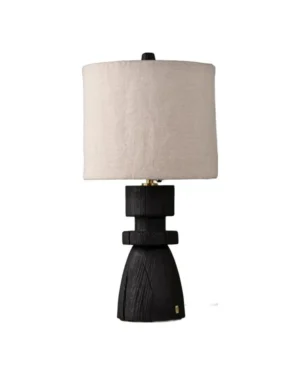
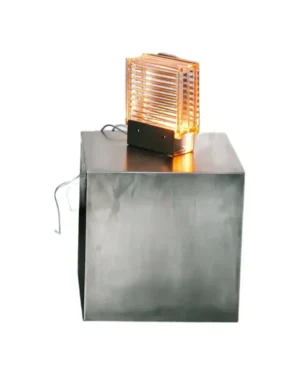
-
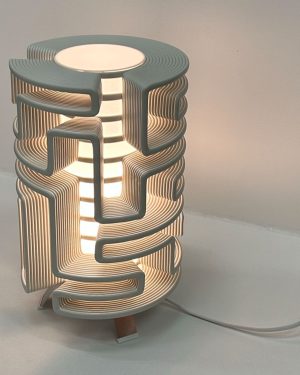
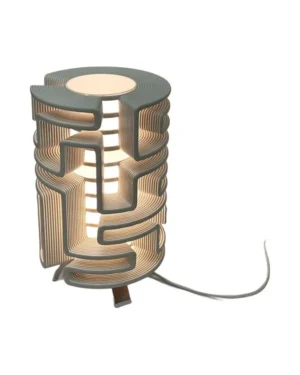
Maze Table Lamp in Recycled Plastic
By Stijn van Aardenne
€227 -
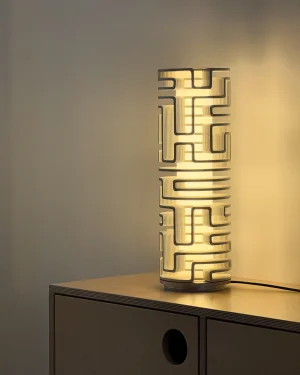
Maze Medium Table Lamp in Recycled Plastic
By Stijn van Aardenne
€579 -
 In stock
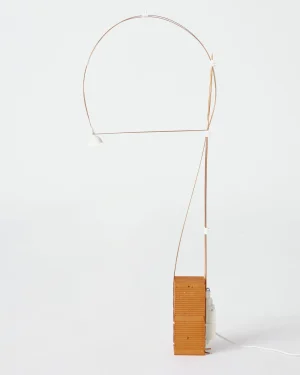
B.A.R.E Series Table Lamp in Brick and Copper
By Lucas Muñoz Muñoz
€250 -
 In stock
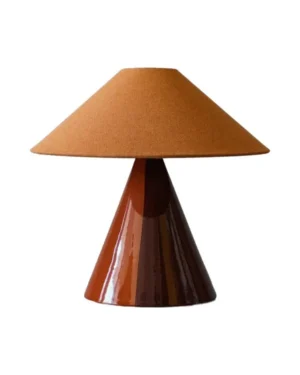
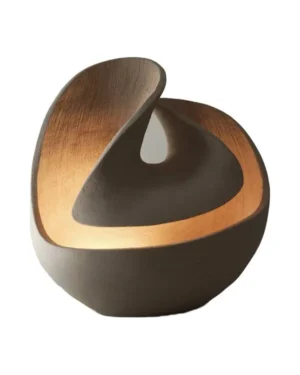
La Bergère Table Lamp In Glazed Ceramic
By Mina Wright
€686 -
 In stock
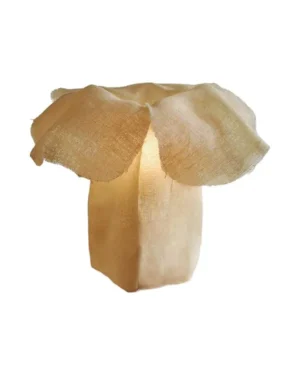
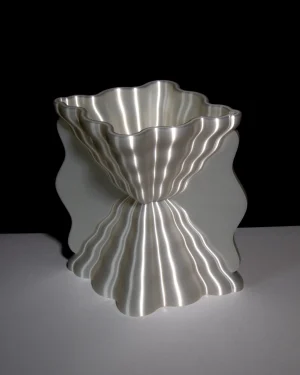
Galéa Table Lamp in Bio Plastic
By Errance.
€250 -

Mother of the Light Table Lamp in Galuchat and Brass
By PALUCKI Studio
€3.300 -
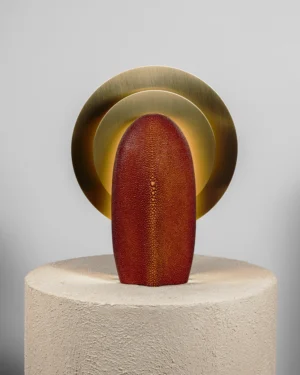
Mother of the Light Cognac Table Lamp in Galuchat and Brass
By PALUCKI Studio
€3.500 -
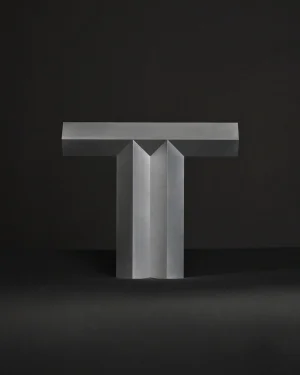
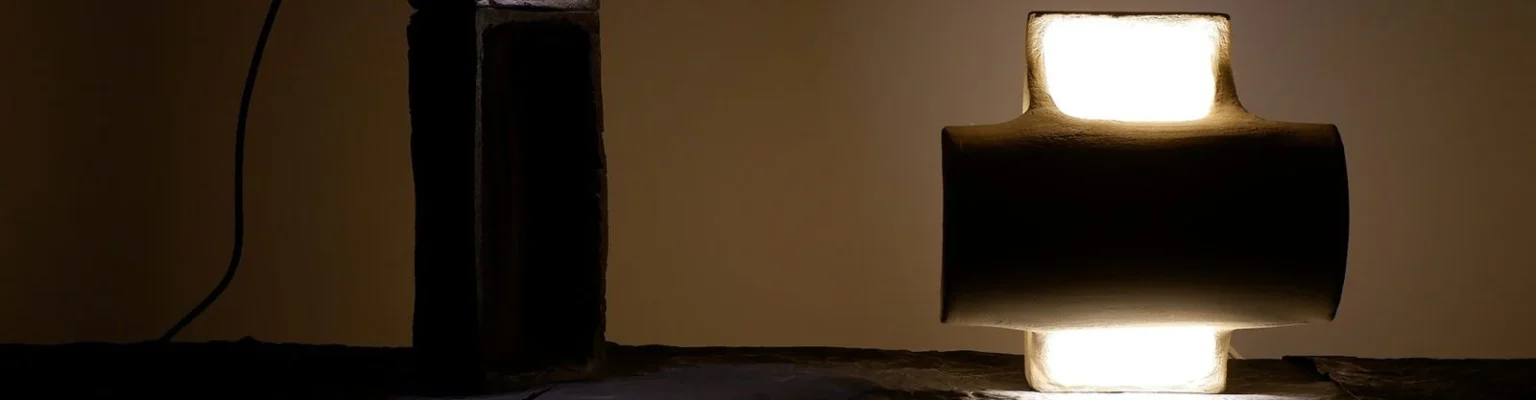
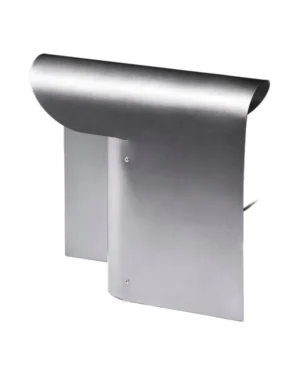
Sculptural Table Lamp in Aluminum
By NOSTUDIO
€620 - €650 -

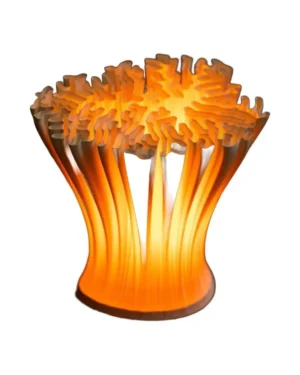
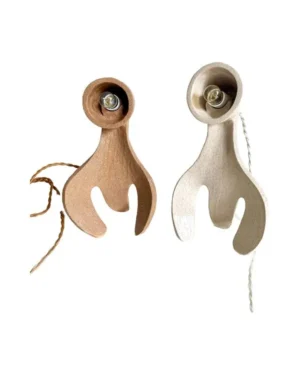
Coralight Table Lamp in Bio Plastic
By Cornu Design
€129 -

Coralight Table Lamp in High Density Bio Polymer
By Cornu Design
€129 -
 In stock
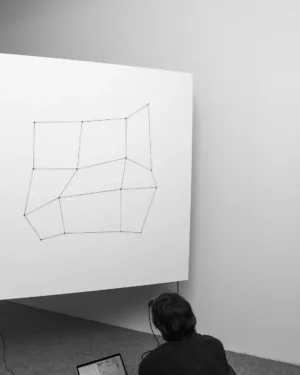
Shadow 24 Table Lamp in Orange Acrylic and Aluminum
By Andreas Berlin
€1.218 -
 In stock
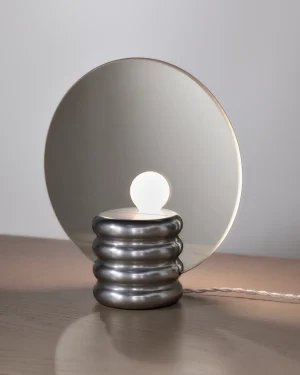
Spegla Mirror Lamp – Mirror / Lamp In Aluminium And Mirror Glass
By Jochen Lavéno Mangelsdorff Studio & Objects
€556 -
 In stock
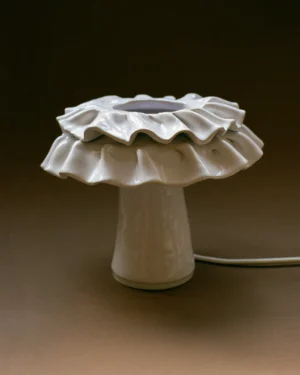
Lulu Table Lamp In Stoneware
By Mina Wright
€670 -

Pyramid Lamp – Clay Table Lamp
By Dzovag Kotchian
€1.500 -
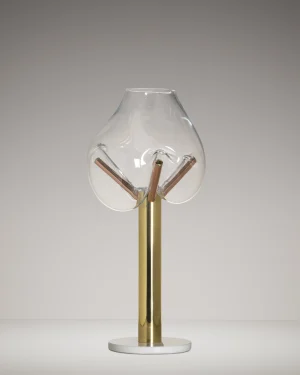
Carambola Table Lamp
By Carol Gay
€1.730 - €1.745 -
 In stock
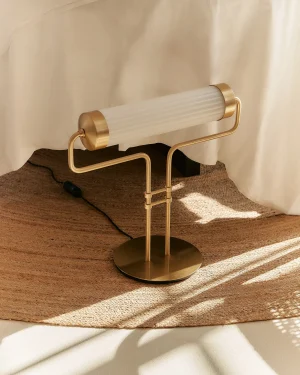
Tatì Table Lamp in Brass and Blown Glass
By Clara Viladecans
€1.488 -

Natalia Table Lamp in Stainless Steel
By Saadia Design
€490 -

Falcon Table Lamp in Brass and Walnut Wood
By Nathan Chintala
€1.914 -
 In stock
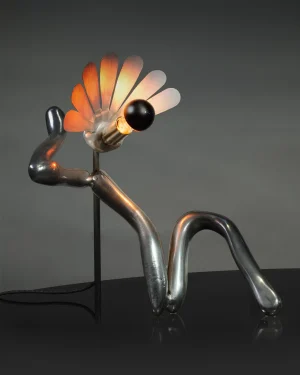
The Voguing Lamp 1 Table Lamp in Aluminum
By BY JAMPS
€3.000 -
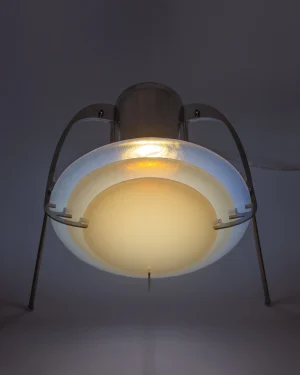
Sky-set Mini Table Light
By Dace Sūna
€2.800 -
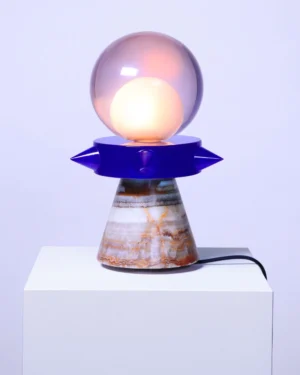
Tona Table Lamp in Onyx and Resin
By Adrian Cruz
€2.420 -
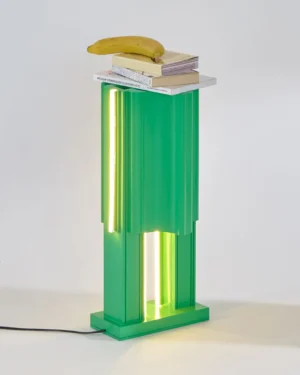
Cornice Supreme No. 2 Table Lamp in Polyurethane
By Teresa Fernández-Pello
€1.986 -
 Sold
Chimney Table Lamp In Aluminum And Steel
By BOTHI
€210 -

Chimney Table Lamp In Aluminum
By BOTHI
€210 -
 In stock
Synkro Table Lamp in Stoneware
By UAU Studio
€1.500
Art deco table lamps carry the geometry of the 1920s and 1930s into brass, glass and hand-formed metal: stepped bases, fluted stems, fan and sunburst motifs, cut by independent studios working in metalwork, glass and glazing. The style favors symmetry and polish over ornament for its own sake, so a lamp reads as a small piece of architecture before it reads as a light source. Many of these pieces are made in limited editions or as unique pieces, finished by hand rather than stamped out in volume.
What defines the art deco style in lighting
Art deco borrowed its vocabulary from skyscrapers, ocean liners and the machine age: stepped tiers, chevrons, fluting, and a liking for materials that catch light. In a table lamp this shows up as a faceted or fluted stem, a base built from stacked geometric forms, and a shade in glass or metal that echoes the lines below it. The effect is formal and symmetrical, closer to a small sculpture than to a utilitarian fixture.
The materials and finishes found here
Brass and other metals dominate, often polished to a warm gold tone or left with a brushed finish that softens over time. Stainless steel and aluminum appear where a studio wants a cooler, sharper surface, sometimes shaped through metalwork and sometimes through more contemporary digital fabrication. Glass shades, clear, frosted or tinted, pair with these metal bases to diffuse light without hiding the geometry; ceramic and clay bases, built or glazed by hand, bring a matte counterpoint to the gold and chrome.
Color tends toward materials rather than paint: the gold of brass, the black of oxidized metal or matte clay, the gray of steel, occasional notes of wine, green or blue glass. Editions range from open runs to small, numbered series and one-off pieces, so finish and exact tone can vary slightly from lamp to lamp, a mark of hand work rather than a flaw.
How to choose an art deco table lamp
- Match the metal finish to existing hardware in the room, rather than mixing several golds or chromes within arm's reach.
- Check the shade material: glass throws a softer, more even light, while metal shades direct it more narrowly.
- Leave clearance above the lamp if it sits under a shelf or sloped ceiling, since the geometry often adds height a plain lamp would not.
For a broader range of bases and heights in the same material family, the metal table lamps group is worth comparing before settling on a single piece.
Where these lamps belong
Art deco table lamps suit rooms built around a single strong object rather than many small ones: an entry console, a bar cart, a sideboard in a dining room. In seating areas they work well as living room table lamps, paired at either end of a sofa for symmetry, which the style's geometric lines reward. In quieter settings, a smaller version works as one of the bedroom table lamps placed on a nightstand, where its polish catches low evening light.
Caring for brass, glass and metal lamps
Brass will darken and spot with handling and air over years; a light wipe with a soft cloth keeps oils from building up, and lacquered pieces should avoid abrasive polishes that can cut through the coating. Glass shades need only dusting and an occasional wipe with a damp cloth, while ceramic or clay bases should stay away from damp surfaces that could mark an unglazed foot. Metal and glass both hold heat from a bulb, so leave a lamp room to vent rather than tucking it behind curtains or other fabric.
For the wider style beyond lighting, including clocks, mirrors and seating that share the same geometric language, the full art deco style pages and the general art deco lighting group give a sense of how far the period's forms extend, while the complete table lamps category covers every other style sitting alongside it.
How do I choose an art deco table lamp?
Look for stepped bases, fluted stems or sunburst motifs that read as a small architectural form. Match the metal tone, brass, steel or aluminum, to the other hardware in the room.
How do you care for a brass or glass art deco lamp?
Dust metal surfaces with a dry or barely damp cloth; polished brass can be buffed to restore shine, while brushed finishes soften naturally with handling. Wipe glass shades with a lint-free cloth, avoiding abrasive cleaners.
What size table lamp works best for a console or side table?
A lamp's base should sit comfortably within the surface without crowding it, and its shade should land roughly at eye level when seated nearby. Exact dimensions vary by piece, so check the listing or chat with the maker on the piece's page.
Which rooms suit an art deco table lamp?
Their symmetry and polish suit living rooms, entryways and bedrooms, anywhere the lamp is seen as much as it is used. A pair on a console or nightstand reinforces the formal, architectural feel.
Are these lamps limited editions or one-offs?
Many are made in limited editions or as unique pieces, finished by hand rather than produced in volume. Details on a specific run are best confirmed with the maker on the piece's page.
What are ADORNO's shipping and return policies?
Shipping is insured and worldwide, with a 14-day return policy, except on made-to-order pieces. Every lamp arrives with a certificate of authenticity, backed by a lowest-price guarantee.