






-

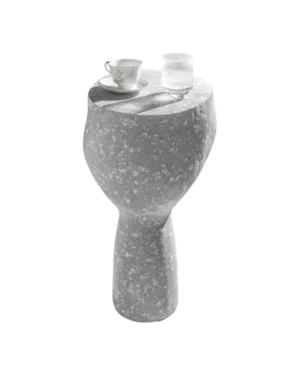
Nemo and Dory Side Table in Reclaimed Teak Wood
By Studio Indigene
€1.600 -
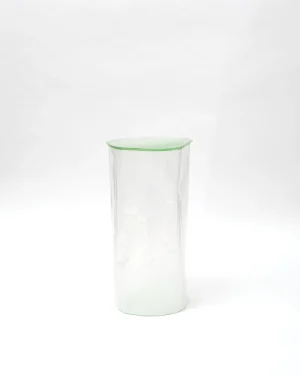
Trace Side Table in Epoxy Resin and Vellum
By Calen Knauf Studio
€340 - €380 This product has multiple variants. The options may be chosen on the product page -
 In stock
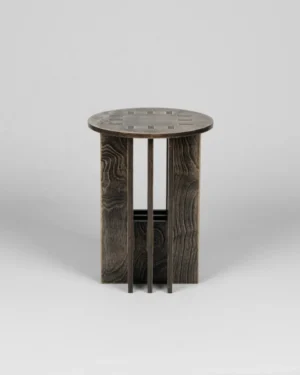
Plus01 Medium Side Table in Birch Wood
By 301 Design Studio
€800 This product has multiple variants. The options may be chosen on the product page -

Flamingo Stool
By Mina Wright
€1.330 -

The Mingo Side Table in White Oak
By CHANDLER MCLELLAN
€2.170 -
 In stock
The Shifting Side Table in Acrylic Glass
By em ef studio
€11.000 -
 In stock
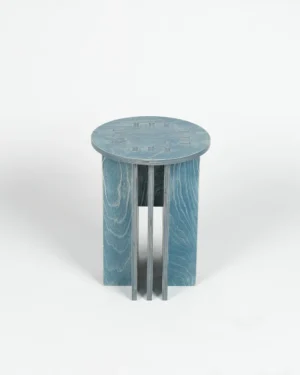
Plus01 Small Side Table in Birch Wood
By 301 Design Studio
€700 This product has multiple variants. The options may be chosen on the product page -
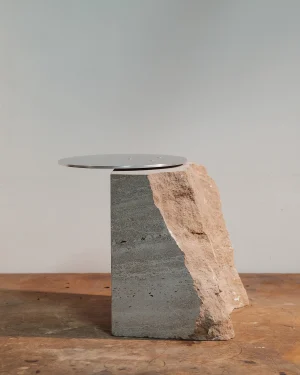
Fragments Side Table in Limestone and Aluminum
By Estudio Material
€3.300 -

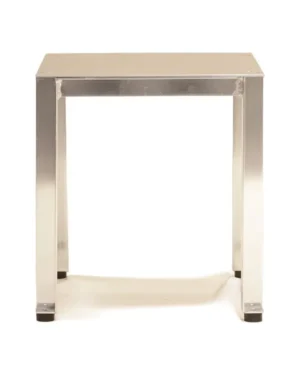
012 Side Table in Aluminum
By OFAA
€1.350 -
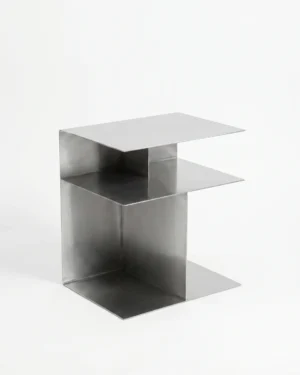
009 Side Table in Stainless Steel
By OFAA
€1.500 -
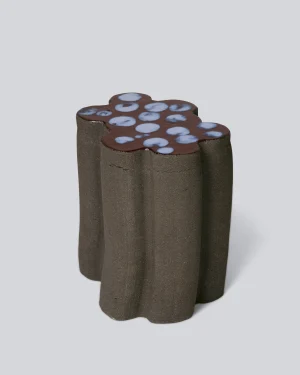 In stock
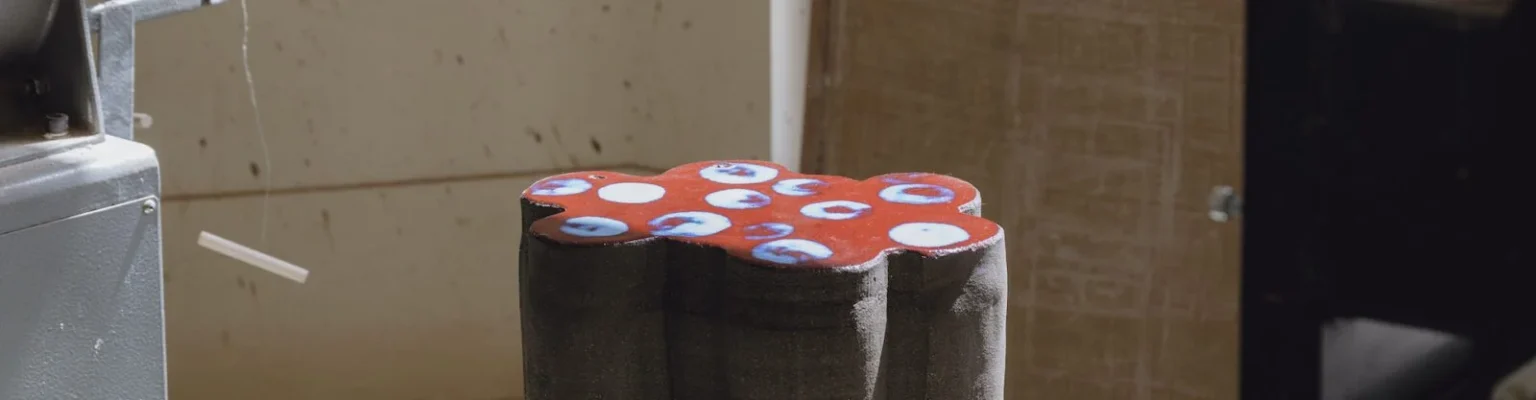
Trunk Ice and Red Poison Frog Side Table in Stoneware
By Slō
€1.495 -
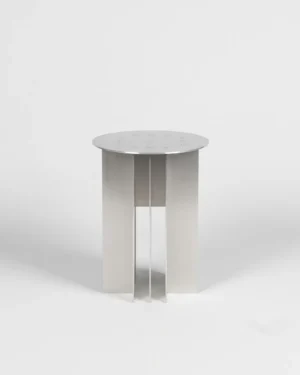 In stock
Plus01 Small Side Table in Aluminum
By 301 Design Studio
€900 -

Windows of Bo Bardi – Butter
By Linde Freya Tangelder
€1.300 -
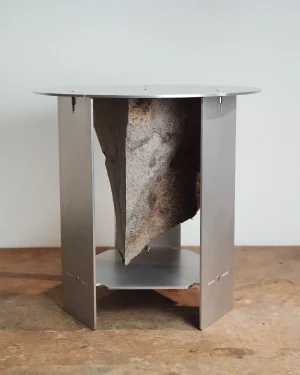 In stock
Fuera de Lugar Side Table in Natural Stone and Aluminum
By Estudio Material
€1.900 -
 In stock
Nala Stool
By Heaps & Woods
€1.343 -
 In stock
Plus01 Medium Side Table in Aluminum
By 301 Design Studio
€850 -
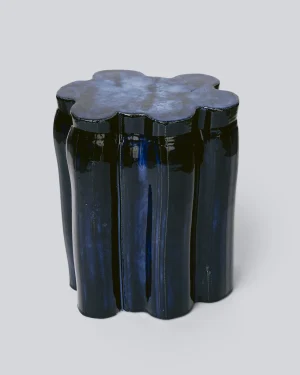 In stock
Trunk Black and Navy Blue Side Table in Stoneware
By Slō
€1.395 -
 In stock
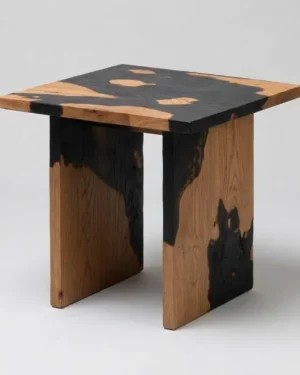
Fire Ctrl Side Table in Oak Wood
By Daniel Elkayam
€3.150 -
 In stock
Dendria Side Table in Biopolymer and Walnut Root Veneer
By diploria studio
€4.050 -

Kado Side Table in Masahua Marble
By Drusch Design
€2.656 -
 In stock
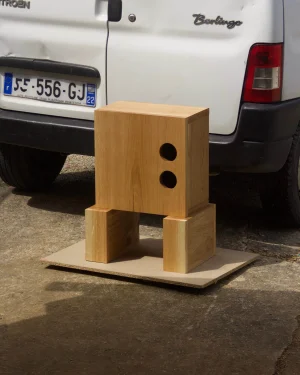
Sensitive Wood Side Table in Oak Wood
By Vital Lainé
€1.700 -
 In stock
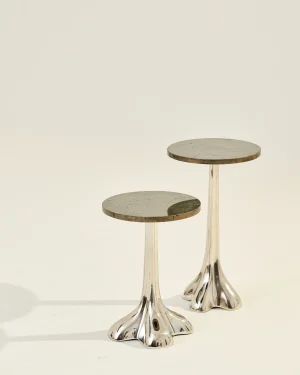
Theia Side Table in Golden Pyrite and Brass
By LMNOH
€2.100 -
 In stock
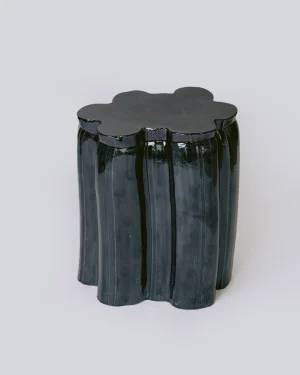
Trunk Navy Side Table in Stoneware
By Slō
€1.395 -

Liso Side Table in Brushed Diabase Volcanic Stone
By Studio Mohs
€1.000 -

A_Forma Side Table in MDF
By AROUND
€300 -
 In stock
White Lotus Side Table in Glazed Ceramic
By LATESS
€2.800 -
 In stock
The Space Between Us Side Table in Resin and Volcanic Stone
By Toro Manifesto
€7.400 -

Tango Small Side Table in Glass and Maple Wood
By Kim Thomé
€700 -
 In stock
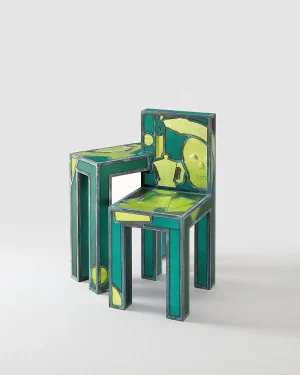
Past Green Story Side Table in Oxidised Copper and Glass
By Leo De Carlo
€19.500 -
 In stock
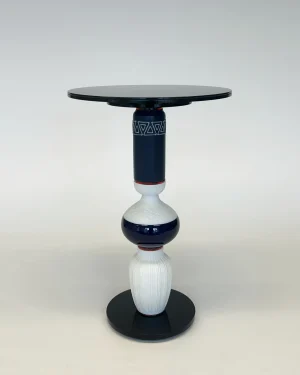
Angels Side Table in Glazed Clay and Glass
By Andreas Berlin
€3.500 -
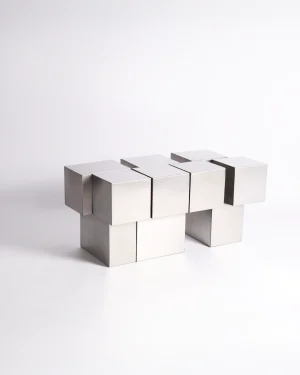
Nexus 67 – Stainless Steel Bench
By Drusch Design
€5.000 -
 In stock
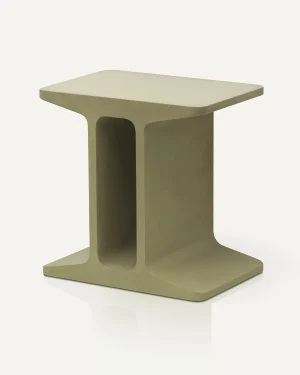
Intra Side Table in Pigmented Concrete
By Tom Robinson Studio
€1.420 This product has multiple variants. The options may be chosen on the product page -

Vendi Side Table in Black Quartz Sand
By Rollo Studio
€4.100 -
 In stock
Kilt Side Table in Felt, Textile and MDF
By FARG & BLANCHE
€960 -

Tango Side Table in Glass and Maple Wood
By Kim Thomé
€900 -
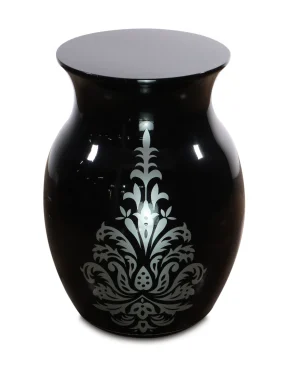 In stock
Amphora Side Table in Lacquered MDF
By Costantini Design
€2.280 -
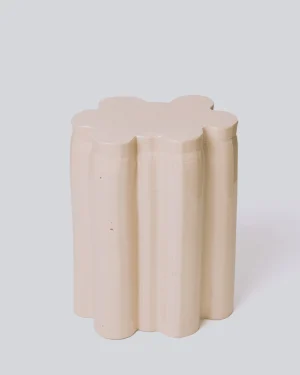 In stock
Trunk Strawberry Milkshake Side Table in Stoneware
By Slō
€1.395 -
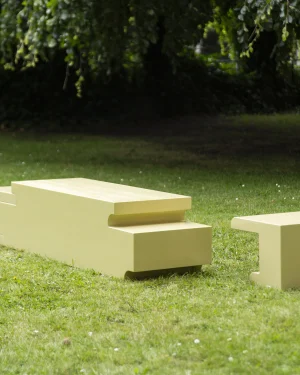 In stock
Half Lap Side Table in MDF
By narratology
€1.850 - €2.800 This product has multiple variants. The options may be chosen on the product page -
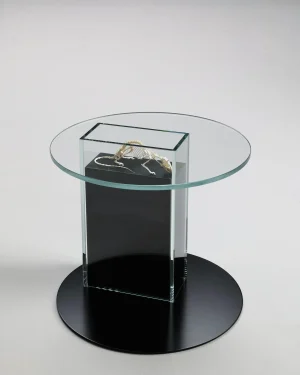 In stock
The Rat Side Table in Painted Steel and Ultraclear Glass
By Leo De Carlo
€4.000 -
 In stock
Joe’s Dream Side Table in Ceramic
By Andreas Berlin
€8.000 -
 In stock
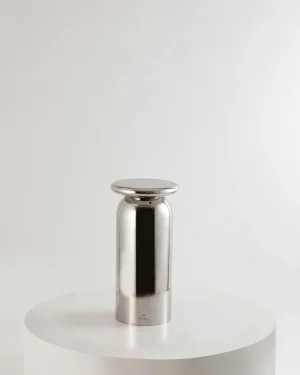
Scuba Side Table in Steel
By Nama Home
€1.840 This product has multiple variants. The options may be chosen on the product page -
 In stock
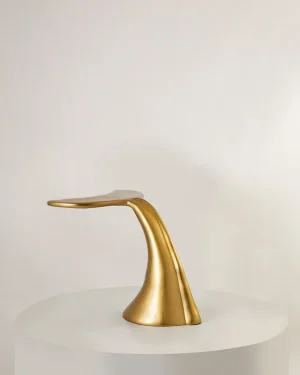
Balena Side Table in Cast Aluminum
By Nama Home
€2.270 This product has multiple variants. The options may be chosen on the product page -
 In stock
Pisa Side Table in Iron and Marble
By Nama Home
€1.600 This product has multiple variants. The options may be chosen on the product page -
 In stock
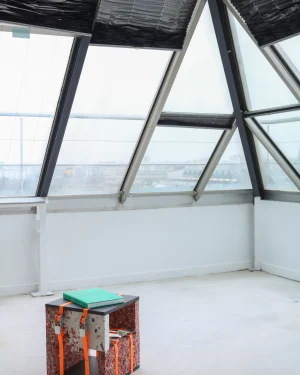
La Croisée Side Table in Terracotta Textile
By FabBRICK
€617 -
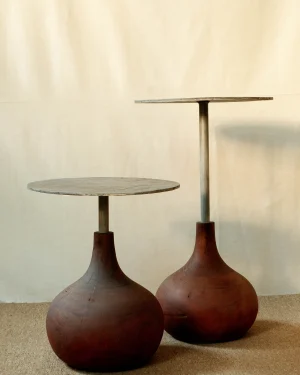
Matka Side Table in Wood and Cast Aluminum
By Spero Furniture
€970 - €1.943 This product has multiple variants. The options may be chosen on the product page -

String 01 Side Table in Aluminum
By Robert Megel
€499 -
 In stock
Blue Lagoon Stool
By LATESS
€2.000 -
 In stock
Isla No. 1 Side Table in Stoneware and Blown Glass
By Ceren Gürkan
€4.400 -
 In stock
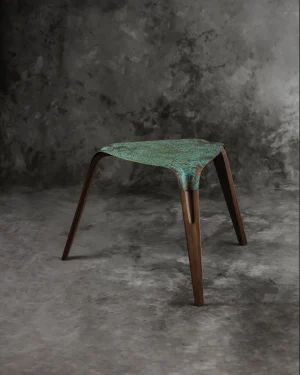
Azucena Side Table in Hammered Copper and Walnut
By Kresta Studio
€3.330 -
 In stock
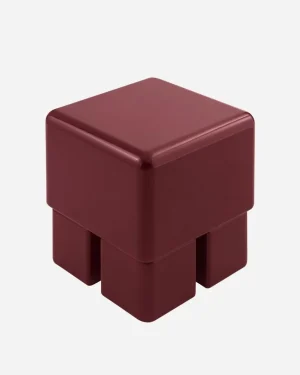
Paffuto Side Table in Lacquered MDF
By Studio Monsoleil
€1.100 This product has multiple variants. The options may be chosen on the product page -

Tri Side Table in Lacquered MDF and Brass
By hermhaus
€1.323 This product has multiple variants. The options may be chosen on the product page -
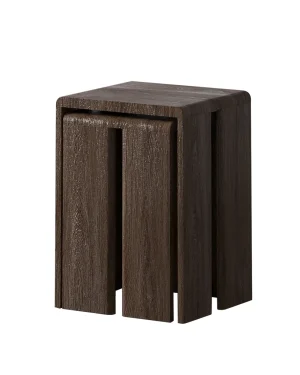
Plus Side Table in Solid Oak Wood
By hermhaus
€1.882 This product has multiple variants. The options may be chosen on the product page -
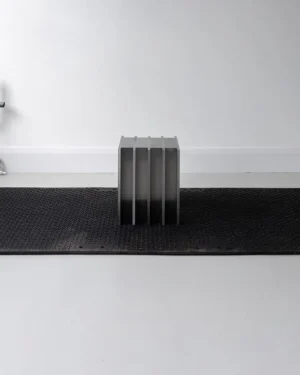
C Series 01 Side Table in Raw Steel
By Jaclyn Pappalardo
€3.784 -
 Sold
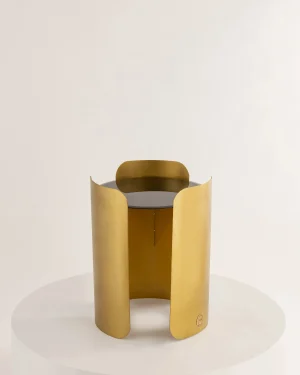
SoldHug Side Table in Iron and Glass
By Nama Home
€2.270 This product has multiple variants. The options may be chosen on the product page
Unique side tables are one-off pieces, each made by a single designer or small studio rather than produced in series. They come from metalwork, wood carving, stone carving, joinery, resin casting and glazing, so no two pieces share the same grain, patina or cast. Choosing one means choosing a maker's hand as much as a shape.
What Sets a One-Off Side Table Apart
A side table built as a single piece carries decisions a production run cannot: a weld left visible, a slab chosen for its particular vein, a form shaped by hand rather than by mold. Metal pieces show the hammer marks or grind lines of their maker. Wood pieces carry the specific figure of the board they came from. Cast and resin pieces hold air bubbles, pigment drifts or tool marks that mark them as singular objects rather than copies.
Materials and Finishes Found Here
Metal and aluminum dominate, often welded or cast into solid, sculptural forms that read as small monuments. Oak and birch appear in joined or carved constructions, their surfaces left raw, oiled or stained toward ivory, brown or black. Marble shows up carved into blocks or discs, prized for its cool surface and the veining that runs through each slab. Epoxy and resin pieces bring color in ways wood and stone cannot, set in gold, rose, green or gray tones that stay fixed in the material itself rather than sitting on top of it as paint.
Style tends to follow material. Neo-industrial and brutalist pieces favor raw metal and poured concrete-like surfaces; mid-century modern and contemporary pieces lean toward oiled wood and clean joinery; coastal and eclectic pieces mix materials more freely. Across all of them, the pieces read as sculpture first and furniture second.
How to Choose a One-Off Side Table
Scale matters more with a single piece, since there is no second size to order if the first does not fit. Measure the arm height of the sofa or the mattress height of the bed it will sit beside, and look for a table that sits level with or just below that line. A table that sits too high crowds a lamp or a hand reaching for a glass; one too low disappears into the room.
- For a sofa or armchair, match the tabletop close to arm height so a drink or book stays within easy reach.
- For a bed, keep the surface near mattress height so lighting and alarm clocks sit at hand.
- For an entryway or hallway, choose a narrower footprint that will not block passage.
Finish should answer the room's other surfaces. A carved marble top reads differently beside pale oak floors than beside dark walnut cabinetry, and a cast aluminum base will throw a different kind of reflected light than a matte black one. Walk the room with the material in mind before settling on a shape.
Where These Pieces Sit Best
A one-off side table works wherever a room needs a single point of visual weight: beside a sofa in a living room, at the edge of a bed, or alone against a wall where it can act almost as a small sculpture stand. Because each piece is singular, it also works well as the one strong gesture in an otherwise quiet room, carrying attention without competing with other furniture. For rooms built around other one-off work, pairing a side table with unique accessories or unique lamps keeps that sense of singular making consistent across the vignette.
Care by Material
Oiled wood wants occasional reoiling and protection from standing water, which can raise the grain or leave rings. Marble is porous and stains easily from oil, wine or citrus, so a coaster and prompt wiping matter more than on sealed surfaces. Metal pieces generally need only dusting, though waxed or patinated finishes should avoid abrasive cleaners that would strip the surface. Resin and epoxy resist moisture well but can scratch, so lifting rather than dragging objects across the top keeps the surface clear.
For a wider view of the material options, the full range of side tables spans from production runs to one-offs, while wooden side tables and metal side tables narrow things down by material alone. For one-off pieces across every room of the house, unique furniture covers seating, storage and tables made the same way as these side tables, as a single piece rather than a run.
How do I choose a unique side table?
Start with the material and scale of the room, then let proportion guide you: a sculptural stone or cast metal piece anchors a seating area, while a carved wood table suits a bedside. Match height to the adjoining surface for ease of reach.
What materials are unique side tables made from?
Many are worked in metal, cast aluminum, oak or birch wood, marble, or resin, each shaped through techniques like metalwork, wood carving, stone carving or resin casting. Material affects both look and how the piece ages.
How do I care for a one-off side table?
Wood pieces benefit from periodic oiling and steady humidity, metal surfaces wipe clean with a dry cloth, and marble should be sealed and kept away from acidic liquids to avoid staining.
What height and size should a side table be?
Most side tables sit close to arm height on a sofa or just below mattress height for a bed, generally between 18 and 26 inches tall, so surfaces stay within easy reach.
Which rooms suit a unique side table?
Living rooms, bedrooms and reading corners all benefit, where a single sculptural piece can frame seating, support a lamp or finish a layout with material contrast.
How does shipping, returns and authenticity work at ADORNO?
Shipping is insured and worldwide, with a 14-day return policy excluding made-to-order pieces. Each table arrives with a certificate of authenticity, backed by a lowest-price guarantee.