
-
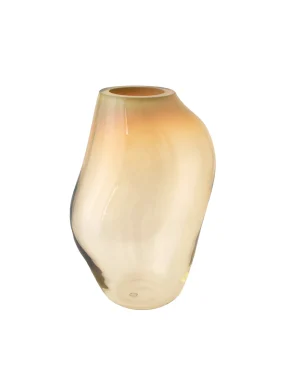
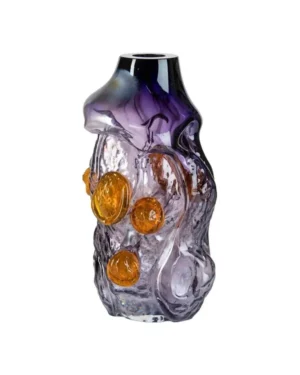
Supernova 4 Vase – Amber Iridescent
By ELOA - Unique Lights
€760 - €1.365 This product has multiple variants. The options may be chosen on the product page -
 In stock
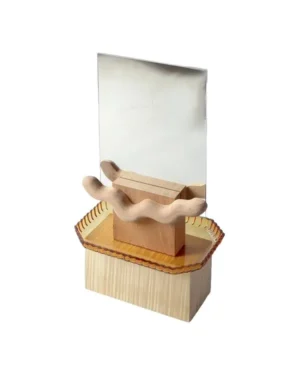
Spegla – Mirror & Candle Holder In Crystal Glass And Halftranspared Mirror
By Jochen Lavéno Mangelsdorff Studio & Objects
€260 - €290 This product has multiple variants. The options may be chosen on the product page -
 In stock
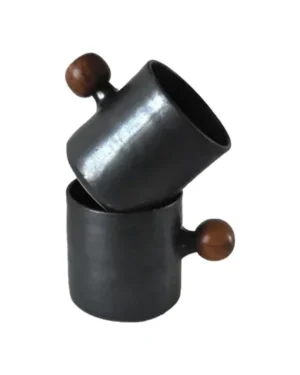
“oro Cacao” Cups
By Tributo
€201 -
 In stock
Terra
By Daniel Elkayam
€1.100 - €1.250 This product has multiple variants. The options may be chosen on the product page -
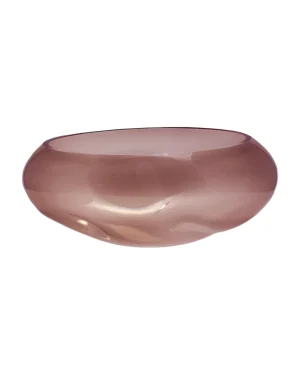
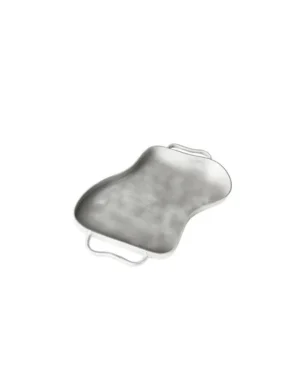
Supernova 1 Bowl – Silver Smoke Red
By ELOA - Unique Lights
€635 - €1.160 This product has multiple variants. The options may be chosen on the product page -
 In stock
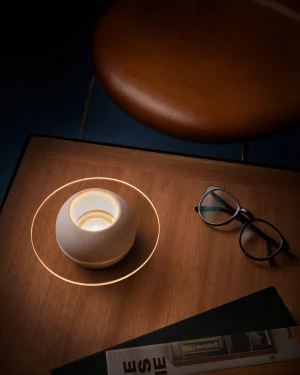
Sfär – Glass & Porcelain Tealight Candle Holder
By Jochen Lavéno Mangelsdorff Studio & Objects
€160 This product has multiple variants. The options may be chosen on the product page -

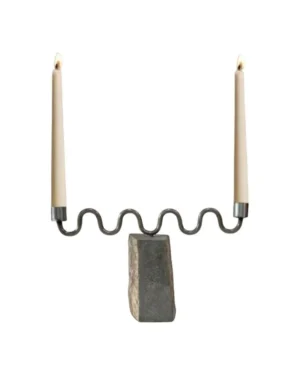
“dias En Vela” Candleholders
By Popdots Studio
€550 -
 In stock
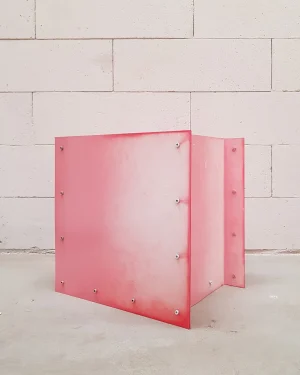
Iron And Steel Life Cabin Vase D
By TUNK I Busra Tunc
€220 -
 In stock
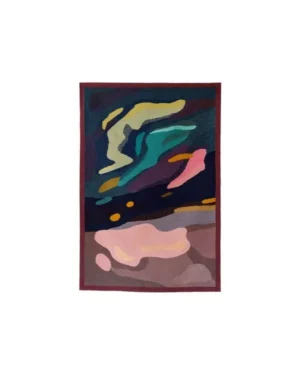
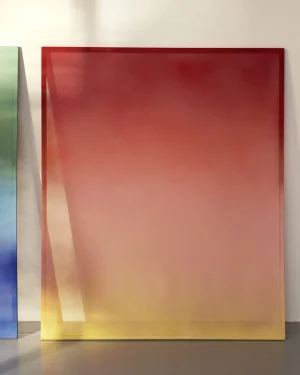
Hazy Horizon Red
By Anne Nowak
€1.010 -
 In stock
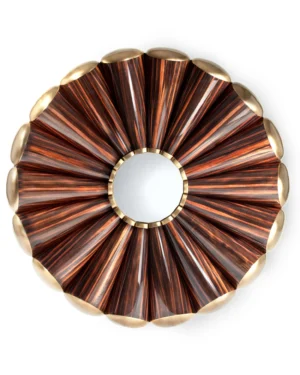
Osani Mirror In Stock
By InsidherLand
€7.350 -
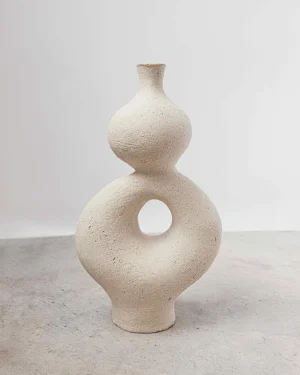
Ava Flora – Stoneware Vessel
By Lucia Mondadori
€543 -
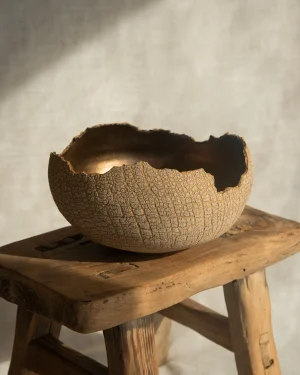
Distressed Sandstone Ikebana Vessel No.1
By Alex Roby Design
€488 -

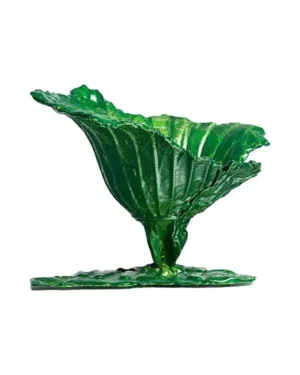
Supernova 4 Vase – Silver Smoke Red
By ELOA - Unique Lights
€760 - €1.365 This product has multiple variants. The options may be chosen on the product page -
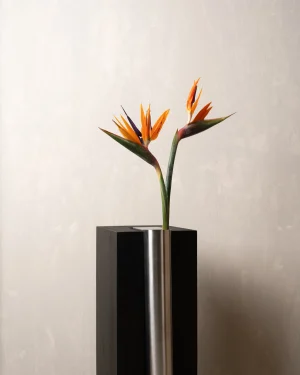
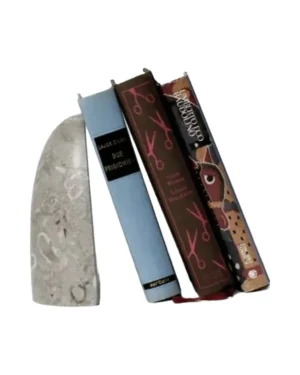
Bookcase Vase
By MANUHITA
€250 -
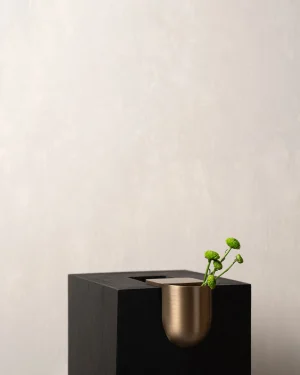
Bookcase Vase – Small
By MANUHITA
€215 -

“citrino” Vase From The Crystals Collection Large Size
By Carol Gay
€2.614 -

“black Tourmaline + Quartz” Vase From The Crystals Collection Large Size
By Carol Gay
€2.376 -
 In stock
“los” Ceramic Containers
By Popdots Studio
€167 This product has multiple variants. The options may be chosen on the product page -

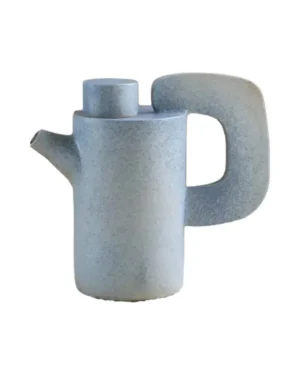
Silent Teapot
By Erin Turkoglu
€130 -
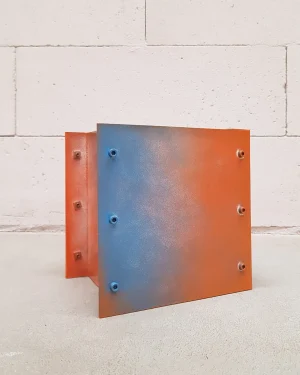 In stock
Iron And Steel Life Cabin Vase A
By TUNK I Busra Tunc
€140 -

The Hazy Collection
By Anne Nowak
€475 This product has multiple variants. The options may be chosen on the product page -
 In stock
Mirage Mirror 80cmØ
By Anne Nowak
€1.008 -
 In stock
Mirage Golden Rose Wall Art Piece
By Anne Nowak
€600 -
 In stock
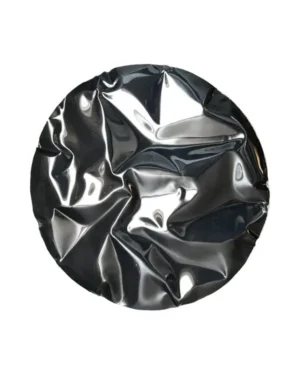
Mirage Silver Wall Art Piece
By Anne Nowak
€600 -
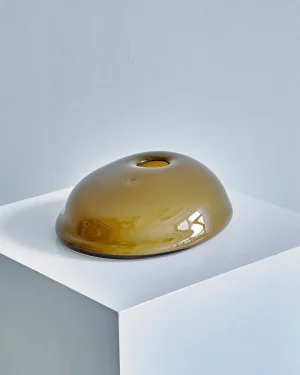 In stock
Candy Chocolate Brown Blown Glass Vase
By Jumbo
€500 -
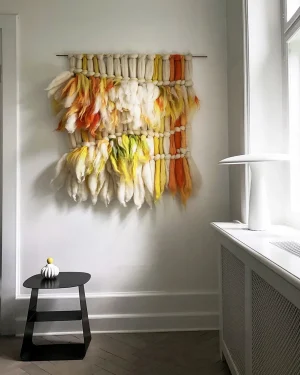
‘Woolwalls’ in Sustainable Wool – Neon Yellow, Orange and Green
By jeanett knipschildt
€1.224 -
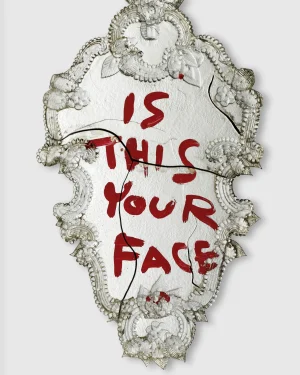
“YOUR FACE” Mirror
By Leo De Carlo
€5.000 -

Intersect – 0 0 1 1 – Ceramic Vase 3d Printed
By Yiannis Vogdanis
€600 -
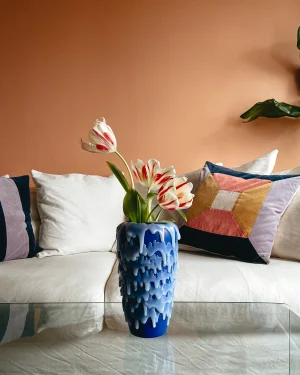 In stock
Melted Porcelain Vase V.7
By John Nordenstein
€440 -
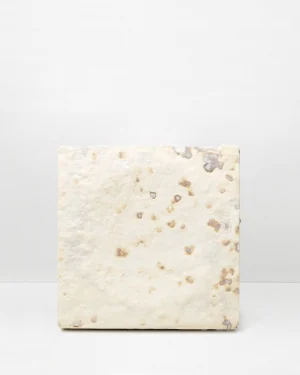
Mycelium Small Wall Panel
By Myceen
€50 -
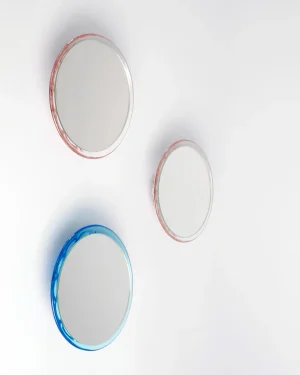 In stock
Set Saturn 155a Ppb – Vintage Wall Mirrors
By Andreas Berlin
€690 -
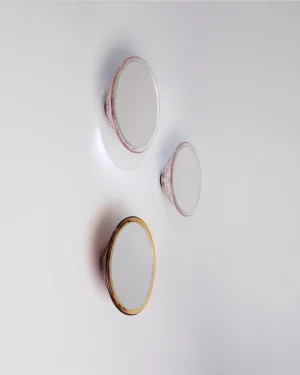 In stock
“set Saturn 155a Ppa” Vintage Wall Mirrors
By Andreas Berlin
€690 -
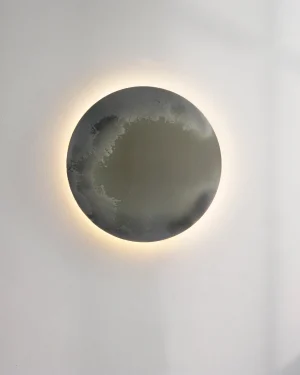 In stock
Moon Mirror Light
By Anne Nowak
€1.140 -
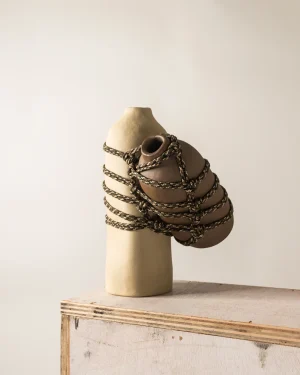 In stock
Bond Ceramic Vase
By Huillet Lucas
€625 - €849 This product has multiple variants. The options may be chosen on the product page -
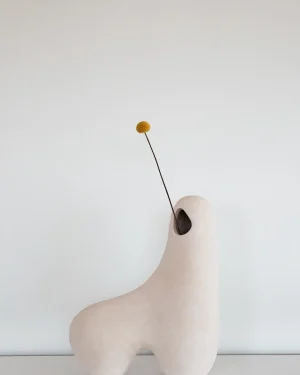
HĒrd 02 Ceramic Vase
By Andrei Clontea STUDIO
€250 -
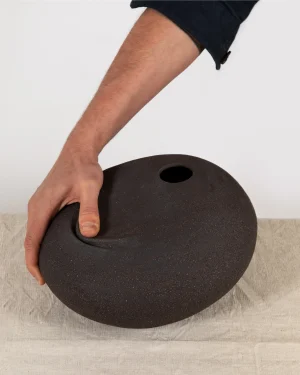
Movement Phase 3 – Black Sculptural Ceramic Vessel
By Catalin Filip
€600 -
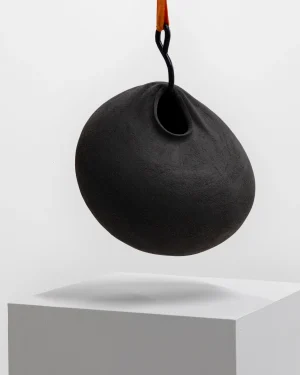
Movement Phase 2 – Black Sculptural Ceramic Vessel
By Catalin Filip
€1.030 -
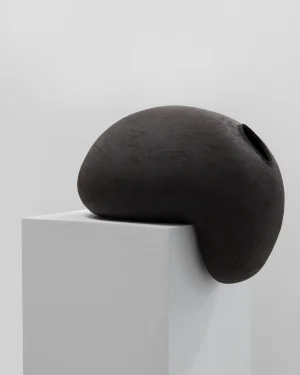
Movement Phase 1 – Black Sculptural Ceramic Vessel
By Catalin Filip
€1.350 -
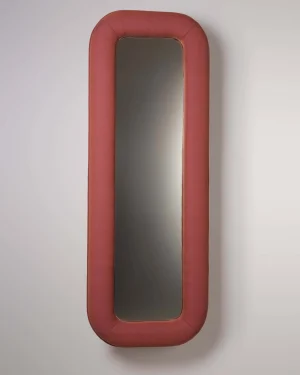 Sold
Combo Mirror – Upcycled Wall Mirror
By Jaclyn Pappalardo
-
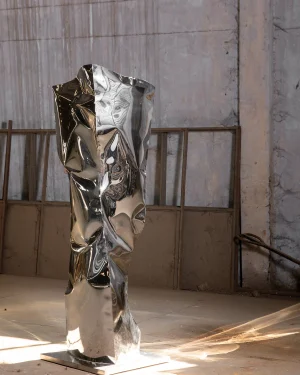
Monolith – Stainless Steel Floor Sculpture
By Nitush and Aroosh
€7.150 -
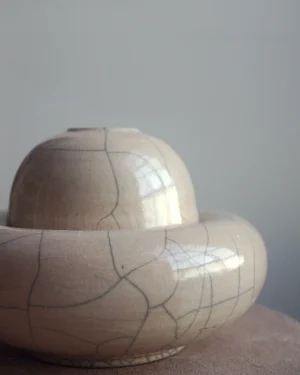
Raku – Ceramic Acorn Vase
By Isabella Artale
€350 -
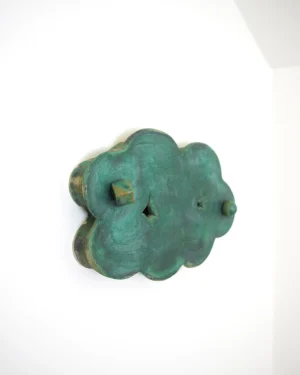
Green Cloud – Ceramic Wall Sculpture
By Isabella Artale
€250 -
 In stock
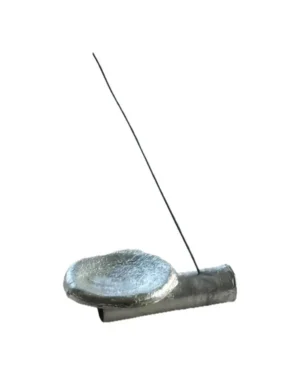
Diya – Incense Burner
By Twelve Degrees
€230 This product has multiple variants. The options may be chosen on the product page -

Ailes Noir – Sculptural Vessel
By Lucia Mondadori
€688 -

Arbo – Stoneware Candleholder
By Lucia Mondadori
€284 -

Aisha Totem – Stoneware Sculpture
By Lucia Mondadori
€1.395 -

Distressed Sandstone Vessel No.4
By Alex Roby Design
€820 -

Distressed Ivory Ikebana Vessel No.5
By Alex Roby Design
€720 -
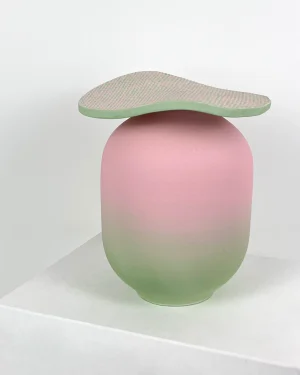 In stock
Sui Cappelli/ About Hats – Ceramic Sculpture
By Federica Paglia
€550 This product has multiple variants. The options may be chosen on the product page -
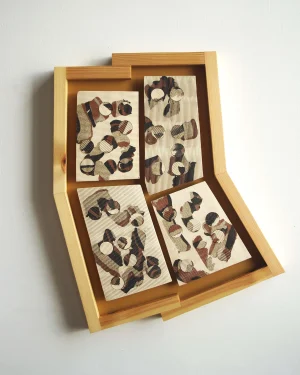 In stock
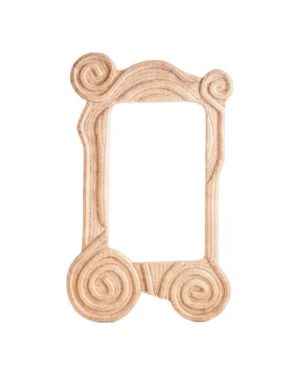
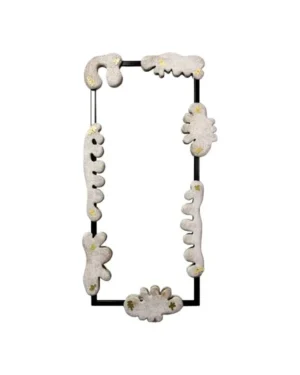
Frame – Stoneware & Oak Wall Art
By Isabella Artale
€650 -
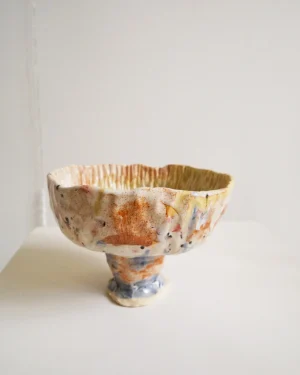 In stock
Naive Series- Multi-coloured Tones Vessel
By Hania Jneid Design Studio
€650 This product has multiple variants. The options may be chosen on the product page -
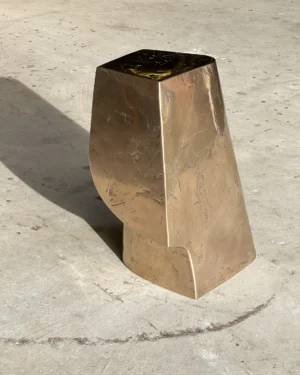
Palm Table Il – Handmade Bronze Side Table
By Vogel Studio
€7.800 - €8.800 This product has multiple variants. The options may be chosen on the product page -
 In stock
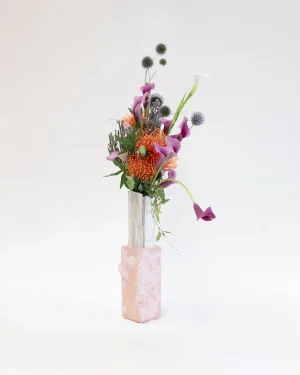
Pintrapòts – Stoneware Vase
By Pierre Klein
€380 -

Sól No.2 Sculpture
By Od Studio
€450
Unique accessories at ADORNO bring together glass, ceramic, and metal objects that exist as single pieces rather than editions of many. Stoneware appears most often among them, followed by glazed ceramic, glass and blown glass, clay and wood, each shaped by a studio working directly with its material rather than from a repeatable mold. The result is a group of objects where no two are interchangeable, even when they share a form or finish.
What makes a piece one of a kind
A one-off accessory carries the marks of its making: the pull of a glassblower's breath, the slight asymmetry left by a hand-built coil, the weld seam a metalworker chose not to grind away. These traces are not flaws to correct but evidence that no second version exists. Where a brief calls for a limited run, the studio works in small batches instead, but the pieces gathered here are each singular.
Materials, finishes, and techniques in the range
Stoneware and clay pieces, the largest group, come from wheel throwing, hand-building, or slip casting, then glazing, which fixes color into a surface that reads as matte, chalky, or faintly reflective depending on the kiln. Blown glass and cast or cold-worked glass bring transparency and weight in amber, crystal, or bronze tones, each piece shaped while hot or ground and polished afterward. Steel, brass and chrome appear in smaller numbers, worked by hand into vessels and sculptural forms. Brass and chrome surfaces catch light differently: brass develops a warm patina with handling, while chrome stays cool and mirrored.
Styles run from Art Deco geometry to Neo-Industrial roughness, with Boho Chic, Contemporary, Eclectic, Minimalist, Futuristic, and Romanticism forms also represented. Color leans toward black, off-white, light gray, and white, with amber, bronze, crystal, and multicolor pieces standing out where glass or glaze carries more pigment.
Choosing a piece for a room
Scale matters more than most people expect from a small object. A tall glass vessel or a sculptural steel form can anchor a console or sideboard, while a low ceramic bowl works better scattered across a shelf or coffee table where its texture reads at close range. Consider the finish against its surroundings: a matte stoneware piece softens a room full of hard surfaces, while a polished chrome or glass object adds a point of reflection in a space that otherwise absorbs light.
Placement follows function as much as form. Pieces meant to hold something, bowls, trays, catchalls, should sit where a hand reaches naturally, on an entry table or beside a sink. Purely sculptural pieces can sit higher, on a mantel or plinth, where their silhouette matters more than their reach.
Living with glass, ceramic, and metal
Each material asks for different care. Glass and glazed stoneware wipe clean with a damp cloth and avoid sudden temperature changes, which can crack a blown or cast form. Unsealed clay stays away from standing water, since it can absorb moisture and stain. Steel, brass, and chrome benefit from an occasional dry polish; brass will darken naturally unless treated, which many owners prefer as a sign of age rather than wear.
These objects suit most rooms precisely because they are made one at a time: an entryway, a dining table, a bathroom shelf, each can hold a single glass, ceramic, or metal piece without competing with another like it. For a wider range of material and finish, the full set of accessories spans beyond one-off pieces, while unique decor extends the same approach into objects made purely to be looked at. Those drawn to a single material can look further at metal accessories, ceramic accessories, or glass accessories for pieces grouped by what they are made from rather than how many exist.
How do I choose a one-of-a-kind accessory?
Start with the material and the surface it leaves: glass for light and reflection, stoneware or clay for a matte, grounded feel, steel or brass for sharper lines. Let the room's existing textures guide the final choice.
How do I care for glass, ceramic or metal accessories?
Dust glass and ceramic with a soft, dry cloth and avoid sudden temperature changes, which can crack glass or craze glaze. Wipe steel, brass or chrome with a dry cloth, and keep brass from standing water to limit tarnish.
What size are unique accessories, and where do they sit?
Sizes vary piece to piece, from small tabletop forms to larger floor-standing objects. The maker can confirm exact dimensions with Chat with the maker on the piece's page.
Which rooms suit one-of-a-kind accessories?
Glass and ceramic pieces read well on consoles, shelves and dining tables, where light and glaze catch the eye. Metal pieces in steel or brass suit entryways and living rooms, anchoring a surface with their weight and finish.
Can I order a custom unique accessory through ADORNO?
Some makers take custom requests for color, glaze or scale. Use Chat with the maker on the piece's page to ask directly, as options vary by studio.
What are ADORNO's shipping, returns and authenticity policies?
Shipping is insured and worldwide. Returns are accepted within 14 days, except made-to-order pieces, and every piece arrives with a certificate of authenticity alongside ADORNO's lowest-price guarantee.