






-

Monolit Alpi Side Table in Oak Veneer and MDF
By Arbore x Cezar Moldovan
€2.188 -

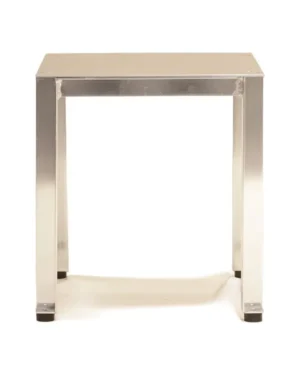
Meadows Side Table in Mahogany and Stainless Steel
By BOTHI
€1.820 - €2.315 This product has multiple variants. The options may be chosen on the product page -
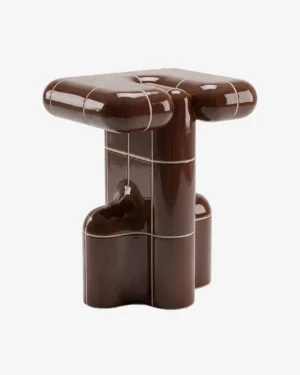
U-001 Cacao Side Table in 3D-Printed PLA
By Rollo Studio
€1.620 -
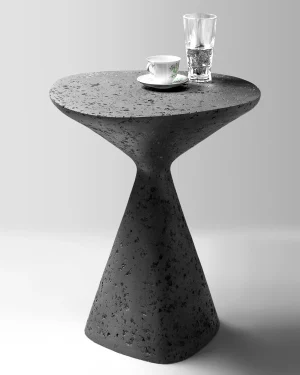
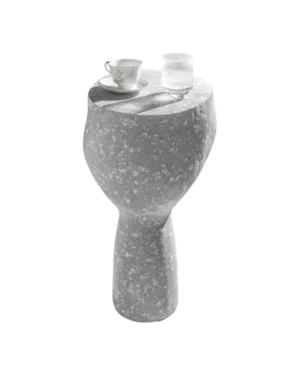
Black Mottled Side Table in Paper Pulp and Cement
By Donatas Žukauskas
€1.100 -
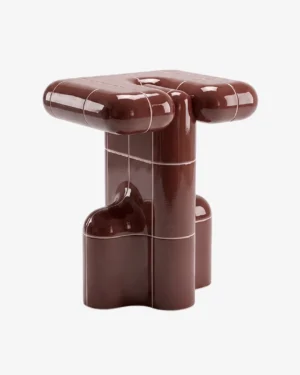
U-001 Garnet Side Table in 3D-Printed PLA
By Rollo Studio
€1.620 -
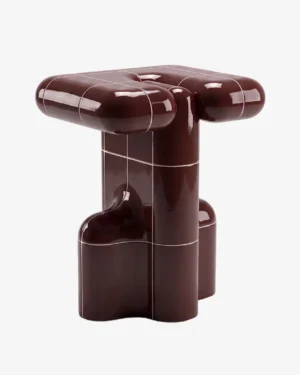
U-001 Oxide Side Table in 3D-Printed PLA
By Rollo Studio
€1.620 -
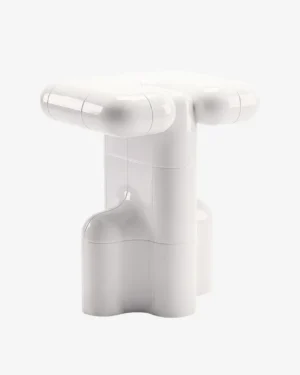
U-001 Chalk Side Table in 3D-Printed PLA
By Rollo Studio
€1.620 -
 In stock
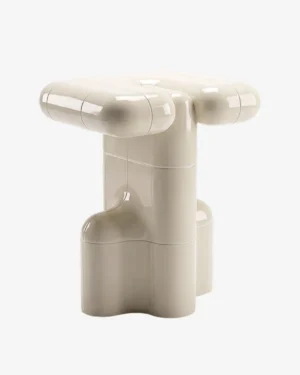
U-001 Cream Side Table in 3D-Printed PLA
By Rollo Studio
€1.620 -
 In stock
Bruna Low Stool
By Heaps & Woods
€1.344 -
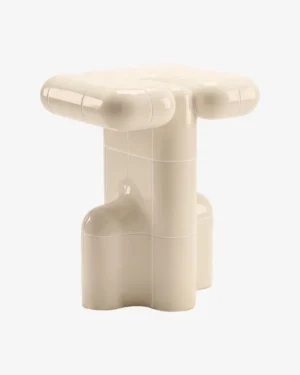
U-001 Ivory Side Table in 3D-Printed PLA
By Rollo Studio
€1.620 -
 In stock
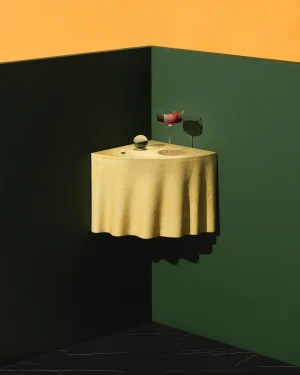
DUK x Reishi Edition Wall-Mounted Corner Table
By Studio TOOJ
€2.900 -
 In stock
Nala Stool
By Heaps & Woods
€1.343 -
 In stock
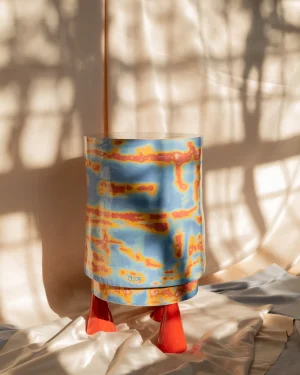
The Oven Side Table in Glazed Stoneware
By UAU Studio
€1.670 -
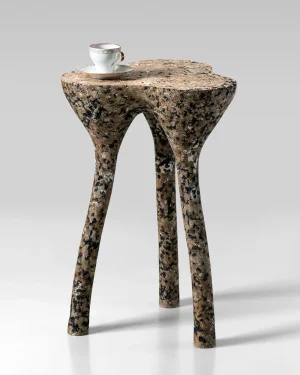
Beige Tripod Low Side Table in Paper Pulp and Cement
By Donatas Žukauskas
€1.100 -
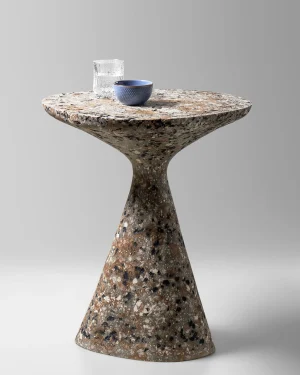
Beige Mottled Side Table in Paper Pulp and Cement
By Donatas Žukauskas
€1.100 -
 In stock
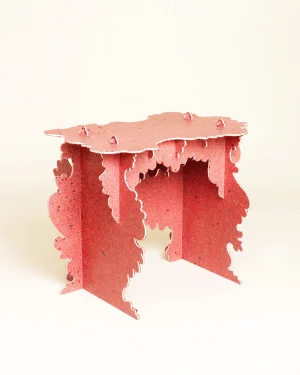
Really Rococo II Side Table in Recycled Textile
By Studio Ebba Lindgren
€2.000 -
 In stock
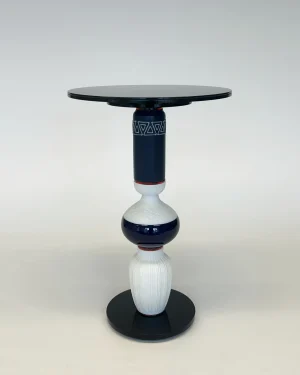
Angels Side Table in Glazed Clay and Glass
By Andreas Berlin
€3.500 -
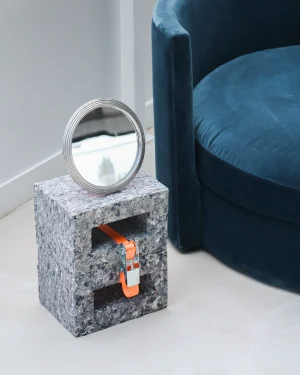 In stock
Le Nomade Side Table in Upcycled Textile
By FabBRICK
€330 -
 In stock
Monolit Side Table in Brushed Stainless Steel
By Arbore x Cezar Moldovan
€2.470 -

Black Still Column Side Table in Paper Pulp, Cement and Oak
By Donatas Žukauskas
€1.550 -
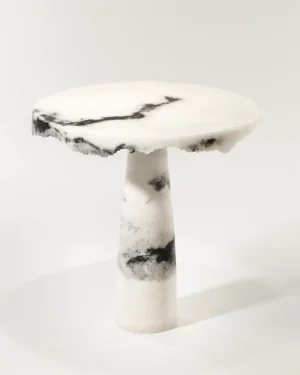
Marbled Salts Side Table in Salt and Resin
By MARBLEDSALTS studio
€4.000 This product has multiple variants. The options may be chosen on the product page -
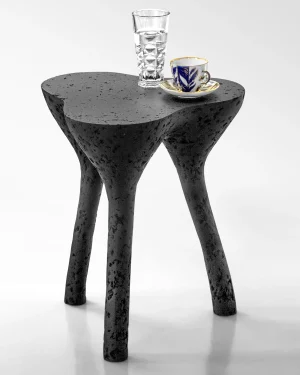
Black Tripod Low Side Table in Paper Pulp and Cement
By Donatas Žukauskas
€960 -
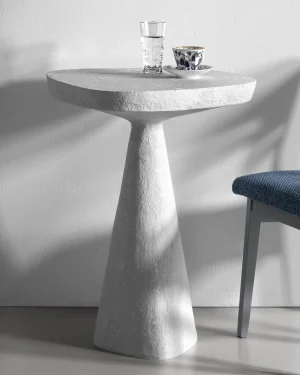
White Plinth High Side Table in Paper Pulp and Cement
By Donatas Žukauskas
€1.350 -
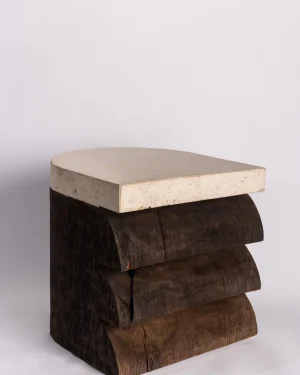
Durmiente Side Table in Reclaimed Wood and Cement
By Daniel Orozco Estudio
€1.218 -
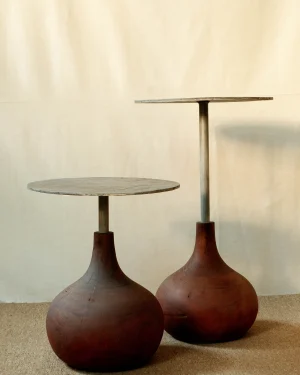
Matka Side Table in Wood and Cast Aluminum
By Spero Furniture
€970 - €1.943 This product has multiple variants. The options may be chosen on the product page -
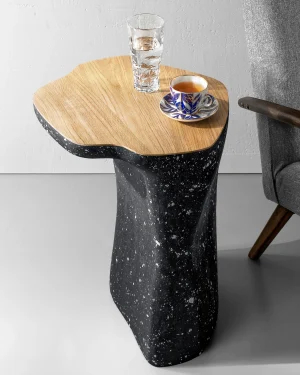
Black Still Form Side Table in Paper Pulp, Cement and Oak
By Donatas Žukauskas
€920 -

Taes Side Table in Oak and Walnut
By Mokko
€3.270 - €4.910 This product has multiple variants. The options may be chosen on the product page -

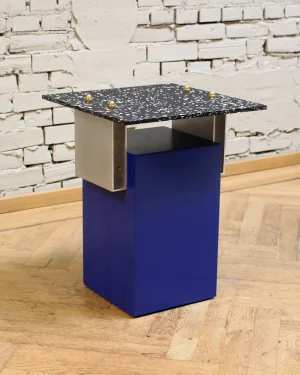
Revolve No. 06 Side Table in Scagliola and Natural Wax
By Flensted Mouritzen
€2.988 -
 In stock
Build Side Table in Recycled Plastic and Aluminum
By Lisanne Meester
€1.399 -
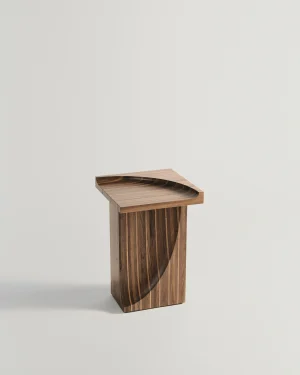
Trama Side Table in Solid Walnut and Oak
By Rosana Sousa
€1.655 -

Revolve No. 05 Side Table in Scagliola and Natural Wax
By Flensted Mouritzen
€2.548 -
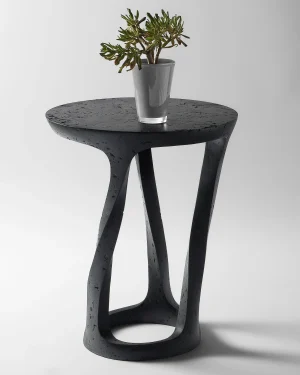
Black Bent Side Table in Paper Pulp and Cement
By Donatas Žukauskas
€2.450 -
 In stock
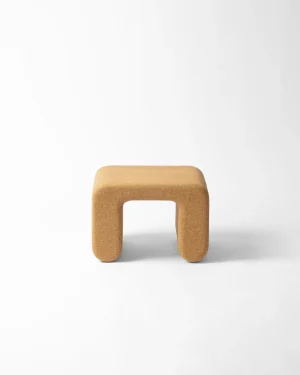
Stringer Side Table in Cork
By raawii
€540 -
 In stock
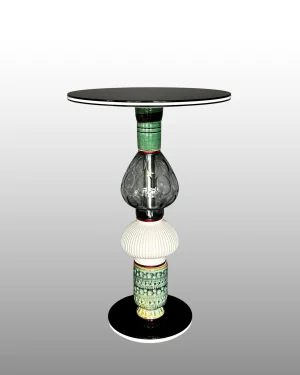
Aeroplane Side Table in Glazed Clay and Glass
By Andreas Berlin
€3.500 -
 In stock
Strata Low Square Side Table in Marble
By Iyo Hasegawa
€4.500 -
 In stock
Revolve No. 03 Side Table in Scagliola and Natural Wax
By Flensted Mouritzen
€2.548 -

Black Tripod High Side Table in Paper Pulp and Cement
By Donatas Žukauskas
€1.250 -
 In stock
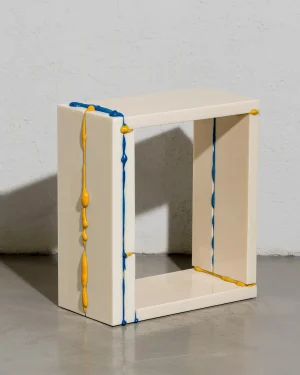
Monolit Side Table in Oak and Pine Wood
By Arbore x Cezar Moldovan
€1.620 -
 In stock
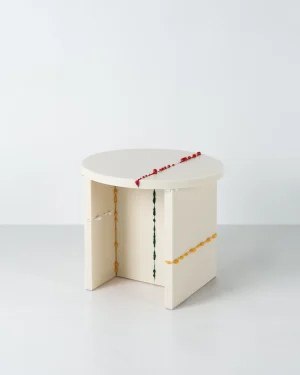
B.S.P. Series Side Table in Recycled Plastic
By Atelier SOHN
Price Upon Request -
 In stock
B.S.P. Series Side Table in Recycled Plastic
By Atelier SOHN
Price Upon Request -
 In stock
B.S.P. Series Black Edition Side Table in Recycled Plastic
By Atelier SOHN
Price Upon Request -
 In stock
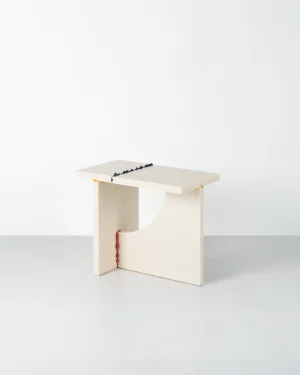
B.S.P. Series Side Table in Recycled Plastic
By Atelier SOHN
Price Upon Request -
 In stock
B. S. P Series, Black Edition – Recycled Plastic Stool
By Atelier SOHN
Price Upon Request -
 In stock
B.S.P. Series Black Edition Side Table in Recycled Plastic
By Atelier SOHN
Price Upon Request -
 Sold
SoldCypress #6 Side Table in Cypress Wood and Stoneware
By Studio Kloak
€2.500 -
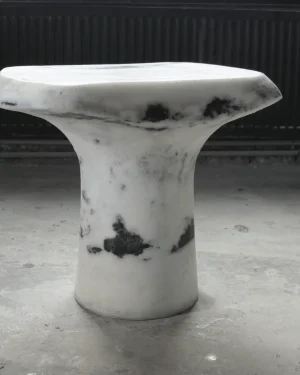
Marbled Salts T Side Table in Salt and Resin
By MARBLEDSALTS studio
Price Upon Request -
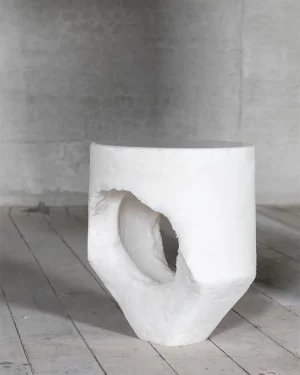
Marbled Salts Yubiwa Side Table in Salt and Resin
By MARBLEDSALTS studio
Price Upon Request
Sustainable side tables bring material choice to the front of the design, built from oak wood, recycled material, concrete, cardboard, stone, natural wax and biofabricated or 3D-printed polymers like PLA. Studios working in wood and cabinetmaking, concrete casting, hand-building and digital fabrication favor low-impact processes, reclaimed stock and finishes that age rather than wear out. The result sits in beige, cream, ivory, black, white and gray tones that read as quiet rather than decorative.
What Makes a Side Table Sustainable
A sustainable side table is defined less by one material than by a way of sourcing and making it. Reclaimed oak carries old joinery marks and tighter grain than new growth. Recycled material, whether metal, plastic or composite, is reprocessed rather than drawn from raw stock, and cardboard or biofabricated forms trade density for low embodied energy. Concrete and scagliola, cast or hand-finished, last for decades once sealed, which is its own argument for sustainability: a table that is never replaced.
The Materials and Techniques Behind These Pieces
Across the range, a few approaches recur. Studios pour and cast concrete into simple cylinders and blocks, polish or hand-build scagliola to mimic stone at a lighter weight, and finish oak with natural wax rather than lacquer so the wood can be re-oiled instead of refinished. Others work with 3D printing and digital fabrication to turn recycled or bio-based polymers into side tables with almost no offcut waste.
- Oak wood, waxed or oiled, left to darken with handling
- Concrete and scagliola, cast or hand-built, cool and heavy underfoot contact
- Recycled material and cardboard, pressed or layered into solid forms
- PLA and biofabricated composites, shaped by 3D printing or digital fabrication
Editions vary by studio and material: some pieces are open editions produced in small batches, others are limited editions or unique, one-off castings where no two surfaces match exactly.
How to Choose a Sustainable Side Table
Height matters more than style here. A side table should sit level with or just below the arm of a sofa or the mattress line of a bed, so a hand can reach a lamp or a glass without looking down. Scale follows the same logic as any side table: a narrow stone or concrete form suits a tight reading corner, while a broader oak or recycled-material top can carry books and lighting together.
Finish is worth weighing against the room's other surfaces. A waxed oak top warms a space with existing wood floors or woven textiles, while concrete, stone or scagliola plays better against plaster, linen or metal. If the rest of a room leans toward minimalist furniture, a single material and a restrained silhouette will hold its own without competing for attention.
Where These Tables Belong in a Room
Sustainable side tables work wherever a surface needs to appear without asking for space: beside a bed, at the end of a sofa, in a hallway or by a reading chair. A cardboard or recycled-material table suits a studio or a room built around low-impact furnishing throughout, while oak or concrete reads equally well as a quieter counterpoint in a room full of pattern. The same logic applies at an entry point, where a compact entryway table holds keys and light without crowding a passage.
Caring for Sustainable Materials
Waxed oak asks for an occasional reapplication of natural wax rather than polish, and should stay away from direct heat or standing water, which both lift the finish. Concrete and scagliola are porous until sealed, so spills should be wiped promptly to avoid staining, and cardboard or biofabricated tops do better away from damp rooms altogether. Recycled-material surfaces vary by composition, but most need only a dry or lightly damp cloth to stay presentable for years.
For a broader view of low-impact furnishing beyond this shape, the wider range of sustainable furniture and, for wood specifically, the full set of wooden side tables extend the same material thinking into other pieces and finishes.
What makes a side table sustainable?
The material and the method behind it: wood from responsibly managed forests, recycled material reformed into new shapes, concrete cast with low-impact mixes, or biofabricated and cardboard structures that reduce waste from the outset.
How do I choose a sustainable side table?
Start with the material's finish and weight, then match its tone to nearby wood, stone, or textiles. Oak and concrete carry visual weight, while cardboard and PLA pieces suit lighter, more casual corners.
How do I care for a sustainable side table?
Wood should be dusted and occasionally waxed to keep its grain fed. Concrete and stone need a dry cloth and protection from standing liquids, since both can stain. Recycled and biofabricated materials generally ask only for a wipe-down.
What is the standard height for a side table?
Most side tables sit between 20 and 26 inches, close to sofa-arm or mattress height, so a hand can reach a lamp or a cup without leaning far.
Which rooms suit a sustainable side table?
Living rooms, bedrooms, and reading corners all take well to one, placed beside seating or a bed to hold light, books, or daily objects within reach.
What are ADORNO's shipping and return policies?
Shipping is insured and worldwide. Returns are accepted within 14 days, except for made-to-order pieces. Every piece comes with a certificate of authenticity, and ADORNO guarantees the lowest price.