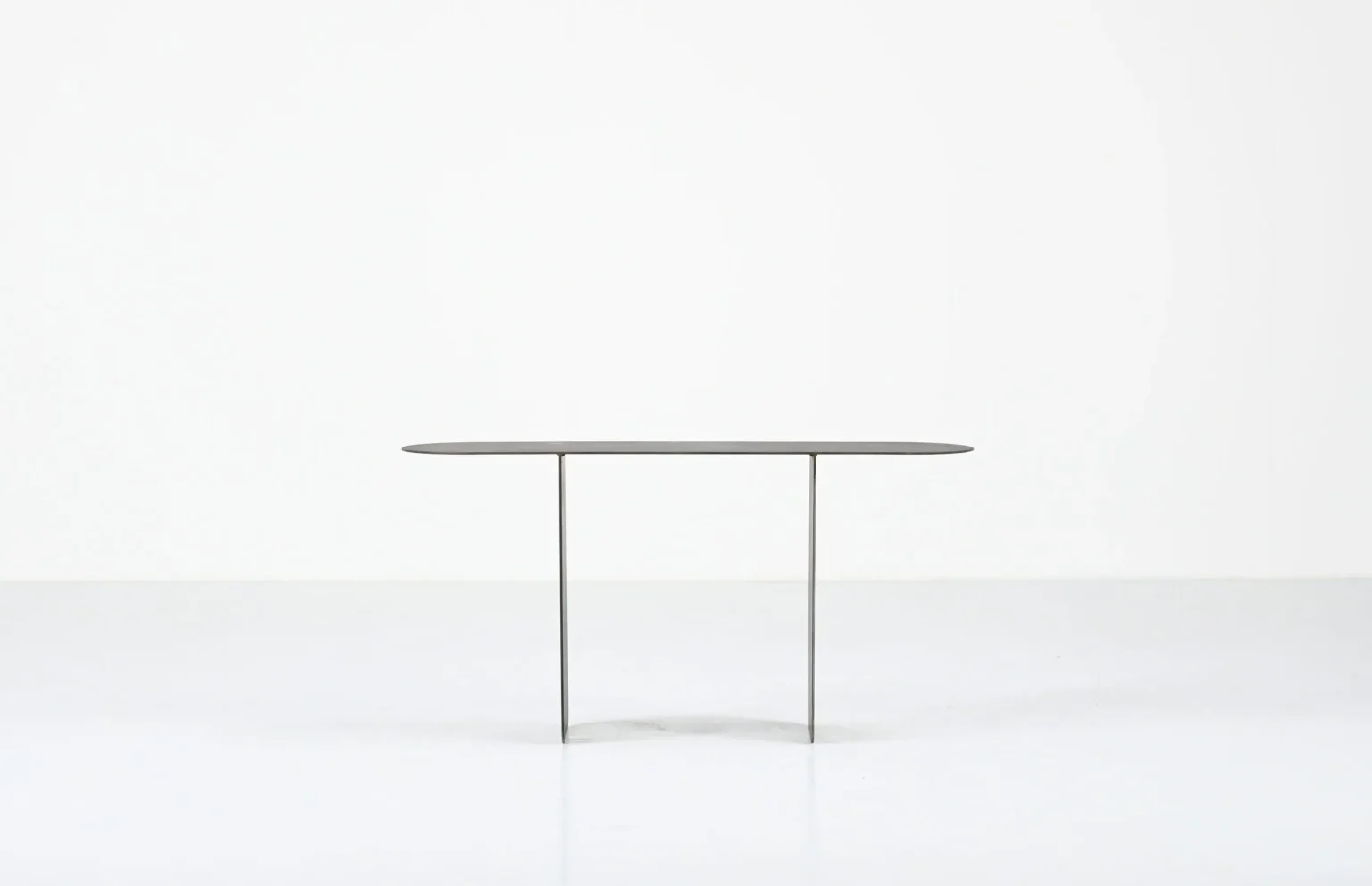







-

Imaginary Object – Steel Stool
By Joana Teixeira
€1.600 -

The Altar Side Table in Steel
By COSEINCORSO
€910 -
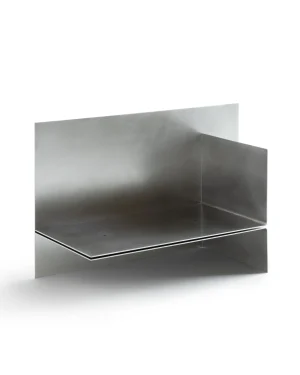
Polysemy Silver Side Table in Stainless Steel
By So Koizumi
€1.200 -
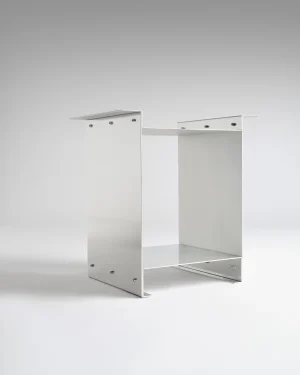
Wing Side Table in Polished Aluminum
By Obscure Objects
€340 -
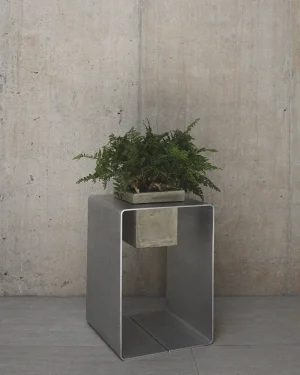
ST001-02 Side Table in Stainless Steel and Concrete
By NAVE
€990 -

Broken Wing Stool
By Obscure Objects
€290 -
 In stock
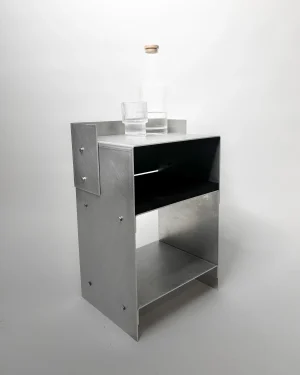
Matted Aluminium Side Table in Aluminum and Blackwood
By case studios
€530 -
 In stock
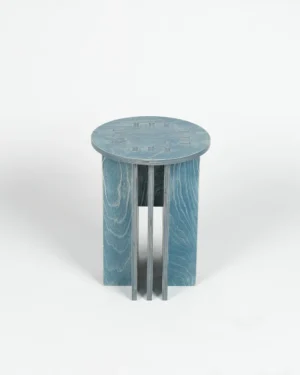
Plus01 Small Side Table in Birch Wood
By 301 Design Studio
€700 This product has multiple variants. The options may be chosen on the product page -

Finepianta 04 Side Table in Stainless Steel and Walnut
By FINEPIANTA
€2.877 -

012 Side Table in Aluminum
By OFAA
€1.350 -
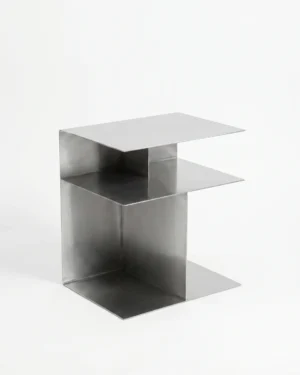
009 Side Table in Stainless Steel
By OFAA
€1.500 -

Coraza Side Table in Volcanic Stone and Stainless Steel
By Studio Mohs
€2.250 -
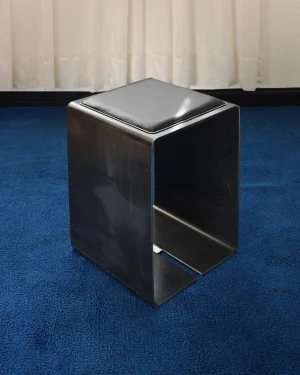
S001-10 Raw Steel Stool
By NAVE
€450 -
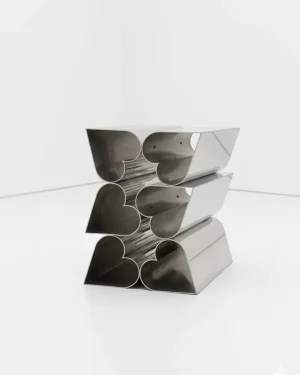
Side Piece Side Table in Extruded Aluminum
By Deon Rubi
€2.200 -
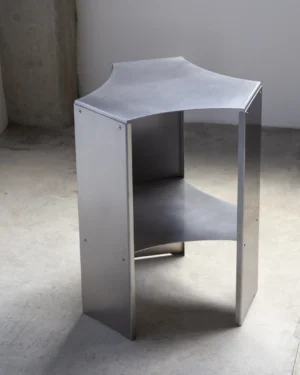
Vortice 50 Side Table in Stainless Steel
By T44 design studio
€730 -
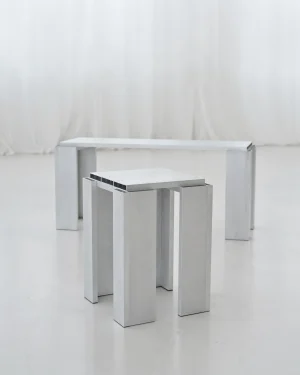
Al01 Aluminum Stool
By NOSTUDIO
€750 -

Doros Side Table in Carbon Steel and Stainless Steel
By Toro Manifesto
€2.450 -
 In stock
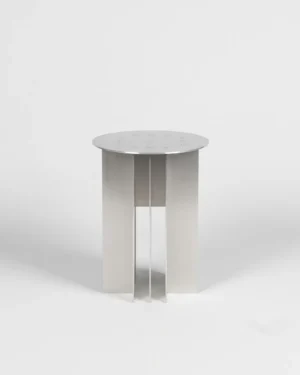
Hand-Forged Side Table in Patinated Steel
By SVITANOK
€6.480 -
 In stock
Plus01 Small Side Table in Aluminum
By 301 Design Studio
€900 -
 In stock
Plus01 Medium Side Table in Aluminum
By 301 Design Studio
€850 -

In Between Side Table in Stainless Steel and Lace
By please touch studio
€1.560 -
 In stock
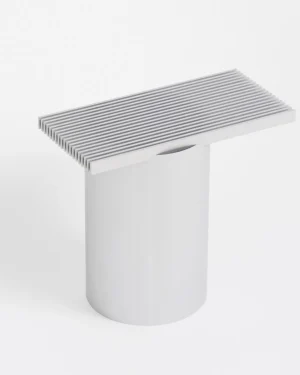
Vent Side Table in Anodized Aluminum
By Calen Knauf Studio
€1.291 -
 In stock
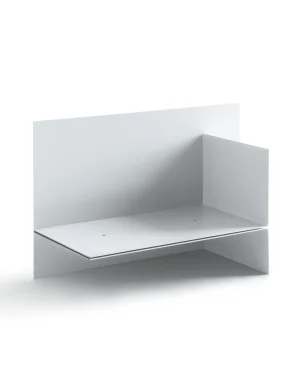
Polysemy Light Gray Side Table in Steel
By So Koizumi
€1.100 -
 In stock
Cowgirl Side Table in Oxidized Steel
By Toro Manifesto
€2.500 -

Venus Side Table in Hammered Copper and Wood
By Tributo
€1.363 - €1.706 This product has multiple variants. The options may be chosen on the product page -
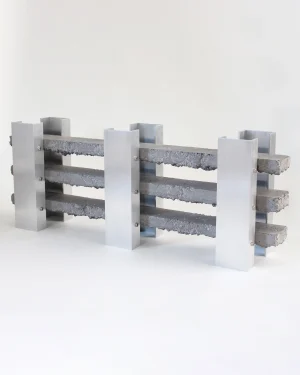
Junction Low Table & Shelves
By Lisanne Meester
€1.399 -
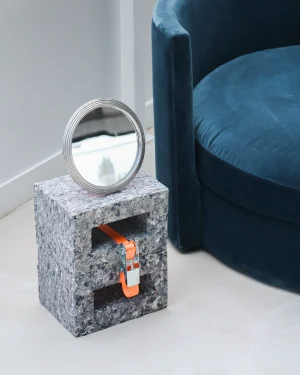 In stock
Le Nomade Side Table in Upcycled Textile
By FabBRICK
€330 -
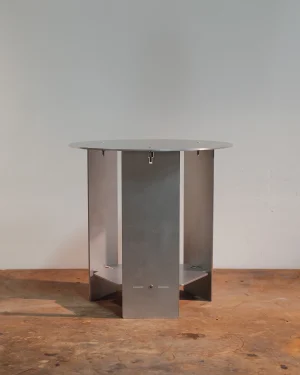 In stock
Hex Side Table in Aluminum
By Estudio Material
€900 -
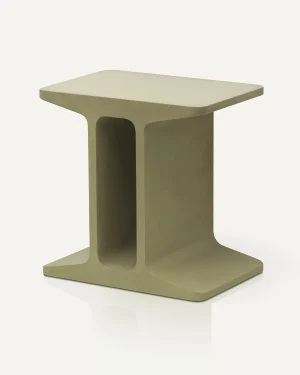 In stock
Intra Side Table in Pigmented Concrete
By Tom Robinson Studio
€1.420 This product has multiple variants. The options may be chosen on the product page -

Vendi Side Table in Black Quartz Sand
By Rollo Studio
€4.100 -
 In stock
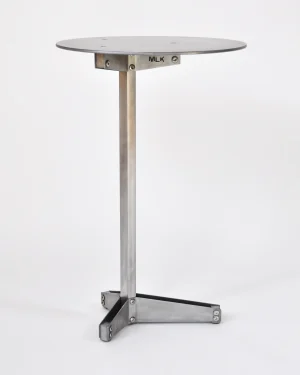
HEX400 Side Table in Aluminum
By MLK Furniture
€1.890 -
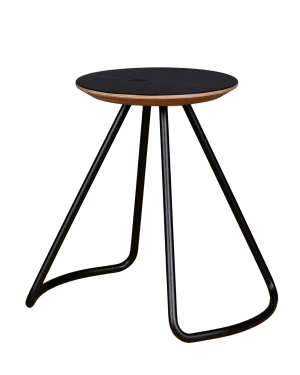
Sama Side Table in Birch Wood and Painted Steel
By Studio Kali
€525 This product has multiple variants. The options may be chosen on the product page -

Cadena Side Table in Toros Black Marble and Steel
By Studio Mohs
€1.850 -
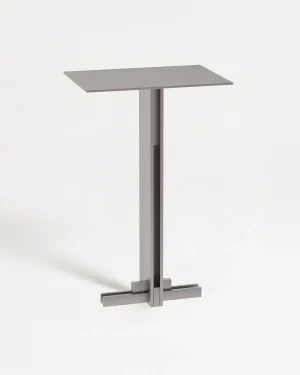
Apex Side Table in Painted Steel and Stainless Steel
By Yet Design Studio
€1.015 - €1.300 This product has multiple variants. The options may be chosen on the product page -
 In stock
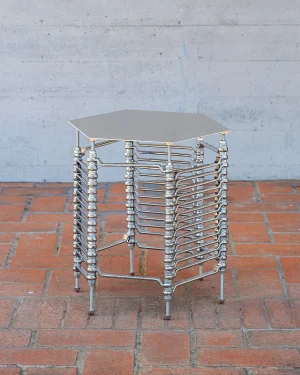
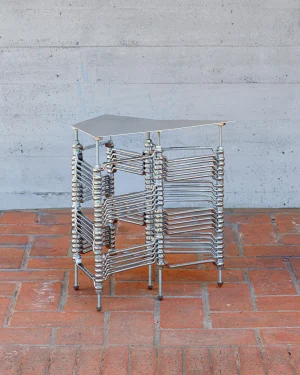
Wrench A Side Table in Aluminum and Iron
By Iyo Hasegawa
€1.600 -
 In stock
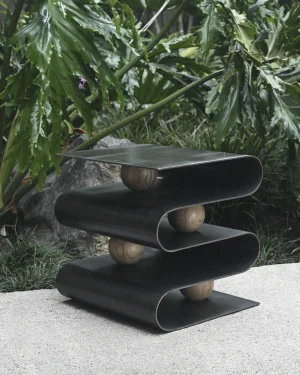
Wrench B Side Table in Aluminum and Iron
By Iyo Hasegawa
€1.700 -
 In stock
ST001-05 Side Table in Raw Steel and Bay Laurel Wood
By NAVE
€1.150 -

Muste Side Table in Steel
By SALAK Studio
€790 -

String 01 Side Table in Aluminum
By Robert Megel
€499 -
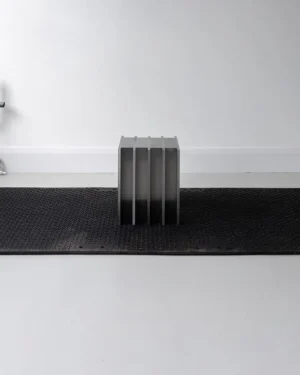
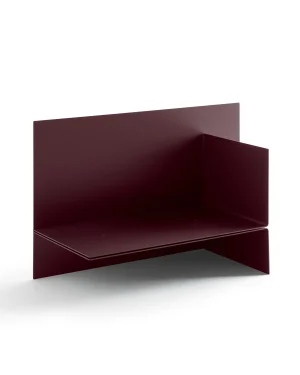
C Series 01 Side Table in Raw Steel
By Jaclyn Pappalardo
€3.784 -
 In stock
Polysemy Wine Red Side Table in Steel
By So Koizumi
€1.100 -
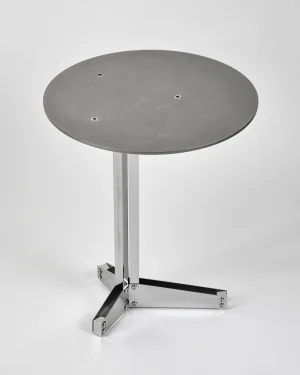
3SQ400 Side Table in Matte and Mirror Stainless Steel
By MLK Furniture
€2.190 -

Stainless Steel Side Table in Brushed Stainless Steel
By Petra Madalena
€1.410 -
 In stock
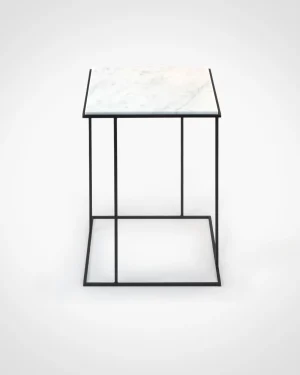
Frame Side Table in Carrara Marble
By DFdesignLab
€400 -
 In stock
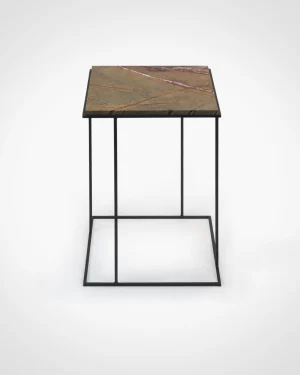
Frame Side Table in Rain Forest Brown Marble
By DFdesignLab
€430 -
 In stock
Avior Side Table in Carrara Marble and Steel
By DFdesignLab
€500 This product has multiple variants. The options may be chosen on the product page -
 In stock
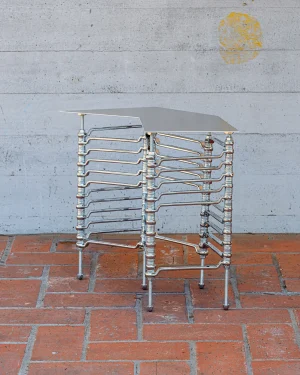
Wrench C Side Table in Aluminum and Iron
By Iyo Hasegawa
€1.500 -
 In stock
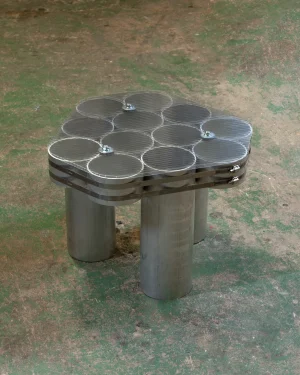
Bundle 2 Side Table in Upcycled Aluminum
By Nolan Talbot-Kelly
€1.400 -
 In stock
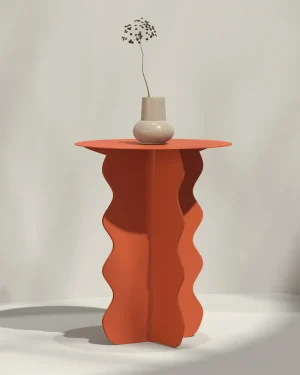
Hvylya Side Table in Metal
By SVITANOK
€700 - €960 This product has multiple variants. The options may be chosen on the product page -

Onor Low Stool/ Side Table
By linnvstudio
€1.750 -
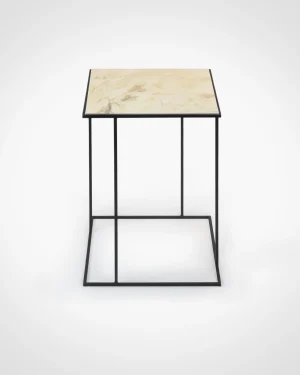
Frame Side Table in Roman Travertine and Steel
By DFdesignLab
€400 -
 In stock
HEX400 Side Table in Stainless Steel and White Acrylic
By MLK Furniture
€2.190 -
 In stock
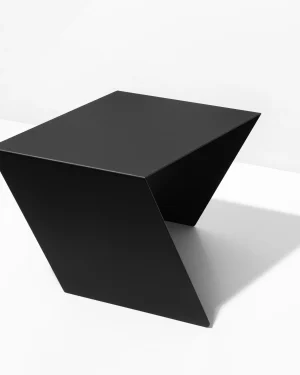
Chevron Side Table in Steel
By studiomakuko.com
€900 -
 In stock
Podium Piece #1 Side Table in Marble and Aluminum
By Cetti Studio ApS
€1.600
Neo-industrial side tables take their material cues from the factory floor rather than the showroom: cold steel, brushed aluminum, chrome, sometimes stone, worked by studios who weld, patinate and hand-assemble rather than smooth every trace of process away. A neo-industrial side table keeps its structure visible — bolts, seams, tool marks — so the piece reads as built rather than finished. The style borrows its weight and logic from machinery, then scales it down to something that can carry a lamp or a stack of books.
What defines a neo-industrial side table
Metalwork sits at the center of the style. Steel and aluminum hold a line sharply, so tabletops and legs tend toward flat planes, right angles and thin profiles that would sag in a softer material. Welding joins the parts without hiding the joint; patination and raw finishes let the surface darken or dull on its own instead of staying bright.
Color stays close to the metal itself: black, silver, matte gray, occasional rust where a studio has let oxidation run its course deliberately. Glossy chrome appears too, usually on a single element rather than the whole piece, a counterpoint to the surrounding matte. Where stone appears alongside the metal, it is usually a slab top set into a frame rather than a solid stone base, since the frame carries the weight.
The range of materials, finishes and editions found here
Within the style, the materials vary more than the silhouette does. Expect steel, stainless steel and aluminum frames, chrome details, and occasionally cast stone or MDF carried in a metal shell. Finishes run from matte black powder coat through brushed silver to deliberately rusted or patinated surfaces, each aging differently once it leaves the studio.
- Techniques: welding, metalwork, anodizing, patination, concrete casting, hand assembly
- Finishes and colors: matte black, silver, off-white, glossy chrome, rust
- Editions: open editions alongside limited editions and occasional unique, one-off pieces
Anyone drawn to this material language more broadly can look across neo-industrial furniture or neo-industrial lighting, where the same welded, patinated approach shows up in larger case pieces and fixtures.
How to choose a neo-industrial side table
Scale first. A table that sits beside a sofa usually wants a top close to arm height, low enough to reach without leaning far forward; one meant for a bed should sit near mattress height so a lamp or glass stays within easy reach. Measure the gap it needs to fill before deciding between a slim steel frame and a heavier slab-topped version.
Finish second. Matte black and dark patina recede into a room and suit spaces already busy with pattern or color; brushed aluminum and chrome catch light and work better where a side table is meant to stand out against plainer surroundings. Decide whether the piece should sit in a corner, quiet, or next to a chair, visible.
Where a neo-industrial side table fits in a room
Because the material is hard-wearing and the lines stay simple, these tables move easily between settings. A steel-framed table holds its own next to a leather chair in a living room, works as a bedside support where metal hardware already appears on lighting or door handles, and stands up to daily traffic in an entryway, where keys, mail and bags land without concern for scratching a softer finish.
For comparison, metal side tables cover the material more broadly across styles, while entryway side tables focus on the room this finish suits particularly well.
Caring for metal and stone finishes
Steel and aluminum ask for little: a dry or barely damp cloth keeps dust off, and spills should be wiped before they sit long enough to mark a raw or patinated surface. Chrome shows fingerprints readily, so a glass cleaner used sparingly keeps it bright without dulling the finish. Where a stone top is paired with the metal frame, treat it as stone first — coasters under glasses, no acidic cleaners — since marble and similar stones stain and etch even inside a steel surround.
For the full range of pieces built in this material and finish, see every neo-industrial piece on ADORNO, or return to all side tables to compare against softer, lighter styles.
What makes a side table neo-industrial?
Raw and finished metals, like steel, aluminum or chrome, worked through welding or metalwork, often paired with matte or rust patinas, and a construction that keeps joints and material visible rather than hidden.
How do I choose a neo-industrial side table?
Match the metal finish to existing hardware or lighting, check that the proportions suit the seating or bed it stands beside, and favor a base sturdy enough to carry a lamp or stack of books.
How do I care for a metal side table?
Wipe steel, aluminum or chrome with a dry or slightly damp cloth, avoid abrasive cleaners that strip patina or finish, and keep matte surfaces away from standing water to prevent spotting or rust.
What height should a side table be?
Side tables generally sit level with or just below the adjacent armrest or mattress top, so reach stays easy; measure your seating or bed before choosing one.
Which rooms suit a neo-industrial side table?
Living rooms, bedrooms and entryways all take well to the look, especially alongside leather, wood or concrete, where the metal adds contrast without competing for attention.
What are ADORNO's shipping and return policies?
Shipping is insured and worldwide. Returns are accepted within 14 days, excluding made-to-order pieces, and every table arrives with a certificate of authenticity.