





-
 In stock
Side Book Side Table in Hand-Carved Walnut
By Mantas Lesauskas
€3.200 - €3.300 This product has multiple variants. The options may be chosen on the product page -

TRN Model 3 Side Table in Solid Ash Wood
By Pani Jurek STUDIO
€1.065 This product has multiple variants. The options may be chosen on the product page -

The Altar Side Table in Steel
By COSEINCORSO
€910 -
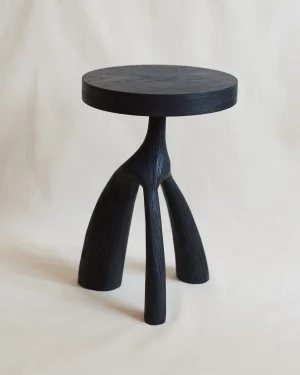 In stock
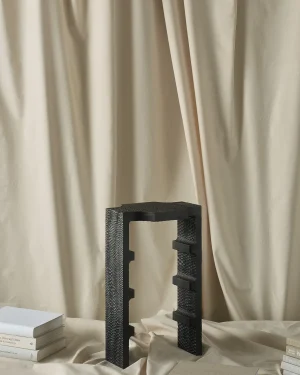
Tecolli Side Table In Burnt Oak Wood
By LØRDAG & SØNDAG
€940 -

Su Side Table in Steel and Ash Wood
By SALAK Studio
€590 -

Cherry Side Table in Steel and Wood
By SALAK Studio
€590 -

Broken Wing Stool
By Obscure Objects
€290 -

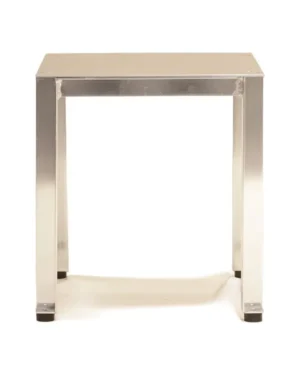
S001-10.2 Aluminum Stool
By NAVE
€500 -
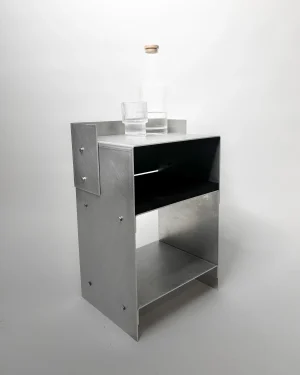 In stock
Matted Aluminium Side Table in Aluminum and Blackwood
By case studios
€530 -
 In stock
Flora Side Table in Carbon Steel
By studiomakuko.com
€600 -

Twist Stool
By Yet Design Studio
€1.200 This product has multiple variants. The options may be chosen on the product page -
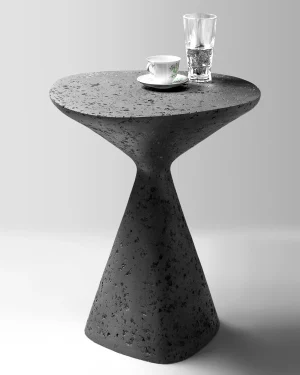
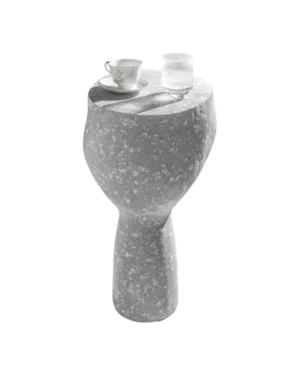
Black Mottled Side Table in Paper Pulp and Cement
By Donatas Žukauskas
€1.100 -
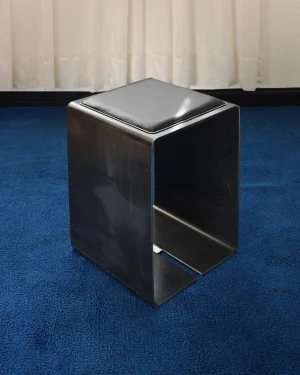
S001-10 Raw Steel Stool
By NAVE
€450 -
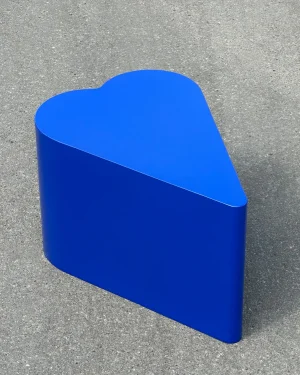 In stock
Heart ST Side Table in Painted Steel
By oitoproducts
€996 -
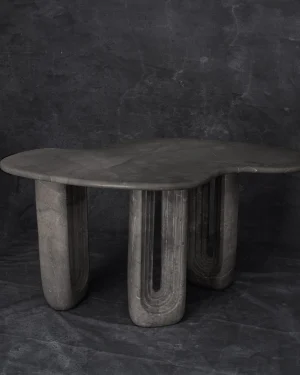 In stock
Amazonas Low Side Table in Marble and Travertine
By Studio Ayres
€1.896 -
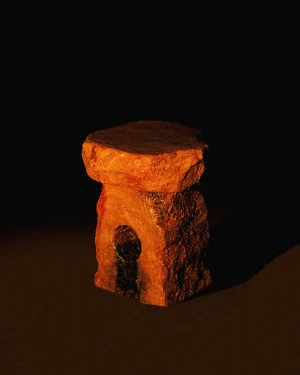 In stock
La Cauna – Escabèl 01 Stool
By Pierre Klein
€900 -

Ludovica – Stone Stool / Side Table
By Studio Ayres
€1.960 This product has multiple variants. The options may be chosen on the product page -
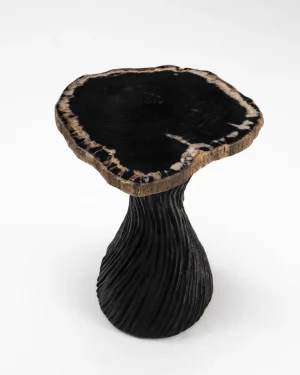 In stock
Twisted Fantasy Side Table in Petrified Wood and Acacia
By Odditi
€1.490 -
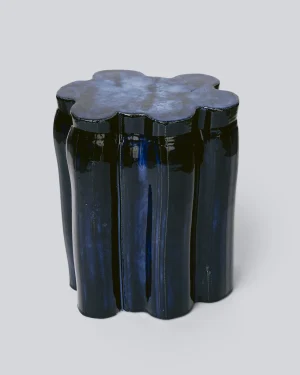 In stock
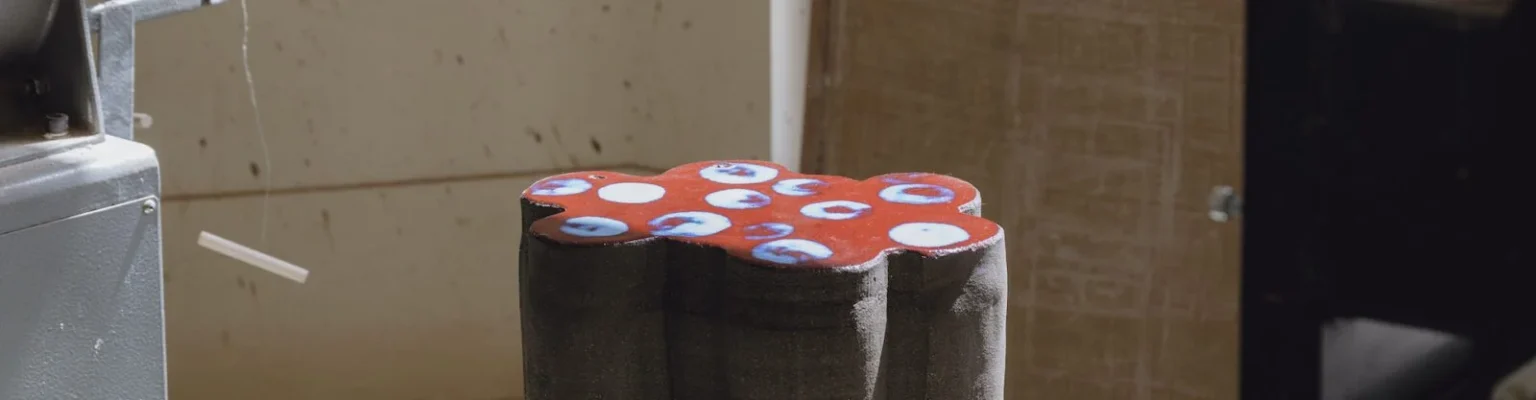
Trunk Black and Navy Blue Side Table in Stoneware
By Slō
€1.395 -
 In stock
Dendria Side Table in Biopolymer and Walnut Root Veneer
By diploria studio
€4.050 -

Cult Stool – Sculptural Side Table In Black Laquer
By Panorammma Atelier
€1.200 -
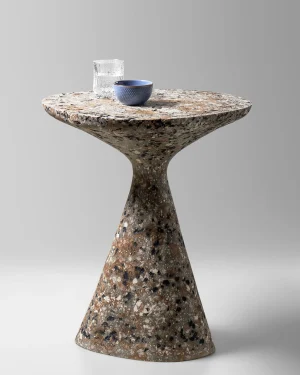
Beige Mottled Side Table in Paper Pulp and Cement
By Donatas Žukauskas
€1.100 -
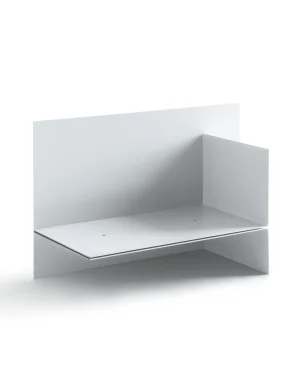 In stock
Polysemy Light Gray Side Table in Steel
By So Koizumi
€1.100 -

Umbral Side Table in Black Marble and Travertine
By Panorammma Atelier
€2.900 -
 In stock
The Space Between Us Side Table in Resin and Volcanic Stone
By Toro Manifesto
€7.400 -
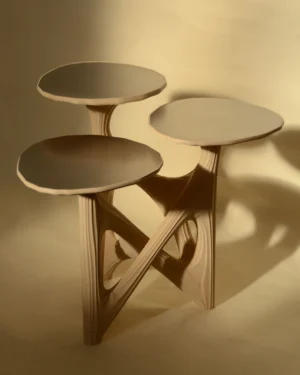
Dendria Side Table in Biopolymer and Stainless Steel
By diploria studio
€3.250 -
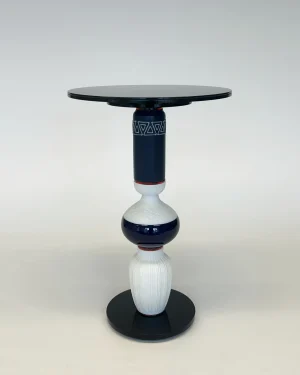 In stock
Angels Side Table in Glazed Clay and Glass
By Andreas Berlin
€3.500 -

Vendi Side Table in Black Quartz Sand
By Rollo Studio
€4.100 -
 In stock
Kilt Side Table in Felt, Textile and MDF
By FARG & BLANCHE
€960 -

TRN Model 4 Side Table in Solid Ash Wood
By Pani Jurek STUDIO
€1.065 This product has multiple variants. The options may be chosen on the product page -
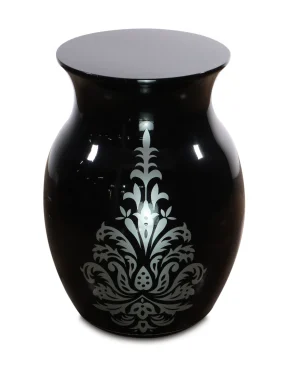 In stock
Amphora Side Table in Lacquered MDF
By Costantini Design
€2.280 -
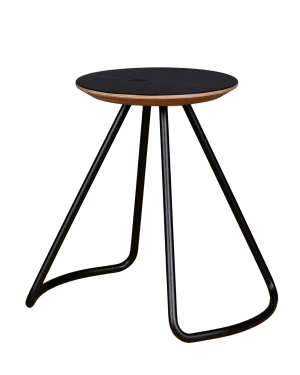
Sama Side Table in Birch Wood and Painted Steel
By Studio Kali
€525 This product has multiple variants. The options may be chosen on the product page -
 In stock
Hidden Secrets Side Table in Glazed Ceramic
By BERTO
€1.200 -

Black Still Column Side Table in Paper Pulp, Cement and Oak
By Donatas Žukauskas
€1.550 -
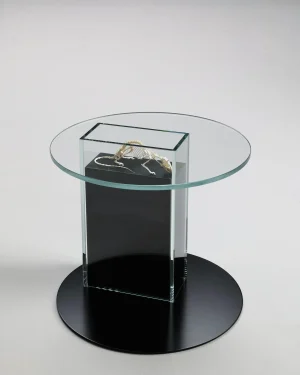 In stock
The Rat Side Table in Painted Steel and Ultraclear Glass
By Leo De Carlo
€4.000 -
 In stock
Joe’s Dream Side Table in Ceramic
By Andreas Berlin
€8.000 -
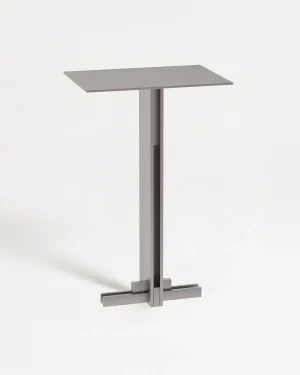
Apex Side Table in Painted Steel and Stainless Steel
By Yet Design Studio
€1.015 - €1.300 This product has multiple variants. The options may be chosen on the product page -
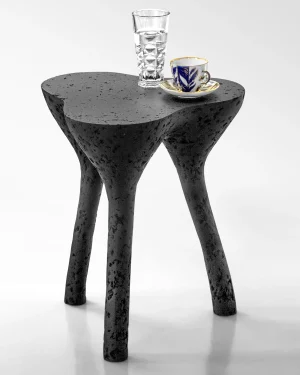
Black Tripod Low Side Table in Paper Pulp and Cement
By Donatas Žukauskas
€960 -
 In stock
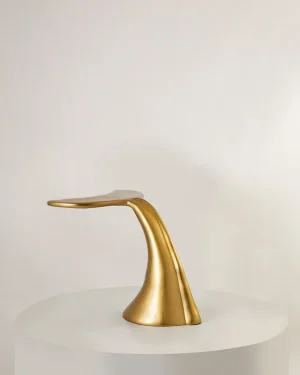
Balena Side Table in Cast Aluminum
By Nama Home
€2.270 This product has multiple variants. The options may be chosen on the product page -
 In stock
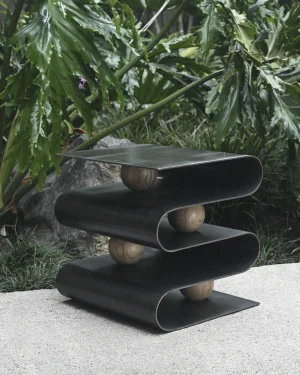
ST001-05 Side Table in Raw Steel and Bay Laurel Wood
By NAVE
€1.150 -

Muste Side Table in Steel
By SALAK Studio
€790 -
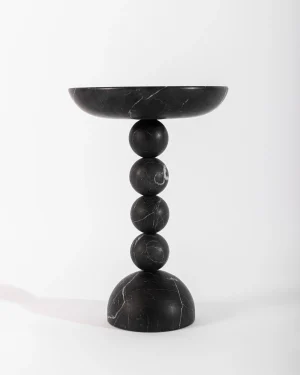
ZM Baby Black Totem Side Table in Black Marble
By Daniel Orozco Estudio
€1.040 -
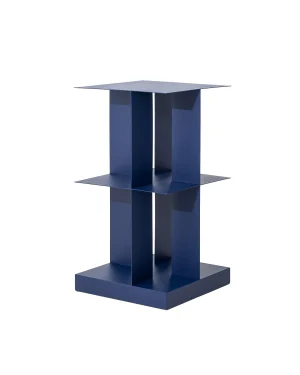
Lobster Side Table in Powder-Coated Steel
By SALAK Studio
€1.200 -
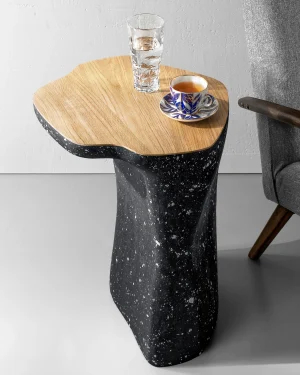
Black Still Form Side Table in Paper Pulp, Cement and Oak
By Donatas Žukauskas
€920 -
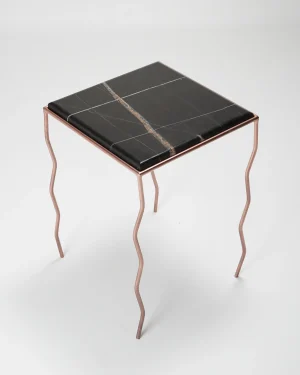 In stock
Forma Prima Side Table in Noir Marble and Copper Chrome
By DFdesignLab
€1.400 -

Dendria Side Table in Biopolymer and Stainless Steel
By diploria studio
€3.250 -

TRN Model 1 Side Table in Solid Ash Wood
By Pani Jurek STUDIO
€1.065 This product has multiple variants. The options may be chosen on the product page -

TRN Model 2 Side Table in Solid Ash Wood
By Pani Jurek STUDIO
€1.065 This product has multiple variants. The options may be chosen on the product page -
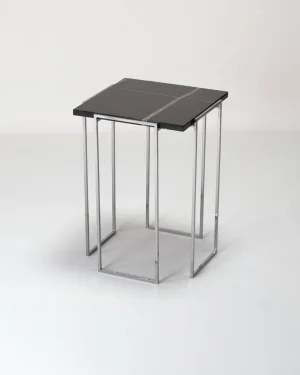 In stock
Kaus Side Table in Sahara Noir Marble and Steel
By DFdesignLab
€750 -
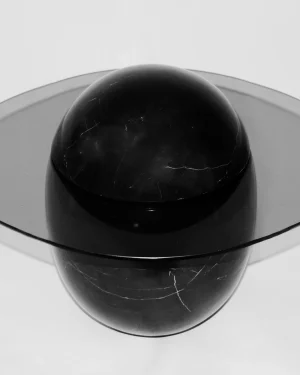
Mini Uovo Side Table in Glass and Black Marble
By Panorammma Atelier
€2.500 -
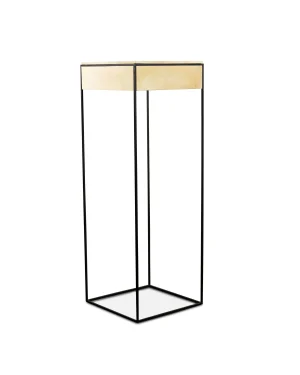 In stock
Marcello Side Table in Metal and Goatskin
By Costantini Design
€2.500 -
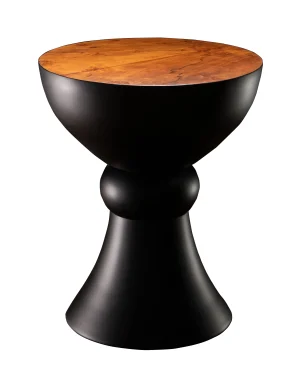
Caliz Side Table in Ebonized Wood and Walnut Burl
By Costantini Design
€2.893 -
 In stock
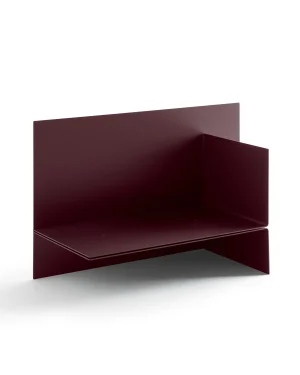
Polysemy Wine Red Side Table in Steel
By So Koizumi
€1.100 -

Sion Side Table in Steel and Ash Wood
By SALAK Studio
€690 This product has multiple variants. The options may be chosen on the product page
Black side tables draw their color from the material itself, from blackened steel and stained oak, or from a finish worked over the surface by hand, charring, oiling, or powder coating until the tone sits even and matte. Studios working in wood, metal, stone, and concrete all turn to black for the same reason: it reads as structure rather than decoration, and it holds its place beside a sofa or bed without competing with what sits on top of it. The result is a small piece that carries real visual weight, disproportionate to its size.
What Gives Black Side Tables Their Character
Black is a neutral, but it behaves differently depending on what it sits on. On oak or ash, a black stain or char lets the grain show through, so the surface still reads as wood, just darkened. On steel or aluminum, black powder coating or a blackened patina gives a flat, even plane that photographs almost as a silhouette. Cast concrete and carved stone carry black as part of the material itself, with no finish to wear through over time.
This range of approaches means two black tables rarely feel the same. One can look severe and architectural, built from sheet steel and right angles; another can look warmer and more textured, cut from solid wood or stacked stone. Both qualify as black side tables, but the material underneath decides how they read in a room.
Materials, Techniques, and Editions on ADORNO
Within the full range of side tables, black pieces appear across wood and cabinetmaking, metalwork, concrete casting, stone carving, and charring techniques such as shou sugi ban. Some studios work in oak or ash and finish the surface dark; others weld steel or aluminum into geometric stands; others cast concrete or carve stone into solid, single forms. Editions vary by studio, from open runs made to order to limited editions and one-off pieces, so the making process is as much a part of the piece as its color. For a closer look at other dark pieces in these same materials, see every black piece on ADORNO.
How to Choose a Black Side Table
Scale and height matter more with a dark piece, since black tends to anchor a vignette rather than recede into it. A table should generally sit level with, or just below, the arm of a sofa or the top of a mattress, so that a lamp or a stack of books stays within reach.
- Match the finish to its neighbors: matte black steel pairs easily with soft upholstery, while a charred or dark-stained wood top brings warmth next to lighter wood floors or stone.
- Consider weight and footprint: a slim steel frame suits a narrow gap beside a chair, while a solid wood or stone block works better as a freestanding piece with room around it.
- Think about contrast: a black table against pale walls or pale textiles reads as a clear point of focus, while against dark surroundings it recedes into the overall tone.
For pieces built mainly from timber, the range of wooden side tables is a useful place to compare stained and charred finishes side by side; for welded or cast metal forms, the range of metal side tables shows how black reads on steel and aluminum.
Where Black Side Tables Work
In a living room, a black side table beside a sofa gives a lamp, a drink, or a stack of books a clear, fixed place without drawing attention from seating or art. In a bedroom, the same dark surface makes an effective bedside companion, since it holds a lamp and small objects while staying visually quiet at night. A black table also does steady work in an entry, holding keys and mail just inside the door; for pieces sized for that role, see the entryway side tables.
Caring for Black Finishes
Dark wood finishes, including charred surfaces, benefit from an occasional wipe with a dry or barely damp cloth and an oil treatment every so often to keep the surface from drying out. Powder-coated or blackened metal resists scratching better than paint but still shows fingerprints, so a soft cloth keeps it even. Concrete and stone tops are porous and can mark from spills or hot cups, so a coaster or trivet protects the surface over years of daily use.
How do I choose a black side table?
Start with the material: oak and ash bring grain to a dark surface, steel and aluminum hold a flat matte black, stone and concrete add weight. Match that finish to the room's other surfaces before size or style.
How do you care for a black side table?
Dust wood and metal with a dry cloth, and keep waxed or oiled finishes out of direct sun to avoid uneven fading. Stone and concrete need a sealant check now and then, since dark stone shows water marks more readily than pale stone.
What height should a black side table be?
Most side tables sit close to arm height on a sofa or just below a mattress top, so a bedside table can run slightly lower than one for a living room. Measure the seat or bed it will stand beside before deciding.
Which rooms suit a black side table?
Black grounds a living room beside a lighter sofa, reads quietly in a bedroom next to pale linens, and holds its own in an entryway where it meets daily use. It contrasts well against light floors and walls.
Does ADORNO ship black side tables worldwide and can I return one?
Shipping is insured and worldwide. Pieces can be returned within 14 days of delivery, except made-to-order pieces, which are excluded from that policy.
Can I order a custom black side table and is it authentic?
For sizing, finish or custom requests on a specific piece, use Chat with the maker on that piece's page. Every order ships with a certificate of authenticity and ADORNO's lowest-price guarantee.