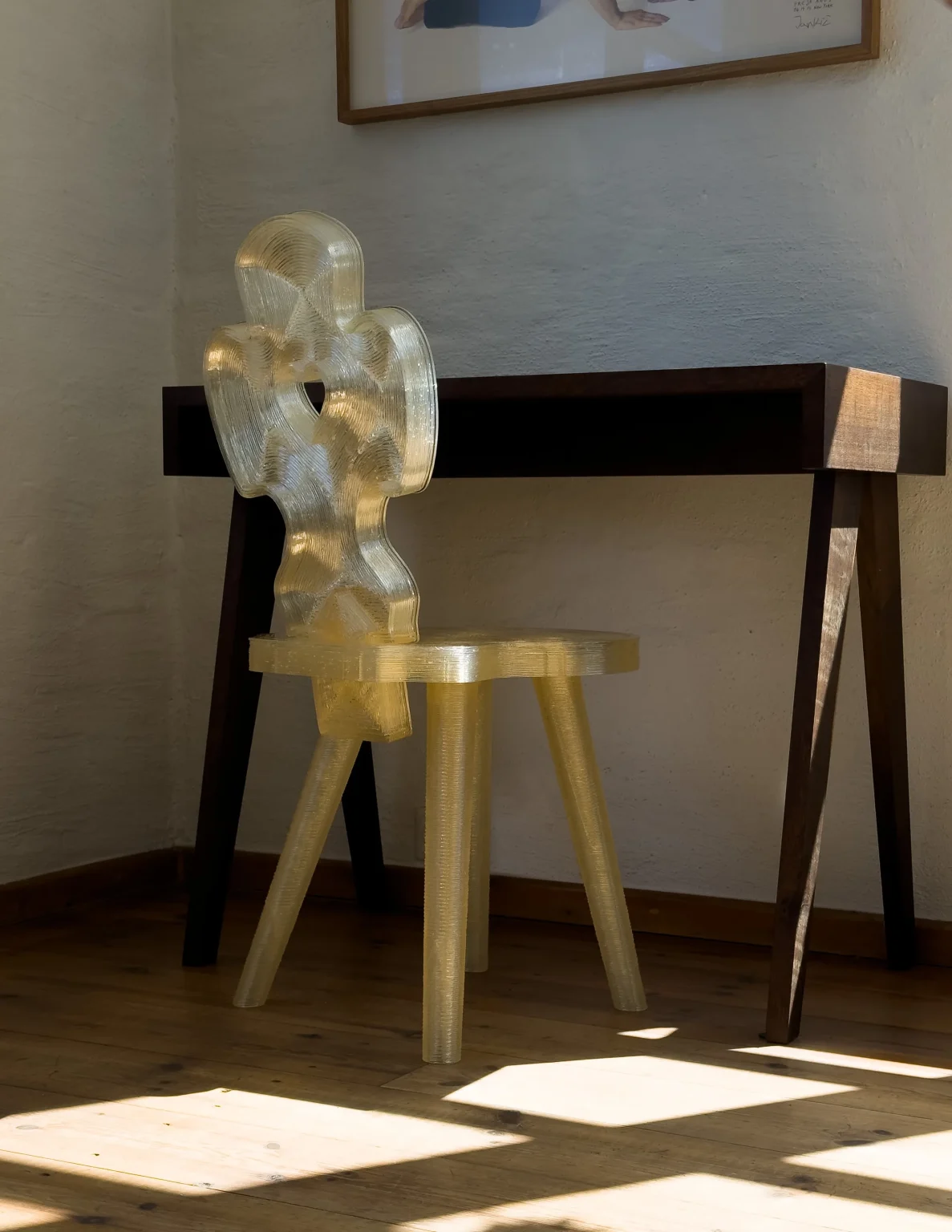










-
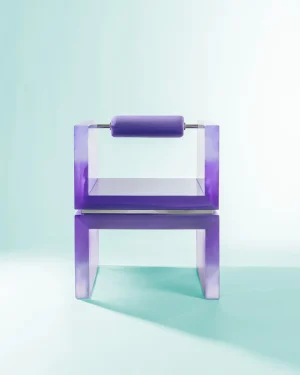
“quantum” Chair
By Adrian Cruz
€9.200 -
5% off
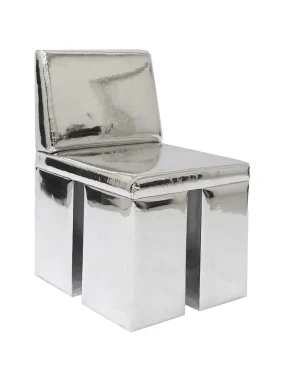
Object106 – Upholstered Chairs
By NG DESIGN
€585 - €1.115€556 - €1.060 This product has multiple variants. The options may be chosen on the product page -
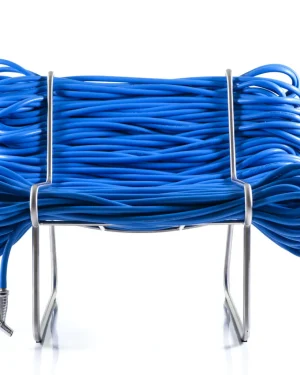
Super Jardim Armchair
By Cultivado em Casa
€4.549 This product has multiple variants. The options may be chosen on the product page -

Be Careful Chair
By Ryan Mercer
€2.537 -

Butter Chair
By Ryan Mercer
€2.537 -

Heimatlos Chair
By em ef studio
€1.600 -
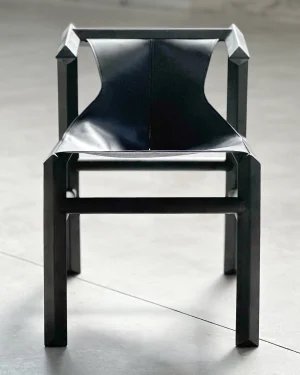
1901 – Black Leather And Wood Dining Chair
By espina corona
€890 -

1908 – Solid Wood & Leather Lounge Chair
By espina corona
€1.450 -
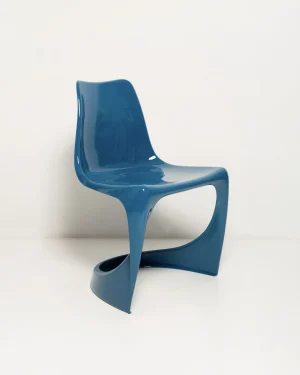
Sea Blue Cado Chair
By Vintola Studio
€900 -

Dumb Chair
By Jumbo
€12.400 -
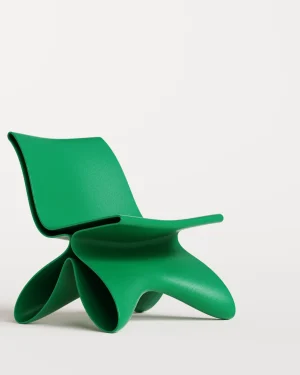
Sprout Lounge Chair
By noknok
€2.075 -

Núcleo Massiva — Ebony Wood And Resin Chair
By DONÓ Design
€2.271 -
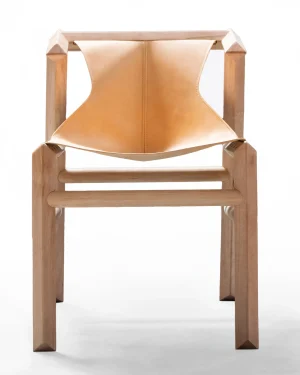
1901 – Cognac Leather And Wood Dining Chair
By espina corona
€890 -
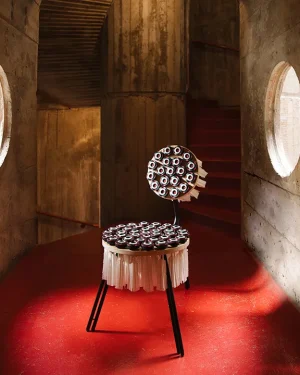
56 Petecas Chair
By Cultivado em Casa
€3.590 -
 In stock
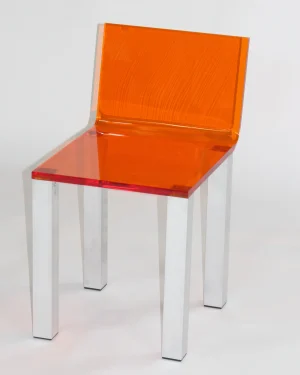
Acrilar – Acrylic Chair I
By Luiz Solano
€840 This product has multiple variants. The options may be chosen on the product page -

1907 Wood And Felted Wool Lounge Chair
By espina corona
€1.050 -

Oppse Chair
By hakankemal studio
€1.150 -
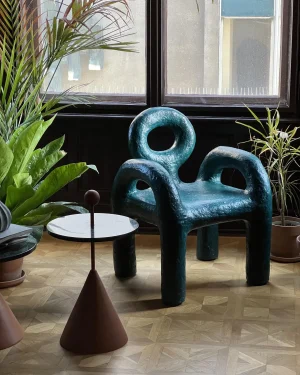
Aoa Armchair Dark Turquoise
By David Čáp
€1.500 -

Black Lounge Chair – 1907
By espina corona
€1.120 -
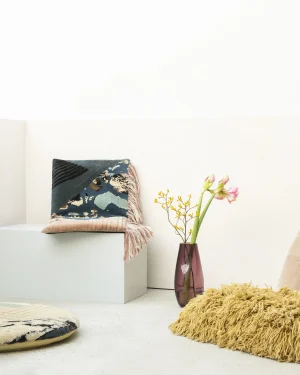
Freeplay Objects – Three-Piece Ensemble Floor Seats
By Lyk Carpet
€5.244 -
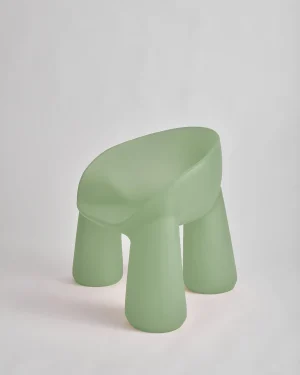
Jojo – Resin Chair
By Joyful Objects, Yes!
€4.500 This product has multiple variants. The options may be chosen on the product page -
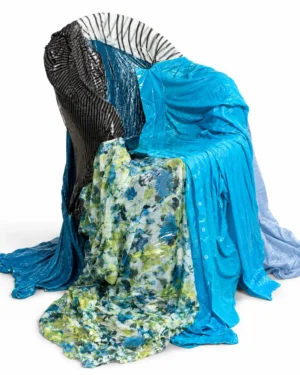
Messy Chair I
By Maria Zakioso
€6.000 -
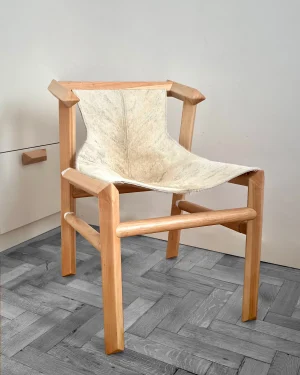
Hairy Leather Dining Chair
By espina corona
€990 -

Chunky Armchair Dark Turquoise
By David Čáp
€1.500 -

Kanguro – Solid Wood And Leather Lounge Chair
By espina corona
€3.500 -

Sulky Sand Chair
By Rollo Studio
€6.100 -
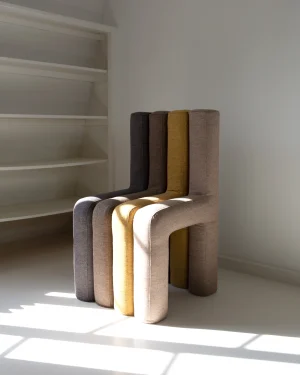
Meta Chair – Upholstered Modular Chair
By Jaclyn Pappalardo
€2.340 -

“Envisioned Comfort” Armchair
By Marija Puipaitė & Vytautas Gečas
€4.900 -

Ribbin Rocker
By Moneo Brock Studio
€4.000 -

“Envisioned Comfort” Chair
By Marija Puipaitė & Vytautas Gečas
€3.900 -
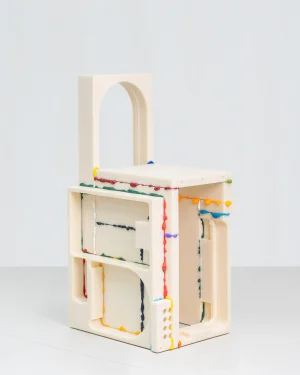
B. S. P Series “the Original”
By Atelier SOHN
Price Upon Request -
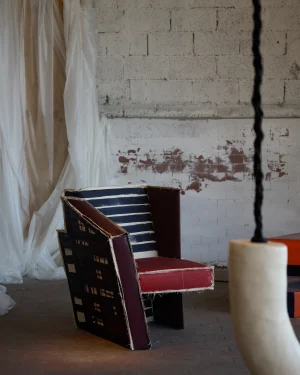
Carte Blanche – Hand Painted Armchair
By Crina Arghirescu Rogard
Price Upon Request -
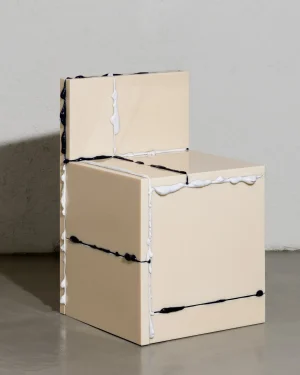
B. S. P Series – Recycled Plastic Chair
By Atelier SOHN
Price Upon Request
Plastic accent chairs gather work from studios casting, molding, printing and sculpting polymers into seats that hold a single curve or a hard-edged form without a seam. Resin, recycled plastic, PLA and biofabricated by-products each bring a different weight and surface, but all of them let a shape exist that wood or metal would struggle to hold. The result is a chair that reads as object first, seat second.
What defines the material
Plastic takes a mold or a print path and repeats it exactly, which is why accent chairs in this material often show a continuous, unbroken silhouette: a back and seat poured or formed as one piece rather than joined from parts. Resin casting gives a dense, glassy surface that can run clear, cloudy or saturated with color. 3D printing and digital fabrication build up a form in layers, leaving a texture that is sometimes smoothed away and sometimes left visible as part of the design.
Foam-backed and upholstered versions soften the shell with a cushion, while pieces left bare keep the full gesture of the mold on show. Sustainable lines work from recycled plastic, paper pulp or other by-products, giving a chair a grain or speckle that no two casts repeat exactly.
The range on ADORNO
Finishes run from matte and chalky to high gloss, in colors from beige, ivory and black through red, green, amber and turquoise. Styles span contemporary and minimalist shells, eclectic and surrealist forms that bend seating into sculpture, and neo-industrial or futuristic pieces that lean on the material's capacity for sharp angles and deep curves. Editions range from open runs, repeated from a standing mold, to limited editions and unique pieces where casting or hand-finishing varies the result piece by piece. For a fuller view of what studios are doing with the material beyond seating, the plastic and polymer pieces on ADORNO cover lighting, tableware and objects built the same way.
How to choose one
Start with scale: a chair with a wide, deep shell reads as a presence in a room and needs open floor around it, while a narrower, upright form slots into a corner or alongside a desk without crowding it. Seat height should match where the chair will sit against a table or a sofa arm, so it's worth checking the stated dimensions on any piece before buying. Glossy finishes catch light and suit rooms with natural daylight; matte and colored resins hold their own under warmer, lower lighting.
- Pair a sculptural, single-color shell with plain walls so the form stays legible
- Choose an upholstered or foam-topped version for a chair meant for daily sitting
- Set a translucent or pale resin piece where light passes through it, rather than against a dark wall
Where they work
A plastic accent chair earns its place wherever a room needs one strong shape rather than another matching set. In a living room it can stand beside a sofa as a second seat with a different silhouette; see the range of living room accent chairs for pieces sized for that role. Around a table, a lighter resin or molded seat pulls in as extra dining room accent chairs without adding bulk. In a hallway, bedroom corner or office, one chair can carry the whole visual weight of the space.
Care
Most plastics and resins wipe clean with a damp cloth and mild soap; avoid solvents and abrasive pads, which can dull a gloss finish or cloud a clear resin. Keep cast or printed pieces out of direct, sustained sun, since UV exposure can yellow light colors and clear resins over time. For the wider world of plastic seating, tables and storage, the full plastic furniture range and the broader accent chairs category show how the material carries across other forms.
How do I choose a plastic accent chair?
Consider how the shape and color sit against existing furniture, and whether the chair needs to stack, stay light to move, or hold a fixed spot. Resin and recycled plastic both take color well, so pick a tone that anchors the room rather than competes with it.
Are plastic accent chairs durable and easy to maintain?
Resin, PLA, and recycled plastic resist moisture and do not splinter or rust, making them simple to wipe clean. Keep them out of direct sun for long periods, since UV exposure can fade color and make some plastics brittle over time.
What size and seat height should I expect?
Most accent chairs follow a standard seat height of 17 to 19 inches, similar to dining chairs, which suits desks, dining tables, and casual seating alike. Exact dimensions vary by piece, so check the specific listing for measurements.
Which rooms suit plastic accent chairs?
Their light weight and moisture resistance make them practical for living rooms, home offices, and covered outdoor spaces alike. A sculptural resin or 3D-printed shape can also hold its own as a standalone piece in an entryway or reading corner.
Can I order a custom color or finish?
Customization depends on the individual maker and technique used. Chat with the maker on the piece's page to ask about color options, finishes, or other adjustments.
What are ADORNO's shipping and return policies?
Shipping is insured and worldwide. Returns are accepted within 14 days, though made-to-order pieces are excluded. Each piece arrives with a certificate of authenticity, and ADORNO offers a lowest-price guarantee.