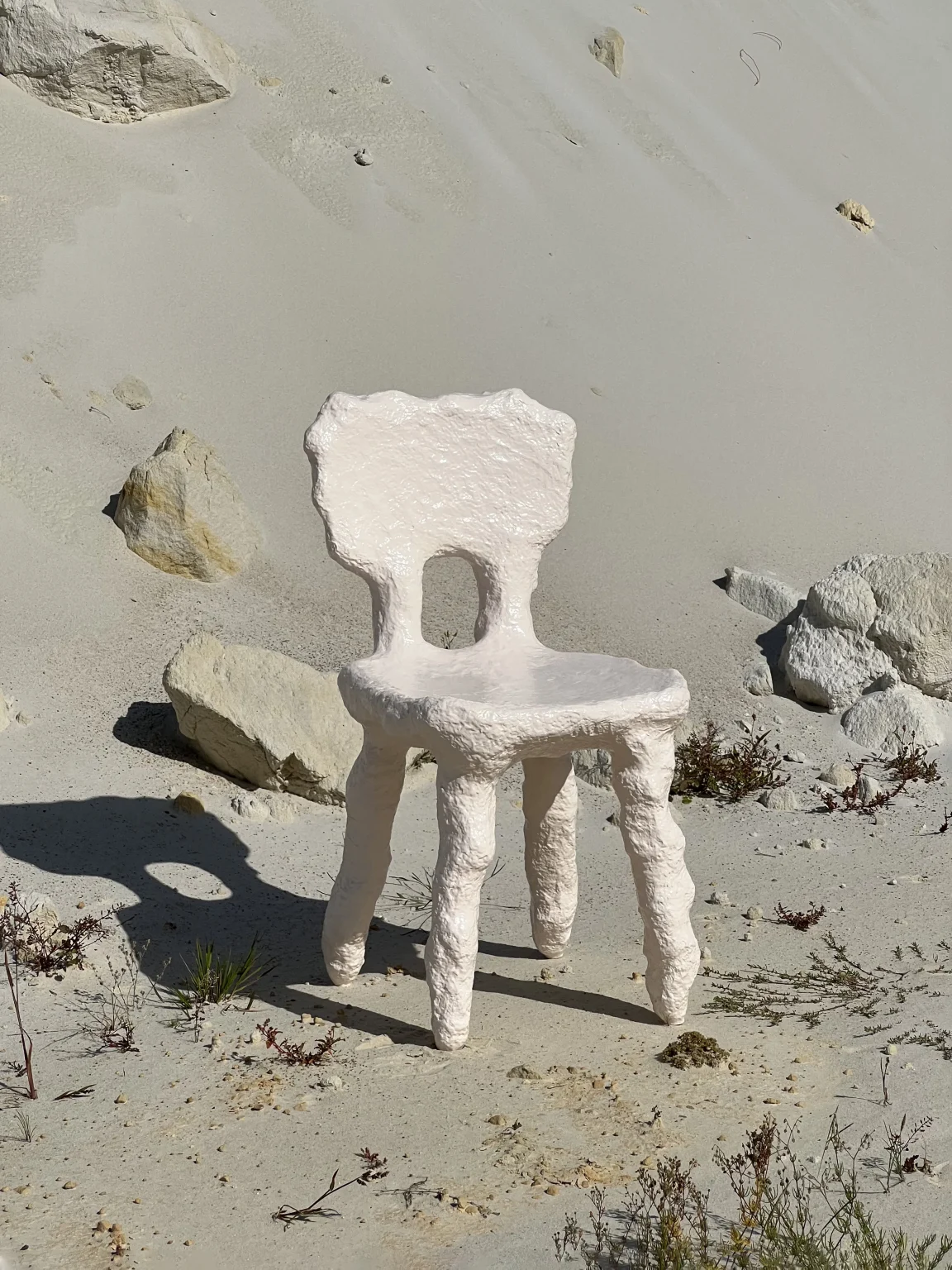










-
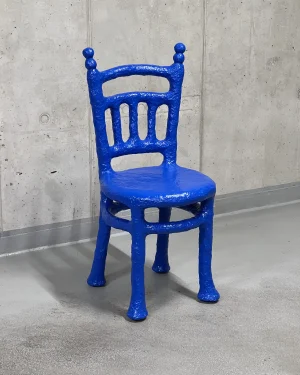
Blue Papier-mâché Chess Chair
By David Čáp
€1.000 -
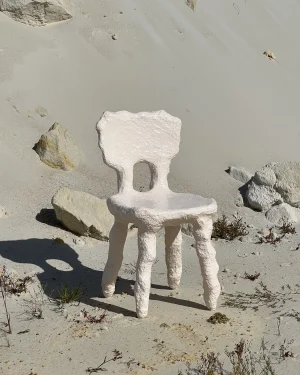
Crispy Chicken Light Orange Papier-mâché Chair
By David Čáp
€1.000 -

Pink Papier-mâché Chair
By David Čáp
€1.000 -

Charcoal-drawn Papier-mâché Chair
By David Čáp
€1.000 -
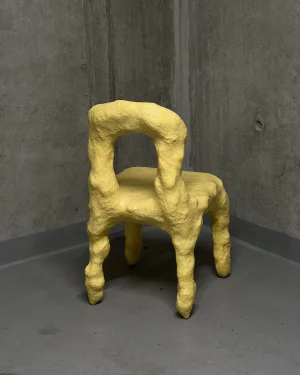
Textured Yellow Papier-mâché Chair
By David Čáp
€1.000 -
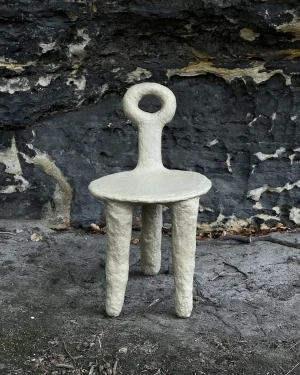
Sandstone Chair
By David Čáp
€1.000 -
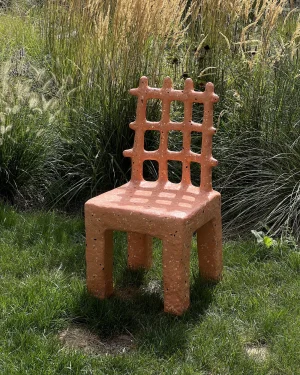
“terazzo” Brick Chair
By David Čáp
€1.500 -
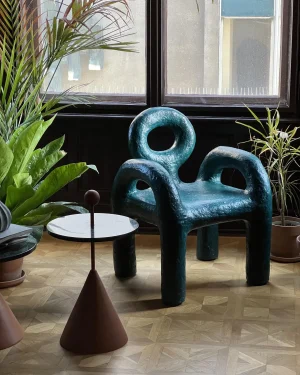
Aoa Armchair Dark Turquoise
By David Čáp
€1.500 -
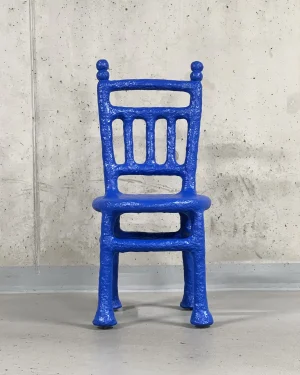
Chess Chair 2 Blue
By David Čáp
€1.000 -
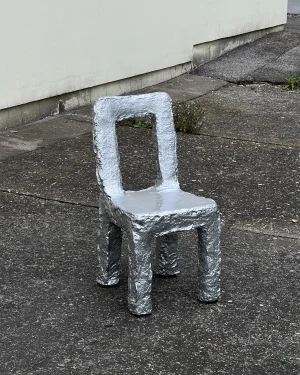
Silver Dough Chair
By David Čáp
€1.000 -
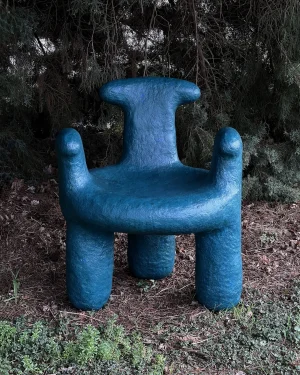
Chunky Armchair Dark Turquoise
By David Čáp
€1.500 -
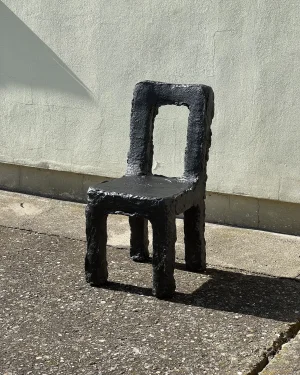
Black Dough Chair
By David Čáp
€1.000 -

Black Grill Papier-mâché Chair
By David Čáp
€1.000 -
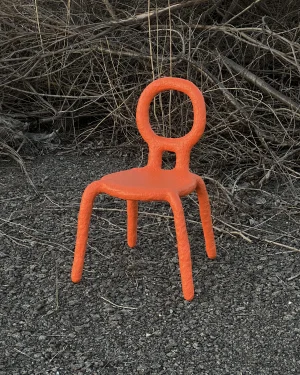
Frog Chair – Orange Matte
By David Čáp
€1.000 -
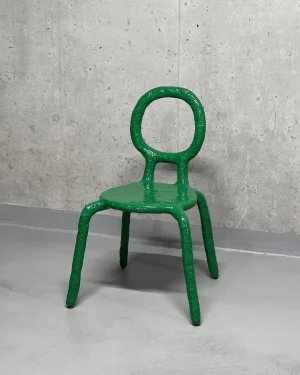
Frog Chair Green Gloss
By David Čáp
€1.000 -
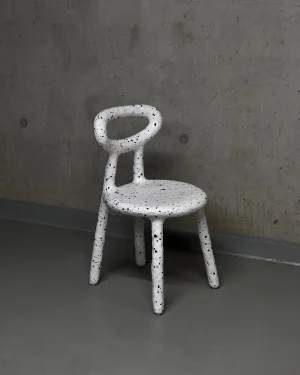
Stracciatella Papier-mâché Chair
By David Čáp
€1.000 -
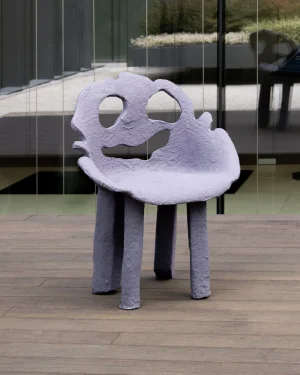
Violetta Accent Chair
By Jonathan Bocca
Price Upon Request
Paper pulp accent chairs are built from macerated paper fiber, water and a binder, pressed or layered into a shell that dries into a rigid, lightweight form. Studios working in this material come from papier-mâché traditions, hand-building and sculpting, shaping the pulp over molds or armatures before sealing and finishing the surface. The result sits closer to sculpture than to upholstered seating, though the chairs carry a sitter's weight the same as any other.
What defines paper pulp as a seating material
Pulp dries into a porous, slightly textured surface that reads as matte and soft-edged, even when the silhouette is angular. Because the material is built up rather than carved or bent, forms tend toward rounded backs, thick-walled seats and a visible hand in the surface, a trace of the layering or pressing that made the piece. Weight is low relative to volume, which makes these chairs easy to lift and reposition, though the shell itself is rigid once cured.
Sustainable practice runs through much of this work, since pulp is often recycled paper or cardboard reconstituted rather than sourced new. Studios pair that material honesty with styles that range from radical and sculptural to a quieter, more contemporary restraint, so the material itself, not a single look, is what unites the group.
Finishes, color and editions on ADORNO
Within paper pulp accent chairs, finishing varies with the maker. Some surfaces are left raw, showing the gray-brown of the pulp itself; others are painted and drawn on in flat, saturated color, including black, white, black and white combinations, cobalt blue, turquoise, green and orange. Painting can sit as a single solid coat or as graphic pattern worked directly onto the shell, which changes how the chair reads in a room from object to near-artwork.
Because much of this work is hand-built, editions tend toward unique pieces or small open editions rather than mass production. That means two chairs from the same studio can differ slightly in surface or form, a reminder of the hand-building and sculpting behind them. For the full range of forms, finishes and sizes currently available, the paper pulp material page gathers every piece made in this fiber.
Choosing a paper pulp accent chair
Scale matters more with pulp than with upholstered seating, since the material's bulk can read as heavier than its actual weight suggests. Measure the corner or nook before choosing a chair, and favor a seat height close to standard dining or lounge proportions if the chair needs to function daily rather than purely as sculpture. Matte, unpainted surfaces tend to recede into a room, while painted or patterned shells act as a focal point and should be placed where they can be seen in full.
- Pair a raw pulp finish with wood or stone furniture for a grounded, textural room
- Use a painted or colored chair as a single accent against plain walls and flooring
- Leave clearance around the chair, since rounded forms need more visual breathing room than straight-backed seating
Where these chairs sit well
Paper pulp accent chairs suit rooms where a single sculptural piece can stand without competition: a reading corner, a landing, an otherwise spare living room. Browse living room accent chairs for pieces sized to work as a second or third seat near a sofa, or look to dining room accent chairs where a pulp chair can anchor one end of a table as a deliberate contrast to wood or metal seating. The material's light weight also makes it practical for rooms where furniture gets moved often.
Caring for paper pulp furniture
Pulp is porous and will absorb moisture, so these chairs belong in dry interior rooms, away from direct sun that can fade painted surfaces over time. Dust with a soft, dry cloth rather than water or solvent cleaners, and avoid placing anything wet directly on an unsealed shell. Treated gently, a paper pulp chair holds its form for years, aging the way heavy paper does, slightly softening in tone rather than cracking or splitting.
For the wider range of seating built from this fiber, paper pulp seating spans chairs, stools and lounge forms, while the full accent chairs category covers every material working in this scale of seat.
How do I choose a paper pulp accent chair?
Look at wall thickness and finish rather than size alone, since pulp chairs carry weight through shape, not bulk. Pick one that suits light, occasional use rather than constant daily sitting.
Is paper pulp a durable material for chairs?
Pressed and dried paper pulp becomes rigid and surprisingly strong, though it stays sensitive to moisture and damp. Kept dry and indoors, a pulp chair holds its shape for years.
How do I clean and care for a paper pulp chair?
Dust with a dry or barely damp cloth and keep the piece away from standing water, direct sun and high humidity, which can soften or warp the surface over time.
What size and seat height do paper pulp accent chairs have?
Most sit at standard accent chair height, low enough for a side table yet high enough for easy use. Exact dimensions vary by piece, so check each listing or chat with the maker.
Which rooms suit paper pulp accent chairs best?
Dry interior spaces suit them well: a living room corner, a bedroom reading spot or a study, anywhere they stay out of direct weather and heavy daily wear.
What are ADORNO's shipping and return policies?
Shipping is insured and worldwide. Returns are accepted within 14 days, except made-to-order pieces, and every chair arrives with a certificate of authenticity.