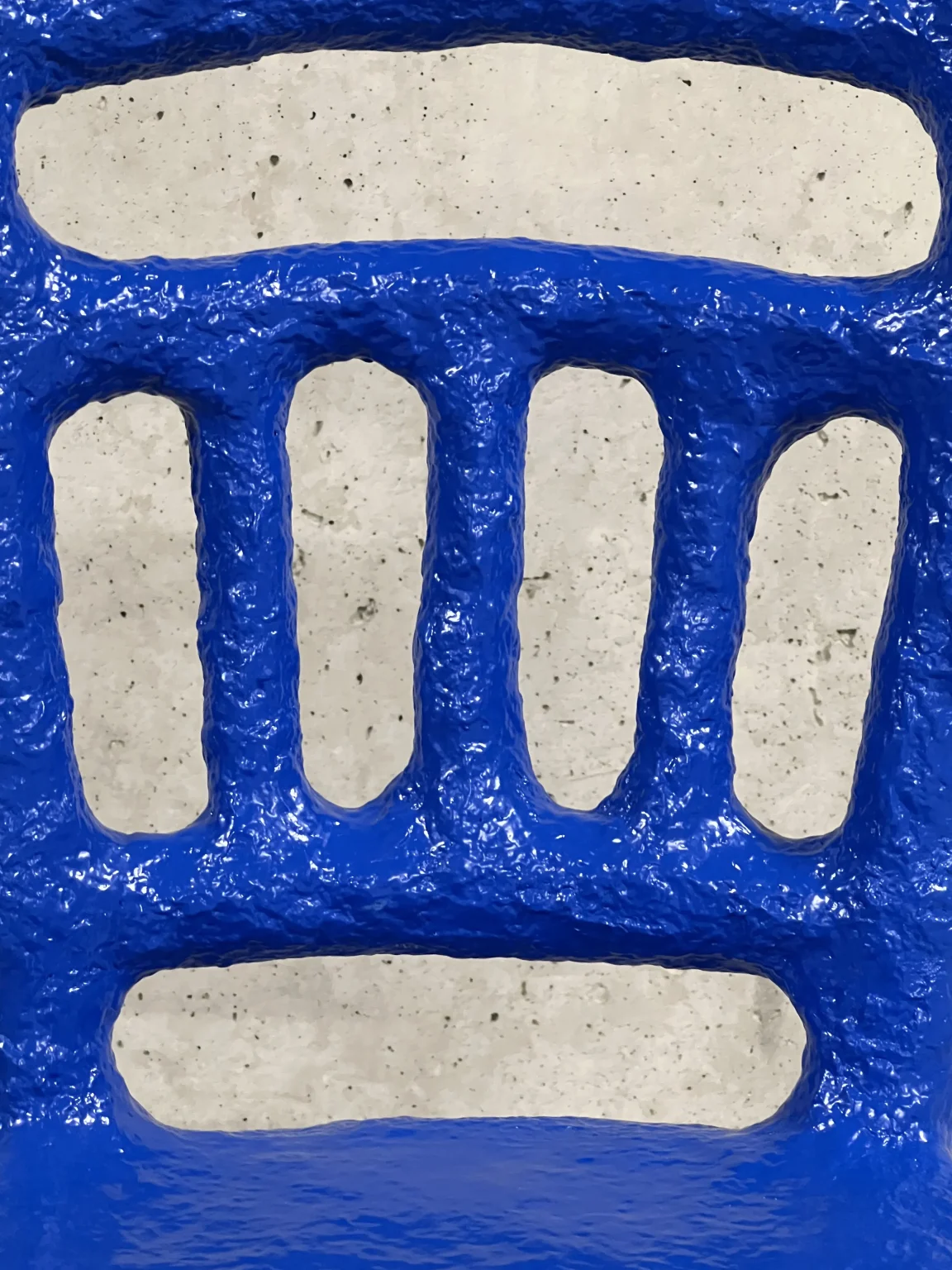










-
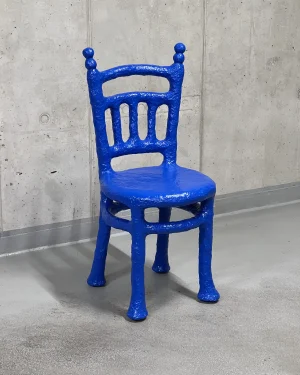
Blue Papier-mâché Chess Chair
By David Čáp
€1.000 -
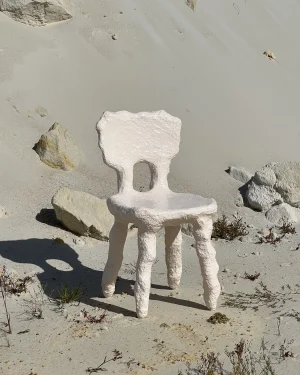
Crispy Chicken Light Orange Papier-mâché Chair
By David Čáp
€1.000 -

Pink Papier-mâché Chair
By David Čáp
€1.000 -

Charcoal-drawn Papier-mâché Chair
By David Čáp
€1.000 -
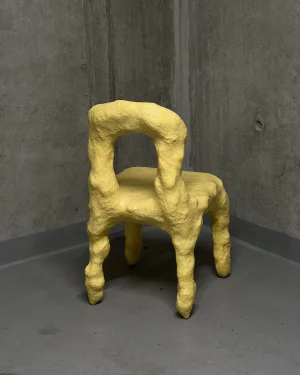
Textured Yellow Papier-mâché Chair
By David Čáp
€1.000 -
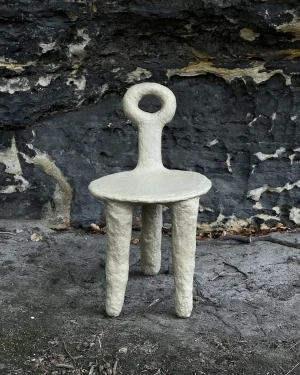
Sandstone Chair
By David Čáp
€1.000 -
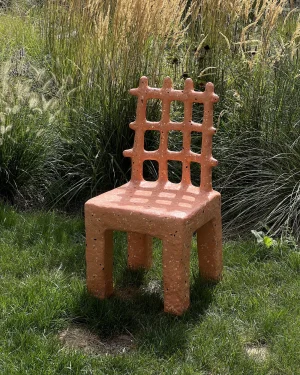
“terazzo” Brick Chair
By David Čáp
€1.500 -
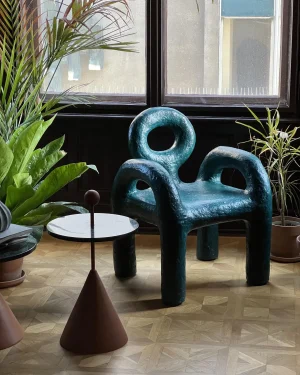
Aoa Armchair Dark Turquoise
By David Čáp
€1.500 -
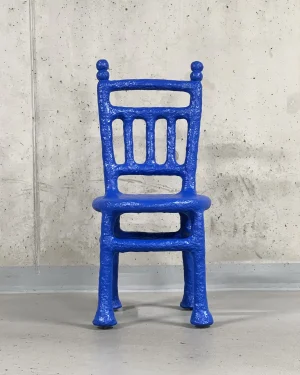
Chess Chair 2 Blue
By David Čáp
€1.000 -
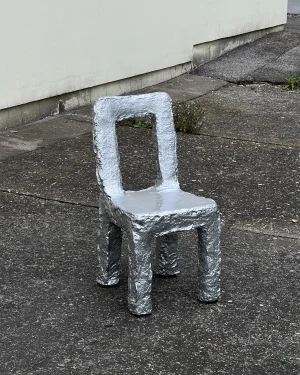
Silver Dough Chair
By David Čáp
€1.000 -
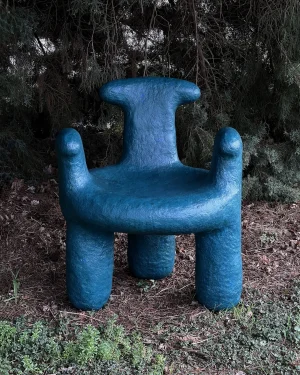
Chunky Armchair Dark Turquoise
By David Čáp
€1.500 -
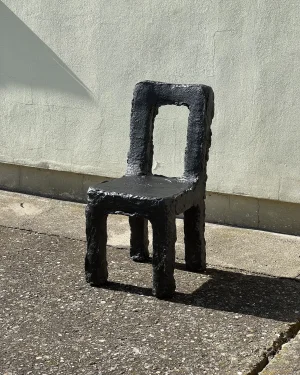
Black Dough Chair
By David Čáp
€1.000 -

Black Grill Papier-mâché Chair
By David Čáp
€1.000 -
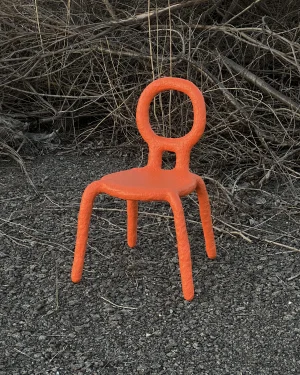
Frog Chair – Orange Matte
By David Čáp
€1.000 -
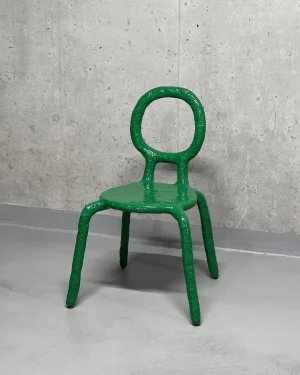
Frog Chair Green Gloss
By David Čáp
€1.000 -
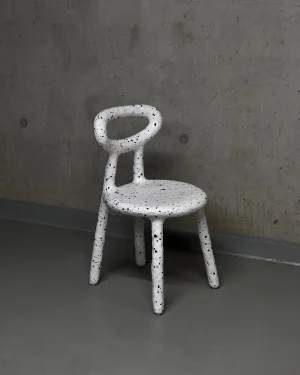
Stracciatella Papier-mâché Chair
By David Čáp
€1.000 -
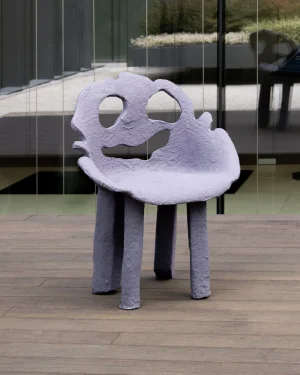
Violetta Accent Chair
By Jonathan Bocca
Price Upon Request
Paper accent chairs are built from pulp, sheet or papier-mâché, worked by hand or pressed over a mold until it holds the weight of a seated body. Studios working in this material pair it with steel armatures, wood frames or sand-cast bases, treating paper as a structural skin rather than an afterthought. The result sits closer to sculpture than upholstery, each chair carrying the texture of the hands or tools that shaped it.
What defines paper as a seat material
Paper for furniture starts as pulp, layered wet and dried under pressure, or as sheets built up in papier-mâché over a form. Once cured, it behaves less like the thin stock used for writing and more like a dense composite: it can be sanded, carved, lacquered or left raw. Weight stays low, which makes a paper accent chair easy to lift and reposition, though the material stays sensitive to standing water and direct sun over time.
How these chairs get made
Most pieces found among paper accent chairs on ADORNO come from hand-building, where pulp or strips are layered and shaped over armatures, or from papier-mâché proper, built in thin coats that dry into a rigid shell. Some studios bring in metalwork or welding for legs and frames, letting steel carry the structural load while paper forms the visible surface. Others turn to sculpting and painting and drawing to finish a piece, adding pigment, lacquer or graphic pattern once the base form has cured.
Wood and cabinetmaking show up where a maker builds a paper seat onto a joined frame, and sand or sandstone sometimes appear as counterweights or bases that ground a lighter paper form. Recycled material is common in the pulp itself, since paper takes well to reprocessing without losing the qualities that let it hold shape.
Color, finish and edition size
Finishes run from raw, undyed pulp with a visible grain to solid lacquer in black, white or cobalt blue, with green, orange and turquoise appearing where a studio wants a chair to read as a single graphic object. Black and white combinations are common too, often left to show the layering of the material rather than hiding it under a flat coat. Style ranges from restrained, contemporary forms to maximalist and radical shapes that treat the chair as a sculptural statement, with eclectic and space age references turning up in silhouette and color alike.
Because papier-mâché and hand-building are slow, additive processes, many of these chairs exist as one-off pieces, no two with exactly the same surface. Others are produced as open editions, where a studio repeats a mold or method at a steadier pace. Either way, paper rewards close inspection: seams, fingerprints and tool marks tend to stay visible rather than sanded away.
Choosing a paper accent chair
Scale matters more with paper than with denser materials, since a bulky form can look heavier than its actual weight suggests. Check seat height against the pieces it will sit near, and look at how the base meets the floor, whether on splayed legs, a solid plinth or a metal frame. A raw, unlacquered surface suits a room built around natural materials, while a glossed or painted finish holds its own against stone, glass or polished wood.
- Pair a sculptural paper form with plain walls so its silhouette reads clearly
- Keep paper seating away from direct sun and standing moisture
- Use a lacquered finish in rooms that see daily wear
- Leave raw pulp finishes for lower-traffic corners
Where these chairs sit well
Light weight and a strong profile make paper accent chairs suited to corners, reading nooks and spots where a second chair is wanted more as sculpture than as everyday seating. They work well alongside living room accent chairs in wood or textile, offering contrast in texture and weight. For dining settings or entry spaces that take heavier daily use, a frame in steel or aluminum, as seen among metal accent chairs, may suit better than paper alone.
Keep paper pieces dry, dust them with a soft cloth, and avoid placing them near radiators or in rooms with heavy humidity swings. For the full range of paper seating, lighting and objects, see every paper piece on ADORNO, or step back to view all accent chairs and compare paper against wood, steel and other materials, including the broader range of paper furniture beyond seating.
Are paper accent chairs sturdy enough for everyday use?
Chairs built from paper pulp or layered paper rely on dense pressing, resin binding or papier-mâché over a frame, which gives them real rigidity. Most suit light, regular seating rather than heavy daily impact.
How do you clean and care for a paper chair?
Wipe with a dry or barely damp cloth, keep away from standing water, and place out of direct sun and high humidity to prevent warping or fading. Avoid soaking or harsh cleaning products.
What size and seat height should I expect from an accent chair?
Accent chairs generally sit at standard seat heights, close to dining or lounge level, with compact frames sized for a corner or reading nook rather than a full armchair footprint.
Which rooms suit a paper accent chair best?
Dry, low-traffic spots work well: a living room corner, a bedroom reading nook or a study. Keep them away from bathrooms, kitchens or covered outdoor areas where moisture collects.
Can I order a paper accent chair in a custom color or finish?
Some studios take customization requests on open edition pieces. Chat with the maker on the piece's page to confirm options before ordering.
What about shipping, returns and authenticity when I buy through ADORNO?
Shipping is insured and worldwide. Returns are accepted within 14 days, excluding made-to-order pieces, and every purchase includes a certificate of authenticity along with a lowest-price guarantee.