










-
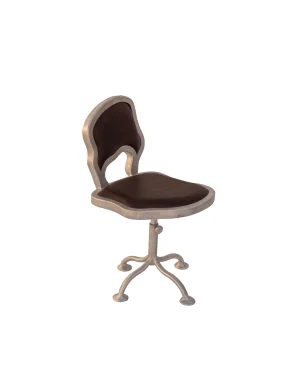
Office Chair
By Six Dots Design
€2.450 -

1908 – Solid Wood & Leather Lounge Chair
By espina corona
€1.450 -
 In stock
Pneumatic Chair 2
By Szostak Atelier
€5.990 This product has multiple variants. The options may be chosen on the product page -

Poltrona 1907
By espina corona
€1.050 -
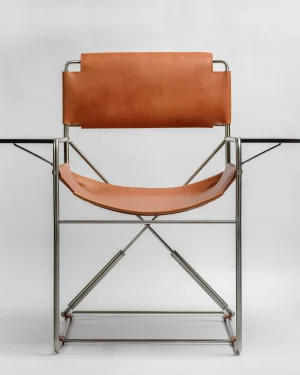
Pneumatic Chair – Unique Piece
By Szostak Atelier
€9.000 -
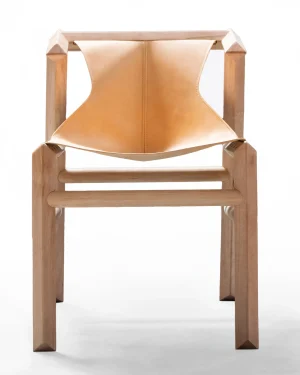
1901 – Cognac Leather And Wood Dining Chair
By espina corona
€890 -
 In stock
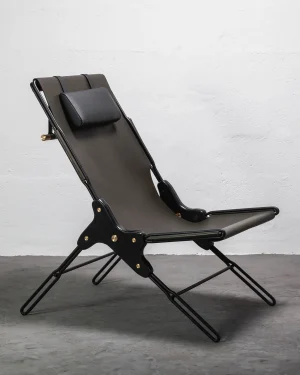
Perfidia_02 – Thick Leather Sling Lounge Chair In Black Steel
By ANDEAN
€4.542 This product has multiple variants. The options may be chosen on the product page -
 In stock
Perfidia_01 – Thick Leather Sling Lounge Chair In Black Steel
By ANDEAN
€4.133 This product has multiple variants. The options may be chosen on the product page -
 In stock
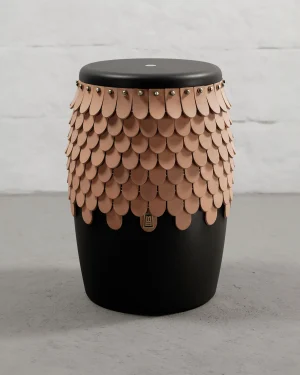
Sitiera_01 Solid Wood Stool, With Thick Leather Accents, Aged Bronze
By ANDEAN
€2.495 - €3.743 This product has multiple variants. The options may be chosen on the product page -

Black Lounge Chair – 1907
By espina corona
€1.120 -
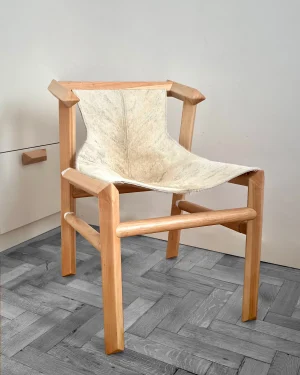
Hairy Leather Dining Chair
By espina corona
€990 -

Kanguro – Solid Wood And Leather Lounge Chair
By espina corona
€3.500 -

Sitiera_01 Solid Wood Stool, With Olivo Thick Leather Accents, And Aged Bronze
By ANDEAN
€2.495
Cognac accent chairs take their name from the warm amber-brown of aged leather and certain hardwood finishes, a tone that sits between tan and chestnut and deepens with light and wear. Studios working in leather, oak, walnut and patinated metal turn to this color because it reads as settled rather than new, the kind of hue that looks better after a few years in a room than it does on day one. Across the range, the color stays constant while the material, frame and technique change from piece to piece.
What gives cognac its color
In leather, cognac comes from vegetable or aniline tanning and oiling, processes that let the hide keep its grain and take on light scratches and sun fade as part of its character rather than a flaw. In wood, a similar tone is reached through stain or oil finishes on oak, walnut or ash, which darken the grain without hiding it. Bronze and brass hardware or frames can carry a related warmth, so a chair's cognac may come from upholstery, from the wood itself, or from both working together.
Materials and techniques in this range
Seating in this tone comes from a mix of leatherwork, wood and cabinetmaking, metalwork and upholstery, each leaving a different mark on the finished chair. Leather is cut and stitched over padded shells or stretched across frames in strips; wood is steamed, bent or joined by hand in the cabinetmaking tradition; steel, aluminum and bronze are welded or CNC milled into legs, bases and structural frames that support a seat shell in leather, wood or molded plastic.
Styles range from mid-century modern silhouettes with tapered wooden legs to brutalist and neo-industrial frames in raw or blackened steel, with Art Deco curves and coastal, pared-back shapes also present. Some pieces come as open editions, repeated to a consistent standard; others are unique pieces, each one carrying small variations that come from hand finishing or one-off material choices. Among the kinds found here:
- Full-grain or aniline leather seats over wood, steel or aluminum frames
- Solid oak, walnut or ash frames with stained or oiled cognac finishes
- Welded steel or bronze bases paired with upholstered or molded seats
- Digitally fabricated or 3D-printed shells finished to sit within the same color family
How to choose a cognac accent chair
Start with scale: a chair meant to anchor a reading corner can sit lower and deeper than one pulled up to a console or used as extra dining-adjacent seating, where a firmer seat height and more upright back make it easier to get in and out of. Check the finish against what already surrounds it, since a glossy lacquered wood leg behaves differently in a room than a matte or waxed one, and a leather seat left untreated will age faster under direct sun than one with a protective finish. Think about where the chair will carry weight day to day: a single accent piece can take the heavier wear of regular use, while one chosen mainly for its silhouette can sit lighter in a corner.
Where these chairs work
Cognac accent chairs read warm against pale walls, stone and linen, and they hold their own next to darker wood floors or black metal detailing without disappearing into either. They suit living room seating arrangements built around a sofa, a quiet reading spot by a window, or a bedroom corner that needs one solid, comfortable form rather than a matching set. Paired with a side table or a low shelf, a single chair in this tone can define a space without requiring the rest of the room to match it.
Caring for leather and wood finishes
Leather in cognac tones benefits from being kept out of direct sun for long stretches, since UV exposure speeds fading and can dry the hide; a leather conditioner applied occasionally keeps it supple. Wood frames should be dusted rather than wiped with harsh cleaners, and oiled finishes can be refreshed over time to keep the grain from drying out. Metal bases in steel, aluminum or bronze need little beyond an occasional wipe, though bronze will continue to patinate with handling and age.
For the full range of tones and materials nearby, see all accent chairs, browse every cognac piece on ADORNO, or look at wooden accent chairs and cognac chairs across other chair types for a wider view of how this color is used.
How do I choose a cognac accent chair?
Look at the base material first, leather or wood ages differently than steel or aluminum, then match the chair's silhouette to the scale of the room it will sit in.
Does cognac leather need special care?
Keep it from direct sun and standing liquid, wipe with a dry cloth, and condition occasionally so the leather stays supple rather than cracking.
What size is a standard accent chair?
Most accent chairs sit lower and smaller than a dining chair, built for lounging rather than table use. For exact dimensions, chat with the maker on the piece's page.
Which rooms suit a cognac accent chair?
The warm brown tone reads equally well in a living room corner, a bedroom reading nook, or a study, since it pairs with both wood tones and darker palettes.
Will cognac leather or wood darken over time?
Leather deepens and develops a patina with light and handling, while wood tones can shift slightly with sun exposure, both are expected with natural materials.
How does shipping, returns and authenticity work at ADORNO?
Shipping is insured and worldwide. Returns are accepted within 14 days, except made-to-order pieces, and every piece comes with a certificate of authenticity.