

















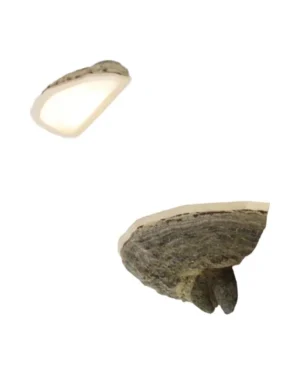

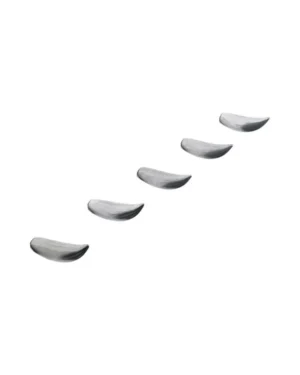





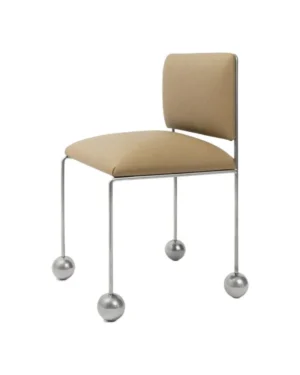
-

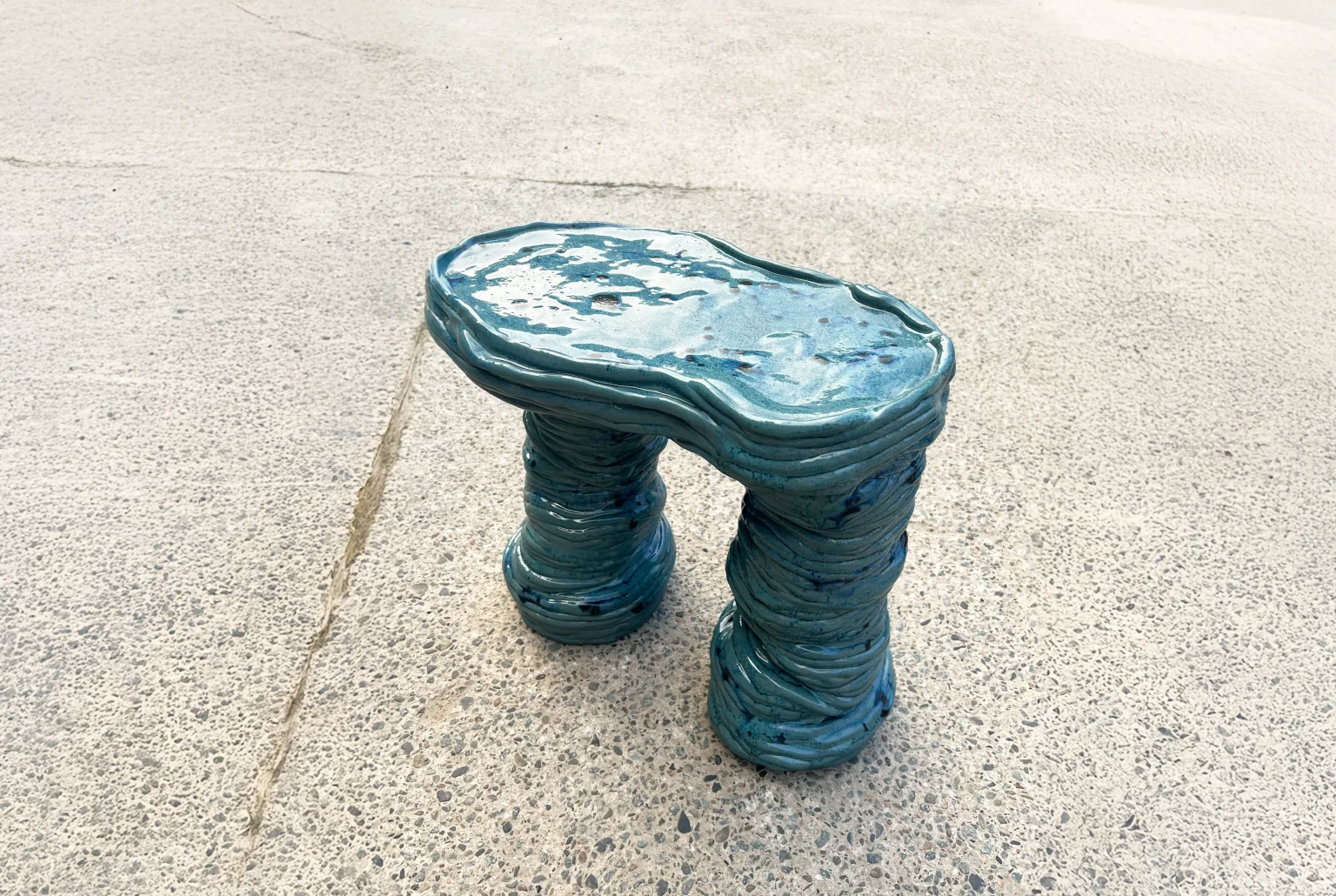
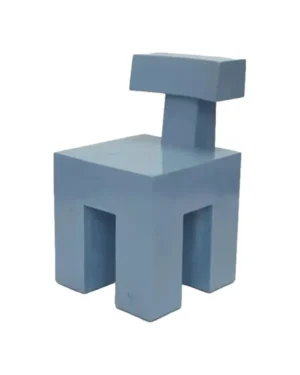
Flamingo Stool
By Mina Wright
€1.264 -
 In stock
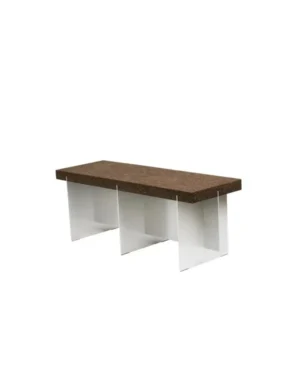
Volyk – Hand Sculpted Bench
By FAINA
€6.000 This product has multiple variants. The options may be chosen on the product page -
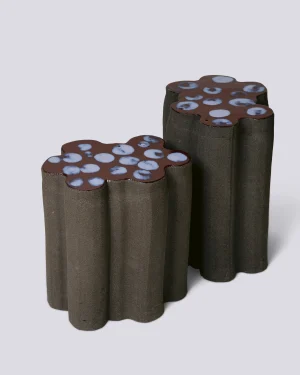 In stock
Trunk Ice and Red Poison Frog Pair Side Table in Stoneware
By Slō
€2.900 -
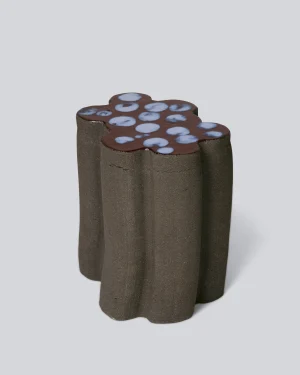 In stock
Trunk Ice and Red Poison Frog Side Table in Stoneware
By Slō
€1.495 -

Taburet – Sculptural Ceramic Low Stool
By Catalin Filip
€1.100 -
 In stock
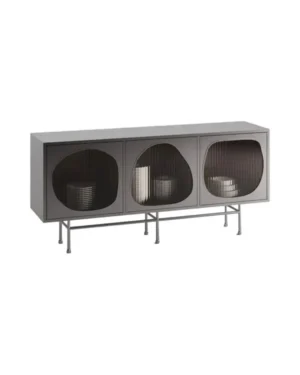
ZTISTA console
By FAINA
€2.470 -
 In stock
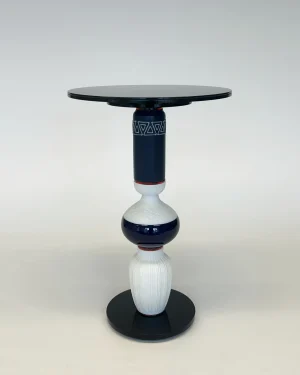
Angels Side Table in Glazed Clay and Glass
By Andreas Berlin
€3.500 -

Korotun – Ash Wood/ Clay Coffee Table
By FAINA
€8.230 -
 In stock
Blue Lagoon Stool
By LATESS
€2.000 -
 In stock
L’isola Che Non C’e’ – Sculptural Briarwood Island
By M’ama edizioni
€17.790 -
 In stock
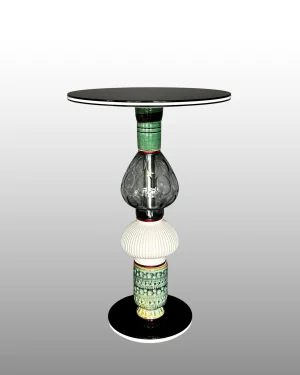
Aeroplane Side Table in Glazed Clay and Glass
By Andreas Berlin
€3.500 -
 In stock
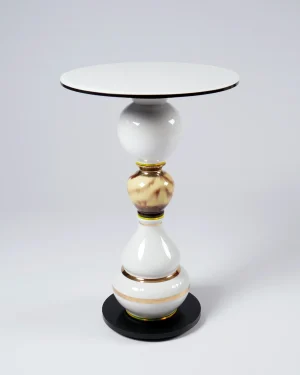
Sommers Song Side Table in Clay and Painted Glass
By Andreas Berlin
€3.500 -
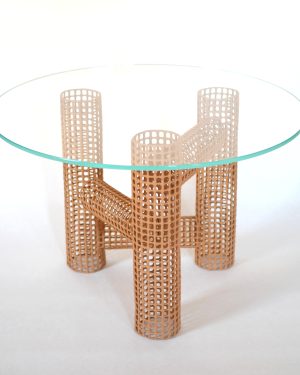
Hera Side Table
By Dzovag Kotchian
€1.400 - €1.900 This product has multiple variants. The options may be chosen on the product page
Clay furniture begins as raw earth, shaped by hand or by mold, then hardened by fire into a material that holds weight and form for generations. The studios working in this medium range from those who build stoneware seating by coil and slab to those who sculpt side tables and stools that are glazed and fired like pottery scaled up. What unites the pieces is the process: clay is pushed, pressed or thrown into shape before heat locks it in place, and no two surfaces come out quite the same.
How clay behaves in a piece of furniture
Stoneware, the clay body most often used for furniture, fires at high heat until it turns dense and nearly non-porous, able to carry weight the way stacked stone does. A glaze applied before the final firing seals the surface, closing the pores that raw clay leaves open and making a tabletop or stool resistant to everyday spills. Because the material is heavy and fired rigid, clay furniture tends to stay where it is set, anchoring a corner or a dining spot rather than moving around a room. For the full spread of shapes and finishes working in this material, every clay piece on ADORNO sits in one place.
Finishes, colors and ways of making
Glaze does most of the color work on clay furniture: blue, black, white, dark red and rose sit over stoneware or earthenware bodies, sometimes paired with aluminum or steel for legs and frames. Some studios leave a piece in two tones, black and brown, or layer several glazes on one surface for a multicolor result. Techniques range from hand-building and sculpting to glazing as a finishing step, with a smaller number of makers combining clay with 3D-printed forms or biofabricated elements, and output spans unique pieces and limited editions alongside open editions.
- Hand-built stoneware and earthenware stools, side tables and seating
- Glazed surfaces in blue, black, white, dark red, rose and multicolor
- Sculpted forms finished with aluminum or steel details
- Unique pieces and limited editions alongside open editions
Choosing a scale and finish for your room
A clay side table or stool reads differently depending on its glaze: matte surfaces in white or black sit quietly against other materials, while a glossy dark red or rose glaze catches light and asks to be noticed. Check the height against the furniture it will sit beside; a side table works best close to the arm height of a sofa or chair, a stool close to seat height. Because each piece is fired as a solid form, placement is largely permanent once chosen, so clay furniture is not built to be dragged across a floor.
Where clay furniture suits a room
Clay furniture suits rooms where a piece can stand on its own: a side table in a living room, a stool used as extra seating or a plant stand, a low table beside a bed. The weight and texture read well against wood floors, linen upholstery or painted walls, and the material holds its own next to glass and steel without needing a plinth. Studios working in a contemporary idiom often pair a single glazed table or stool with smaller clay decor in the same finish, letting one material carry a room instead of several.
Caring for clay furniture
A fired glaze protects the surface, but a sharp knock can chip the edge the way it would chip a ceramic bowl, so clay furniture is better kept clear of foot traffic and pets. Clean with a damp cloth and mild soap; abrasive pads or acidic cleaners wear through the glaze over time. Unglazed clay, left as bisque on an underside or base, is porous and will stain if liquid sits on it, so a coaster or mat under drinks is worth keeping to hand. Keep pieces indoors and away from sudden temperature swings, which can stress the fired body and cause hairline cracks. Alongside the wider range of furniture on ADORNO, clay stands apart for the way firing turns a soft material into something that holds its shape, its color and its weight for decades with only ordinary care.
How do I choose a clay furniture piece?
Look at the glaze and form first, since these set the tone of a room before function does. Consider whether the piece will carry weight, like a stool or table, or stay purely sculptural.
How do I care for clay furniture?
Wipe with a soft, dry cloth and avoid harsh cleaners, which can dull glazes. Keep glazed clay away from sudden temperature swings, as this can cause hairline cracks over time.
Is clay furniture sturdy enough for daily use?
Fired clay is dense and stable, able to anchor a room as a side table, stool or plinth. Edges can chip under hard knocks, so treat it with the same care as stoneware or ceramic tableware.
What size are clay furniture pieces?
Sizes range from low stools and side tables to larger consoles and seating, so scale depends on the piece. Check the specific dimensions on each piece's page before buying.
Which rooms suit clay furniture best?
Clay pieces suit living rooms, entryways and bedrooms, where they work well as side tables, stools or decorative anchors. Keep them away from direct outdoor exposure unless the piece is rated for it.
How does shipping, returns and authenticity work on ADORNO?
Shipping is insured and worldwide. Returns are accepted within 14 days, except made-to-order pieces, and every piece arrives with a certificate of authenticity.