

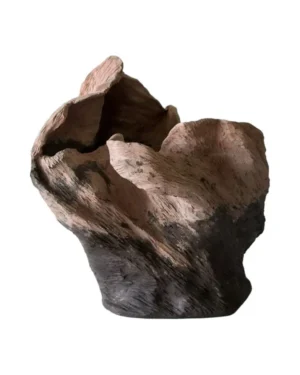
-
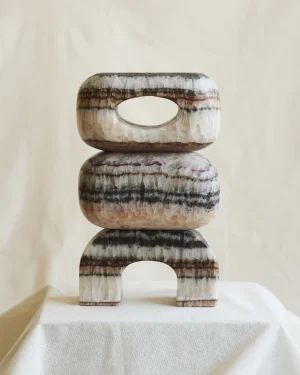
Artefacto Mármol Ls 01
By LØRDAG & SØNDAG
€900 This product has multiple variants. The options may be chosen on the product page -
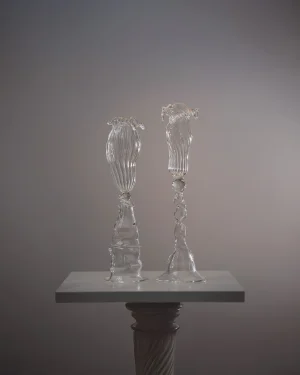
Cariño – Glass Sculptures
By PIA GLASSWORKS
€400 -

Soft Goblet Sculptural Vessel
By Panorammma Atelier
€4.800 -

Reflection Glass Sculpture
By PIA GLASSWORKS
€289 -

Set No. 1 Of 3 Kawa Vases – Organic Leather-cast Ceramics
By Luft Tanaka Studio
€2.550 -

Fire Totem In Walnut
By ZEMNA
€530 -
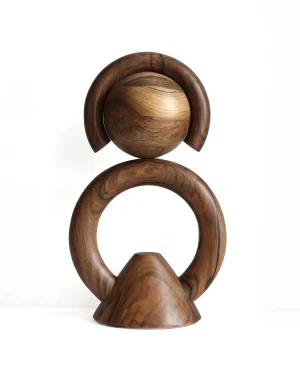
Air Totem In Walnut
By ZEMNA
€530 -
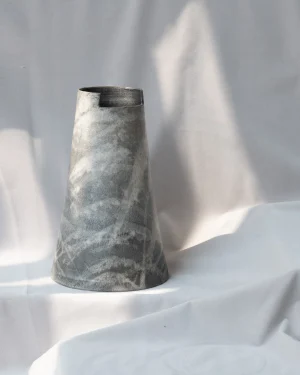 In stock
Cut High – Naked Stone
By Studionudo
€810 -

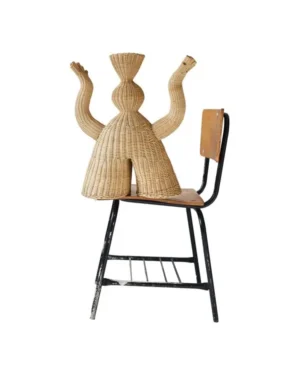
ZM Tikal Sculpture
By Daniel Orozco Estudio
€1.925 -

Earth Totem In Walnut
By ZEMNA
€530 -
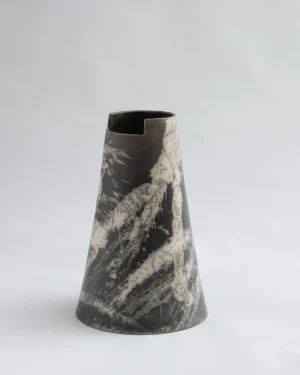 In stock
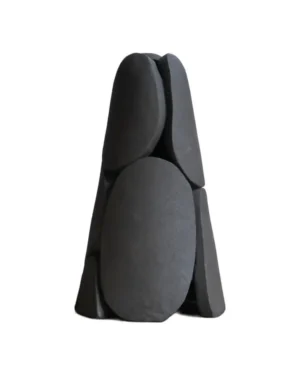
Cut High – Naked Dark
By Studionudo
€810 -
 Sold
Artefacto Bronce Ls 01 – Lost-wax Casted Bronze Sculpture
By LØRDAG & SØNDAG
€1.355
Art deco sculptures bring the geometry of the 1920s and 1930s into present-day rooms: stepped forms, symmetrical silhouettes, and polished or honed surfaces that catch light at an angle. Independent studios working in marble, bronze-finished metal, cast glass, and dense woods interpret the style through carving, glazing, and glassblowing rather than through applied ornament. The result is an object built on proportion and repetition, not decoration layered on top of a plain form.
What defines the art deco style in a sculpture
Art deco favors geometry over naturalism: stacked cylinders, fluted columns, sunburst profiles, and stepped bases that read as architecture in miniature. Surfaces tend toward a controlled shine, whether that comes from a polished stone face, a glazed ceramic skin, or glass worked smooth under heat. Where the earlier decorative tradition used exotic veneers and inlay, today's studios get the same sense of precision from honest material and a tight, deliberate silhouette.
Color in this style stays disciplined. Clear and black glass, charcoal and bronze-toned stone, white porcelain, and the natural brown of walnut all appear because they hold an edge and a reflection without distracting from the form. A sculpture built this way reads as a single gesture, even when it is assembled from several volumes.
The materials and techniques behind the range
Marble and other stone pieces are stone-carved, their weight and cool surface doing much of the work; volcanic stone brings a rougher, more matte version of the same geometry. Ceramic and porcelain forms are wheel-thrown or glazed, sometimes finished with raku for a surface that varies piece to piece. Glass sculptures come from glassblowing or lampworking, processes that let a studio pull sharp deco lines out of a material that is otherwise fluid. Walnut and other woods are shaped through wood carving or cabinetmaking, which lets a maker keep the grain visible inside a strict, faceted outline.
- Stone and marble: carved, honed or polished, suited to a cool, weighted presence
- Ceramic and porcelain: wheel-thrown or glazed, sometimes raku-fired for surface variation
- Glass: blown or lampworked, often clear or black, built for reflected light
- Walnut and other woods: carved or joined, warmer in tone and touch
Editions vary by studio and material. Hand-shaped work in stone, wood, or glass is more often produced in limited editions or as one-offs, while some ceramic and cast forms are made as open editions and restocked over time.
How to choose a piece for scale and placement
Start with sightline rather than floor space: a small deco sculpture on a sideboard or shelf needs to sit at eye level or just below it to register its geometry, while a larger carved or cast piece can anchor a console, a hallway table, or the floor beside a seating group. Stone and glass carry visual weight even in a compact size, so they can hold a room on their own; wood and ceramic forms often work better in pairs or in dialogue with other objects nearby.
Finish matters as much as size. A polished marble or glass surface throws light and suits a room that already has some sheen, from lacquered furniture to metal fixtures, while a matte stone, raku glaze, or oiled walnut sits more quietly against plaster, linen, or unfinished wood. Pairing a sculpture's finish with the room's existing materials keeps the piece from fighting its surroundings.
Where these sculptures sit in a room
Entryways and consoles are natural homes for a single statement piece, since the form can be read from across the room. Living rooms take deco sculpture well on a low credenza or shelving unit, where the stepped geometry plays against straight furniture lines. Bedrooms and studies suit smaller stone or ceramic forms placed close to hand, where their surface and weight become part of daily use rather than distant display. For a fuller sense of the period's range, the broader art deco accessories and art deco furniture groupings show how the same geometry carries into lighting, seating, and casework.
Caring for stone, glass, ceramic, and wood
Marble and other porous stones stain and etch on contact with oil, wine, or acidic liquids, so they're best kept away from direct food and drink service and wiped with a dry or barely damp cloth. Glass sculptures need only dusting and a soft cloth with glass cleaner, kept clear of sharp edges or stacked objects. Glazed ceramic and porcelain tolerate light dusting and the occasional damp wipe, while raku-fired surfaces, being more porous, prefer a dry cloth only. Walnut and other carved woods benefit from stable indoor humidity and an occasional pass of furniture wax or oil to keep the grain from drying out.
For the wider set of forms this style belongs to, the full sculpture collection spans ceramic, glass, stone, and wood across several design eras, while every art deco piece on ADORNO places these sculptures alongside lighting and furniture built on the same geometric language. For a tighter look at the style within interior objects, art deco decor gathers related pieces beyond sculpture alone.
How do I choose an art deco sculpture?
Look for the geometry that defines the style: stepped forms, symmetry, and polished surfaces in marble, bronze tones, or dense woods. Pick a piece whose scale and finish match the light and material already in the room.
What materials are art deco sculptures made from?
Common choices include marble, stone, walnut and other dense woods, cast glass, and ceramic, often finished smooth or polished to catch light. Each material carries its own weight and sheen, central to the art deco look.
How do I care for a marble, stone, or wood sculpture?
Dust marble and stone with a dry or lightly damp cloth, and keep them away from acidic liquids that can stain or etch the surface. Wood pieces prefer stable humidity and an occasional wipe with a dry cloth, away from direct sun.
What size sculpture should I buy, and does height matter?
Tabletop sculptures generally work best between 20 and 50 centimeters, while floor pieces can rise well above that to anchor a corner or console. For exact dimensions on a specific piece, chat with the maker on its page.
Which rooms suit art deco sculptures?
Their geometric lines and polished materials suit living rooms, entryways, and studies, especially near wood paneling, brass fixtures, or deep color walls. They also hold their own on a bedroom dresser or a library shelf.
How does shipping, returns, and authenticity work when I buy from ADORNO?
Shipping is insured and worldwide, with a 14-day return policy, excluding made-to-order pieces. Every sculpture comes with a certificate of authenticity, backed by a lowest-price guarantee.