-
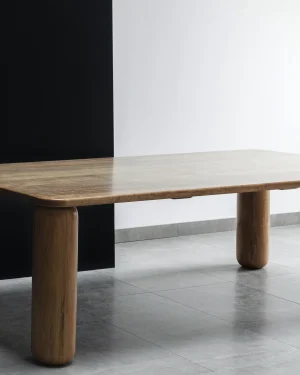
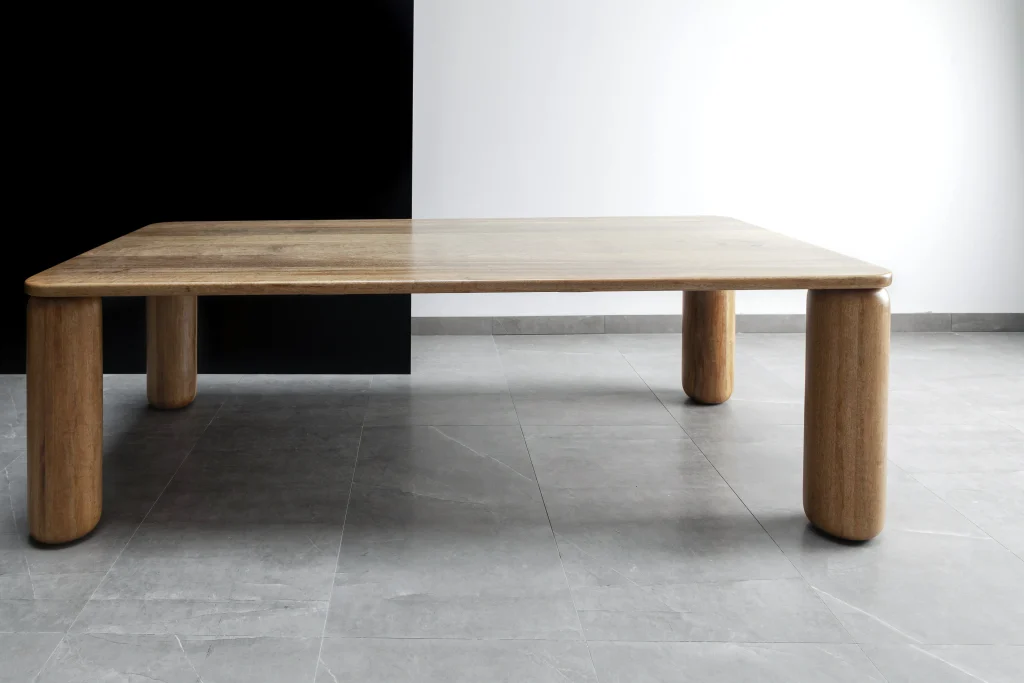
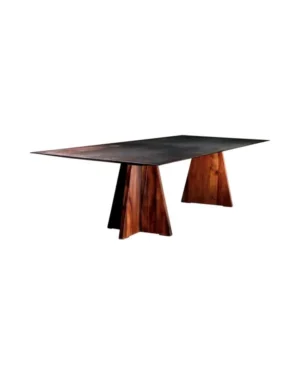
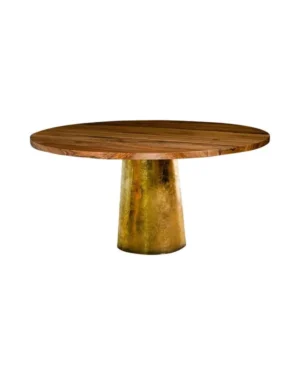
Well Grounded Dining Table in Solid Wood
By Laluz Handcraft
€5.040 -
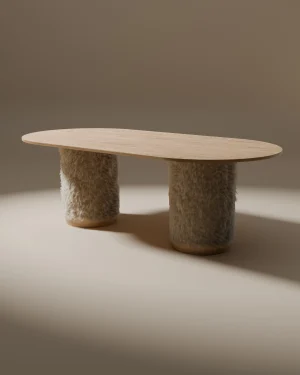
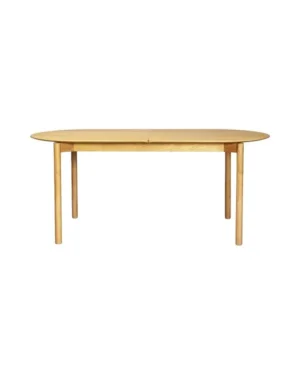
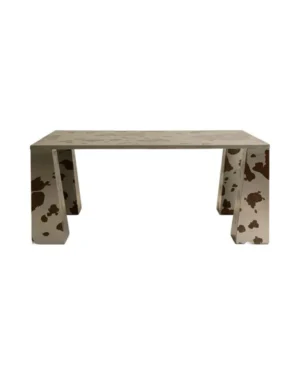
Cacu Dining Table in Oak, MDF and Fur
By Joana Teixeira
€4.250 -
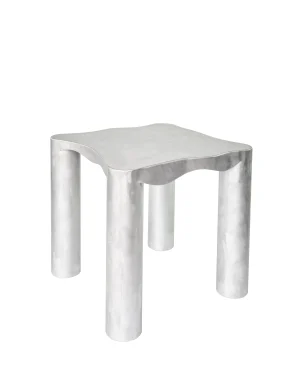
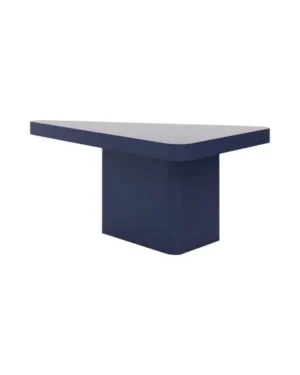
Six Dots Kitchen Dining Table in Aluminum
By Six Dots Design
€2.550 -
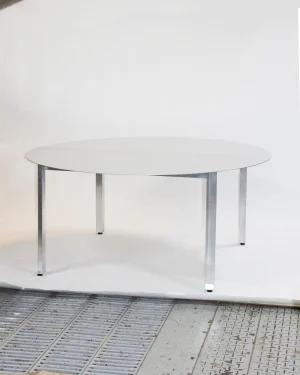
Canto Round Dining Table in Anodized Aluminum
By Luiz Solano
€1.180 - €1.680 This product has multiple variants. The options may be chosen on the product page -

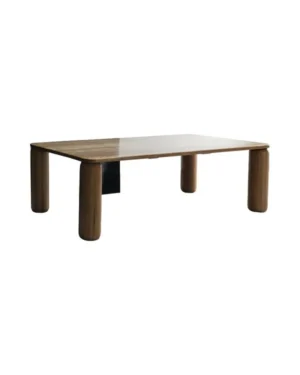
Phylum Dining Table in Marble, Travertine and Oak
By CMX | Furniture
€23.707 -
 In stock
Luna 300 Dining Table in Oak and Walnut
By Arbore x Cezar Moldovan
€13.830 -
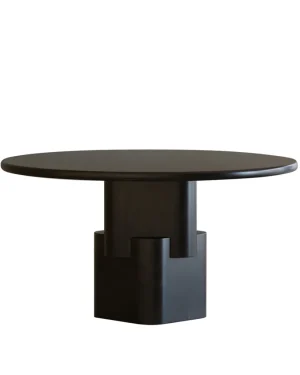
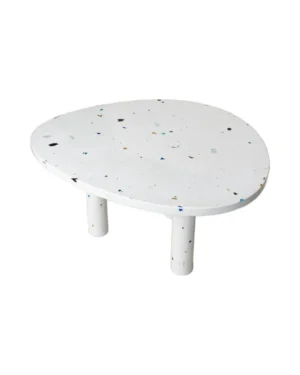
Hook Dining Table in Stone-Textured Lacquered MDF
By hermhaus
€3.632 -
10% off

Untreatable Dining Table in Steel
By ORFEO STUDIO
€19.000€17.100 -
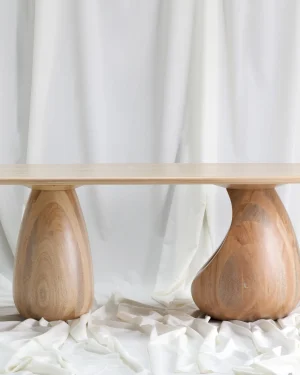
Mar Dining Table in Solid Wood
By Laluz Handcraft
€7.800 -
 In stock
T60 Dining Table in Aluminum and Textile
By FabBRICK
€9.965 - €11.385 This product has multiple variants. The options may be chosen on the product page -
 In stock
Estratos Dining Table in Laminated Plywood
By Aldo Montes de Oca
€4.500 -

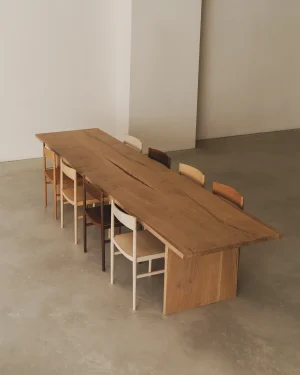
Brut Dining Table in Solid Oak and Walnut
By Mokko
€8.960 - €16.430 This product has multiple variants. The options may be chosen on the product page -
 In stock
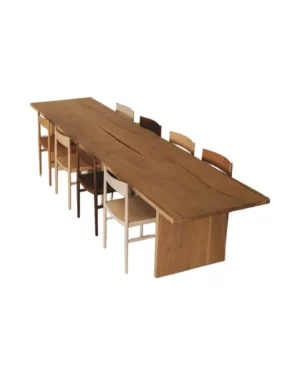
Bookmatched Slabs Dining Table In Solid Oak
By Mike Hausmann
€10.800 -

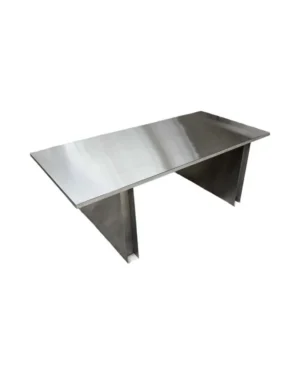
T-Table Dining Table in Folded Aluminum
By Obscure Objects
€3.500 -

Aperta Rectangular Dining Table in Oak and Walnut
By Mokko
€7.240 - €15.170 This product has multiple variants. The options may be chosen on the product page -
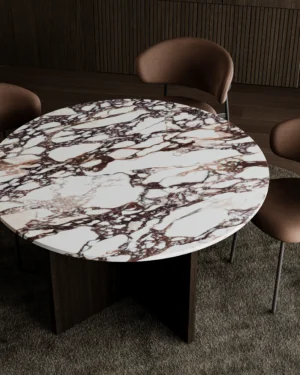
Hakata Dining Table in Calacatta Viola Marble and Oak
By Lebanto
€9.800 -
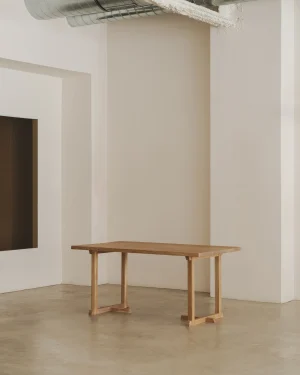
Nicola Dining Table In Solid Oak
By Mike Hausmann
€3.500 -
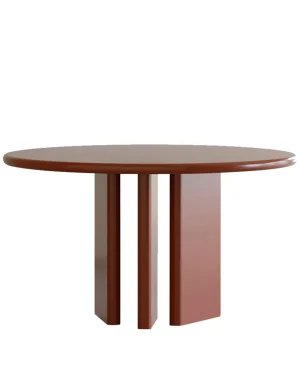
Cozy Dining Table in Lacquered MDF
By hermhaus
€3.635 -
 In stock
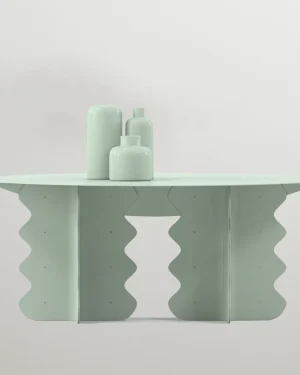
Hvylya Dining Table in Handcrafted Metal
By SVITANOK
€2.830 - €3.050 This product has multiple variants. The options may be chosen on the product page -
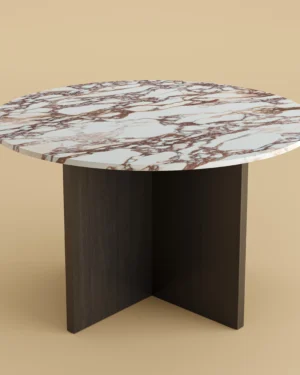
Hakata Dining Table in Arabescato Vagli Marble and Oak
By Lebanto
€9.800 -
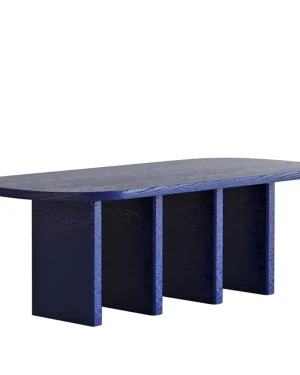
Bug Dining Table in Varnished Maple Veneer
By hermhaus
€6.670 -
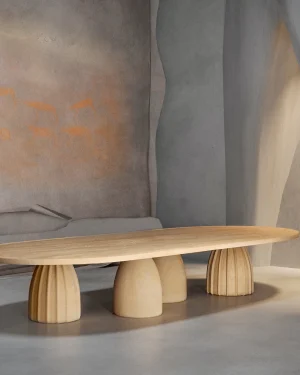
Djembe Dining Table in Walnut
By Alter Ego Studio
€8.420 -

Fision Dining Table in White Oak and Steel
By Toro Manifesto
€4.500 -
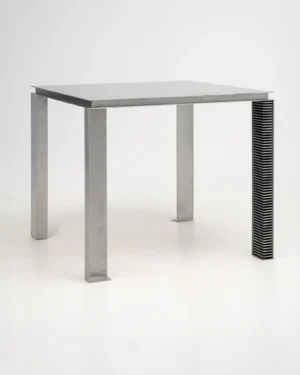
Strut Dining Table in Aluminum
By Yet Design Studio
€4.725 - €4.995 This product has multiple variants. The options may be chosen on the product page -
 In stock
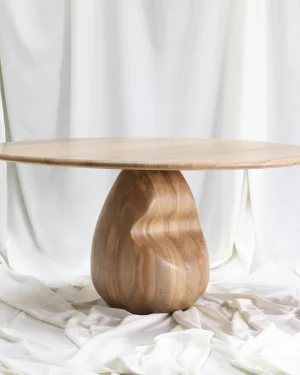
Droplet Dining Table in Solid Wood
By Laluz Handcraft
€6.960 -

Cadence Dining Table in Oak and Walnut
By Mokko
€7.290 - €18.720 This product has multiple variants. The options may be chosen on the product page -

Aluminium Dining Table in Thick Aluminum
By Six Dots Design
€3.174 -
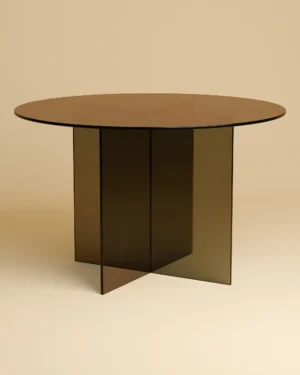
Sado Dining Table in Italian Glass
By Lebanto
€3.750 This product has multiple variants. The options may be chosen on the product page -
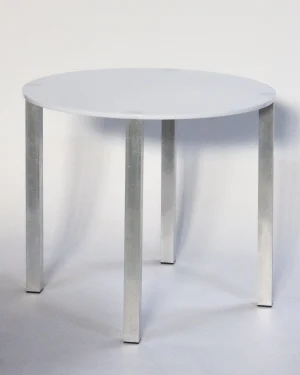
Acrilar Dining Table in Acrylic and Aluminum
By Luiz Solano
€1.500 -
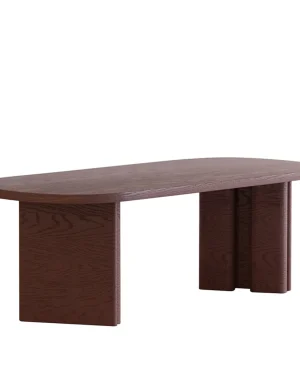
Curve Dining Table in Varnished Maple Veneer
By hermhaus
€6.670 -
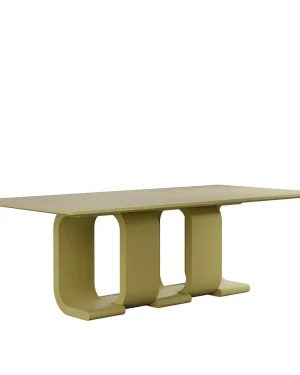
Turn Dining Table in Matte Lacquered MDF
By hermhaus
€6.605 -
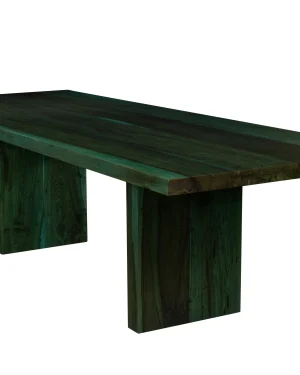
Andre Verdi Dining Table in Argentine Rosewood
By Costantini Design
€12.420 -
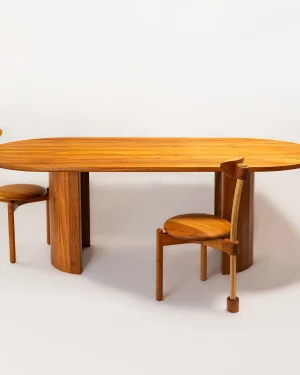
Arco Dining Table in Reclaimed Wood
By Estúdio Simbiose
€7.190 -

Onor Dining Table in Needled Aluminum
By linnvstudio
€6.475 -

NMX.00 Dining Table in Copper and Glass
By NM3
€13.757 -
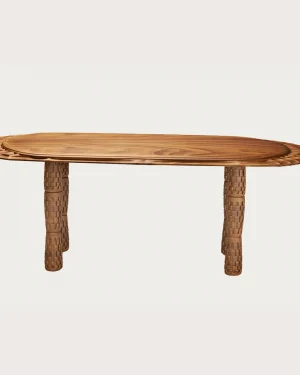
Mascot Dining Table in Solid Wood
By Alter Ego Studio
€8.600 This product has multiple variants. The options may be chosen on the product page -

Pretzel Dining Table in Solid Oak
By Deya
€2.283 -

Why Dining Table in Folded Aluminum
By Obscure Objects
€4.100 -
 In stock
Luna 340 Dining Table in Oak and Walnut
By Arbore x Cezar Moldovan
€16.677 -
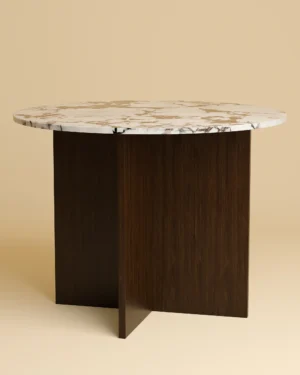
Dalma Dining Table in Calacatta Viola Marble and Oak
By Lebanto
€6.100 -
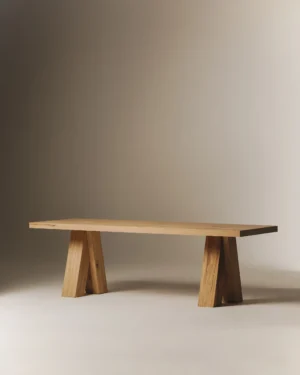
Hug Dining Table in Solid Chestnut
By Mike Hausmann
€12.850 -

Andre Dining Table in Argentine Rosewood
By Costantini Design
€13.000 -
 In stock
Luna 250 Dining Table in Oak and Walnut
By Arbore x Cezar Moldovan
€11.740 -
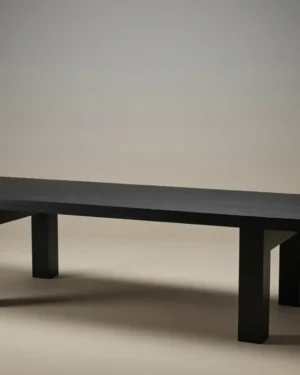 In stock
José María Dining Table in Solid Oak
By NO AGE STUDIO
€6.321 -
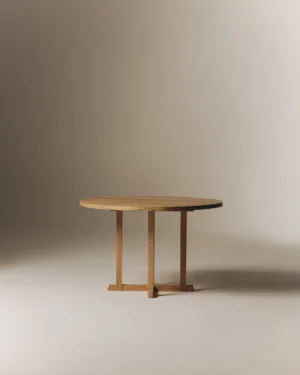 In stock
Nicola Round Dining Table in Solid Oak
By Mike Hausmann
€9.980 -
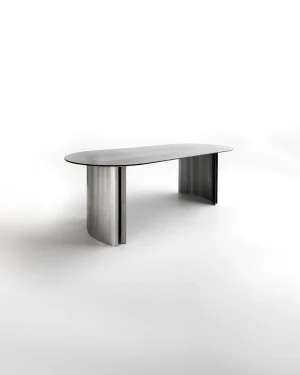
Smoked Glass Dining Table in Stainless Steel and Glass
By case studios
€9.800 - €13.400 This product has multiple variants. The options may be chosen on the product page -
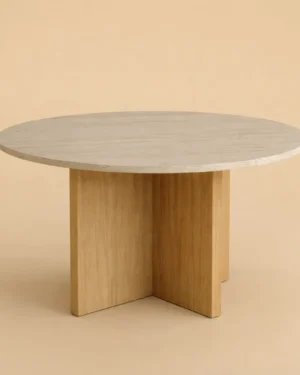
Hakata Dining Table in Roman Travertine and Oak
By Lebanto
€8.500 -
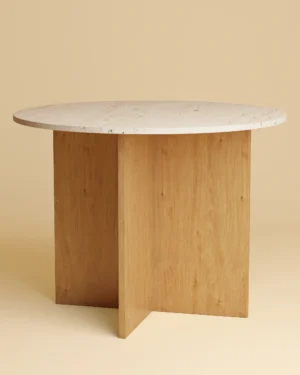
Dalma Dining Table in Roman Travertine and Oak
By Lebanto
€5.600 -
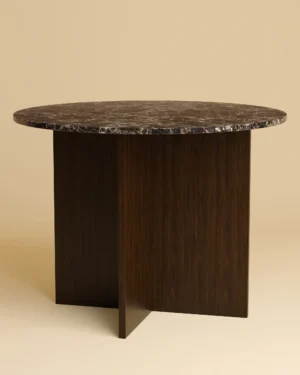
Dalma Dining Table in Emperador Dark Marble and Oak
By Lebanto
€6.100 -
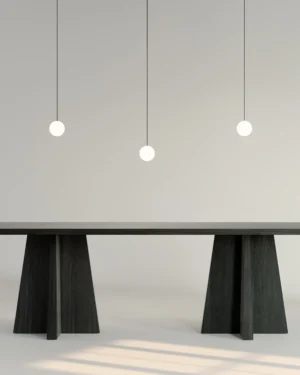
Bündner SQR Dining Table in Ash Wood
By Joana Vilaça Studio
€11.900 -
 In stock
Abacus Dining Table in Steel and Solid Oak
By Pierre-Emmanuel Vandeputte
€3.967 - €4.297 This product has multiple variants. The options may be chosen on the product page -

Reeconfigure Dining Table in Marble and Veneered MDF
By StorqueStudios
€2.678 -
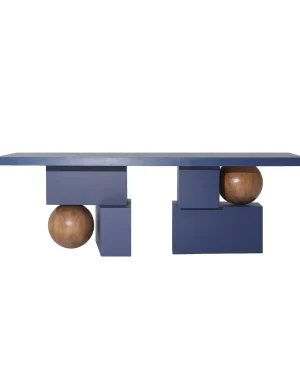
Mess Dining Table in Ash Wood and Stainless Steel
By SALAK Studio
€8.990 -

Single Mess Dining Table in Ash Wood and Steel
By SALAK Studio
€5.990
Minimalist dining tables pare the form down to what carries weight: a top, a support, a joint or weld that holds. Studios working in oak, walnut, marble and cast bronze favor straight edges, single-material construction and visible structure over ornament. What stays on the surface is proportion and finish, not decoration.
What defines a minimalist dining table
A minimalist table reads as one gesture rather than a set of parts. Legs meet the top without turned details or applied trim, aprons are kept shallow or dropped altogether, and the silhouette holds up from every angle. Where a base splits into a pedestal or cross-leg form, the lines stay few and the geometry does the work that carving or inlay would do elsewhere.
Color follows the same logic. Tables in this style tend toward the tones their materials give naturally: the beige and cream of unbleached oak, the gray and brown of honed stone, the amber or clear warmth of walnut and bronze left to show its own grain or patina. Paint and lacquer appear rarely, and only where they flatten a surface rather than decorate it.
Materials and techniques found here
Oak and walnut dominate, worked through wood and cabinetmaking or joinery that leaves the grain readable and the joints exposed rather than hidden. Solid oak tops are cut thick enough to resist warping and are usually finished with oil or hardwax rather than a sealed lacquer, so the wood keeps breathing with the room.
Stone and marble tables come from quarried slabs shaped through stone carving, prized for the veining and the way the surface stays cool to the touch. Bronze appears less often, cast or worked through metalwork into legs, trestles or single-slab bases that carry visible weight without visible fixings. Most of what is made this way falls into open editions, with occasional unique pieces where a slab of stone or a cast base cannot be exactly repeated.
How to choose one
Scale matters more in a pared-down table than in an ornamented one, since there is no detail to distract from a base that is too heavy or too thin for the room. Measure the dining room's width with chairs pulled out, not just the floor space under the table, and leave enough clearance to walk around it when seated.
Standard table heights run close to 29 to 30 inches, so check that against the chairs already in the room before committing to a base. A few other things to weigh:
- Top thickness relative to the base, since a thin top on a heavy pedestal can look unfinished, and the reverse can look fragile
- Finish and sheen, matte oil finishes on wood or honed stone read quieter than polished marble or bronze
- How the table meets the floor, a plinth base anchors a room differently than four slim legs
Where these tables sit well
Minimalist dining tables suit dining rooms and open kitchens where the table is the main fixed object in the room and the walls, floors and lighting are kept plain around it. They also work in smaller apartments where one table has to double as a work surface, since the lack of apron or stretcher leaves legroom free on every side. For a broader view of the style beyond tables, the full range of minimalist pieces on ADORNO spans seating, lighting and objects built on the same restraint.
Care by material
Oak and walnut want a stable, moderate humidity and an oil or wax finish renewed every year or two rather than a hard lacquer, which can crack and is difficult to repair locally. Marble and other natural stone stain from wine, oil and citrus, so a sealant applied at intervals and prompt wiping after spills matter more than any daily routine. Bronze develops a patina on contact and with air; wiping rather than polishing lets that darkening happen evenly across the surface.
For a wider look at dining tables in other styles and materials, the full dining table range sits alongside more specific groupings such as wooden dining tables and metal dining tables, useful starting points if oak, walnut, stone or bronze is the fixed point and style is still open. Those drawn to the same restraint in other table forms can also look at minimalist tables across side tables, console tables and occasional pieces.
How do I choose a minimalist dining table?
Start with the room, not the shape. Look for a single dominant material, oak, stone or bronze, and a form reduced to top and support, so the piece reads as one clear gesture rather than several.
What materials are minimalist dining tables usually made from?
Oak and walnut are common, often solid or jointed rather than veneered, alongside marble, natural stone and bronze. Each material is left close to its raw state, with grain, veins or patina doing the visual work instead of ornament.
How do I care for a wood, stone or bronze dining table?
Wipe wood with a damp cloth and oil it occasionally to resist drying. Seal marble and stone against acidic spills, and let bronze develop its patina naturally rather than polishing it bright.
What size and height should a dining table be?
Standard dining height runs around 28 to 30 inches, comfortable with most chairs. Length and width depend on how many people need to sit and move around it, so measure the room before the table.
Which rooms suit a minimalist dining table?
Open-plan kitchens, small dining nooks and larger dining rooms all work, since a pared-back table carries weight without crowding a space visually. It tends to anchor a room rather than compete with it.
What are ADORNO's shipping, returns and authenticity policies?
Shipping is insured and worldwide. Returns are accepted within 14 days, except on made-to-order pieces, and every piece arrives with a certificate of authenticity. ADORNO also offers a lowest-price guarantee.