-
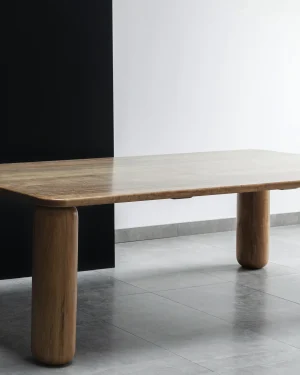
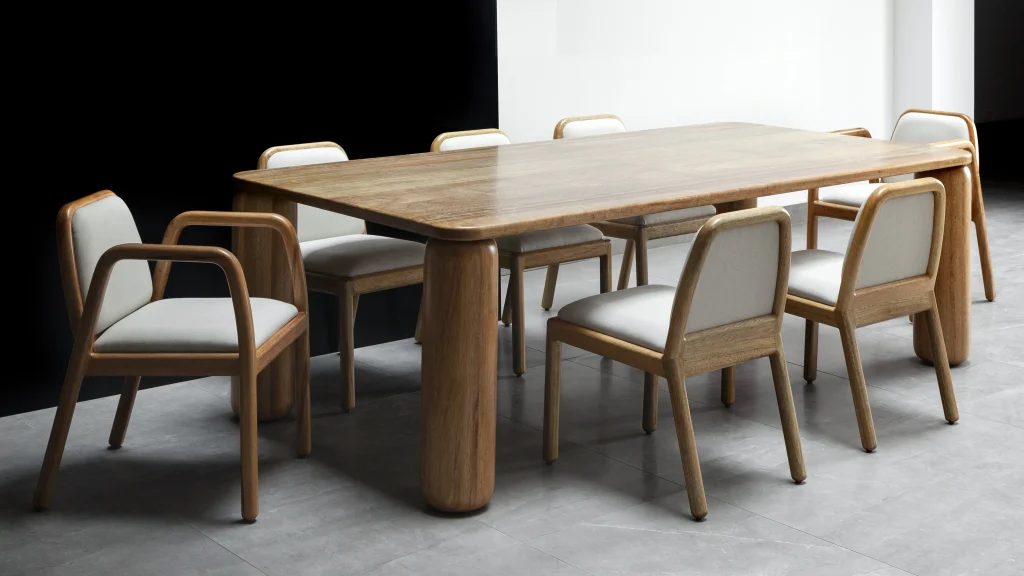
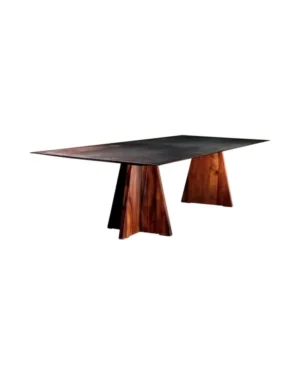
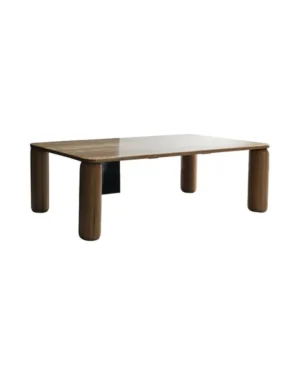
Well Grounded – Minimalist Wood Dining Table
By Laluz Handcraft
€5.040 -
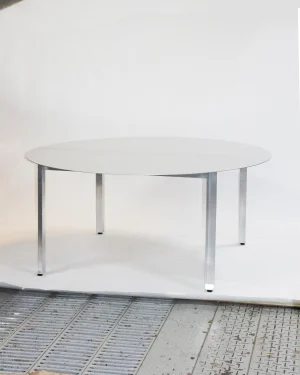
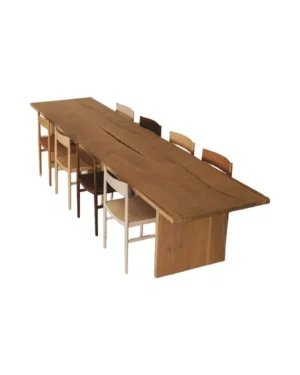
Canto – Aluminum Round Table / Desk
By Luiz Solano
€1.180 - €1.680 This product has multiple variants. The options may be chosen on the product page -
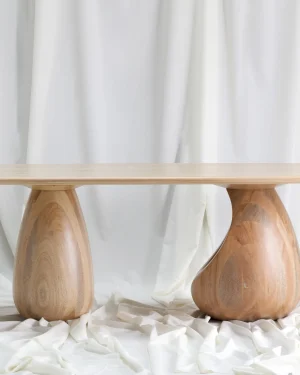
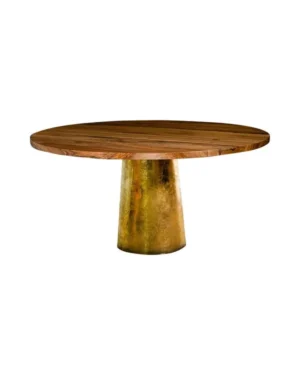
Mar – Asymmetric Wood Dining Table
By Laluz Handcraft
€7.800 -

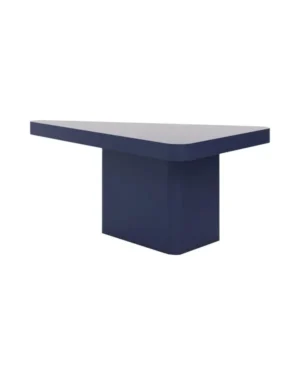
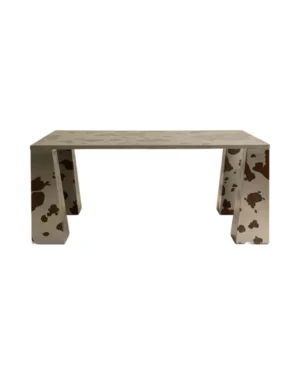
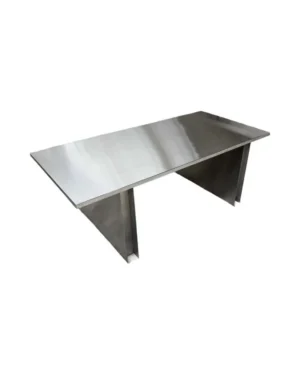
Untreatable – Steel Dining Table
By ORFEO STUDIO
€19.000€17.100 -
 In stock
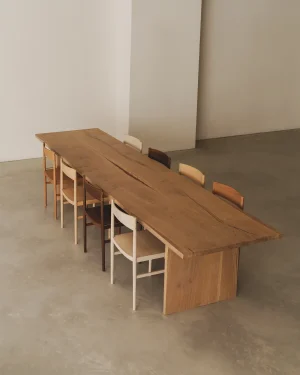
Bookmatched Slabs Table
By Mike Hausmann
€10.800 -
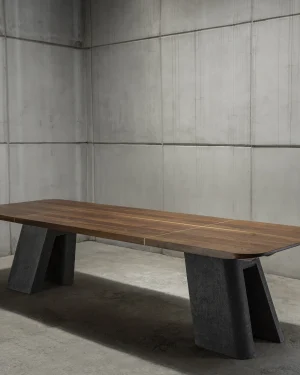
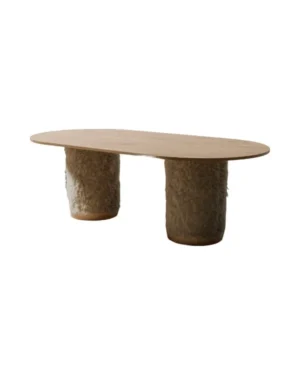
Nashii – Sculptural Dining Table Made Of Lava Stone And Solid Wood
By CMX | Furniture
€35.086 -
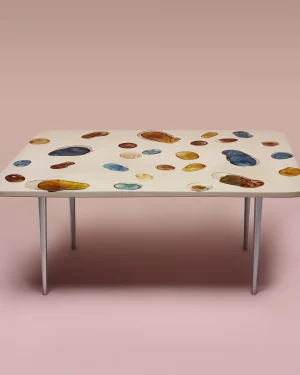
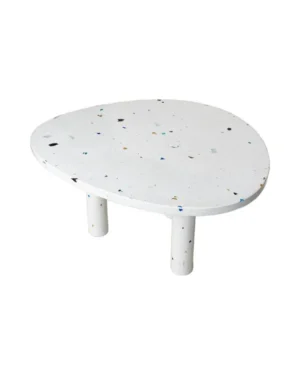
Plano – Terrazzo Dining Table
By Assimply Studio
€8.900 -
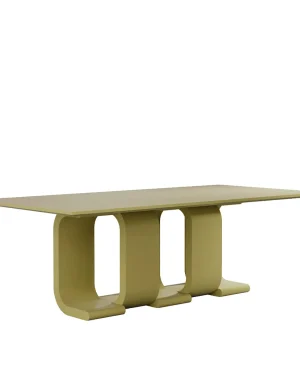
Turn Dining Table
By hermhaus
€6.605 -
 In stock
Black Teak – Dining & Ping Pong Table
By NO AGE STUDIO
€6.200 -
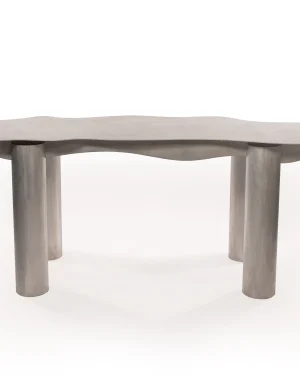
Contemporary Vanity – Aluminum Dining Table
By Six Dots Design
€1.750 -

NMX.00 Copper and Glass Dining Table
By NM3
€13.757 -
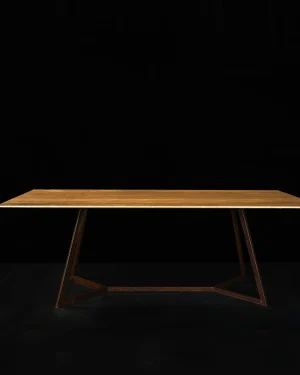
Trapeze Tr4 – Travertine Dining Table
By DFdesignLab
€6.000 -
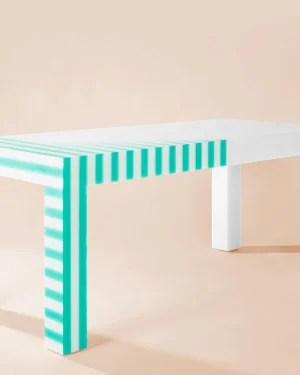
“Siena” Table
By Adrian Cruz
€12.000 -
 In stock
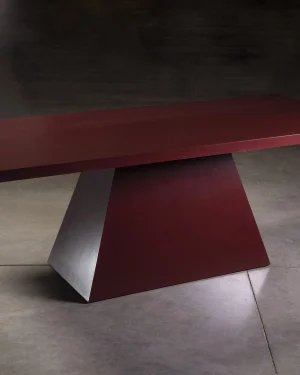
Bdr – Dark Red Dining Table
By NO AGE STUDIO
€6.100 -
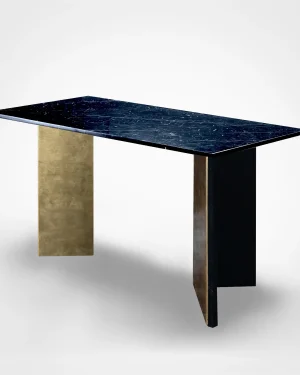
Scorcio – Nero Marquinia Dining Table
By DFdesignLab
€7.500 -
 In stock
8272 Oak Dining Table
By NO AGE STUDIO
€6.500 -
 In stock
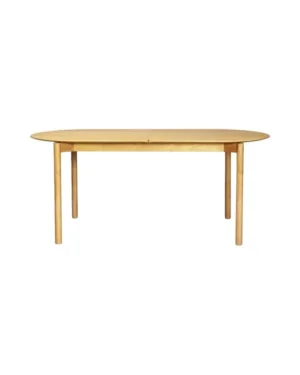
3737 – Solid Oak Dining Table
By NO AGE STUDIO
€5.500 -
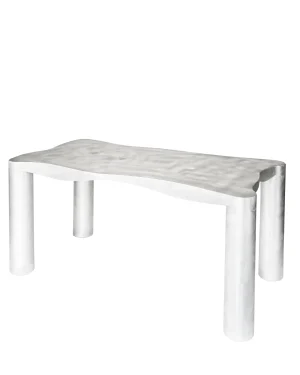
Aluminum Dining Table
By Six Dots Design
€4.950 -
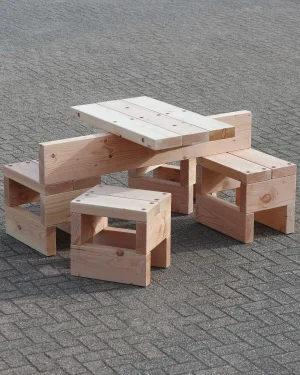
Timber Picnic Table
By Studio Onno Adriaanse
€4.500 -
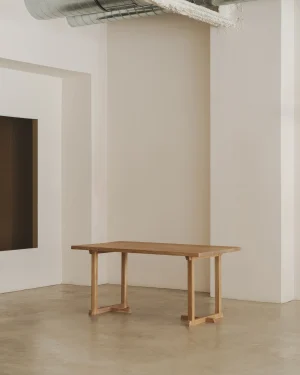
Nicola Table
By Mike Hausmann
€3.500
Rectangular dining tables hold a straight-edged geometry that reads as calm rather than decorative, and the studios working in this shape favor long, unbroken lines over curves. Oak and other hardwoods remain the most common choice, worked through traditional wood and cabinetmaking, though welded steel, cast aluminum and lacquered finishes appear often enough to shift the tone from rustic to industrial. The shape itself does the work: a rectangle seats more people along its length than a round or square table of comparable footprint, which is part of why it has stayed the default for family and communal dining.
What defines the rectangular shape in a dining table
A rectangle gives a table two long sides and two short ends, which concentrates seating where it is needed and leaves the center of a room open. Proportions vary: some tops run narrow and long for corridor-shaped rooms, others wider and shorter for square dining rooms that need more surface than length. The straight edge also suits bench seating along the sides, with chairs kept to the ends, a pairing that works well for tables built for everyday use rather than occasional gatherings.
Materials, finishes and techniques found here
Oak and other hardwoods dominate, left in a natural tone or darkened, and shaped through wood carving or straightforward joinery depending on the studio. Metal appears as a structural base more often than a full top: steel and aluminum frames, finished through metalwork or anodising, support wood, stone or lacquered tops and read as lighter than solid timber. Bronze and lacquer surfaces bring in color, from off-white and beige through olive, dark green and dark red, while stone carving produces heavier, cooler tops suited to a fixed position in a room. Stylistically, the shape covers a wide range, from tables built on minimalist lines with no ornament beyond the join of leg and top, through Scandinavian and Bauhaus references, to brutalist pieces that leave weld seams or saw marks visible. Most pieces are open editions, made to a standing design; where a studio limits a run, that is noted on the individual piece rather than assumed across the type.
How to choose a rectangular dining table
Start with the room rather than the table: measure the length of wall or floor area available and leave clearance on every side for chairs to be pulled back and walked past. Standard dining height runs close to 29 to 30 inches, which is worth checking if a base or top looks unusually thin or thick in photographs. Consider the finish against daily use: a matte lacquer or oiled oak surface will show wear differently than a glossy or stone top, and a pale color such as off-white or beige will mark more visibly than a dark bronze or black finish.
- Measure the space, including room to pull out chairs and walk around the ends.
- Match the base material to the floor and existing furniture, rather than the top alone.
- Weigh how a finish will age, since wood darkens and metal can show a living patina while lacquer tends to hold its surface.
Where these tables work
The long, straight form suits a dedicated dining room with its own wall run, but it also works as a kitchen table pushed against one side, or as a work surface in an open-plan space where the shape reads as an extension of a counter line. Rectangular dining tables tend to anchor a room more firmly than round ones, since the eye reads the straight edges as a boundary. For a wider sense of how the shape behaves outside dining rooms, pieces across other categories are gathered under rectangular shapes on ADORNO.
Caring for wood and metal surfaces
Oak and other hardwoods benefit from a stable room temperature and an occasional wipe with a damp, not wet, cloth, since standing water can lift an oiled or waxed finish over time. Metal bases in steel or aluminum resist daily wear well but should be kept dry at the joints to avoid corrosion, particularly where a piece sits near a kitchen sink or an exterior door. Stone tops stain more readily than wood or metal and are best sealed and wiped promptly after spills from wine, oil or citrus. For a broader look at timber options alongside the rectangular shape, see the full range of wooden dining tables, or compare against metal dining tables for a lighter, more industrial base. The full spread of shapes and materials sits within all dining tables, useful for comparing a rectangular top against round or oval alternatives before settling on one.
How do I choose a rectangular dining table?
Start with the shape of the room: rectangular tables suit long, narrow spaces and line up well against walls. Consider seating needs and material next, since wood, stone and metal each bring a different weight to a room.
What materials are rectangular dining tables made from?
Oak and other hardwoods are common, along with steel, aluminum and bronze bases paired with wood or stone tops. Each material carries its own care routine and ages differently over years of use.
How do I care for a wood or metal dining table?
Wood tables need regular oiling or waxing and protection from direct sun and standing water. Metal bases generally need only a wipe down, though untreated steel can mark or develop surface rust over time.
What size and height should a rectangular dining table be?
Standard dining height runs around 28 to 30 inches, comfortable for most chairs and benches. Length depends on how many people need to sit along the sides versus the ends.
Which rooms suit a rectangular dining table?
Rectangular tables work well in long dining rooms, open-plan kitchens and spaces where a table needs to sit flush against a wall. Their straight lines also make them easy to extend with additional seating.
What happens if I need to return or ship my table?
Shipping is insured and worldwide. Pieces can be returned within 14 days, though made-to-order tables are excluded, and each one arrives with a certificate of authenticity and a lowest-price guarantee.