-
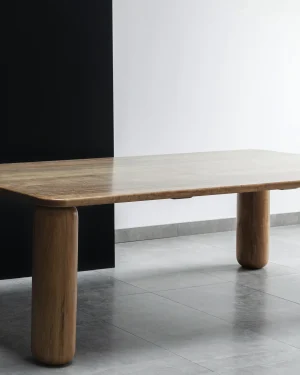
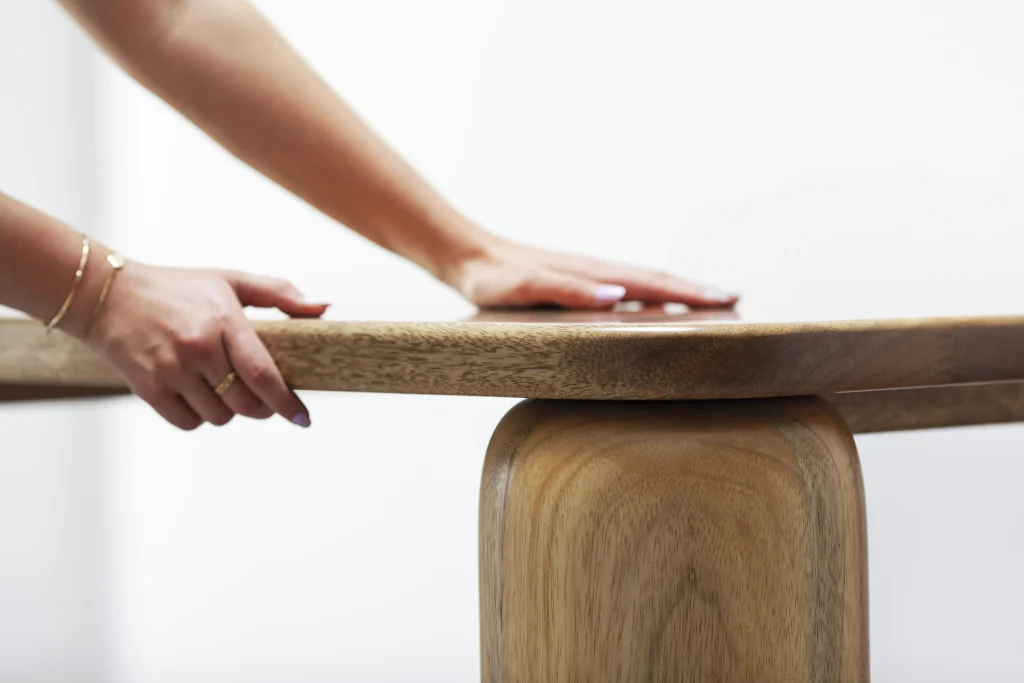
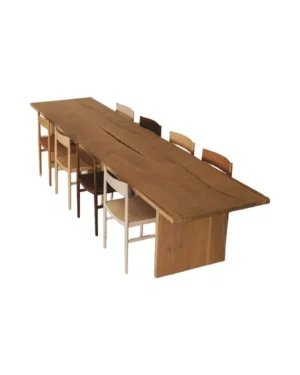
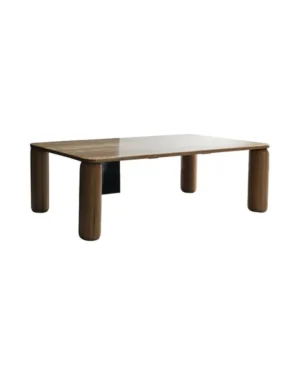
Well Grounded – Minimalist Wood Dining Table
By Laluz Handcraft
€5.040 -
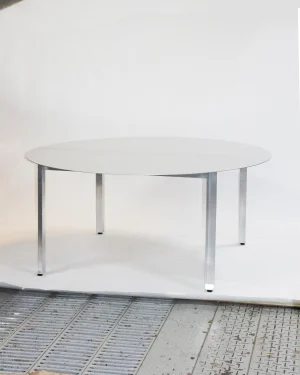
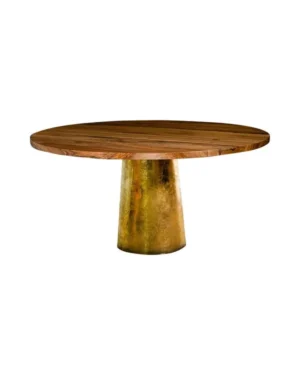
Canto – Aluminum Round Table / Desk
By Luiz Solano
€1.180 - €1.680 This product has multiple variants. The options may be chosen on the product page -
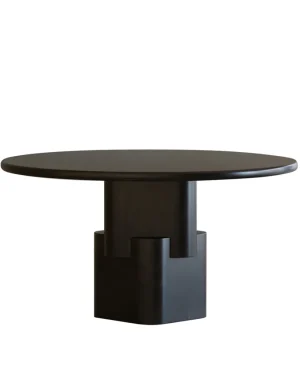
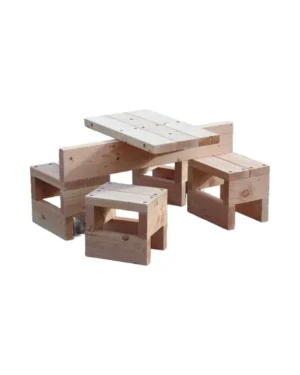
Hook Dining Table
By hermhaus
€3.632 -
 In stock
T60 Table
By FabBRICK
€9.965 - €11.385 This product has multiple variants. The options may be chosen on the product page -
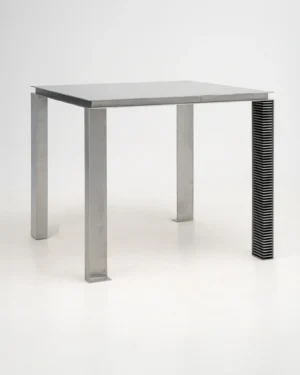
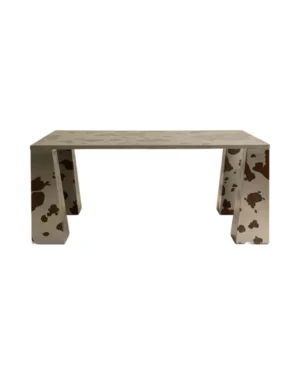
Strut Aluminum Table With Distinctive Foot Design
By Yet Design Studio
€4.725 - €4.995 This product has multiple variants. The options may be chosen on the product page -
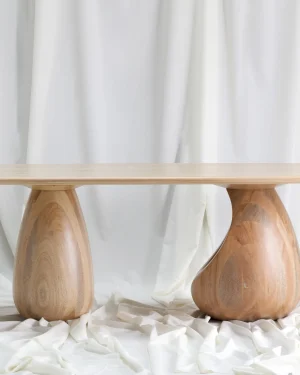
Mar – Asymmetric Wood Dining Table
By Laluz Handcraft
€7.800 -
 In stock
Estratos Dining Table
By Aldo Montes de Oca
€4.500 -
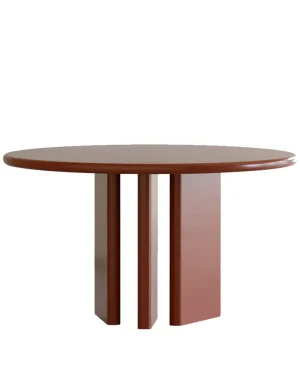
Cozy Dining Table
By hermhaus
€3.635 -

Aluminium Dining Table
By Six Dots Design
€3.174 -
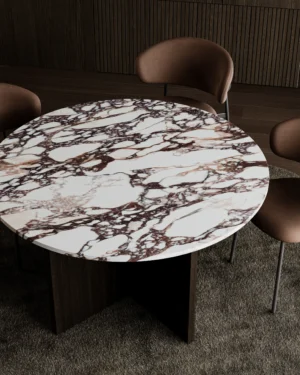
Round Marble And Oak Dining Table – Hakata Series In Calacatta Viola
By Lebanto
€9.800 -
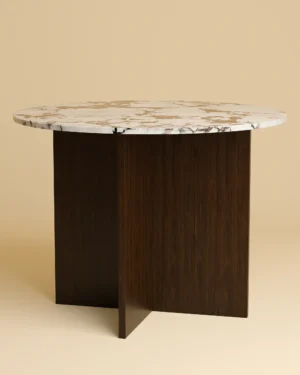
Round Dining Table – Dalma Series In Calacatta Viola Marble And Oak
By Lebanto
€6.100 -
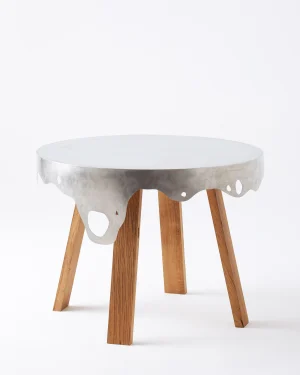
Dough Supra Table – Oak wood / Stainless Steel
By Around the Studio
€2.700 -
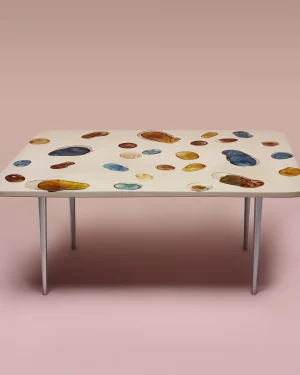
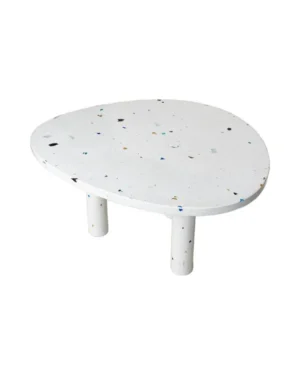
Plano – Terrazzo Dining Table
By Assimply Studio
€8.900 -
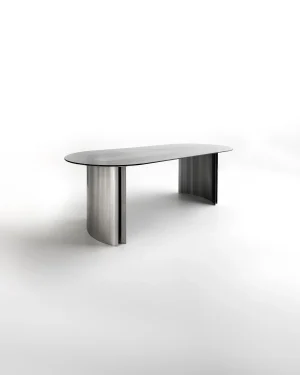
Smoked Glas Table With Rounded Stainless Steel Frame
By case studios
€9.800 - €13.400 This product has multiple variants. The options may be chosen on the product page -
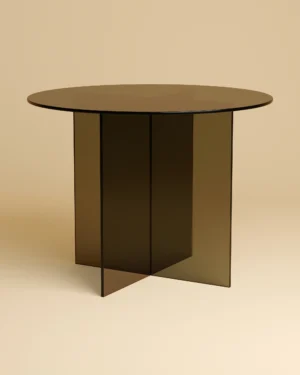
Round Glass Dining Table – Yuri Series
By Lebanto
€3.100 This product has multiple variants. The options may be chosen on the product page -
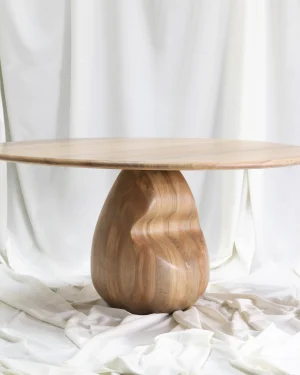 In stock
Droplet – Circular Minimalist Dining Table
By Laluz Handcraft
€6.960 -
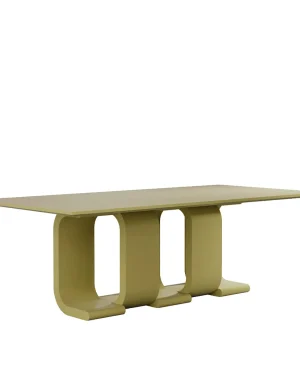
Turn Dining Table
By hermhaus
€6.605 -
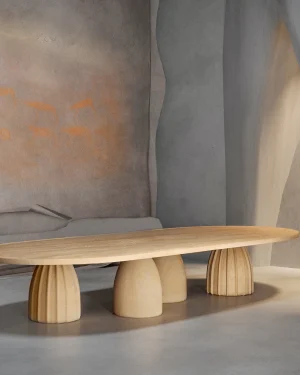
Djembe Table
By Alter Ego Studio
€8.420 -
 In stock
Luna Table 300
By Arbore x Cezar Moldovan
€13.830 -
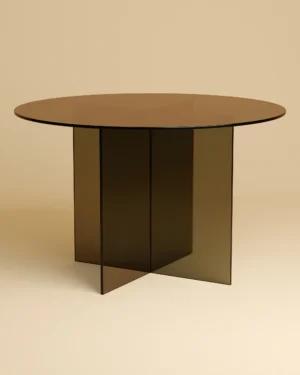
Round Glass Dining Table – Sado Series
By Lebanto
€3.750 This product has multiple variants. The options may be chosen on the product page -
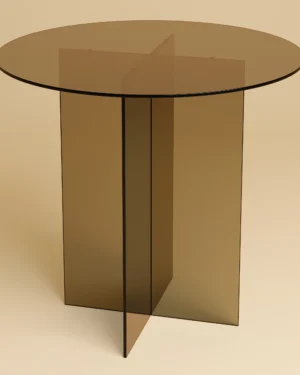
Round Glass Dining Table – Iki Series
By Lebanto
€2.500 This product has multiple variants. The options may be chosen on the product page -
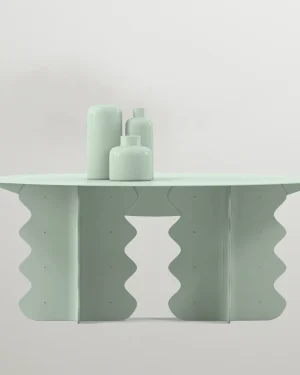 In stock
Hvylya – Large Handcrafted Metal Dining Table
By SVITANOK
€2.830 - €3.050 This product has multiple variants. The options may be chosen on the product page -

Pretzel Dining Table
By Deya
€2.283 -
 In stock
Luna Table 250
By Arbore x Cezar Moldovan
€11.740 -
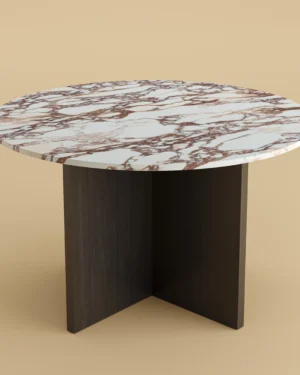
Round Dining Table – Hakata Series In Marble And Oak
By Lebanto
€9.800 -
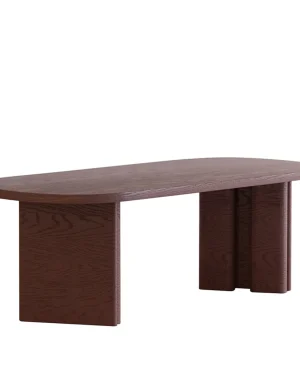
Curve – Maple Dining Table
By hermhaus
€6.670 -
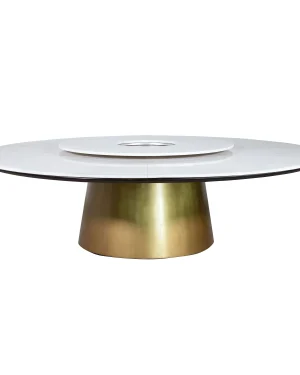
Outdoor Dining Table With Metal Base, Teak & Marble Top By Costantini, Aragon
By Costantini Design
€38.500 -
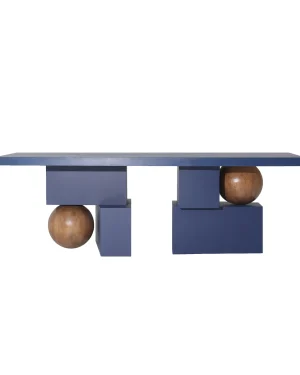
Mess – Wood / Steel Dining Table
By SALAK Studio
€8.990 -

Single Mess – Dining Table
By SALAK Studio
€5.990 -

Onor Table
By linnvstudio
€6.475 -

À Table
By Project 213A
€9.756 -
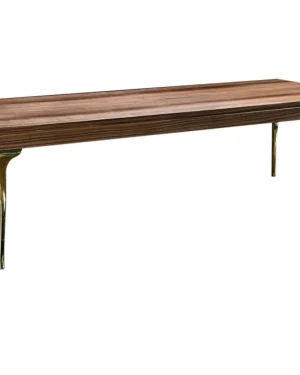
Enzio – Modern Cast Bronze And Walnut Coffee Table
By Costantini Design
€5.175 -

Alonzo – Statement Dining Table
By Costantini Design
€26.700 -
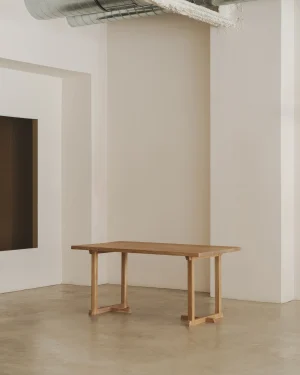
Nicola Table
By Mike Hausmann
€3.500 -
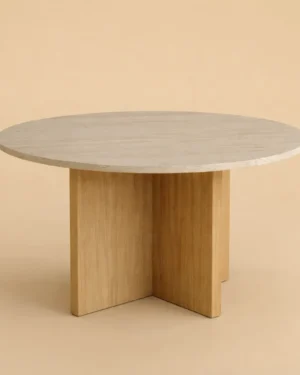
Round Stone And Wood Dining Table – Hakata Series In Travertine And Oak
By Lebanto
€8.500 -
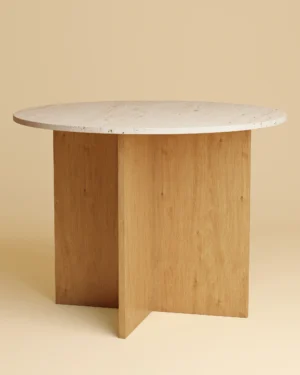
Round Dining Table In Travertine And Oak – Dalma Series
By Lebanto
€5.600 -
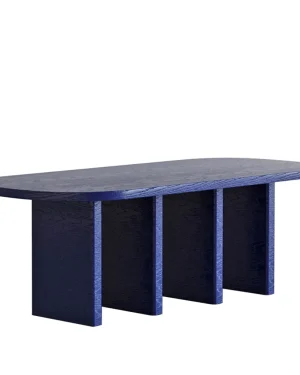
Bug Dining Table
By hermhaus
€6.670 -
 In stock
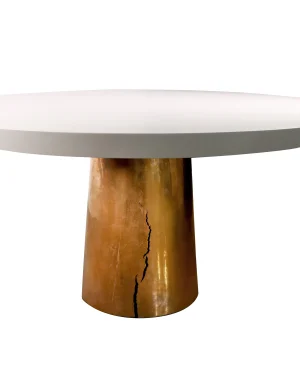
Beninx – Unique Collectible Cast Bronze Pedestal Dining Table
By Costantini Design
€16.526 -
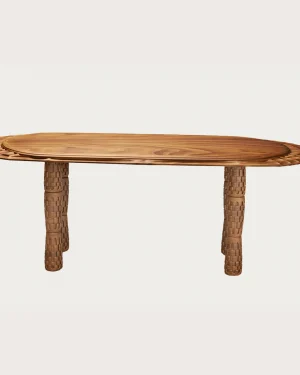
Mascot Dining Table
By Alter Ego Studio
€8.600 This product has multiple variants. The options may be chosen on the product page -
 In stock
Luna Table 340
By Arbore x Cezar Moldovan
€16.677 -
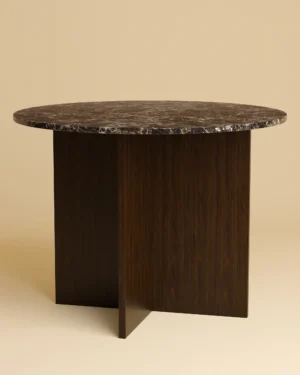
Wood And Stone Dining Table – Dalma Series In Marble And Oak
By Lebanto
€6.100 -
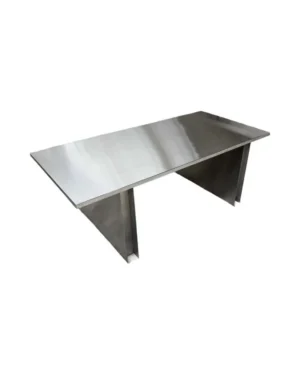
![[stratum] Stainless Steel Dining Table](https://media.adorno.design/wp-content/uploads/2025/08/01134836/shopcasestudios.com-Tisch_MOM-300x375.webp)
[stratum] Stainless Steel Dining Table
By case studios
Price Upon Request -
 Sold
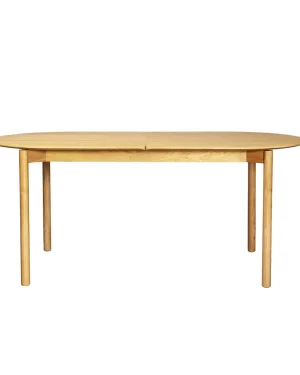
SoldRua Cha – extendable Ash Wood Dining Table
By Clementine Caurier
€2.150 This product has multiple variants. The options may be chosen on the product page -

Monte L – Dining Table
By SALAK Studio
Price Upon Request This product has multiple variants. The options may be chosen on the product page -
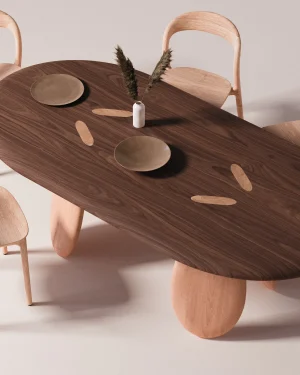
Hatch Dining Table
By noknok
Price Upon Request
Modern dining tables bring a plain geometry to the dining room: a flat plane carried on legs, a base, or a single pedestal, built from materials that are left mostly as they are. Studios working in oak and other hardwoods, in cast or welded metal, and in marble or other natural stone, each bring their own way of joining a top to its support. The result is a table that reads as structure first, decoration second.
What defines a modern dining table's design
The style favors clean edges and a visible relationship between parts: how a leg meets a top, how a base tapers, how a stone slab sits on a plinth. Ornament is rare; proportion carries the weight instead. Within that restraint, a table can still feel warm, through the grain of oak or the veining of marble, or cooler and more industrial, through sheet aluminum or cast bronze.
Because the vocabulary is simple, the material does most of the talking. A table in natural stone sits heavy and still, while one in oak or solid oak carries a lighter, more domestic presence. Neo-industrial and Scandinavian pieces both borrow this same discipline, applied to different materials and different rooms.
Materials, finishes and ways of making
Oak and other woods are the most common base for these tables, worked through wood and cabinetmaking and traditional joinery, then left in tones from pale cream to deep brown or amber. Marble and other natural stone tops are shaped by stone carving, their beige, gray or cream surfaces showing the mineral veining particular to each block. Metal appears through metalwork and metal casting, in aluminum or bronze, sometimes bare, sometimes finished to a soft, matte gray.
Editions vary with the material and the studio. Some tables are produced as open editions, repeatable over time; others are unique pieces, each one carved, cast or joined once and not remade. Anyone drawn to a particular wood or stone can follow it further through the wooden dining tables and metal dining tables on ADORNO, or see the style applied to smaller tables as well.
Choosing the right table for your space
Start with how many people the table needs to seat on an ordinary evening, then allow for the chairs and the walking space around them; a table that looks right in a showroom can crowd a smaller room once seating is pulled out. Standard dining height sits close to the floor-to-elbow measurement of a chair, so most tables land within a narrow band regardless of material.
Finish matters as much as shape. A honed stone top reads quieter than a polished one; a waxed oak surface ages differently from an oiled one, darkening and marking with use. Consider the floor and walls it will sit against, since a pale oak or stone table recedes into a light room, while bronze or dark wood will hold the eye.
- For small or square rooms, round and oval shapes avoid sharp corners in tight circulation
- For open-plan kitchens, a table close to counter height can bridge cooking and eating zones
- For stone or marble tops, a thicker edge reads heavier and more stable at a glance
Those weighing shape against material can look at the oval dining tables alongside the full range of dining tables for a wider comparison before settling on either.
Caring for wood, stone and metal
Oak and solid oak surfaces benefit from a stable room temperature and a cloth wipe rather than standing water, since humidity swings can cause movement at the joints. Marble and other natural stone are porous and will stain from wine, oil or citrus if left unsealed, so a coaster habit and an occasional reseal keep the surface even. Aluminum and bronze need little beyond dusting, though bronze will darken slightly over years, a change most owners come to read as part of the material rather than a fault.
How do I choose a modern dining table?
Start with the room: clean lines and simple forms work in open layouts, while a table in oak, stone or marble can anchor a smaller space on its own. Match the base shape to seating needs and traffic flow.
What materials are modern dining tables made from, and how do I care for them?
Oak and solid wood tops need regular oiling or waxing and should avoid standing water. Marble and natural stone resist heat but stain from acidic spills, while aluminum and bronze bases wipe clean with a dry cloth.
What size and height should a modern dining table be?
Standard dining height runs around 28 to 30 inches, comfortable with most chair heights. Length and shape depend on seating count and room clearance, with round and oval forms suiting tighter spaces.
Which rooms suit a modern dining table?
These tables work in dedicated dining rooms, open-plan kitchens and loft spaces where clean lines read well against simple walls. Stone or marble tops suit rooms with strong natural light.
Are modern dining tables handmade or produced in limited numbers?
Some are made as unique pieces or in open editions, depending on the studio and technique. Chat with the maker on the piece's page to confirm how a particular table is produced.
How does shipping, returns and authenticity work when buying through ADORNO?
Shipping is insured and worldwide. A 14-day return policy applies, excluding made-to-order pieces, and every purchase includes a certificate of authenticity along with a lowest-price guarantee.