-
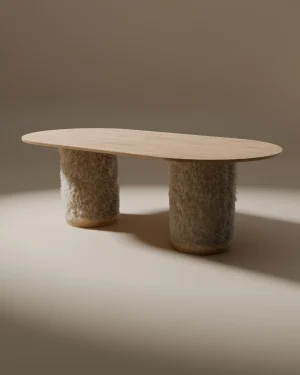
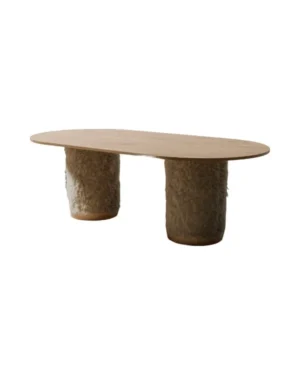
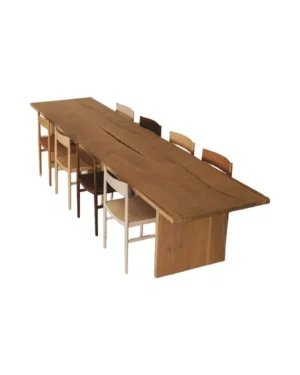
Cacu – Furry Wood Dining Table
By Joana Teixeira
€4.250 -
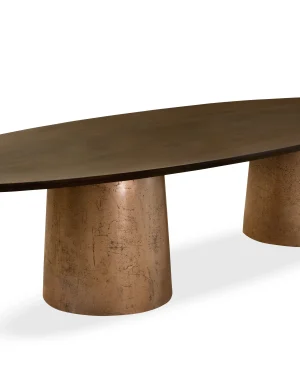
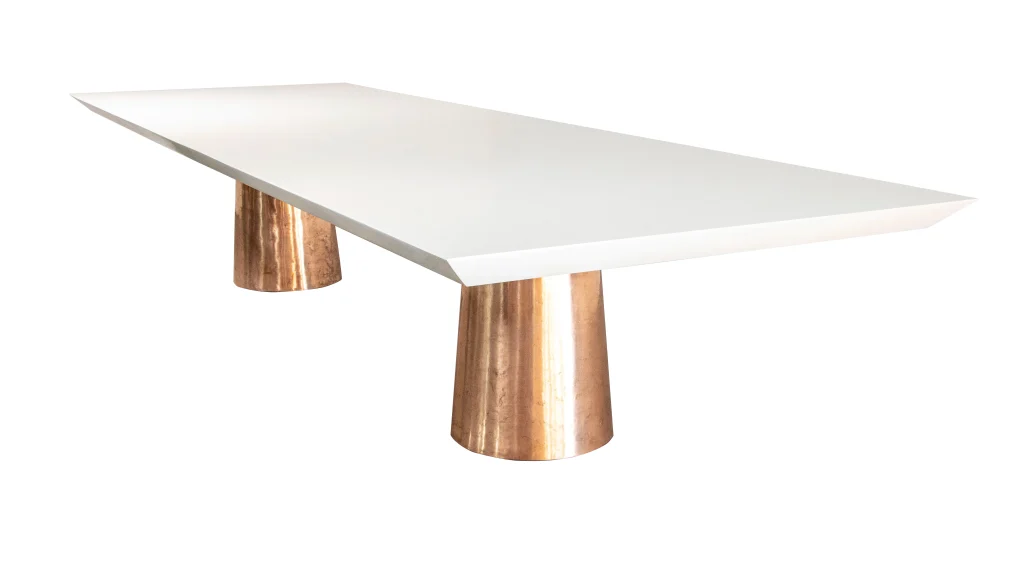
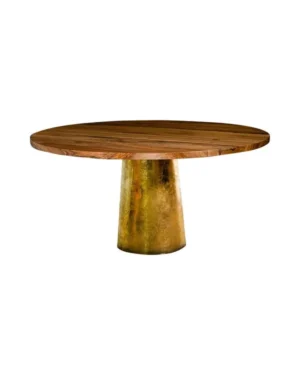
Benone – Cast Bronze & Lacquered Twin-pedestal Oval Dining Table With Quartz Top
By Costantini Design
€43.051 -
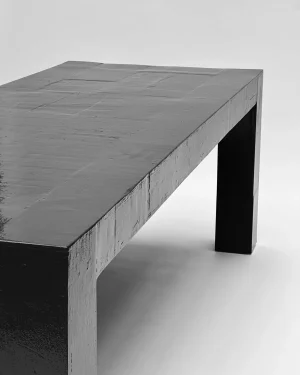
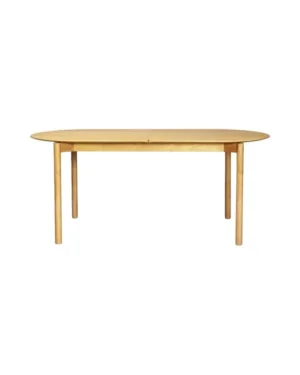
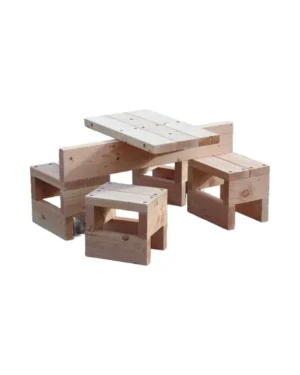
Practice Dining Table 200
By Studio Fabius Clovis
€6.198 This product has multiple variants. The options may be chosen on the product page -
 In stock
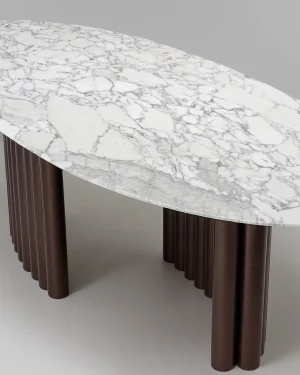
Cantus – Sculptural Arabescato Marble Dining Table With Bronze Organ Pipe Base
By DFdesignLab
€14.000 -
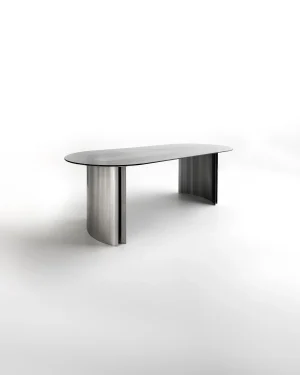
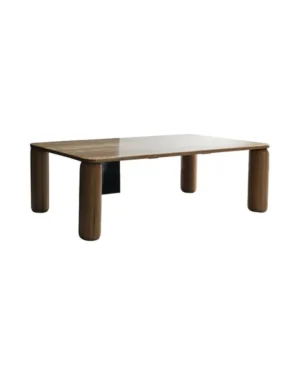
Smoked Glas Table With Rounded Stainless Steel Frame
By case studios
€9.800 - €13.400 This product has multiple variants. The options may be chosen on the product page -
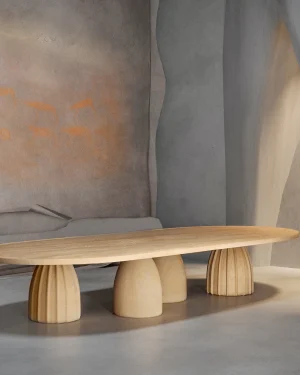
Djembe Table
By Alter Ego Studio
€8.420 -
 In stock
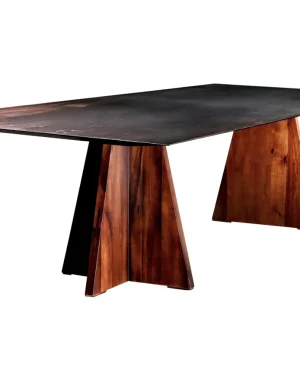
Fierro – Waxed Iron And Exotic Wood Dining Table
By Costantini Design
€20.130 -
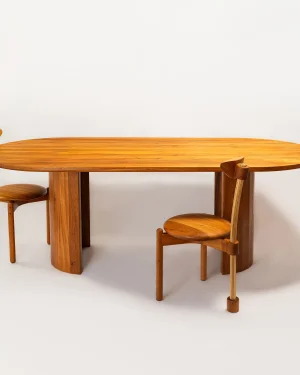
Arco – Wood Dinning Table
By Estúdio Simbiose
€7.190 -
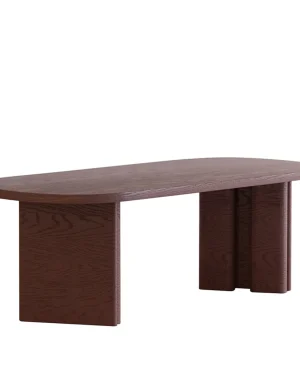
Curve – Maple Dining Table
By hermhaus
€6.670 -
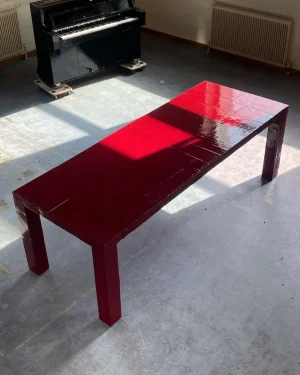
Practice Dining Table 240
By Studio Fabius Clovis
€7.025 This product has multiple variants. The options may be chosen on the product page -
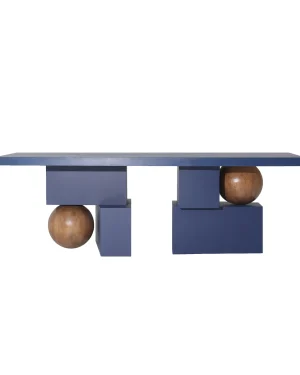
Mess – Wood / Steel Dining Table
By SALAK Studio
€8.990 -

Alonzo – Statement Dining Table
By Costantini Design
€26.700 -
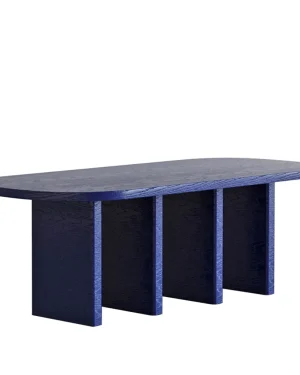
Bug Dining Table
By hermhaus
€6.670 -
 In stock
Benino – Cast Bronze Twin Pedestal Lacquered Modern Dining Table
By Costantini Design
€33.382 -
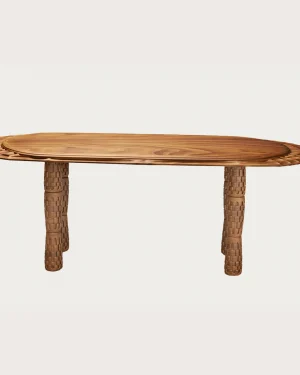
Mascot Dining Table
By Alter Ego Studio
€8.600 This product has multiple variants. The options may be chosen on the product page -
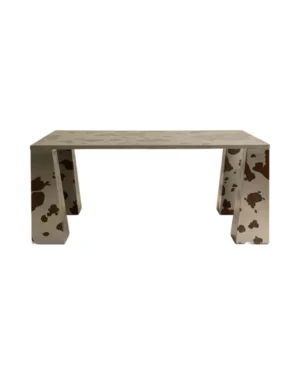
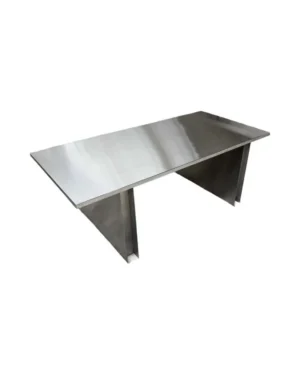
![[stratum] Stainless Steel Dining Table](https://media.adorno.design/wp-content/uploads/2025/08/01134836/shopcasestudios.com-Tisch_MOM-300x375.webp)
[stratum] Stainless Steel Dining Table
By case studios
Price Upon Request -
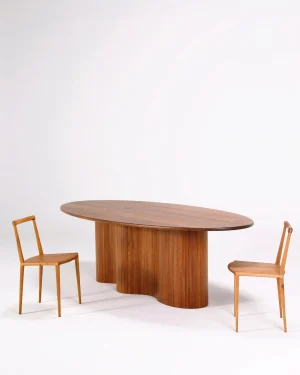 Sold
SoldMel – Wood Dinning Table
By PROSA
Price Upon Request -
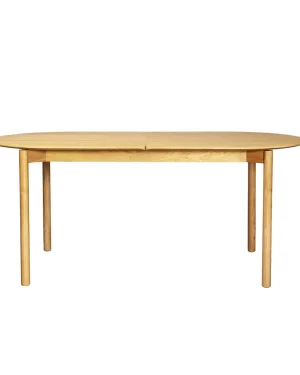 Sold
SoldRua Cha – extendable Ash Wood Dining Table
By Clementine Caurier
€2.150 This product has multiple variants. The options may be chosen on the product page -
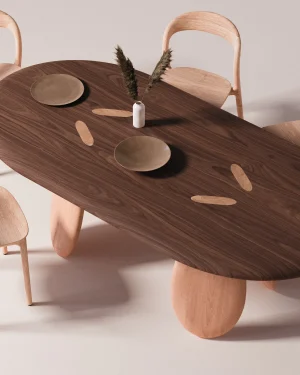
Hatch Dining Table
By noknok
Price Upon Request
Oval dining tables soften the geometry of a dining room while keeping the generous surface of a rectangular table, a shape that studios turn to wood, stainless steel and bronze to achieve. The curve removes hard corners from the circulation path, so the table sits easily in a run between kitchen and living space. Makers reach it through joinery and wood carving, through welding, or through the slow build of metal casting and patination, and a few pieces stand as unique work rather than repeatable editions.
What gives an oval its shape and weight
An oval reads as a stretched circle, and that stretching is where the material shows itself. In wood, ash, oak and walnut are jointed and shaped so the grain runs the length of the curve, with cabinetmaking holding the long edge true against seasonal movement. In metal, stainless steel is welded into a stable frame or base, while bronze is cast and then patinated, a process that darkens or colors the surface and continues to shift in tone as the piece is handled and cleaned over years.
The range of material and finish on ADORNO
Wood tables lean toward ash, oak and walnut, left natural or finished in lacquer in colors from white and beige to black, blue or burgundy. Metal tables are built in stainless steel or cast bronze, sometimes with a bronze or gold surface, sometimes frosted or matte. Styles span minimalist and contemporary lines through to the heavier geometry of Brutalism, the rationalism of Bauhaus, and the lighter irreverence of Radical and Space Age design, available as open editions or, where a studio works singly, as a unique piece. Anyone drawn to timber grain specifically can look through wooden dining tables, and anyone set on a pared-back line can start from minimalist dining tables.
How to choose one for a room
Start with the room's width rather than its length: an oval needs clearance on both long sides for chairs to pull out and for people to pass behind them, more than a rectangle of the same seating count. Standard dining height runs close to 28 to 30 inches, so match chair seat height against that before fixing a base. A pedestal or sculptural base, common in cast bronze and welded steel, frees legroom at the ends, which matters more on an oval where diners often sit at the curved tips as well as the sides.
Finish should follow light and use. A matte or frosted metal surface resists fingerprints better than a high-gloss one, lacquer in a strong color reads as the room's anchor and wants restraint elsewhere, and natural oak or walnut will warm and darken slightly with age and sun exposure.
Where an oval dining table works best
The curved end suits rooms where the table backs onto a wall or sits near a doorway, since there is no sharp corner to navigate. It also works in open-plan kitchens, where the shape keeps sightlines open to counters and islands. For a broader look at how these pieces sit among other dining tables, see dining room dining tables, and for the oval shape carried across furniture beyond the table, see every oval piece on ADORNO.
Care by material
- Wood: dust along the grain, avoid standing water, and recondition lacquer or oil finish as it dulls.
- Stainless steel: wipe with a soft cloth and a mild, non-abrasive cleaner to keep the surface free of water spotting.
- Bronze: handle patina gently, since solvents and abrasives can strip the color unevenly; a light wax maintains the tone.
For the full set of shapes within the category, the dining tables listing covers rectangular, round and other forms alongside the oval.
Why choose an oval dining table over a rectangular one?
An oval shape softens the edges of a room, seats a similar number of people as a rectangular table, and lets guests at the ends sit closer without a sharp corner between them.
What materials are oval dining tables usually made from?
Wood, stainless steel, and bronze are common, often finished through joinery, metal casting, or lacquering. Oak, ash, and walnut tops age with visible grain, while metal bases carry weight with a slimmer profile.
How do I care for a wood or metal oval dining table?
Wipe wood tops with a dry or lightly damp cloth and keep them from direct sun to avoid uneven fading. Metal surfaces need occasional dusting and, if lacquered or patinated, protection from abrasive cleaners.
What size oval dining table fits my room?
Standard dining height runs around 28 to 30 inches, and an oval table generally needs the same floor space as a rectangular one of similar seating capacity, with easier circulation around the rounded ends.
Which rooms suit an oval dining table best?
Oval tables work well in both open-plan dining areas and smaller rooms, since their curved ends reduce bumped corners and allow more flexible seating than a rectangular table of the same length.
What are ADORNO's shipping and return policies for dining tables?
Shipping is insured and worldwide. Returns are accepted within 14 days, except for made-to-order pieces, and each table arrives with a certificate of authenticity.