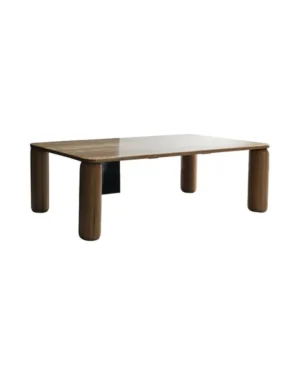
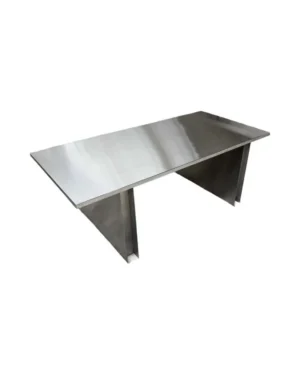
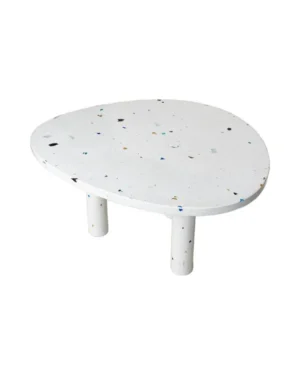
-
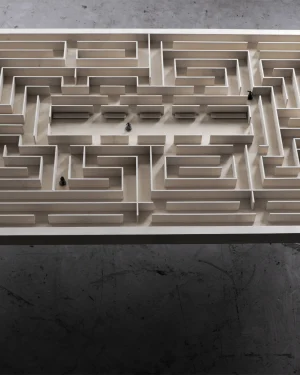 In stock
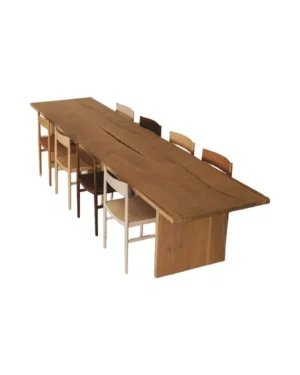
Labyrinth Table
By Benjamin Nordsmark
€9.000 -
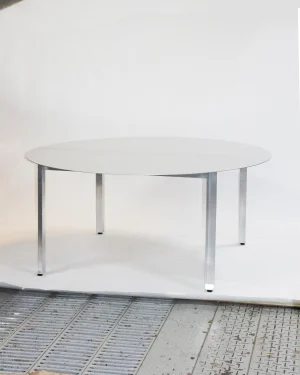
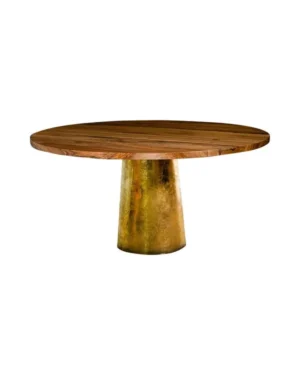
Canto – Aluminum Round Table / Desk
By Luiz Solano
€1.180 - €1.680 This product has multiple variants. The options may be chosen on the product page -
 In stock
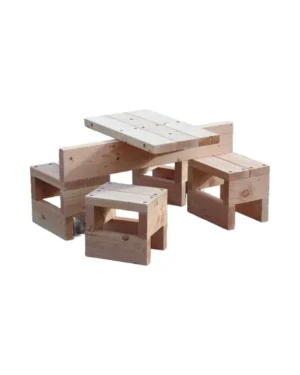
T60 Table
By FabBRICK
€9.965 - €11.385 This product has multiple variants. The options may be chosen on the product page -
 In stock
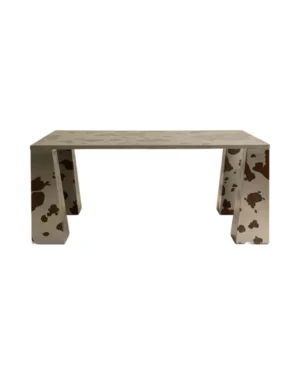
Estratos Dining Table
By Aldo Montes de Oca
€4.500 -

Cowgirl Oxidized Steel Dining Table
By Toro Manifesto
€6.365 -
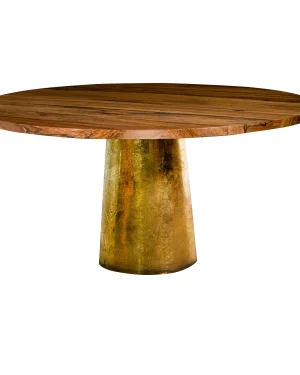
Benino – Round Exotic Wood Cast Bronze Pedestal Dining Table
By Costantini Design
€14.850 -

Aperta Rectangular Table – Single Base
By Mokko
€7.240 - €15.170 This product has multiple variants. The options may be chosen on the product page -

Aluminium Dining Table
By Six Dots Design
€3.174 -

Aperta Round Table
By Mokko
€5.150 - €9.330 This product has multiple variants. The options may be chosen on the product page -
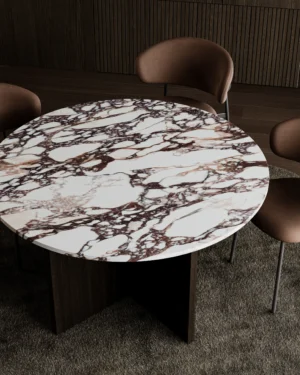
Round Marble And Oak Dining Table – Hakata Series In Calacatta Viola
By Lebanto
€9.800 -
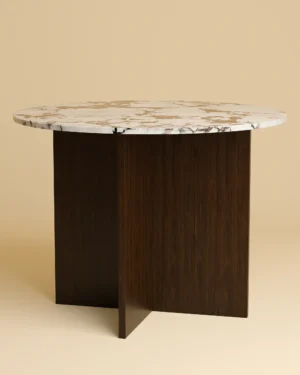
Round Dining Table – Dalma Series In Calacatta Viola Marble And Oak
By Lebanto
€6.100 -
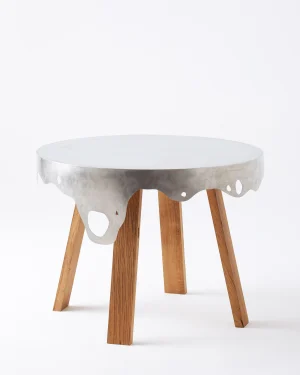
Dough Supra Table – Oak wood / Stainless Steel
By Around the Studio
€2.700 -
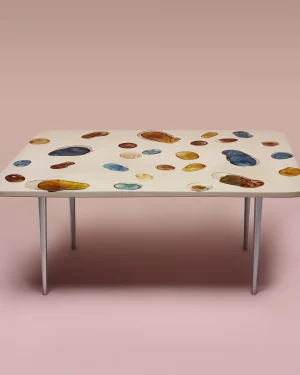
Plano – Terrazzo Dining Table
By Assimply Studio
€8.900 -
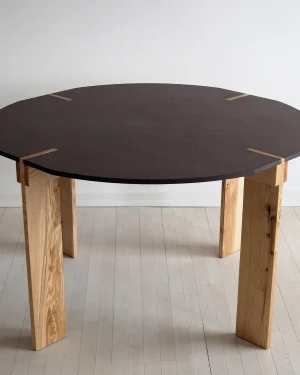
Knast – Ash Wood Table
By Benjamin Nordsmark
€1.800 -
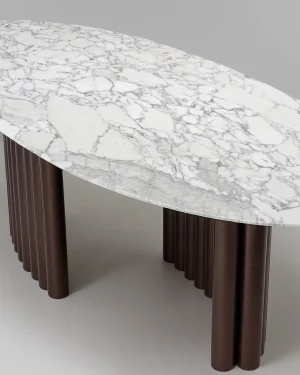 In stock
Cantus – Sculptural Arabescato Marble Dining Table With Bronze Organ Pipe Base
By DFdesignLab
€14.000 -
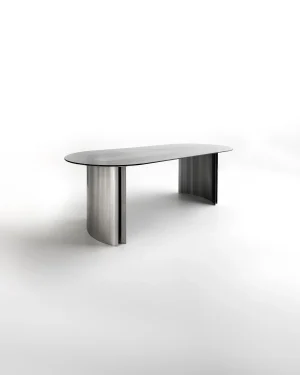
Smoked Glas Table With Rounded Stainless Steel Frame
By case studios
€9.800 - €13.400 This product has multiple variants. The options may be chosen on the product page -
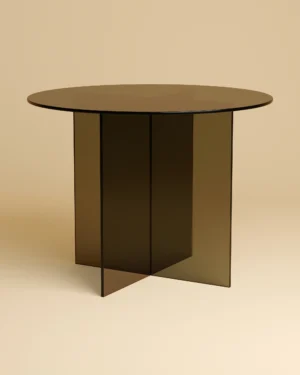
Round Glass Dining Table – Yuri Series
By Lebanto
€3.100 This product has multiple variants. The options may be chosen on the product page -
 In stock
Luna Table 300
By Arbore x Cezar Moldovan
€13.830 -

Acer Round Table
By Mokko
€4.620 - €7.670 This product has multiple variants. The options may be chosen on the product page -
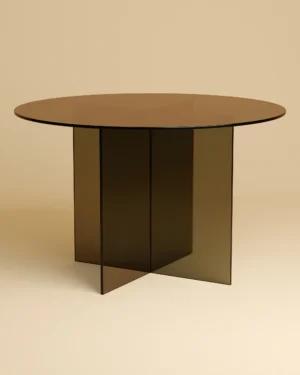
Round Glass Dining Table – Sado Series
By Lebanto
€3.750 This product has multiple variants. The options may be chosen on the product page -
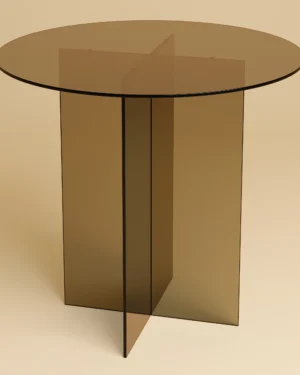
Round Glass Dining Table – Iki Series
By Lebanto
€2.500 This product has multiple variants. The options may be chosen on the product page -
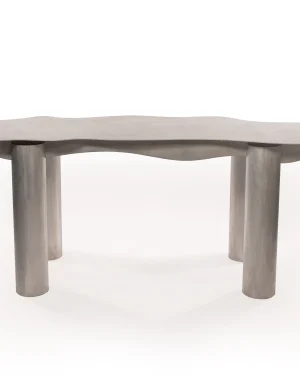
Contemporary Vanity – Aluminum Dining Table
By Six Dots Design
€1.750 -
 In stock
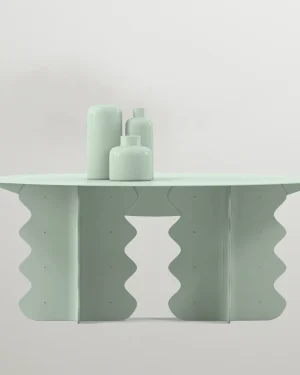
Hvylya – Large Handcrafted Metal Dining Table
By SVITANOK
€2.830 - €3.050 This product has multiple variants. The options may be chosen on the product page -
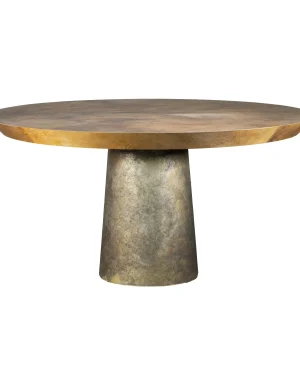
Benino Pergamino – Round Pedestal Table In Parchment And Cast Bronze
By Costantini Design
€18.800 -
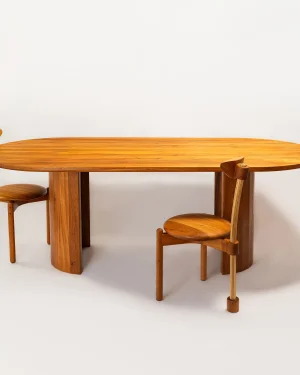
Arco – Wood Dinning Table
By Estúdio Simbiose
€7.190 -

Pretzel Dining Table
By Deya
€2.283 -
 In stock
Luna Table 250
By Arbore x Cezar Moldovan
€11.740 -
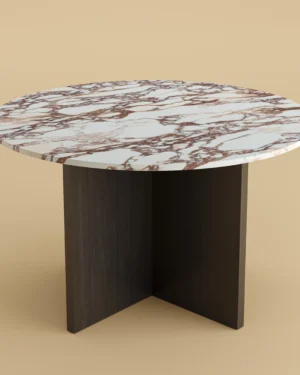
Round Dining Table – Hakata Series In Marble And Oak
By Lebanto
€9.800 -
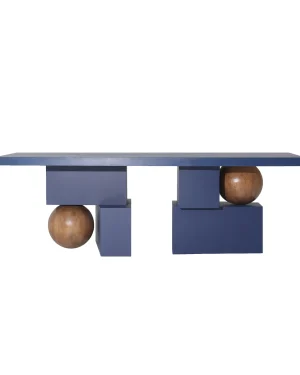
Mess – Wood / Steel Dining Table
By SALAK Studio
€8.990 -

Single Mess – Dining Table
By SALAK Studio
€5.990 -
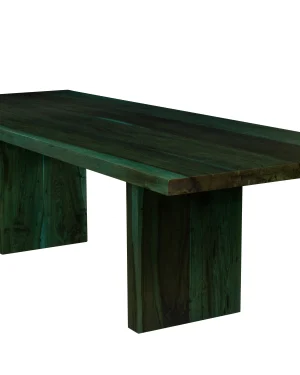
Andre Verdi – Pedestal Modern Minimal Dining Table
By Costantini Design
€12.420 -
 In stock
Dining Table
By Six Dots Design
€4.542 - €5.042 This product has multiple variants. The options may be chosen on the product page -

Onor Table
By linnvstudio
€6.475 -
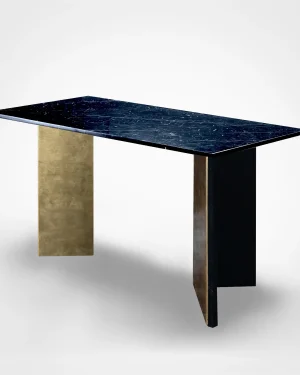
Scorcio – Nero Marquinia Dining Table
By DFdesignLab
€7.500 -
 In stock
8272 Oak Dining Table
By NO AGE STUDIO
€6.500 -
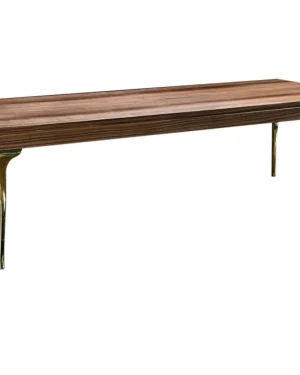
Enzio – Modern Cast Bronze And Walnut Coffee Table
By Costantini Design
€5.175 -

Alonzo – Statement Dining Table
By Costantini Design
€26.700 -
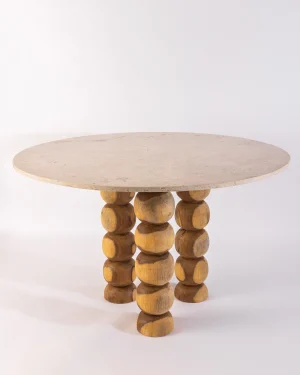
Latte Dining Table – Jabin Wood / Travertine
By Daniel Orozco Estudio
€3.526 -
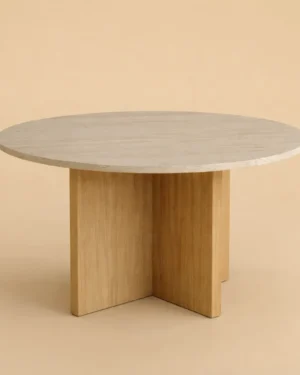
Round Stone And Wood Dining Table – Hakata Series In Travertine And Oak
By Lebanto
€8.500 -
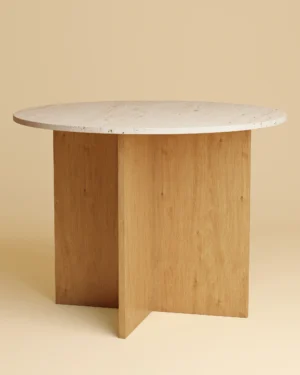
Round Dining Table In Travertine And Oak – Dalma Series
By Lebanto
€5.600 -
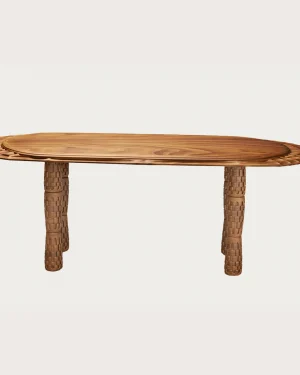
Mascot Dining Table
By Alter Ego Studio
€8.600 This product has multiple variants. The options may be chosen on the product page -
 In stock
Luna Table 340
By Arbore x Cezar Moldovan
€16.677 -
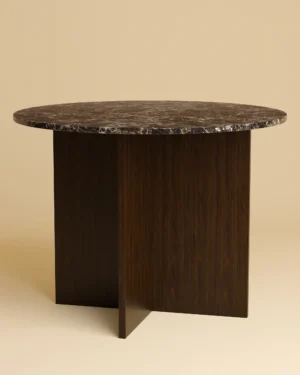
Wood And Stone Dining Table – Dalma Series In Marble And Oak
By Lebanto
€6.100 -

Monte L – Dining Table
By SALAK Studio
Price Upon Request This product has multiple variants. The options may be chosen on the product page
Contemporary dining tables are built around restraint: a single material allowed to show its own character, a structure that carries weight without extra ornament, and a studio's hand visible in the joinery or the finish rather than in applied decoration. Oak, walnut, stone and glass recur because each holds a clean line without needing paint or heavy detailing. The result is a table that sits at the center of a room and does its work quietly.
What defines the contemporary style in a dining table
A contemporary dining table favors a plain silhouette over carved legs or ornate aprons. Tops are often a single slab or a composed surface of oak, walnut or stone, left to show its grain, vein or grind marks rather than hidden under layers of lacquer. Proportions tend to be generous but not heavy, with a top that reads as a plane resting on a base rather than a solid block.
Edges are usually square or softly eased, bases are reduced to the minimum needed to hold the top steady, and any visible joinery is treated as part of the design rather than something to disguise. This is a style that trusts the material to carry the room, so the making matters as much as the shape.
Materials, finishes and the ways these tables are made
Oak and walnut dominate the wood side, worked through cabinetmaking and joinery into tops that may be solid, veneered or built from jointed boards; tones run from pale cream oak through amber and deeper brown walnut. Natural stone and marble appear as tops cut, carved and polished to show their own veining, sometimes left honed rather than glossed, a choice that changes how a surface stains and ages. Glass tops, shaped through cold working or occasionally glassblowing for accent elements, bring a clear or lightly tinted plane that keeps a base visible underneath, while metal bases cast or worked by hand carry both wood and stone tops in bronze, gray or darker finishes.
Editions vary by studio: some tables are made to order in open runs, others appear as limited editions or as unique pieces where no two tops are quite alike, particularly in stone and solid wood. Anyone drawn to wood specifically can look through the wooden dining tables, while a base in cast or welded metal sits within the metal dining tables.
How to choose a contemporary dining table
Start with the room, not the table. Measure the space with chairs pulled out and walking room left on every side, then work back to a length and width that leaves at least arm's reach to the nearest wall or sideboard.
- Standard dining height runs close to 28 to 30 inches; keep that range unless the chairs are built to a different scale.
- A rectangular or square top suits a room built around straight walls; an oval or rounded top eases circulation in a tighter or more open-plan space, worth a look among the oval dining tables.
- Match the finish to how the table will be used: a honed stone or oiled oak top takes daily wear better than a glossy lacquer or polished marble.
Base shape matters as much as the top. A pedestal or sculptural metal base frees up legroom for more chairs, where four straight legs can crowd a bench or stool placed along one side.
Where these tables sit well
Open-plan kitchens and dining rooms suit the quiet geometry of this style, since a plain top and reduced base read calmly against cabinetry or a kitchen island. In a smaller apartment, a lighter wood or glass top keeps the room feeling open, while stone and darker walnut ground a larger dining room meant for longer gatherings.
Caring for wood, stone and glass tops
Oak and walnut want a dry cloth for daily use and an occasional application of oil or wax to keep the surface from drying out; wipe spills before they sit, since standing water can mark raw wood. Marble and other natural stone stain from acidic liquids like wine or citrus, so a coaster or mat under glasses and bowls protects a honed or polished surface over time. Glass tops need only a soft cloth and a mild cleaner, though cold-worked edges should be wiped rather than scraped to avoid dulling the cut line.
Everything described here sits among the full range of dining tables on ADORNO, and the contemporary approach to material and form carries across other rooms too, visible in every contemporary piece on ADORNO.
How do I choose a contemporary dining table?
Start with the material and how it sits in the room: oak and walnut warm a space, stone and marble anchor it, glass keeps it light. Then match shape and scale to how many people gather there most often.
What materials are contemporary dining tables made from?
Oak, walnut and other woods appear most often, finished through joinery or cabinetmaking, alongside natural stone and marble tops shaped by carving, and glass surfaces made by cold working or blowing.
How do I care for a wood, stone or marble dining table?
Wipe wood with a damp cloth and oil it occasionally to keep the grain from drying out. Marble and natural stone need sealing and prompt cleanup of acidic spills, since both can stain or etch.
What size and height should a dining table be?
Most dining tables stand around 28 to 30 inches tall, matched to standard chair heights. Length depends on how many people need to sit comfortably, with roughly 24 inches of edge per place setting.
Which rooms suit a contemporary dining table?
Contemporary tables work in open-plan kitchens and dedicated dining rooms alike, where clean lines and honest materials let the piece read as a central object rather than a competing pattern.
What are ADORNO's shipping, returns and authenticity policies?
Shipping is insured and worldwide. Returns are accepted within 14 days, except on made-to-order pieces. Every table ships with a certificate of authenticity, backed by a lowest-price guarantee.