
-
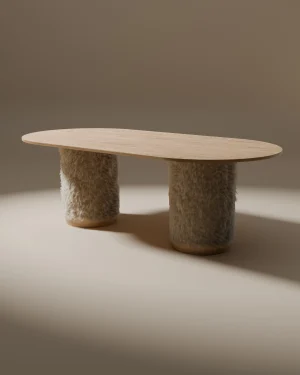
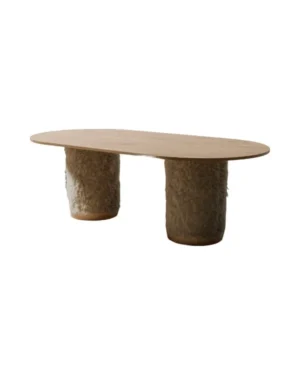
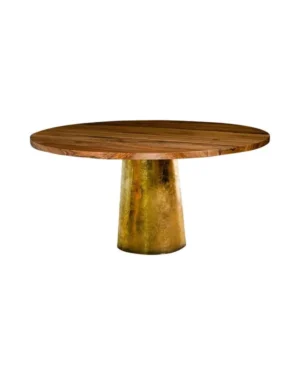
Cacu Dining Table in Oak, MDF and Fur
By Joana Teixeira
€4.250 -

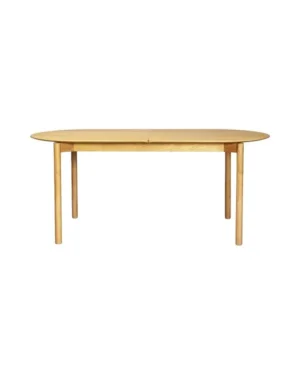
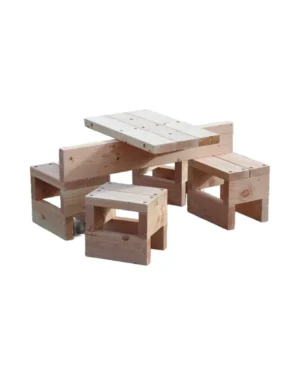
Phylum Dining Table in Marble, Travertine and Oak
By CMX | Furniture
€23.707 -
 In stock
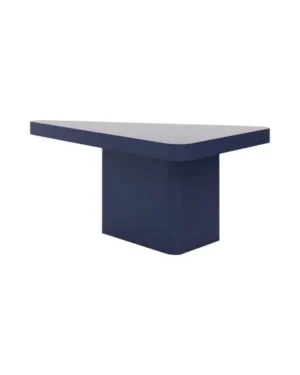
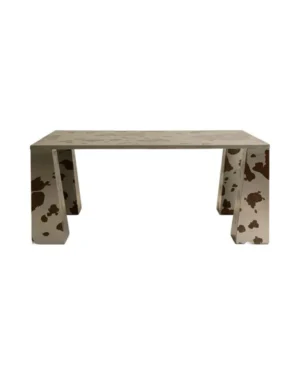
Luna 300 Dining Table in Oak and Walnut
By Arbore x Cezar Moldovan
€13.830 -
 In stock
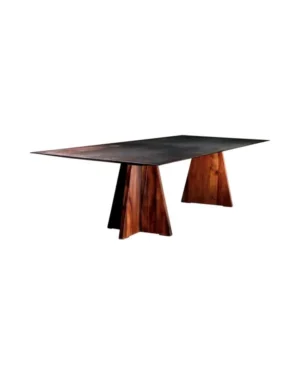
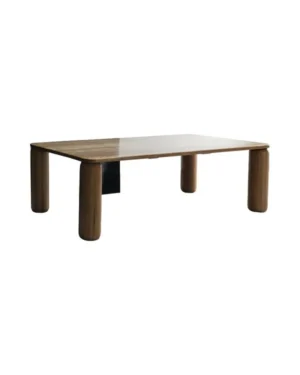
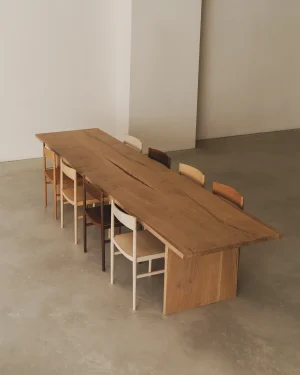
Bookmatched Slabs Dining Table In Solid Oak
By Mike Hausmann
€10.800 -

Brut Dining Table in Solid Oak and Walnut
By Mokko
€8.960 - €16.430 This product has multiple variants. The options may be chosen on the product page -

Aperta Rectangular Dining Table in Oak and Walnut
By Mokko
€7.240 - €15.170 This product has multiple variants. The options may be chosen on the product page -
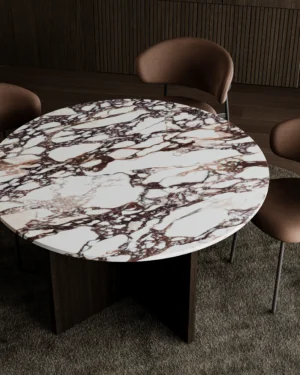
Hakata Dining Table in Calacatta Viola Marble and Oak
By Lebanto
€9.800 -
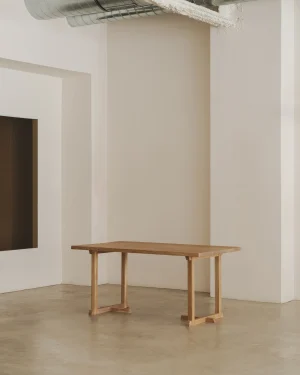
Nicola Dining Table In Solid Oak
By Mike Hausmann
€3.500 -
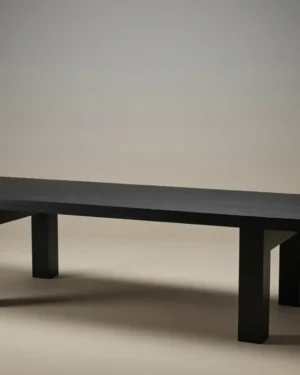 In stock
José María Dining Table in Solid Oak
By NO AGE STUDIO
€6.321 -

Fision Dining Table in White Oak and Steel
By Toro Manifesto
€4.500 -
 In stock
Luna 250 Dining Table in Oak and Walnut
By Arbore x Cezar Moldovan
€11.740 -
 In stock
Luna 340 Dining Table in Oak and Walnut
By Arbore x Cezar Moldovan
€16.677 -
 In stock
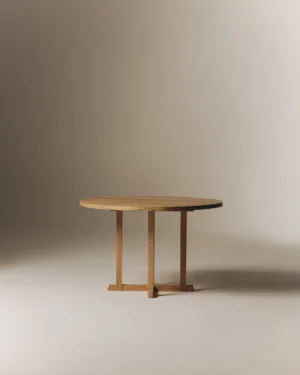
Nicola Round Dining Table in Solid Oak
By Mike Hausmann
€9.980 -
 In stock
8272 Dining Table in Solid Oak
By NO AGE STUDIO
€6.500 -

Pretzel Dining Table in Solid Oak
By Deya
€2.283 -

Cadence Dining Table in Oak and Walnut
By Mokko
€7.290 - €18.720 This product has multiple variants. The options may be chosen on the product page -

Aperta Round Dining Table in Oak and Walnut
By Mokko
€5.150 - €9.330 This product has multiple variants. The options may be chosen on the product page -
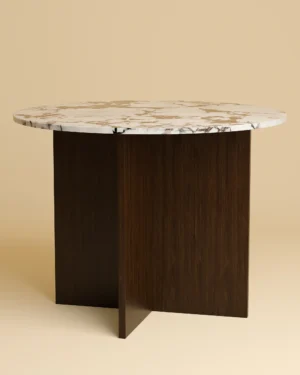
Dalma Dining Table in Calacatta Viola Marble and Oak
By Lebanto
€6.100 -
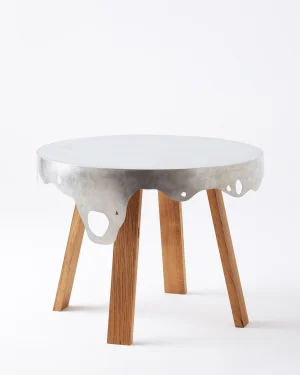
Dough Supra Dining Table in Oak and Stainless Steel
By Around the Studio
€2.700 -
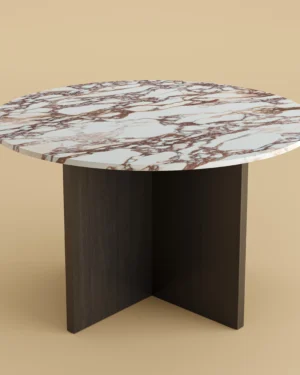
Hakata Dining Table in Arabescato Vagli Marble and Oak
By Lebanto
€9.800 -

Acer Dining Table in Solid Oak and Walnut
By Mokko
€4.620 - €7.670 This product has multiple variants. The options may be chosen on the product page -
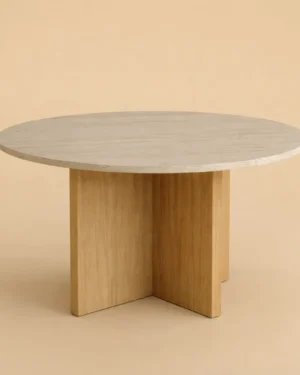
Hakata Dining Table in Roman Travertine and Oak
By Lebanto
€8.500 -
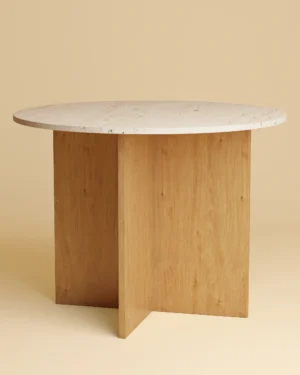
Dalma Dining Table in Roman Travertine and Oak
By Lebanto
€5.600 -
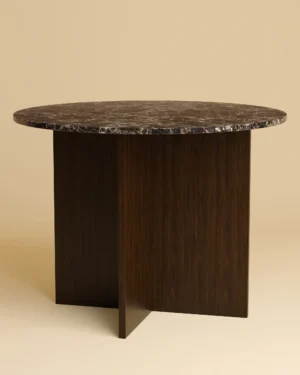
Dalma Dining Table in Emperador Dark Marble and Oak
By Lebanto
€6.100 -
 In stock
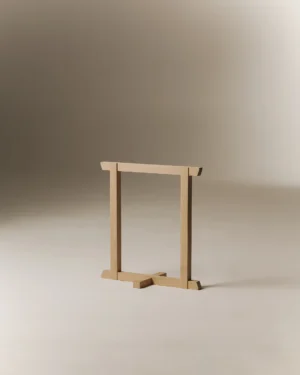
Mike’s Trestle Dining Table in Solid Oak
By Mike Hausmann
€1.150 -
 In stock
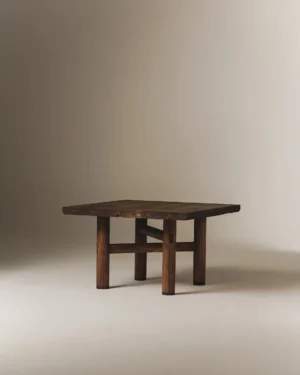
Abacus Dining Table in Steel and Solid Oak
By Pierre-Emmanuel Vandeputte
€3.967 - €4.297 This product has multiple variants. The options may be chosen on the product page -
 In stock
Oaxaca Dining Table In Chestnut And Oak
By Mike Hausmann
€8.520 -
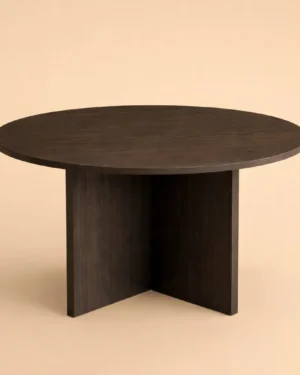
Hakata Dining Table in Solid Oak
By Lebanto
€5.450 This product has multiple variants. The options may be chosen on the product page -
 In stock
3737 Dining Table in Weathered Purple Solid Oak
By NO AGE STUDIO
€5.500 -
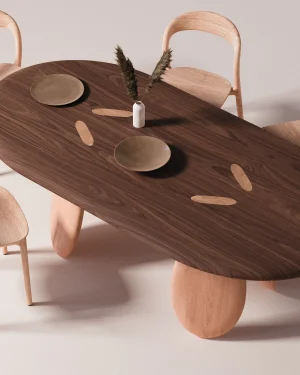
Hatch Dining Table in Solid Oak and Walnut
By noknok
Price Upon Request
Oak wood dining tables bring a dense, straight-grained hardwood to the center of the dining room, chosen by studios for its strength under daily use and the way its grain reads as warm, structured, and quietly varied from board to board. Makers turn to joinery, wood carving, and traditional cabinetmaking to build tops that resist warping and legs that carry real weight over decades. The material ranges from pale, honey-toned boards to deeper brown and near-black stains, so the finish changes the mood of a table without changing its behavior.
What defines oak wood in a dining table
Oak is a ring-porous hardwood, which means its grain shows open pores and visible rays that catch light differently depending on how the board was cut. This gives each tabletop a pattern that is never perfectly uniform, something studios treat as a feature of the material rather than a flaw to sand away. Because oak is hard and dense, it holds up to knocks, hot dishes, and years of chairs being pulled in and out, aging into a deeper tone rather than wearing thin.
The range found among oak wood dining tables
Within dining tables made from this wood, finish and color vary the most: natural honey tones, cream-washed surfaces, dark brown stains, and the occasional burgundy or violet-tinted lacquer sit side by side with raw, oiled boards. Styles span minimalist and contemporary pieces with flat, unadorned tops through to brutalist and neo-industrial tables that pair oak with heavier joinery or exposed structural details. Some pieces come from open editions produced on a continuing basis, others from limited editions where a studio works a smaller run and stops. Alongside pure oak, studios sometimes mix in walnut inlays or pair a solid oak top with a stone or marble base, carried out through stone carving or metalwork rather than wood alone.
How to choose an oak dining table
Start with scale: measure the room and leave enough clearance around the table for chairs to pull back fully, generally seventy-five to ninety centimeters on each side. Standard dining height runs close to seventy-five centimeters, so check this against your existing seating before committing to a leg style. Finish matters as much as shape, a matte oiled surface will show water marks differently than a lacquered one, and a darker stain will hide everyday marks more readily than a pale, natural tone. For context on how oak compares with other species in the same shapes, wooden dining tables working in walnut or mixed timbers sit alongside it on ADORNO.
- Measure floor space and doorway clearance before choosing a length or shape.
- Match table height to your current or planned seating.
- Pick a finish that suits how the table will actually be used, raw oil for a living material, lacquer for easier upkeep.
- Consider whether a solid oak base needs a stone or marble top to balance visual weight.
Where oak dining tables sit well
These pieces anchor dining rooms and open kitchen-dining spaces equally well, since the wood reads as grounded without competing with cabinetry or wall color. A honey or natural oak table softens a room with cooler stone or metal accents, while a dark-stained top holds its own against pale walls and bare floors. Many studios extend the same oak vocabulary into oak wood seating, letting a dining set share grain and tone across the table and chairs.
Caring for an oak dining table
Oak responds well to simple care: wipe spills promptly, avoid prolonged direct sunlight on one section of the top, and use coasters or trivets for anything very hot or acidic. Oiled finishes benefit from an occasional reapplication to keep the surface fed and the color even, while lacquered tops mainly need a damp cloth and a dry wipe afterward. Over years of use, solid oak develops a deeper patina rather than breaking down, which is part of why studios keep returning to it for oak wood tables across both dining and occasional pieces. For the full range of what the material looks like outside the dining room, the complete set of oak wood pieces on ADORNO spans tables, seating, and smaller objects built from the same hardwood.
How do I choose an oak wood dining table?
Match the grain and tone to your room, light oak opens a space while darker stains ground it. Consider table shape against room traffic and how many chairs need to fit around it comfortably.
How do you care for an oak dining table?
Wipe spills promptly and avoid direct heat or standing water, which can warp or stain the grain. A light oil or wax every year keeps the surface fed and the color even.
Does oak wood scratch or stain easily?
Oak resists scratching better than softer woods due to its dense grain, though it can mark under sharp objects or acidic spills. Minor marks often sand or oil out without lasting damage.
What size and height should a dining table be?
Standard dining height runs around 28 to 30 inches, comfortable for most chairs. Allow about 24 inches of table length per seat so diners have room to sit and move.
Which rooms suit an oak dining table?
Oak's warmth works in dining rooms, open-plan kitchens and even studies doubling as eating spaces. Its natural tone pairs with wood, stone or metal furnishings already in the room.
What about shipping, returns and authenticity when buying through ADORNO?
Shipping is insured and worldwide, with a 14-day return policy excluding made-to-order pieces. Each table arrives with a certificate of authenticity, backed by a lowest-price guarantee.