-
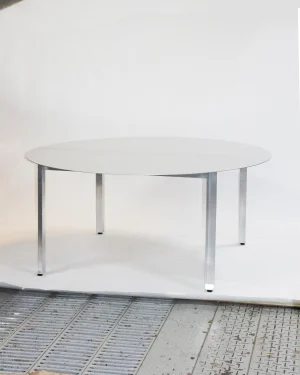
Canto – Aluminum Round Table / Desk
By Luiz Solano
€1.180 - €1.680 This product has multiple variants. The options may be chosen on the product page -
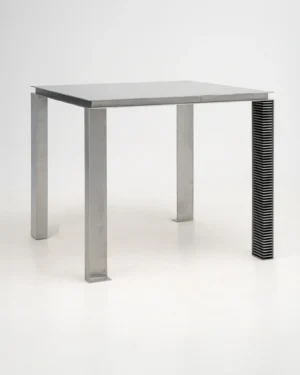
Strut Aluminum Table With Distinctive Foot Design
By Yet Design Studio
€4.725 - €4.995 This product has multiple variants. The options may be chosen on the product page -

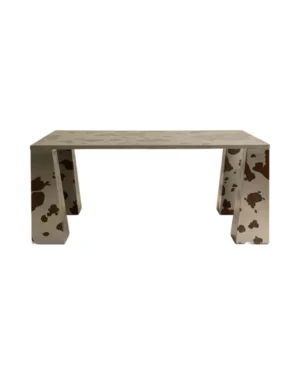
Cowgirl Oxidized Steel Dining Table
By Toro Manifesto
€6.365 -

Untreatable – Steel Dining Table
By ORFEO STUDIO
€19.000€17.100 -

Aluminium Dining Table
By Six Dots Design
€3.174 -
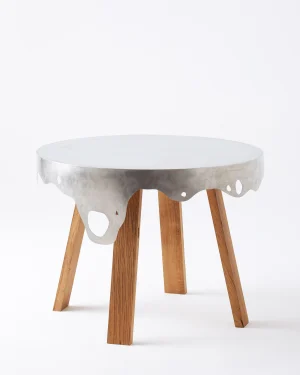
Dough Supra Table – Oak wood / Stainless Steel
By Around the Studio
€2.700 -
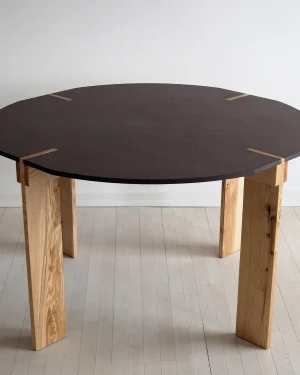
Knast – Ash Wood Table
By Benjamin Nordsmark
€1.800 -
 In stock
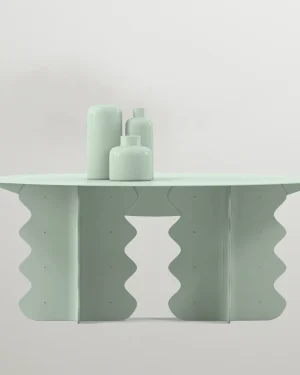
Hvylya – Large Handcrafted Metal Dining Table
By SVITANOK
€2.830 - €3.050 This product has multiple variants. The options may be chosen on the product page -

Why – Dining Table
By Obscure Objects
€4.100 -

T-table
By Obscure Objects
€3.500 -
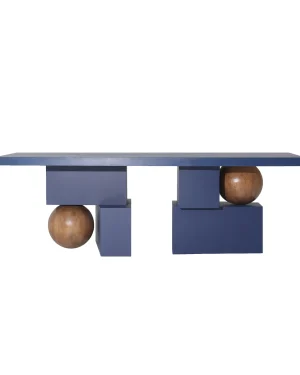
Mess – Wood / Steel Dining Table
By SALAK Studio
€8.990 -
 In stock
Dining Table
By Six Dots Design
€4.542 - €5.042 This product has multiple variants. The options may be chosen on the product page -

Onor Table
By linnvstudio
€6.475 -

Alonzo – Statement Dining Table
By Costantini Design
€26.700 -

Fision Oak And Steel Dining Table
By Toro Manifesto
€4.500 -
![[stratum] Stainless Steel Dining Table](https://media.adorno.design/wp-content/uploads/2025/08/01134836/shopcasestudios.com-Tisch_MOM-300x375.webp)
[stratum] Stainless Steel Dining Table
By case studios
Price Upon Request -
 Sold
SoldMs Takotsubo (dining Table)
By MARBLEDSALTS studio
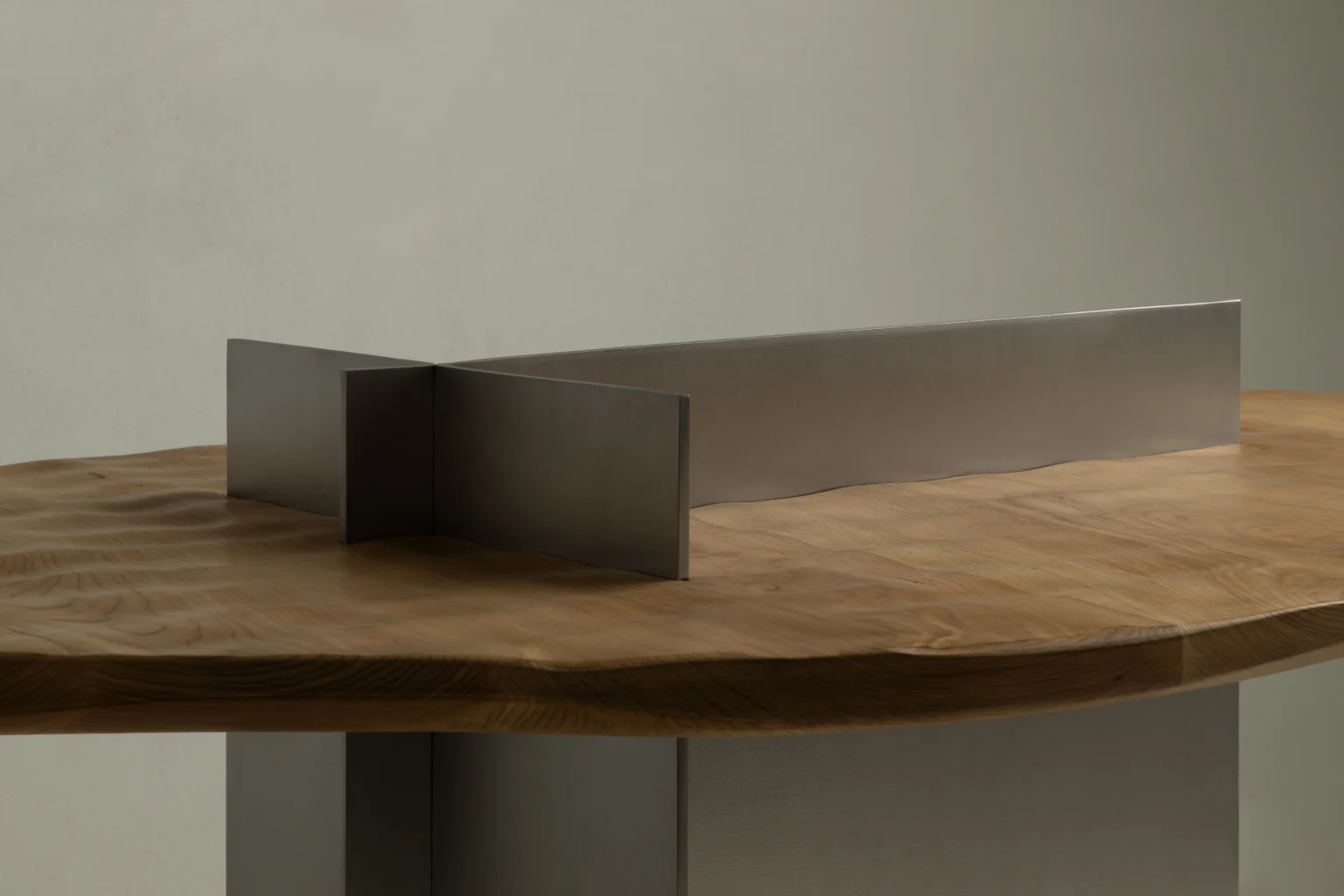
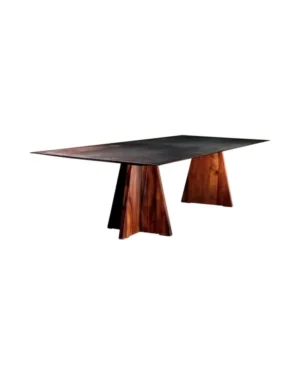
Neo-industrial dining tables take their language from factory floors and workshops: steel frames, cast aluminum bases, tabletops in oak or ash left close to their raw state. Studios working in metalwork, welding and metal casting build them to carry weight without disguising how they're made, so a weld seam or a casting mark stays visible rather than polished away. The result sits between a workbench and a table, built for daily use and heavy dishes alike.
What defines the neo-industrial style in a dining table
The style reads through structure first: thick steel or stainless steel legs, trestle or pedestal bases, tops that are flat and unornamented. Finishes lean toward matte black, silver, taupe or gray, sometimes warmed by rust or chocolate patination that lets metal oxidize on purpose rather than by accident. Where wood appears, it's usually white oak or ash, left in a natural tone so the grain reads plainly against the metal.
Materials, finishes and techniques found here
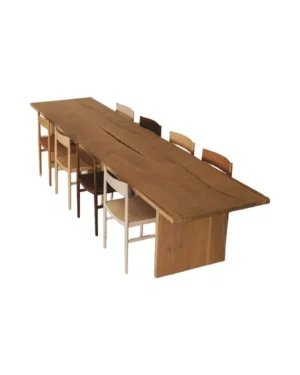
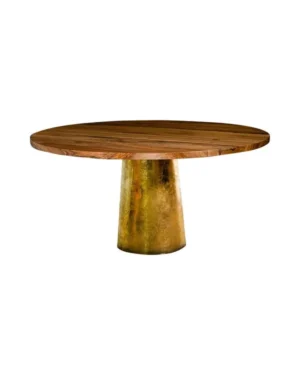
Metal dominates: steel, stainless steel, aluminum and cast aluminum, shaped through welding, metal casting, laser cutting or anodising, each process leaving its own trace in the surface. Wood and cabinetmaking or joinery often pair a metal base with an oak or ash top, giving the table one hard surface and one that will age and mark over time. Editions vary by studio: some tables are made to order in open runs, others appear as limited editions or as unique pieces, a single table rather than a series.
Anyone looking at metal dining tables more broadly will find the same techniques at work, though not always pushed toward this particular, harder-edged look. The full range of neo-industrial pieces on ADORNO extends the same material logic into lighting, seating and objects, if the table is meant to anchor a wider scheme.
How to choose a neo-industrial dining table
Start with scale: a steel-framed table reads heavier than a wooden one of the same footprint, so measure the room with that visual weight in mind, not just the floor plan. Standard dining height, around 29 to 30 inches, holds across most of these pieces regardless of material, which makes mixing a metal table with existing wood chairs, or the reverse, straightforward. Matte and anodized finishes resist fingerprints better than polished metal, worth considering in a household that eats here daily.
- A cast aluminum or welded steel base suits rooms that already lean toward exposed brick, concrete or black-framed windows.
- An oak or ash top softens a metal base and gives the table a warmer presence in a room with little other wood.
- Open editions offer more flexibility on lead time; limited editions and unique pieces suit anyone building a room around one object that won't repeat.
Where these tables sit in a room
Neo-industrial dining tables carry their weight best in open-plan kitchens, lofts and dining rooms with some architectural roughness already present, where a refined table would look out of place. They also work as a counterpoint in a softer room, one honest material object against upholstery and plaster. For a broader look at how dining tables in general divide by room and material, the dining room dining tables and wooden dining tables groupings show where the wood-forward end of the style overlaps with these.
Caring for metal and wood surfaces
Steel and stainless steel tops need only a damp cloth and a dry one after, since standing water can dull a matte finish or encourage rust where patination isn't intended. Cast aluminum resists corrosion well but can scratch, so mats under hot dishes protect the surface more than they protect the table. Oak and ash tops benefit from an occasional wipe with a wood-safe oil, which keeps the grain from drying out and lets the color deepen gradually rather than fade. For pieces that pair both materials, treat each surface on its own terms rather than one product for the whole table.
Anyone assembling a full room around this material story can look across all dining tables on ADORNO, or extend the same steel-and-oak vocabulary into neo-industrial furniture for seating, shelving and storage that share the same finishes and techniques.
How do I choose a neo-industrial dining table?
Look at the base first: welded steel or cast aluminum frames carry visual weight, while an oak or ash top softens the look. Match the finish, matte or rust-toned, to the metals already in your room.
What is a neo-industrial dining table made of?
Most pair a steel, aluminum or stainless steel frame with a solid wood top in oak or ash. Some run fully metal, with cast or welded bases and patinated or anodized finishes.
How do I care for a steel or oak industrial table?
Wipe metal frames dry after cleaning to avoid rust spotting, especially on untreated steel. Oil or wax oak and ash tops yearly and keep them away from standing water.
What size and height is a standard dining table?
Standard dining height runs 28 to 30 inches, comfortable with most chairs and benches. Length and width vary by piece, so check the maker's listed dimensions before ordering.
Which rooms suit a neo-industrial dining table?
The style anchors lofts, open-plan kitchens and dining rooms with exposed brick, concrete or timber. Its weight and raw materials hold their own in larger, high-ceilinged spaces.
How does shipping, returns and authenticity work at ADORNO?
Shipping is insured and worldwide. Returns are accepted within 14 days, except made-to-order pieces, and every table ships with a certificate of authenticity plus a lowest-price guarantee.