-

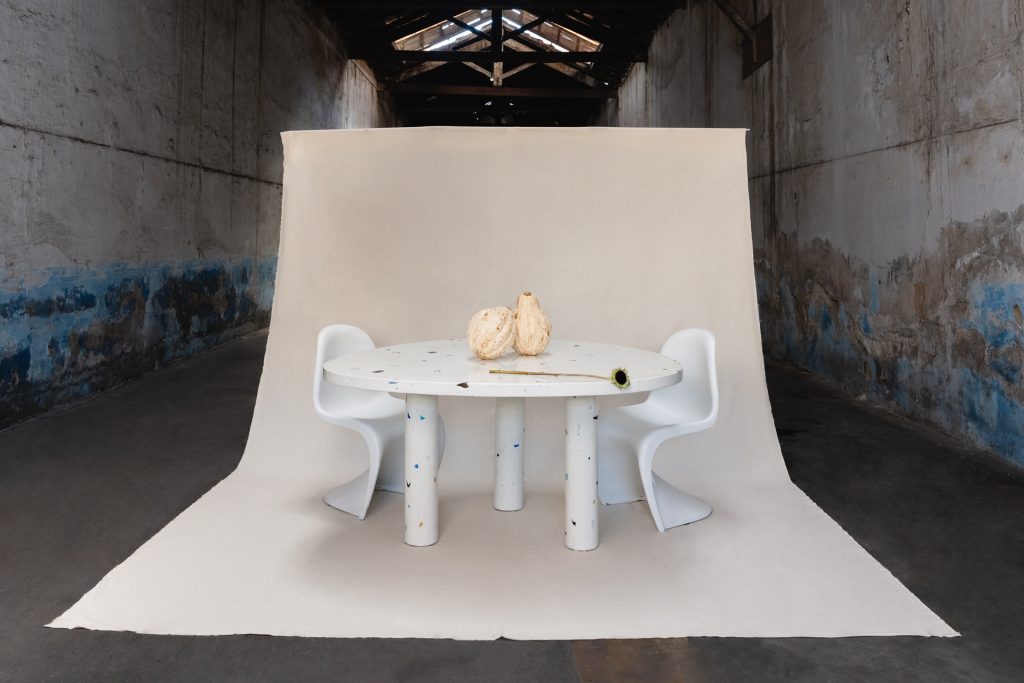
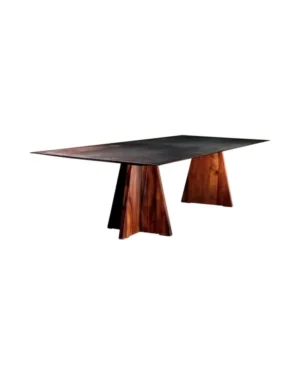
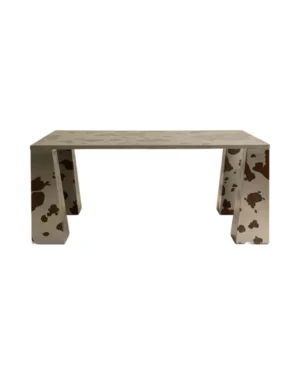
Mono Dining Table
By Assimply Studio
€4.920 - €5.450 This product has multiple variants. The options may be chosen on the product page -
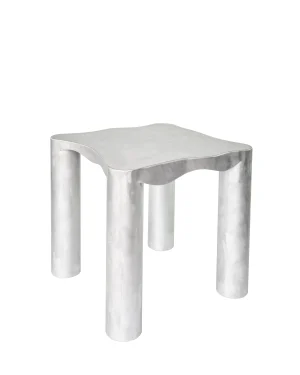
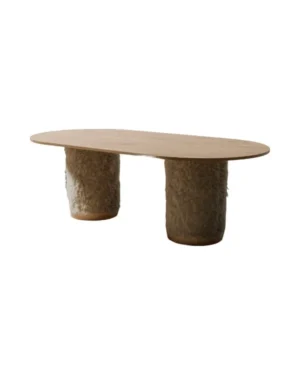
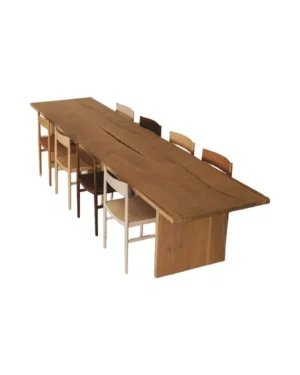
Aluminum Kitchen Table
By Six Dots Design
€2.550 -
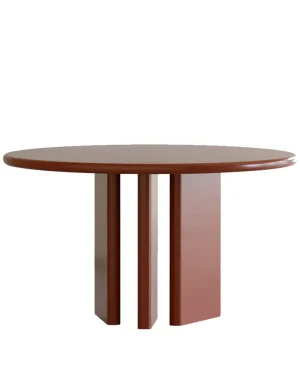
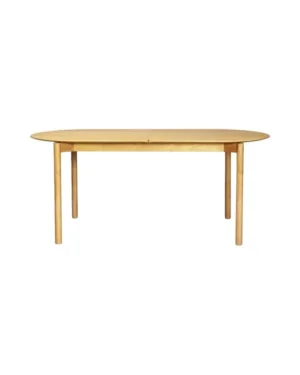
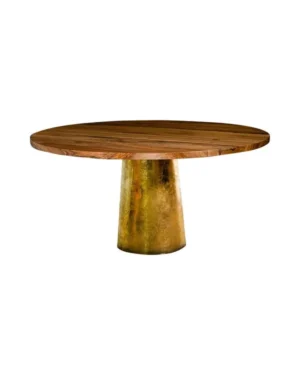
Cozy Dining Table
By hermhaus
€3.635 -
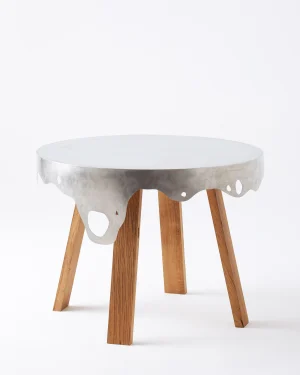
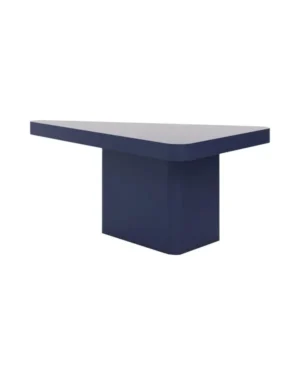
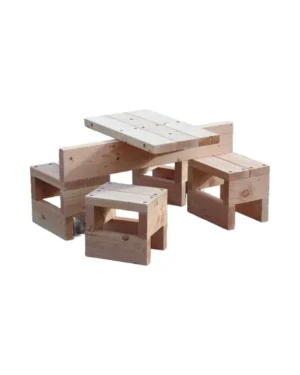
Dough Supra Table – Oak wood / Stainless Steel
By Around the Studio
€2.700 -
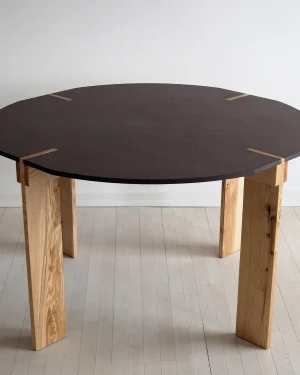
Knast – Ash Wood Table
By Benjamin Nordsmark
€1.800 -

Single Mess – Dining Table
By SALAK Studio
€5.990 -
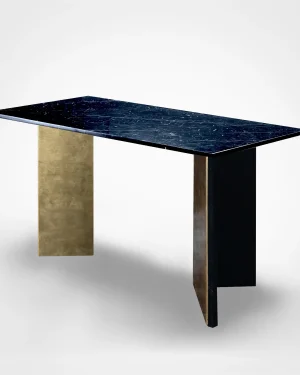
Scorcio – Nero Marquinia Dining Table
By DFdesignLab
€7.500 -

Reeconfigure – Upcycled Dining Table
By StorqueStudios
€2.678 -

Lubambo – Imbuia Wood Table
By am.o atelier
€2.614 -
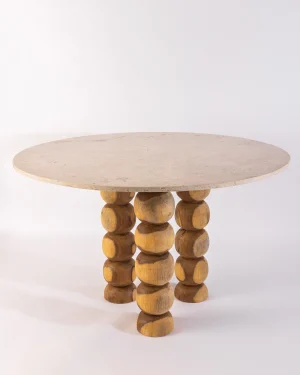
Latte Dining Table – Jabin Wood / Travertine
By Daniel Orozco Estudio
€3.526 -
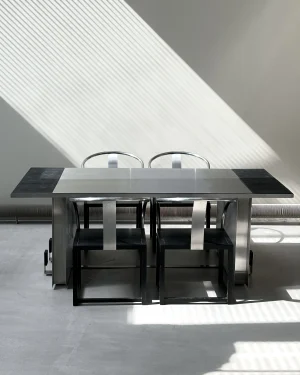
Modular Blackwood & Stainless Steel Table
By case studios
Price Upon Request -
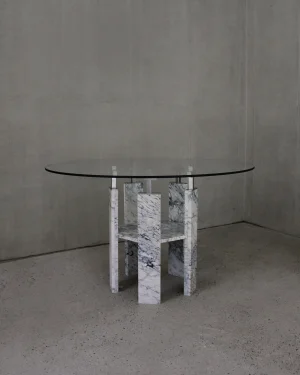 In stock
Sanctus Table
By Undress House
Price Upon Request
Small dining tables are built for rooms where space runs short but gathering still matters, scaled down from standard dining sets without losing table height or structural weight. Independent studios turn to solid wood, ash, pine, stainless steel, steel and marble, shaping tops and legs through cabinetmaking, metalwork, joinery, woodturning, welding and stone carving. The result is a dining surface that reads as considered furniture rather than an afterthought wedged into a corner.
What defines a small dining table
A table earns the word small by its footprint, not by a thinner top or a weaker joint. Legs still carry real load, aprons still brace the corners, and a wood or stone surface still needs the same attention to grain, seam and finish as a larger piece. What changes is proportion: a round or square top sized for two to four, often with a single pedestal or a slim four-leg frame that leaves walking room around it.
Many of these tables draw on the same vocabulary found across dining tables more broadly, just condensed. A turned oak leg, a welded steel frame, a powder-coated base in black or off-white, a slab of Carrara marble prone to staining and veining further with use, these details carry over at any scale.
Materials, colors and ways of making
Wood remains the material most often chosen for small dining tables, usually ash or pine finished to show grain rather than hide it. Stainless steel and steel appear as frames or full tops, sometimes powder coated in black, gray, chocolate or butter yellow for a harder, more industrial read. Glass and Carrara marble turn up where a studio wants a cooler, reflective surface, and MDF shows up in flatter, more graphic pieces aimed at tighter budgets.
- Minimalist and midimalism pieces strip the frame to its structural minimum, often in pale wood or matte steel.
- Mid-century modern and contemporary tables lean on tapered legs, warm wood tones and rounded edges.
- Neo-industrial and welded steel pieces favor exposed joints and a raw or powder-coated finish.
- Editions range from open runs to limited editions and unique pieces, depending on the studio and technique.
Anyone drawn to a specific surface can look across wooden dining tables or metal dining tables for the same material logic at full scale, or narrow further through minimalist dining tables if the style matters more than the footprint.
Choosing scale, height and placement
Standard dining height sits close to 28 to 30 inches regardless of a table's width, so a small top still pairs comfortably with ordinary dining chairs. The real decision is clearance: measure the room with chairs pulled out and walking space left on every side, not just the floor area the top itself covers. A round top tends to suit a tighter room better than a square or rectangular one, since it removes hard corners from the traffic path.
Finish matters as much as shape. A pale ash or off-white top reflects light and reads larger than the same table in a dark walnut or chocolate stain, useful in a room with limited daylight. Marble and glass tops bring reflectivity but also show fingerprints and dust more readily than wood or powder-coated steel.
Rooms, settings and care
Small dining tables work equally well as an everyday kitchen table, a breakfast corner, a studio apartment's only eating surface, or a secondary table in a larger home. Anyone furnishing a compact space more broadly can also look at small-scale pieces across every category or browse small tables for occasional and side pieces that follow the same logic.
Wood surfaces benefit from a damp cloth and an occasional oil or wax, away from direct heat and standing water. Marble stains if left in contact with acidic liquids and should be sealed and wiped promptly. Steel and powder-coated frames need little beyond regular dusting, though scratches in a powder coat expose the base metal underneath and are worth touching up early.
How do I choose a small dining table?
Start with how many people sit regularly, then measure the room with at least thirty inches of clearance on each side for chairs to pull out and people to pass.
What size counts as a small dining table?
Most small dining tables seat two to four people and work well in rooms where a standard six-seat table would crowd the walkways.
What is the standard height for a small dining table?
Most dining tables stand around twenty-nine to thirty inches tall, matching standard dining chairs regardless of the tabletop's size or shape.
What materials and care do small dining tables need?
Wood tops need occasional oiling and protection from standing water, marble needs sealing against stains, and metal or glass simply wipe clean.
Which rooms suit a small dining table?
Small dining tables fit apartments, breakfast nooks, studios and corners of open-plan kitchens, anywhere a full-size table would overwhelm the space.
Does ADORNO offer shipping, returns and authenticity guarantees?
Shipping is insured and worldwide, returns are accepted within fourteen days except on made-to-order pieces, and every piece ships with a certificate of authenticity.