












-

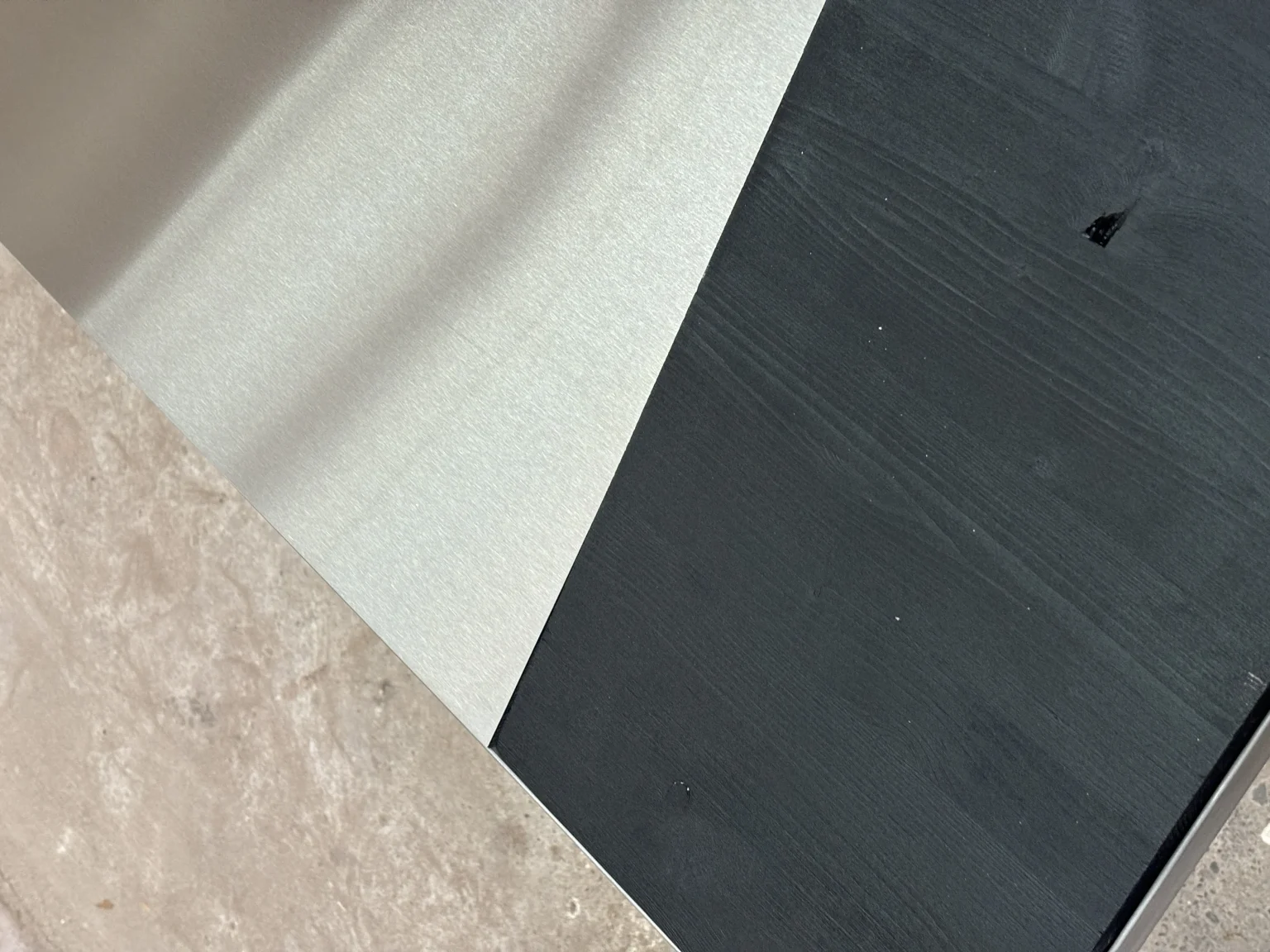
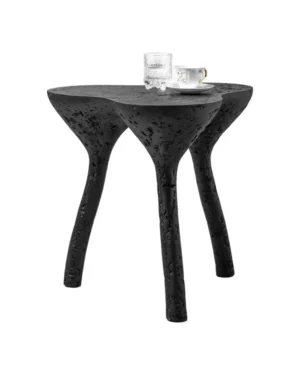
Mono Dining Table
By Assimply Studio
€4.920 - €5.450 This product has multiple variants. The options may be chosen on the product page -
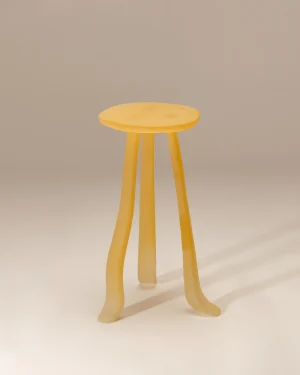
Lung 1.0 Honey Matte Side Table in Resin
By Szymon Keller
€2.200 - €2.400 This product has multiple variants. The options may be chosen on the product page -
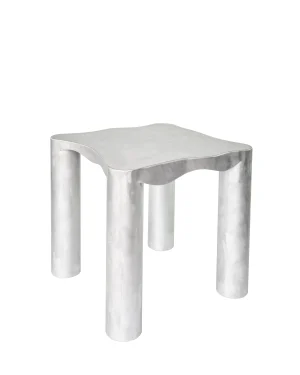
Aluminum Kitchen Table
By Six Dots Design
€2.550 -
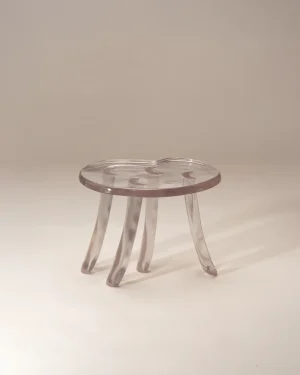
Lung 2.0 Side Table in Resin
By Szymon Keller
€3.180 -

Lung 2.0 Blue Side Table in Resin
By Szymon Keller
€3.180 This product has multiple variants. The options may be chosen on the product page -
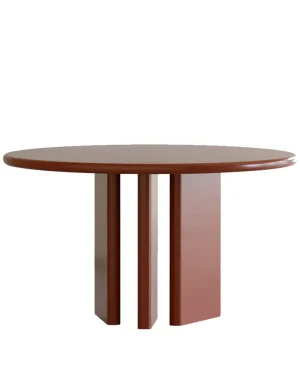
Cozy Dining Table
By hermhaus
€3.635 -
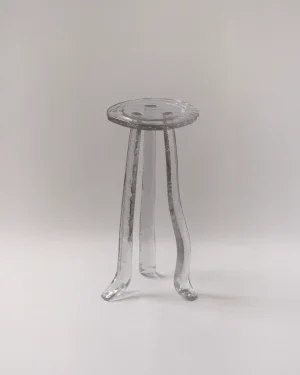
Lung 1.0 Side Table in Resin
By Szymon Keller
€2.000 - €2.400 This product has multiple variants. The options may be chosen on the product page -
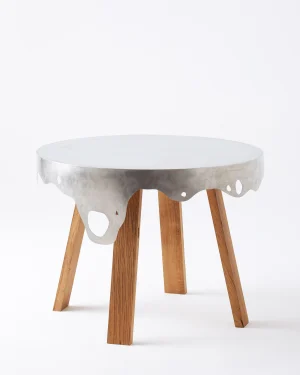
Dough Supra Table – Oak wood / Stainless Steel
By Around the Studio
€2.700 -
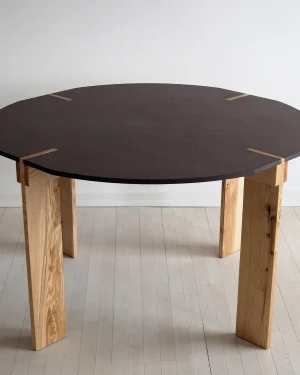
Knast – Ash Wood Table
By Benjamin Nordsmark
€1.800 -
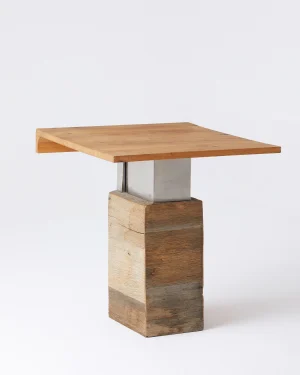
Tbilisi Street Table – Upcycled Materials
By Around the Studio
€1.900 -
 In stock
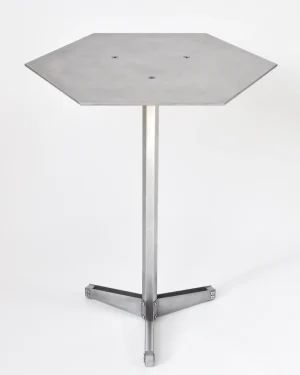
Hex600 Pedestal Table – Mat Aluminium
By MLK Furniture
€2.090 -

Single Mess – Dining Table
By SALAK Studio
€5.990 -
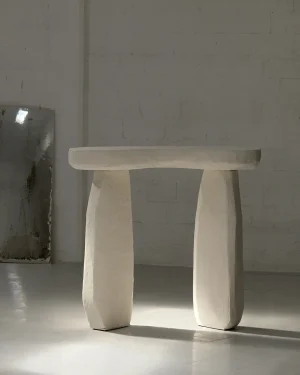
Ruins Console 1.0
By Szymon Keller
€5.528 -
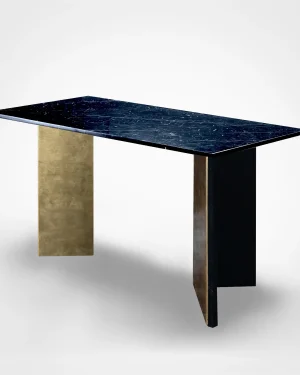
Scorcio – Nero Marquinia Dining Table
By DFdesignLab
€7.500 -

Reeconfigure – Upcycled Dining Table
By StorqueStudios
€2.678 -

Lubambo – Imbuia Wood Table
By am.o atelier
€2.614 -
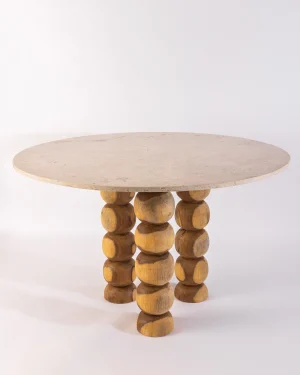
Latte Dining Table – Jabin Wood / Travertine
By Daniel Orozco Estudio
€3.526 -
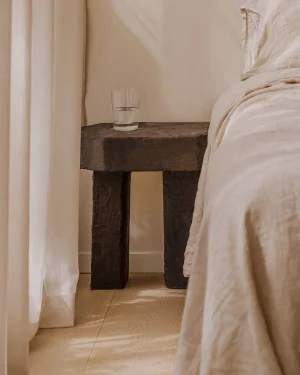
Ruins Side Table
By Szymon Keller
€3.546 -
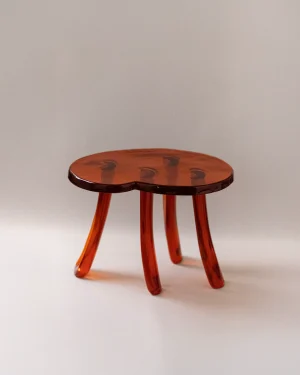
Lung 2.0 Amber Side Table in Resin
By Szymon Keller
€3.180 This product has multiple variants. The options may be chosen on the product page -
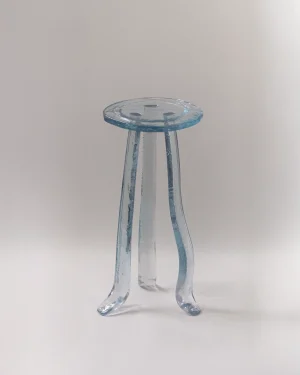
Lung 1.0 Blue Side Table in Resin
By Szymon Keller
€2.000 - €2.400 This product has multiple variants. The options may be chosen on the product page -
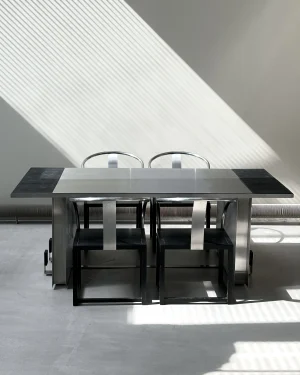
Modular Blackwood & Stainless Steel Table
By case studios
Price Upon Request -

Lung 1.0 Amber Side Table in Resin
By Szymon Keller
€2.041 - €2.400 This product has multiple variants. The options may be chosen on the product page -
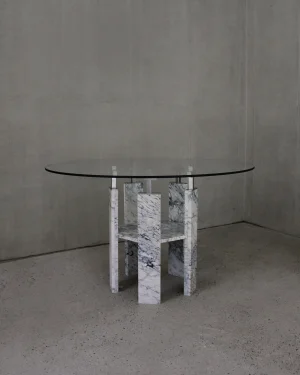 In stock
Sanctus Table
By Undress House
Price Upon Request
Small tables at ADORNO are the pieces scaled for a side, a corner or a space between two chairs, sized to carry a lamp, a stack of books or a cup rather than a full table setting. The studios working in this range reach for resin, stainless steel, oak, ash, pine, terracotta and aluminum, shaping them through resin casting, metalwork, joinery, woodturning, stone carving, welding and hand-building. Each piece answers to a smaller footprint, but the material and the way it was made still set how it looks, ages and holds weight.
What defines a small table
Scale is the first constraint. A small table has to hold its own next to a sofa or a bed without crowding the room, so studios often simplify the structure down to a single slab, a turned leg or a cast form rather than a built frame. The material tends to show more on a small table than on a dining-sized one, since there is less surface to distract from the grain, the patina or the cast texture.
Technique follows from material. Wood pieces, in oak, ash or pine, are joined or turned on a lathe, which is why their legs often taper or swell rather than running straight. Resin is poured and cured in a mold, giving it the transparent or matte surfaces and the rounded edges that cast pieces share. Stainless steel and aluminum are welded or worked cold, and terracotta is built by hand and fired, so no two surfaces come out quite alike.
Materials, finishes and editions on ADORNO
What turns up most often in this size:
- Resin, in transparent or matte finishes, cast as a single solid form
- Stainless steel and aluminum, welded or worked into sheet and tube
- Oak, ash and pine, joined or turned, left raw or given a brown or chocolate stain
- Terracotta, hand-built and fired, often left in its natural gray or warmed with sky blue or baby blue glazes
- Styles ranging from Contemporary and Eclectic to Neo-Industrial, Art Deco, Brutalist and Wabi-Sabi
- Open editions alongside limited editions and unique pieces, depending on how the piece was made
How to choose a small table
Start with height relative to what sits beside it: a side table usually sits level with or just below the arm of a sofa or chair, while a table meant to stand alone can run taller. Measure the gap it needs to fill before weighing material against it, since a cast resin form reads differently in a narrow corner than a turned wood leg does.
Finish matters as much as shape. A matte or transparent resin surface will pick up light differently than a stained oak top, and a welded steel base will read heavier than its actual weight suggests. If the table is going near a doorway or a bed, favor rounded cast edges or turned legs over sharp welded corners.
Where small tables work
They belong wherever a surface is needed without a chair pulled up to it: beside a sofa or armchair in a living room, at the foot of a bed, in a hallway for keys and post, or paired as a set flanking a longer piece. A single sculptural small table, in cast resin or welded metal, can also stand on its own as the only object in a corner.
Caring for the material
Wood tables darken and pick up small marks with use; an occasional wipe with a dry cloth and an oil or wax suited to the wood keeps the surface even. Terracotta is porous and will stain if liquid sits on it, so a coaster or mat under glasses is worth keeping. Stainless steel and aluminum resist moisture and need only a wipe to stay clean, while resin should stay out of direct sun for long stretches, since UV light can yellow a clear cast over time.
The full range of sizes sits within tables generally, and anything else sized for a tighter space can be found among small pieces across every category. For a narrower look at wood specifically, the wooden tables group is worth a look, and those drawn to steel or aluminum forms can see more in metal tables.
How do I choose a small table?
Start with the role it will play, a side table for a sofa, a stool-height surface for plants, or a low table for a reading corner. Match its material and form to what already sits nearby, then check scale against the space around it.
What materials do small tables come in and how do I care for them?
Common choices include wood, resin, stainless steel, aluminum and terracotta. Wood needs occasional oiling and protection from damp, metal wipes clean easily, and resin and terracotta resist water but can chip or crack under heavy impact.
What size and height should a small table be?
Small tables generally sit lower and occupy less floor space than standard dining or desk tables, often matched to sofa arm height or just below. Exact dimensions vary by piece, so check the specific measurements before buying.
Which rooms suit small tables?
They work well in living rooms beside seating, in entryways for keys and trays, in bedrooms as nightstands, and in small apartments where a full-size table would crowd the room.
Can I order a custom size or finish?
Some makers accept custom requests for size, material or finish. Chat with the maker on the piece's page to confirm what is possible.
What are ADORNO's shipping, returns and authenticity policies?
Shipping is insured and worldwide. Returns are accepted within 14 days, excluding made-to-order pieces, and every purchase includes a certificate of authenticity along with a lowest-price guarantee.