-
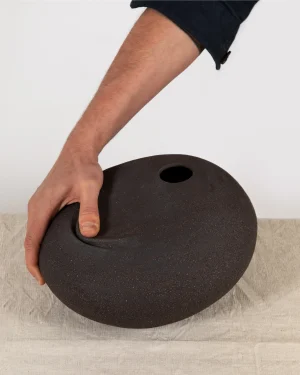
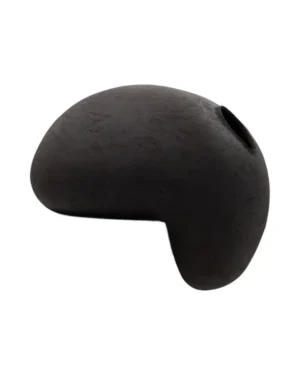
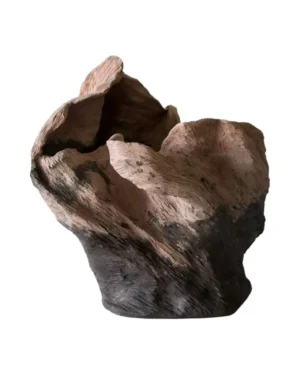
Movement Phase 3 – Black Sculptural Ceramic Vessel
By Catalin Filip
€600 -
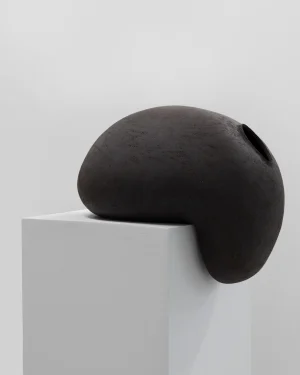
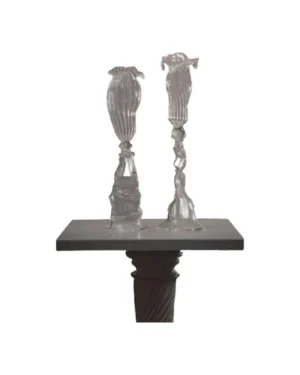
Movement Phase 1 – Black Sculptural Ceramic Vessel
By Catalin Filip
€1.350 -

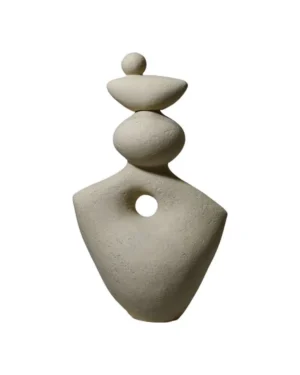
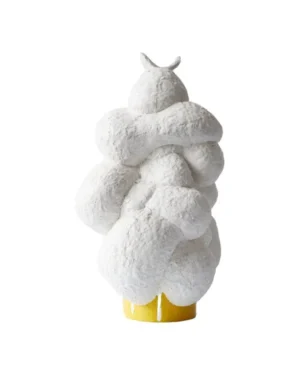
Aisha Totem – Stoneware Sculpture
By Lucia Mondadori
€1.395 -
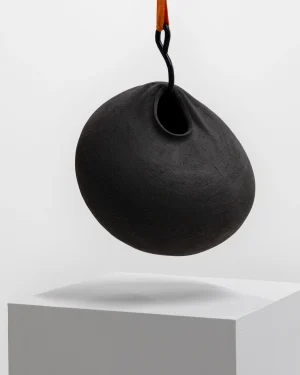
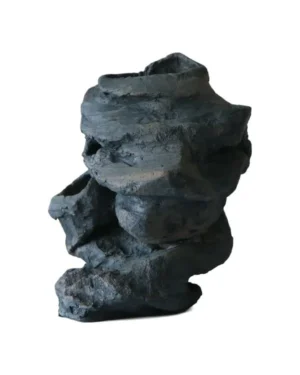
Movement Phase 2 – Black Sculptural Ceramic Vessel
By Catalin Filip
€1.030 -

Inwards – Black Sculptural Ceramic Vessel
By Catalin Filip
€900 -
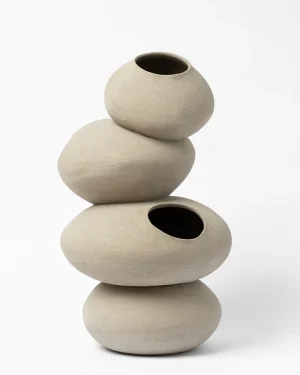 In stock
Kho Sculpture No. 4
By Od Studio
€1.280 -

Kho Sculpture No. 9
By Od Studio
€1.310 -

Kho Sculpture No. 12
By Od Studio
€2.230 -
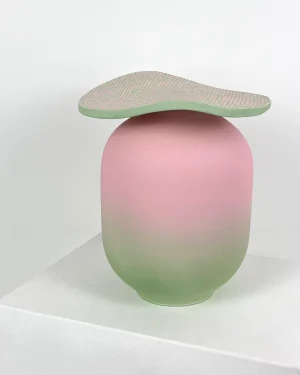 In stock
Sui Cappelli/ About Hats – Ceramic Sculpture
By Federica Paglia
€550 This product has multiple variants. The options may be chosen on the product page -

Pose N°7 Black – Sculpture
By Marie-Marie Defour
€320 -

Pose N°6 Black – Sculpture
By Marie-Marie Defour
€260 -
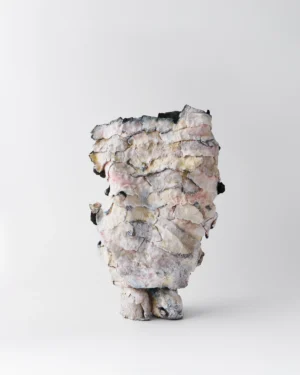 In stock
Nobody’s Watching No.01 – Ceramic Sculpture
By Not Yet Ceramics
€800 -
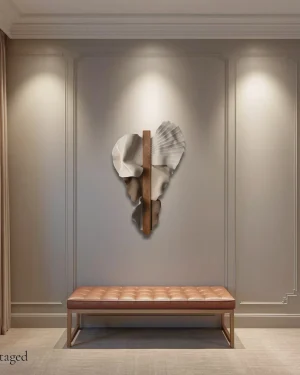
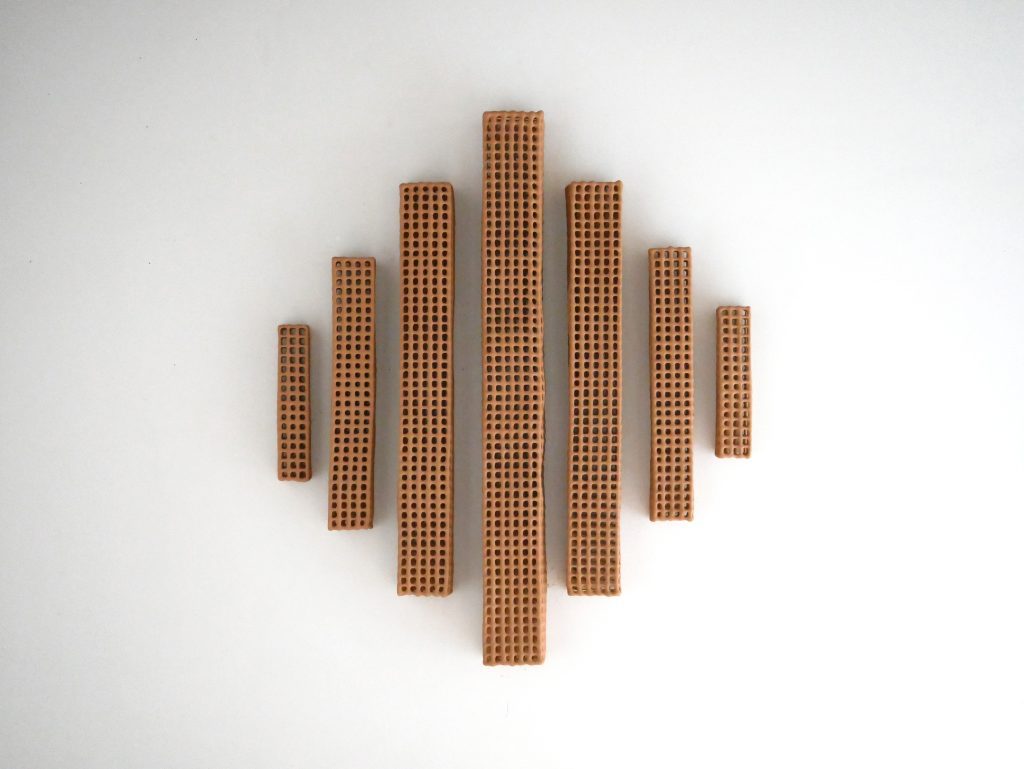
Abundance Wall Sculpture | Toffee · Studio Series ·
By Studio Ēeme
€3.565 -
 In stock
Gaseous Vases
By Layered Ceramics Studio
€150 - €400 This product has multiple variants. The options may be chosen on the product page -

Kho Sculpture No. 7
By Od Studio
€408 -

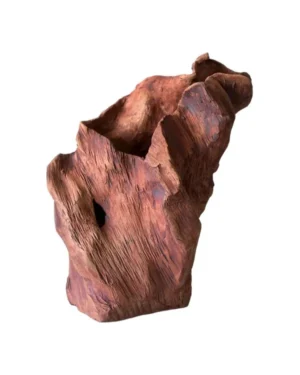
Indent(ation) – Terracotta Sculptural Ceramic Vessel
By Catalin Filip
€900 -
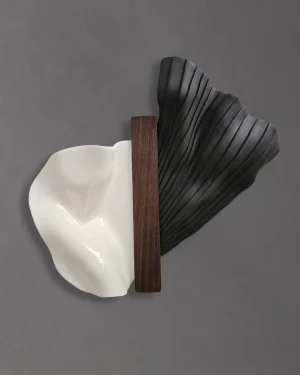
Abundance – Ceramic Wall Sculpture
By Studio Ēeme
€1.135 -
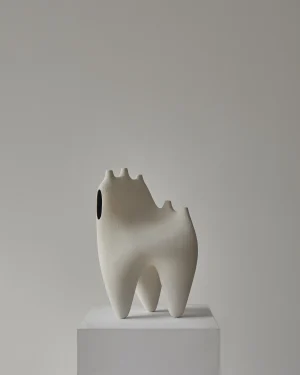
Nomad Ⅰ:03 – Ceramic Vase
By SK - Sofia Karnukaeva
€2.100 -
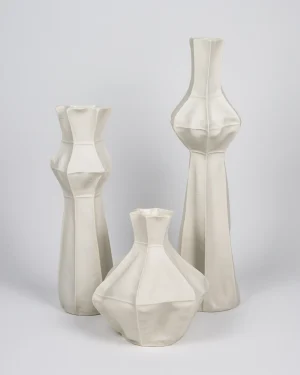
Set No. 1 Of 3 Kawa Vases – Organic Leather-cast Ceramics
By Luft Tanaka Studio
€2.550 -

The Drago Bowl
By COSEINCORSO
€520 -
 In stock
Organic Form No.4 Sculpture
By Alex Roby Design
€988 -
 In stock
Black On Black Sculpture
By Ceramic Sculptor Stella Arion
€3.100 -
 In stock
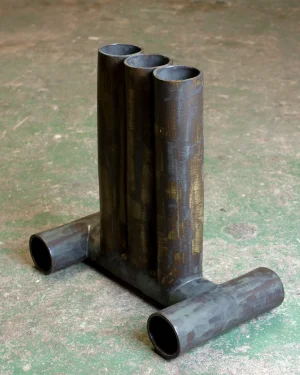
Ceramic 3 Notch Vessel Ltd.
By Nolan Talbot-Kelly
€650 -
 In stock
Pose N°5 Beige Sculpture
By Marie-Marie Defour
€320 -
 In stock
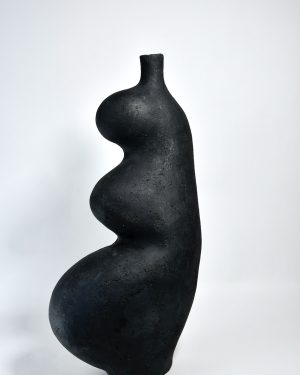
Lilith Grande
By Lucia Mondadori
€1.450 -
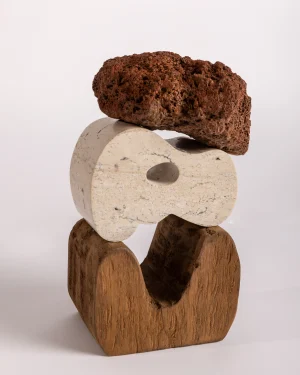
Vera Sculpture
By Daniel Orozco Estudio
€962 -
 In stock
Pose N°10 Black Sculpture
By Marie-Marie Defour
€350 -
10% off

Abundance Wall Sculpture | Toffee · Unique Piece ·
By Studio Ēeme
€3.565€3.209 -
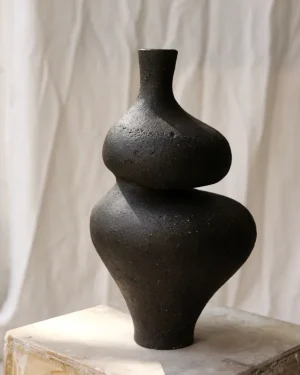
Black Lilith – Brut Stoneware Vessel
By Lucia Mondadori
€842 -
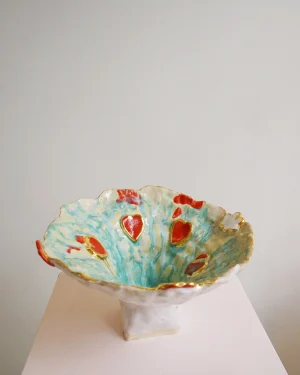 In stock
Olé Series- Plates Edition
By Hania Jneid Design Studio
€650 -
 In stock
Elements Of Anatolia No. 14
By Od Studio
€3.600 -
 In stock
The Magic Fireplace
By M’ama edizioni
€800 -
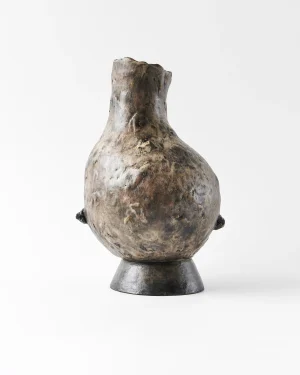 In stock
Echoes No.07 – Sculptural Ceramic Vase
By Not Yet Ceramics
€560 -
 In stock
Organic Form No.5 – Sculpture
By Alex Roby Design
€1.368 -
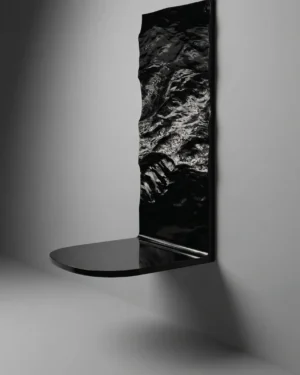 In stock
Pontos Wall Sculpture
By Arbore x Cezar Moldovan
€9.830 -
 In stock
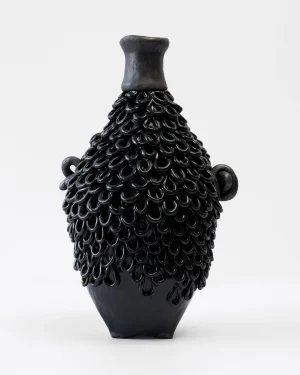
Wraps No.04 – Sculptural Stoneware Vessel
By Not Yet Ceramics
€540 -
 In stock
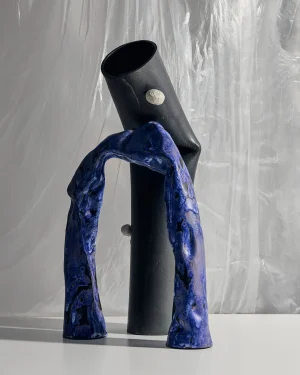
Stoneware Sculpture Installation
By C E R A M I C 4 7
€950 -
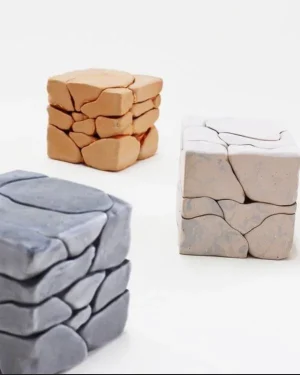
“dilema” Infinite Series Of Puzzles
By Popdots Studio
€100 This product has multiple variants. The options may be chosen on the product page -
 In stock
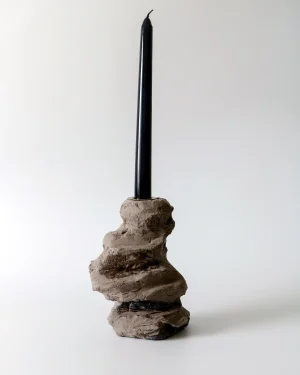
Abyss Candle Holder
By Ceren Gürkan
€120 -
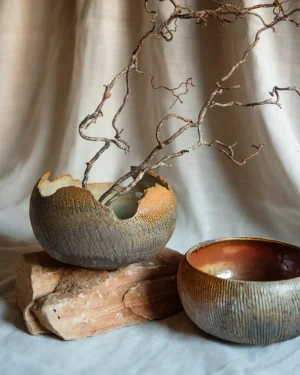 In stock
Distressed Wood Fired Form No.1
By Alex Roby Design
€488 -
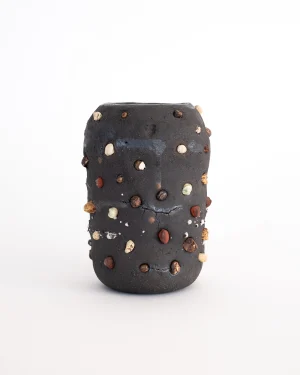 In stock
Little Rock Vase – Special Edition (deconstructed O.1)
By Ugly Things et al.
€590 -
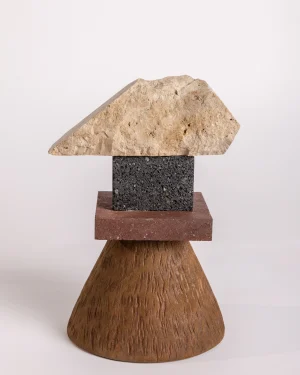
Clara Sculpture
By Daniel Orozco Estudio
€962 -
 In stock
Abyss No. 21 – Sculptural Vessel In Stoneware
By Ceren Gürkan
€1.170 -
 In stock
Pose N°8 Pink Sculpture
By Marie-Marie Defour
€260 -
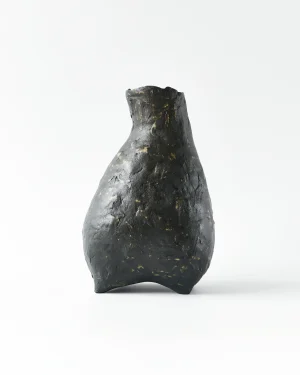 In stock
Echoes No.05 – Sculptural Vase
By Not Yet Ceramics
€520 -
 In stock
Embodied Sense Ceramic Sculpture
By Ceramic Sculptor Stella Arion
€3.100 -
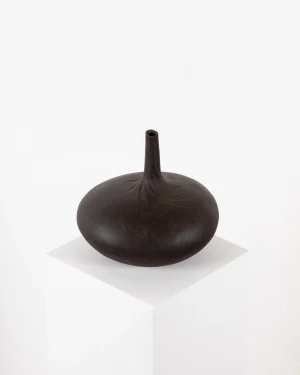
Untitled Vessel – Sculptural Ceramic Vessel
By Catalin Filip
€600 -

Lilith In Black Oxide
By Lucia Mondadori
€788 -

Fos Deco 07
By Daniel Orozco Estudio
€2.238 -
 In stock
Into The Void – Porcelain Sculpture
By Liquid Void Studio
€700 -
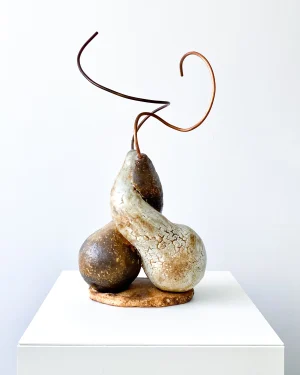 In stock
Embrace – Stoneware Sculpture
By Elena Yakimushkina
€900 -
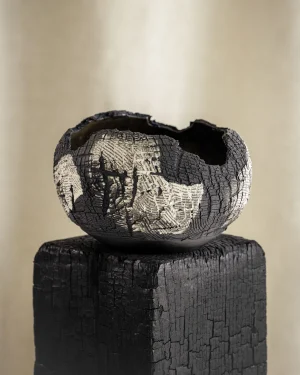
Distressed Onyx Form No.1
By Alex Roby Design
€520 -
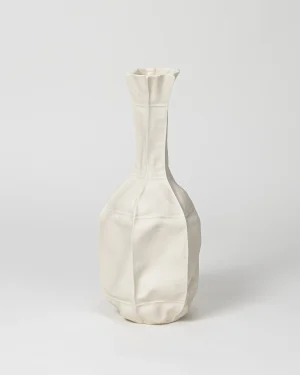
Organic White Ceramic Kawa Vase #12
By Luft Tanaka Studio
€1.075 -
 In stock
Breathe No.02 – Ceramic Sculpture
By Not Yet Ceramics
€480
Ceramic sculptures are built from fired clay, shaped by hand or cast in molds, then glazed or left raw to show the body underneath. Independent studios working in stoneware and white or black clay favor the material because it holds a form that wood and metal cannot: soft, rounded, sometimes imperfect by design. The surface, whether matte, glossy or left bare, carries the mark of the maker's process long after the kiln has cooled.
What defines a ceramic sculpture
Clay is plastic before firing and permanent after, which lets a designer push, coil or carve a shape that no other material allows at this scale. Stoneware and white or black stoneware bodies fire denser and harder than earthenware, giving the finished piece weight and a cool, stone-like surface. Glaze adds color and sheen where the maker wants it, and leaves the clay matte or chalky where they do not.
Because the material shrinks and hardens in the kiln, no two firings behave quite the same way. Small variations in tone, in the pooling of a glaze, or in the texture of a hand-built surface are part of the material, not a flaw in it. This is part of why many of these works exist as unique pieces rather than identical runs.
The range of finishes and techniques on ADORNO
The ceramic sculptures found across the wider sculpture category span a number of ways of working the material. Some studios hand-build by coiling and pinching, raising a form slowly without a mold. Others slip-cast into plaster to repeat a shape more precisely, or sculpt a solid mass and carve back into it once the clay has stiffened.
- Clay bodies: stoneware, white stoneware, black stoneware
- Surfaces: glazed, matte, glossy, transparent, off-white, beige, black, white
- Techniques: hand-building, coiling, slip casting, sculpting, glazing
- Editions: unique pieces and open editions, depending on the studio's process
Anyone looking across every ceramic piece on ADORNO will notice how much the same material shifts in character between a raw stoneware totem and a glossy black glazed form. The clay body sets the weight and tone; the glaze, or the decision to skip it, sets the mood.
How to choose a ceramic sculpture
Scale matters more with sculpture than with most objects, since it has no function to fall back on if the proportion is wrong. A tall, narrow form reads as a marker and asks for floor space or a plinth; a low, rounded one sits easily on a console or shelf without competing with what is near it.
Finish should answer to light. Glossy and transparent glazes catch daylight and throw it back, which suits a room with movement and reflection already in it. Matte, off-white or raw stoneware absorbs light instead, and holds its presence even in a dim corner.
Where it suits a room
A single ceramic form carries weight on a mantel, a plinth, or a dining table used only for display. Paired finishes, a matte black alongside a glossy white, work well on open shelving where several objects sit close together. For anyone building a broader palette, ceramic decor pieces and stoneware sculptures with a similar body and glaze can sit together without one piece fighting another for attention.
Caring for ceramic surfaces
Fired clay is stable but not indestructible; a sharp knock will chip a glaze or crack the body. Dust with a dry or barely damp cloth, and keep unglazed stoneware away from oil or colored liquids, since the raw surface can absorb and stain. Anyone drawn to one-off forms rather than repeated shapes can look specifically among unique sculptures, where the ceramic sculptures on offer exist as single, unrepeated pieces rather than open editions.
How do I choose a ceramic sculpture?
Look at how the form sits in light and from different angles, since ceramic surfaces shift between matte and glossy as they catch it. Consider scale against the furniture or shelf it will stand on.
How do you care for a ceramic sculpture?
Dust with a dry or slightly damp cloth, and keep glazed surfaces away from abrasive cleaners. Unglazed stoneware and clay can mark or stain, so avoid placing them where liquids might splash.
What size ceramic sculpture should I get?
Smaller pieces suit shelves, console tables and desks, while larger forms anchor a floor space or low table on their own. For exact dimensions, chat with the maker on the piece's page.
Which rooms suit ceramic sculptures?
Living rooms, entryways and studies all carry ceramic forms well, since the material reads as calm and grounded against wood, stone or textile. Bathrooms and kitchens work too if the glaze is sealed.
Are ceramic sculptures handmade or one of a kind?
Many are hand-built, coiled or slip cast, and some are unique pieces rather than open editions. The maker can confirm the exact technique and edition status on the piece's page.
How does shipping, returns and authenticity work on ADORNO?
Shipping is insured and worldwide, with a 14-day return policy that excludes made-to-order pieces. Every piece arrives with a certificate of authenticity, backed by a lowest-price guarantee.